
Electric Chicken Feeder
2. Feed output capacity reaching 1400kg/h
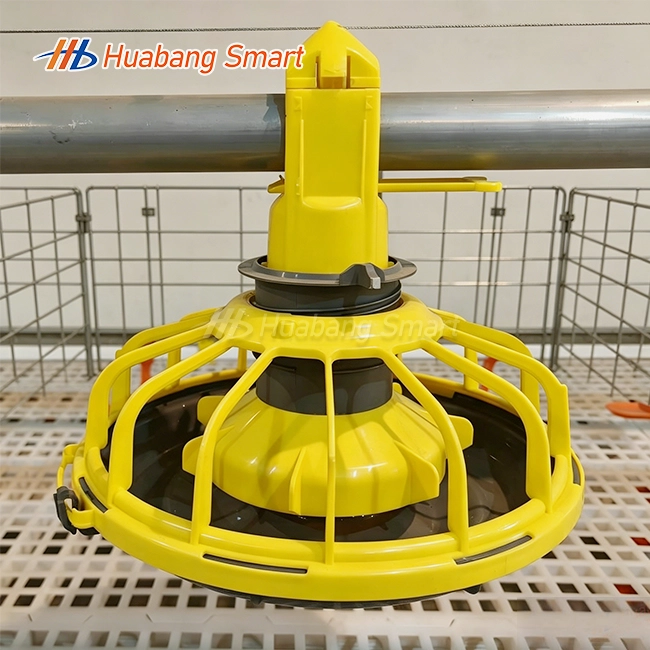
3. 16-cell feed pan with 330mm diameter
4. Long-service-life PVC pipe
5. Ideal for poultry layer and broiler farming
6. Automated feeding for better efficiency
7. Reliable poultry machinery performance
- Product Description
Electric Chicken Feeder - Professional Automated Poultry Feeding Solution
Advanced Pan-Style Automated Feeding Technology
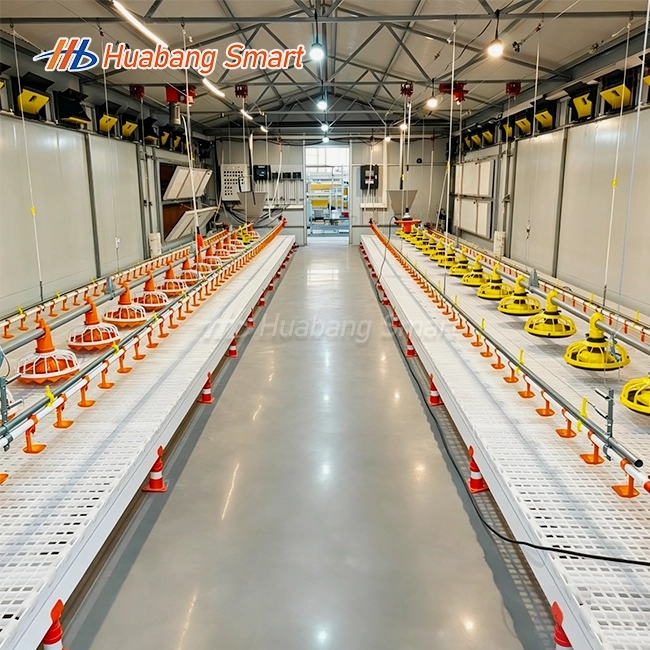
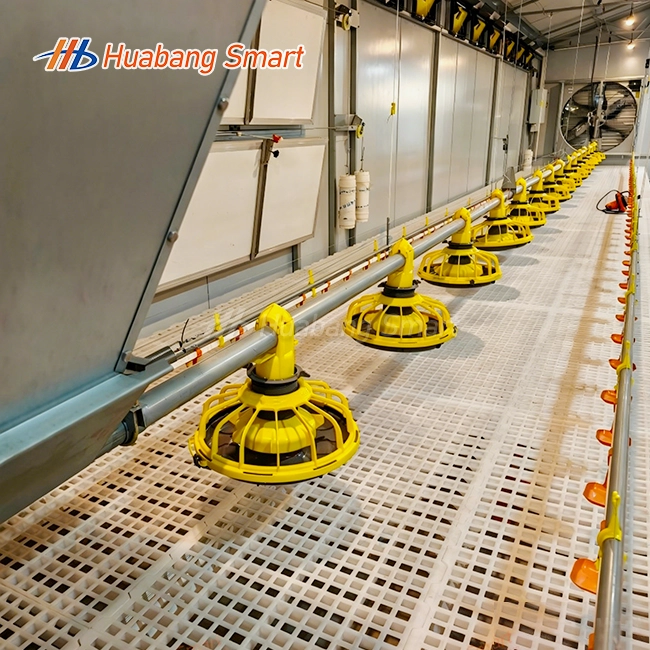
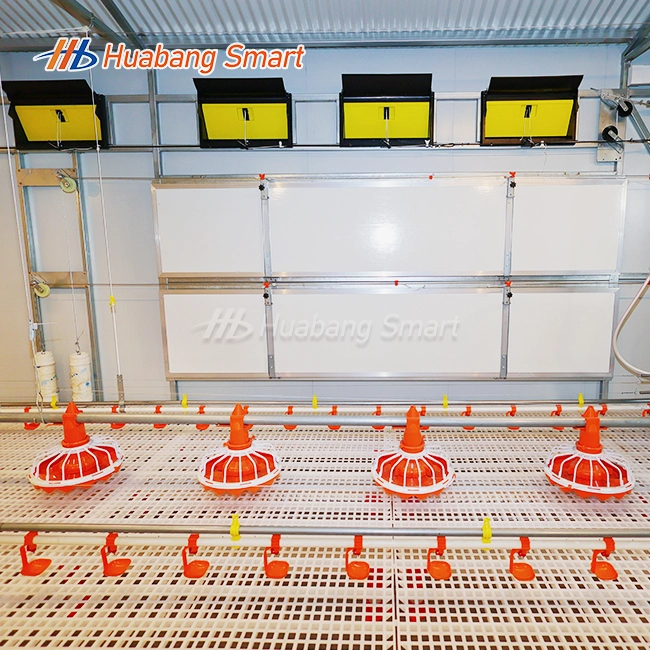
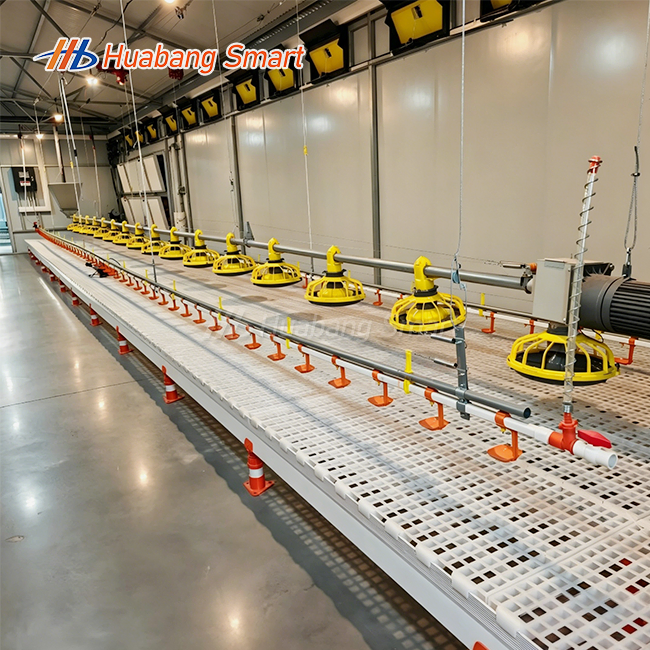
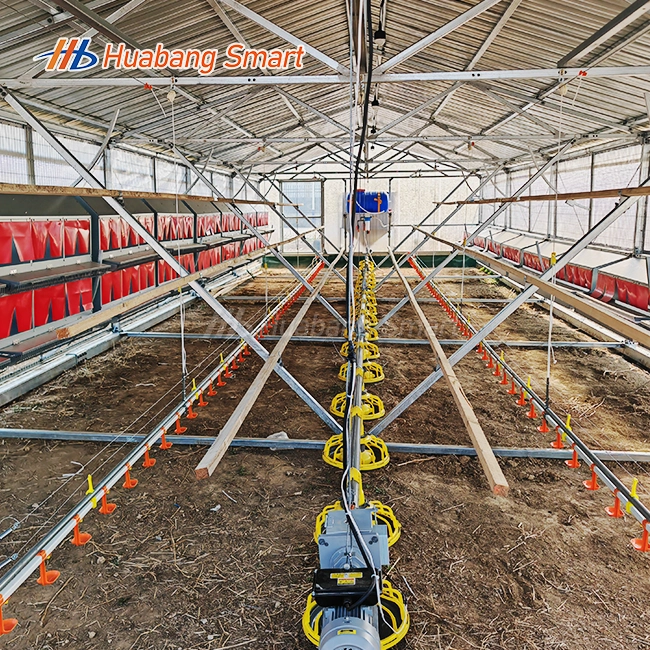
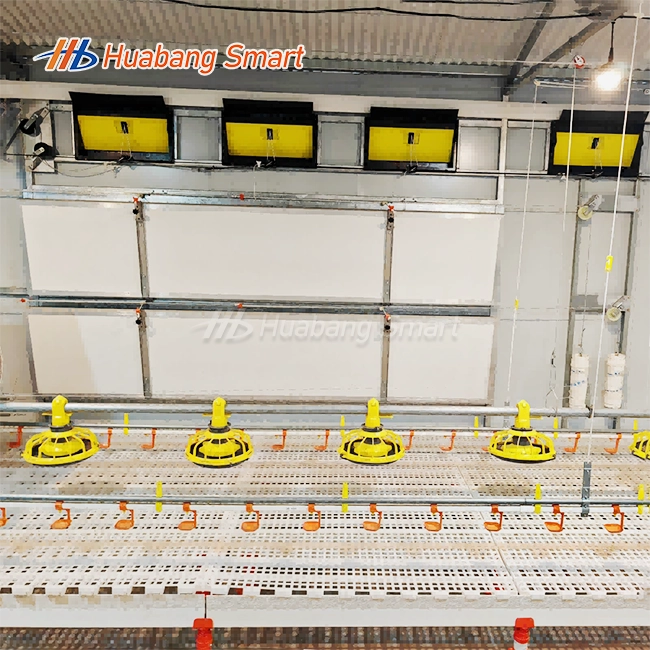
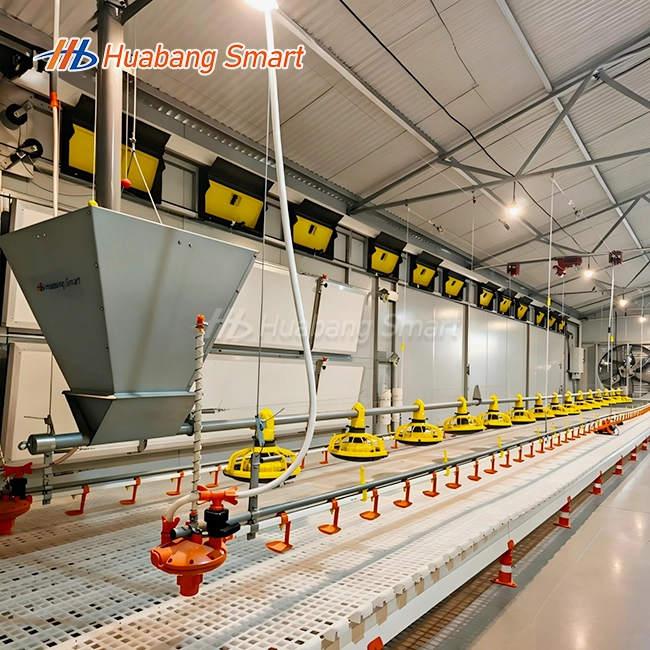
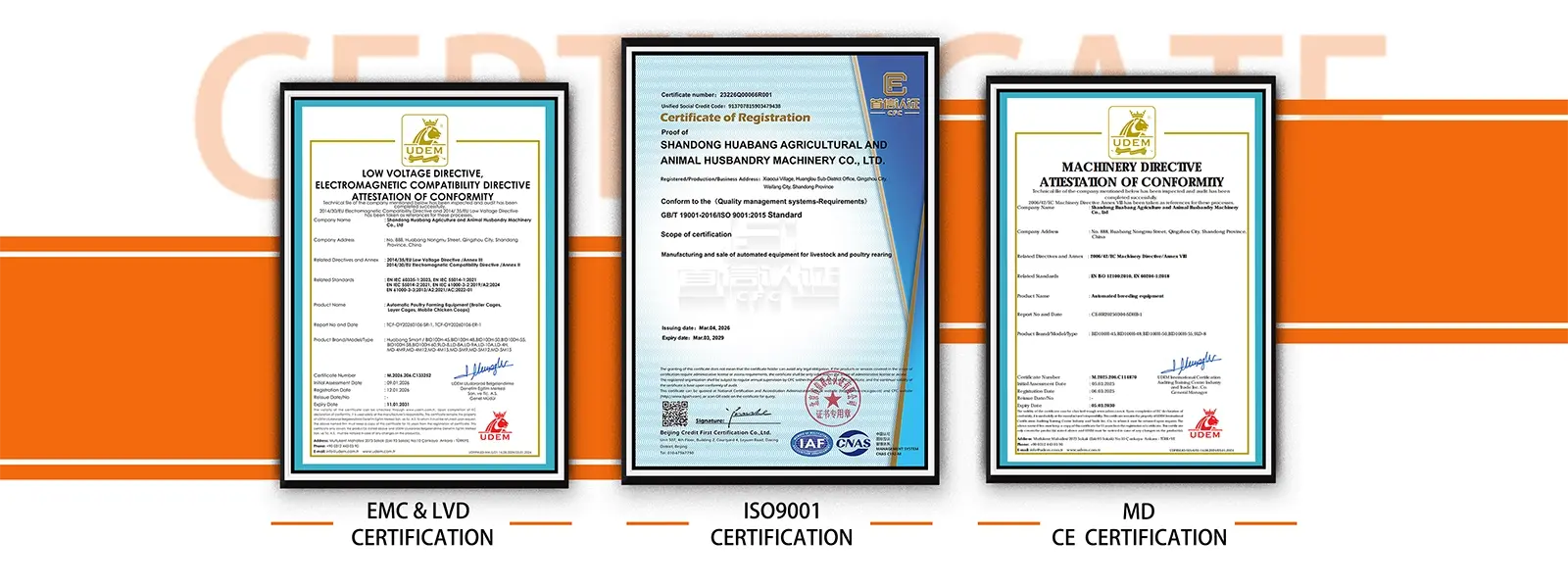
Shandong Huabang Agricultural And Animal Husbandry Machinery Co., Ltd. presents its industrial-grade Electric Chicken Feeder designed for commercial poultry operations. This pan-style automatic feeding system delivers exceptional performance with a feed output capacity of 1400kg/h, ensuring efficient nutrition delivery for large-scale flocks. The system features a precision-engineered 16-cell feed pan with 330mm diameter, constructed from food-grade virgin PP material that guarantees durability and poultry safety. Built with long-service-life PVC pipe (75mm × 3.6mm), this fully automatic feeding solution integrates seamlessly into layer and broiler farming operations, backed by 17 years of manufacturing expertise and ISO9001 certification.
Understanding Automated Poultry Nutrition Systems
Precision-engineered solutions that do away with manual labor inefficiencies are necessary for modern chicken production. Traditional gravity-fed methods are completely changed by Electric Chicken Feeder, which uses motor-driven dispensing devices to deliver precise feed ratios at predetermined intervals.
This technique addresses three important operating concerns. By avoiding spills and waste, it first maximizes the Feed Conversion Ratio (FCR). Second, it improves biosecurity by protecting feed storage from wild birds and nocturnal pests. Third, it drastically lowers the amount of labor needed for all commercial processes.
While avoiding the overconsumption behaviors typical of uncontrolled flocks, the integration of sensors and airtight storage maintains nutritional integrity. These devices lower the danger of contamination and preserve feed freshness by regulating access windows.
Technical Specifications Overview Of Electric Chicken Feeder
| Parameter | Specification |
|---|---|
| Product Name | Pan Feeding System |
| Target Animals | Broilers, Chickens, Layers |
| Automation Level | Fully Automatic |
| Feed Capacity | 1400 kg/h |
| Feeding Pan Size | 330mm Diameter, 16 Cells |
| Feed Pipe Material | PVC, 75mm × 3.6mm |
| Customization | OEM/ODM Supported |
| Warranty Period | 1 Year |
| Frame Material | 3mm Hot-Dip Galvanized Steel |
| Certification | ISO9001, CE Certified |
Core Advantages for Modern Poultry Operations
Precision Height Adjustment System
The high-precision winch mechanism adapts automatically to different bird growth stages. This feature ensures easy feed access for birds of varying sizes while reducing crowding stress around feeding stations.
Food-Grade Construction Materials
Virgin polypropylene (PP) material offers non-toxic, odorless performance with superior corrosion resistance. The smooth surfaces facilitate easy cleaning protocols, maintaining strict hygiene standards required in commercial operations.
Advanced Anti-Waste Design
The optimized grill structure prevents feed loss through specialized barriers. This engineering keeps litter dry and reduces disease transmission risks, particularly coccidiosis outbreaks linked to damp bedding conditions.
Uniform Distribution Technology
Auger drive mechanisms ensure consistent feed delivery across all pan stations. This eliminates dead zones and promotes uniform flock development, directly improving harvest consistency and weight uniformity.
Modular Installation Architecture
Lightweight component design enables rapid installation and reconfiguration. The system adapts equally well to permanent housing structures and mobile coop environments, providing operational flexibility.
Smart Integration Capabilities
Your feeding system seamlessly connects with programmable logic controllers for timed operations. Data monitoring features enable performance tracking and growth optimization through precise feeding schedules.
Installation and Operational Support
Huabang provides comprehensive implementation support throughout your project lifecycle. Our service package includes detailed site planning assistance, custom system design based on your facility specifications, and complete configuration documentation.
Installation guidance comes through multiple channels. Video tutorials provide step-by-step visual instructions, while our technical team offers remote consultation services. For complex installations, we arrange on-site support from certified technicians.
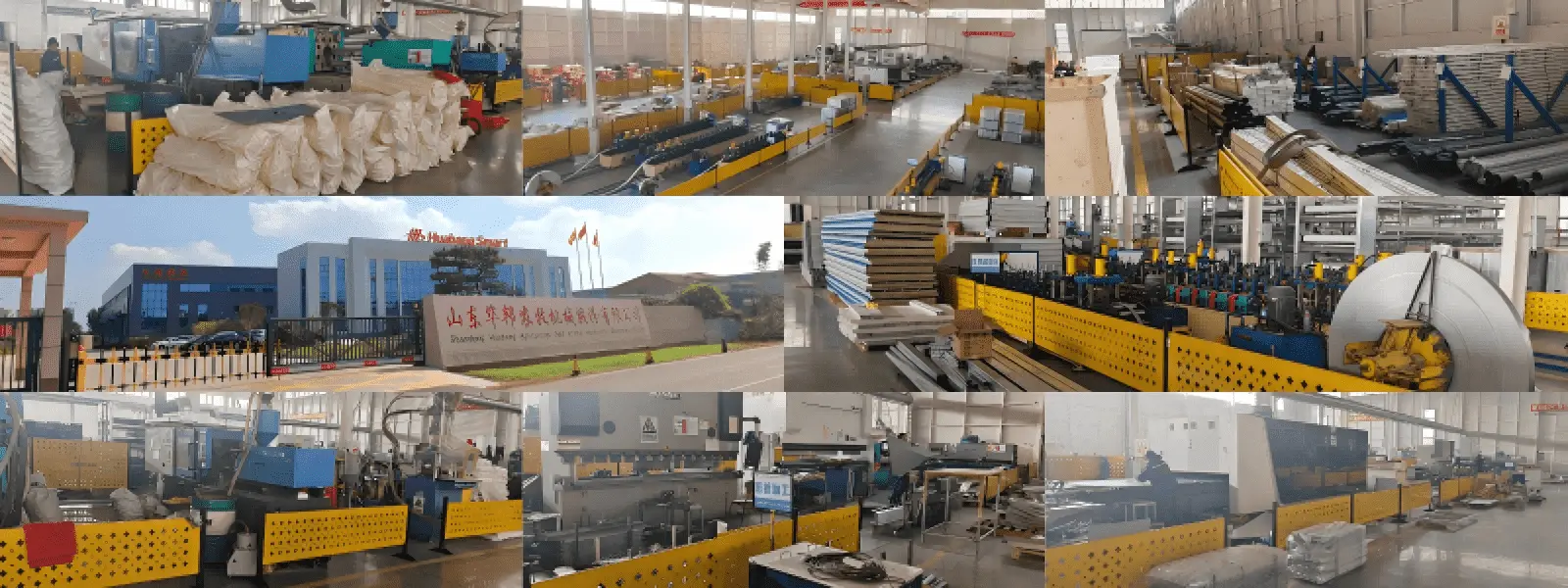
The standard production cycle ranges from 30 to 60 days, depending on customization requirements. Factory direct supply ensures competitive pricing while maintaining quality control standards throughout manufacturing processes.
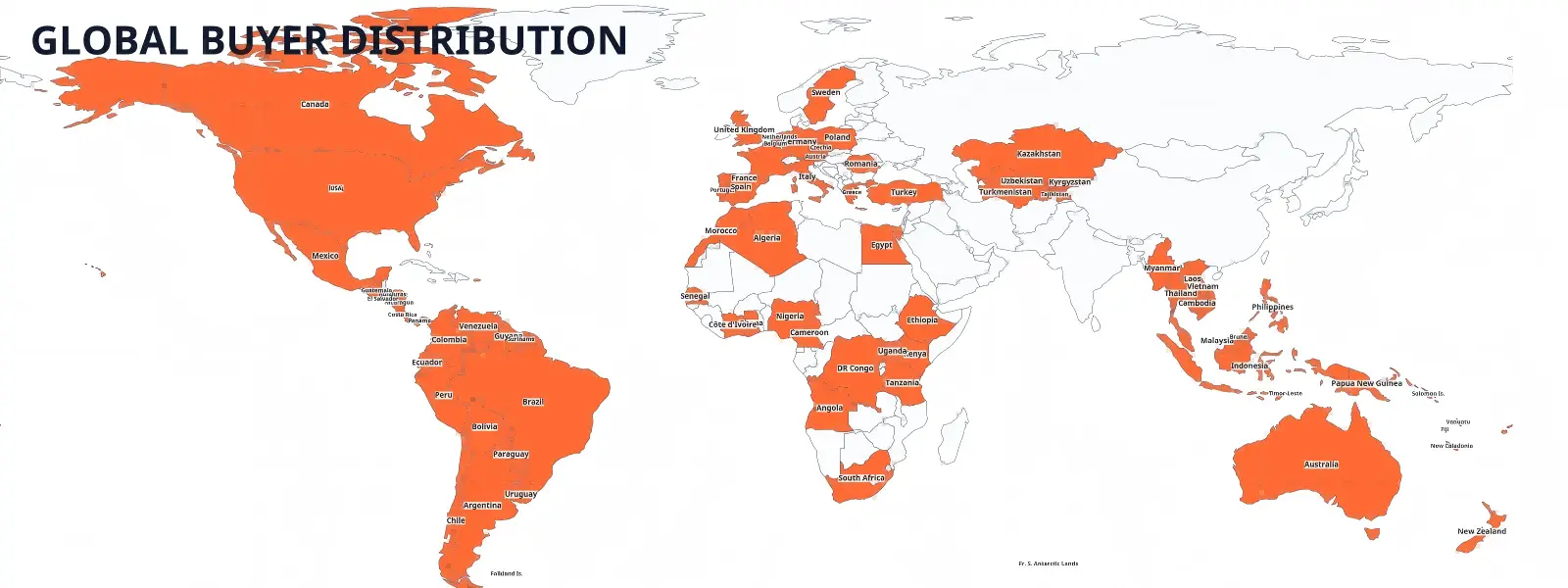
Our overseas after-sales service network covers over 100 countries across Europe, Southeast Asia, Middle East, and other international markets. This global presence ensures rapid response to technical inquiries and parts requirements.
Performance Benefits for Your Operation
Automated feeding technology delivers measurable improvements across multiple operational metrics. Feed conversion efficiency increases by minimizing waste and optimizing consumption patterns. Labor costs decrease substantially as automated systems eliminate repetitive manual tasks.
Biosecurity enhancement represents another significant advantage. Sealed storage and controlled dispensing windows prevent contamination from wild birds, rodents, and environmental pathogens. This protection maintains feed quality and reduces disease transmission vectors.
Flock uniformity improves through consistent nutrition delivery. When all birds receive equal access to fresh feed at programmed intervals, growth rates standardize across the population. This uniformity simplifies processing operations and improves market grading.
Your investment in automated systems generates rapid return through these combined efficiency gains. Reduced waste, lower labor requirements, and improved flock performance contribute directly to enhanced profitability per production cycle.
Maintenance and Longevity Considerations
Professional-grade components ensure long-term reliability under demanding operational conditions. The 3mm hot-dip galvanized steel frame provides exceptional corrosion resistance in ammonia-rich poultry environments. Structural integrity remains stable across years of continuous operation.
Regular maintenance requirements remain minimal due to quality construction standards. The system benefits from periodic inspection of moving components and cleaning of feed contact surfaces. These routine procedures maintain optimal performance without extensive downtime.
The 1-year warranty covers manufacturing defects and component failures under normal operating conditions. Extended service contracts provide additional protection for operations requiring guaranteed uptime and rapid technical response.
Frequently Asked Questions
Q: How does the system handle power interruptions?
A: Professional units incorporate non-volatile memory systems that retain programming during outages. Dual-power configurations with battery backup maintain feeding schedules without requiring manual reset procedures.
Q: What measures prevent feed clogging from moisture?
A: High-torque motors combined with agitation mechanisms break up bridged feed caused by humidity. The PVC pipe material resists moisture absorption, though storing feed in dry conditions remains best practice.
Q: Can the system prevent vermin access to stored feed?
A: The enclosed hopper design with controlled dispensing windows significantly reduces pest attraction. Feed remains accessible only during programmed feeding cycles, eliminating continuous access points for rodents and wild birds.
Q: What power consumption should operators expect?
A: Standby mode operation typically consumes less than 0.5W, with brief power increases during active feeding cycles. This efficiency makes solar integration viable with modest panel capacity in most climatic conditions.
Q: How often does the system require calibration?
A: Weight-check calibration is recommended every six months or when changing feed types. Variations in bulk density between crumbles, pellets, and mash formulations may require dispensing adjustments for accurate portion control.
Contact Us for Custom Solutions
Ready to transform your poultry operation with proven Electric Chicken Feeder? Our technical team stands ready to design customized feeding solutions matching your specific requirements. Contact Us at admin@huabangsmart.com to discuss your project specifications and receive detailed quotations.

USER EVALUATE
Here is the customer's evaluation of us