
Chicken Feeder Pan Improves Feed Distribution Efficiency for Commercial Poultry Farms and Breeding Facilities
A chicken feeder pan is a purpose-built terminal component in automated poultry feeding systems, designed to deliver measured amounts of feed directly to birds throughout their growth cycles. In large-scale commercial operations, precise feed delivery directly determines Feed Conversion Ratio (FCR), flock uniformity, and overall profitability. According to the USDA Economic Research Service, feed costs account for 60–70% of total broiler production expenses, making feed distribution efficiency one of the highest-impact variables in any poultry operation. The right feeding pan system reduces spillage, limits contamination, and supports consistent bird access across every stage of production.
Understanding Chicken Feeder Pans and Their Role in Feed Distribution Efficiency
What a Feeder Pan Actually Does
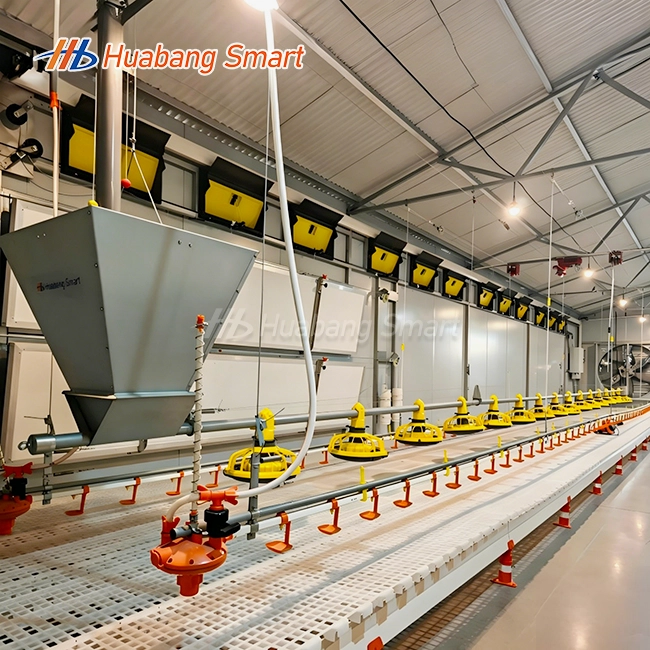
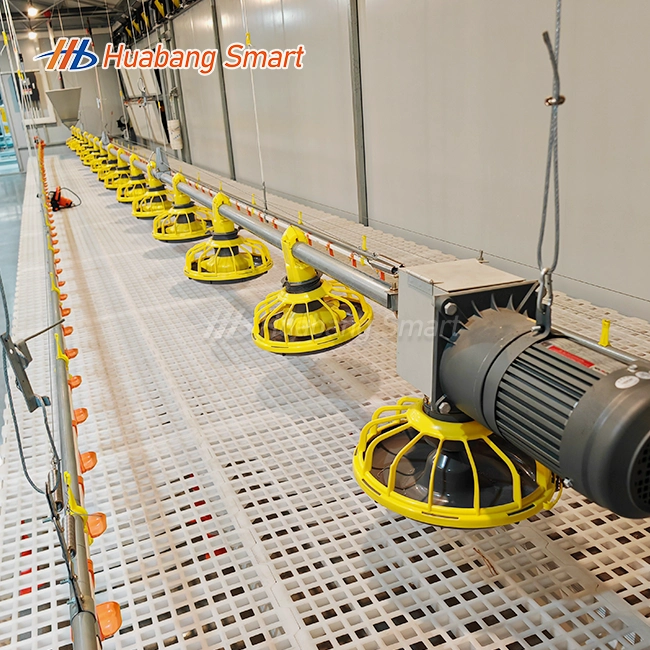
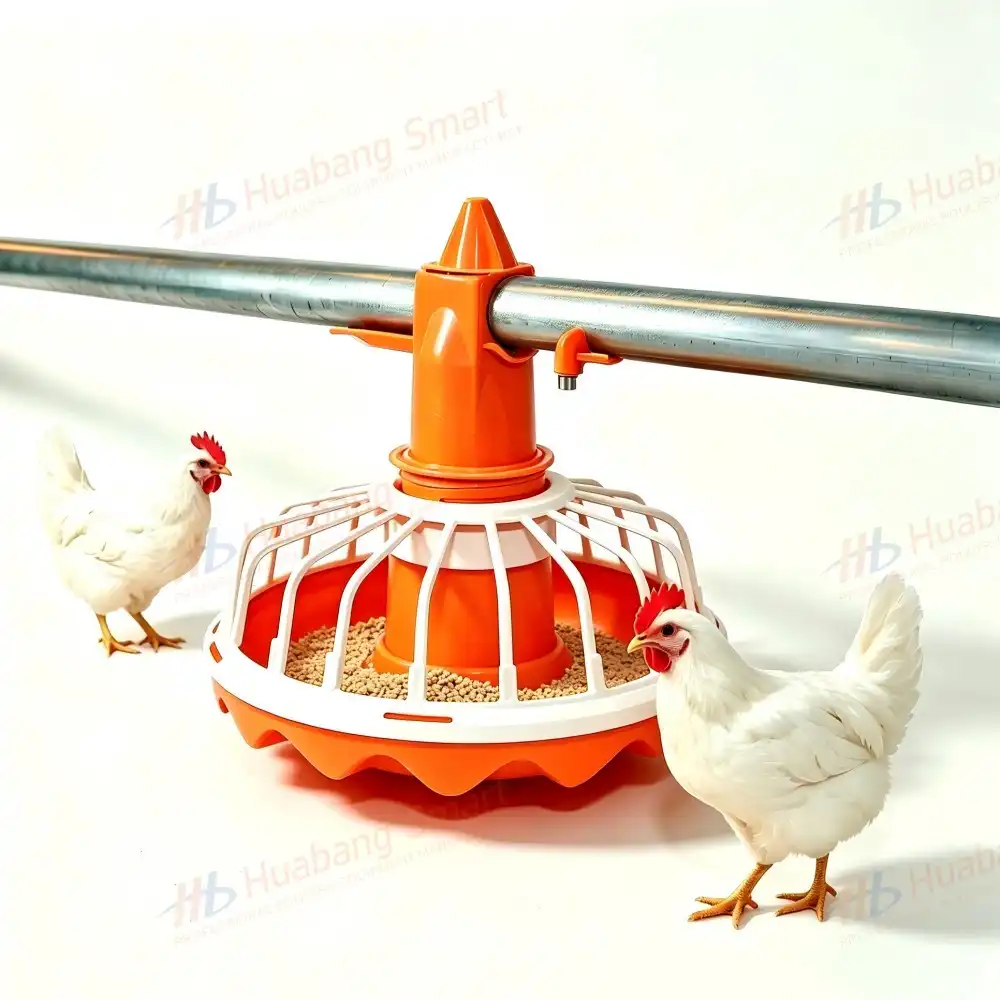
At the end of an auger-driven feed line is a chicken feeding pan that gets food from the distribution pipe and spreads it out so that birds can get it from all sides. This round shape gets rid of the competition and crowding that come with linear troughs. Each bird around the pan can eat at the same time, which keeps the flock's growth even and prevents injuries caused by stress.
Material Choices That Matter
Most commercial-grade pans are made from fresh Polypropylene (PP), which is safe, doesn't smell, and can handle the harsh ammonia environment in chicken coops. Also, virgin PP with UV protectors doesn't break down over time, and it can be used for more than 8–10 years in normal circumstances. This choice of material has a direct effect on both hygiene and the cost per turn over time.
Feed Hygiene and Contamination Control
One of the main ways that diseases spread in high-density poultry facilities is through feed that is tainted with litter, droppings, or water. An improved anti-spill rim and a 16-cell grill design physically stop birds from dropping food on the floor, which keeps the litter dry. The Merck Veterinary Manual says that coccidiosis and other enteric diseases are among the most cost-effective ways to kill bacteria in chicken farms. Dry trash lowers the amount of bacteria that causes these diseases.
Challenges in Traditional Feed Distribution and How Feeder Pans Solve Them
The Core Problem With Manual and Trough-Based Systems
Traditional floor-level feed troughs and hand feeding routines cause three problems that keep happening in commercial facilities: uneven access that helps powerful birds, high spillage rates that make feed costs go up, and a need for a lot of labor that makes it hard to expand. A study in 2019 in the journal Poultry Science found that in hand trough systems, 8–12% of the total feed supplied can be wasted. This amount adds up quickly when 50,000 birds are in a flock.
How Automated Pan Systems Change the Numbers?
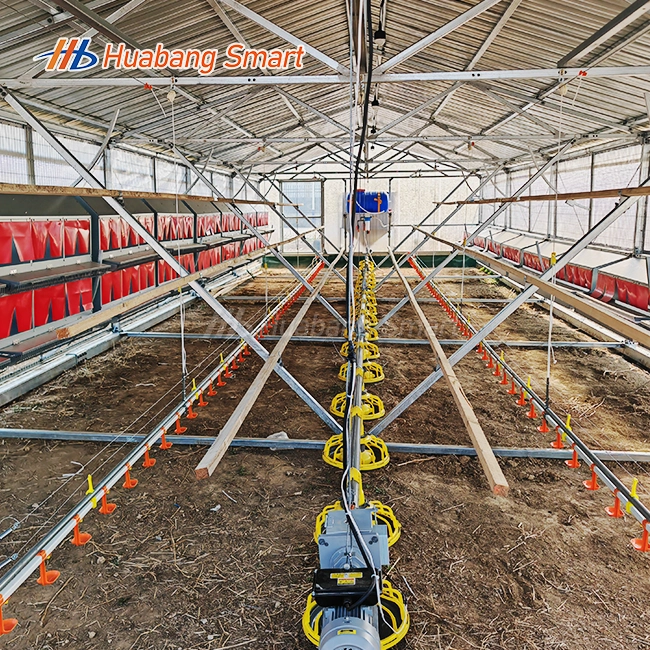
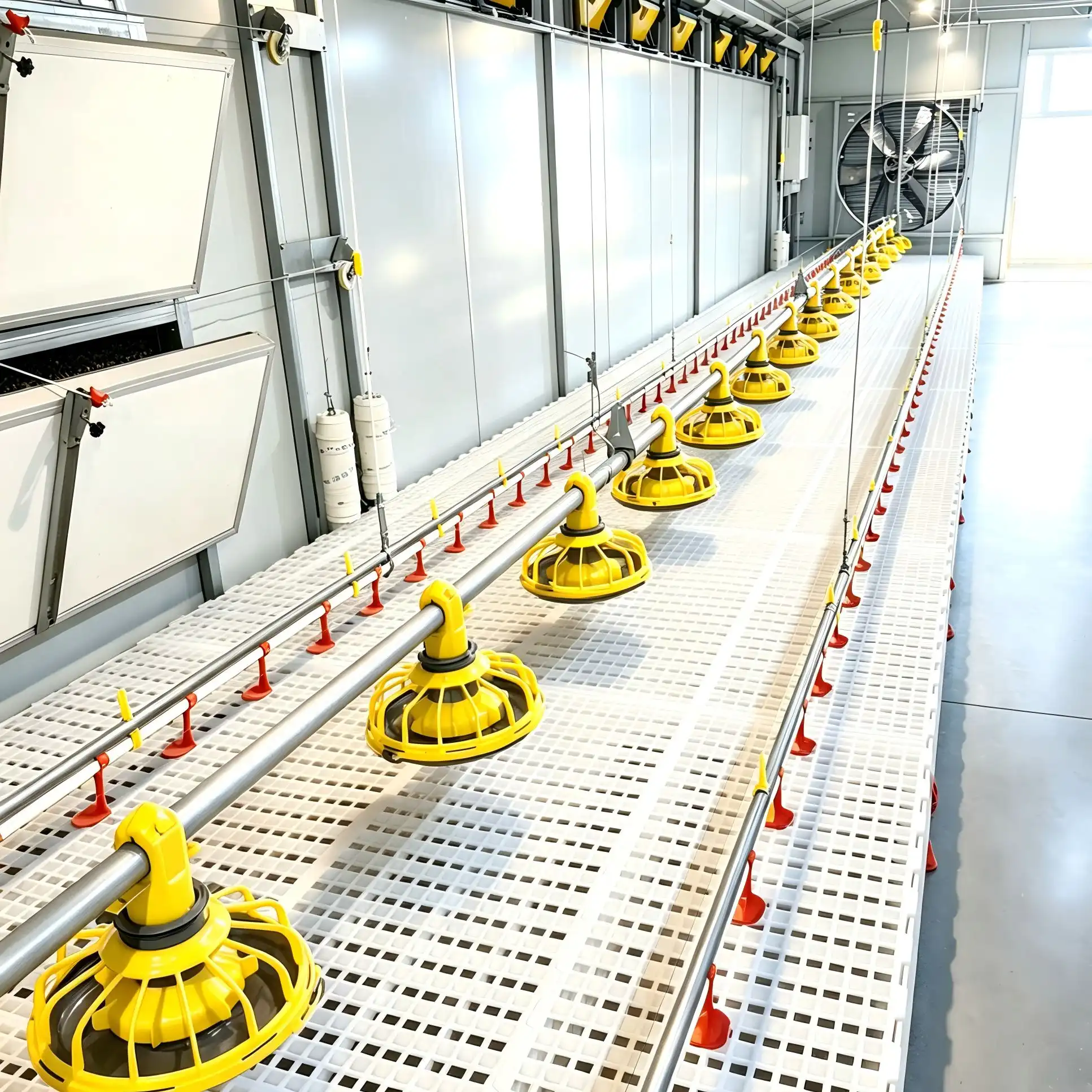
All of these issues can be solved directly by automated serving lines that have a Chicken Feeder Pan that is built correctly. With auger drive technology, feed moves at a controlled rate from the bin through PVC lines and into each pan. This gets rid of dead zones where feed stops moving and goes bad. When feeding cycles are timed, a lot less work needs to be done, and making sure that the feed depth is the same at each pan station leads to more uniform growth across the flock, which directly leads to higher processing yields.
Real-World ROI Impact
Data from commercial broiler farms that switched from trough feeding to automated pan systems consistently show a 5–8% improvement in FCR and a 15–20% reduction in labor costs per flock cycle. These benefits add up over many production cycles each year, so the cost of a pan feeding system can be recouped in a reasonable amount of time for most large facilities.
Selecting the Best Chicken Feeder Pan for Your Commercial Facility
Key Technical Specifications to Evaluate
Specifications are more important than brand name when looking for a chicken feeding pan device for a business. The pan width tells you how much food can fit in each station, and the number of feed cells tells you how many birds can get to the food at once without being crowded. For example, a 330mm pan with 16 cells gives you enough access points for standard broiler and layer density setups.
When purchasing managers look at pan feeding systems, they should pay attention to these main factors:
The pan width and the number of cells are: A 330mm pan with 16 feed compartments makes it easier for birds to get to all of the food stations and reduces competition at each one.
- Pan diameter and cell count: A 330mm pan with 16 feed compartments supports uniform bird access and reduces competition at each feeding station.
- Feed pipe specification: A 75mm PVC feed pipe with a 3.6mm wall thickness offers both structural durability and smooth feed flow with minimal blockage risk.
- Feeding capacity: Systems rated at up to 1,400 kg/h of feed throughput can support large flock densities without creating bottlenecks in delivery timing.
- Height adjustment mechanism: A precision winch system that adjusts pan height as birds grow prevents feed spill and reduces the physical strain of feed access at different growth stages.
- Material certification: Virgin PP with food-grade certification confirms non-toxicity and compliance with poultry welfare and food safety standards.
These factors for a Chicken Feeder Pan have a direct effect on long-term operational performance. Making sure they are correct before buying guards against equipment failure or biosecurity gaps in the middle of the cycle.
OEM and Customization Options
OEM partnerships let facilities choose pan sizes, grill spacing, pipe diameters, and control system integration points based on house plan and flock type. This is helpful for EPC companies and big farm investment groups that run operations on multiple sites. This level of customization is very important for broiler farms that have to stick to strict density plans or breeder farms that need to feed male and female birds separately.
Compatibility With Existing Infrastructure
New pan feeding systems need to work with current feed bins, power controls, and house sizes so they don't need to be changed to the structure. Modular, light pan designs that are easy to put together and take apart cut down on downtime between flock cycles and make it easier to change the layout of facilities when they are used for something else or become bigger.
Best Practices for Maintaining and Using Poultry Feeding Pan Systems
Cleaning Protocols That Protect Biosecurity
Each food pan must be cleaned thoroughly between flock rounds as a biosecurity measure. High-quality pans have an open-bottom or swing-down design that lets high-pressure washing and full drainage happen. This stops biofilm buildup that keeps germs between batches. To keep the surface from wearing down, non-toxic disinfectants that have been approved by farms and work with PP should be used every time.
Staff Training and Feeding Protocol Standardization
Even in automatic systems, the equipment only works as planned if someone watches over it. Small problems can be stopped before they spread to the whole group by teaching farm staff how to spot issues like pan height misalignment, feed pipe jams, and strange eating habits at each station. Standardized feeding plans that are in line with the needs of the animal's growth stage help it gain weight steadily and keep pans from overflowing with waste food.
Data-Driven Feed Management
Modern Chicken Feeder Pan feeding systems that work with farm management software let operations managers keep an eye on how much feed is being used by house, day, and growth stage. Deviations from expected usage rates can be early warning signs of health problems or broken equipment. Keeping track of this data over multiple flock rounds creates a baseline of performance that helps with buying choices for future updates.
Future Trends in Poultry Feed Distribution Technology
IoT Integration and Smart Feeding Systems
More and more, IoT-connected feeding systems are being used in the poultry equipment industry. These systems automatically deliver feed at the right time, check feed levels in real time, and send alerts when consumption falls below a certain level. These systems work well with pan feeding hardware because they add a data layer that makes tracking animal health and operating efficiency better without having to check each feeding station by hand.
Eco-Friendly Materials and Sustainable Procurement
In the agricultural sector, B2B buying standards are moving toward providers who can show that their materials can be tracked and that they are environmentally friendly. Virgin PP that doesn't contain any recovered material lowers the risk of contamination and meets food-grade standards. Modular designs that make equipment last longer also lower the amount of waste that comes from replacing it. The quality certifications of a supplier should be looked at by procurement teams. ISO 9001 and CE compliance are basic standards for equipment that goes into commercial buildings.
Supplier Relationship Strategy for Long-Term Stability
Large businesses and EPC contractors can get more out of their long-term partnerships with manufacturers who can help them with technical issues and make changes to their production schedules. Direct factory buying cuts down on the time it takes to buy something, and makers with a 30–60 day production window make it possible to meet project deadlines without having to buy a lot of inventory ahead of time.
Conclusion
In commercial chicken farming, feed distribution efficiency with a Chicken Feeder Pan is not just a nice-to-have; it directly affects FCR, flock health, and operational costs. A well-designed pan filling system made from food-safe materials, with a high-capacity auger drive and accurate height adjustment, makes each production cycle better in a way that can be measured. The best feeding pan system is one of the most cost-effective pieces of infrastructure that farm owners, procurement managers, and EPC contractors can look at when planning new builds or system changes.
FAQ
How does a feeding pan handle day-old chicks?
Good pans have a flood setting that fills the pan all the way to the edge. This lets chicks see and get to the food without having to climb in. As birds get bigger, this setting is usually changed by hand or through the computer system.
What is the expected service life of a virgin PP feeder pan?
When made from UV-stabilized raw polypropylene and used normally, feeder pans usually last between 8 and 10 years. This can be cut short by strong disinfectants or physical damage, so it is suggested that chemical compatibility checks be done.
Can the pan system integrate with automated farm controls?
Yes, systems that are made to be smart can join with timed feeding controls and farm management software. This lets you schedule feedings from afar, keep an eye on how much is being used, and record performance data.
How is the pan cleaned between flock cycles?
The open-bottom or swing-down design lets you fully access the inside of the pan for high-pressure washing and full drainage, which helps keep biosecurity standards high between batches.
What feed pipe size does this system use?
The system uses a 75mm x 3.6mm PVC feed pipe, which lets enough feed flow through for high-density flocks without getting clogged by feed moisture or particle size differences.
Upgrade Your Feed Distribution System With Huabang Smart
Since 2012, Huabang Smart has sold automated equipment for feeding chickens to farms in over 100 countries. This is backed by ISO 9001 certification, CE compliance, and 49 core technology patents. As a reliable Chicken Feeder Pan provider, our Pan Feeding System can handle up to 1,400 kg/h with a 330 mm, 16-cell pan and a durable 75 mm PVC feed pipe. We offer OEM customization, a guarantee that lasts for one year, and full help after the sale. To get a detailed plan, email us at admin@huabangsmart.com or go to poultrycage.com.
References
1. Poultry Science Association. Poultry Science Journal, 2019.
2. USDA Economic Research Service. Broiler Industry Cost Structure Report, 2022.
3. Merck Veterinary Manual. Coccidiosis in Poultry, 2021.
4. Food and Agriculture Organization of the United Nations. Poultry Development Review, 2013.
5. World Poultry. Automated Feeding Systems and Flock Performance, 2020.
6. Journal of Applied Poultry Research. Feed Wastage and Management in Commercial Broiler Operations, 2018.

USER EVALUATE
Here is the customer's evaluation of us