
Chicken Coop Mobile Designs Offer Flexible Poultry Housing Solutions
Mobile poultry housing has become a practical answer to one of commercial farming's oldest problems: how do you keep birds healthy, land productive, and labor costs manageable at the same time? A well-engineered Chicken Coop Mobile system addresses all three concerns by allowing the entire housing unit to be relocated across pasture on a regular schedule. This article walks procurement managers, farm engineers, EPC contractors, and equipment distributors through what makes mobile poultry houses worth the investment — and what to look for before placing a bulk order.
Understanding Mobile Chicken Coops: Concepts and Benefits
What Makes a Coop "Mobile"?
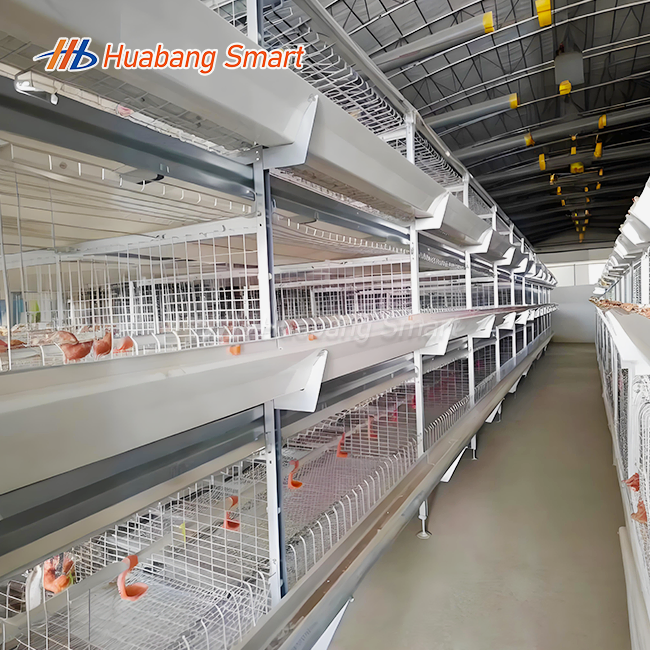
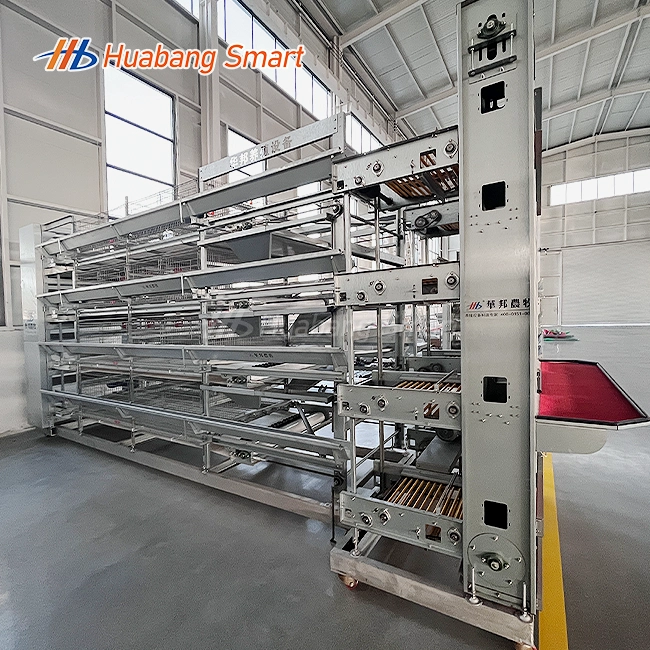
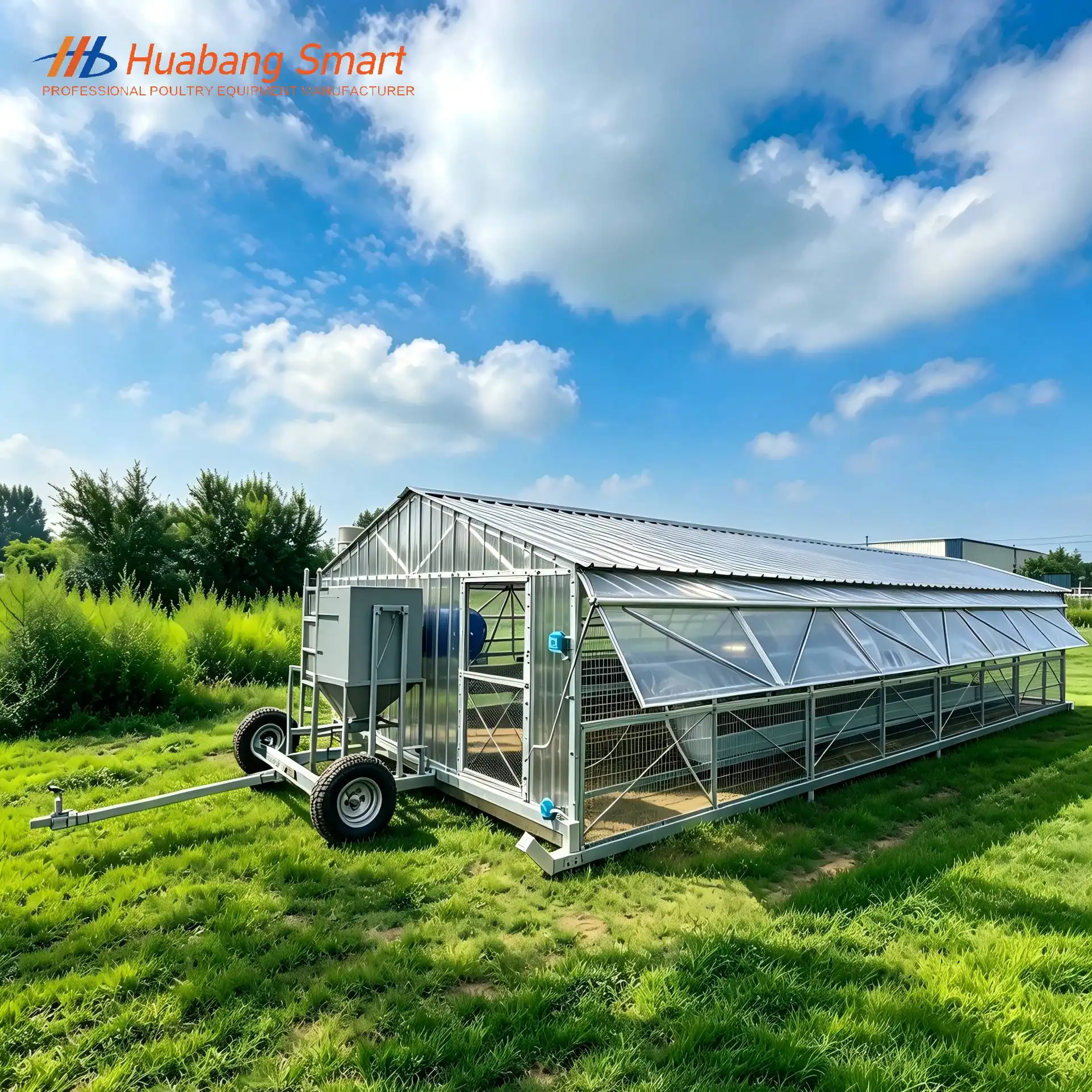
A Mobile Chicken Coop is a fully built housing unit that is attached to a chassis, skids, or wheeled frame so it can be pushed or pulled to a new field without having to take anything apart. The unit comes with controls for the environment, the number of birds it can hold, and systems for feeding and watering them. There is a big difference between this and a portable shade shelter. A real commercial mobile unit works like a fully functional farm building that moves.
Rotational Grazing and Soil Health
Every few days, moving the flocks to new land stops the buildup of nitrogen-based toxins and pathogens that destroy pastures that stay in one place. A study in the Journal of Applied Poultry Research shows that rotational grazing methods lower the risk of coccidiosis and speed up the growth of new plants by giving each paddock enough time to rest between rounds. Birds can get fresh bugs and plants every day, which can reduce their need for commercial food by 15–20%.
Biosecurity Through Controlled Movement
Each move physically separates the group from where it previously dumped its manure, which stops the loop of feces and mouth diseases without using chemicals. This is especially important for businesses that want to get antibiotic-reduction certifications or meet U.S. labeling requirements for pasture-raised meat.
Comparative Analysis: Mobile Chicken Coops vs. Stationary Coops
Cost Structure Over Time
While stationary housing has lower initial costs, it comes with a lot of long-term problems, like cleaning up the soil, disinfecting it over and over, and the legal risk that comes with running a fixed structure on leased land. A business mobile unit needs more money up front, but it doesn't need to be set up on each new site, so it saves money in the long run and depreciates as equipment instead of real estate, which is important for farm investment groups.
Material Durability and Transportability
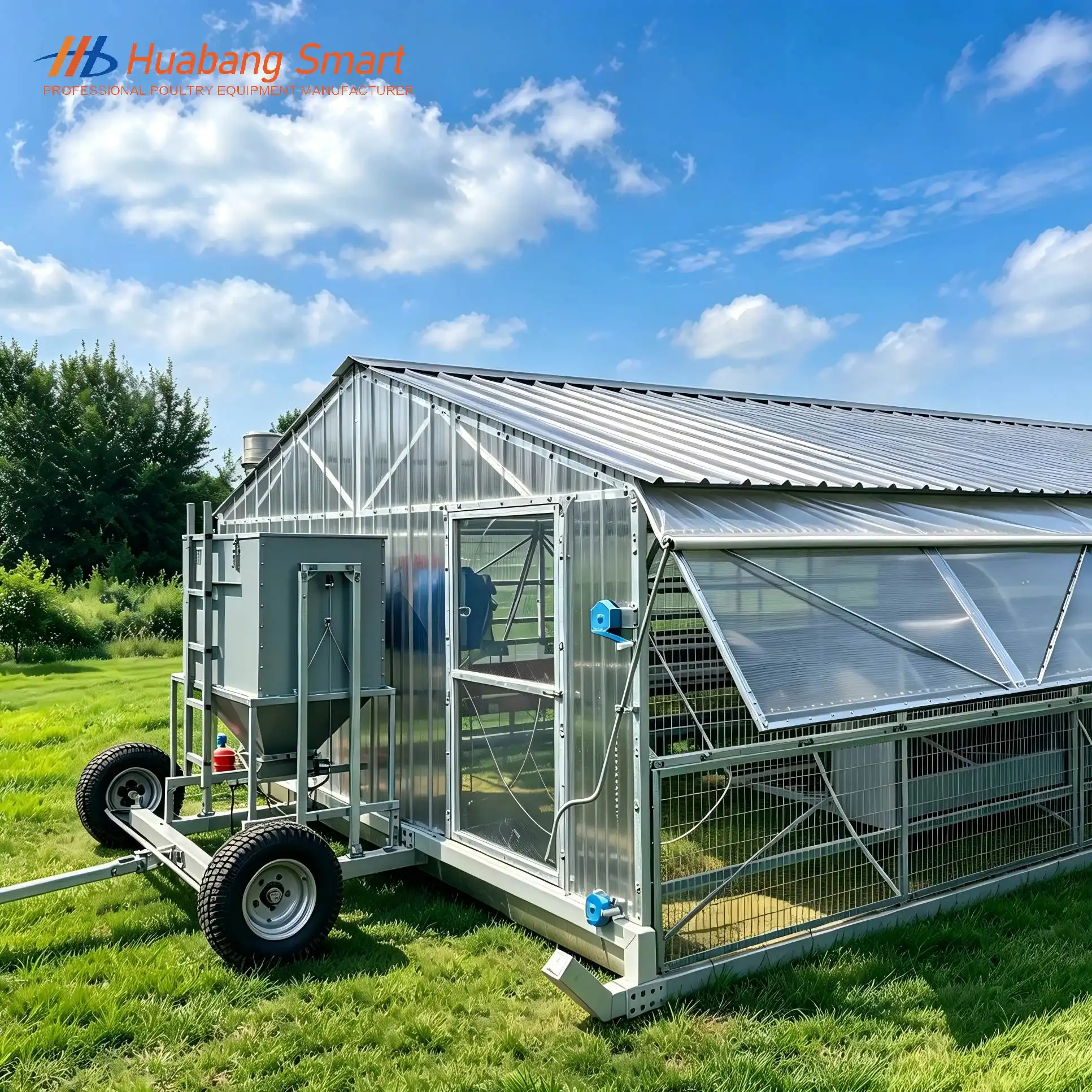
When moving a lot and being exposed to manure, a wood frame breaks down quickly. Plastic composite panels don't rust, but they're not rigid enough to build a Chicken Coop Mobile that can hold 700 to 900 birds. Hot-dip galvanized steel frames, like those made with 275 g/m² zinc-coated tubes, are the best combination of being resistant to rust, being strong, and being light enough to tow. The aluminum-zinc coating on the mesh used in luxury units makes it last longer in places with a lot of humidity.
Integrated Automation vs. Manual Management
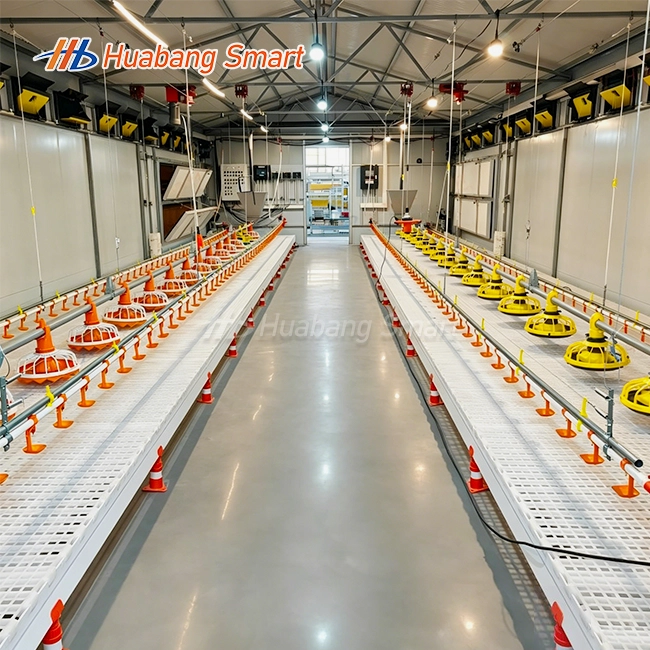
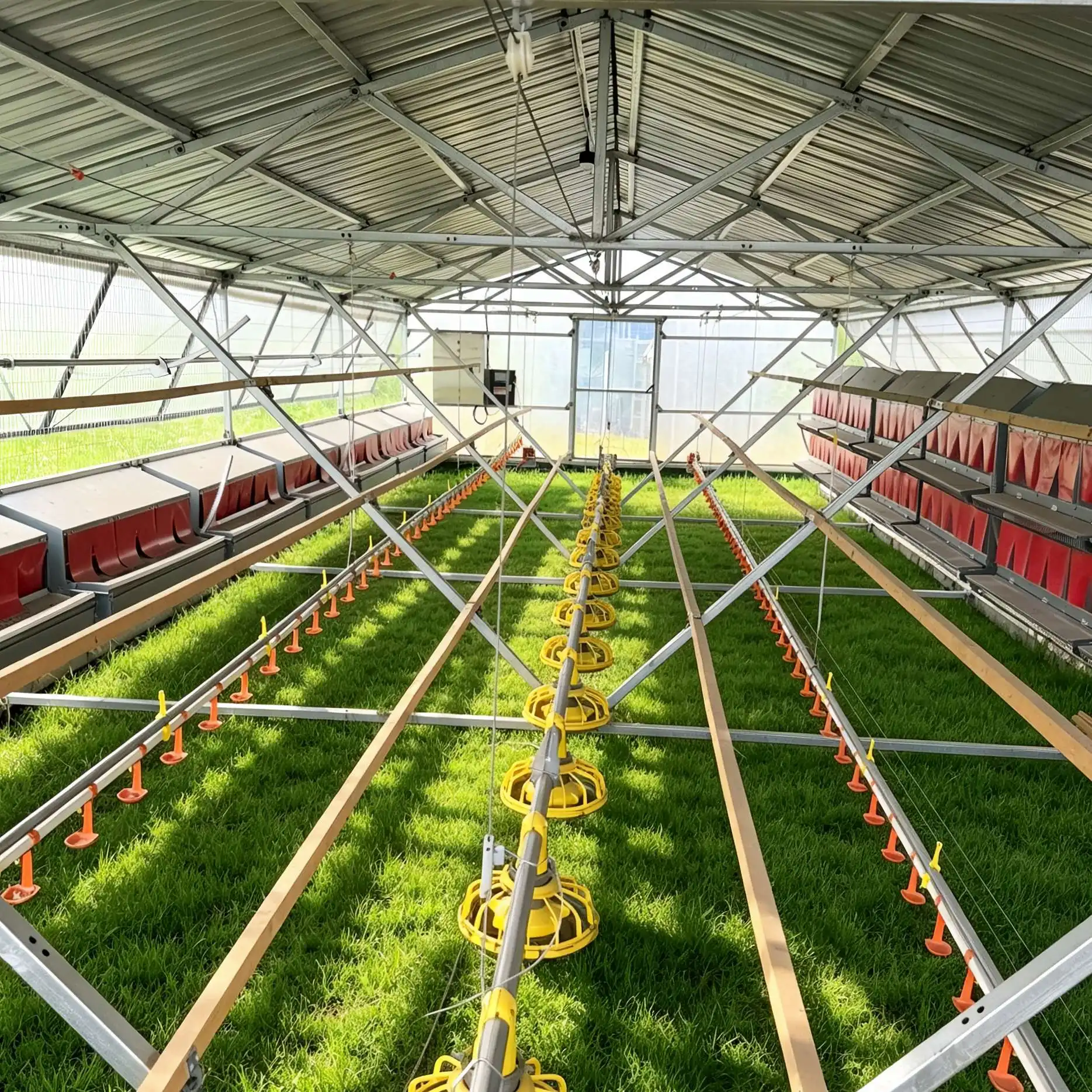
Mobile units with built-in automatic feeding, nipple drinking lines, and solar power generation can work without connecting to the power grid. This is very helpful for farms in places where electricity isn't always stable. Stationary coops need set utility hookups, which raise the cost and make it harder to choose a spot. When worker costs over three to five years are taken into account, the operational gap between the two forms gets a lot bigger.
Procurement Guide for B2B Clients: Selecting and Buying Mobile Chicken Coops
Picking the best mobile chicken coop provider is not a simple one-line choice. Before committing to a large order, this means looking at the structure specs, automation integration, approval status, and support after delivery. These are the main things that every procurement team should look at:
- Structural specification: Look for a 3 mm hot-dip galvanized steel frame with a minimum zinc coating of 275 g/m². Huabang Smart's standard unit measures 15 m × 5 m × 2.8 m and accommodates 700–900 birds per module. Custom dimensions are available through OEM/ODM agreements.
- Automation systems: Integrated automatic feeding lines, nipple drinkers, and solar-powered electrical supply reduce daily labor input by up to 70% and remove grid dependency on remote sites.
- Certification and compliance: CE certification and ISO 9001 quality management registration are the baseline for U.S. and international procurement. Huabang Smart holds both, along with 49 core technology patents.
- After-sales infrastructure: Confirm that the supplier provides video installation guides, on-site commissioning support, and a defined warranty period. Huabang Smart offers a one-year warranty and direct consultation services.
- Lead time: A realistic production cycle of 30–60 days is standard for custom-configured units.
Together, these factors lower the risk of procurement and give operations managers a technical foundation they can use to support capital spending suggestions they make to ownership.
Best Practices for Using and Maintaining Mobile Chicken Coops
Movement Frequency and Pasture Management
When there is forage cover, groups that are at a normal business level in a Chicken Coop Mobile should be moved every day or every other day. When the ground is bare or damaged, moving more often keeps it from getting even more compact. A simple paddock rotation map that fits the coop's footprint lets farm managers plan the whole season ahead of time and see how the soil is recovering in each zone.
Ventilation and Climate Adaptation
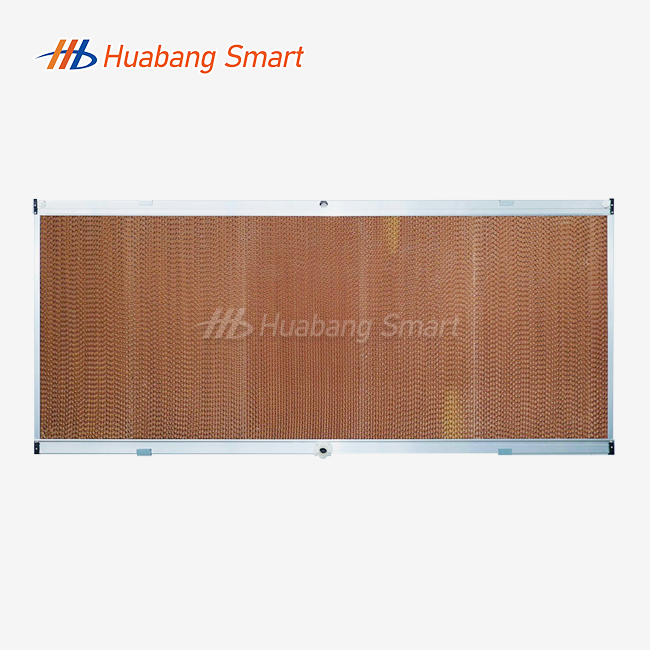
In any type of living, the two fastest ways to get lung disease are for moisture and ammonia to build up. The center ridge of Huabang Smart units is 5 cm higher than the rest of the unit. This design allows passive airflow and keeps internal surfaces from condensing. When working in hot places, this part of the structure works with active ventilation to keep the temperature inside in the right range for feed conversion. In colder places, you can get insulated panel layouts as a custom build choice.
Routine Inspection and Cleaning Protocol
Operators should check the outer mesh for damage, the pressure in the drinker line, and the automatic feeding auger for moisture-clumped feed every time they move. The structure will last longer if you check the hot-dip galvanized chassis once a month for wear spots at contact points. Huabang Smart's hot-dip galvanized chassis is designed to last 15 years under normal rotational conditions.
Case Studies and Success Stories
Commercial Broiler Operation in Southeast Asia
A pasture-raised chicken farm with 12,000 birds set up eight Huabang Smart mobile units spread out over a 30-hectare area. The farm reported a 22% drop in feed costs per kilogram of gain after six months of operation. This was due to better FCR from consistent environmental control and partial forage substitution. Compared to the old static method, the amount of work needed to handle manure dropped by about 65%.
EPC Contractor Project in Eastern Europe
A company that does agricultural engineering found a 40-unit mobile coop system for a farming program backed by the government. The OEM configuration had better insulation panels for winters below zero and a central hub for monitoring IoT weight. The builder said that Huabang Smart's help with technical drawings and a 30-day production cycle were the main reasons why they were able to meet the installation schedule.
U.S. Distributor Feedback
An agricultural machinery importer in the Midwest added Huabang Smart's mobile units to its line of products after looking at the company's CE certification paperwork and asking to see a model in person. The supplier said that industrial layer farm buyers in the area often asked for the 275 g/m² galvanized finish and the automatic feeding system.
Conclusion
Mobile chicken coop systems like a Chicken Coop Mobile are a useful and proven way to raise a lot of chickens. They improve hygiene, make workers less dependent on the farm, and increase the land's long-term usefulness. These units can be used on a wide range of farms and climates because they are made with hot-dip galvanized steel, have solar-powered automation, and come in different sizes. When procurement teams look at portable chicken coop suppliers, the quality of the materials, the ability to automate, the status of the supplier's certifications, and the supplier's ability to help with large-scale installation and commissioning are the main factors that affect their choice. The fact that Huabang Smart has a track record in more than 100 countries, 49 patents, and CE compliance makes it a reliable source for industrial-grade mobile housing systems.
FAQ
How often should a commercial mobile coop be relocated?
For the best soil recovery and flock hygiene, the unit should be moved every one to two days when commercial stocking densities are used. The exact frequency relies on how much food is available, the type of soil, and the number of birds in each section.
Can these units operate in extreme temperatures?
Yes. Custom setups let you choose from insulated panel options for cold places and better passive ventilation choices for hot places. The 5 cm raised center ridge on Huabang Smart units helps air flow all year.
What towing equipment is required?
For 15 m x 5 m units, you usually need a 40–70 HP tractor or something similar. During the pre-order consultation, Huabang Smart can give advice on individual towing needs based on geography and unit weight.
What warranty and after-sales support is available?
All basic units come with a one-year warranty from Huabang Smart. The company also offers video installation guides, on-site commissioning help, and ongoing chicken farming advice through its global after-sales network.
Is OEM/ODM customization available for bulk orders?
Of course. You can get custom sizes, panel specs, automation setups, and even branding. Buyers can send in their own design drawings, and Huabang Smart's engineering team will make a list of compatible configurations and a prototype sample.
Partner With Huabang Smart — Your Trusted Chicken Coop Mobile Manufacturer
Since 2012, Huabang Smart has sold commercial-grade mobile chicken coops to farms and EPC projects in over 100 countries. We use 275 g/m² hot-dip galvanized steel to make our Chicken Coop Mobile units. They are CE-approved and come with 49 core patents. Each unit comes with full instructions on how to set it up and direct technical support. Send us the details of your project or ask for a factory sample right now. To start your consultation, email us at admin@huabangsmart.com or go to poultrycage.com.
References
1. Moyle, J. R., et al. — Journal of Applied Poultry Research, 2014.
2. Fanatico, A. C., et al. — ATTRA National Sustainable Agriculture Information Service, 2006.
3. Elkhoraibi, C., et al. — Poultry Science, 2014.
4. Hegelund, L., et al. — British Poultry Science, 2005.
5. Schwean-Lardner, K., & Classen, H. L. — World's Poultry Science Journal, 2010.
6. Van Loo, E., et al. — Food Quality and Preference, 2014.

USER EVALUATE
Here is the customer's evaluation of us