



What Can an Automatic Poultry Drinking System Improve in Poultry Farms?
In many ways, an automatic poultry drinking system makes a farm run better at the same time. It is possible for farms to improve bird growth rates, flock health, litter cleanliness, and labour efficiency by using smart-controlled water lines and continuous, pressure-regulated nipple drinkers instead of manual water delivery. Wageningen University research shows that giving broilers constant access to water directly increases their body weight by 6–8% over the course of a production cycle. For big companies that take care of tens of thousands of birds, that cushion means a lot of money. This article explains what these systems do better and how to set them up so that they work best for your farm.
Understanding Automatic Poultry Drinking Systems: Mechanisms and Benefits
Modern methods for watering chickens are made up of carefully designed parts that work together. When buying, teams know how each part works; they can make decisions based on business facts instead of marketing speak.
How Nipple Drinkers Work?
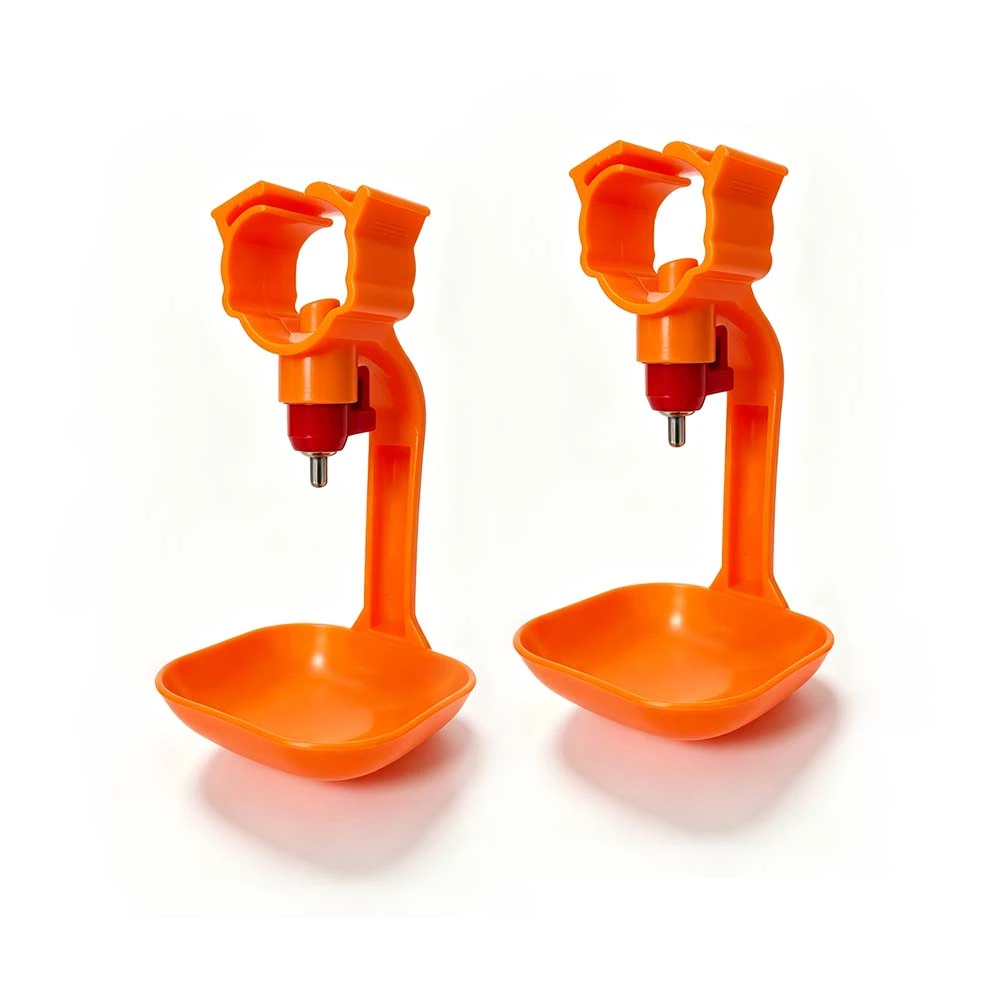
A high-sensitivity 360° nipple drinker has a sealed double-valve design that only lets water out when the bird pecks it. By getting rid of passive drips, this design keeps bedding dry. The nipple drinkers made by Huabang Smart have a stainless steel valve body and a UV-resistant plastic shell. This combination prevents rust and ensures long service life over many rounds of continued use.
The Role of Water Cups and Dual Lines
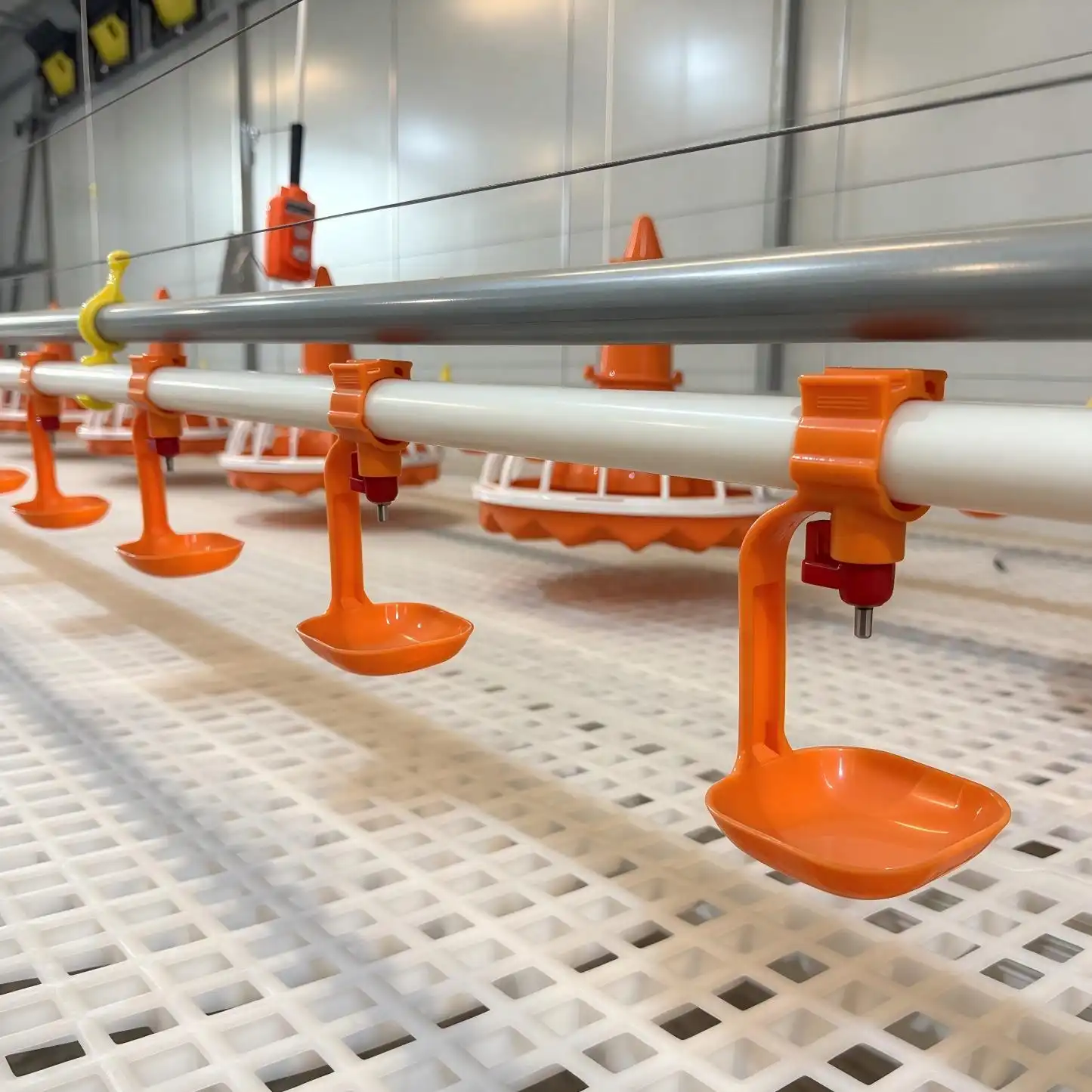
Thickened water cups catch any last drops, keeping the floor from getting wet, which helps bugs grow. During the whole grow-out time, this keeps the coop floor dry and clean. Farms can handle any size of bird house, from a single 5,000-bird house to an integrated complex with 200,000 birds, because the pressure doesn't change between the lines.
Smart Control and Water Volume Monitoring
Smart controls that are built in keep track of how much water each line uses in real time. A water volume monitor shows when there is unusual use, which could mean a leak, a drop in pressure, or a valve that isn't working right. This way, workers can fix problems before they hurt the health of the flock. A pipe system that is passive is turned into an active management tool by this data layer.
Overcoming Traditional Challenges: From Manual to Automatic Systems
Manual open-trough watering creates three persistent problems on commercial farms: contamination from droppings, inconsistent supply during peak demand, and high daily labor hours for refilling and sanitizing. Transitioning to an automated poultry watering line removes all three at once.
Eliminating Waterborne Disease Risks
A sealed nipple delivery line of an Automatic Poultry Drinking System physically blocks fecal contact with drinking water. Studies published in Poultry Science (2019) confirm that farms switching from open troughs to closed nipple systems reduced Campylobacter and Salmonella water-route transmission by over 40%. Dry litter also cuts ammonia generation, reducing respiratory disease incidence in the flock.
Reducing Daily Labor Hours
Managing water by hand takes three to four hours of work every day on a 50,000-bird broiler farm. With an automatic drinking line, it only needs to be checked every so often, freeing up staff for more important jobs. For farm owners in the U.S. whose wages are going up, this labour savings can pay for the investment in just one or two output rounds.
Stabilizing Water Supply Under Pressure Variation
Pressure controls linked to the water line keep the flow steady even if the city supply changes. This stability keeps the young chicks safe while they are brooding, when even short periods of dehydration can slow their growth.
Selecting the Right Automatic Poultry Drinking System for Your Farm
No two farms have the same buildings, weather, or number of birds. The best way to set up a poultry nipple drinker depends on a few useful factors that should be used to guide all buying decisions.
Round Pipe vs. Square Pipe: Which Fits Your Coop?
Huabang Smart has both round and square water lines that can be made to fit your needs. Round pipes have a soft water flow profile and are easy to clean on the inside, which means they can be mounted in a variety of ways in floor-rearing coops. Since square pipes don't bend easily and seal well even when they're under a lot of pressure, they are usually used in cage-type systems where stiffness is important.
Material Selection for Longevity
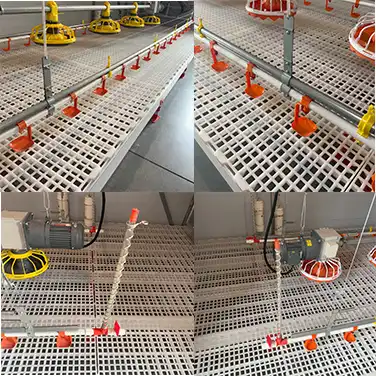
For cleanliness, the valve and touch areas are the most important parts. Precision 304 stainless steel nipple drinkers don't rust when acidic water is treated, chlorine is added, or hydrogen peroxide is flushed. These are all common biosecurity practices on commercial farms. In open-sided or naturally ventilated homes, UV-resistant plastic housings keep the glass from breaking when it's exposed to sunlight.
Liftable Drinking Line and Anti-Perching Wire
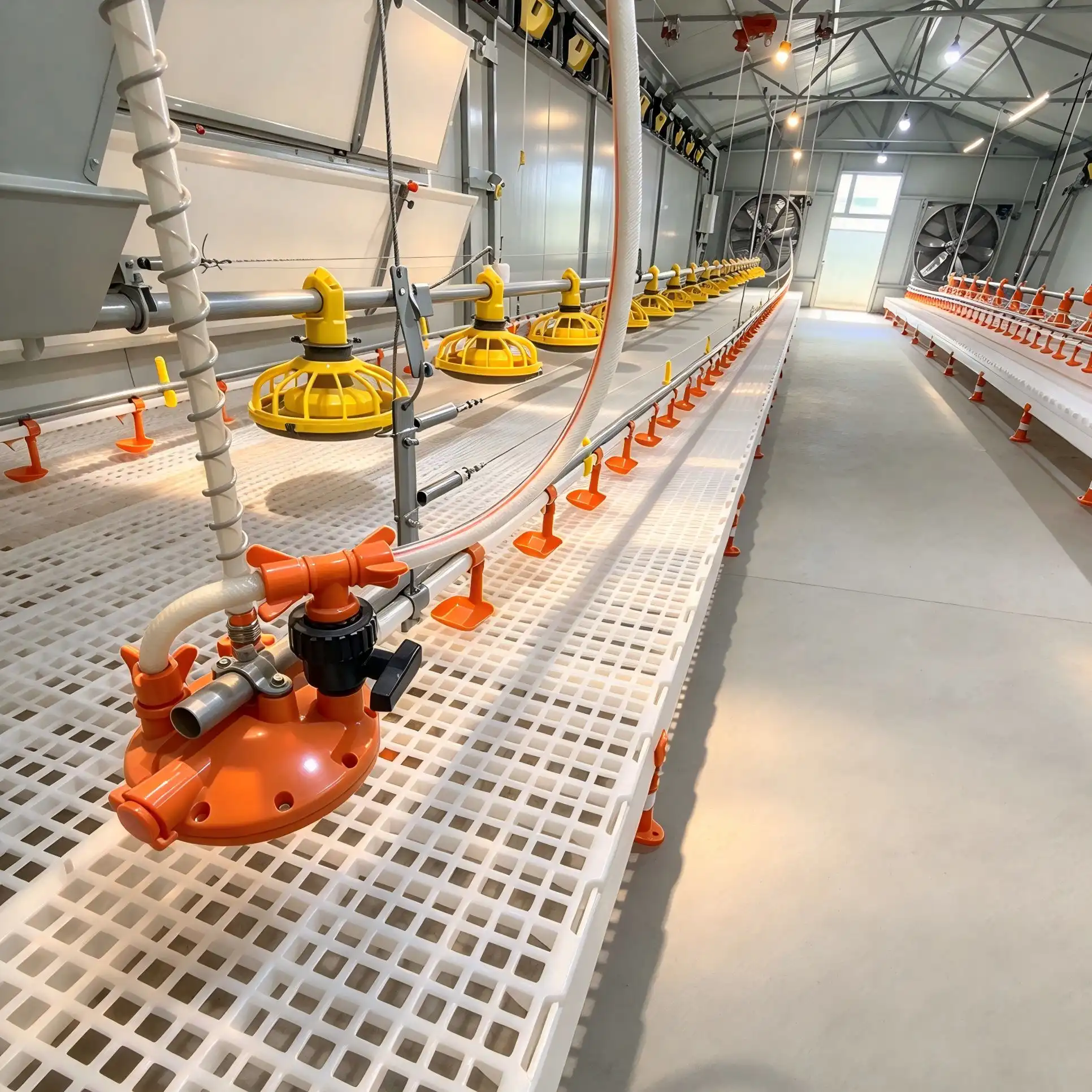
A liftable drinking line lets operators raise the entire water system during cleanout, reducing daily labor and improving access for disinfection. Anti-perching wire mounted above the line prevents birds from roosting on pipes, which cuts contamination and reduces mechanical wear on fittings over time. These two features are standard on Huabang Smart's floor-rearing configurations.
Installation, Maintenance, and Troubleshooting Best Practices
An Automatic Poultry Drinking System only performs at specification when it is installed correctly and maintained on schedule. Here are the practices that protect your investment over multiple production cycles.
Infrastructure Readiness Before Installation
Before mounting any water line, verify that the main supply pressure sits within the system's rated range and that filtration removes particles larger than 120 microns. Debris is the primary cause of nipple valve blockage immediately after installation. Huabang Smart provides full-site commissioning, including scheme planning and equipment debugging, so farms start their first flock with a calibrated system rather than a guessed one.
Routine Maintenance to Prevent Blockages
Monthly flushing through end-flush kits clears biofilm before it restricts flow. Filter cartridges should be inspected every two weeks during active production. The water volume monitor's daily data log makes it straightforward to spot gradual flow decline before it reaches a critical threshold. These short routines protect system uptime across a 6–8 week broiler cycle.
Troubleshooting Uneven Water Distribution
Uneven distribution between nipples on a single line almost always traces back to air locks in the line or a partially closed pressure regulator. Bleeding the line at the highest point and recalibrating the regulator to match the current bird age resolves most cases within minutes. Huabang Smart's video installation guides walk maintenance supervisors through this adjustment step by step.
Maximizing ROI: How Poultry Watering Systems Translate to Business Value?
Capital investment in a poultry drinking water system pays back through several converging cost reductions. Water waste alone on open-trough farms typically runs 20–30% of total water use; nipple systems cut that figure close to zero. Lower veterinary costs, better feed conversion ratios, and reduced mortality each add another layer to the return.
Here are the core ROI drivers that farms consistently report after switching to automated nipple drinking systems:
- Water savings: Sealed nipple delivery reduces total water waste by 20–30%, directly lowering utility costs per production cycle.
- Improved FCR: Birds with constant, clean water access convert feed more efficiently. A 0.05-point improvement in FCR on a 50,000-bird house adds measurable margin per cycle.
- Reduced mortality: Dry litter and clean water cut disease-related losses. Many farms report a 1–2% mortality reduction after the first full cycle with a closed nipple system.
- Labor reduction: Automated water management cuts daily labor hours significantly, reducing workforce dependency without sacrificing flock oversight.
These gains compound over multiple production cycles, making the system an asset rather than an expense. Huabang Smart also offers free farm layout design, custom chicken-house blueprints, and a one-stop service covering full-range floor-rearing equipment supply, so farms receive a system designed specifically for their building dimensions and production targets.
Conclusion
Automatic Poultry Drinking System technology delivers real, measurable improvements across water hygiene, flock health, labor efficiency, and profitability. The technology is not new, but the precision available today — through smart controllers, water volume monitors, liftable lines, and 304 stainless steel nipple drinkers — makes the performance gap between manual and automated watering wider than ever. Farms that act on this gap now position themselves for lower operating costs and stronger production results through every subsequent grow-out cycle.
FAQ
How does an automatic drinking system reduce water waste?
Sealed nipple valves open only when a bird makes direct contact. No passive dripping occurs between pecks, and water cups collect residual drops. This design eliminates the constant overflow that open troughs produce, cutting total water consumption by 20–30% on most commercial farms.
What maintenance does a nipple drinking line require?
Monthly line flushing, biweekly filter inspection, and regular pressure regulator checks cover most maintenance needs. The smart water volume monitor flags abnormal consumption daily, so issues surface before they become flock health events.
Is this system suitable for both small and large farms?
Yes. Dual water line configurations and custom pipe sizing mean the system scales from small floor-rearing houses to large cage-type complexes without pressure loss or performance compromise.
Can the system integrate with existing farm infrastructure?
Huabang Smart's round and square pipe options fit most standard supply line diameters. Full-site commissioning and 3D house design services ensure the system adapts to your existing building layout.
How long does installation take?
Installation timeline depends on house size, but Huabang Smart's video guides and on-site commissioning support make the process structured and efficient for technical teams handling first-time installations.
Get Your Custom Poultry Drinking System Quote from Huabang Smart
Huabang Smart designs and manufactures complete automatic poultry drinking system solutions for commercial farms, EPC contractors, and agricultural investment groups worldwide. With 49 core technology patents, ISO9001 and CE certification, and 17 years of production experience, we deliver systems built for long-term performance in demanding environments. Contact our team today for a free farm layout design, equipment configuration list, and bulk pricing. Reach us at admin@huabangsmart.com or visit poultrycage.com to request your quote.
References
1. Tabler, T., & Watkins, S. (2019). Water Quality and Broiler Performance. University of Arkansas Division of Agriculture Cooperative Extension Service.
2. Ravindran, V., & Blair, R. (2018). Feed Resources for Poultry Production in Asia and the Pacific. FAO Animal Production and Health Paper.
3. Lay, D. C., et al. (2011). "Hen welfare in different housing systems." Poultry Science, 90(1), 278–294.
4. Ferket, P. R., & Gernat, A. G. (2006). "Factors that affect feed intake of meat birds." International Journal of Poultry Science, 5(10), 905–911.
5. Yahav, S. (2015). "Alleviating heat stress in domestic fowl: different strategies." World's Poultry Science Journal, 71(3), 481–492.
6. Xin, H., & Berry, I. L. (1999). "Drinking water temperatures for broilers." Transactions of the ASAE, 42(1), 175–180.

USER EVALUATE
Here is the customer's evaluation of us
YOU MAY LIKE
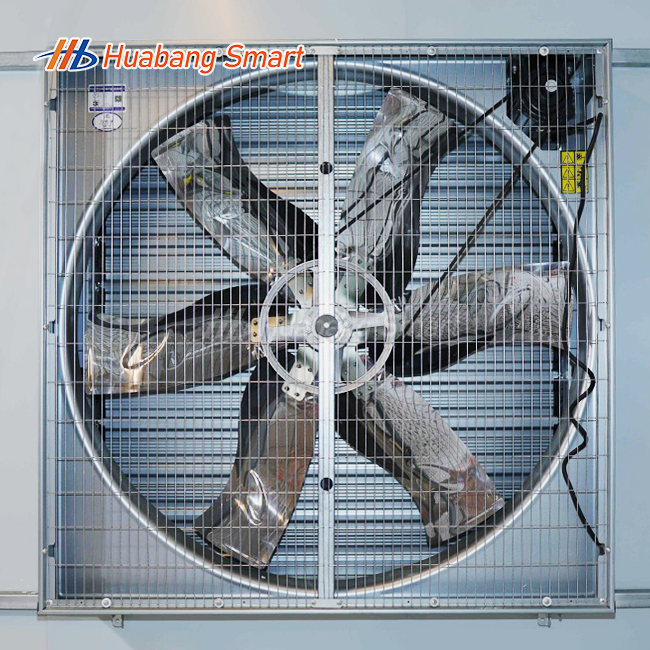 VIEW MORECooling Fan For Farm
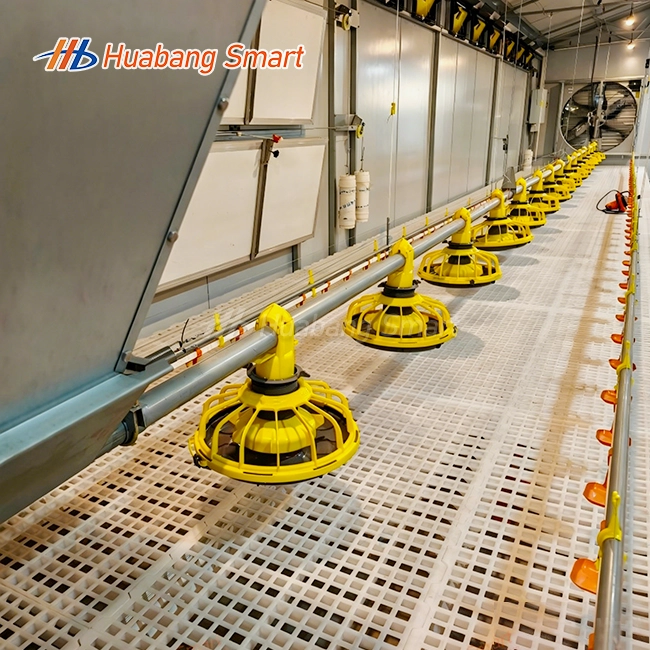 VIEW MOREChicken Coop Feeders And Waterers
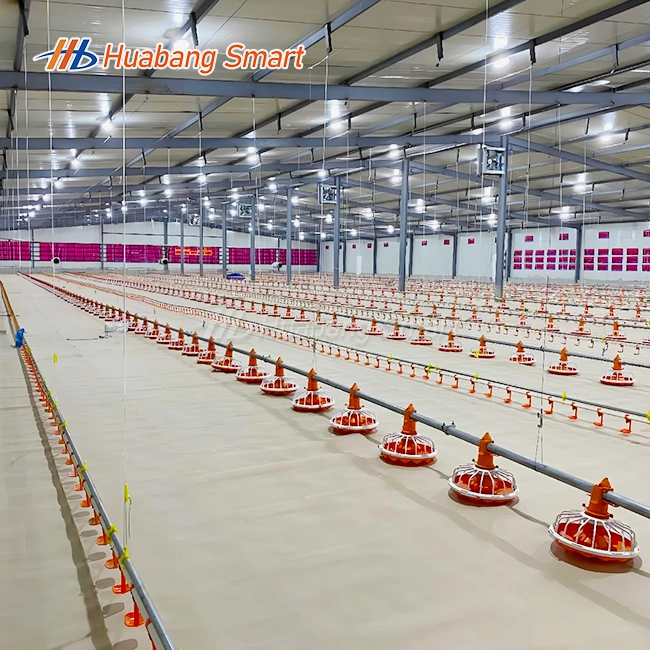 VIEW MOREChicken Coop Feeder And Waterer
- VIEW MORECommercial Chicken Feeders
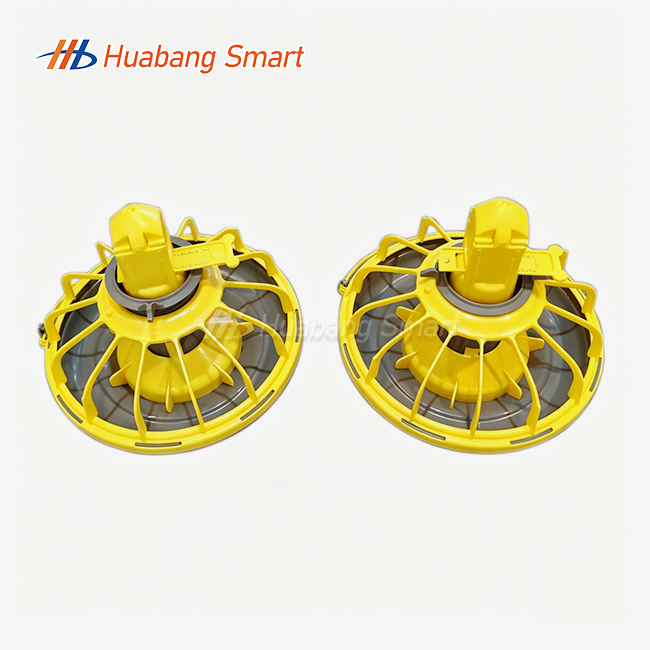 VIEW MOREPlastic Chicken Feeder
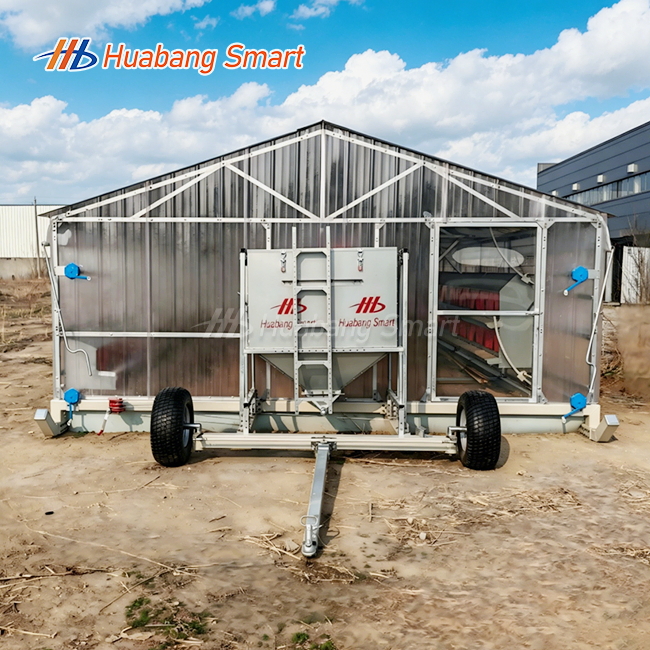 VIEW MOREMobile Chicken Coop Tractor With Wheels Nest Boxes
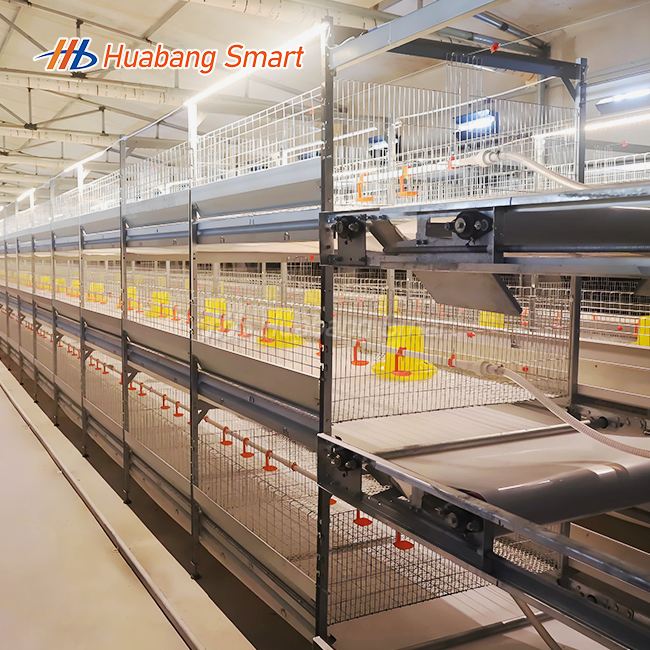 VIEW MOREH Type 3 Tier Broiler Chicken Cage
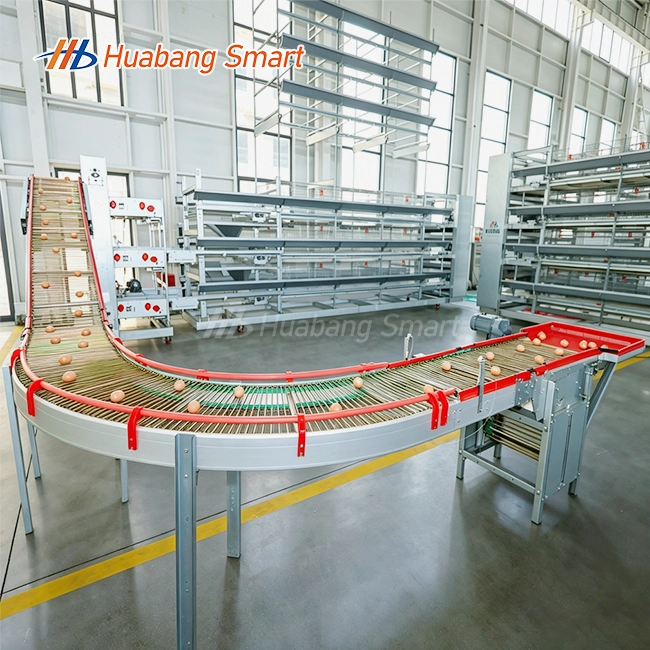 VIEW MOREPoultry Cages For Layer Chickens