
Chicken Tractor for Egg Layers in Pasture-Based Poultry Farming
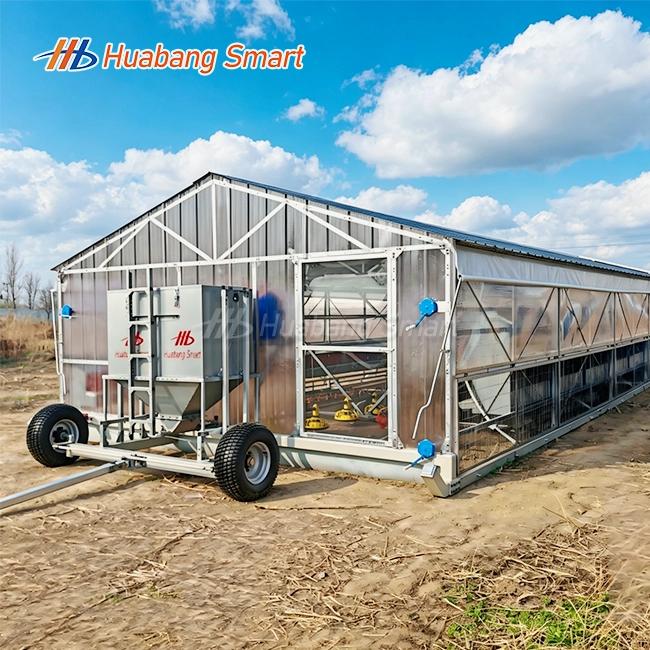
Pasture-based egg production is gaining serious momentum across commercial poultry operations in the United States. At the center of this shift is the Chicken Tractor For Egg Layers—a mobile poultry housing system that gives laying hens daily access to fresh pasture while keeping them secure from predators. Unlike fixed coops, these mobile units rotate across grazing land, distributing manure evenly and reducing pathogen buildup. For procurement managers, farm engineers, and agricultural investors evaluating scalable housing solutions, this guide covers everything from design selection to supplier evaluation and long-term maintenance planning.
Understanding Chicken Tractors for Egg Layers: Key Concepts and Benefits
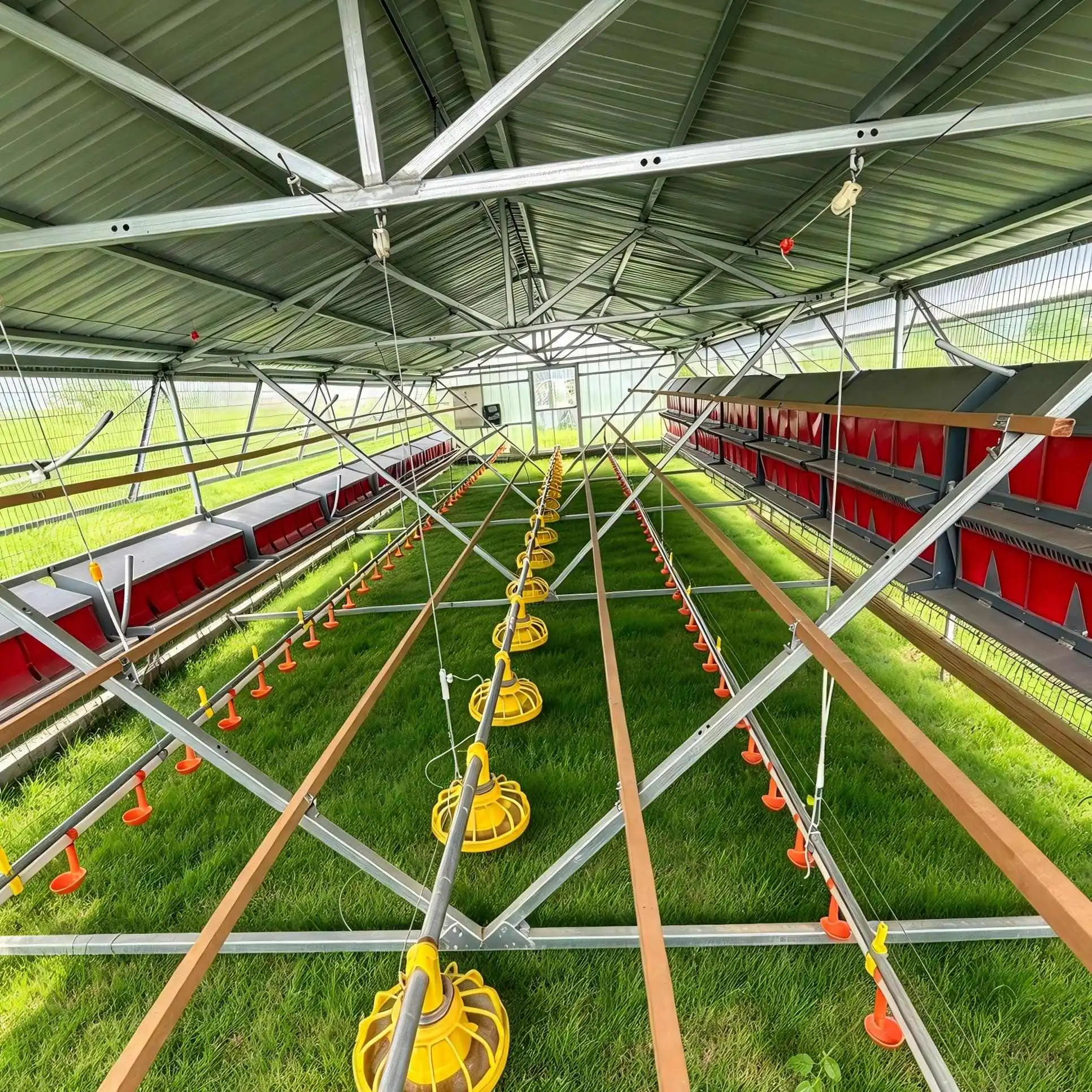
A simple idea behind a mobile layer house unit is to move the chickens around a lot so that they can always eat on clean grass. People have been having problems with fixed-pen systems for decades, but this one habit fixes them.
What Sets Mobile Housing Apart from Static Coops?
Fixed coops have a lot of waste, which makes it easier for coccidiosis and other germs that live in the dirt to spread. A moving system that spins breaks this loop. A study published in the journal "Poultry Science" shows that hens raised on grass that is moved have much lower levels of intestinal parasites than hens raised in cages that stay in one place.
Four Core Production Benefits
Good mobile layer systems are also useful because they help with more than just animal welfare:
- Pathogen load reduction: Regular rotation prevents harmful bacteria and parasites from establishing in the soil, which directly lowers flock mortality rates and veterinary costs.
- Natural manure distribution: Nitrogen-rich droppings spread evenly across pasture, eliminating the need for synthetic fertilizers and improving long-term soil fertility.
- Supplemental feed savings: Hens consuming insects and forage grasses reduce their dependence on commercial feed by a meaningful margin, lowering per-egg production costs.
- Egg quality improvement: A high-carotenoid diet from diverse forage produces darker yolks and higher omega-3 concentrations—qualities that command premium pricing in the market.
It lowers the number of pathogens: Dangerous germs and parasites can't get into the dirt if the flocks are rotated regularly. This lowers the death rate of flocks and the cost of veterinary care.- Natural manure distribution: droppings that are high in nitrogen are spread out widely across the field, so there is no need for manmade fertilizers. That will make the soil better in the long run.
Extra feed savings: Hens that eat bugs and wild plants don't need as much industrial feed, so it costs less to make one egg.- It makes the eggs better because animals that eat a lot of different foods have darker yolks and higher amounts of omega-3 fatty acids. These are qualities that make eggs more valuable on the market.
Why B2B Operators Are Adopting This System?
Businesses can measure their return on investment (ROI) for a Chicken Tractor For Egg Layers thanks to these benefits. This makes mobile housing a smart investment instead of a niche way of life.
Essential Design and Material Considerations for Chicken Tractors
Every mobile layer unit is different in terms of how long it lasts in real life. The weather, manure, and daily movement put stress on every part of the structure all the time.
Frame and Mesh Material Standards
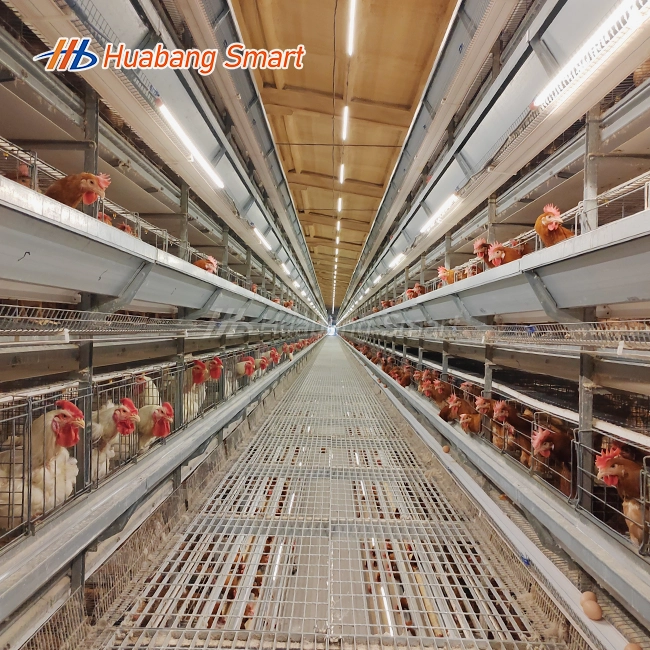
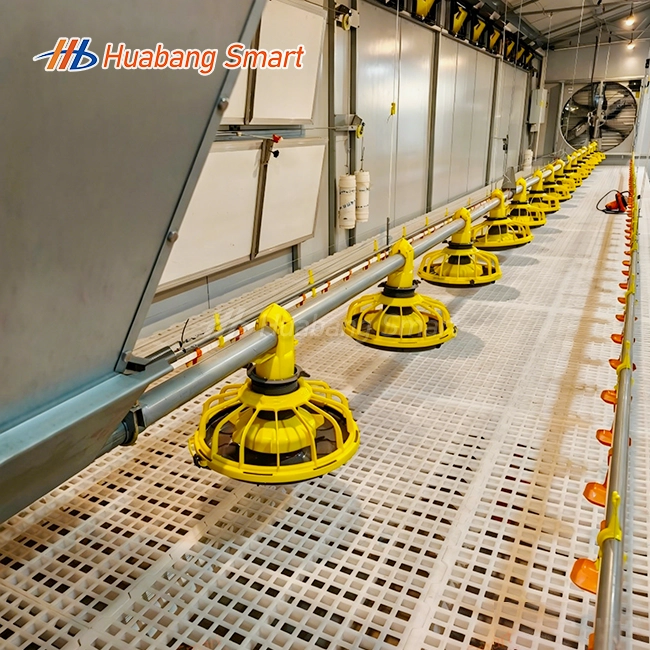
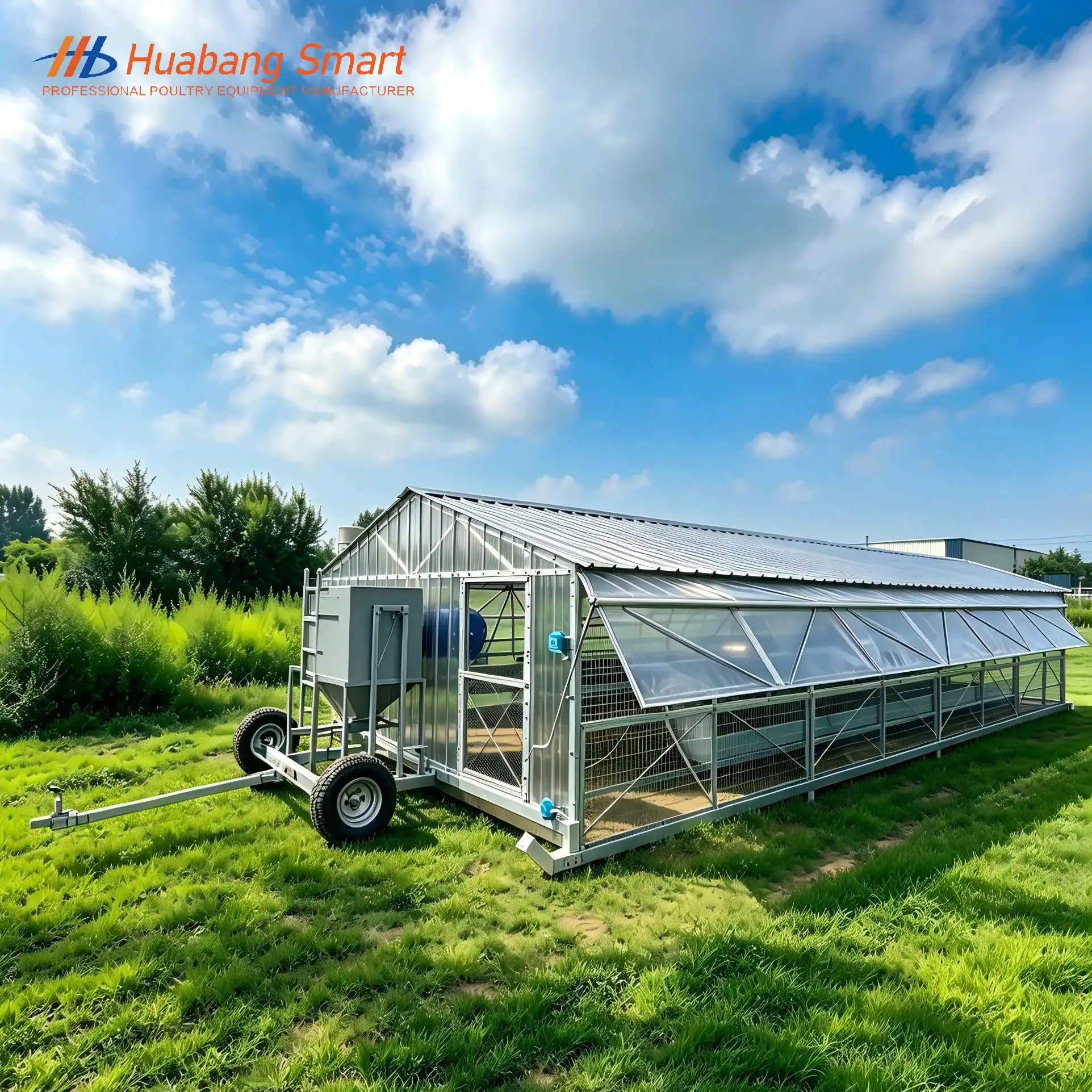
The frame of Huabang Smart's mobile chicken housing system is made of 275g/m² hot-dip galvanized steel, and the mesh is coated in aluminum and zinc. Ammonia, water, or UV light won't rust this mix, and it will last for more than 15 years. Extra-thick galvanizing steel 3 mm thick, makes up the frame. It has been tested and found to meet ASTM B117 salt spray standards. The fact that all mesh-to-frame links can stand up to a 50-pound pull keeps raccoons, weasels, and foxes out.
Sizing and Configuration Options
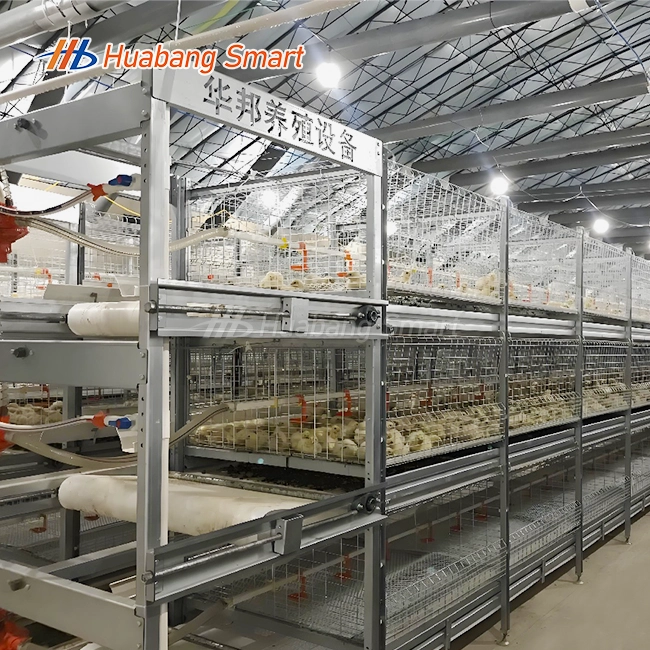
The base unit can hold between 90 and 200 chickens, depending on how the tiers are set up. It's 120 cm long, 120 cm wide, and 45 cm high. You can pick a style with 3, 4, 5, 6, or 8 levels. More airflow and better temperature control are made possible by a 5 cm raised center frame. This is very important in the hot and muggy summers of the South and Midwest of the United States. With some changes to the farm's structure and land, this plan can be made into a rectangular, tunnel, or A-frame shape.
Ventilation and Predator Protection
Aim for 1.5 to 2.0 CFM of airflow per bird to keep ammonia levels below levels that are bad for lung health. Metal and zinc coatings on the mesh let air flow but keep animals out. Ground-level skirts that are heavy keep predators from getting under the frame.
How Chicken Tractors Improve Egg Production and Pasture Management?
It's easy to see how mobile and fixed systems perform differently when you look at real production data from businesses.
Rotation Schedules and Pasture Recovery
Moving the unit every one to two days lets the places it has touched heal before the group comes back. This cycle stops overgrazing and makes sure there is always new grass that is full of bugs. Farms with planned cycles say that they don't have to use chemicals to keep the grass covered all season.
Automation Features That Protect Egg Quality
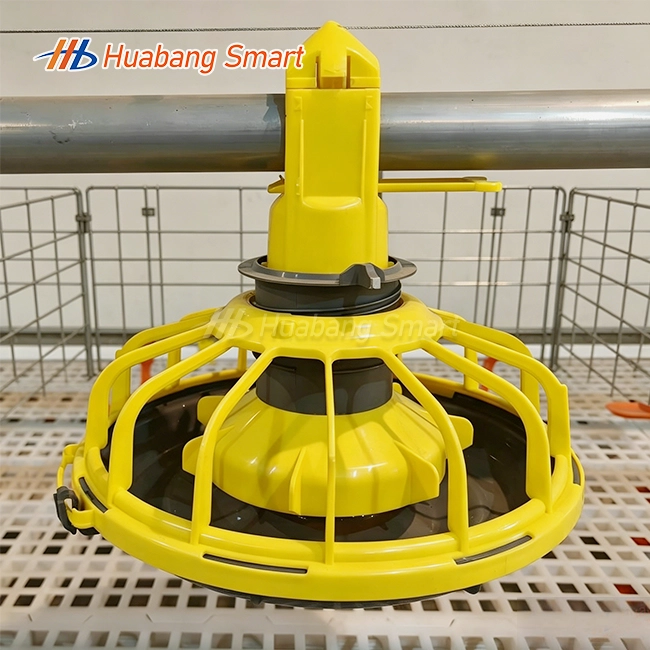
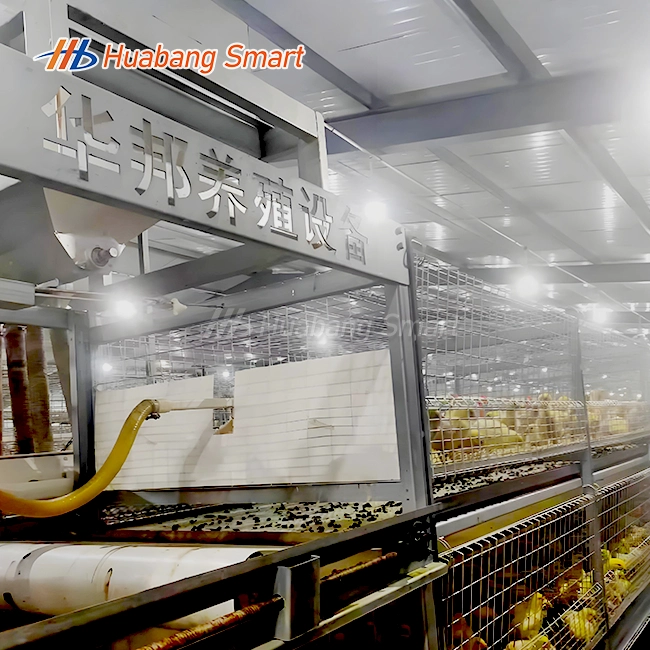
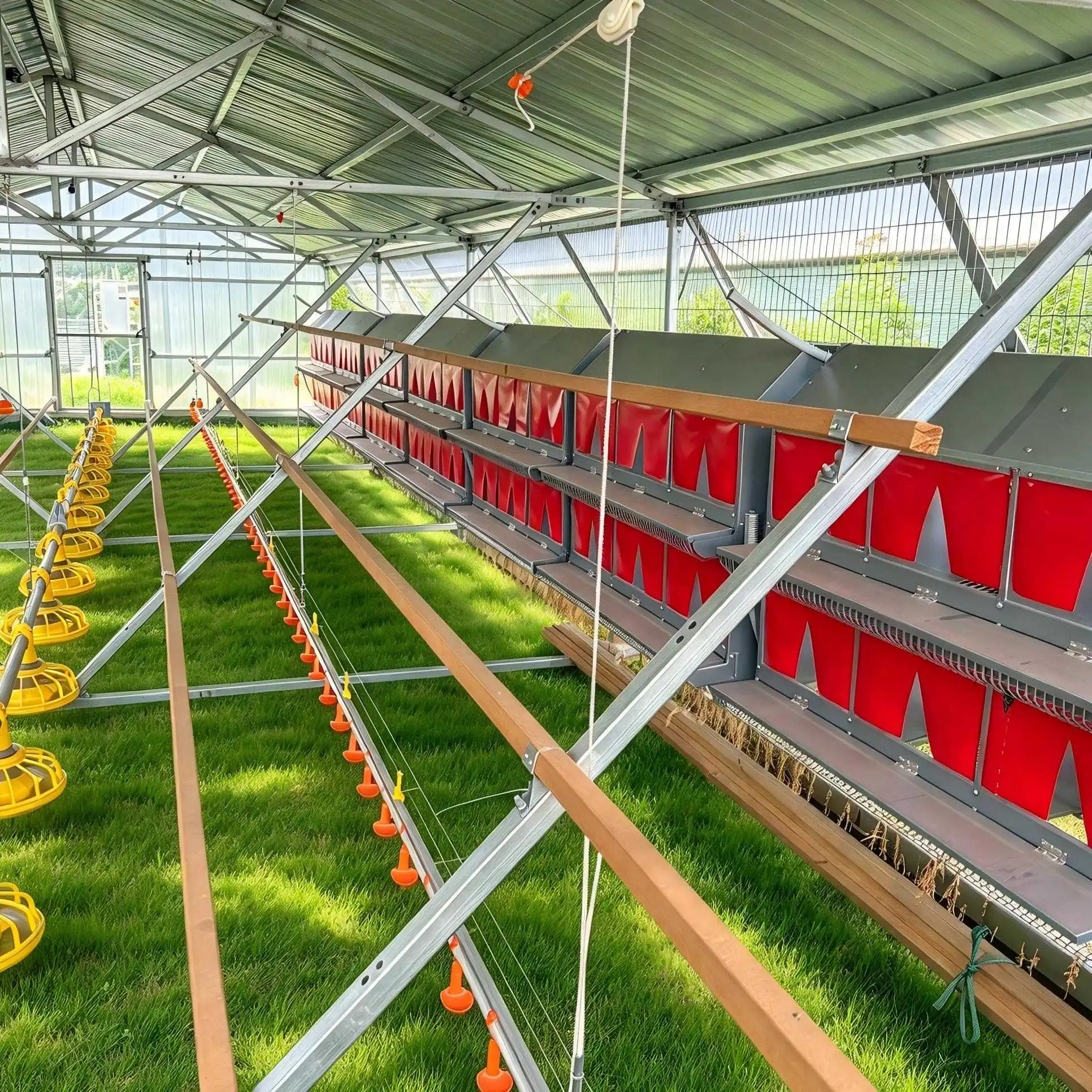
All of Huabang Smart's systems are automatic, so they collect eggs, send feed, and clean up manure. These three functions work together to keep egg breakage rates below 0.3%. This has been checked during several production runs. Because laying hens are handled less by hand, they don't have as many behavior problems that are caused by stress. This keeps daily output cycles stable. You can use a computer or a phone to connect to optional Internet of Things (IoT) monitors that can check the temperature, humidity, ammonia levels, and feed usage in real time.
Production Data and Labor Savings
With full automation in a Chicken Tractor For Egg Layers, up to 80% less work needs to be done than with old-fashioned systems that were run by hand. This means that a farm with 50,000 birds will need fewer workers, which directly lowers the cost of running the farm. Global hygiene standards say that eggs should be kept clean by using smooth, food-safe plastic manure trays that keep bacteria from sticking to the eggs.
Procurement Guide: Choosing and Buying the Right Chicken Tractor for Your Business
Selecting a mobile layer housing supplier requires evaluation across several dimensions beyond unit price.
Key Selection Criteria for Commercial Buyers
Procurement decisions at the enterprise level involve more than a single equipment purchase. Buyers should assess certification status, customization capability, delivery timelines, and post-installation support before committing. Huabang Smart holds ISO9001 and CE certification, with a production cycle of 30 to 60 days per order. OEM and ODM configurations are supported, allowing procurement teams to specify tier count, capacity, and mesh specifications based on regional requirements.
Supplier Reliability and Service Infrastructure
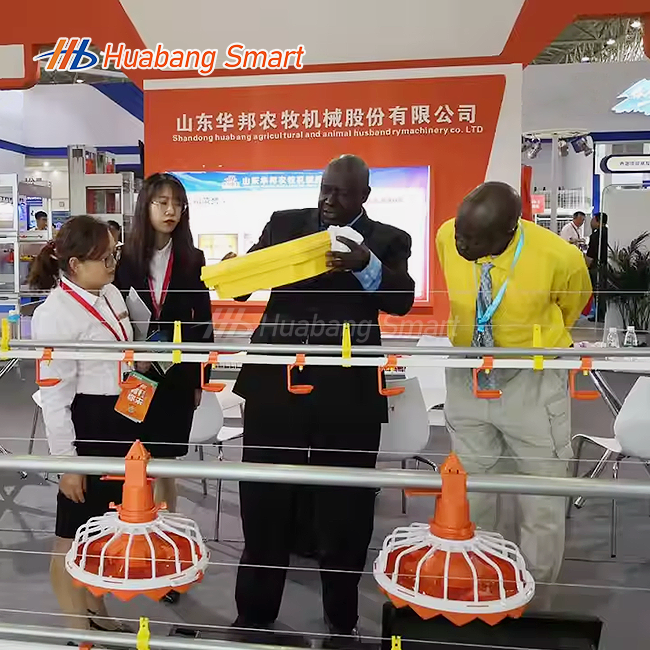
A supplier's global track record matters. Huabang Smart has delivered systems to clients across more than 100 countries, including operations in Europe, Southeast Asia, the Middle East, and Eastern Europe. The company provides site planning, configuration lists, video installation guides, on-site installation support, and ongoing overseas after-sales service—all under one contract relationship.
Warranty and Total Cost of Ownership
Each unit carries a one-year international warranty. The 15+ year structural service life means that annualized capital cost remains low relative to the productivity gains achieved. Procurement managers evaluating long-term ROI should factor in reduced feed costs, lower labor expenses, and improved egg premiums when comparing mobile versus fixed housing investments.
Usage & Maintenance Best Practices for Maximizing Chicken Tractor Performance
A well-maintained mobile layer system holds its performance for years. The following practices keep operating costs low and flock health consistent.
Daily and Weekly Cleaning Protocols
Manure trays should be cleared daily to prevent ammonia buildup above 25 ppm, which damages respiratory tissue in laying hens. Mesh and frame surfaces should be inspected weekly for signs of corrosion or mechanical wear. Aluminum-zinc coated surfaces are self-limiting against surface oxidation, but physical damage from terrain impact should be addressed promptly.
Seasonal Maintenance and Winterizing
In northern climates, polycarbonate windbreaks and insulated nesting box attachments keep internal temperatures stable during freezing conditions. Wheel systems should receive annual lubrication, particularly hub bearings and lift mechanisms. Flat-free tires eliminate downtime caused by punctures during daily movement across rough terrain.
Extending Structural Lifespan
Proactive replacement of high-wear components—nesting box liners, feeder troughs, and water nipples—costs significantly less than emergency repairs. Huabang Smart provides spare parts availability and technical support through its overseas service network, reducing downtime for international operators.
Conclusion
Mobile layer housing with a Chicken Tractor For Egg Layers is a useful and backed by data way to keep an eye on the health of the pasture, raise the quality of the eggs, and lower the costs of running the business. The main issues that industrial chicken companies have right now can be fixed by building a strong steel structure that feeds, collects eggs, and gets rid of manure automatically. In the long run, a well-made mobile system will save you money because it lasts longer and needs less work. This is very important for procurement teams and farm owners who are looking at different ways to invest in housing.
FAQ
What is the optimal stocking density for a mobile layer housing unit?
In the business world, mobile layer systems must have at least 4 square feet per hen.
How do I protect against digging predators?
This supports natural behavior, lowers damage from pecking, and maintains steady egg production during the laying cycle.
Can mobile poultry housing operate in winter conditions?
Yes. With glass windbreaks and safe nesting boxes, these systems can keep a stable temperature inside even when it's below zero outside. Ground skirts that are heavy also keep cold air out of the base.
How does daily movement affect laying consistency?
Hens quickly get used to the changes that happen every day. Cortisol levels drop when there is new food available, which keeps the laying cycle stable instead of throwing it off.
What maintenance do the wheel systems require?
High-end models have wheels that can be cleaned and tires that don't go flat. To make sure it works well on all kinds of land for a long time, the lift system only needs to be oiled once a year.
Partner with Huabang Smart for Your Chicken Tractor For Egg Layers Project
Your company needs a mobile layer system that is backed by precise engineering and a history of working well around the world. There is a one-year international warranty on the Huabang Smart Chicken Tractor For Egg Layers. It is made of 275g hot-dip galvanized steel, is fully automated, and can be customized by OEM/ODM. We can provide you with a solid Chicken Tractor For Egg Layers within 30 to 60 days and even help you set it up. Our products are certified by ISO9001 and CE. Send us an email at admin@huabangsmart.com or visit poultrycage.com right now to get a quote.
References
1. Poultry Science Association. Poultry Science Journal. 2021.
2. United States Department of Agriculture (USDA). Organic Poultry Production in the United States. 2020.
3. Lay, D.C., et al. "Hen Welfare in Different Housing Systems." Animal Welfare. 2011.
4. American Egg Board. Egg Industry Reference Guide. 2022.
5. National Sustainable Agriculture Information Service (ATTRA). Pastured Poultry: Producer Profiles. 2019.
6. Fanatico, A.C. Sustainable Poultry: Production Overview. National Center for Appropriate Technology (NCAT). 2018.

USER EVALUATE
Here is the customer's evaluation of us