



Commercial Mobile Chicken Coop Designs for Large-Scale Poultry Operations
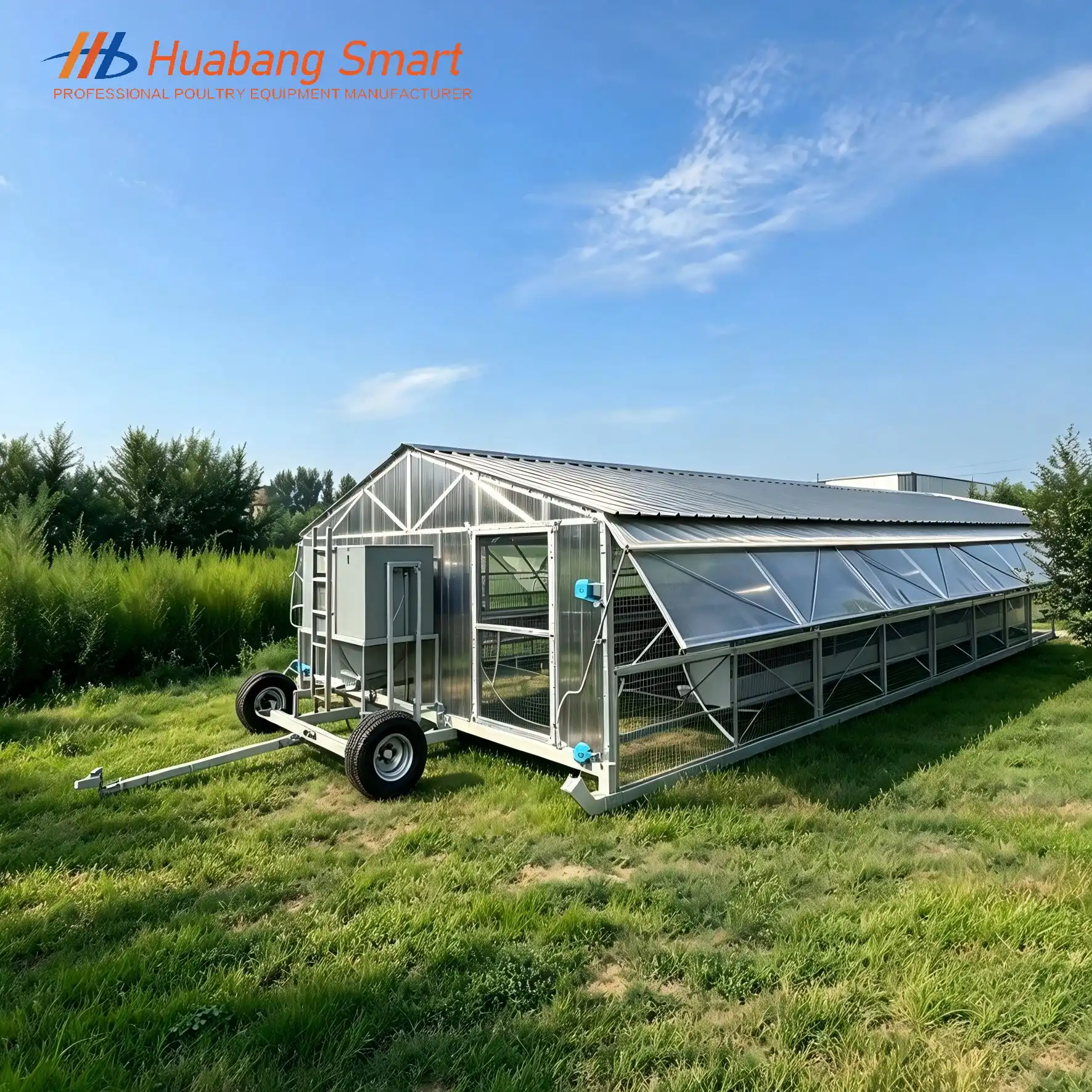
A Commercial Mobile Chicken Coop is a portable chicken coop that is built to be moved across pastures many times. It has enough space, strength, and automation to handle a working flock rather than a hobby group. For large-scale operations, the best designs have a steel frame that doesn't rust, good airflow, a chassis that can be towed, and automatic feeding and watering. At Huabang Smart, we build a 15m x 5m x 2.8m unit that can hold between 700 and 900 birds. You can learn how the design works, what requirements are most important, and how to check out a supplier before you buy from them in this guide. It is for people who run farms, work as engineers, or are on teams that buy things.
What Is a Commercial Mobile Chicken Coop?
A Transportable House Built for Working Flocks
It is called a Commercial Mobile Chicken Coop if it is meant to be moved around a lot. This is different from a backyard coop or a light poultry tractor in four ways: it can hold more birds, last longer, feed and water the birds at the same time, and work better when the ground is rough. These days, a chicken tractor is just a small pen that one person moves by hand. It's 15m long, 5m wide, and 2.8m high, which is 49 feet, 16 feet, and 9 feet. Because it can hold 700 to 900 birds, it can be used as a mobile building for making things. Farmers who raise chickens on pasture have been using shelters that can be moved to different areas for many years. In his book Pastured Poultry Profits, Joel Salatin talked about this method.
How the Housing, Ventilation, and Mobility Systems Work Together?
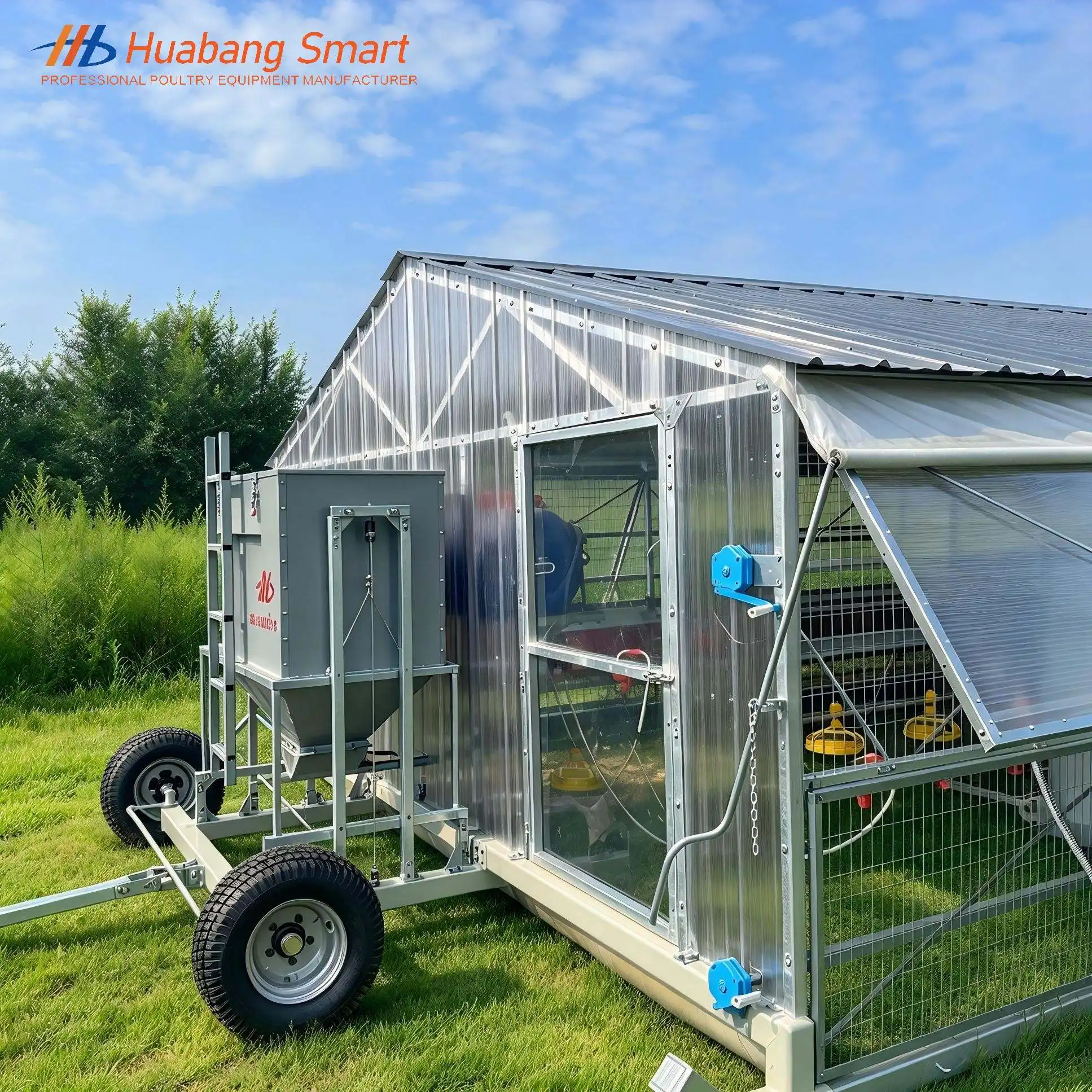
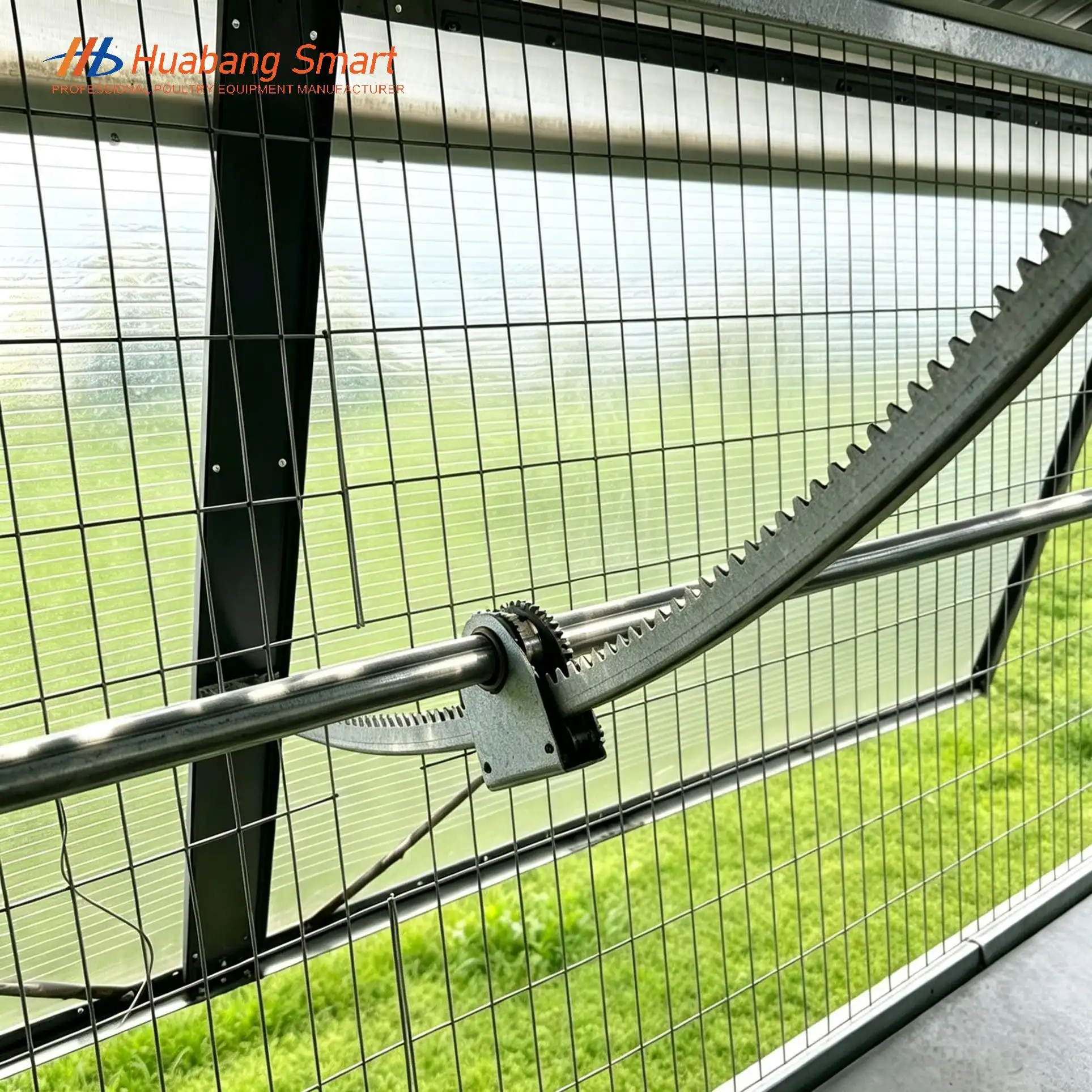
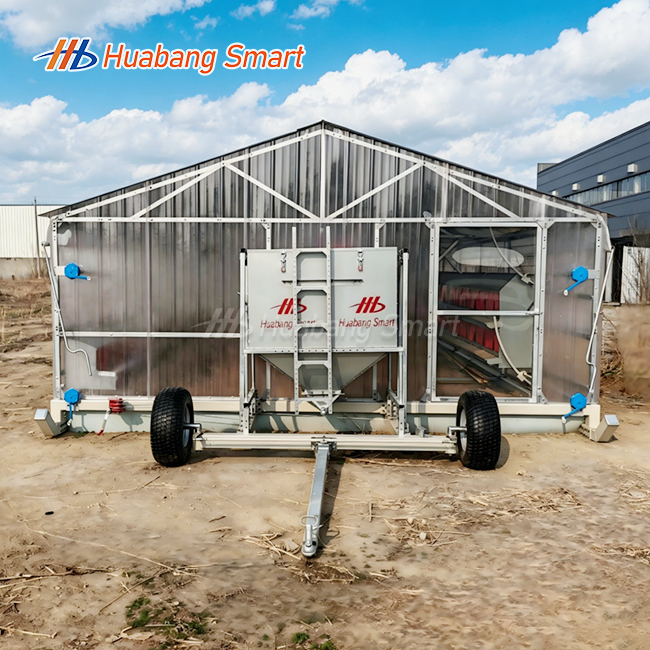
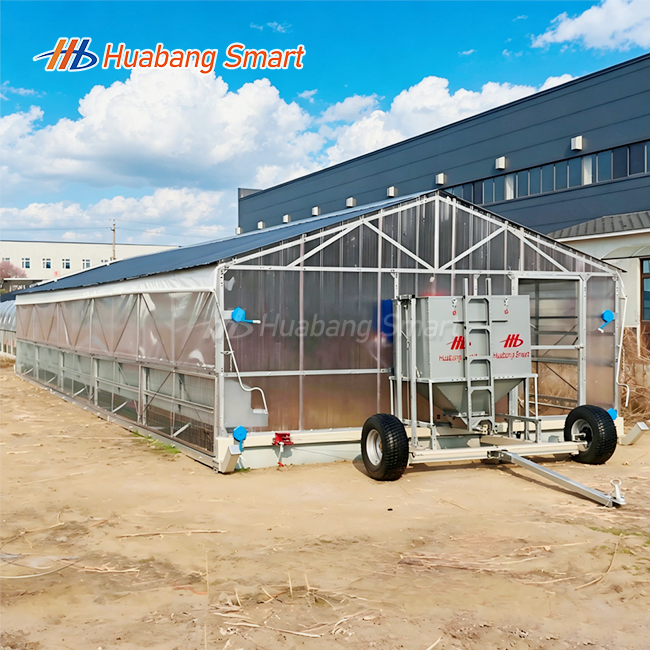
When the pastures are changed, each system helps the others. The steel shell protects the birds from the weather, and the 5 cm raised middle area lets air flow and keeps the birds cool. Access doors let workers check on birds and get eggs, and parts made of UV-resistant polycarbonate let in natural light. A 40–60HP tractor or ATV can move the unit over rough terrain because it has a low center of gravity and a chassis that can be hitched. Fix points in the ground and then keep it steady between moves. If one part breaks, like a door that won't open or a hitch that bends, the whole thing moves more slowly. There is only one choice between the range plan, the hitch, and the coop. That's why the coop is designed to work as a whole.
Wheeled, Towable, Skid-Mounted, and Electrically Assisted Designs
There are four types of mobility that most buyers fall into. For moving around a lot on flat ground, wheeled and towable units work best. They can be paired with tractors or ATVs. Units on skids are easier to use, but they drag on the ground, which can damage pasture that is wet. When electrically assisted units are used, tractors are not needed as much, but they still need to be serviced because they have motors and batteries. Small poultry tractors are best for flocks that need a lot of work. It is possible to sort by flock size, vehicles that are available, and labor. Whether the chassis is on wheels or skids, you may need more space to turn and clear the ground. See how the gates and lanes are set up before you decide. A hitch in our plan works with both tractors and ATVs, so it can be used on farms that already have this kind of gear.
Why Large-Scale Poultry Farms Are Choosing Mobile Housing Systems?
Pasture Rotation, Manure Distribution, and Land Use
It's being tested by farmers because it lets them move the birds to new areas without having to put a lot of manure in one spot. When we move a unit every one to three days, birds eat bug larvae, scratch the ground, and spread nutrients over a larger area. This lets the pasture heal and keeps the soil from getting too hurt by the manure sitting on top of it. They can also move through orchards to kill pests and add nutrients, or they can graze with cattle in a multi-species plan. This makes land use more flexible. Because units can move between fields as the weather and forage change, it's also easier to change crops based on the season. We made our design so that you can connect different units as your business grows.
Pasture-Raised, Free-Range, and Organic Programs
For farms that raise animals on pasture or let them roam freely, mobile housing works because the animals need to be able to go outside every day. Our raised slatted floor keeps birds from coming into direct contact with manure, which is good for biosecurity in antibiotic-free farming. Still, every market and program has its own set of rules. Anyone in the US who sells organic meat or eggs should read the USDA National Organic Program's rules for animals and birds. There are also private label rules about how many animals can live in a space and how much space they need outside. Always check with your certifier about flock size per unit before you choose one. A housing design can help you follow the rules, but it can't do the job of an audit.
When Fixed or Hybrid Housing Makes More Sense?
A Commercial Mobile Chicken Coop unit isn't always the best choice. Setting up fixed homes is better for managing the environment since all the utilities are in one place and it's easier to connect to the power grid and move manure. They work well in harsh climates, on farms with little grass, in hard-to-reach places, and for jobs where temperature and airflow need to be tightly controlled. When tractors have electric drives, they are not needed as much, but the batteries and motors need more care. Bird tractors are less useful as flocks get bigger. A lot of the time, big farms use both fixed and mobile housing. The fixed housing is used for breeding or the winter, and the mobile housing is used for the pasture seasons. We're telling you the truth because a good fit will keep your money safer than a forced sale.
Commercial Mobile Chicken Coop Design Requirements
Capacity, Floor Area, and Layout Planning
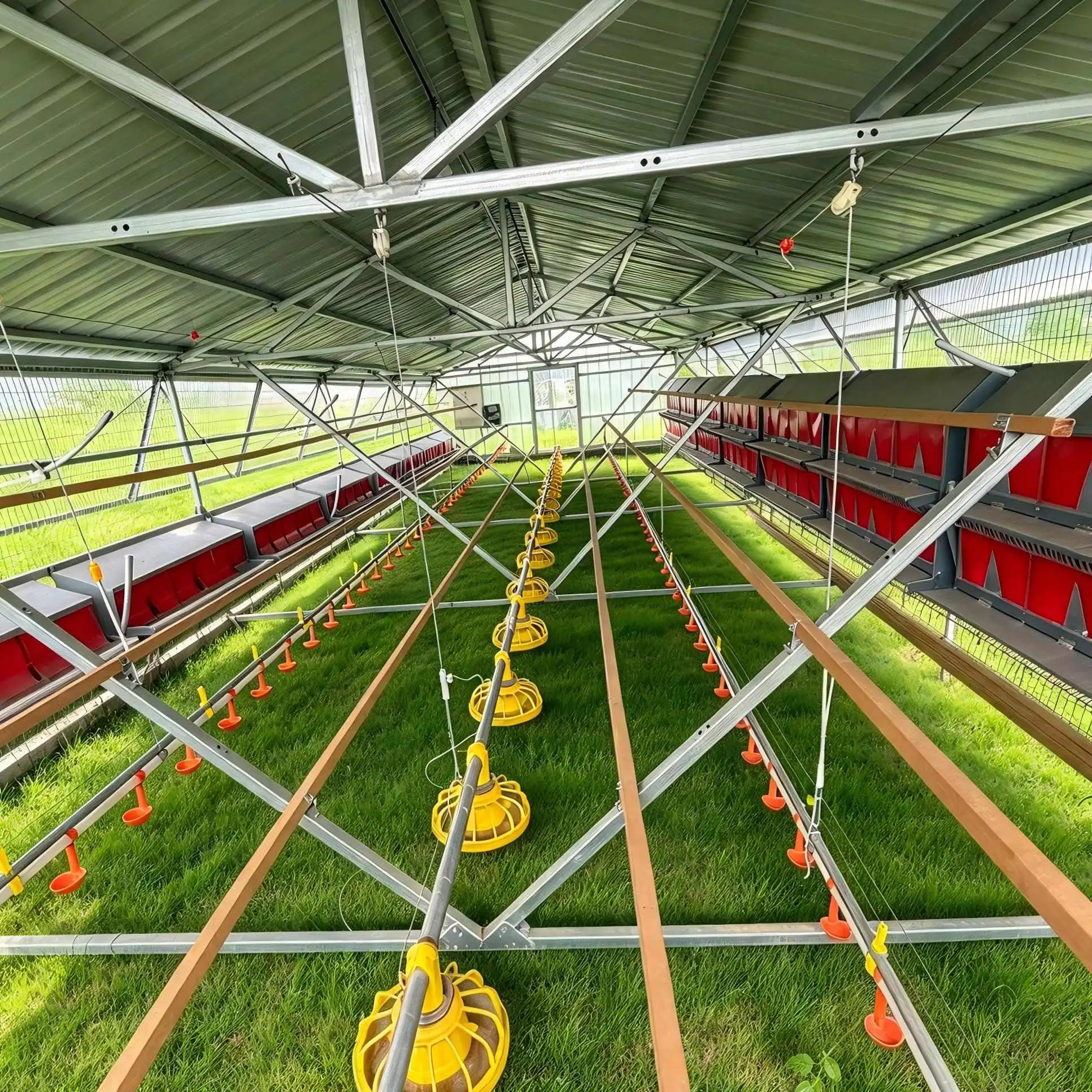
You should learn what kind of bird it is, how much you want to make, and how the program works. For example, broilers need more floor space, airflow, and control over their bedding. Layers, on the other hand, need a place to nest, perches, and easy access to their eggs. The standard 15m x 5m x 2.8m unit covers 75 square meters (807 square feet) and can house 700 to 900 birds. Our 500-bird or 1,000-bird plans can be changed to fit the number of birds that can be kept in your market. Our modular connection system can also handle operations with 50,000 or more birds. Before you sign anything, make sure you have drawings with measurements and calculations of how many can be held. You can then write down the usable floor space, the number of nests, and the range size.
Structure, Materials, and Corrosion Resistance
Manure and being towed around a lot are both bad for a coop. Our unit has 3mm extra-thick galvanized steel for the frame and 275g hot-dip galvanized steel for the panels. The wire mesh system is aluminum-zinc coated. Zinc is put on steel during hot-dip galvanization. Zinc doesn't rust in damp air that is full of ammonia. The building is more stable on rough ground because it has a low center of gravity. It is also built to withstand Category 2-3 wind zones and has anchoring points for the ground. We say it will last at least 15 years if you take good care of it. Anyone can give you coating specs and records of weld inspections. Things that are thin or have bad welds break first when they move. Mesh gauge and weld points are also important to keep animals out.
Feeding, Watering, Ventilation, and Climate Systems
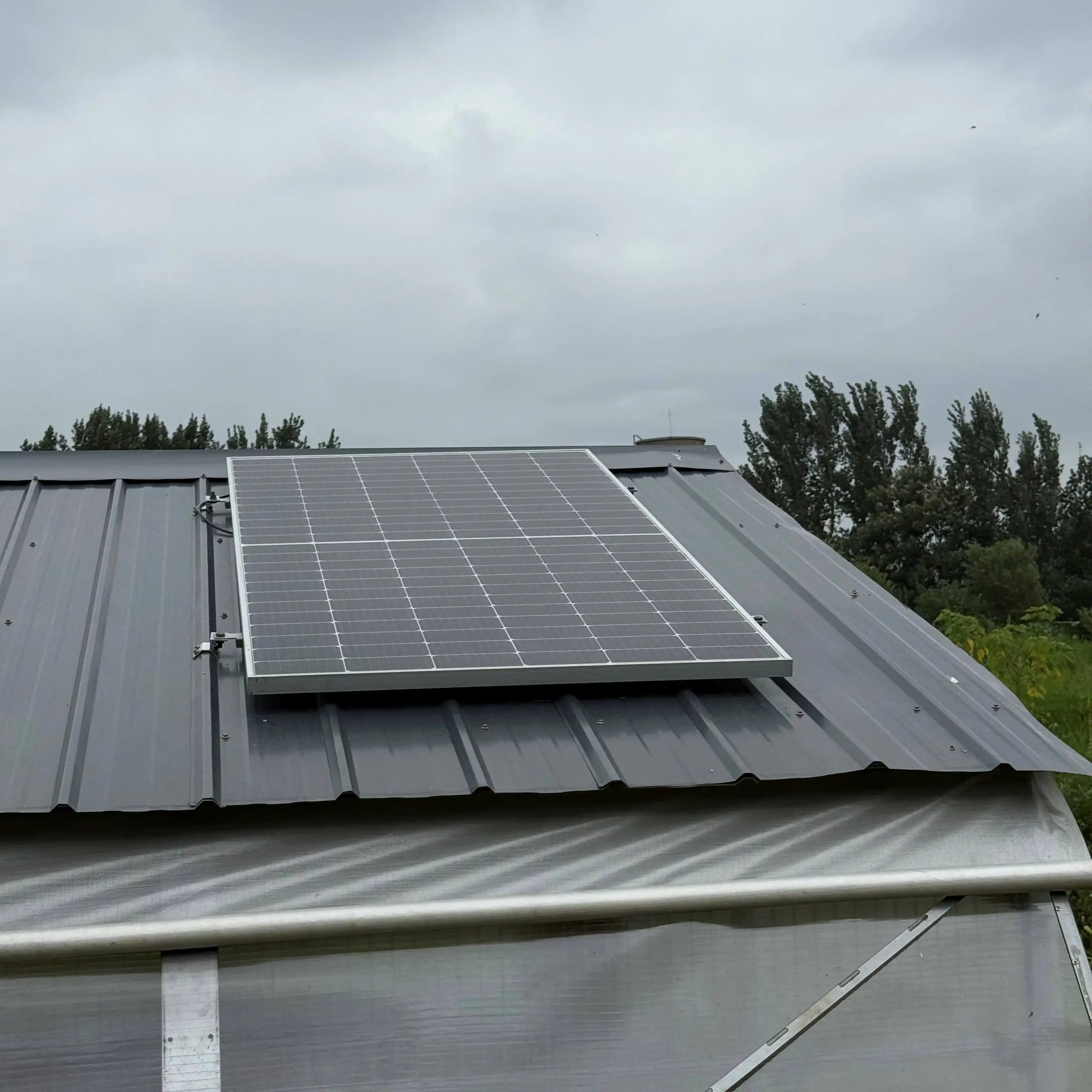
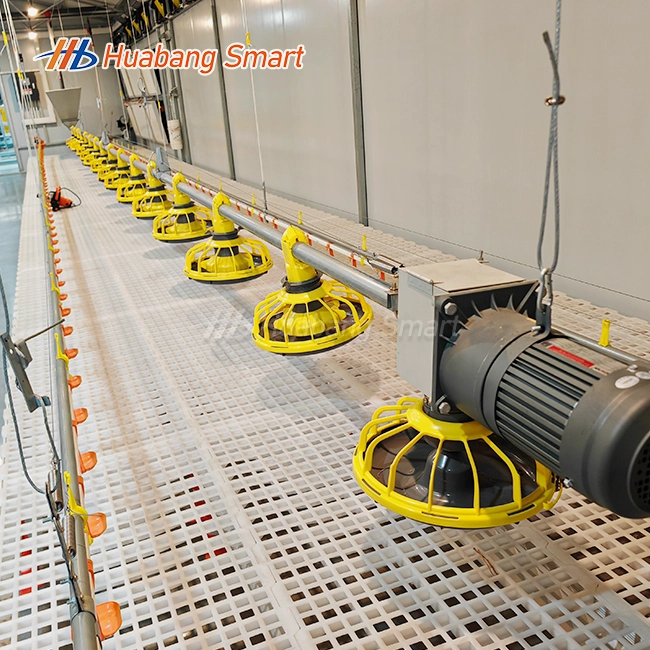
Worker costs are high in pasture systems, so automation is important. The 12V/24V electrical system in our coop is powered by solar panels. It runs the nipple drinking lines, timed ventilation, and automatic feeding. We don't need to use the power grid in the faraway pastures because of this. Our math shows that housing that feeds and waters itself needs 70% less work than regular housing. We can keep the temperature and humidity stable and report feed conversion gains of up to 8% because we can watch the environment in real time. This lets people who run the system fix it before it breaks. IoT controllers keep track of how charged the batteries are. There is no need to connect the coop to electricity again when it moves to a new field because the power moves with it. Make sure that each feeder, drinker, and panel is easy to clean and fix.
How to Operate and Implement a Commercial Mobile Chicken Coop Project?
Movement Schedules and Daily Checks
It's time to move when the pasture is ready, the soil is wet, there are a lot of sheep, the weather is nice, and bugs are under control. Over a lot of pastures, shelters are moved every day. Every one to three days is a good time to move our units. Every morning, check on the birds' health, food, water, airflow, temperature, humidity, and that they have enough eggs. Then, before you move, check the hitch, tow points, doors, wheels, and hitch. Slow down on flat ground and stay away from wet fields that could get rutted. If you move at the same time every time, birds will get used to it. Each place's soil should be written down, as the next place will depend on how well the pasture recovered. A log should be kept for each check so that the next shift can see patterns right away.
Biosecurity, Predator Protection, and Night Security
Birds that live outside in a Commercial Mobile Chicken Coop have to deal with wild birds and animals that eat them, so they need more than one way to stay safe. People can't get in because of the reinforced predator-proof mesh, and the perimeter is safer with the electric fencing, which is not required. Close the doors at night and count the birds before you leave. To stop the spread of sickness, don't let too many people into dirty boots, tools, or egg crates. Between flocks, clean up the litter, wash the surfaces, and germ-kill them. Birds can't get to the trash because the floor is raised and has slats in it. If the orchard is hard to get through, predators are more likely to attack, so check the fence lines every time you move. Animal health officials in your state have rules about how to handle avian flu. If your birds get sick, take them to the vet right away.
Implementation Plan from Site Assessment to Training
Commissioning is less risky when there is a clear plan. First, take a look at the pasture's shape, the soil, how well it drains, any slopes, gates, roads, and the weather in the area. Second, make sure you know all the details, like the size, capacity, layout, safety, airflow, and insulation. For big projects, you can ask for a sample, a factory acceptance test, and a transit test. We can help you with design and planning of your poultry farm's site, system design, configuration lists, video installation guides, on-site installation, and video installation guides. Next, show your employees how to run the business, clean, check the electricity, deal with emergencies, and do regular upkeep. Plan changes should be made based on how things go. It takes 30 to 60 days to make something, so make sure the site work is done before it comes.
Commercial Mobile Chicken Coop Buying Guide and Supplier Verification
Define Your Requirements Before You Request Quotes
For suppliers to give correct quotes, buyers need to be clear about what they need. Find out about the type of birds, the size of the flock, the production goal, the climate, the terrain, the tractors that are available, the need for automation, the destination, and any rules that apply. Then, compare prices based on things like the quality of the structure, airflow, portability, biosecurity, spare parts, warranty, and customer service after the sale. For each quote, use the same flock and site because fixed homes, electric models, and units pulled by tractors are all different. As well as making things from customer drawings, we can also take OEM and ODM orders. We can also make climate packages in any size, with extra insulation for cold places or extra cooling for hot places. People who want to buy the work can get samples to look at first.
Understanding Commercial Mobile Chicken Coop Cost
Price per unit doesn't always show what's going on. The budget should be split up into parts for things like shipping, installation, making changes to the equipment, import taxes, and maintenance. The equipment takes care of the frame, panels, mesh, and automation. It takes more time for engineers to customize. For ocean freight and U.S. import duties, which are based on size, weight, and port, getting dimensions early is important. The wages, repairs, and energy costs can more than make up the price difference between two coops over time. When you compare, you should look at the total operating value, which includes the capacity used, the service life, and the cost of spare parts. There are terms like FOB and CIF that you should look at to make sure you understand who pays for each step of the shipping process.
How to Verify a Mobile Poultry Housing Supplier?
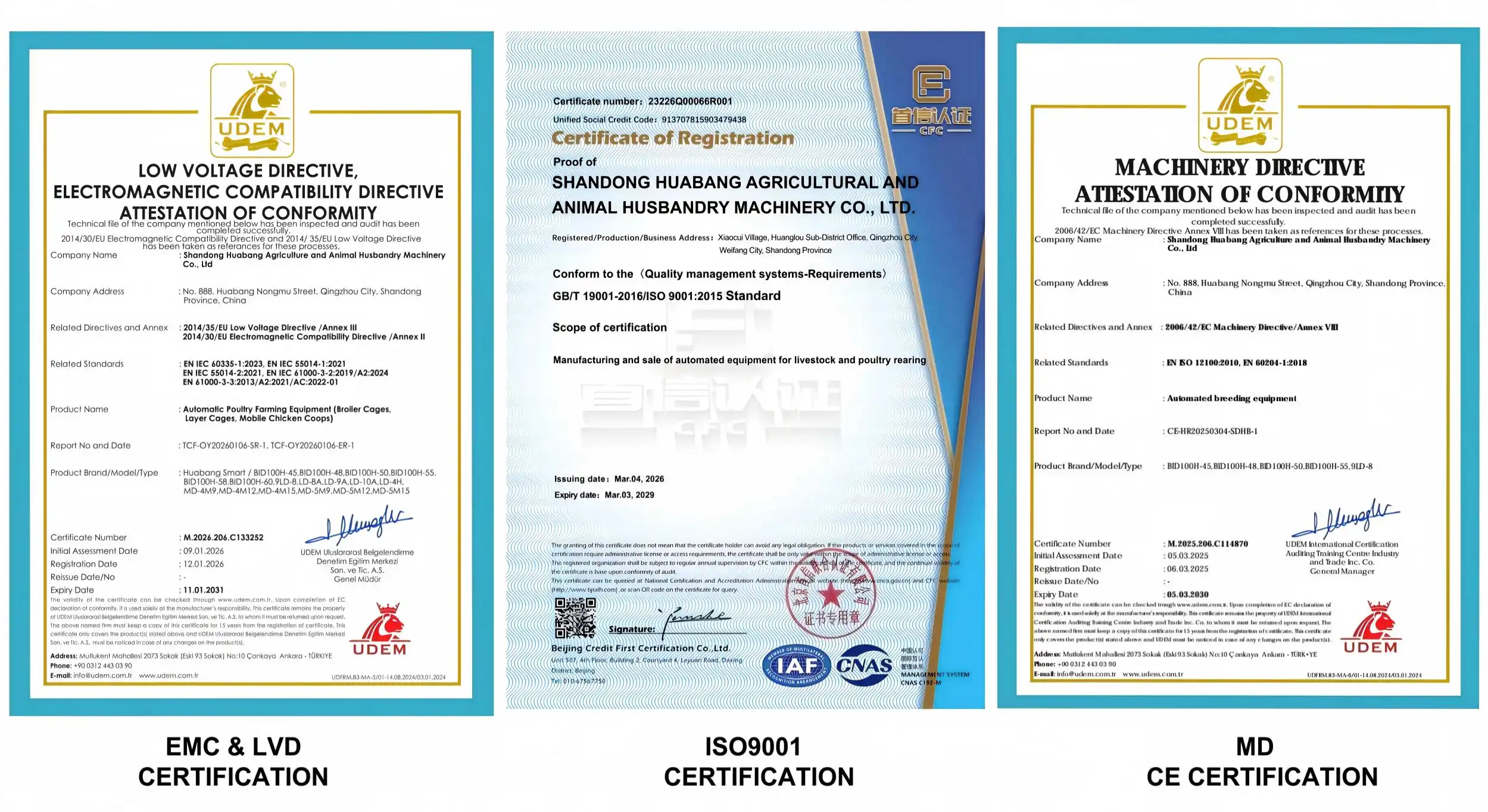
Before you put down a deposit, look at the general arrangement drawings, capacity calculations, material specifications, electrical diagrams, transport dimensions, manuals, and maintenance schedules. Check out how the factory handles coatings, welding, electrical testing, and checks that are done before the goods are sent out. Look at the company's licenses. Huabang Smart is certified by both ISO9001 and CE. They also have 49 patents on core technologies and have been designing and making things for 17 years. As for us, the lead time is 30 to 60 days. Look into the packaging, how the container will be loaded, the export paperwork, and who will be in charge of setting it up. Next, find out how to get new wheels, batteries, feeders, drinkers, controls, and the terms of the warranty. We offer a warranty that lasts for one year and have service centers in more than 100 countries all over the world.
Conclusion
A Commercial Mobile Chicken Coop is best for large poultry farms that need to rotate their pastures because it lets them move the birds to new pastures, spreads manure more evenly, and can be changed to fit the needs of the season. But fixed or hybrid housing is still the best choice in places with bad weather, not much pasture, or strict environmental control needs. That's where sound design starts: with capacity, floor space, and rules for the program. For the rest, it depends on steel that doesn't rust, stable towing, airflow, and automatic feeding and watering. Daily checks, planned moves, biosecurity, and trained staff keep the work going. When people compare machines, they should not only look at price. They should look at the drawings, make sure the quality is good, get certifications, look at the shipping terms, warranty, and support for spare parts. All of these things affect whether or not a mobile unit cuts down on work and makes flocks work better at a certain site.
FAQ
How do I choose a mobile coop for 500 or 1,000 chickens?
Start by choosing the type of bird, the floor size, and the rules for stocking your program. We can change the size of our standard unit or connect modular units to make it bigger or smaller. It can hold between 700 and 900 birds.
Is a mobile coop suitable for organic production?
It can help with biosecurity and getting outside, but the rules are set by your certifier. Check the USDA's rules on organic farming before you get a flock.
Should I choose electric or tractor-towed?
For less tractor work, electric drive is better, but the battery and motor need to be fixed. Lots of farms already have what they need to use models that can be pulled by tractors, like ours. It has a hitch for 40–60HP tractors or ATVs.
Do you accept OEM and private-label orders?
Yes. We can work from customer drawings and help with both OEM and ODM production. We also give technical advice, samples, and help with installation.
How do I verify a supplier?
Make sure you have drawings, capacity calculations, quality records, certificates, Incoterms, warranty terms, and plans for spare parts before you place an order. Use the same list to check out each provider.
Request a Commercial Mobile Chicken Coop Specification
Are you getting ready for 700 birds or 50,000? You can get drawings, price quotes, lead times, and information on how to install from Huabang Smart. These will depend on the size of your flock, the type of birds you have, the weather, the terrain, and the size of your pastures. Our company has ISO9001 and CE certifications and makes Commercial Mobile Chicken Coop. We can take OEM and ODM orders from all over the world. You can email ginny260831@gmail.com or huabangsmart002@gmail.com or visit poultrycage.com to find out more.
References
1. Pastured Poultry Profits (Joel Salatin), 1993
2. National Organic Program: Organic Livestock and Poultry Standards Final Rule (USDA Agricultural Marketing Service), 2023
3. Profitable Poultry: Raising Birds on Pasture (Sustainable Agriculture Research and Education), 2001
4. Poultry Development Review (Food and Agriculture Organization of the United Nations), 2013
5. ISO 9001: Quality Management Systems — Requirements (International Organization for Standardization), 2015
6. Directive 2006/42/EC on Machinery (European Parliament and Council), 2006

USER EVALUATE
Here is the customer's evaluation of us
YOU MAY LIKE
_1793064215443.webp) VIEW MOREmulti-hole chicken nesting box
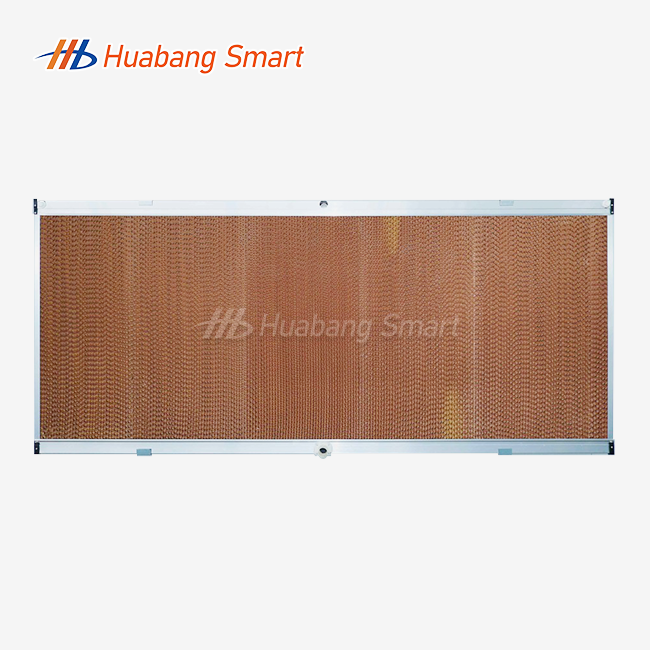 VIEW MORECooling Pad For Poultry Farm
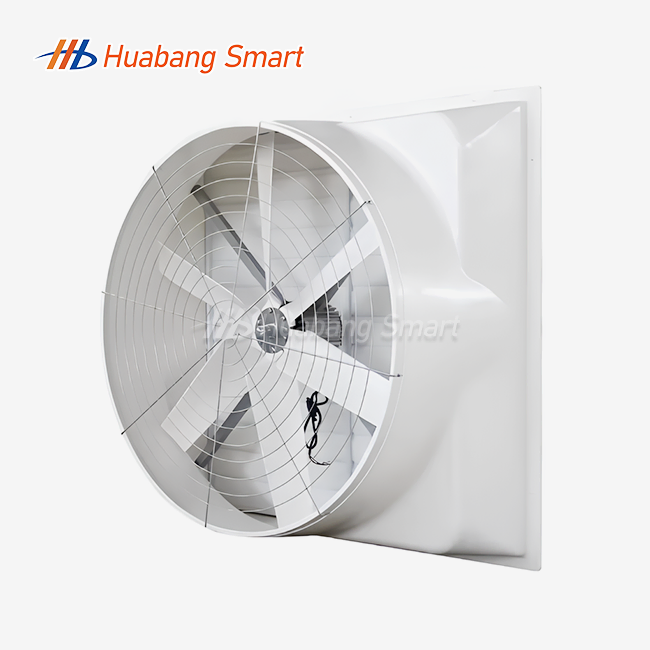 VIEW MOREFiberglass Cone Fan For Poultry
 VIEW MOREBroiler Chicken Feeders
 VIEW MOREMobile Chicken Coop Tractor With Wheels Nest Boxes
 VIEW MOREMoveable Mobil Chicken Coop
 VIEW MOREMobile Chicken Coop With Wheels
 VIEW MORELayer Cages Egg Chicken Poultry Farm