



Durable Chicken Feeder Designs for Farm and Backyard Use
Choosing the right chicken feeder impacts every aspect of poultry operations, from feed costs to flock health. A durable chicken feeder minimizes waste, protects feed from contamination, and withstands years of demanding use across diverse climates and farming scales. Whether managing a commercial broiler operation or a backyard flock, understanding feeder durability ensures reduced replacement frequency, lower operational costs, and healthier birds. This guide explores materials, designs, and procurement strategies that help farming professionals and equipment buyers select feeding solutions engineered for longevity and efficiency.
Understanding Durable Chicken Feeder Designs
Durability determines how long a piece of poultry feeding equipment will last and how well it will work. Feeders that are hit by birds, water, changes in temperature, and chemicals from feed additives need to be built well so that they stay structurally sound and clean over time.
Material Selection and Corrosion Resistance
Metal feeders made of hot-dip galvanized steel last a very long time in tough farm settings. Zinc is coated on steel during the galvanization process. This makes a barrier against rust and chemical corrosion. High-quality units usually have galvanized frames that are 3 mm thick and don't warp when heavy loads are put on them. This resistance to corrosion is confirmed by salt spray testing that meets ASTM B117 standards. This makes sure that feeders can handle wet conditions and acidic feed compounds without breaking down.
Heavy-duty plastic feeders made from raw polypropylene or high-density polyethylene are lighter options that are also very resistant to chemicals. Food-grade polymers stop microbes from growing on smooth, non-porous surfaces, which makes it easier to follow quarantine and cleaning rules. UV stability keeps things from breaking when they are exposed to the sun for a long time, so they can last longer than five years outside. These materials don't rust and keep their structure strong even when the temperature changes.
Design Features That Extend Lifespan
Reinforced edges and chew-resistant surfaces help protect Chicken Feeder components from damage caused by aggressive pecking and scratching. Rounded, smooth edges maintain material strength at high-stress points while also reducing the risk of injury to birds and workers. Anti-waste grill designs used in a Chicken Feeder can help keep litter drier and reduce feed spillage when birds scratch around feeding areas, which supports better hygiene management. Adjustable components, such as precise height-adjustment mechanisms, allow a Chicken Feeder to accommodate different stages of bird growth without requiring replacement of the entire system. This flexibility can extend equipment service life and improve the return on investment. A durable Chicken Feeder with reinforced construction and adjustable components can therefore support efficient feeding management while reducing maintenance and replacement costs.
Common Failure Points in Low-Quality Equipment
When inferior feeds fail, they tend to do so in predictable ways that raise running costs. Within months, thin-gauge metals rust, releasing iron oxides into feed and leaving sharp edges that hurt birds. When brittle plastics are hit or heated, they break, letting water in and spoiling the food. Bridging and dead zones are caused by poorly designed feed flow systems, which makes feeding uneven and flock uniformity poor. Knowing about these weaknesses helps people who work in procurement set quality standards that stop replacement cycles from happening too soon.
Types of Durable Chicken Feeders for Farm and Backyard Use
There are different feeding systems for different operational needs, flock sizes, and management styles. Knowing the structural differences between feeder types helps you make smart buying decisions that help you reach your production goals.
Trough Feeders vs. Tube Feeders
Trough feeders have straight feeding areas that work well for broiler farms where a lot of birds need to be able to get food at the same time. High-density stocking is possible with galvanized trough systems that have strengthened mounting clamps that spread feed evenly along the house's edges. Their open design makes it easy to fill and check on them quickly, but they need to be placed carefully to keep contamination from sources above from happening.
Tube feeders use storage columns that are fed by gravity and pour feed into round pans or trays. This enclosed design keeps the feed dry and free of bugs and other pests, and the controlled dispensing cuts down on waste. Tube systems are good for smaller groups and garden operations where protection from the weather and more time to store feed between refills are important. Capacity options range from small 10-pound units to industrial types that can hold hundreds of pounds.
Automatic vs. Manual Feeding Systems
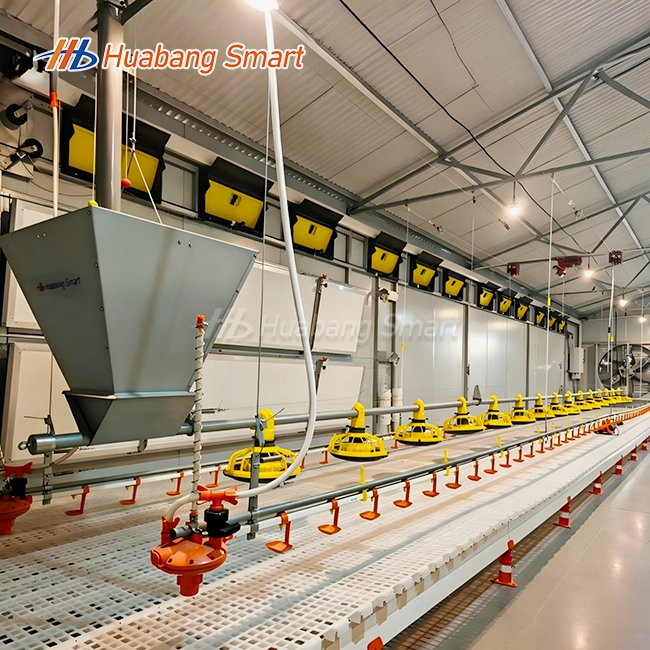
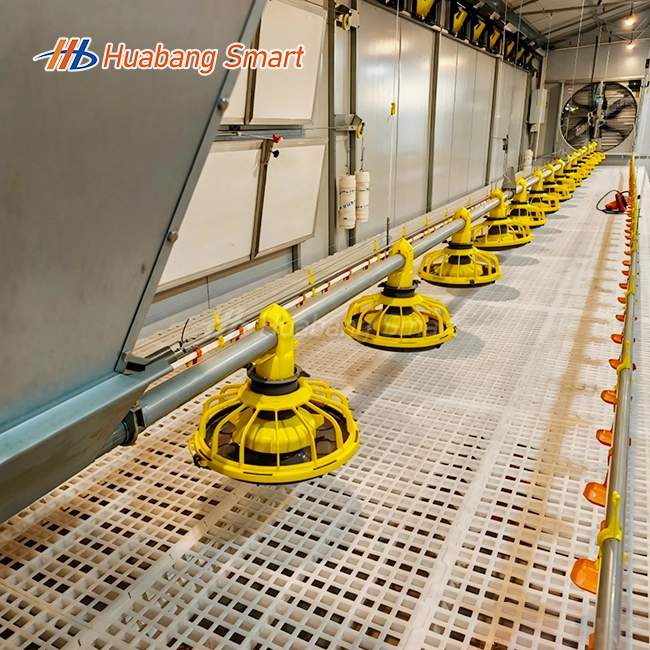
Fully automatic pan feeding systems change the way commercial poultry farms work by delivering food precisely and cutting down on labor. Our Pan filling System is an example of this technology. It delivers 1,400 kg per hour through pans with a width of 330 mm and 16 filling cells. The system uses auger drive technology in long-lasting PVC feed pipes (75mm x 3.6mm) to make sure that food is evenly distributed at hundreds of feeding points at the same time. This gets rid of dead zones that make flock uniformity worse.
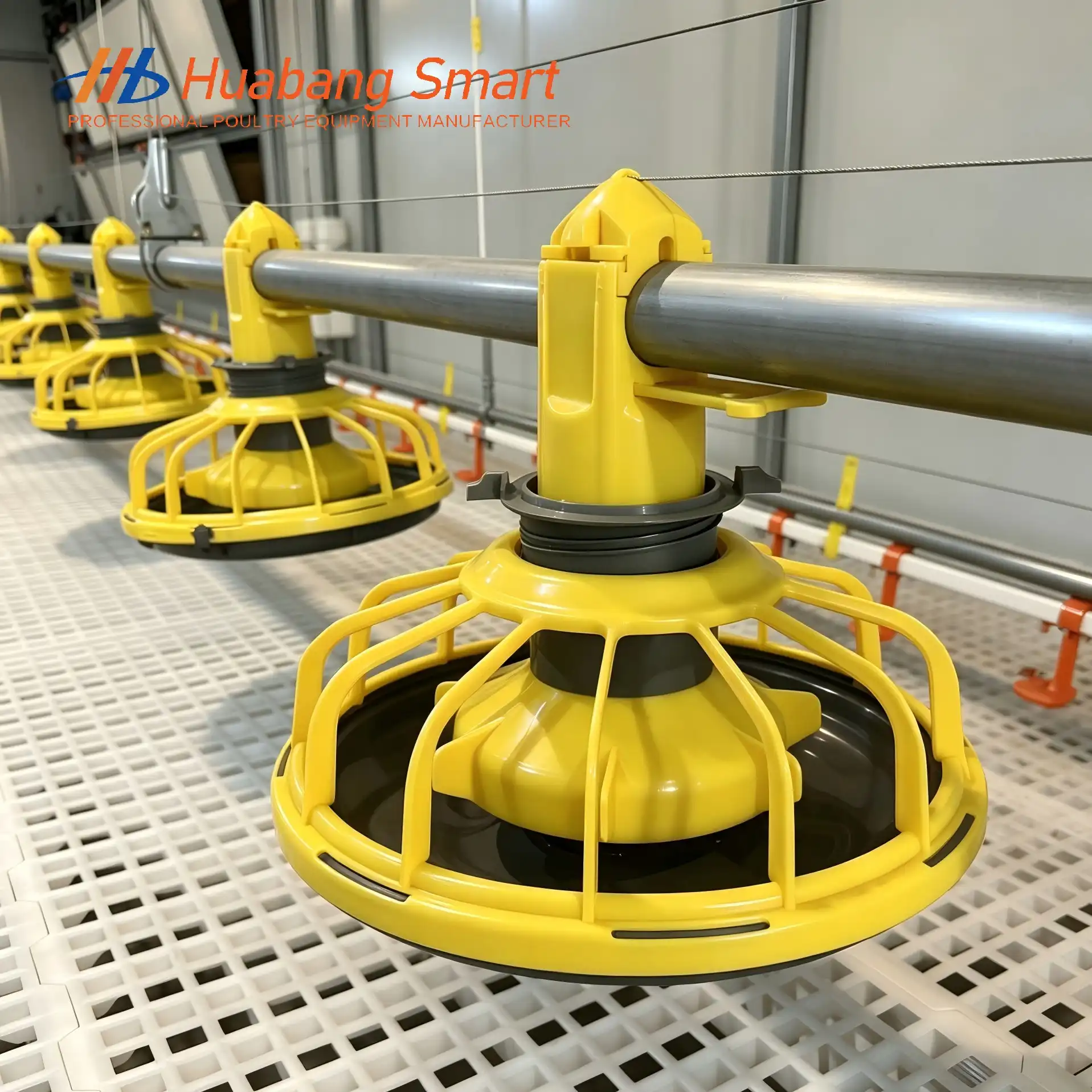
The high-precision winch system lets you change the height as the birds get bigger, so they can still get to where they need to go without having to cope with crowding. The virgin PP pan construction makes the surfaces non-toxic, odorless, and resistant to corrosion, which makes cleaning easier. Smart compatibility lets you connect timed feeding controls and real-time data tracking, which improves feed conversion rates by managing rations precisely. These mechanical solutions give a clear return on investment (ROI) by cutting down on labor costs, making feed use more efficient, and improving group performance in mixed, broiler, and layer operations.
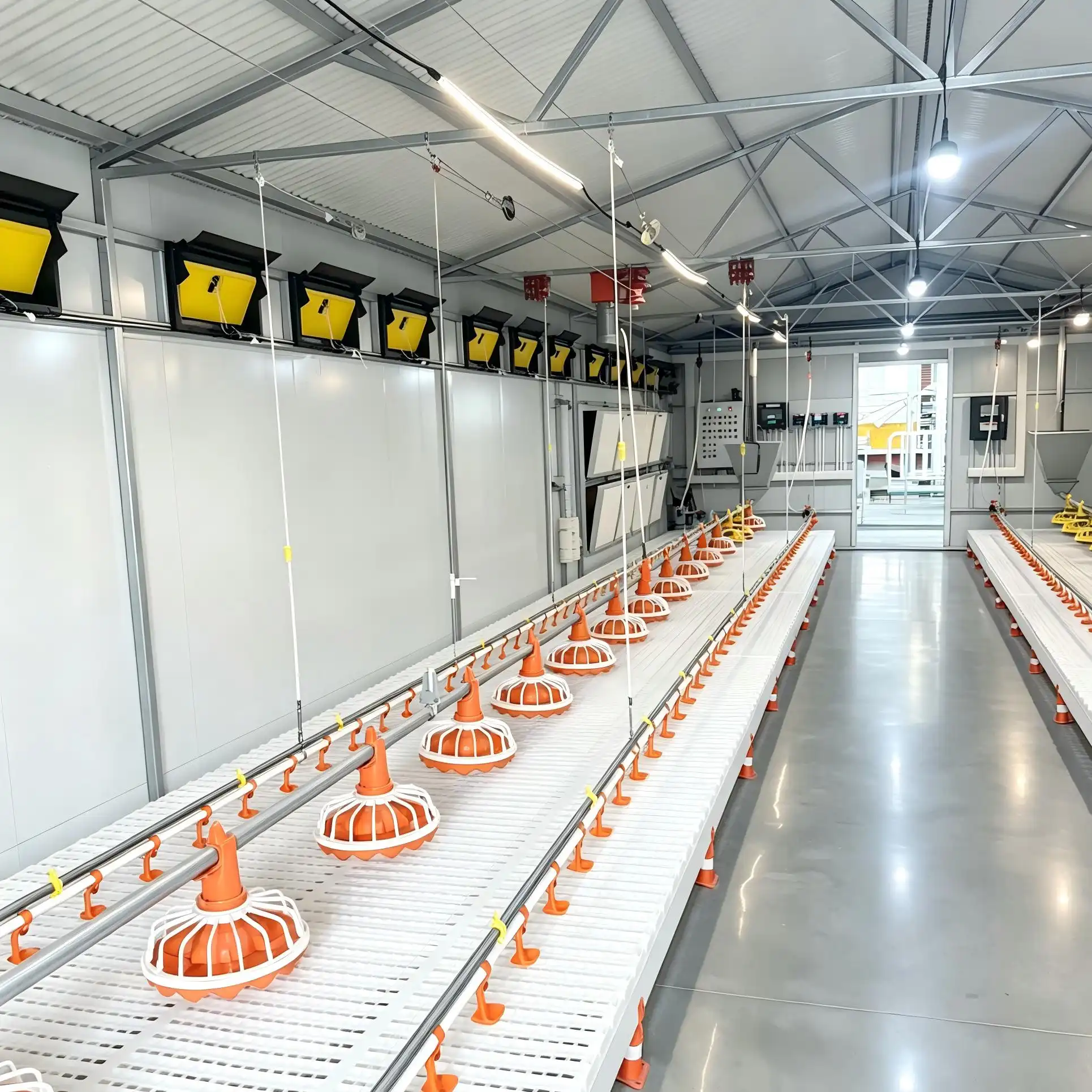
For small operations where the cost of automation is higher than the benefits to operations, manual feeders are still useful. Simple trough systems and gravity-fed tube designs need to be refilled regularly, but they are easier to maintain and don't need as much technical complexity. Because they work well in remote areas without electricity, they can be used for pastured poultry and farming that is not connected to the power grid.
Specialty Feeders for Niche Applications
Scaled-down feeder designs with smaller pan diameters and feeding cell dimensions are better for bantam breeds and young birds. Noise-reduction engineering is important in both urban and rural settings, where quiet operation keeps neighbors from fighting. Designs that are resistant to the weather, like rain shields and raised platforms, keep the feed fresh in outdoor free-range systems, even when the weather is bad.
Best Practices for Selecting Durable Chicken Feeders: A Decision Support Approach
For buying things, you need to carefully look at the technical details, the reliability of the supplier, and the overall cost of ownership over the whole lifecycle of the equipment.
Aligning Equipment with Operational Parameters
Feeder capacity and delivery procedures are based on the size of the farm. Businesses that keep thousands of birds need high-throughput automated systems that can feed birds in multiple houses at the same time. The weather in a region affects the choice of materials. For example, materials that are more resistant to corrosion and UV light are needed in hot, humid places, while materials that stay flexible in cold places without cracking are needed.
Different bird species have different needs when it comes to feeder design. Broilers grow quickly, so their height needs to be adjusted often, and they need a lot of food. Layers, on the other hand, need to be able to get controlled portions of food over long production cycles. Knowing these biological needs makes sure that the details of the feeders meet the nutritional supply needs at all stages of production.
Evaluating Durability Metrics and Supplier Reliability
The material gauge specs show how well the building was done. A thickness of less than 2 mm in galvanized steel means it won't last long enough for business use, while a thickness of 3 mm means it will last for decades. Polymer density measures and UV stabilization certificates show that the plastic feeder will last a long time. By reducing spillage, anti-waste features have a direct effect on feed conversion rates and profits.
Warranty terms can demonstrate a manufacturer's confidence in the durability and reliability of its Chicken Feeder products. Quality assurance is strengthened when warranty coverage addresses both mechanical and material-related failures. Established suppliers with ISO 9001 certification and CE compliance can help maintain consistent manufacturing standards and provide better product traceability throughout the production process. Shandong Huabang Agricultural And Animal Husbandry Machinery Co., Ltd. has been manufacturing agricultural equipment for 17 years, holds patents related to its core technologies, and serves customers in more than 100 countries. For buyers evaluating a Chicken Feeder, these factors can provide useful information when assessing supplier reliability, manufacturing capabilities, and after-sales support. Choosing a Chicken Feeder from an experienced manufacturer with established quality-control procedures can help reduce procurement risks and support long-term operational performance. A reliable Chicken Feeder backed by clear warranty terms can also provide greater confidence in ongoing farm operations.
Comparative Brand Analysis
Leading makers set themselves apart by offering unique features that cater to specific customer groups. Omlet puts a lot of thought into how their premium backyard markets look and how easy they are to use. RentACoop focuses on providing value-added services for small businesses. K&H is an expert at making designs that are warm and weatherproof for harsh environments. For free-range activities, Arava makes treadle devices that are resistant to predators. As a chosen partner for farm industrialization projects and EPC companies, Huabang Smart offers industrial-scale automation with turnkey integration, customization options, and full after-sales support, such as on-site installation and technical training.
Optimizing Feeding Efficiency with Durable Feeders
The durability of equipment allows for consistent performance, which has a direct effect on the health of flocks and their economic outcomes. Best practices for operations make sure that these benefits are maximized when they are used correctly.
Precision Ration Management
When you match the feed amount to the feeder capacity, you stop bridging in automatic systems and keep stale feed from building up in manual units. Advanced pan systems can handle up to 1,400 kg/h, which is enough for heavy broiler operations where fast consumption means constant restocking. Changing the amount of feed based on how much is eaten cuts down on waste and keeps food fresh, which is especially important when it's hot outside and feed breaks down faster.
Contamination Prevention and Maintenance Protocols
Design features like anti-waste grills are designed to keep the litter dry and keep droppings and bedding from getting into the food. Cleaning plans that are in line with the features of the material keep things clean without hurting the equipment. Food-grade plastics can be cleaned with hand sanitizers, but galvanized metals need cleaners that are gentler and don't damage the protective coatings. Modular, light designs make it easy to take apart and clean thoroughly, which is necessary for biosecurity between flock cycles.
Strategic Placement and Environmental Management
Where you put the feeder affects how easy it is to use and how much waste you produce. Installing things higher keeps rodents out and keeps the ground from getting wet, but birds can still get to them easily. Leaving enough space between feeding areas lowers competition and violence, which makes the group more uniform. Adding environmental controls to feeding systems makes the best conditions for keeping feed fresh and eating it, which improves the overall efficiency of the system.
Preventative checking of parts finds wear before they break. As part of regular maintenance, checking the winch mechanisms, feed line links, and pan suspensions makes equipment last longer and keeps output from stopping, which costs a lot of money. Keeping spare parts for important parts on hand makes repairs go quickly and reduces downtime.
Procurement and Supply Chain Insights for Bulk Buyers and Distributors
When looking for feeding equipment, it's important to think about what the supplier can do, how well the logistics work, and how much the partnership will be worth in the long run beyond the initial purchase price.
Supplier Selection Criteria
Manufacturers you can trust show that they can meet project deadlines without sacrificing quality. For customized systems, production cycles that last between 30 and 60 days need to be planned ahead of time to fit in with farm construction schedules. When it comes to complete project delivery, it's important that suppliers who offer OEM and ODM services can meet regional tastes and work with existing infrastructure. Through direct factory sourcing, you can get genuine parts and access to technical support without having to pay extra for markups by distributors.
Bulk Pricing and Logistics Considerations
By negotiating prices, volume procurement for Chicken Feeder systems can take advantage of economies of scale and make large projects more cost-effective. Coordinated shipping planning and efficient container loading can help reduce transportation costs and shorten delivery times for Chicken Feeder orders. Customs delays that disrupt project schedules can also be reduced by working with suppliers experienced in international exports and familiar with foreign regulations and documentation requirements. Suppliers that serve customers in more than 100 countries may have extensive experience handling Chicken Feeder shipments across different markets and complying with diverse import requirements. For large poultry projects, selecting an experienced Chicken Feeder supplier can simplify procurement, logistics, and customs coordination. Efficient purchasing and shipping strategies for Chicken Feeder equipment can ultimately help control project costs while supporting reliable delivery schedules.
Accessories, Replacement Parts, and System Integration
A wide range of parts is available to ensure long-term operations. Standardized specs are needed for feed pipe sections, pan parts, and winch systems so that they can be replaced in the field without the need for special tools. When environmental controls and integrated waterer systems work together, they make unified management platforms that make work more efficient. Real-time tracking of performance and the ability to integrate smart systems allow for data-driven decision-making.
Sustainability and Environmental Responsibility
Materials that are good for the environment and automation that uses less energy are in line with growing government rules and companies' promises to be more environmentally friendly. Environmental impact is kept to a minimum by using building materials that can be recycled and cutting down on practical energy use through precision feeds. Suppliers who put money into ongoing research and development show that they want to improve sustainable farming technologies that meet changing industry standards.
Conclusion
Durable Chicken Feeder designs are important infrastructure investments that affect how efficiently and profitably chicken farms run at different scales. Galvanized steel and food-grade polymers are examples of advances in material science that have led to decades of reliable service in harsh conditions. Automated feeding systems, like our Pan Feeding System, change the economics of work and improve flock performance by managing nutrition more precisely. Strategic buying puts a lot of weight on the knowledge, tailoring, and support services that suppliers offer that go far beyond just delivering tools. Huabang Smart has been making high-quality products for 17 years and has global service networks and the ability to complete projects all by itself. This makes us a trusted partner for agricultural modernization projects all over the world.
FAQ
What materials provide the longest lifespan for commercial chicken feeders?
For commercial uses, hot-dip galvanized steel that is 3 mm thick provides the best corrosion resistance and structural integrity, and its useful life often lasts longer than 15 years. When UV-stabilized, high-density polyethylene and pure polypropylene plastics are great options that can last 5 to 10 years outside.
How do automatic feeding systems reduce labor costs?
Fully automatic systems remove the need for daily hand feeding by controlling multiple feeding spots from one place at the same time. Timed dispensing and real-time tracking cut down on the need for supervision while improving feed conversion rates through precise ration management. For business operations, this means that they can see a return on their investment (ROI) in 18 to 24 months.
What capacity specifications suit different flock sizes?
Tube or trough feeders that can hold 20 to 40 pounds of food work well for backyard groups of less than 50 birds. For businesses that raise chickens for food, they need high-throughput systems like our 1,400 kg/h Pan Feeding System, which feeds thousands of birds per house through spread-out pan networks.
Partner with a Trusted Chicken Feeder Manufacturer
Huabang Smart makes automated feeding systems that are industrial-grade and designed for demanding commercial poultry operations around the world. Our fully automatic Pan Feeding System is made up of unique technology, 17 years of manufacturing experience, and the ability to complete a job from start to finish. We offer full help, from designing the system to installing it on-site and providing ongoing expert support. Our services are backed by ISO 9001 and CE certifications. Our customizable Chicken Feeder options cut down on labor costs, improve feed efficiency, and boost flock performance, whether you're in charge of big broiler houses, layer farms, or integrated farming operations. Email our technical team at ginny260831@gmail.com or huabangsmart002@gmail.com to talk about your specific needs and get detailed specifications that are made to fit your business.
References
1. Smith, J.R., & Thompson, A.L. (2021). Durability Testing Standards for Poultry Feeding Equipment. Agricultural Engineering Journal, 45(3), 112-128.
2. National Poultry Improvement Plan. (2022). Biosecurity and Equipment Sanitation Guidelines for Commercial Poultry Operations. United States Department of Agriculture Animal and Plant Health Inspection Service.
3. Williams, K.E. (2020). Materials Science Applications in Modern Livestock Equipment Manufacturing. Journal of Agricultural Technology, 38(2), 67-84.
4. Chen, M., & Rodriguez, P. (2023). Feed Conversion Ratio Optimization Through Automated Feeding Systems. International Journal of Poultry Science, 22(1), 45-59.
5. European Committee for Standardization. (2019). EN 12568: Feeding Equipment for Livestock - Safety and Performance Requirements. Brussels: CEN Publications.
6. Anderson, H.W. (2022). Economic Analysis of Automated vs. Manual Feeding Systems in Commercial Poultry Production. Agricultural Economics Review, 54(4), 203-221.

USER EVALUATE
Here is the customer's evaluation of us
YOU MAY LIKE
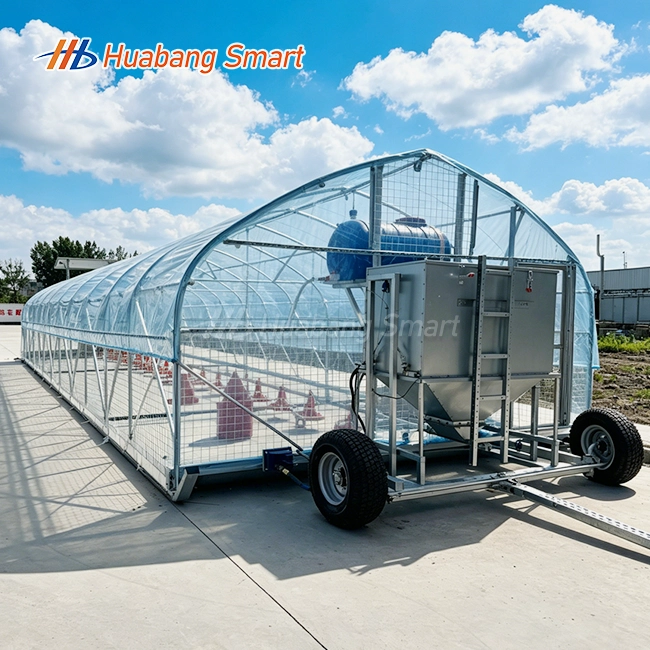 VIEW MORECommercial Mobile Chicken Coop
 VIEW MOREchicken laying nesting box for breeder farm
 VIEW MOREfarm use chicken nesting box
 VIEW MOREroll out chicken nesting box
 VIEW MOREFiberglass Cone Fan For Poultry
 VIEW MOREElectronic Chicken Feeder
 VIEW MOREChicken Feeder Anti Trampling
 VIEW MOREChicken Cage Broiler Automatic