
Feeders For Chickens Improve Feed Distribution on Poultry Farms
Feeders for chickens are purpose-built systems that deliver consistent nutrition to poultry while keeping feed clean and reducing waste. On large commercial farms, poor feed distribution directly drives up the Feed Conversion Ratio (FCR), cutting into profit margins that are already tight. Studies show that feed accounts for 60–70% of total poultry production costs, making every gram lost to spillage a measurable financial setback. Choosing the right chicken feeder system is therefore one of the highest-impact decisions a farm operator or procurement manager can make.
Understanding the Role of Chicken Feeders in Poultry Farm Efficiency
Almost every output measure on a chicken farm is affected by how well the feed is distributed. When birds get uneven or dirty food, their growth rates slow, their death rates rise, and they have to work longer hours. It's better for the flock's health and the business to do this right from the start.
Why Feed Waste Is a Silent Profit Killer?
According to a study from the University of Arkansas's Division of Agriculture, feed spillage can cut mid-scale broiler operations' net margins by 3–5% per year. When dish systems are used by hand, birds often drop their food on the litter, where it quickly becomes unfit because of the urine and wetness. This cycle of contamination also makes coccidiosis and other enteric diseases more likely.
How Well-Designed Systems Improve FCR?
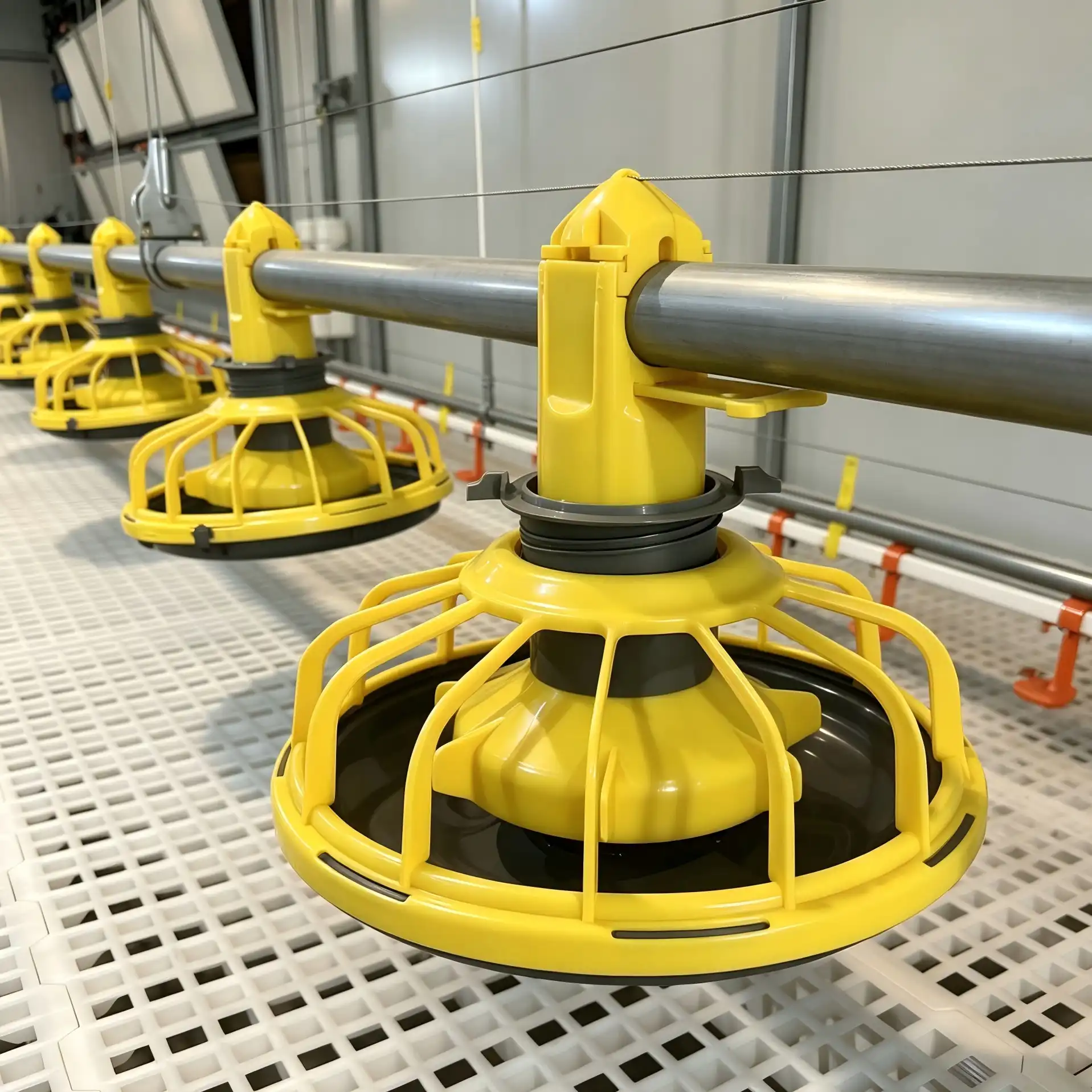
A well-designed poultry feeding system controls the depth of each part, limits the angles of entry, and keeps the feed dry. These mechanical factors directly raise FCR by making sure that each bird eats a larger portion of the food that is given to it. When farms switched from open troughs to enclosed pan feeders, their FCR went up by 0.10 to 0.15 points. This means that, on a large scale, they saved a lot of money on feed costs.
The Impact on Labor and Daily Operations
For traditional hand feeding to work, workers have to go out and do it twice or four times a day. With automated Feeders For Chickens, this only needs to be done once in a while and is inspected. This frees up farm staff to do more important things, like keeping records and checking on the birds' health. Fewer manual touchpoints also mean less disturbance to the flock, which lowers deaths caused by stress.
Types of Chicken Feeders and Their Applications
It's not always the same on farms in terms of layout, flock type, or budget. When procurement teams know about the different types of feeders that are available, they can match tools to real-world working situations instead of just buying based on price.
Manual Troughs and Pan Feeders
Low-cost entry points like manual troughs are good for small groups or extra food. Standard hanging pan feeders with a width of 300–350 mm work well for growers who are moving from small-scale home businesses to semi-commercial ones.
Automatic Hopper and Chain Feeders
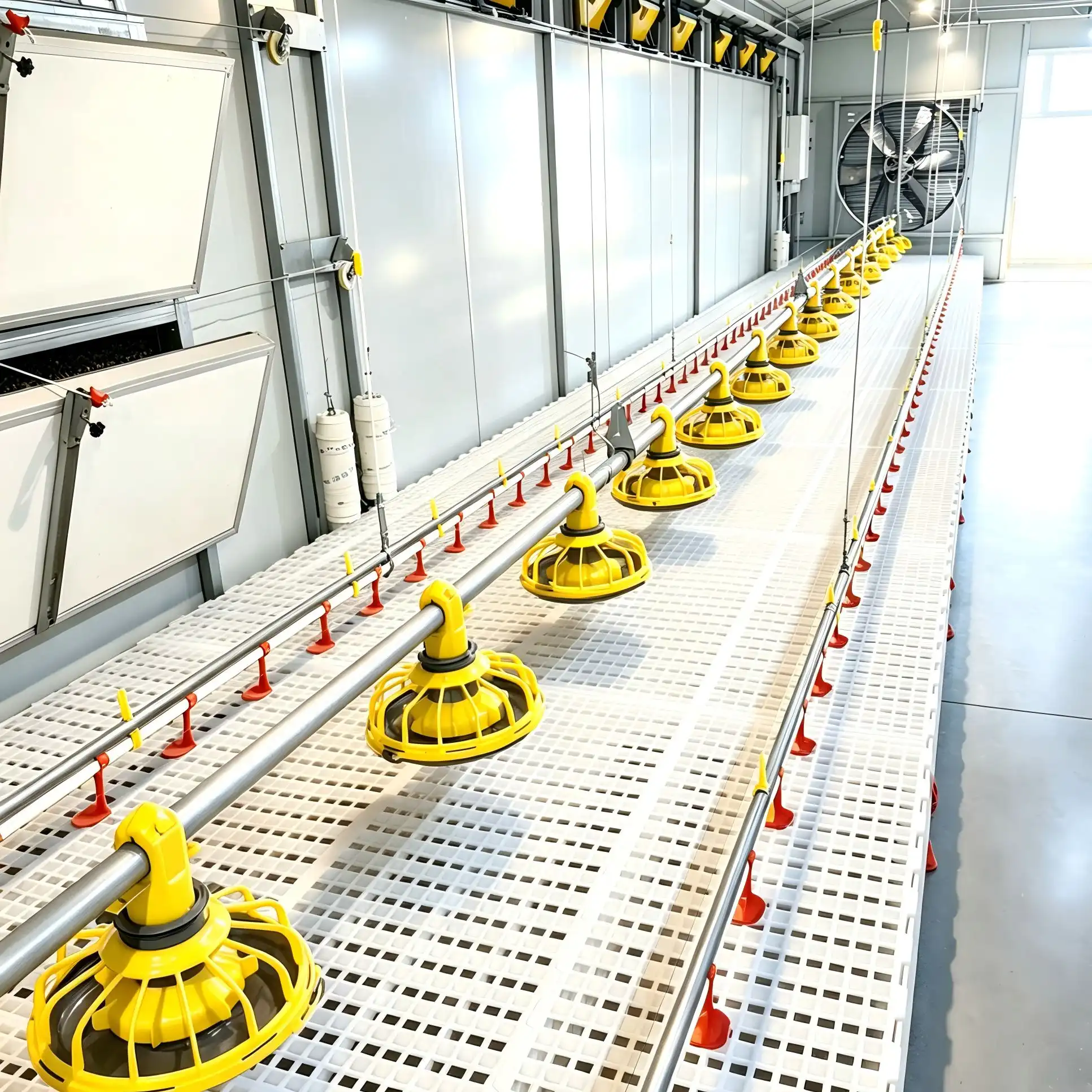
Automatic chain-line Feeders For Chickens move food along a conveyor track through a protected tube system, but they need to be tended to every day and don't let you decide how often or how much is fed. They work well in big, one-story homes where even spread over long runs is important. Timed feeding rounds are possible with hopper-fed systems that have timer settings. This keeps feed from going bad and makes it taste better. These methods work well with pellets and chunks, but the flow rate may need to be changed for mash.
Specialized Feeders for Specific Flock Types
Low-profile feeders with narrow feeding lips are good for free-range and bantam groups because they keep strong birds from taking over. Slow-feed grill inserts, which can be found on a number of commercial pan models, slow down the rate at which food is taken in. This helps the digestive system work better and stops broilers from pecking each other when they are at their biggest.
Criteria for Choosing the Ideal Chicken Feeder for Your Poultry Farm
To choose between systems, you need to do an organized review instead of buying something on the spot. The best long-term value depends on factors like farm size, flock density, feed type, and maintenance ability. Here are the key things procurement managers should look at when choosing Feeders For Chickens:
Key Evaluation Metrics for B2B Buyers
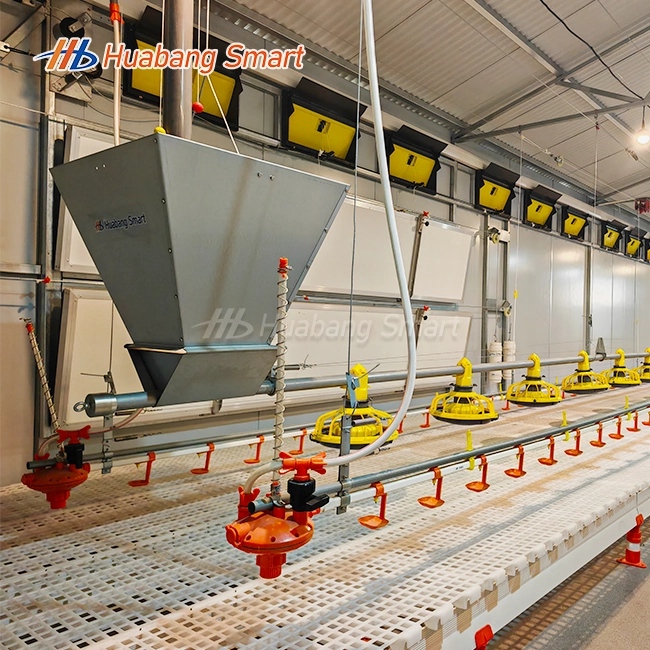
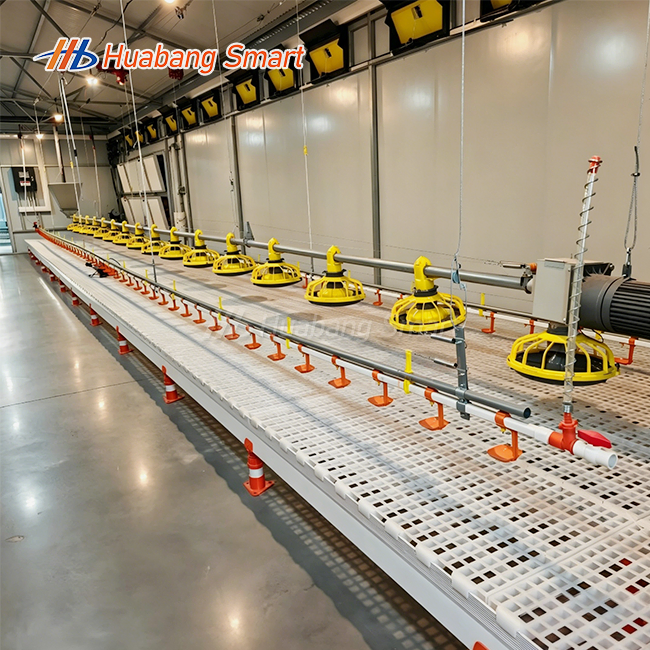
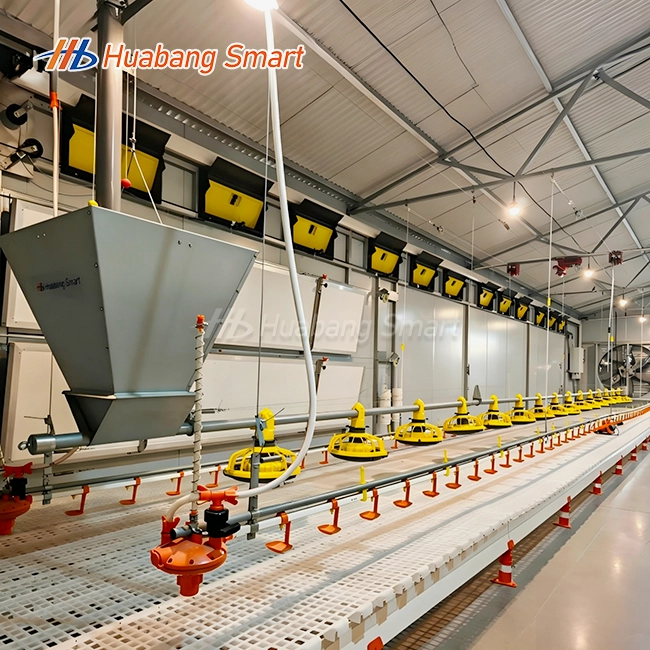
- Feed capacity and throughput: Systems like Huabang Smart's Pan Feeding System can deliver up to 1,400 kg/h, so large broiler or layer houses can feed their birds without any problems during busy feeding times.
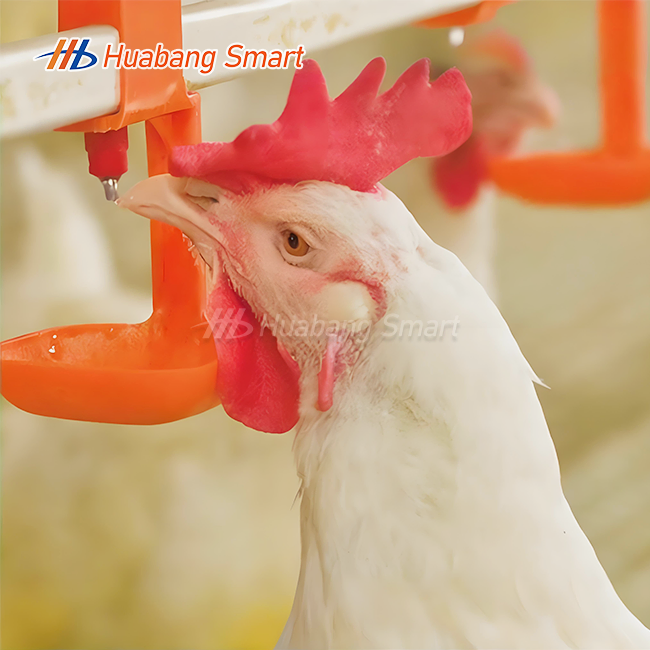
- Material durability: Virgin PP (polypropylene) parts are safe for food use because they are non-toxic, harmless, and immune to rust. PVC feed lines with a wall width of 75 mm × 3.6 mm don't bend when they are constantly loaded and exposed to ammonia.
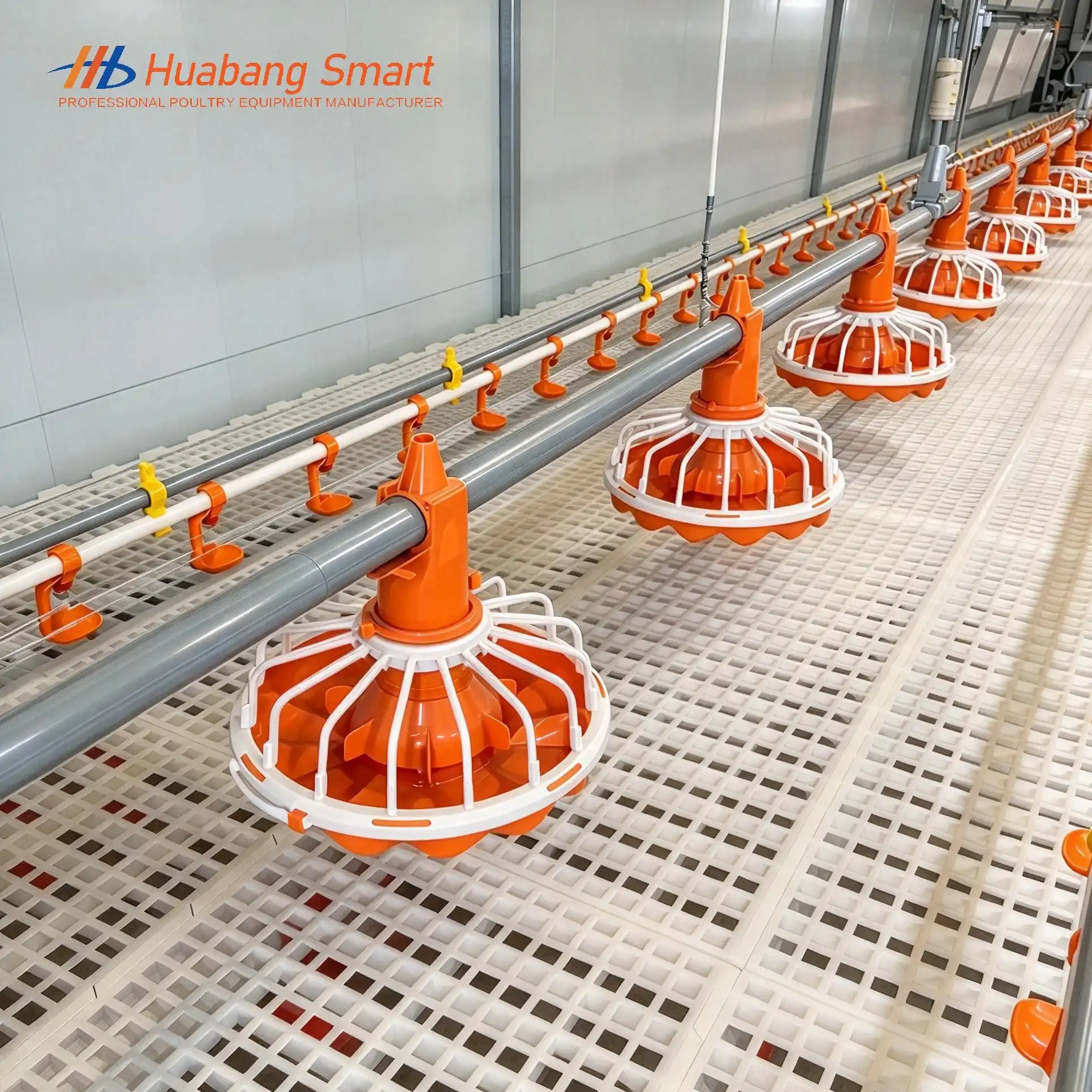
- Pan design and cell count: A pan with a width of 330 mm and 16 separate feed cells makes sure that the feed is spread out evenly around the pan's edge. This keeps the feed face from getting too crowded or competitive.
- Height adjustability: A high-precision winch system lets workers move the feeder up or down to match the bird's stage of growth. The feed lip stays at back-height level to avoid spills and neck strain.
- Smart integration: Systems that work with timed feeding controllers and data tracking platforms let farm managers see trends of consumption and change cycles without having to watch the animals every day.
Manual vs. Automatic: A Cost-Benefit Perspective
Manual Feeders For Chickens have lower start-up costs, but they require more work over the course of a production cycle. It costs more to buy a fully automatic pan feeding system at first, but farms with 50,000 or more birds usually get their money back in one to two production cycles thanks to less work and less waste. For EPC builders building new facilities, selecting automatic systems from the start saves money in the long run.
Best Practices for Feeder Maintenance and Feed Management
Without proper care, even the best tools don't work as well as they should. Regular maintenance saves both the money you spent on the tools and the health of the flock.
Cleaning Protocols That Prevent Contamination
At least once per production cycle, pan feeders and distribution pipes should be flushed and wiped down. Spot cleaning should also be done after any disease alerts or wet weather events. Food-grade PP parts make this process easier because they don't hold smells or bacteria as well as metal surfaces. The pan surface is protected by brushes with soft bristles that remove feed leftovers and feces.
Filling Strategies to Reduce Waste
Feed waste on commercial farms is often caused by overfilling, which can be avoided. Instead of filling feeders all the way to the top every cycle, filling them to a third of their capacity lowers oxidation, moisture absorption, and spillage. A specially designed anti-waste grill around the pan's edge stops birds from raking food onto the litter floor. This keeps the coop dry and lowers the risk of coccidiosis.
Real-World Performance Outcomes
A broiler farm in Southeast Asia that switched from open trough systems to an automated pan feeding line saw a 12% drop in the amount of feed needed per kilogram of live weight added over two rounds. The number of hours worked on food dropped by about 40%. The uniformity of the flock at slaughter age went up by 8%, which directly increased the efficiency of the processing line and decreased trim losses.
Procurement Options and Key Suppliers for Poultry Feeder Systems
There are many places to get automated Feeders For Chickens, including local distributors, online marketplaces, and direct plant partnerships. Price, level of customization, and help after the sale are all different for each outlet.
Evaluating Supplier Reliability
Certification status is a must-have starting point. ISO 9001 certification proves that quality management is always used in manufacturing, and CE certification proves that safety and performance standards in Europe are met. Also, buyers should make sure that suppliers can offer OEM or ODM configurations. This is especially important for EPC contractors who need equipment that fits the size or climate of a specific home.
Comparing Procurement Channels
When you buy in bulk directly from the factory, the price per unit is usually 15–25% less than when you buy from a regional distributor. It also speeds up the customization process since questions from engineers go straight to the design team. For projects in other countries, buyers should make sure that the supplier offers structured warranties, on-site installation help, and video commissioning support. Huabang Smart backs up its Pan Feeding System with a one-year warranty and offers full turnkey delivery, which includes site planning, configuration lists, and local support after the sale.
Why Huabang Smart Stands Out as a Chicken Feeders Manufacturer
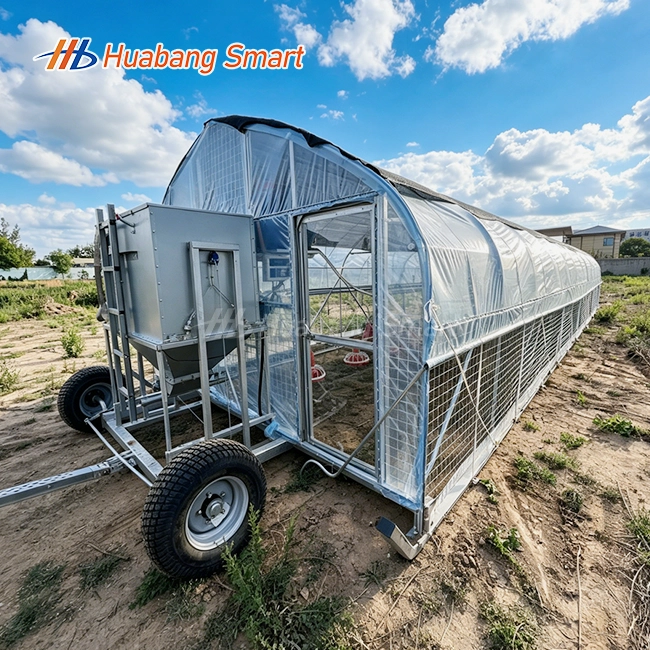
Huabang Smart is based in Qingzhou, Shandong, and has been designing and making smart cattle tools for more than 17 years. The company makes the Pan Feeding System for broilers, layers, and other chickens. It has 49 core technology patents and active CE certification. The flexible, light design makes it easy to set up quickly in both fixed homes and mobile coops. It takes 30 to 60 days to make something, and the company has customers in more than 100 countries.
Conclusion
Choosing and taking care of the right Feeders For Chickens has a direct effect on how much feed is used, the health of the flock, and the farm's ability to make money. For large-scale operations, the most cost-effective way to go is with automatic pan feeding systems that have a high output, use food-grade materials, and work with smart controls. If you choose a feeder that fits your flock type, house plan, and long-term production goals, you will see measured returns in every production cycle, whether you are building a new facility or improving an old one.
FAQ
How do chicken feeders help reduce rodent problems?
Rats and wild birds can't get into professional treadle-style feeders because they stay closed until a bird steps on the trigger platform. This design also keeps the food dry between feedings.
What material is better for poultry feeders—galvanized steel or food-grade plastic?
Galvanized steel doesn't get nicked easily and works well in dry places. Food-grade polypropylene cleans up better and doesn't react with acids, so it's better for damp places or fermented feed.
At what height should a feeding pan be installed?
The lip of the feeder should be level with the back of the bird. This slope keeps birds from raking food over the edge and onto the litter floor, which is good for their necks.
Can automatic pan systems handle all feed types?
The best things to use in pan feeders are pellets and crumbles. For mash feed, the internal hopper angle may need to be steeper, or there may need to be a vibration assist to keep the pipe from bridging.
How do I prevent feed from getting damp inside the system?
Pick systems with sealed PVC pipe connections and pan covers that are closed. The 75 mm PVC feed pipe design of Huabang Smart stops air from getting in, so feed stays dry between planned dispensing rounds.
Partner With Huabang Smart for Your Poultry Feeding System Needs
The Pan Serving System from Huabang Smart has a 330 mm, 16-cell serving pan made of food-grade PP materials and can handle 1,400 kg/h. Our ISO 9001, CE, and 49 patents make us a reliable Feeders For Chickens supplier. We offer full customization, turnkey project support, and a one-year warranty. To get a farm-specific configuration proposal, email our technical team at admin@huabangsmart.com or go to poultrycage.com right now.
References
1. Poultry Science Association. Poultry Science Journal. 2021.
2. University of Arkansas Division of Agriculture, Cooperative Extension Service. Broiler Production and Management Guide. 2020.
3. Food and Agriculture Organization of the United Nations. Poultry Development Review. 2013.
4. National Chicken Council. U.S. Broiler Performance and Feed Efficiency Report. 2022.
5. Elsevier. Animal Feed Science and Technology — Feed Wastage and FCR Studies in Commercial Broiler Housing. 2019.
6. World Poultry Science Association. World's Poultry Science Journal — Automated Feeding Systems and Flock Uniformity in Large-Scale Layer Operations. 2020.

USER EVALUATE
Here is the customer's evaluation of us