



Chicken Egg Layer Cage Solutions Improve Space Management and Egg Production Efficiency for Commercial Poultry Farms
When space is limited and production targets are non-negotiable, a well-engineered chicken egg layer cage system becomes one of the most practical investments a commercial poultry operation can make. At Huabang Smart, we have worked with farm owners, EPC contractors, and agricultural investment groups across more than 100 countries since 2012. What we consistently see is this: farms that transition to structured, automated layer housing systems report measurable gains in egg output, lower feed waste, and significantly reduced daily labor hours. This article walks through what makes these systems work, how to compare options, and what to look for when sourcing from a supplier.
Understanding Chicken Egg Layer Cage Systems
Core Design and Materials
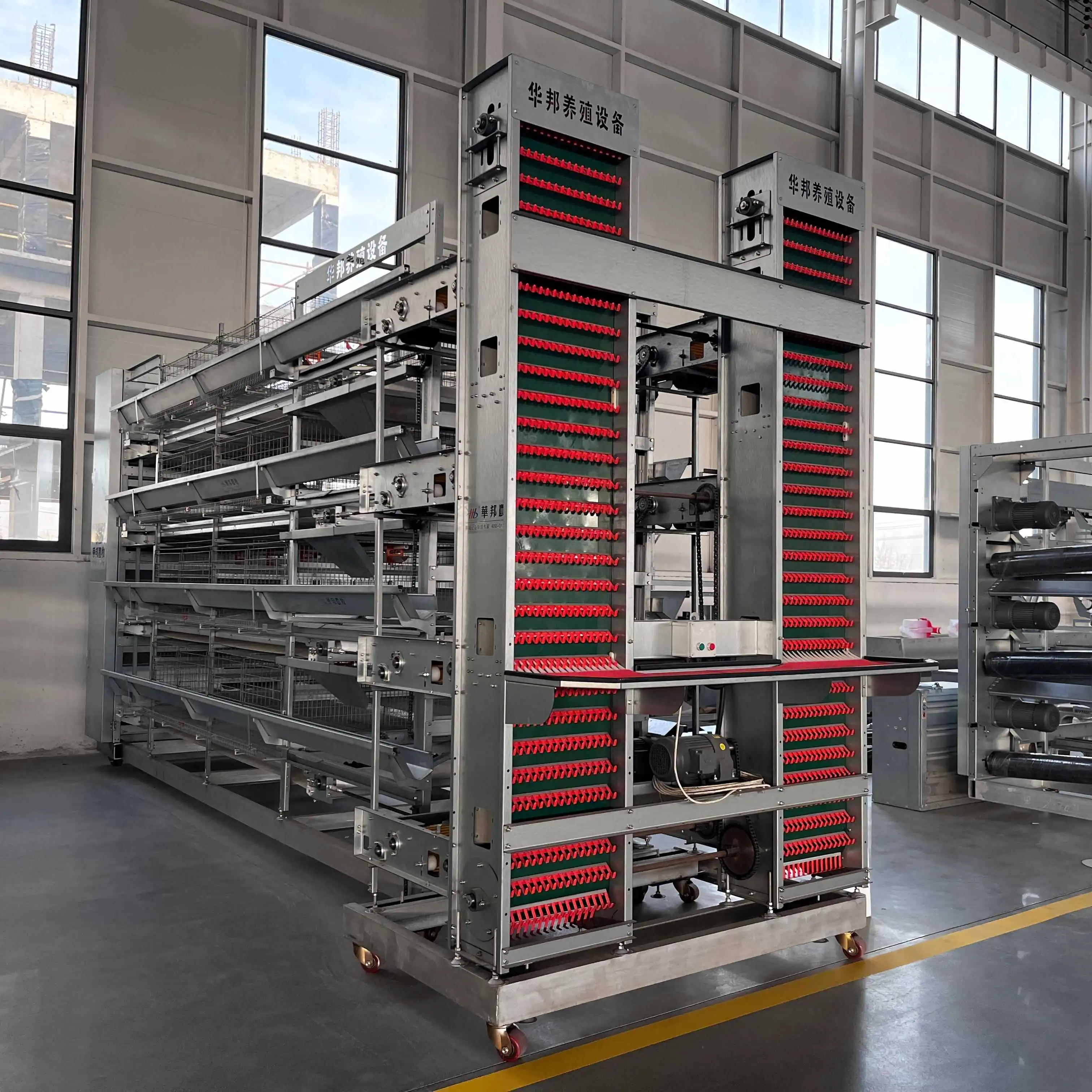
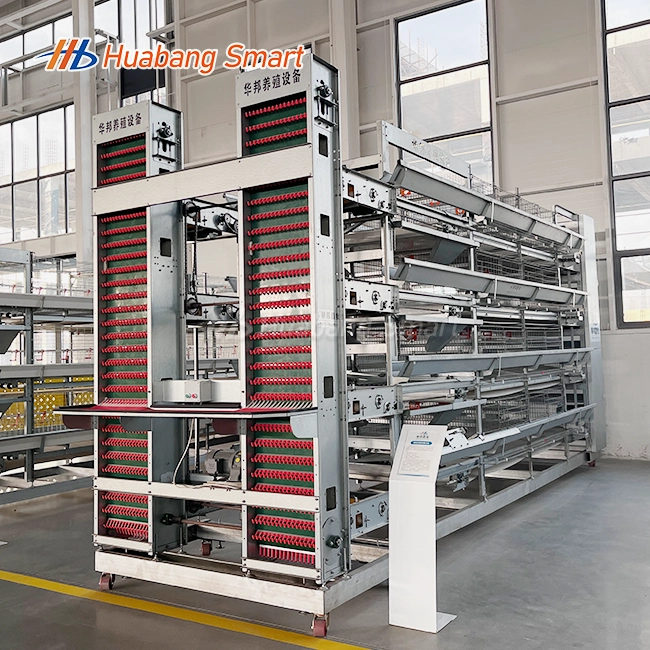
The frame is the first part of a good layer building system. Our H-type layer battery cages are made of 275g/m² hot-dip galvanized steel, which doesn't rust and lasts for at least 15 years, even in places with a lot of ammonia, where cold-galvanized options usually break down in five to seven years. Each cage unit is 1.2 meters by 1.2 meters by 0.45 meters, and the walls are made of aluminum-zinc coated wire mesh. The wire diameter is between 2.5 mm and 4 mm, which makes the structure strong enough to hold weight and keeps the inside smooth to avoid foot sores.
Cage Sizing and Bird Density
The number of cages and how full they are affect both care compliance and production output directly. Our H-type systems can hold anywhere from 90 to 200 birds per set, depending on the number of tiers chosen. There are 3, 4, 5, 6, or 8 tiers to choose from. Each cell is the right size to meet space-per-bird standards that are in line with business welfare rules. This keeps birds from doing stressful things like pecking at their feathers. When there is less stress, laying cycles are more stable, which is important when you are in charge of flocks of 50,000 birds or more.
Ventilation and Environmental Control
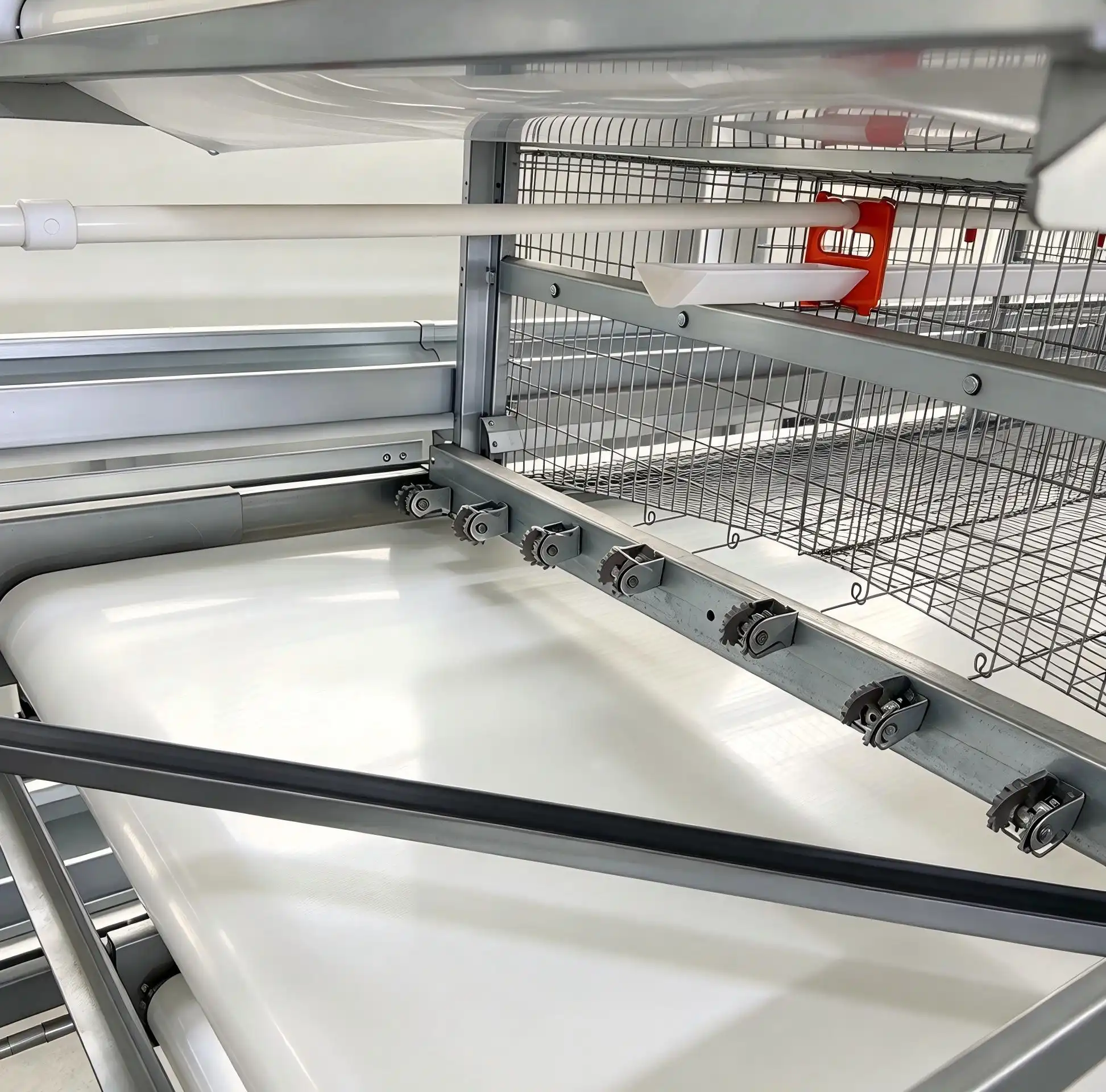
The air quality inside a closed chicken coop has a direct effect on how many eggs the birds lay and how healthy they are. Levels of ammonia above 20ppm have been shown to make animals eat less and raise their risk of getting lung diseases. The waste is taken out of the building every day by longitudinal dung collection belts that work with our cage systems. This keeps the ammonia level safe. For homes in hot or dry areas, the cage frame has a 5 cm raised center that improves airflow at bird level and lowers heat stress without the need for extra cooling systems.
Enhancing Productivity Through Advanced Layer Cage Solutions
End-to-End Automation
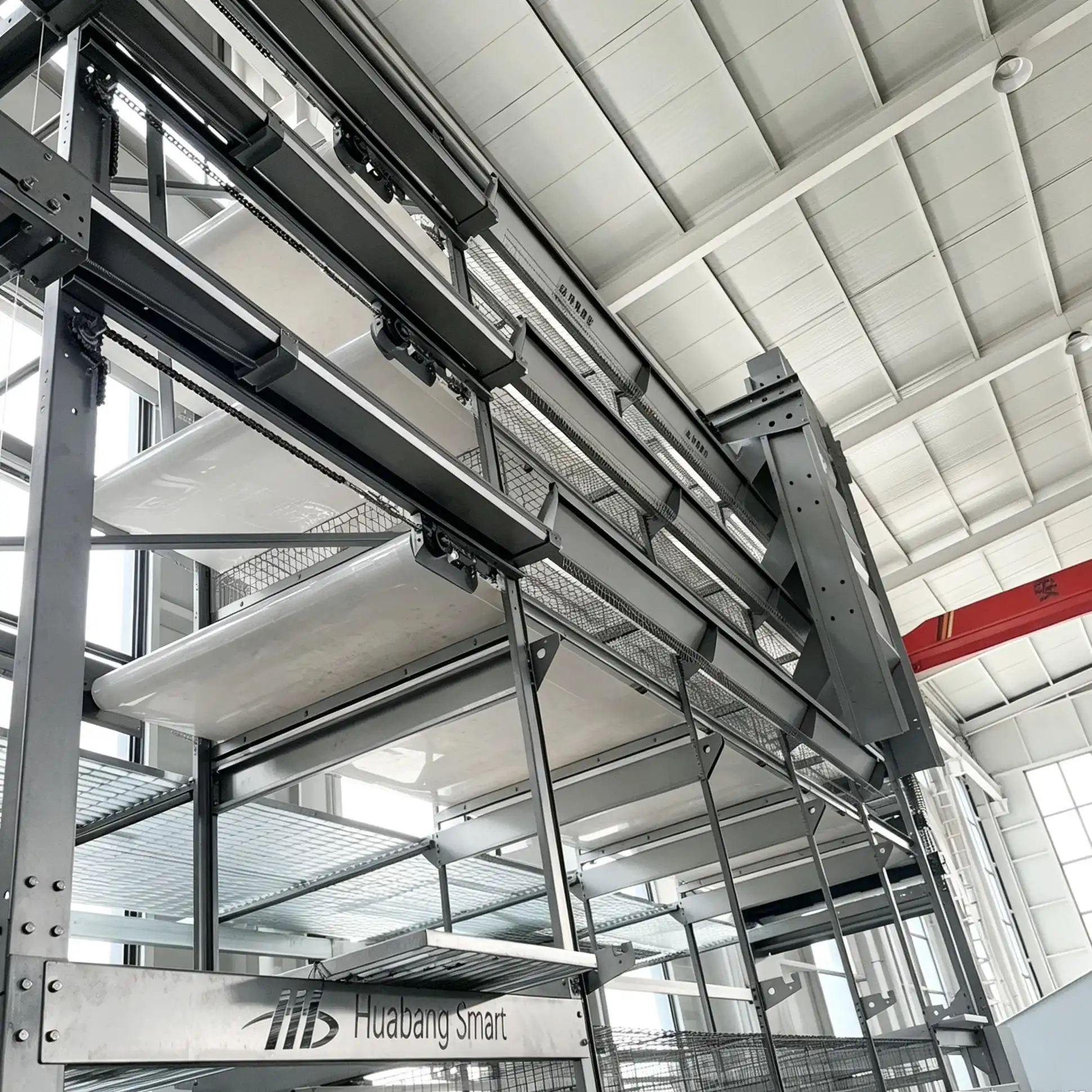
When a farm goes from managing its flock by hand to fully automating the process, the daily work changes in every way. Our integrated systems take care of feeding, watering, removing manure with a belt, and collecting eggs all in one place, so there is no need for a worker to be in the aisle. Farms that use this system say they need up to 80% less staff, which frees up staff to do more important tasks like quality checks and tracking instead of regular collection runs.
Here are the most important practical benefits that this system provides every day:
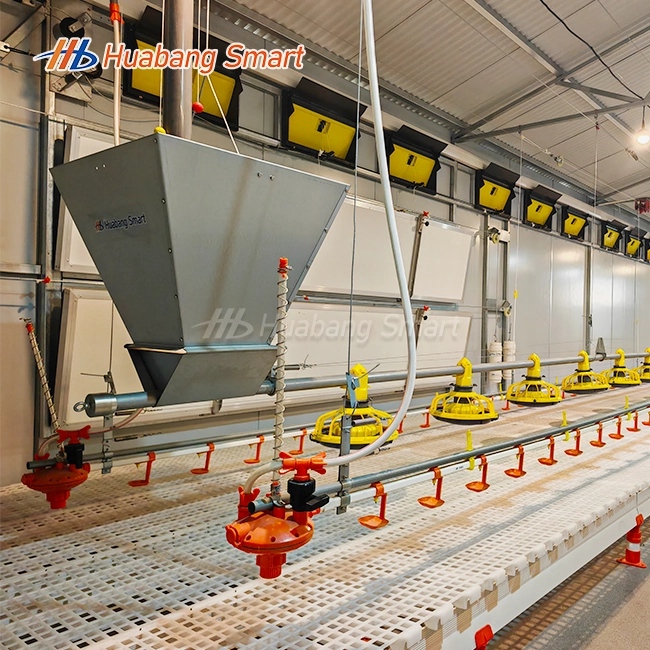
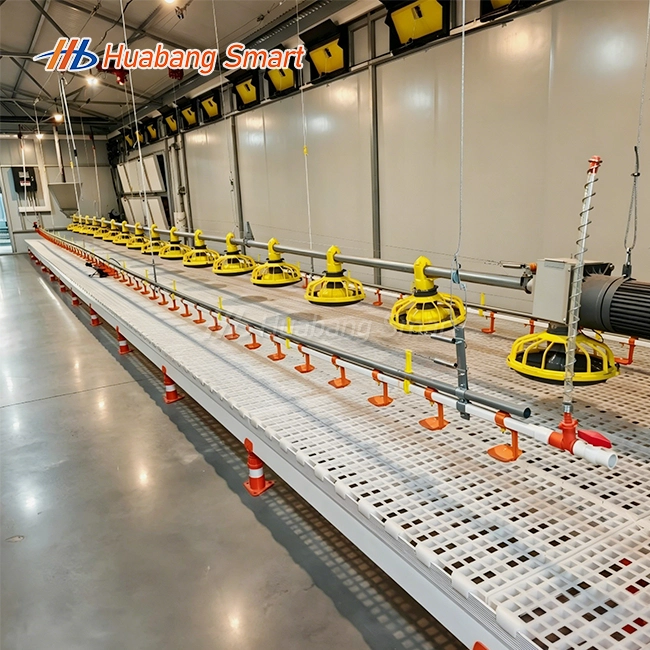
Automated feeding system for a Chicken Egg Layer Cage: Precision-calibrated feed troughs distribute uniform rations across every tier, preventing bird selection behavior and reducing feed spillage by an estimated 5–8% compared to manual feeding.
- Nipple drinking lines: Provide a constant, sterile water supply at each cage position, eliminating the cross-contamination risk associated with open troughs.
- Belt manure removal: Daily waste transport out of the building keeps ammonia below 20ppm without manual intervention, supporting both bird health and worker safety.
- Egg collection conveyor: Eggs roll gently onto collection belts at a 7–9 degree cage floor slope, delivering a guaranteed breakage rate below 0.3%.
Together, these features deal with the two main factors that affect costs in layer production: how well the feed is used and the number of hours worked. For big businesses with small profit margins, that combination has a direct effect on how much money they make.
IoT Monitoring (Optional Add-On)
Our extra IoT module has sensors that track temperature, humidity, ammonia concentration, feed intake, and laying rates in real time. This is great for farms that are ready to move toward data-driven management. This information is available to farm managers through a mobile app or a PC monitor. This lets them react to changes in the environment before they affect the performance of their flocks. This level of visibility is especially helpful for farming companies with multiple sites that need to keep an eye on everything from one place.
Layer Cages vs. Cage-Free Systems
People are becoming more interested in cage-free housing, but organized housing is still more productive for large-scale businesses. The USDA says that cage-free systems need about 30–40% more floor space per bird and have higher death rates because diseases are spread more easily between flock members. When purchasing managers look at how much it costs to make a dozen eggs, these differences are very important when figuring out the return on investment (ROI).
Comparing Layer Cage Types for Informed Procurement
H-Type vs. A-Type Systems
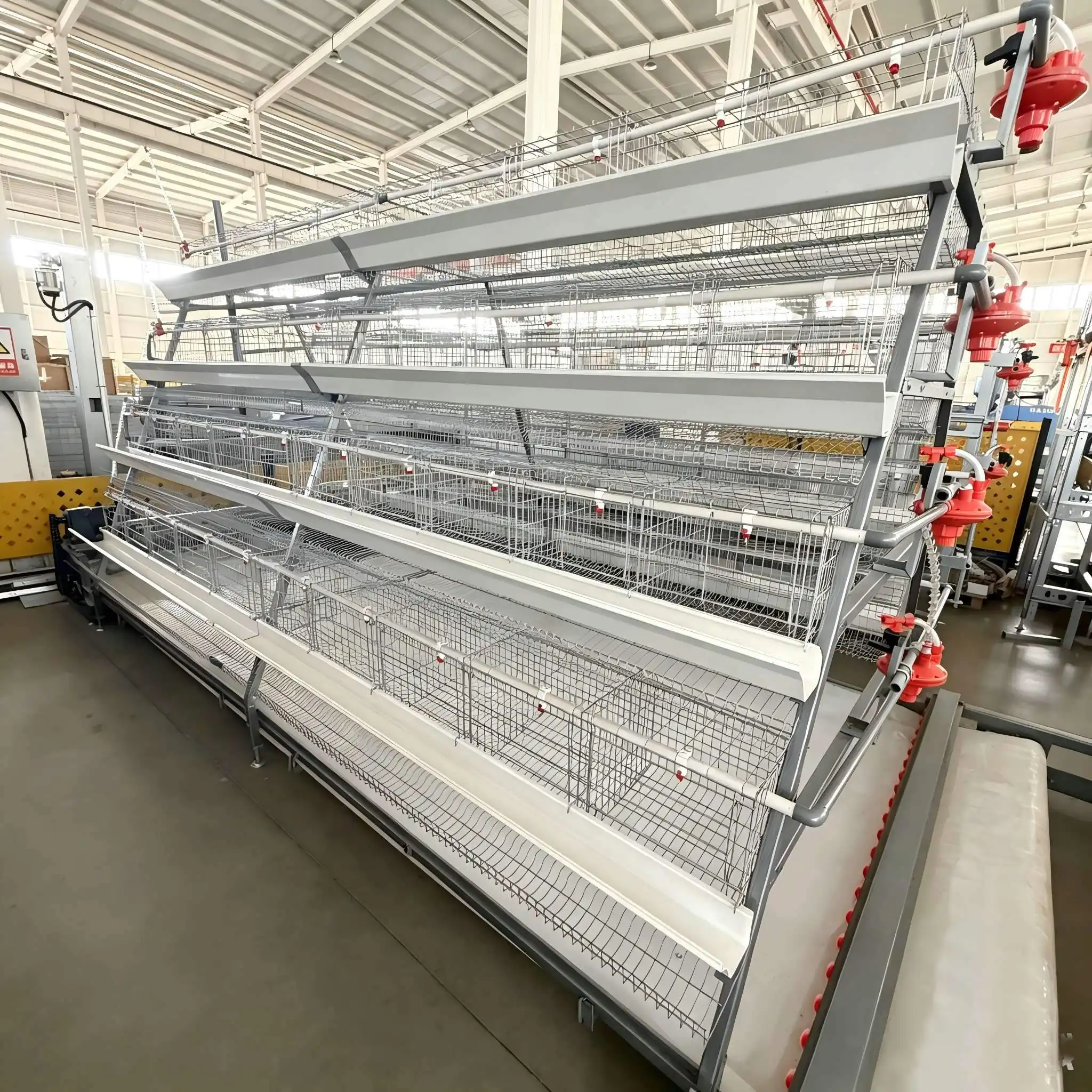
A-type Chicken Egg Layer Cage are stacked in a triangle shape that works well in open-sided houses that let air flow through naturally, like on smaller farms in Southeast Asia and Africa. They cost less up front and are easier to set up. H-type battery cage systems, on the other hand, have a vertical stacking structure that lets them handle denser layouts and fully integrate automatic egg gathering and manure belts. If you have more than 10,000 birds in a climate-controlled closed house, H-type systems will give you a better return on your investment over time.
Customization for Local Conditions
Not every farm does things the same way. Our flexible design can be used for as few as 500 birds or as many as 100,000 birds or more, and we can build OEM and ODM units based on plans from our clients. We change the tier count, ventilation requirements, and building specifications based on whether the farm is in the temperate U.S., a humid tropical zone, or a dry Middle Eastern region. Because of this level of customization, procurement teams at EPC companies often bring us in during the planning stage instead of the sourcing stage.
What to Look for in a Supplier?
Long-term happiness with a layer cage provider is always based on four things: material certification, accurate cage geometry, integration of automation systems, and help after installation. Our systems are certified by ISO9001 and CE, and all of their zinc parts pass the ASTM B117 salt spray test standard for fast aging. We also offer buyers sample orders, video installation guides, on-site installation services, and training for farm staff on how to use the equipment.
Maintenance, Cleaning, and Longevity of Layer Cage Systems
Routine Inspection Protocol
An organized weekly check schedule cuts down on unplanned downtime. Some important things to check are the condition of the nipple drinker seals, the tracking of the belts on the manure removal conveyors, and the mesh integrity of the cage floor. It is much cheaper to fix a worn part or an out-of-place belt early on than to replace a whole piece after it has fallen.
Cleaning and Biosecurity Procedures
To keep pathogens from spreading, it is important to clean the Chicken Egg Layer Cage well between cycles. First, dry-scrape off any leftover manure. Next, use a low-pH cleaner to get rid of mineral buildup. Finally, rinse with high-pressure water. After that, use a disinfectant that is safe for metal surfaces. Our hot-dip steel frames and food-grade plastic drip trays have smooth surfaces that keep bacteria from sticking. This means that they are easier to clean than older designs that only used wire.
Managing Total Cost of Ownership
Structures that are hot-dip galvanized and coated with 275g/m² zinc have been shown to last 15–20 years in settings with a lot of humidity for chickens. Cold-galvanized systems, on the other hand, usually need a new structure every five to seven years. When buying, teams figure out the total cost of ownership over 15 years of use; the difference in material quality alone supports a higher unit price at the start.
Procurement and Supplier Guidance for Layer Cage Systems
Evaluating Supplier Reliability
For B2B buyers in the U.S. and other countries, seller trust is more than just the quality of the products they sell. It looks at things like production capacity, reliability of delivery, and the level of support provided after the sale. Huabang Smart has a production cycle of 30 to 60 days, can handle both bulk and project-based orders, and can send installation teams to work on projects overseas. Our 49 core technology patents show how well-thought-out the engineering is that goes into every system we make.
ROI and Pricing Considerations
Buying a full H-type layer system costs a lot of money, but you can see when you'll get your money back. Labor savings alone—when up to 80% of the staff is cut—often cover a big chunk of the original cost in just two production cycles. Gains in feed economy and an egg breakage rate of less than 0.3% make the monthly profit even better. These numbers should be written down in a model for farm investment directors who are looking at different project financing scenarios.
Logistics and After-Sales Support
We offer a foreign guarantee that covers the whole automatic system for one year. As part of our service commitment, we will keep spare parts and technical support available after the warranty period is over. Users from other countries can get video installation guides, on-site expert visits when needed, and direct access to our technology team to help with problems. For more information on our products and how they can be set up, please visit our product pages at poultrycage.com.
Conclusion
When a lot of eggs are produced commercially, a Chicken Egg Layer Cage housing system needs to work well for years, not just when it is first installed. Growing crops while keeping costs low is possible with the right layer cage design, made from certified materials, automated systems, and a source that can really serve customers all over the world. Buying the right system from the beginning, whether you are building a new facility or improving an old one, lowers long-term operational risk and helps you reach your long-term production goals.
FAQ
How long does a hot-dip galvanized layer cage system last?
Systems treated with 275g/m² hot-dip galvanizing typically last 15–20 years in high-ammonia poultry environments. Cold-galvanized systems generally degrade within five to seven years under the same conditions due to lower zinc coating density.
What egg breakage rate should I expect?
Our H-type systems guarantee an egg breakage rate below 0.3%. This is achieved through a cage floor slope of 7–9 degrees, which allows eggs to roll gently onto the collection belt without excessive impact.
Can the cage system accommodate different hen breeds?
Yes. Cage density per cell should be adjusted based on bird weight. White Leghorns and heavier brown-egg breeds require different space allowances, and our team accounts for this during system configuration.
How is ammonia managed inside the house?
Longitudinal manure removal belts transport waste out of the building daily, keeping ammonia levels below 20ppm—a threshold above which feed intake and respiratory health begin to decline.
Is OEM or ODM customization available?
We support full OEM and ODM production based on client drawings. Customization covers tier count, cage dimensions, material specifications, and automation integration to match your specific farm design and regional climate.
Request a System Proposal from Huabang Smart
Huabang Smart has sold automated Chicken Egg Layer Cage systems to farms in over 100 countries. These systems are backed by 49 core patents, ISO9001 certification, and CE certification. As a reliable layer cage manufacturer, we take care of the whole project, from planning the site and designing the system to installing it on-site and giving you long-term technical support. Email information about your farm's size, number of birds, and climate to admin@huabangsmart.com, and our tech team will make a plan for a configuration that works best for your business.
References
1. USDA Economic Research Service. Cage-Free vs. Conventional Egg Production: Cost and Productivity Comparisons. 2019.
2. Lay, D.C., et al. "Hen Welfare in Different Housing Systems." Poultry Science, 2011.
3. Bell, D.D., and Weaver, W.D. Commercial Chicken Meat and Egg Production (5th ed.). Springer, 2002.
4. National Institute of Food and Agriculture. Ammonia Emissions and Air Quality in Poultry Housing Systems. USDA-NIFA, 2017.
5. Van Harn, J., et al. "Effect of Housing System on Egg Production, Egg Quality, and Mortality in Laying Hens." World's Poultry Science Journal, 2012.
6. American Society of Agricultural and Biological Engineers (ASABE). Design Standards for Poultry Housing Ventilation and Environmental Control, ASABE Standard D270.5, 2014.

USER EVALUATE
Here is the customer's evaluation of us
YOU MAY LIKE
 VIEW MOREH Type Layer Chicken Cage
 VIEW MOREChicken Feeder And Waterer
 VIEW MORECooling Pad For Poultry Farm
 VIEW MOREDrinkers And Feeders For Chickens
 VIEW MOREFeeders For Chickens
 VIEW MOREChicken H Type Cage Automatic Broiler
 VIEW MOREChicken Tractor For Egg Layers
 VIEW MOREChicken Cages Egg Layer H Type