
Can an Automatic Poultry Drinking System Improve Water Management Across Cage and Floor-Rearing Farms?
Yes, an Automatic Poultry Drinking System for chickens can make both cage and floor-raising farms much better at managing water. These systems replace the need for human watering with precisely controlled nipple drinkers, pressure controls, and real-time water volume monitors. This cuts down on water waste, trash wetness, and the chance of diseases spreading. According to a study published in Poultry Science in 2021, farms that used automated nipple drinker lines had up to 30% less water spillage than farms that used open-trough systems. The right automated drinking setting can have a direct effect on your flock's success and your bottom line, no matter if you run a broiler floor house or a multi-tier layer cage business.
Understanding Automatic Poultry Drinking Systems and Their Role in Water Management
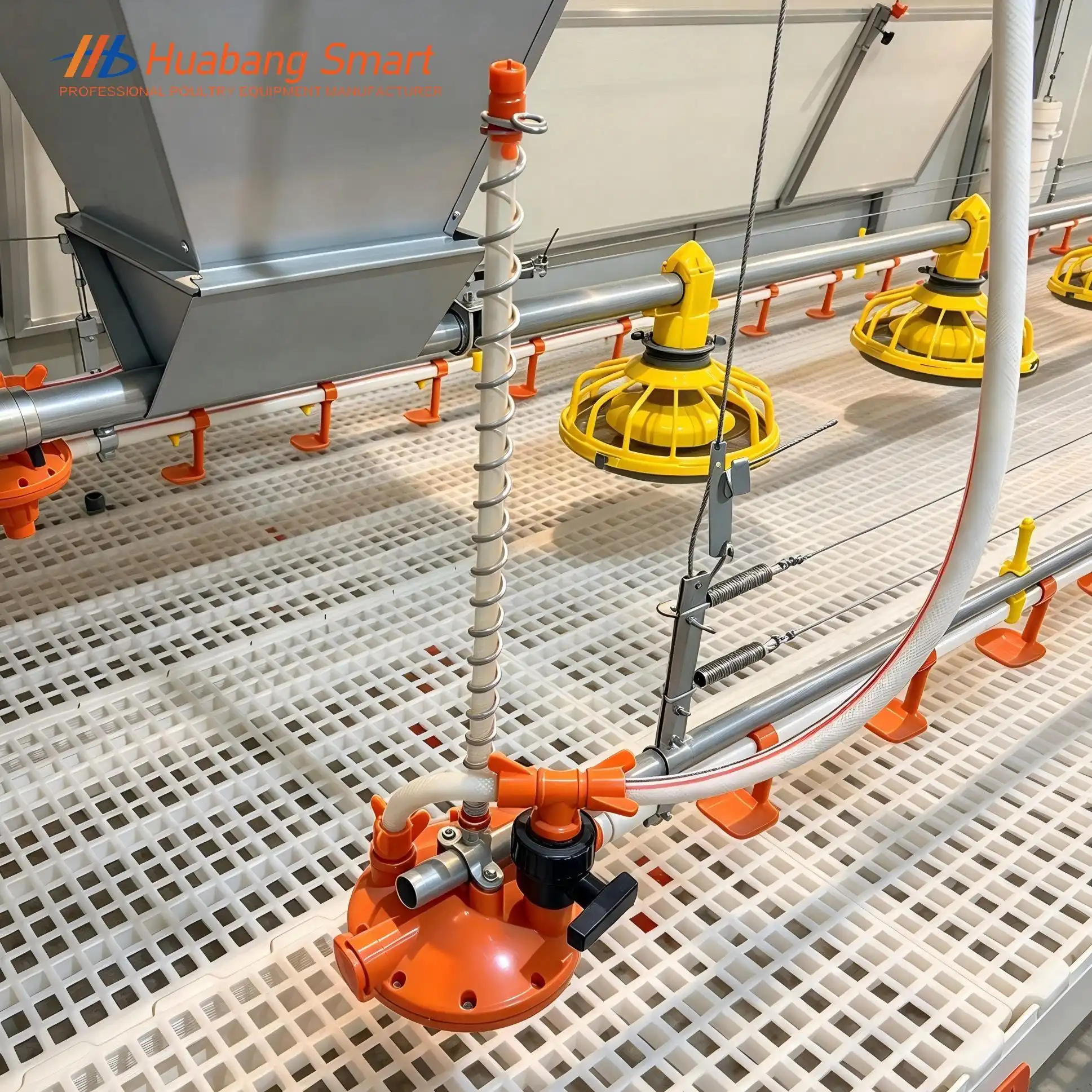
Keeping water for chickens these days involves a lot more than just putting a trough in the pen. A well-designed drinking line has nipple drinkers, pressure controls, filter units, and digital water level monitors that work together to make sure that the flock always has clean water at all stages of its growth.
How Nipple Drinkers Work in Both Rearing Environments?
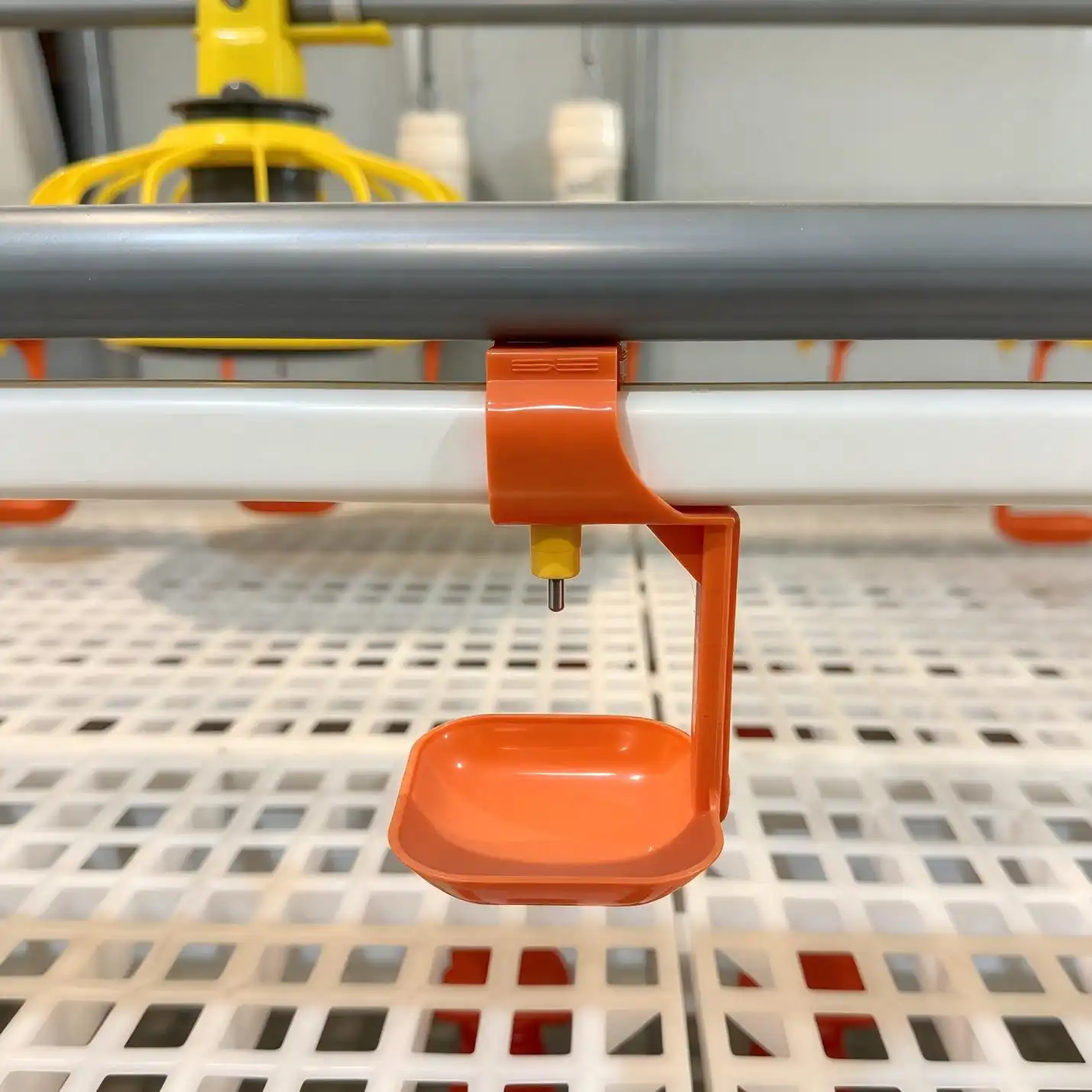
A sealed, leak-proof double-valve structure is used in a high-sensitivity 360° nipple drinker. Birds touch the valve and make the water flow. The valve then closes right away, keeping the beds dry. Corrosion resistance comes from stainless steel valves and UV-resistant plastic bodies. This is important in a chicken house where the air is hot and full of ammonia.
Why Water Volume Monitoring Changes the Game
A built-in water volume monitor keeps track of how much water each zone drinks every day. This lets farm managers know right away if there are health issues. A drop in water intake is often a sign of a lung disease or heat stress before the death rate goes up. This approach is based on data and changes management from being reactive to being proactive. This will protect your flock and your investment.
Matching System Design to Farm Type
Because they are easy to clean and give a gentle, even flow of water, round pipes are often used in floor-raising broiler houses. When stiffness is important, square pipes are perfect for stacked cage systems because they don't bend as easily, seal better, and can hold more weight without rotating. Both types of pipes come in unique sizes that can be made to fit your home perfectly.
Comparing Automatic vs. Manual Drinking Systems for Different Farm Types
When large farms water their flocks by hand, problems are bound to happen, like labour shortages during busy times, uneven water access across the house, and contamination every time a worker goes into the flock area. When you have 100,000 birds, the prices add up quickly because of the hours of work.
Broiler Floor Farms: Where Dry Litter Is Non-Negotiable
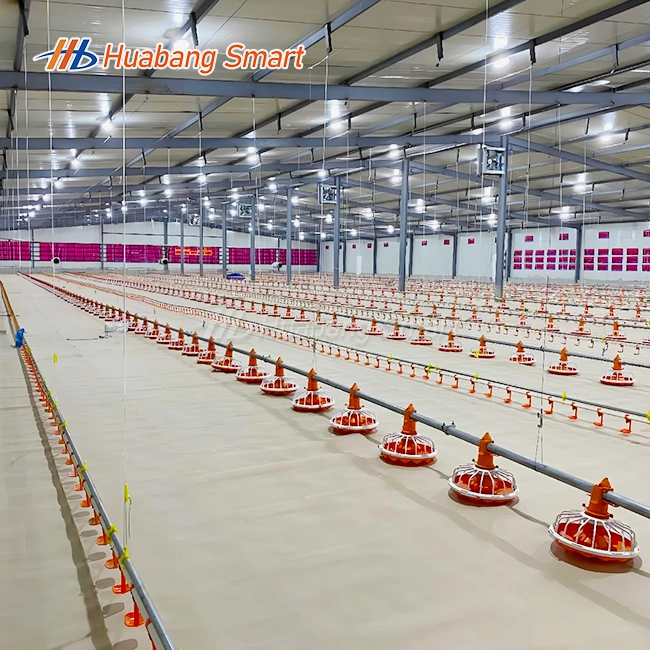
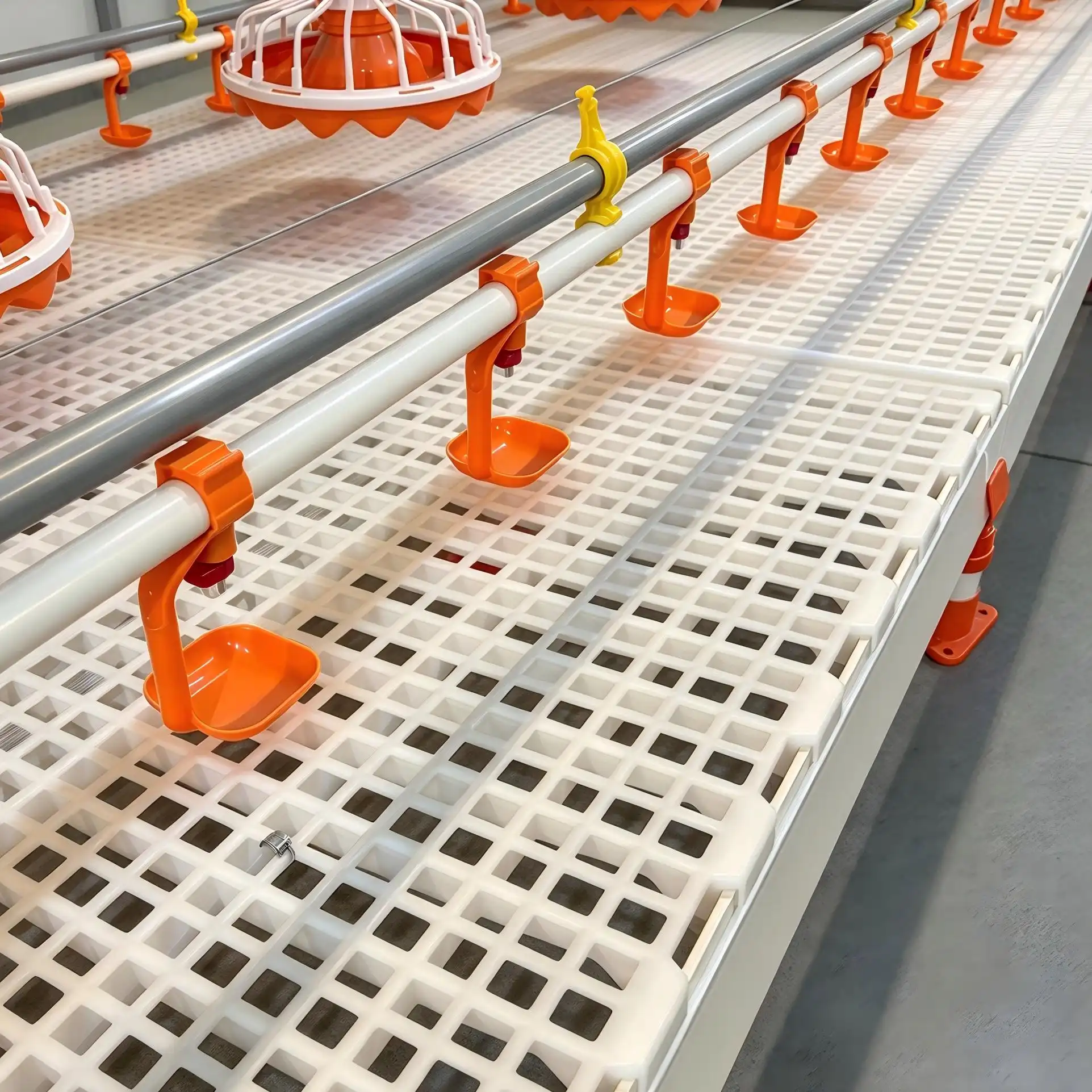
Wet litter is the main cause of footpad dermatitis on broiler floor farms, which makes the flock less uniform and lowers its market value. An Automatic Poultry Drinking System with a drinking line that can be lifted lets you change the height as the bird grows, so the water stays at the right level for every age. Thickened water cups catch any drips that happen and keep the litter clean and dry.
Layer Cage Farms: Precision Delivery at Scale
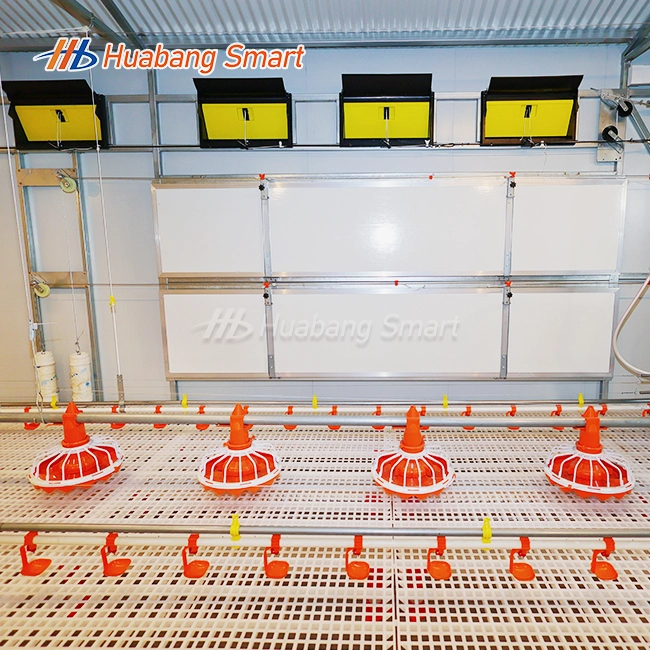
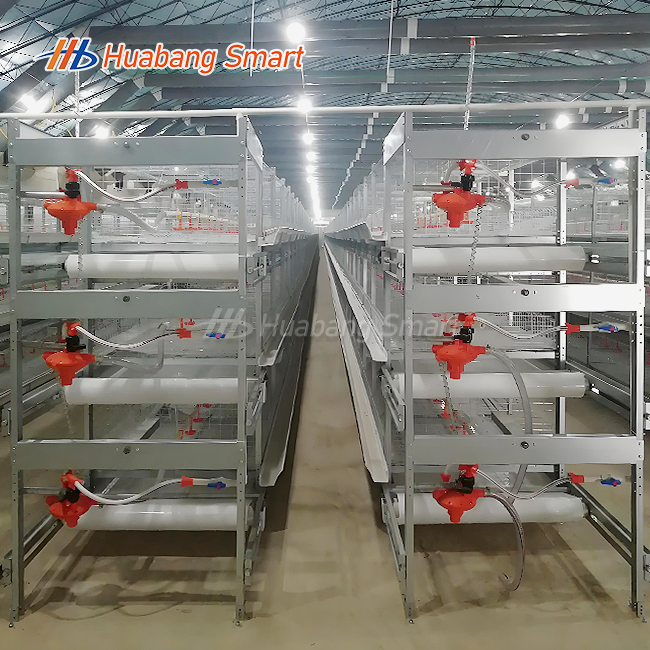
With manual methods, there is a real chance that different levels of water access in cage systems will not be equal. Automated nipple drinker lines with precision 304 stainless steel nipples and anti-perching wires solve two problems at once: they make sure that all cage rows have the same amount of water flow and keep birds from perching on the lines, which would pollute the water below.
Small vs. Large Operations: Scalability Matters
Farms of all sizes can use dual water line configurations. A small business with 10,000 birds can use a single-zone line, but a complex with 500,000 birds can use zones that are split up and handled separately. This flexibility keeps your money safe because you can add to the system as the farm grows instead of buying a whole new one.
These differences between human and automatic systems have a direct effect on daily labour costs, scores for group regularity, and how efficiently water is used. These are three measures that buying managers and farm leaders keep a close eye on.
Installation, Maintenance, and Troubleshooting Best Practices
A reliable drinking line will only work well if it is set up correctly and is serviced regularly. Most of the time, farms don't save as much water as they thought they would because the systems weren't set up correctly.
Correct Installation for Cage and Floor Layouts
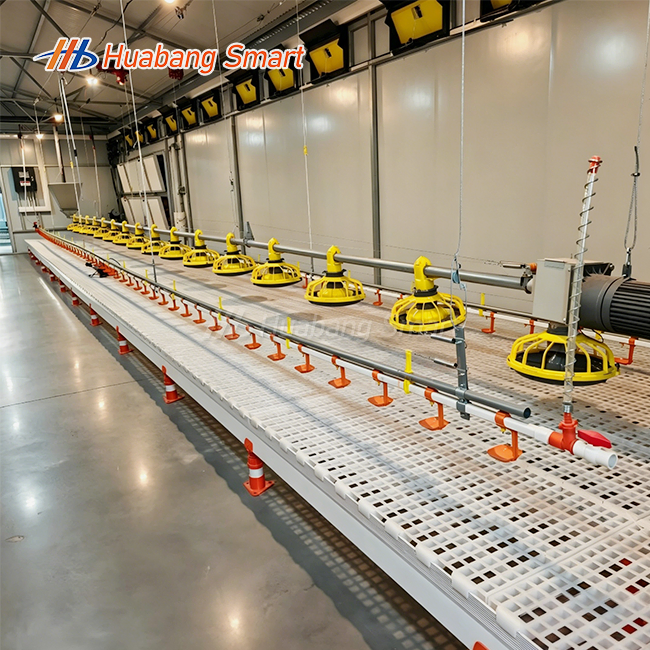
Liftable drinking lines must be mounted at the right angle — typically a 45° to 90° nipple orientation depending on bird type — and connected to a pressure regulator that maintains steady flow regardless of incoming supply fluctuations. Huabang Smart provides full-site commissioning, including overall scheme planning and equipment debugging, so every line is pressure-tested before the flock arrives.
Routine Maintenance That Prevents Downtime
Cleaning nipples monthly removes biofilm and mineral deposits that reduce flow accuracy. Inspect end-cap seals quarterly and replace worn parts before leaks develop. The sight-tube pressure regulator allows visual confirmation that water pressure stays within the correct range for each growth stage — low pressure for day-old chicks, higher pressure for mature birds.
Diagnosing Common Problems Quickly
Nipple leaks after installation are usually caused by pipe debris lodged in the valve — a high-pressure flush resolves this in most cases. If a whole zone shows low flow, check the pressure regulator first. Persistent blockages in hard-water areas often respond to a citric acid flush during the house cleanout period.
Procurement Considerations for B2B Clients
Selecting the right Automatic Poultry Drinking System supplier involves more than comparing unit prices. A system-level investment requires evaluating long-term performance, after-sales infrastructure, and the supplier's ability to support your project from design to commissioning.
Here are the core evaluation criteria that experienced procurement managers prioritize:
- Material certification: 304 stainless steel nipples and UV-resistant plastic bodies must meet CE standards. Cheaper alloys corrode within one production cycle, creating contamination and replacement costs.
- Customization capability: Custom-sized round and square water pipes should be available to match your house blueprint exactly. OEM and ODM support reduces integration risk on new builds and retrofit projects.
- Turnkey project support: Look for suppliers who offer 3D house design, free farm layout blueprints, full equipment supply, and on-site commissioning. This one-stop service model removes coordination risk between multiple vendors.
- After-sales network: Spare parts availability, video installation guides, and local on-site support overseas determine whether your system runs for 10 years or 2.
These criteria collectively reduce total cost of ownership and protect your project timeline — two factors that weigh heavily in long-cycle capital equipment decisions.
Case Studies and Future Outlook: Enhancing Water Efficiency with Automated Systems
A large-scale broiler integrator in Southeast Asia retrofitted 12 houses with liftable nipple drinker lines and water volume monitors. Within one production cycle, they recorded a 28% reduction in daily water consumption per bird and a measurable improvement in litter quality scores. Labor time spent on manual watering dropped to zero across all 12 houses.
IoT Integration Is the Next Frontier
Smart control modules now allow farm managers to monitor water intake data remotely via a central management platform. When daily consumption per bird drops below a set threshold, the system triggers an alert. This kind of real-time visibility is already standard in progressive operations across Europe and is gaining adoption across the Middle East and Africa.
Sustainable Materials and Regulatory Alignment
UV-resistant plastic and hot-dip galvanized steel frames extend equipment life while reducing replacement waste. As food safety regulators tighten standards on water quality in commercial poultry operations, farms using certified, traceable drinking systems are better positioned for compliance audits.
Anti-Perching Wire as a Practical Welfare Tool
Anti-perching wires fitted above drinking lines prevent roosting contamination and reduce feather pecking near water access points. This low-cost addition has a measurable impact on flock welfare scores, which increasingly affect buyer contract terms for commercial poultry producers.
Conclusion
Water management is one of the most controllable variables in poultry production, and an Automatic Poultry Drinking System is the most direct way to manage it well. From high-sensitivity 360° nipple drinkers with sealed double-valve structures to smart water volume monitors and liftable line systems, the technology today covers both cage and floor-rearing farms with precision. Farms that invest in the right system — matched to their house layout, flock type, and management model — consistently report lower water waste, drier litter, and healthier birds. The ROI case is well-supported by field data.
FAQ
Can one drinking system work for both broilers and layers?
Yes. Round and square pipe formats, combined with adjustable pressure regulators, allow the same core system architecture to serve broiler floor houses and layer cage operations. Pipe size, nipple spacing, and pressure settings differ between the two, but a qualified supplier can configure each zone appropriately.
How often does a nipple drinker line need maintenance?
Monthly nipple cleaning and quarterly seal inspection are the minimum recommended schedule. Water volume monitor readings should be checked daily during each flock cycle. During house cleanout, a full system flush with an approved sanitizer removes biofilm from the conveying lines.
Does automation actually reduce water costs?
Field data from commercial broiler farms consistently shows 20–30% reductions in water consumption after switching from manual or open-trough systems to sealed nipple drinker lines. The sealed double-valve structure eliminates drip losses that accumulate to thousands of gallons per flock cycle on large farms.
What is the lead time for a full drinking system order?
Standard production cycles run 30 to 60 days, depending on customization requirements. Custom pipe sizing, OEM configurations, and turnkey project packages may extend timelines, so early engagement with your supplier is advisable for project-based procurement.
Partner with Huabang Smart for Your Next Drinking System Project
Huabang Smart has supported livestock operations across more than 100 countries since 2012, and our automatic poultry drinking system product range is engineered for real farm conditions — not just laboratory benchmarks. Our systems carry CE certification and are backed by 49 core technology patents. We provide free farm layout design, 3D house blueprints, full-site commissioning, and on-site installation support overseas. Whether you are sourcing as an automatic poultry drinking system manufacturer partner, an EPC contractor, or a direct farm investor, contact our team at admin@huabangsmart.com or visit poultrycage.com to request a tailored solution proposal.
References
1. Fairchild, B. D., & Ritz, C. W. (2012). Poultry Drinking Water Primer. University of Georgia Cooperative Extension Bulletin.
2. Xin, H., & Puma, M. C. (2001). "Water and Poultry Production." Poultry Science, 80(4), 417–421.
3. Aviagen Group. (2022). Ross Broiler Management Handbook. Aviagen Ltd.
4. Lott, B. D., & Donald, J. O. (2003). "Water for Poultry." Alabama Cooperative Extension System, ANR-1196.
5. Darre, M. J., & Anderson, K. E. (2000). "Water Quality and Poultry Performance." Journal of Applied Poultry Research, 9(3), 315–322.
6. National Chicken Council. (2023). Animal Welfare Guidelines and Audit Checklist for Broilers. NCC Publications.

USER EVALUATE
Here is the customer's evaluation of us