
What Makes China Broiler Chicken Cage Systems Cost-Effective?
China Broiler Chicken Cage systems have earned global recognition among commercial poultry producers for one straightforward reason: they deliver measurable performance at a fraction of the cost of Western alternatives. Built from 275g hot-dip galvanized steel, equipped with automated feeding and manure removal, and certified to ISO and CE standards, these systems address the exact pain points that drive procurement decisions — labor costs, feed waste, bird mortality, and infrastructure longevity. For large-scale operations sourcing poultry housing solutions, the value calculation is clear from day one.
Understanding the Cost-Effectiveness of China Broiler Chicken Cage Systems
Manufacturing Scale and Material Efficiency
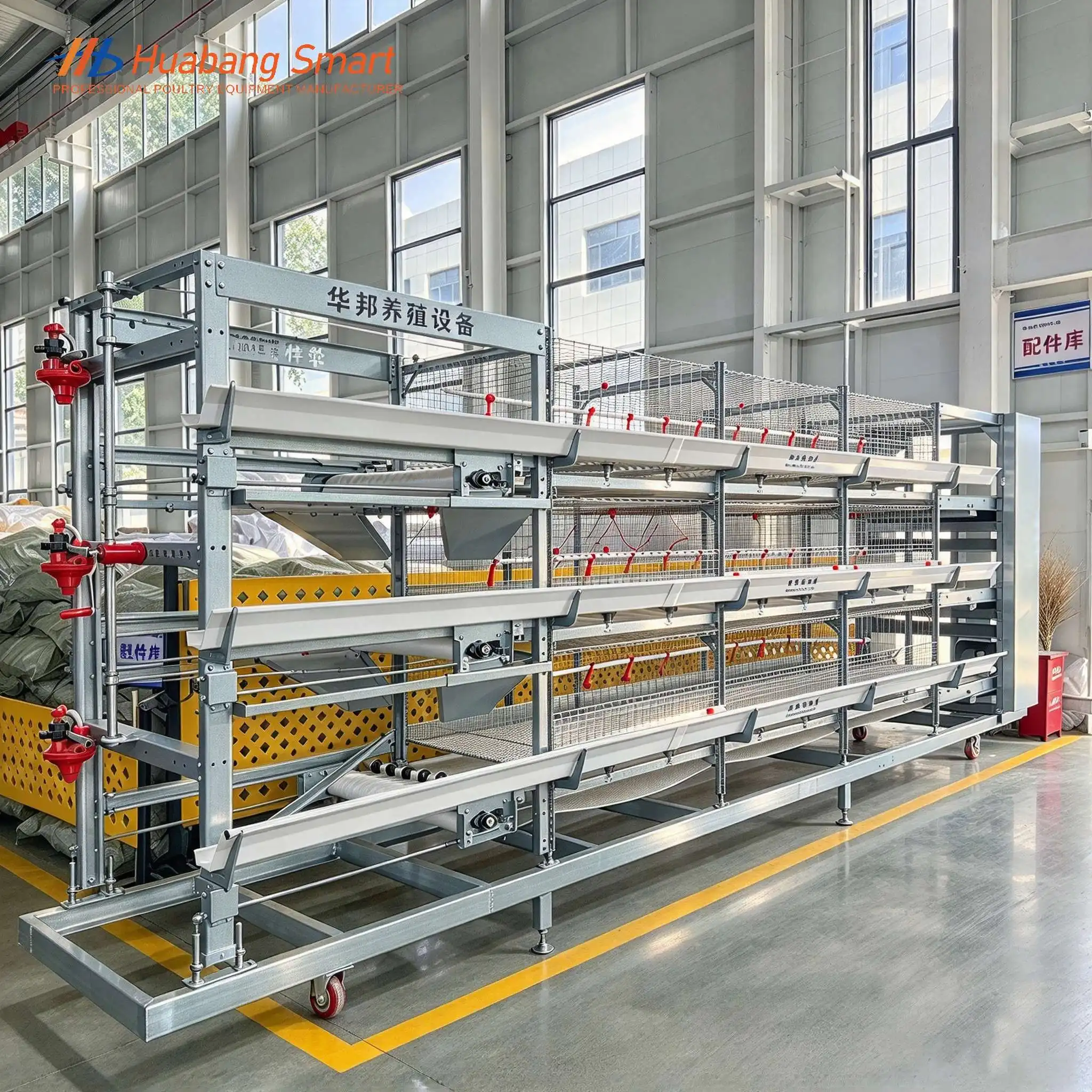
China's base for making poultry tools is mostly in areas like Shandong and Henan, which have benefited from decades of industry consolidation. Large factories that make H-type multi-tier broiler cages can offer lower prices per unit than European factories just can't match. Huabang Smart was founded in 2012 in Qingzhou, Shandong. They make cage systems out of Q235-grade steel wire that has been hot-dip galvanized 275g/m². This coating weight has been studied by independent labs and proven to be resistant to ammonia and moisture corrosion for 15 years or more of ongoing service.
Competitive Pricing Without Quality Compromise
The difference in price between Chinese and Western cage setups is not a difference in quality. It shows how well production works and how much labor costs. Huabang Smart has been certified by both ISO 9001 and CE and has 49 patents on key technologies. The cage walls have a better, thicker design, and all of the wire mesh is hot-dip galvanized instead of electroplated, which gives it a much stronger zinc layer and longer life. Independent tests using a salt spray model simulate 20 years of exposure to high-ammonia settings, and load-bearing tests show that each unit can handle 60–80 kg without deforming.
Supply Chain and Logistics Advantages
When purchasing from China, purchasing managers can take advantage of an integrated supply chain that brings together steel processing, cage manufacturing, and the building of automation components in a single regional cluster. This cuts lead times for standard orders to 30 to 60 days and keeps the cost of freight consolidation low. You don't have to pay markups to the distributor when you buy directly from the plant, and with OEM/ODM support, buyers get configurations built to their exact plans instead of having to pay for changes made after delivery that weren't in line with the specs.
Types and Features of China Broiler Chicken Cages That Optimize Costs
H-Type Multi-Tier Configuration
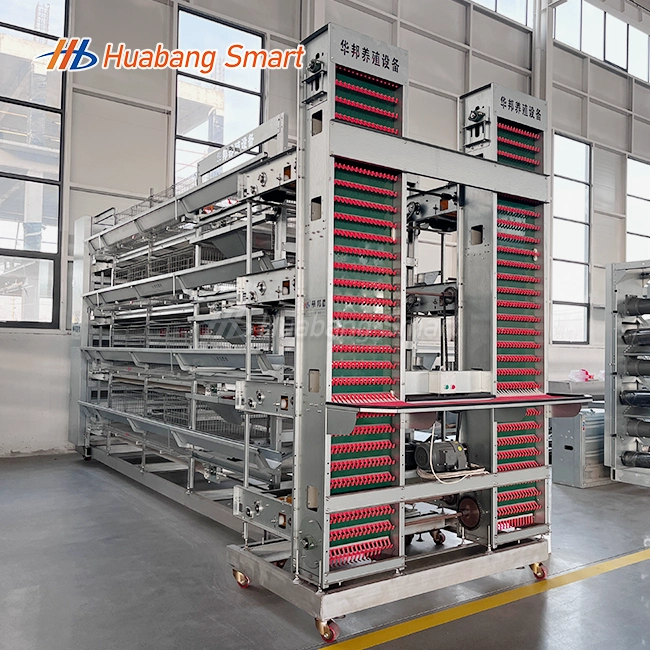
The H-type vertical structure, which comes in 3 to 8 tiers, is Huabang Smart's main type of broiler cage. The standard size of a cage is 1.25m x 1m x 0.45m, and the height can be 0.45m, 0.48m, or 0.5m, depending on what the customer wants. This method of vertical stacking raises the stocking density from about 12 birds/m² in floor rearing to over 50 birds/m², which means that the same amount of land can produce three times as much. This increase in density alone makes the capital investment worthwhile within two production cycles for businesses that are limited on land or that have to pay a lot for land.
Automated Systems Integrated Into the Cage Structure
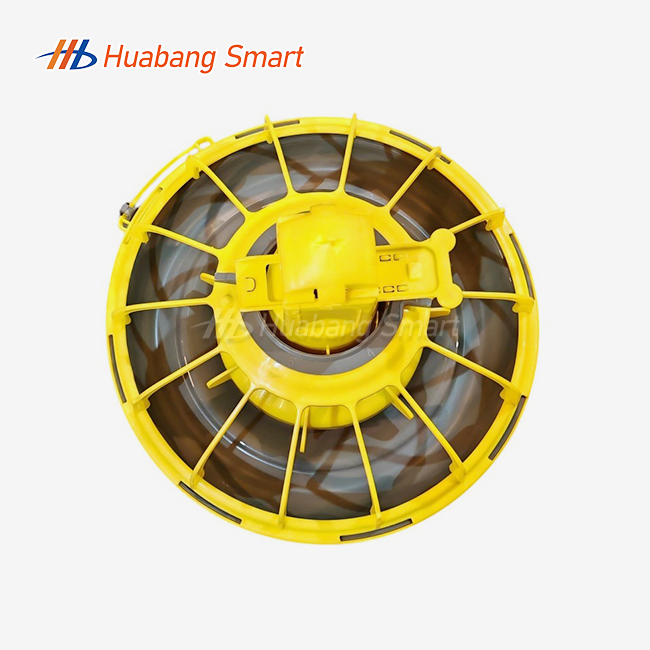
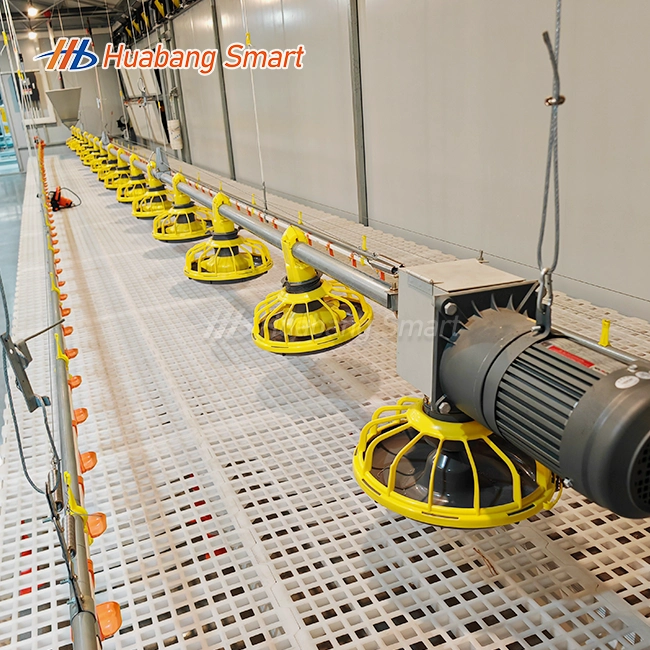
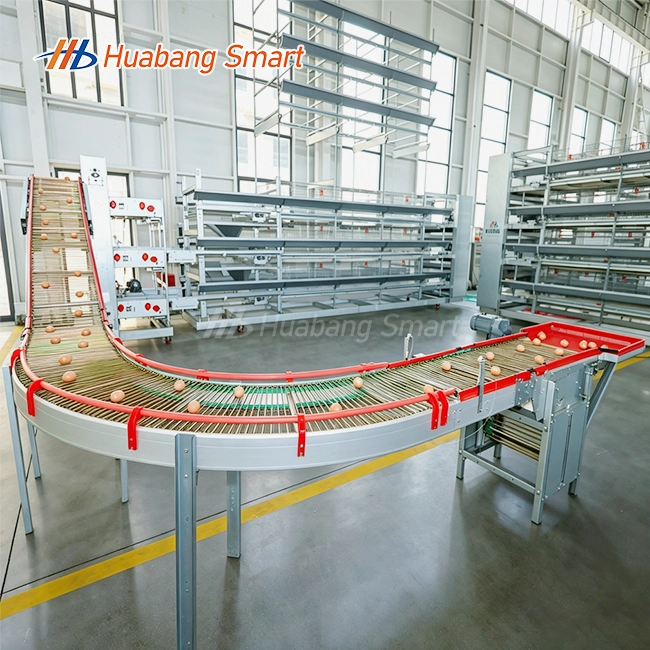
The China Broiler Chicken Cage setup comes with an automatic food machine. Fully integrated nipple drinking lines, removing the manure belt, and keeping track of the animal's weight are all built into the cage structure, not added on top of it. On the job, these are the main benefits of this combined design:
- Automatic feeding lines distribute feed at programmable intervals, reducing spillage and improving feed-to-gain ratios by directing bird energy toward growth rather than foraging movement.
- Manure belt removal runs daily or twice-daily cycles, keeping ammonia levels below thresholds that impair respiratory health and FCR.
- Nipple drinking systems eliminate open-water contamination, a leading factor in bacterial infection in high-density environments.
- Weight monitoring integration allows farm managers to track batch weight gain in real time, identifying underperforming birds early.
According to practical data from Huabang Smart installs in more than 100 countries, these systems cut the amount of work that needs to be done by about 70% compared to traditional floor-raising methods.
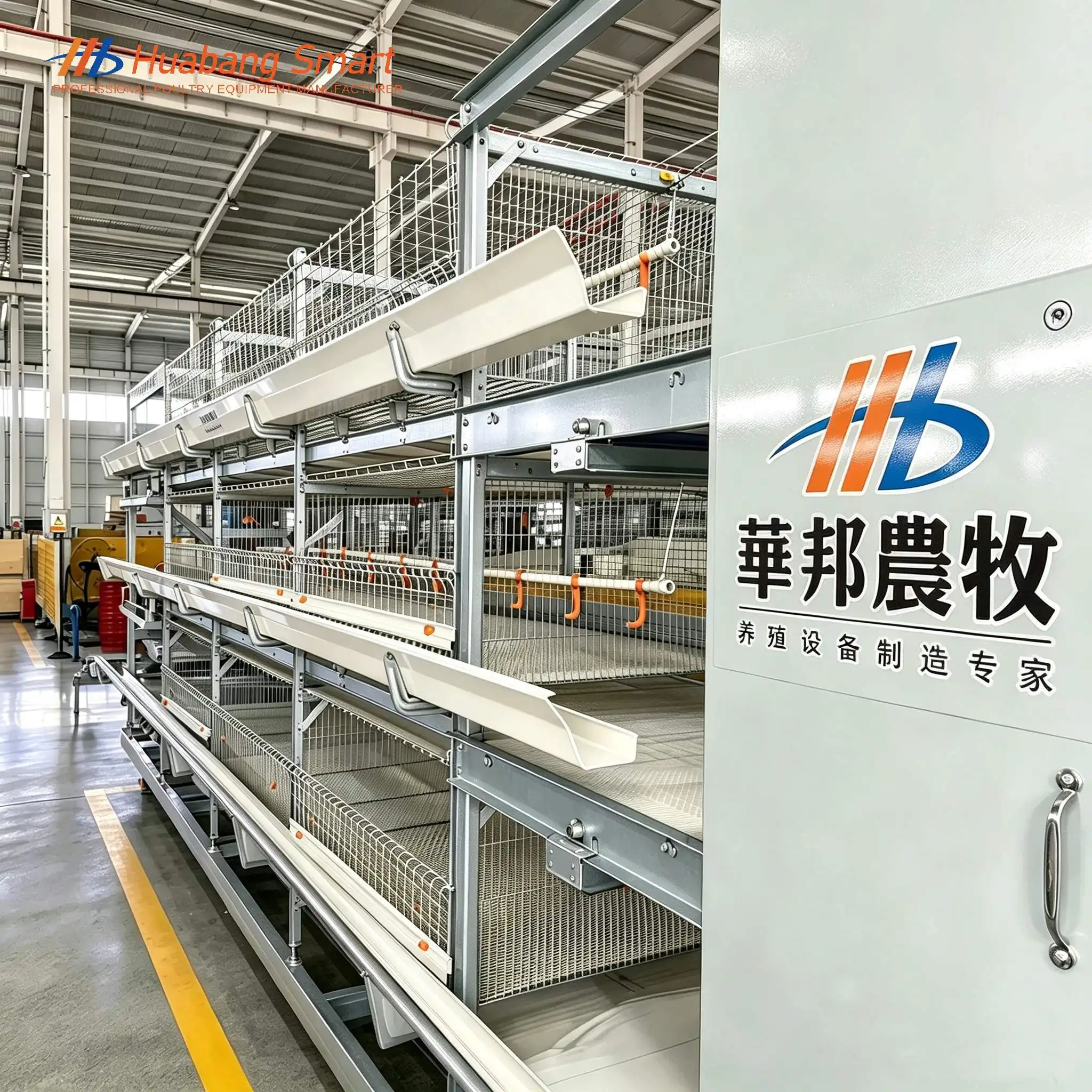
These benefits directly deal with the two most important variable costs in any broiler farm: feed and labor. Farms that used to need 10–15 workers for each production cycle now only need 3–5 workers, but they haven't cut the size of their flocks.
Customization for Regional Climate and Market Standards
It's not often that a fixed cage design works well in activities that take place in different temperatures or regulatory situations. Huabang Smart sets up systems with better airflow for cooling in Southeast Asian markets, more protection for the cold winters in Central Asia, and ready-to-use paperwork for Halal and EU-standard processing lines. Custom designs can fit anywhere from small starter farms with 1,000 birds to large business farms with 50,000 or more birds.
How to Choose the Most Cost-Effective Broiler Chicken Cage from China?
Assess Total Cost of Ownership, Not Just Unit Price
If the galvanization is thin, the automation parts are secret, or extra parts need to be ordered in large quantities, a broiler cage system that costs less per unit may cost more over its lifetime. Buyers should ask for proof of the zinc covering thickness; 275g/m² is the lowest level that will work in ammonia settings, and higher is better. Ask for proof of load tests and make sure the supplier gives you CAD layout drawings and 3D installation guides for free and not as extras that you have to pay for.
Verify Supplier Credentials and Certification Status
Self-declared quality claims are not the same as ISO 9001 and CE approvals. China-based companies that make broiler cages that people trust keep records of third-party audits and can give you certificate numbers for independent verification. The certificates that Huabang Smart has can be checked and are up to date. Factory checks, which can be done in person or by a third-party inspection company, are still the most reliable way to do your research before ordering a lot of systems.
Evaluate After-Sales Support Capability
When buying a China Broiler Chicken Cage from another country, after-sales service is just as important as the equipment's specs. Buyers should make sure that the supplier offers on-site installation help, video installation guides, local service contacts, and an inventory of spare parts. Huabang Smart's service package includes site planning, detailed configuration lists, video installation guides, on-site installation, and support after installation. This lowers the risk of commissioning that first-time importers usually worry about.
Maintenance and Operational Tips to Maximize Cost Efficiency
Establish a Routine Cleaning and Inspection Schedule
Hot-dip steel cages are designed to be low-maintenance, but regular cleaning makes them last much longer. Wash the cage walls and mesh with pressure water after each production batch to get rid of any leftover manure and feed. Every year, check the wire joints for any signs of the zinc layer getting thinner in areas with a lot of ammonia. Every 90 days, you should check the stretch and wear on PP manure belts.
Use Automation Calibration to Protect FCR
To keep the consistency of portions the same across all floors, automated feeding lines need to be calibrated on a regular basis. If the spread isn't set up right, the flock's weight gain isn't even, which makes it take longer to market and costs more in feed per kilogram of output. A smart environment control system from Huabang Smart keeps the temperature, humidity, and air quality in check in real time. Data from integrated deployments shows that farmers can save up to 8% on feed costs for broilers by optimizing FCR in the 2.4–2.6 range.
Plan Preventive Maintenance Around Production Cycles
Plan big maintenance tasks like checking the motors on the feeding lines, adjusting the belt tensioner, and checking the pressure on the drinking lines between batches instead of doing them all at once. It is much more expensive to have downtime during a live flock cycle than during the 48-hour repair window between batches.
Environmental and Market Advantages of Using Chinese Broiler Chicken Cage Systems
Reduced Resource Consumption Per Bird
Land, water, and heating energy are used less per kilogram of broiler output with vertical cage systems.
Alignment With Global Biosecurity and Antibiotic Reduction Goals
Collecting manure belts allows for anaerobic digestion or compost processing, which is better for the environment than floor-rearing operations where managing litter takes a lot of time and resources.
Growing Global Adoption and R&D Investment
Chinese companies that make chicken coops have thousands of current patents in the areas of designing and automating the coops. Huabang Smart is the only company that has 49 key patents and is still investing in research and development for IoT-based tracking and environmental control. This ongoing development makes sure that people who buy systems today are getting ones with a product roadmap and not just a static design. This way, the systems can be upgraded over time to meet the needs of large businesses.
Conclusion
Few other sources can match China broiler chicken cage systems in terms of how long the materials last, how easy they are to automate, and how cheap they are to buy in bulk. The cost-effectiveness point is based on practical data that can be measured. For example, hot-dip galvanized construction is rated for 15 years or more of service, and fully integrated food, drinking, and manure management systems cut work by 70%. Chinese cage manufacturers are a good choice for procurement managers, farm owners, and EPC contractors who are thinking about their next system investment because they have verified certification, the ability to customize, and global service support.
FAQ
What is the expected lifespan of a China broiler chicken cage system?
With 275g/m² hot-dip galvanization, it can last more than 15–20 years, even in places that are wet and have a lot of ammonia. Huabang Smart backs up its systems with international insurance that lasts for one year and extra parts that can be ordered at any time.
How does the cage system improve Feed Conversion Ratio (FCR)?
By stopping birds from moving around when they don't need to and feeding them at exact times, the system makes sure they eat enough calories to gain weight. This usually raises FCR by 0.05 to 0.1 points compared to floor raising.
Can the manure removal system handle high-density stocking loads?
Yes, heavy-duty PP dung belts run in loops every day or twice a day. This keeps ammonia from building up, which is bad for bird health and FCR.
What is the lead time for a 50,000-bird capacity system?
Standard production and shipping from China to other countries usually take 30 to 45 days, but this depends on how complicated the configuration is.
Is on-site installation support available for overseas buyers?
Yes, Huabang Smart offers CAD layouts, 3D installation videos, and on-site engineering supervision to make sure that the system is properly set up and calibrated.
Partner With Huabang Smart for Your Next Poultry Cage Project
Since 2012, Huabang Smart has sold China Broiler Chicken Cage equipment to farms in more than 100 countries. We offer complete H-type multi-tier cage systems that come with full fitting support. These cages are made from 275g hot-dip galvanized steel, are ISO and CE approved, and are backed by 49 patents. Our team can help you plan the site, create the configuration, and provide long-term technical support whether you are a farm owner, an EPC provider, or a distributor of equipment. To get a project quote right away, email an official China Broiler Chicken Cage provider at admin@huabangsmart.com or go to poultrycage.com.
References
1. Food and Agriculture Organization of the United Nations. Poultry Development Review: Broiler Production Systems in Developing Countries. FAO, 2019.
2. World Organisation for Animal Health (WOAH). Terrestrial Animal Health Code: Welfare of Broiler Chickens. OIE, 2021.
3. Xin, H., & Zhao, Y. Poultry Housing and Environmental Management for Sustainable Production. Iowa State University Extension, 2020.
4. National Chicken Council. Broiler Industry Key Facts and Economic Impact Report. NCC, 2022.
5. American Society of Agricultural and Biological Engineers. ASABE Standard S380: Design and Testing of Poultry Housing Equipment. ASABE, 2020.
6. Zhang, L., & Liu, J. "Advances in Automated Poultry Housing Systems and Their Impact on Feed Conversion and Labor Efficiency." Computers and Electronics in Agriculture, Elsevier, 2021.

USER EVALUATE
Here is the customer's evaluation of us