
How to Get Hens to Use a Automatic Chicken Nest Box (7 Proven Tips)
To get hens to use an Automatic Chicken Nest Box, follow seven steps. Place the unit in a quiet, stable spot. Fill it with clean, familiar material. Introduce it before laying begins. Keep a steady morning routine. Keep the roll-away egg path clear. Clean the unit often and keep it dry. Maintain the hardware as the flock changes. Hens prefer dark, private, comfortable laying sites, so each step lowers stress and builds habit. Most flocks adapt within several days to two weeks. The sections below explain each step and show how the Huabang Smart design supports them.
Why Some Hens Reject an Automatic Chicken Nest Box
Common Reasons Hens Hesitate
Some hens are wary, and a new nest might look like a threat to them. Researchers like Appleby, Mench, Hughes, and others have looked into how laying hens act and discovered that they like to lay their eggs in safe, dark, and enclosed spaces. When a unit feels open, moves, makes noise, or is in a busy area, birds lay their eggs on the floor or in a corner. A strong hen can block the door and kick out other hens, so competition is also important. Many times, I don't feel safe in this place, but the tools work. A lot of birds in big houses do the same little thing over and over. Most of the time, the floor eggs go away when the setting is changed.
How the Nest Body Helps
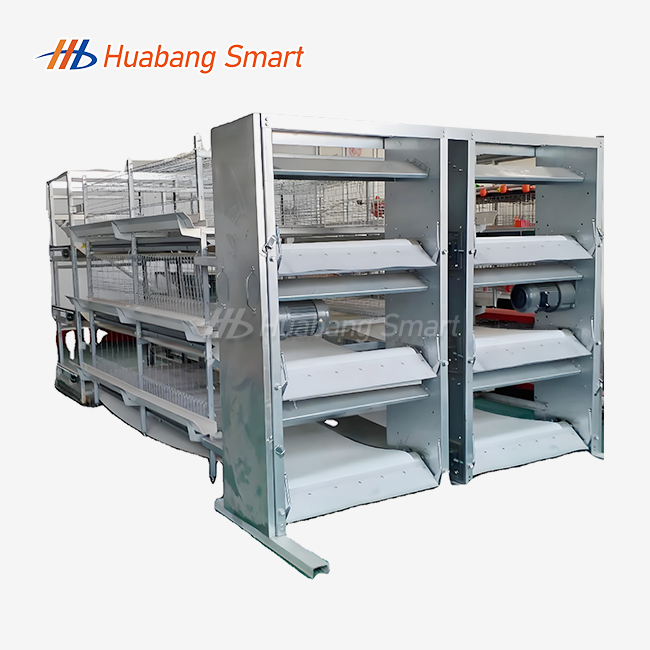
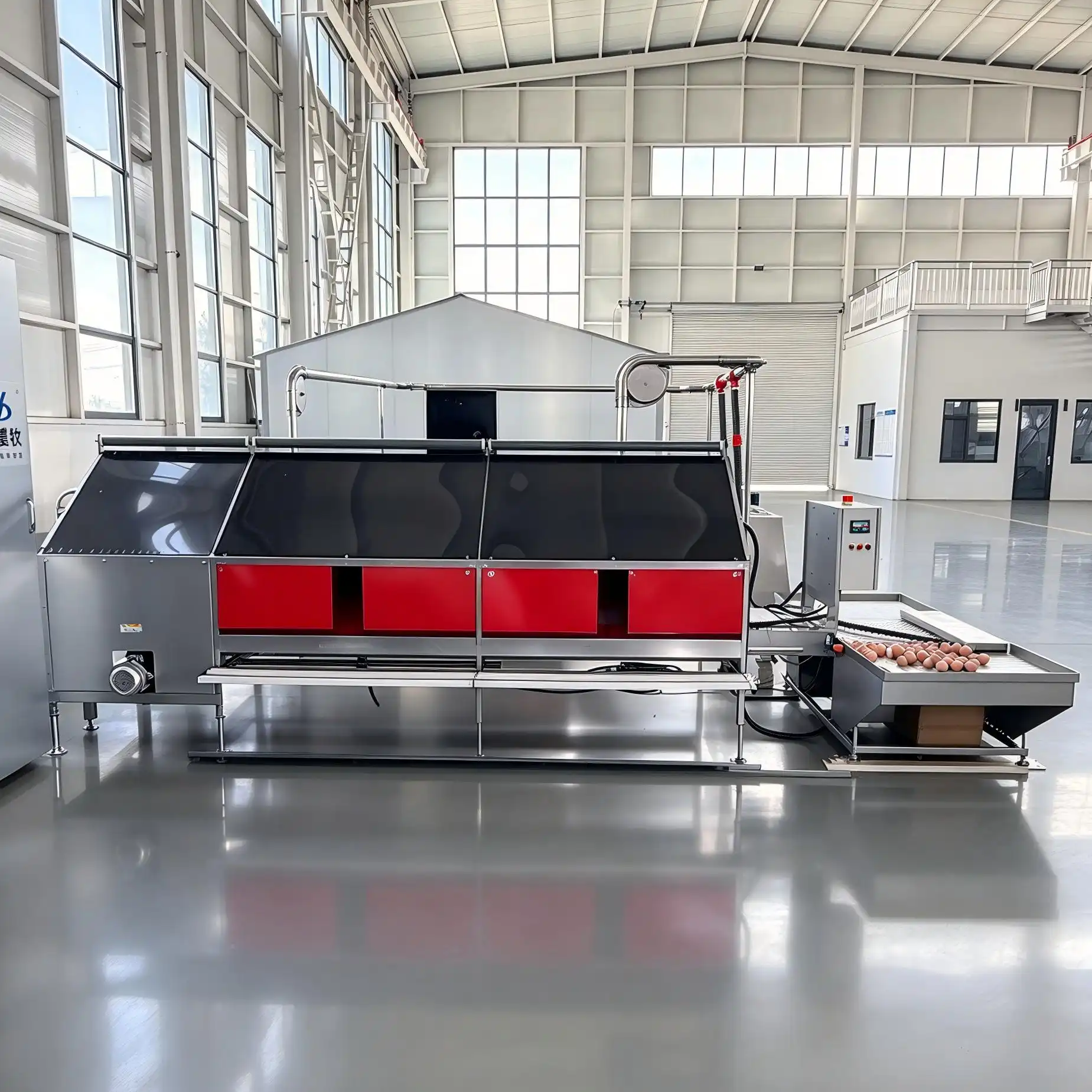
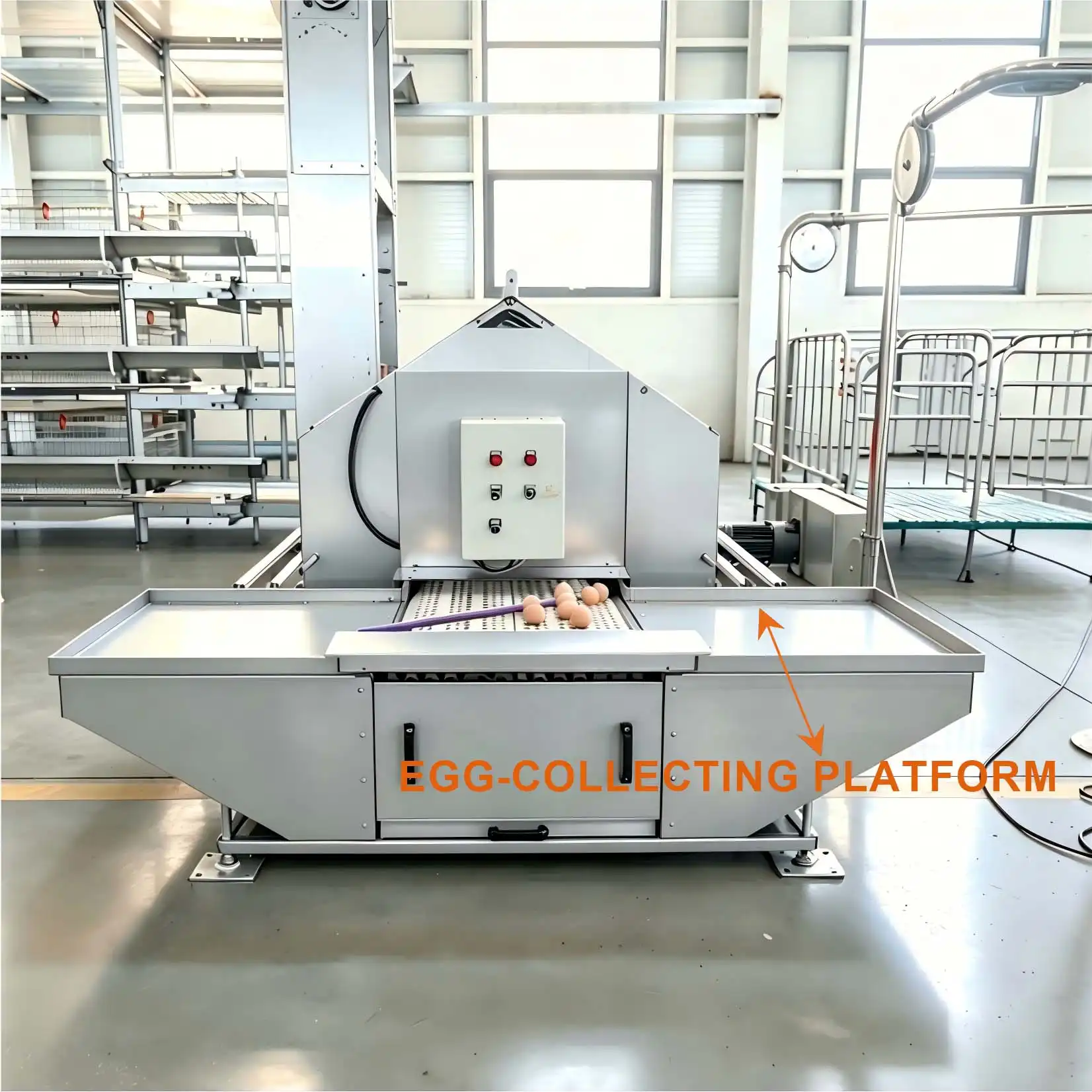
Our Automatic Chicken Nest Box has three parts: a base for collecting eggs, the nest itself, and the egg-collecting belt at the back of the box. The body of the nest handles multiple hens laying eggs at the same time, stopping perching, clever anti-broody lifting, and group dispersion. It also handles rolling the eggs so they don't break. One reason for rejection is removed with each function. Because it doesn't perch, the top stays clean and calm. The eggs move out from under the hen when you roll. There is a method of moving hens that are too broody so that other hens can come in. The group is lying down all over the block at the same time. These parts talk about clean living and good behavior at the same time. After that, the platform picks up the eggs and places them on trays.
Who This Guide Helps
If you sell tools, agribusiness groups, or big layer farms, you will find this book useful. A farmer keeps an eye on things like how much it costs to work, broken eggs, and eggs that fall to the ground. Project experts keep an eye on the layout and how it fits with other homes in the area. The people in charge of buying things keep an eye on things like wait times, help, and longevity. The operations team keeps an eye on repair work and how much time the system is up. You can keep track of each of these tips by keeping track of the number of cracked eggs, the time it takes to collect the eggs, or the percentage of eggs that were put in the nest. Get them right away. Also, those numbers make it easy to talk about ROI before you spend money on something.
Tips 1 to 3: Prepare the Site, the Interior, and the Timing
Tip 1: Install the Automatic Chicken Nest Box in the Right Location
Do not put the unit near drafts, direct sunlight, noisy machines, or busy roads. Instead, put it somewhere stable and quiet. People will come in large numbers if they can eat or drink there. Hens can't hit any perches, fences, or deep litter when they walk in and out. Before putting it in, check the entrance's width, height, depth, ability to nest, and the amount of space on the floor or wall. Measure the space instead of guessing. Big breeds need more room. When we work on business homes, we start by planning the layout. In this way, the rack height, service access, and space for collecting eggs are all the same from row to row. As part of our one-stop service, we plan the site.
Tip 2: Make the Nesting Area Comfortable and Familiar
A clean, dry, and dust-free area helps hens settle down faster. In the event that your plan calls for bedding, you can use straw, wood shavings, or something made of paper. Make sure the layer isn't too thick so it doesn't get in the way of floors or parts that move. It's easy to see that this is a good place to lay eggs with a fake egg or golf ball. Keep the inside quiet and dark. One thing at a time. The group will be scared if you move the unit, change the lights, and switch the beds all in the same day. Trust is built by using things you know and taking small steps. Hens learn that a quiet spot is safe.
Tip 3: Introduce the Nest Box Before Hens Begin Laying
Open the unit before the pullets are old enough to lay their eggs. Hens usually start laying between 18 and 22 weeks, but it depends on the breed and how often they are lit. When they are found out early, they can look into things without any stress or competition. Watch the box to see if the hens go inside, sit down, scratch, or stay away from it. Check on the house several times a day for the first week. Block off places for birds to lay their eggs on the ground early in the morning, and put any eggs that have been lost back in the nest. If you chase or trap them, the hens will learn to stay away from the box. If you want to keep the flock healthy and help them lay eggs, be calm when you lead them.
Tips 4 to 7: Build the Routine and Keep the System Running
Tip 4: Establish a Consistent Laying Routine
Hens usually lay their eggs in the morning or early afternoon. Before the first eggs come in, walk around the house early and move the hens out of bad spots without making them mad. Then, open the unit. Make sure not to clean or move the equipment during peak laying. Watch out for hens that sit still for hours or stand guard at the doors and are mean or hungry. Note down which hens refuse and when they do so. That's not as much of a problem with our nest body because it has smart anti-broody lifting and flock dispersion. Also, multi-hen simultaneous laying lets more birds use the unit at the same time. Even if the birds are very protective, they might need to be split up for a short time.
Tip 5: Keep the Roll-Away and Egg Collection System Moving
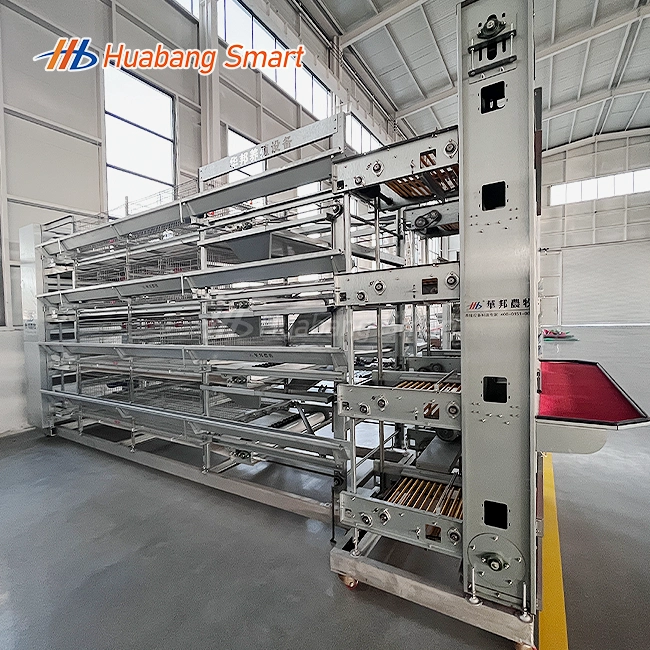
So how does a roll-away system work? The hen goes inside, lies down on a gently sloped surface, and the egg rolls to a safe spot. The eggs will stay away from the hen's feet after that. Our plan includes buffer damage protection to make it less likely that something will break. The platform for collecting eggs moves them, temporarily stores them, and then collects them. This means that workers pick eggs and put them on trays all at once. The back end of the egg-collecting belt can change the tension and deviation, which keeps the movement stable. Hens will also stay calm while they lay their eggs if the ground is smooth. There should never be a buildup of eggs. Check the slope, alignment, padding, and covers every so often.
Tip 6: Keep the Nest Box Clean, Dry, and Odor-Free
It's important to keep the area clean for both the hens and the eggs. How strict US officials are about keeping layer farms clean is shown by the FDA rule on egg safety for shell eggs. A lot of trash and dirty things should be taken out and cleaned separately. Everything should be left to dry before it is used. Do not spray a lot of water on gaps, hinges, and moving parts. Don't use a set date to decide how many times to clean. Instead, use the number of eggs laid, the temperature, the airflow, and the size of the group to decide. Around the edges and joints, look for mites and buildup. Huabang Smart frames are made from 3 mm hot-dip galvanized steel, which is extra thick. This steel doesn't rust in homes that are damp and often have ammonia. Also, dry, clean nests smell better, and hens avoid wet, smelly places.
Tip 7: Maintain the Equipment and Adjust to the Flock
The room needs to be kept up so that it stays safe and pleasant. Watch out for sharp edges, cracks, rust, and missing or cracked parts on the bolts, covers, entry parts, and moving parts. Quickly get rid of worn-out parts and keep a list of spares. Watch how tight the belt is and how much it moves. If the belt moves, it can stop the flow of eggs. You should check the nest's size, entrance clearance, and height again if the breeds, group size, or house plan change. Younger or less active hens might have trouble with a low opening, so keep an eye on them. A simple record of maintenance should be kept. They can help you find problems that keep happening and fix them before they cause service to go down.
Troubleshooting and Comparing Nest Box Options
Why Hens Still Avoid the Automatic Chicken Nest Box
Look at the house, the tools, and the flock all at the same time. It could mean that the room is too open, too bright, or doesn't have enough privacy if you put down a floor. Birds can be scared away, and eggs can be broken by noise, shaking, or a steep slope. It's likely that an animal with a strong smell has wet bedding, a lot of manure, or bad air. Move the hen that is being bossy to a different area or give it more room. For a few mornings, move the hens to a different spot and block the spot where you don't want them to lay their eggs. You should put each problem into one of four groups: terms, behavior, physics, or cleanliness. The fix goes more quickly with that simple sort. Things should be changed one at a time, and the result shouldn't be rated for a few days. The Automatic Chicken Nest Box needs this assessment for success.
Automatic vs. Traditional Nest Boxes
The eggs in traditional boxes sit near manure and get pecked, so they need to be picked out by hand more often. These boxes are easy to build and cost less up front. It takes more care to set up and take care of an automatic roll-away unit, but it can keep eggs cleaner, reduce the number of broken eggs, and make inspections easier. If you want something simple that costs little, a flat-bottom form is a good choice. One that rolls away is good for people who care about cleaning, egg safety, and speed. The price of the item is not the only thing you should think about. This type of system works best for large homes because it makes collection easy and lets the capacity grow.
How Our Design Targets These Problems
Huabang Smart makes the Automatic Chicken Nest Box so that a lot of laying hens can be raised. The setup is a scientific design of egg-collecting boxes with a safety cushion, a structure that keeps the lid from perching, and a clever way to tip the boxes over. The platform instantly picks up, moves, and briefly stores eggs, which saves time, keeps them from breaking, and makes breeding more useful. The back end of the belt that collects eggs is in the middle of the line. Its precise mechanical structure fixes problems with how rigid the belt is and lets it work efficiently with little power. It aims at a different reason for rejection, like perching, broody blocking, cracked eggs, and belt drift, as we've already talked about.
How to Choose and Roll Out Your System
Choosing the Best Automatic Chicken Nest Box
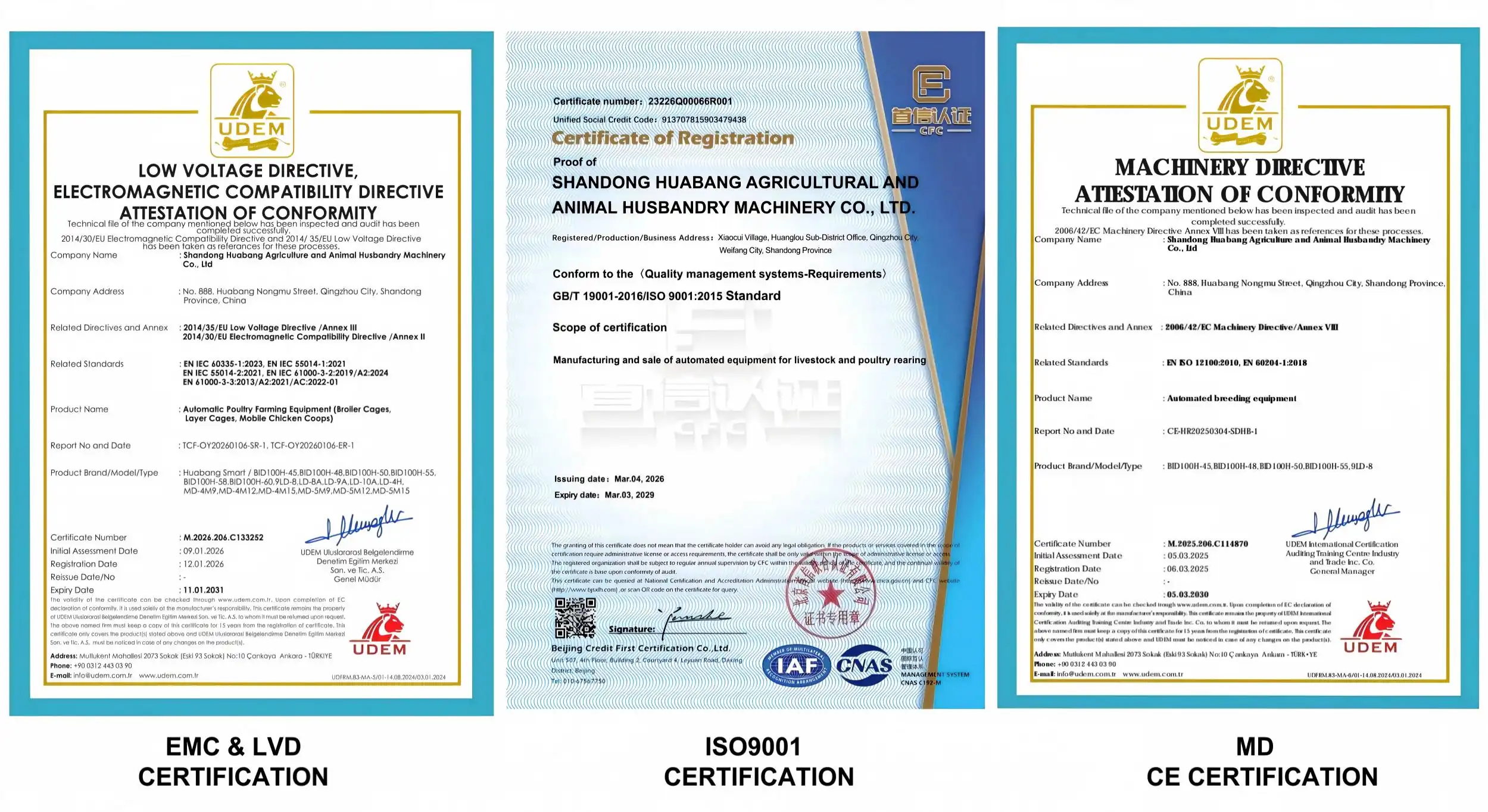
Pick a unit that works for your flock, your home, and your shopping goals. It's important to look at how well it rolls away, how easy it is to clean, how strong the material is, how many nesting areas it has, and how well it holds spare parts. The Automatic Chicken Nest Box selection must meet quality standards. EU Directive 1999/74/EC says that in other systems, there should be one nest for every seven hens or one square meter of space for a group nest for every 120 hens. Make sure you know the rules for your buying program as well. People who buy from distributors and OEMs should check the export documents, the minimum order quantity, quality control, and make sure the products are always the same. It has been approved by both ISO9001 and CE. They can take your plans and turn them into patterns. They do OEM and ODM work. It's made in 30 to 60 days.
Recommended Implementation Checklist
A quiet, easy-to-reach place is best. Also, make sure it's the right size for your breed and group. After putting in the right things and a fake egg, the unit should be opened before or at the start of lay. Do the same things every morning. Make sure everything is clean and dry, and check the belt tension and roll-away movement. How many dirty and cracked eggs were laid? How long does it take to clean the nest? Are there any upkeep issues? Are there any signs of other birds trying to get the eggs during the first two weeks? Every week, go over them. These numbers will show if the hens agree with the unit. They'll also help your team figure out how to do future ROI reviews.
What Our One-Stop Service Covers
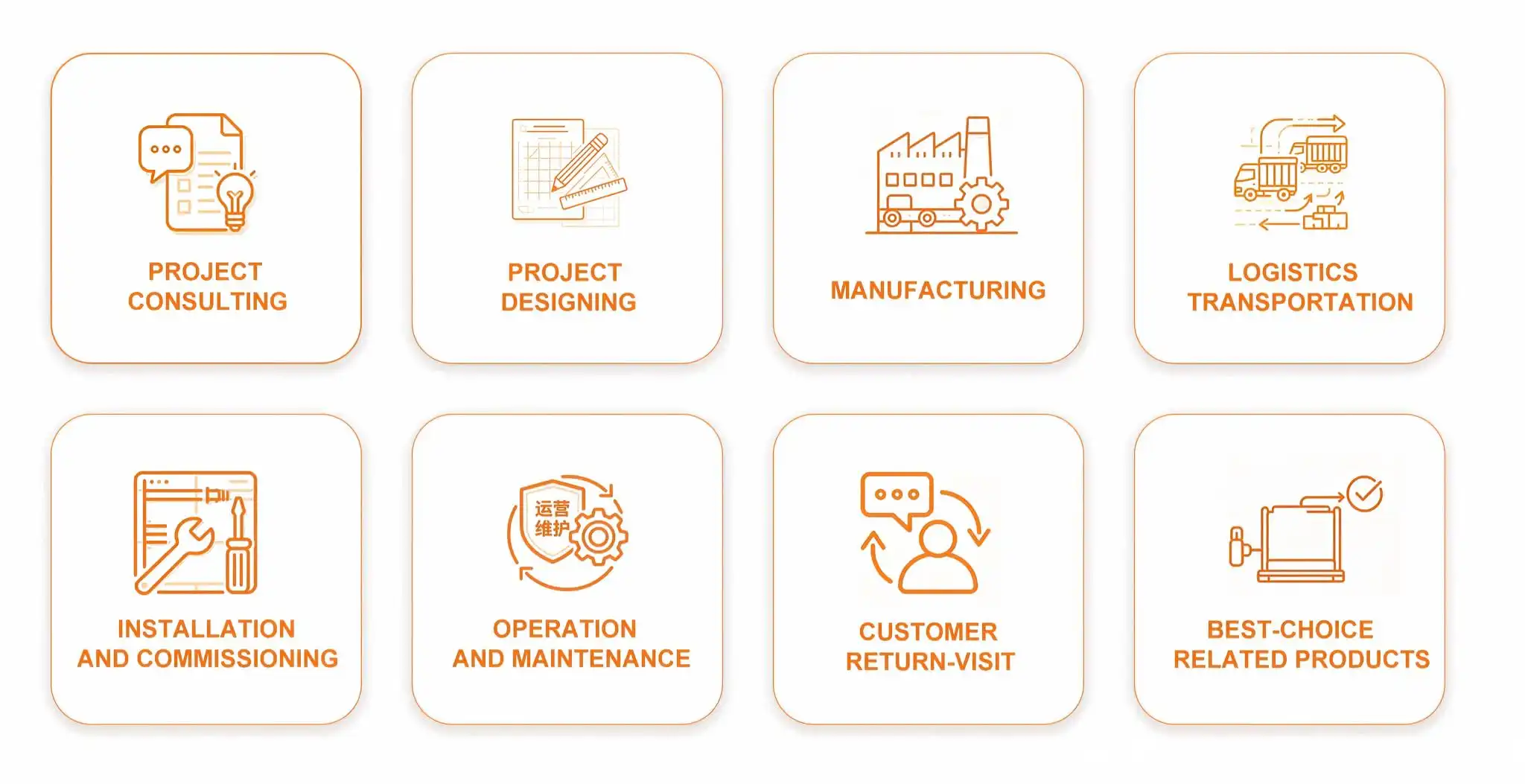
This high-tech company in Qingzhou, Shandong, has been making tools for animals since 2012. We have 49 patents on key technologies and have sold to more than 100 countries. As part of our one-stop service, we design the site, make thorough setup lists, make video installation tips, install the product on-site, and offer local help after the sale abroad. One partner handles the layout, equipment, and start-up, so your project team doesn't have to coordinate as many vendors. We check to see if our systems can connect to the farm's current systems and that data can be seen right away. The weather, the size of the farm, and the needs of the business also change how the systems are set up. Before making a choice, ask for a plan.
Conclusion
If hens feel safe, alone, and sure of what will happen, they will use an Automatic Chicken Nest Box. The seven tips work together: a space that is quiet and the right size; clean, familiar materials inside; an early exposure before the birds start laying eggs; a regular morning routine; an easy way to get in and out of the nest and collect eggs; regular cleaning; and planned maintenance as the flock changes. You can fix the problem if you know whether the hens don't want to use the unit because of how it works, how clean it is, or its size. A roll-away design is harder to set up than a regular box, but it can keep eggs cleaner, less likely to break, and easier to gather. When big layer farms choose the right size, long-lasting materials, and a stable egg-collecting line, they can be sure that their nests will be used every time. They then keep an eye on the early results.
FAQ
How long do hens need to adapt?
A lot of hens get used to it in two to three weeks. It depends on the age, the way the chickens lay their eggs, their privacy, and how much competition there is in the group. Early exposure and routines that keep you calm cut down on the time it takes.
How many nesting spaces does a flock need?
You need different things from each system and program. As per EU Directive 1999/74/EC, there should be one nest for every seven hens or one square meter of space for a group nest for every 120 hens. Check your breed guide and the rules in your area before you make up your mind.
Which bedding should I use?
Use straw, wood shavings, or paper bedding that is clean, dry, and low in dust if your design calls for it. The layer should be thin so that it doesn't get in the way of the path that rolls. Change out anything that is wet right away.
Does Huabang Smart offer OEM or custom designs?
Yes. We can do OEM and ODM work, and you can also send us drawings to use as guides. It's made over 30 to 60 days. We also have videos that show you how to set up the unit.
How often should I clean the unit?
Don't stick to a set schedule. Instead, base it on the number of birds, the humidity, the airflow, and the number of eggs laid. Check the edges and joints often for buildup.
Request Your Automatic Chicken Nest Box Quote from Huabang Smart
Huabang Smart makes Automatic Chicken Nest Boxes right in their own factory. They have 49 patents on core technologies, are CE certified, and use ISO9001 to make sure their products are of high quality. They can work with both OEM and ODM customers. Send your home's layout, the number of chickens you want, and the number of eggs you want to collect to ginny260831@gmail.com or huabangsmart002@gmail.com , and our team will come up with a setup that includes site planning, installation help, and support after the sale from outside of China. Go to poultrycage.com to learn more about the product.
References
1. Official Journal of the European Communities, 1999 – Council Directive 1999/74/EC Laying Down Minimum Standards for the Protection of Laying Hens
2. CABI Publishing, 2004 – Poultry Behaviour and Welfare (Appleby, Mench, and Hughes)
3. Applied Animal Behaviour Science, 1995 – Nesting Behaviour of Hens: Effects of Experience on Motivation (Cooper and Appleby)
4. Poultry Science, 1998 – Behavior and Behavioral Needs (Duncan)
5. Federal Register, 2009 – Prevention of Salmonella Enteritidis in Shell Eggs During Production, Storage, and Transportation (U.S. Food and Drug Administration)
6. United Egg Producers, 2017 – Animal Husbandry Guidelines for U.S. Egg Laying Flocks.

USER EVALUATE
Here is the customer's evaluation of us