
Automatic Chicken Nest Box: The Perfect Nesting Box Solution
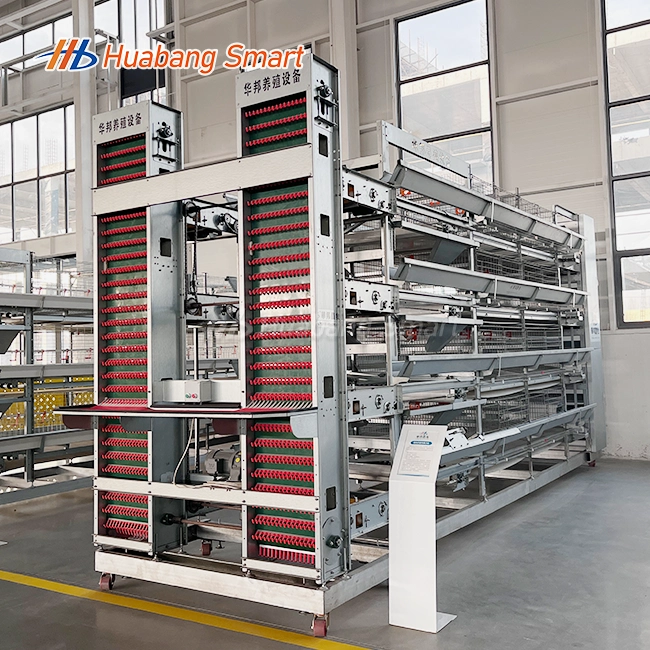
An Automatic Chicken Nest Box is a nesting system that lets hens lay in a sheltered space while the egg rolls away to a protected collection point. It cuts breakage, keeps eggs cleaner, and reduces the time workers spend walking the house. Our Huabang Smart design combines an egg-collecting platform, a nest body, and the rear end of the egg-collecting belt into one line for large-scale laying-hen farms. In this guide, I explain how the system works, what to check before buying, how to install and maintain it, and how to test it before a full rollout.
How an Automatic Chicken Nest Box Works
What Is an Automatic Chicken Nest Box?
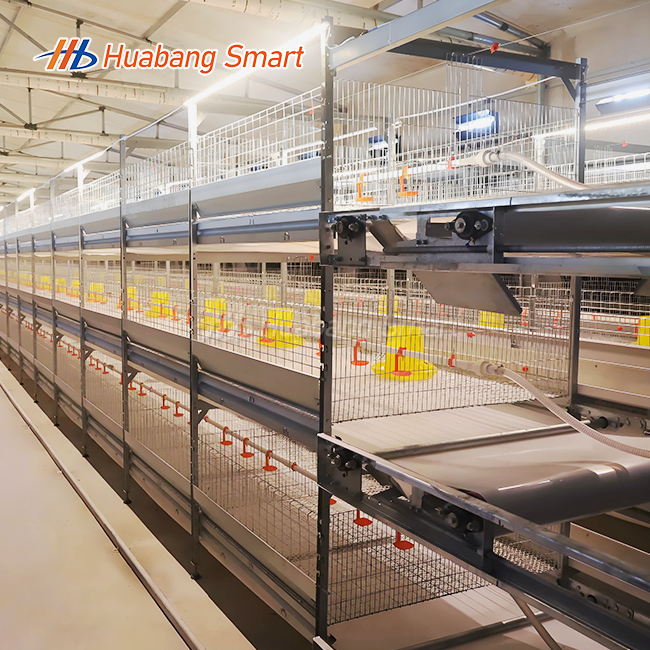
Hens sit in most nest boxes, which are open areas, lay their eggs, and sometimes peck them. Now you can buy a machine that collects eggs and uses a line that was made just for that purpose. This is our Automatic Chicken Nest Box. It is made up of the egg-collecting platform, the nest body, and the back end of the egg-collecting belt. The eggs are laid and rolled in the nest body. The belt moves the eggs along the line. On the platform, people can pick up eggs and put trays down. All of the parts work together as a single line, which makes it better for raising a lot of laying hens than a separate box. Even though simple wooden boxes might work for backyard flocks, they aren't good enough for a commercial layer house.
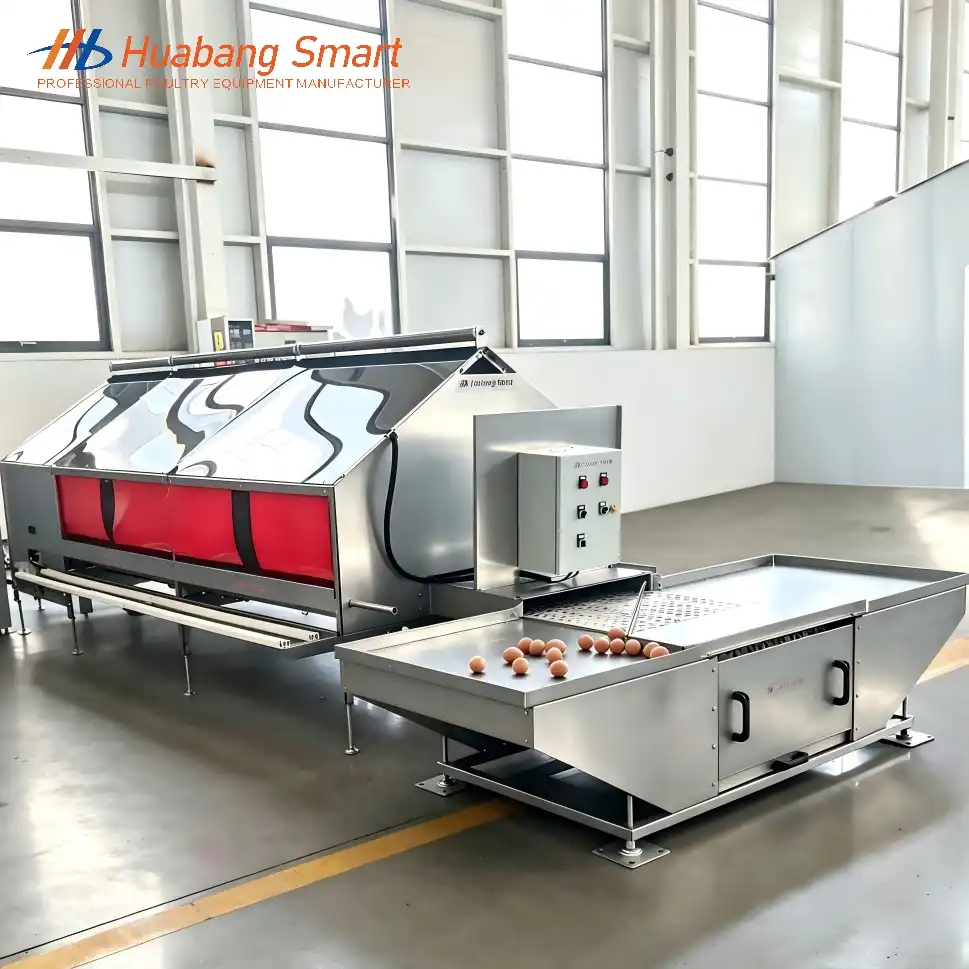
Inside the Nest Body
The nest body's main job is to protect the eggs. Its anti-breakage rolling design moves each egg quickly away from the hen as soon as it is laid, and a buffer layer keeps it from getting broken when it hits something. There is enough space for more than one hen to lay at once, so birds don't have to wait in line. Hens can't foul the nest while sitting on it because there is something on top that stops them. A smart lifting action that keeps hens from getting too broody wakes up hens that stay too long, which also helps spread the group out. A study done by Duncan and Kite in 1989 found that hens look for safe places to lay their eggs. If the nest is good for them, the hens will stay there and lay their eggs.
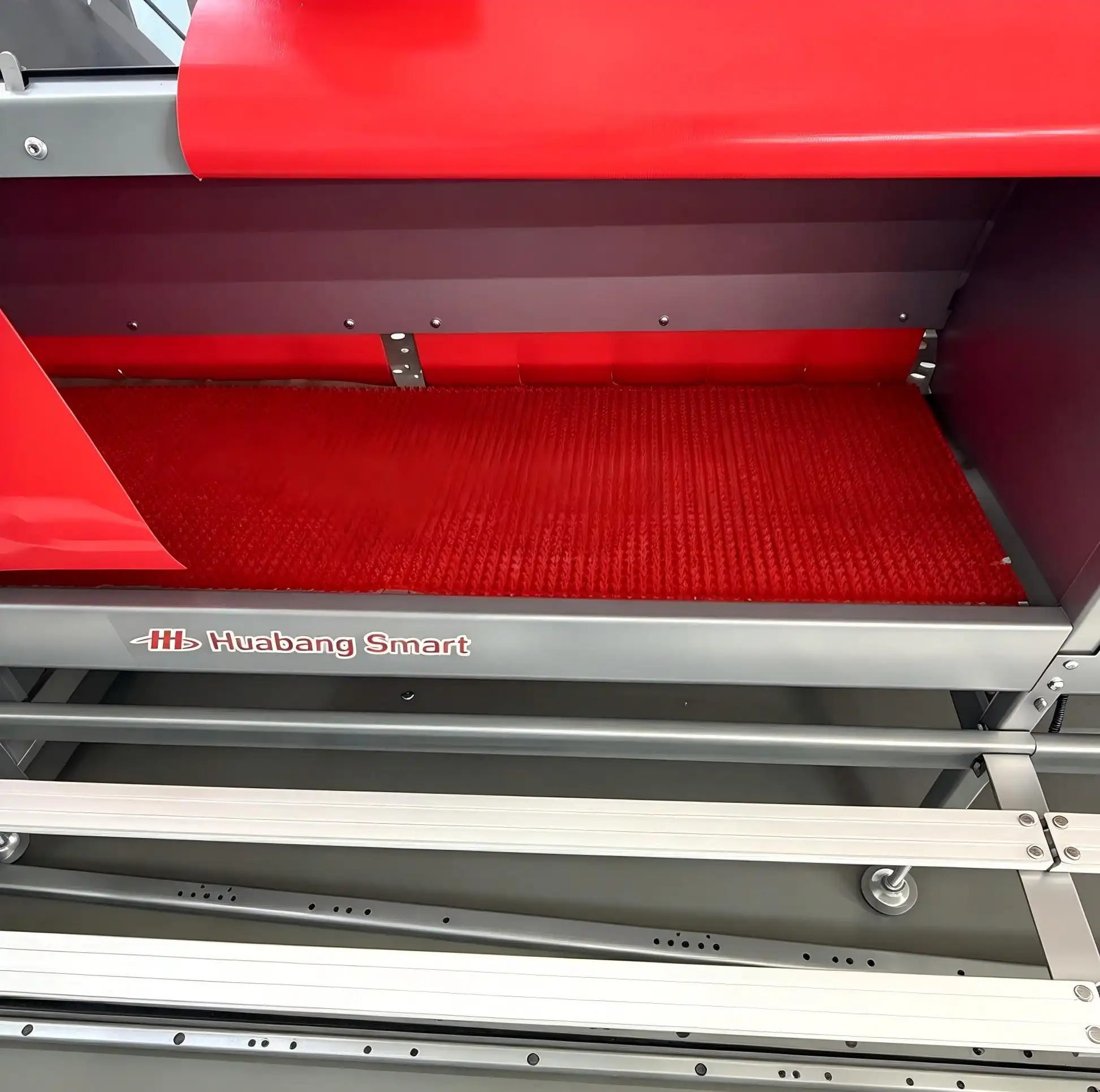
The Platform and Belt Rear End
When an egg rolls out, it goes to the belt that gathers eggs. At the back end, the belt's tightness and how far it moves can be changed. This keeps the eggs moving on the belt straight and steady. If the belt moves or slips, it can stop the whole egg-collection line. Look at it like the brain of the machine. Its exact mechanical structure is made to keep the belt steady and make it work well with little power. The stage for collecting eggs is where people pick up trays of eggs and put them down. It's also used to store eggs temporarily so they don't pile up while workers move trays. When you put these parts together, getting eggs is a quick and easy job.
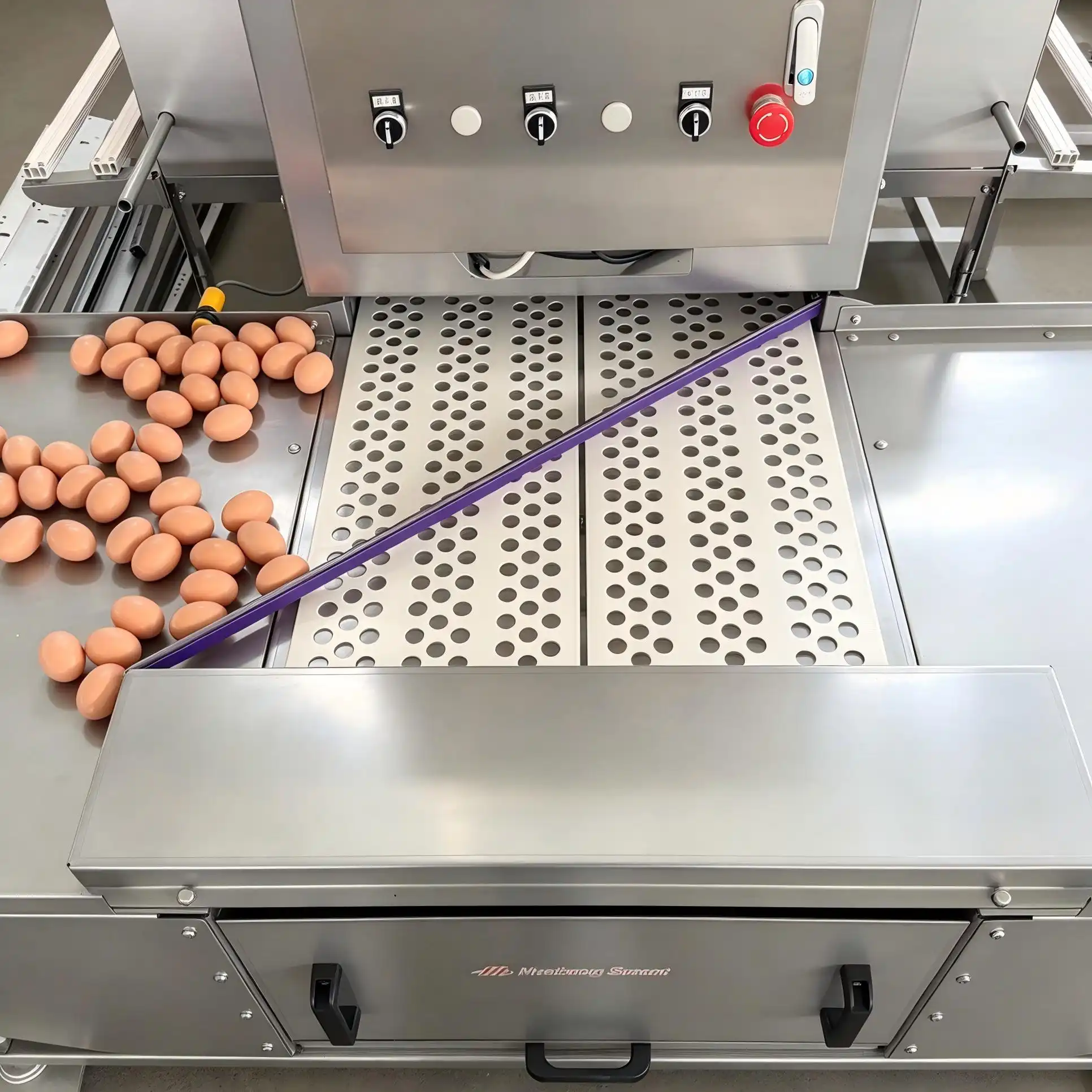
Benefits and Features Buyers Should Evaluate
Benefits for Egg Quality and Labor
There are two ways that a well-built Automatic Chicken Nest Box system can help you. First, eggs leave the nest quickly, reducing their exposure to feathers, droppings, and bedding. The USDA notes that cracked-shell eggs are more vulnerable to contamination than clean, intact eggs, so protecting shell quality helps reduce losses and safeguard farm profits. Second, the egg-collection platform and conveyor belt reduce the time workers spend walking around and collecting eggs by hand. Under the FDA rule established in 2009, farms with 3,000 or more laying hens must hold eggs at 45°F or below within 36 hours after laying. A fast, efficient collection line helps farms move eggs to the designated collection point promptly, making it easier to maintain an effective egg-handling process.
Build Quality and Materials
Metal needs to last a long time in a layer house because humidity, dust, and cleaning water can damage it. Strong and stable, our frame is made of extra-thick 3 mm hot-dip galvanized steel that doesn't rust. The thickness of the material, the coating method, the quality of the welds, and the finish on parts that will touch eggs should all be checked on every quote you get. You can clean a smooth surface better than a rough one. Don't forget to ask about the material under the egg path; it's what holds the egg path together. Huabang Smart has been certified to ISO 9001 and CE, and all of our livestock equipment is covered by 49 core technology patents.
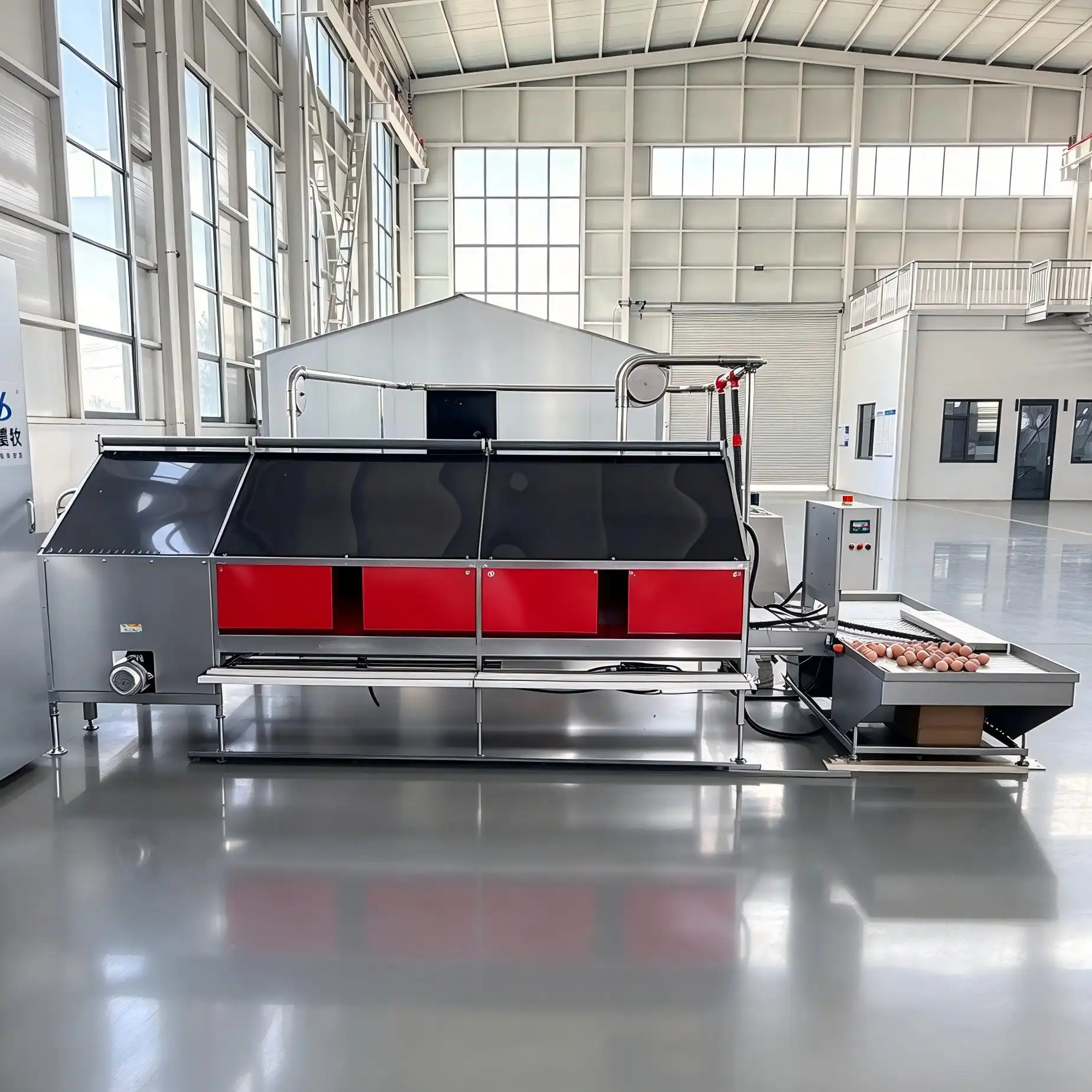
A Quick Checklist for Comparing Systems
Before you look at prices, do these two things.
- Egg path and protection: Take a look at the slope, the egg stopper, and the cushion layer. You should ask the seller how the design lessens the effect and see real eggs being used as an example. Each egg should be moved away from the hen along a smooth path that will land gently. You shouldn't break the eggshell or leave a film on top of it.
- Hen behavior controls: Make sure the unit has a top cover to prevent perching, anti-broody lifting, and group separation. Hens lay bad eggs and keep other birds from getting to them when they sit on or stay in the nest. Movers keep the hens moving, so every laying area is always clean, open, and being used.
These two checks look for two main reasons why eggs get dirty and cracked: damage to the nest and too many birds using it.
Installation, Maintenance, and Troubleshooting
Installation Planning
Setting up something well begins before the hardware gets there. We help you plan the site, design the products, make video installation guides, give you a detailed configuration list, and set them up on-site. People in your group should make sure they all agree on the length of the house, the space between the rows, the level of the floor, and the path from the nest to the platform where the eggs are picked. The unit needs to be level so that both the belt and the egg path can work. It's important to make sure the back end of the belt is tight after it's been put on, before the eggs are put on it. Watch out for points where you hesitate or hit something as you run the line without eggs and then with eggs. During the first few days, make sure everyone knows how to put the trays down.
Cleaning and Maintenance Routine
With an Automatic Chicken Nest Box, it's easy to keep eggs clean and equipment running longer with a simple maintenance plan. You should collect eggs every day, clean off any dirt you see, and check for broken parts or interrupted egg flow. Once a week, use a chicken-safe cleaner to wash, rinse, and dry any removable surfaces. Regularly inspect the frames for rust, the bolts for looseness, and the back end of the belt to ensure it is tight and moving in the right direction. Since belt drift happens gradually, a quick inspection can often prevent it from becoming a bigger problem. To avoid unexpected downtime, keep spare belts and wear parts on hand. Our after-sales team also helps international customers troubleshoot technical issues and provides support in their own language.
Troubleshooting Common Problems
Problems are usually caused by uneven ground, things that get in the way, changes, or the way the hens behave. Make sure the unit is level and nothing is in the way of the eggs if they stop rolling. Where did the eggs break? They might have broken on the belt or along the roll where they were laid. When a belt goes to one side, it's likely that the tightness or alignment needs to be changed in the back. Weeks and Nicol (2006) said that hens like to lay their eggs in quiet, safe places, so if you notice that hens avoid certain nests, check the light, cleanliness, and position. Note down all the mistakes you made and how you fixed them. You can use the trends in that log to order replacement parts and figure out when to call our support team.
Choosing a Supplier, Wholesale Orders, and OEM Projects
How to Choose an Automatic Chicken Nest Box
It's not the cheapest quote that makes sense; it's the farm. Large layer farms need a line that is strong, simple to clean, and fits the way they gather eggs. Check the capacity against the size and type of the flock. Then look at the materials, how they are mounted, the design of the belt, how the hens' behavior is controlled, how long you have to wait for spare parts, and the guarantee. Get a list of all the choices and the prices for each one. You can see what the quote is about this way. Hire a "turnkey" service that plans, builds, installs, and trains everyone. This way, parts won't go together wrong as often. As part of our one-stop service, we handle all of these steps. The whole process takes 30 to 60 days.
Wholesale, Bulk Orders, and OEM
Some groups, like farm groups, distributors, and EPC contractors, need more than just a list to buy things. Find out how big the package is, how much the shipment weighs, what the pallet looks like, how much it can hold, and what the standards are for checking. We can make custom designs from your models, and we can do both OEM and ODM work. We can also change the layout to fit your needs, the farm's size, and the weather. We have been a direct-source factory for 17 years, so we know how to design and make things. Around the world, we've worked with people. Tell us right away who you want to sell to and how much you think they will order. This helps us figure out how to package, document, and provide spare parts for you.
Performance Verification Before Full Rollout
A test drive makes it less likely that you will buy something unsuitable. When evaluating an Automatic Chicken Nest Box, start with one house or row and test eggs of different sizes and weights. Check for smooth rolling, low impact, and clean collection at the platform. Inspect the bolts, metal parts, and rear end of the belt after a few days of use. Time the daily cleaning and tray-moving tasks to identify hidden labor costs. Monitor hen usage, egg breakage rates, and the cleanliness of the existing nests. These observations will help you refine the layout and finalize the order details before building the entire poultry house.
Applications and Recommended Configurations
Large-Scale Laying-Hen Farms
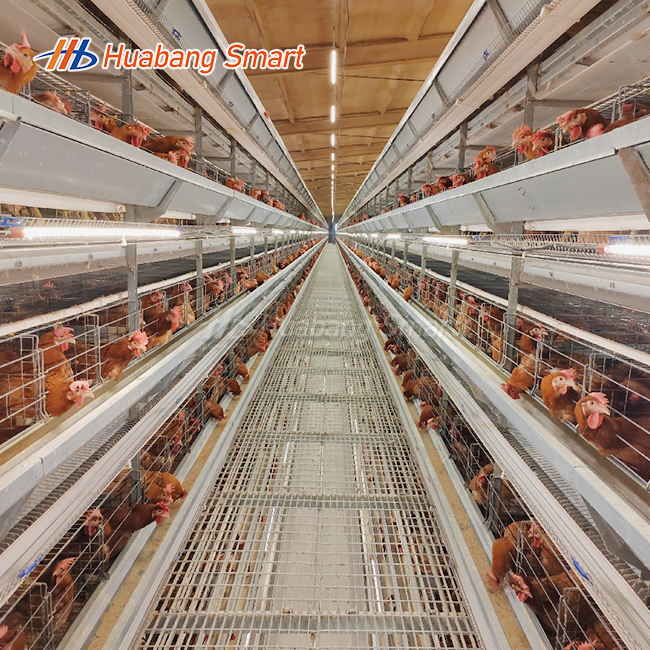
Our method is designed to help you raise a lot of laying hens. The nests, belt, and platform in a layer house all work together to move, store, and pick up eggs. Eggs don't break when they are handled less by hand, which saves money on labor costs and helps the breeding process. Farmers and people in charge of operations can figure out how much the investment paid off by keeping track of the number of hours worked, broken eggs, and dirty eggs before and after installation. Tech directors get a smoother flow because the back end of the belt holds tension and tracking. We don't give a set payback number because it changes based on the number of chickens, wages, and egg prices.
Climate and Housing Fit
Where something is changes the details. In wet or coastal places, steel that doesn't rust is needed. That's why our 3mm hot-dip galvanizing frame is important there. If you live somewhere hot, make sure the house has good airflow. If you live somewhere cold, watch out for rain on metal parts and belts. Your plans help us make plans, since we might need to change the layouts of buildings that are already there. Our team changes the plans so that each farm's climate, size, and shape are taken into account. We also have smart systems for chicken coops that are built on the Internet of Things (IoT) and can automatically feed, water, and control the surroundings. For turnkey projects, these systems can be planned with the egg line.
Support for Overseas and Distributor Projects
The government backs gardening programs, and EPC builds happen overseas. These projects need clear paperwork and help from people in the area. We send professionals to set things up on-site, give setup lists and video installation tips, and offer help in the country where the sale was made after the sale. They get specific papers that will help their sales and customer service teams. We sell to people in the Middle East, Southeast Asia, Europe, and other places. If your products have been approved by ISO9001 and CE, you can give them to import teams to look over. But first, you should look at the rules in your own market. People in the U.S. should also check their local building and electrical codes before installing.
Conclusion
The whole line has a pick-up stand and a stable moving belt end. Eggs are kept safe by being moved away from the hen by an Automatic Chicken Nest Box. The nest's body keeps it from breaking, lets more than one hen lay eggs at the same time, and controls sitting and brooding. The back end of the belt keeps the track straight and the force even. What makes a difference is the farm. People who want to buy something should look at the different parts, service, behavior controls, materials, and make sure the product will work in their home and climate. Food safety rules are met, and losses are cut down on commercial layer farms that use cleaner eggs and do less work by hand. Tests with real eggs and real hens are the best way to be sure before going all the way.
FAQ What is the difference between a roll-away nest and an automatic nest line?
A roll-away nest moves the egg away from the hen. One way eggs get to a platform is by an automatic nest line. Workers then pick them out and put them on boxes. The base can also be used as a temporary place to store things.
Can the system be customized for my farm?
We do both OEM and ODM work, and you can send us drawings to use as a guide. To fit your climate, farm size, and needs, we can also change how they are set up.
How long does production take?
We make things in 30 to 60 days. As part of our one-stop service, we plan the site, design the products, make a configuration list and video installation guides, and then install them on-site.
How do I know the system fits my layered house?
Send your house plans, the number of people in your group, and a list of people you want to sell to. Before you buy the whole set, you can try it out with real eggs and hens. We'll draw up a plan for the site and write down steps for how to set it up.
Request an Automatic Chicken Nest Box Solution
Are you ready to plan your shed? Huabang Smart has been creating Automatic Chicken Nest Boxes for 17 years and offers one-stop service. They can also help with OEM and ODM orders. Write to ginny260831@gmail.com or huabangsmart002@gmail.com about your target market, flock size, and house plans. Our team will then make a plan and give you a quote. You can find out more by going to poultrycage.com.
References
1. U.S. Food and Drug Administration, Prevention of Salmonella Enteritidis in Shell Eggs During Production, Storage, and Transportation (Final Rule), 2009.
2. USDA Agricultural Marketing Service, Egg-Grading Manual, 2000.
3. Duncan, I.J.H. and Kite, V.G., "Nest site selection and nest-building behaviour in domestic fowl," Animal Behaviour, 1989.
4. Appleby, M.C. and Hughes, B.O., "Welfare of laying hens in cages and alternative systems: environmental, physical and behavioural aspects," World's Poultry Science Journal, 1991.
5. Weeks, C.A. and Nicol, C.J., "Behavioural needs, priorities and preferences of laying hens," World's Poultry Science Journal, 2006.
6. Federation of Animal Science Societies, Guide for the Care and Use of Agricultural Animals in Research and Teaching, 2020.

USER EVALUATE
Here is the customer's evaluation of us