
How to Choose an Automatic Chicken Nest Box for High-Density Flocks
To choose an Automatic Chicken Nest Box for a high-density flock, start with nesting capacity, then check egg protection, material strength, cleaning access, installation fit, and supplier support. Count how many hens lay at peak, and pick a design that rolls eggs away gently, keeps hens off the roof, and connects to a belt or platform. Compare galvanized steel frames, spare parts, and training before you compare price. I wrote this guide for farm owners, engineers, procurement managers, and distributors who want fewer cracked eggs, less hand collection, and a nest system that holds up through daily use.
Define Your Flock, Housing, and Procurement Needs First
Calculate Nesting Capacity for Peak Production
Figure out how many hens you have and what they do when they sleep. There are a lot of hens in a house, so an official number might not tell you everything you need to know. There must be at least one nest for every seven hens in non-cage setups, or up to 120 hens can share one square meter of group nest room. That number is just a guide; it's not a promise for your house. Let the group get bigger, and then check to see how many hens each section can handle at once. Demand is divided among the nests by an Automatic Chicken Nest Box that allows multiple hens to lay.
Match the Nest to Your Housing and Climate
Now, measure the house. It depends on the mounting structure, ceiling height, hallway width, lighting, and airflow where nests can go and how staff can move around them. The weather is also important. Places that are wet or near the coast need strong rust protection, and coats that are too weak wear down quickly after being washed a lot. Its frames are made of 3mm hot-dip galvanized steel, which is very thick and won't rust. I also think you should check the local rules right away, since each market has different rules about how to certify the moving parts and make sure they have power. It can be helpful to have a simple site sketch with measurements during the quote process.
Write a Requirements Document Before You Request Quotes
When all the sellers answer the same questions, it's easier to buy things. I think you should write down on one page the flock size, house measures, goal capacity, materials, accessories, shipping location, papers you'll need, and what to expect after the sale. Integration notes are often added by farming groups and EPC contractors. For instance, they might talk about how the egg belt connects to the main packing line. The needs for private label and packaging should be added by the distributors. When you use this document to compare quotes, you won't have to guess what each price covers. It also gives the engineers at the source a good place to begin drawing.
Evaluate the Core Design and Egg Collection Mechanism
Understand What "Automatic" Really Means
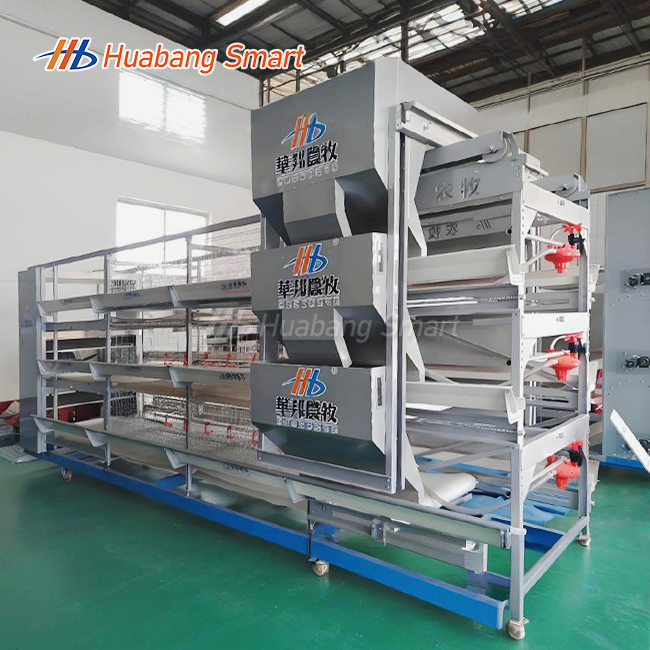
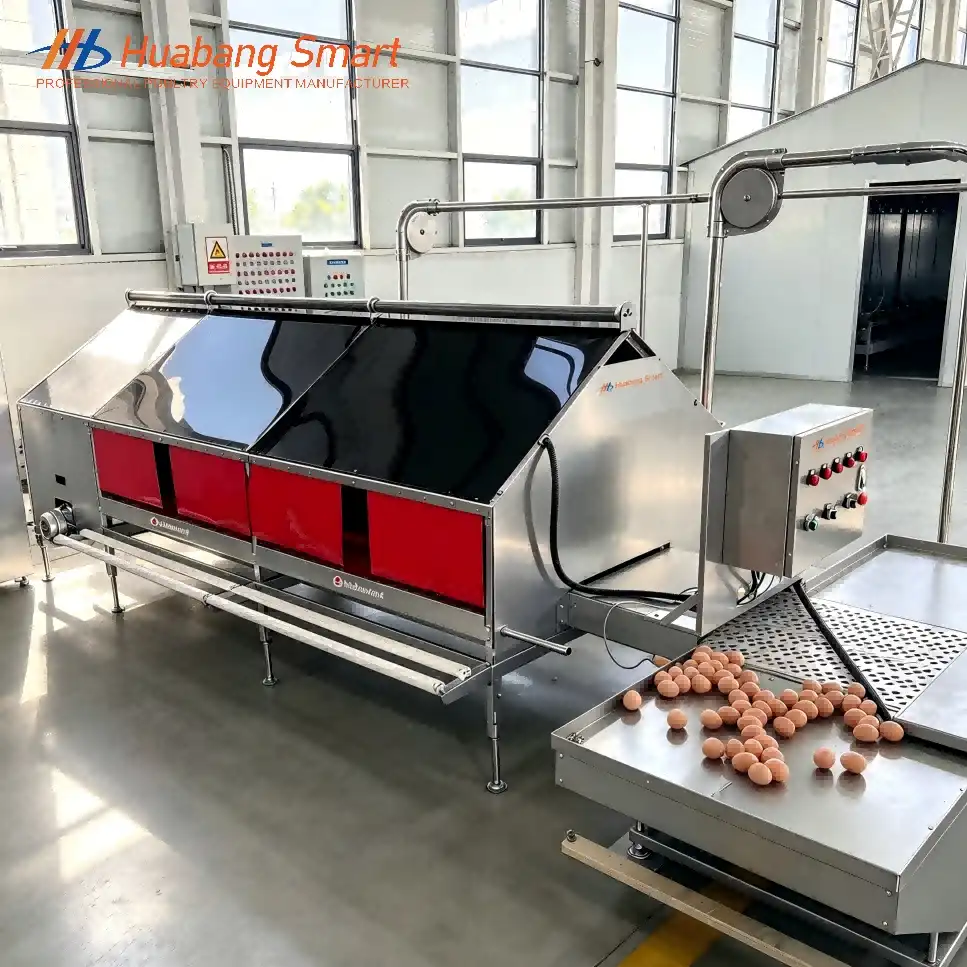
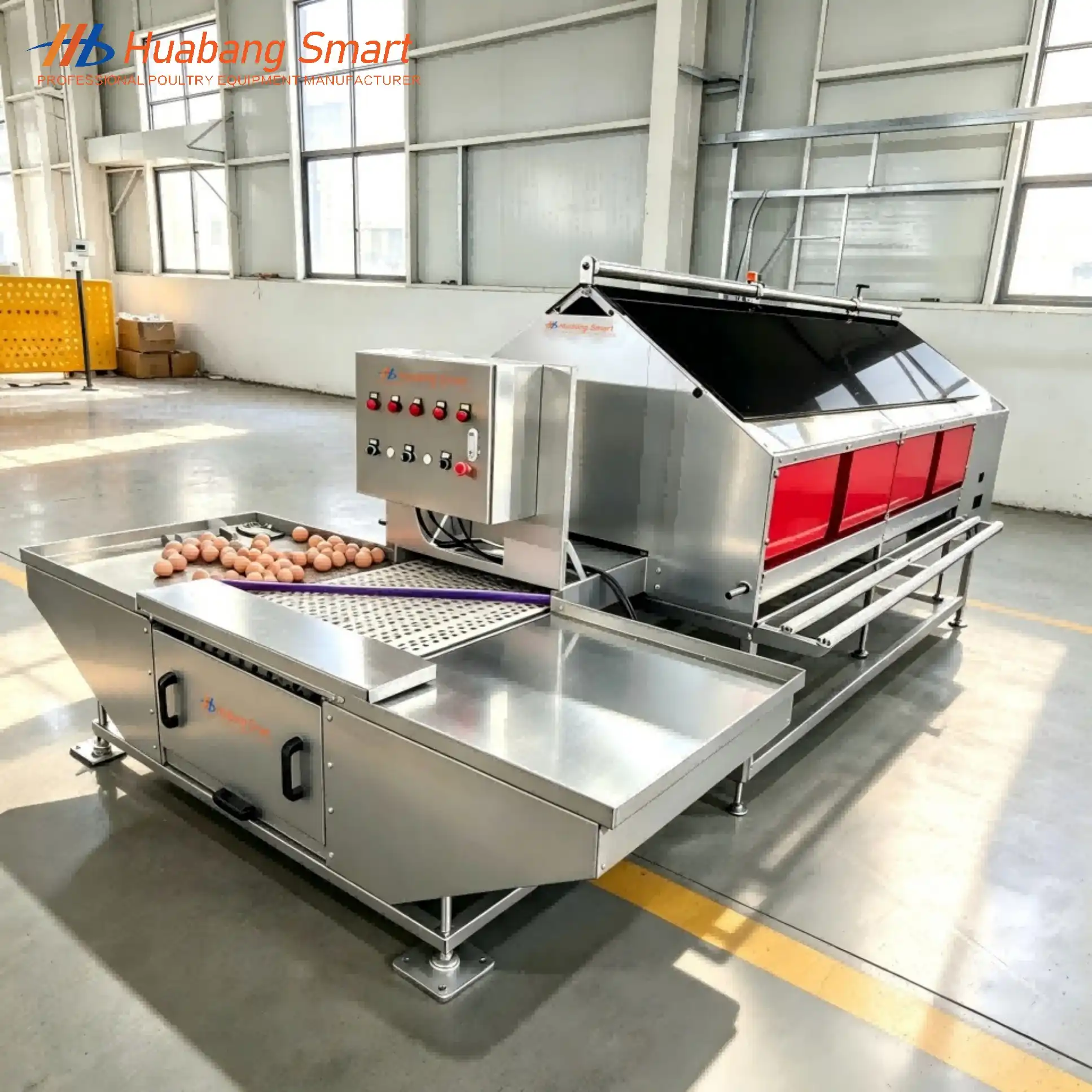
"Automatic" can mean a lot of different things. Some are just plain Automatic Chicken Nest Boxes that roll away and have a sloped bottom that lets the egg fall out of the nest on its own. Some connect to an egg belt, a platform, and short-term storage, so you don't have to carry the eggs to the middle by hand. Because roll-away nests separate eggs from hens earlier than regular ones, eggs are less likely to break, get dirty, or be eaten. To find out what features your configuration has, click on it. It's made up of three parts: an egg-collecting base, the nest itself, and the egg-collecting belt at the back. When you know the scale ahead of time, you won't be shocked by how much work costs later on.
Check the Nest Body Features
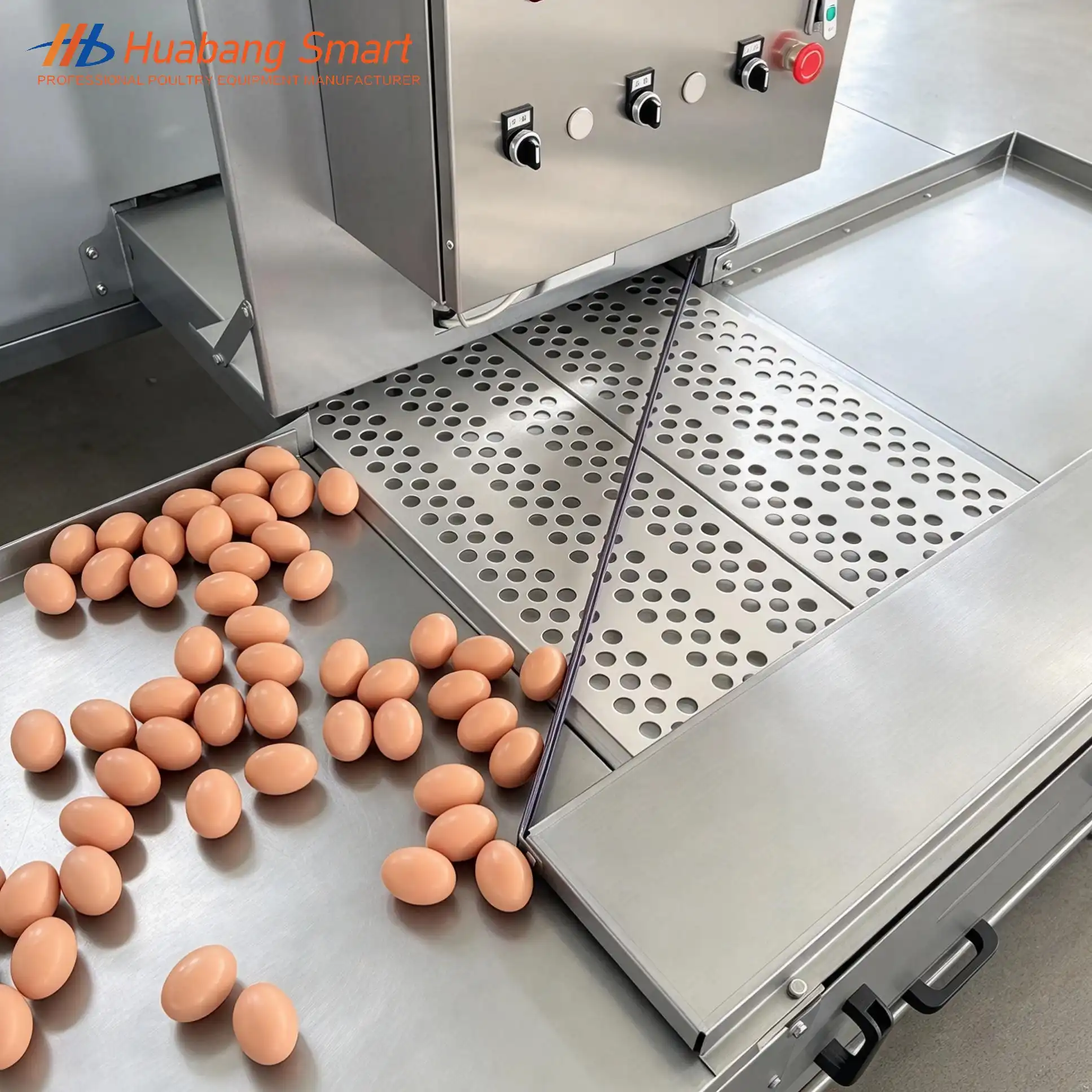
The nest body decides how safe the hens and eggs are. There are several hens in our group, and they can all lay eggs at the same time, keep birds from perching, carefully lift birds that are broody, and spread the flock out. A cushion structure keeps each egg safe as it rolls, and an anti-perching structure on top keeps hens from resting on the nest and making it dirty. The smart tipping system moves hens that are getting ready to lay eggs out of the way so they don't get in the way. Flock dispersion helps the birds get spread out across the nests. These things help with problems like too many people, dirty nests, and cracked shells in homes with a lot of people.
Inspect the Platform and Belt Rear End
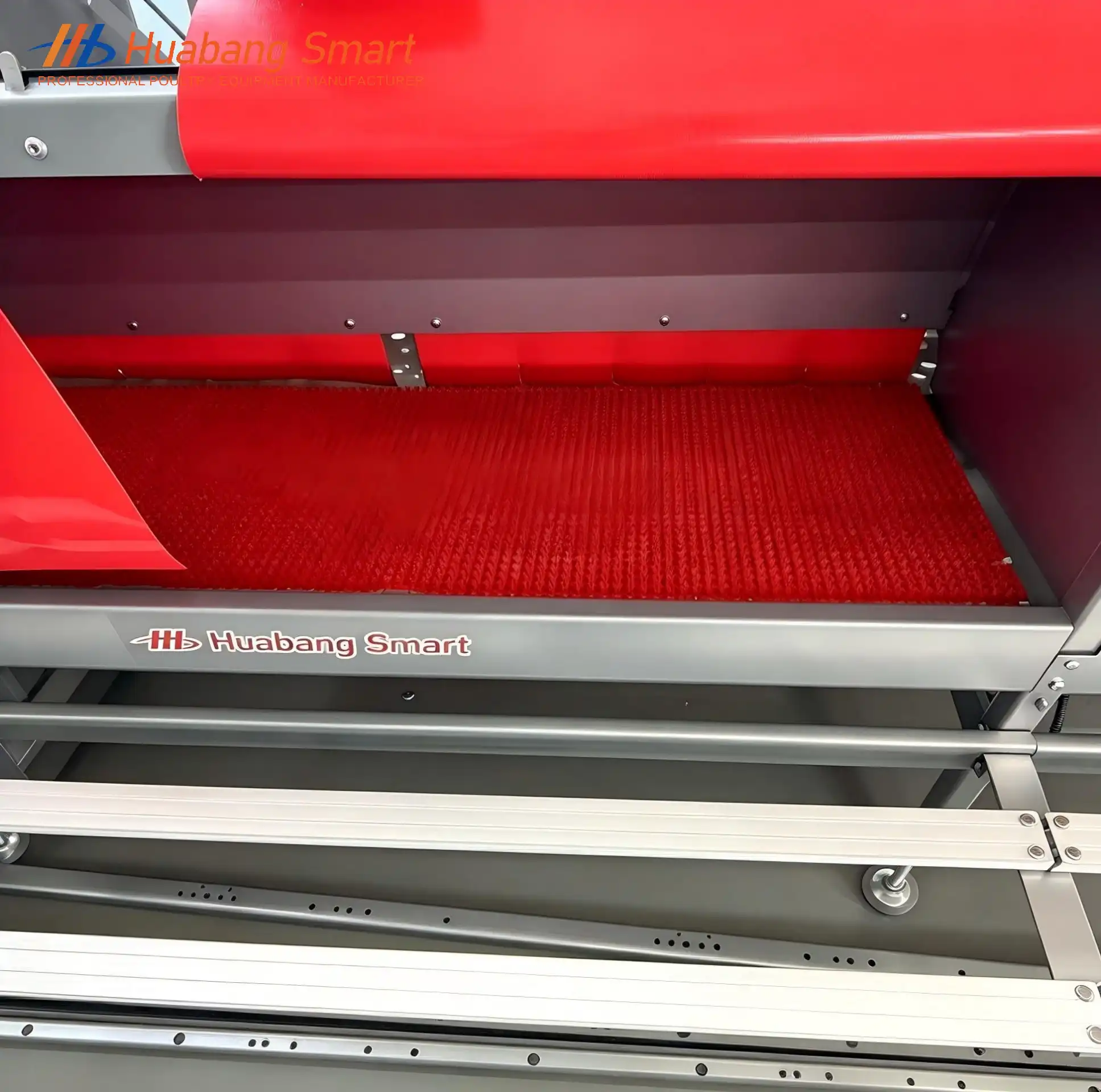
The eggs fall from the nest and drop on the platform. Staff then pick them up and put them on trays. The platform picks up eggs, moves them, and temporarily stores them all in one spot, so eggs don't pile up during a busy round of collection. The back end of the egg-collecting belt changes the force and the path of the belt so it stays straight near the far end. So I always ask how the tension is set and how the line is kept. If the belt moves or slides, it can break or jam eggs. At this point, an accurate mechanical design works with stable, low-power operation along the production line.
Compare Performance Metrics, Materials, and System Types
Track Measurable Performance Indicators
In order to avoid making false claims, I ask buyers to keep track of numbers. A good way to tell is by how many broken eggs, dirty eggs, floor eggs, nests are being used, collection time per round, and hens served per module. Broken or dirty shells are listed as flaws in the USDA Egg-Grading Manual that lower the grade of an egg. This means that these numbers are directly related to sales. Keep track of how things are now and then compare them to the test results. That's a red flag if a provider can't explain how the way they made something changes these measures.
Judge Materials and Durability
There is a lot of water, ammonia, dung, and washing around nests, which makes it hard to live there. Check out a panel, box, hinge, latch, bracket, or roll-away part to see how long it will last. Steel doesn't rust because it has a zinc layer on it, and stronger steel doesn't bend when it's heavy. Huabang Smart products' bottoms are made of extra-thick 3mm hot-dip galvanized steel, and they are approved by both ISO9001 and CE. Things that are easy to clean and don't hold dirt are also good for hygiene. Write down the important things you need to know and then compare them to the quotes.
Compare Compact, Modular, and Commercial Systems
Because they are easy to set up, small farms and backyards are good places for compact Automatic Chicken Nest Boxes. When farms grow, modular systems are a good choice because they use standard parts and let you add capacity in steps. For flocks with a lot of hens, commercial laying hen nests need to be built stronger, be able to use belts, and have good technical support. Huabang Smart can do OEM or ODM work for distributors and projects of all shapes and sizes. They can also use your drawings to make designs just for you. Compare not only the price per unit but also the price of the whole thing, which should include shipping, setup, warranty, spare parts, accessories, and any other costs that come up. When you lay it out several times, a cheaper box that always needs to be fixed or picked up by hand usually costs more.
Plan Installation, Training, and Maintenance
Confirm Installation Details Before Ordering
Even a well-built Automatic Chicken Nest Box won't work as well as it could if it's in a crowded place or not at the right height. Before you order, make sure you know the belt's size, how it's mounted, how much aisle space it needs, how easy it is to collect, how much power it needs, and how well it breathes. So that hens don't get stuck at one end, lines for food and water shouldn't go through nests. When you use Huabang Smart, your crew doesn't have to set up everything by themselves. Site planning, product design, full setup lists, video installation guides, on-site installation, and local help after the sale are all things that they do abroad.
Introduce Hens to the System Properly
If hens wait until the nest is ready before laying their eggs, they learn faster. The EFSA wrote in 2005 that hens are very motivated to find a safe place to lay their eggs. If you put up the nests early and fill them with clean bedding, the birds won't lay their eggs in places they don't want to. During the first few weeks after setting up the nest, keep an eye on how it is used, how clean it is, and how many eggs are broken. Then change the world around you. There is a problem with the plan or lighting if you see floor eggs.
Build a Cleaning and Maintenance Routine
The eggs stay fresh longer and the tools last longer when they are cleaned. The FDA Egg Safety Rule, 21 CFR Part 118, says that farmers with 3,000 or more laying hens must take steps to protect their flocks from Salmonella Enteritidis. These plans work better when nests are clean. Check the places where the eggs are kept every day and throw away any broken eggs, wet bedding, feathers, or manure that you find. To clean, rinse, cleanse, and take things apart, get rid of any dry dirt or dust, wash, rinse, and let everything dry to the touch. Make a list of the damage, such as rust, cracks, blocked egg paths, loose fasteners, sharp edges, and uneven belt tension. Make sure you have spare parts like trays, springs, and rollers on hand.
Select a Supplier and Make the Final Decision
Vet the Manufacturer's Capability
A price quote only has one line. A good Automatic Chicken Nest Box maker should give you clear directions, plans for how to put the box together, details about the materials, packing rules, and how to keep the box in good shape. Check the company's track record of exports, its ability to make things, its guarantee, its ability to get spare parts, its minimum order size, its wait times, and its certificates. Huabang Smart has been making products for 17 years and has customers in more than 100 countries. It has 49 patents on core technologies. We make things in 30 to 60 days. Make sure you know the Incoterms, import documents, and pallet standards before you send an order overseas.

Avoid Common Buying Mistakes
This kind of mistake is made over and over in different projects. When customers choose capacity, they don't think about how groups will act; they skip over cleaning access, or they choose materials that can't handle being wet and germ-free over and over. Some people forget to include extra parts or mix up full automation with simple roll-away separation. Nominal capacity doesn't mean much if there isn't enough light, the doors are too small, the bedding is too thin, or there are a lot of other hens. Before you sign, make sure you fully understand the setup, including the drawings, the limits of what you can do, the preventative maintenance, the plan for extra parts, and the training. Get a written list of everything that each Automatic Chicken Nest Box function does.
Use a Final Selection Checklist
You must pick two to four items and grade them all the same way. There are technical problems with things like the tray's safe access for hens, its capacity, its material, its ability to separate eggs, and its surfaces that can be cleaned. Size, mounting strength, aisle space, lighting, airflow, and how easy it is for staff to get in are all site points. Some business issues to think about are the seller's experience, the inspection, the guarantee, the delivery date, the packaging, the shipping terms, the choice of being an OEM or ODM, and the landing cost. When there are a lot of sales or the job is risky, test a sample first. When you're done with the checklist, your team can use it as a record to make sure everything is okay.
Conclusion
When you have a big group of chickens, you need to find an Automatic Chicken Nest Box that fits your hens, your home, and the way you work. The number of nests should depend on how many eggs the hens lay at their busiest time and on rules like the EU's one nest for every seven hens. It's important to look at the belt rear end, the egg-collecting platform, and the nest body because they all affect how well they break, stay clean, and do their job. You can check to see if a design works by looking at the rates of broken eggs, dirty eggs, and floor eggs. Galvanized steel frames, parts that can be taken off, and spare parts that are easy to find all make sure that the furniture will last a long time. To keep the eggs safe and follow food safety rules like FDA 21 CFR Part 118, it's important to set up the coop correctly, let the hens get used to it, and clean it every day. The study looks at things like experience, certifications, and professional support from the provider. To make sure that comparisons are fair, a list is written down.
FAQ
How many hens can one nest serve?
One nest should be set up for every seven hens, or up to 120 hens should fit in a group nest that is one square meter in size. Before you buy it, find out how many eggs an Automatic Chicken Nest Box can hold.
Does an Automatic Chicken Nest Box reduce egg breakage?
Because the cage is protected and rolls away quickly, hens can't crack, dirty, or eat the eggs. What happens depends on how the system is set up, lit, and run.
How do I train hens to use the nests?
Before the birds start to lay eggs, put up nests and fill them with clean materials. Don't let them lay eggs anywhere else. Watch the floor eggs for a few weeks to get used to them.
How often should I clean the nests?
As part of your disease-control plan and the manufacturer's instructions, check it out, clean it up, wash it, and disinfect it every day.
Can Huabang Smart customize nests for my house?
Yes. We can do OEM and ODM work, and you can send us drawings to use as a guide. Not only that, but we can also help plan the site, make video installation guides, and do the installation itself.
Request a Customized Automatic Chicken Nest Box Recommendation from Huabang Smart
Huabang Smart makes Automatic Chicken Nest Boxes right on their own. As a one-stop shop, they offer a full service that covers everything from planning the site to installing the boxes abroad. They are certified by ISO9001 and CE. Send your flock size, house plans, and the date you'd like to arrive to ginny260831@gmail.com or huabangsmart002@gmail.com , and our team will help you find a way to set up your home that works for you. It's made over 30 to 60 days. You can find out more about this item at poultrycage.com.
References
1. Council Directive 1999/74/EC Laying Down Minimum Standards for the Protection of Laying Hens, 1999
2. U.S. Food and Drug Administration, Prevention of Salmonella Enteritidis in Shell Eggs During Production, Storage, and Transportation (21 CFR Part 118), 2009
3. USDA Agricultural Marketing Service, Egg-Grading Manual (Agricultural Handbook 75), 2000
4. EFSA Journal, Welfare Aspects of Various Systems of Keeping Laying Hens (Scientific Opinion of the Panel on Animal Health and Welfare), 2005
5. CABI, Poultry Behaviour and Welfare, 2004
6. United Egg Producers, Animal Husbandry Guidelines for U.S. Egg Laying Flocks, 2017

USER EVALUATE
Here is the customer's evaluation of us