
The Best Chicken Feeder for Backyard Chickens
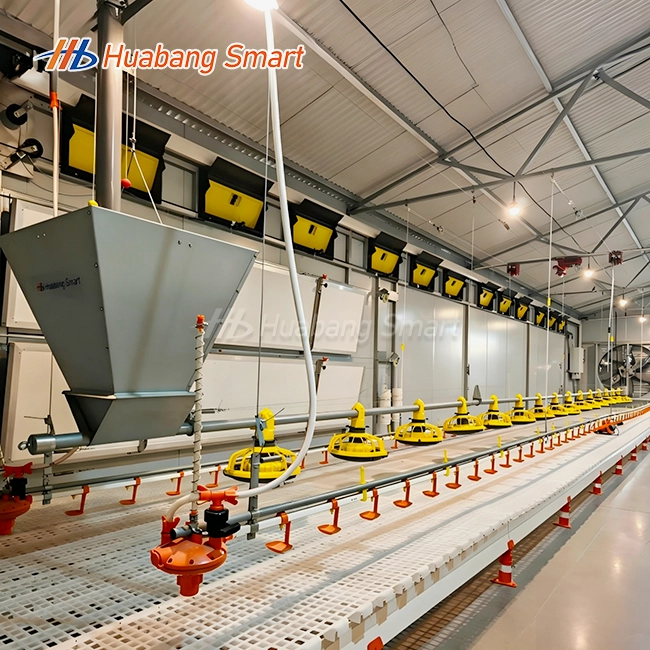
A good Chicken Feeder is the most important thing you can get for your flock if you want to feed them effectively. Professional-grade feeding systems not only save feed and cut down on waste, but they also improve the health of the flock by making it cleaner and making sure that they get the right amount of food every time. Choosing the right feeder has a direct effect on your Feed Conversion Ratio (FCR), how much labour you use, and your long-term working costs, whether you are running a small operation in your garden or moving up to commercial production. Modern automated pan feeding systems, like those with 330mm diameter pans, 16 feeding cells, and a capacity of 1400 kg per hour, are a big step forward in the technology used to care for chickens. They offer precise feeding and long-lasting use thanks to food-grade materials and waste-reducing engineering.
Understanding Chicken Feeders: Types, Materials, and Uses
Chicken Feeders are specialised pieces of equipment made to store and give out feed while preventing contamination and spoiling. Professional units take care of important problems like wasted feed from birds scratching, food going bad from too much moisture, and pests getting in. With the right feeding system, you can cut down on feed waste by up to 25%, which will save you a lot of money in the long run.
Manual vs Automatic Feeding Systems
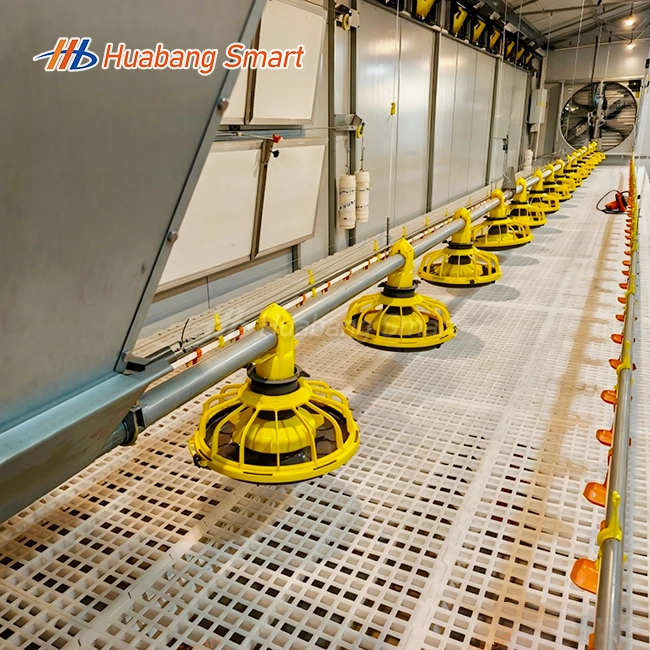
Manual feeders need to be refilled and adjusted by a person on a frequent basis. This group includes trough-style and gravity-fed hoppers, which are easy to use and don't cost as much up front. They work well for small groups where there is plenty of labour. Automatic methods, on the other hand, use mechanical or computer controls to send food at set times. The fully automatic pan feeding system is a great example of this progress. It uses auger drive technology to make sure that the feed is distributed evenly and there are no dead spots. This cuts down on labour needs by a huge amount and improves the consistency of flock performance.
Hanging, Portable, and Pan-Based Designs
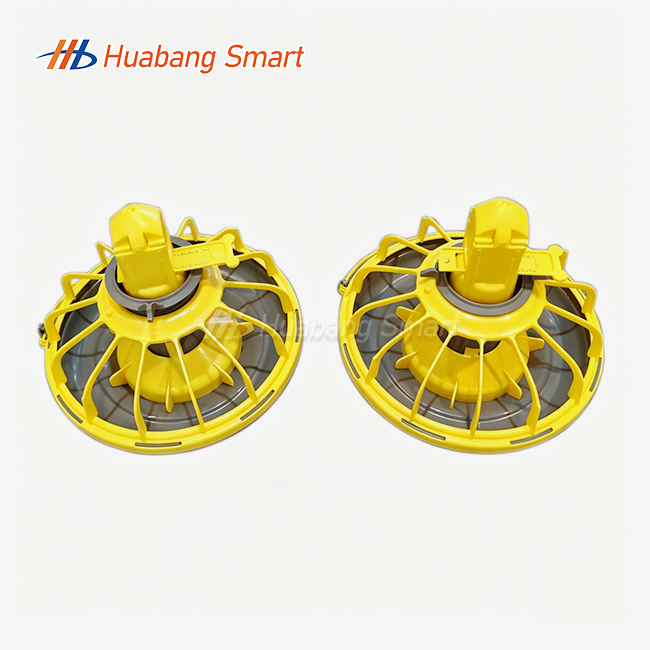
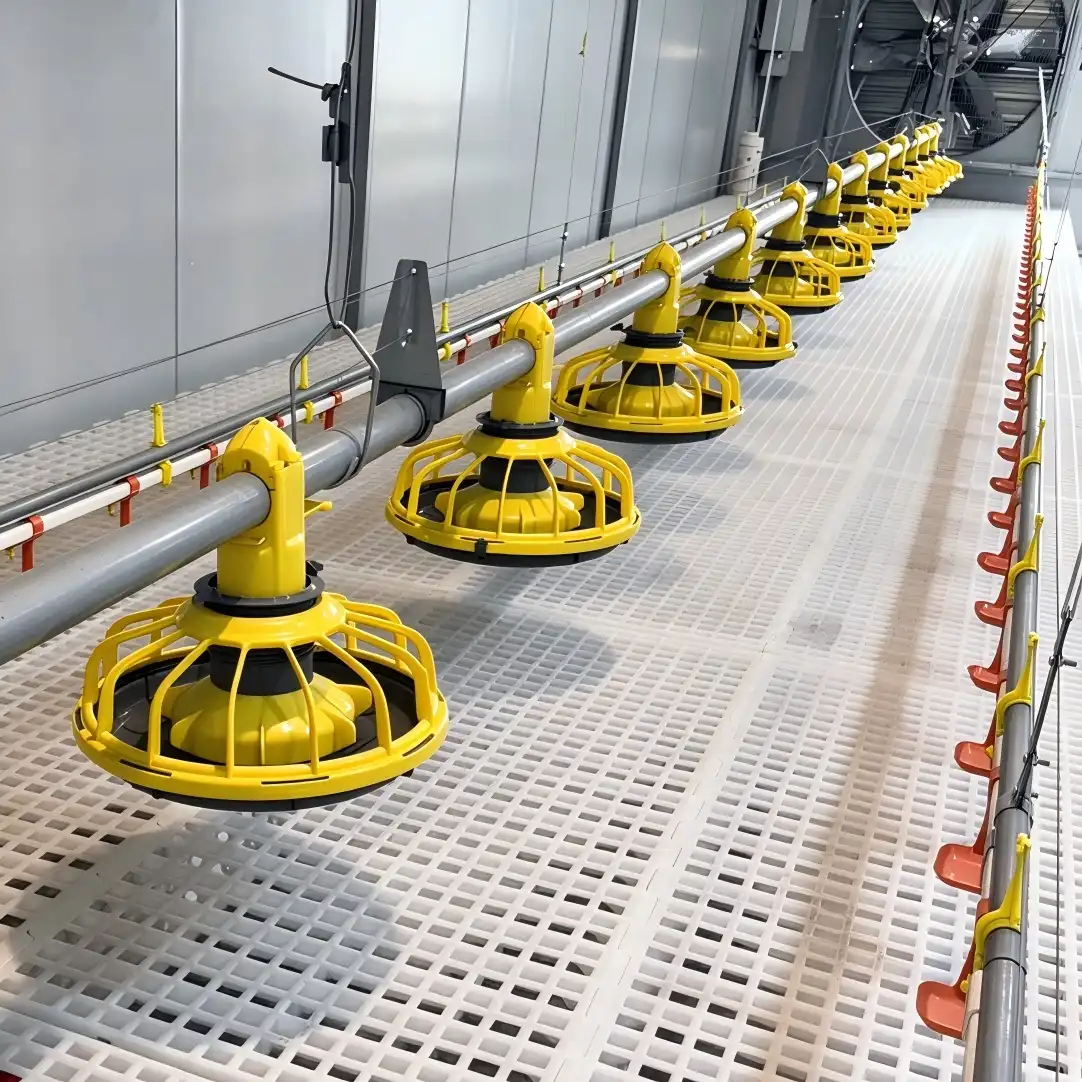
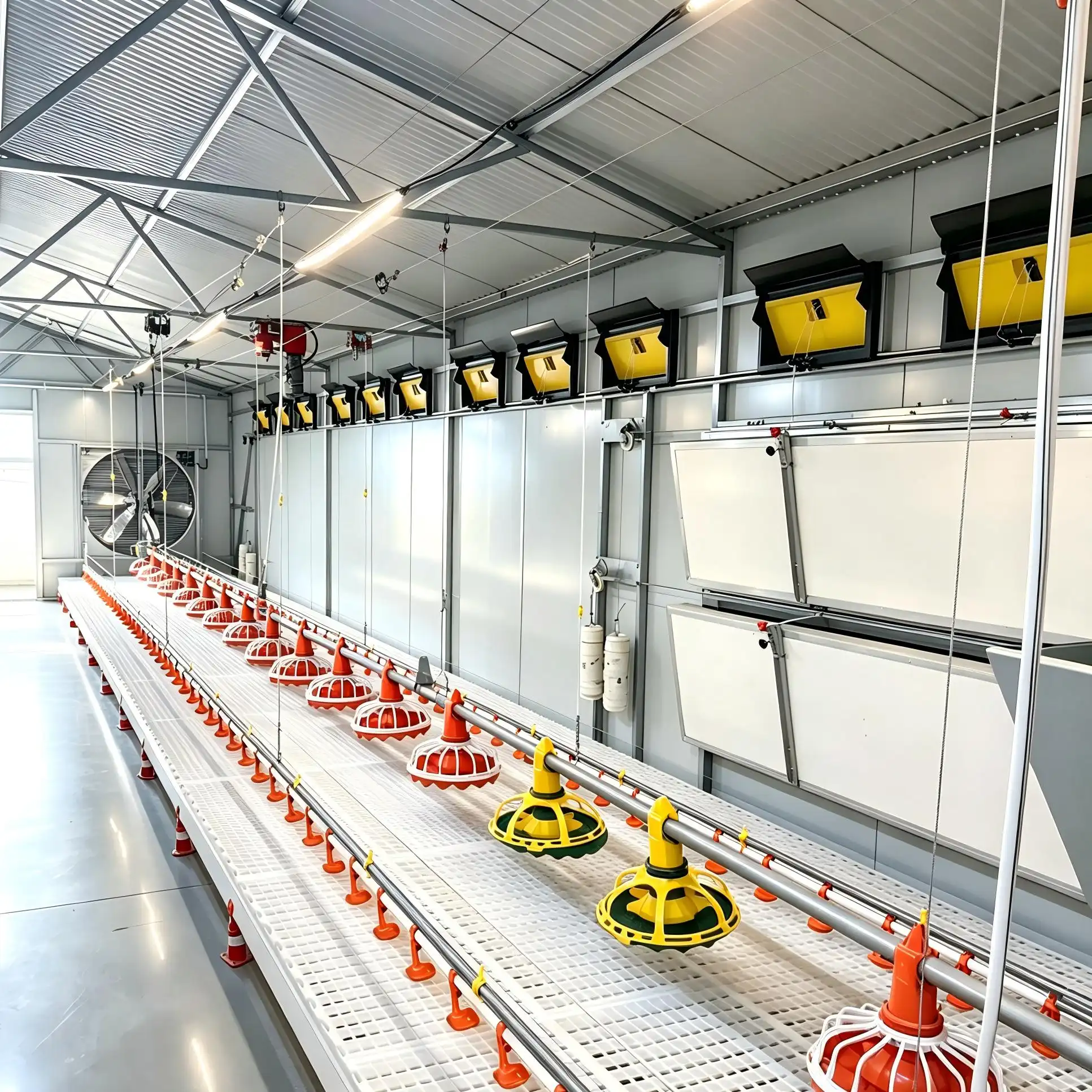
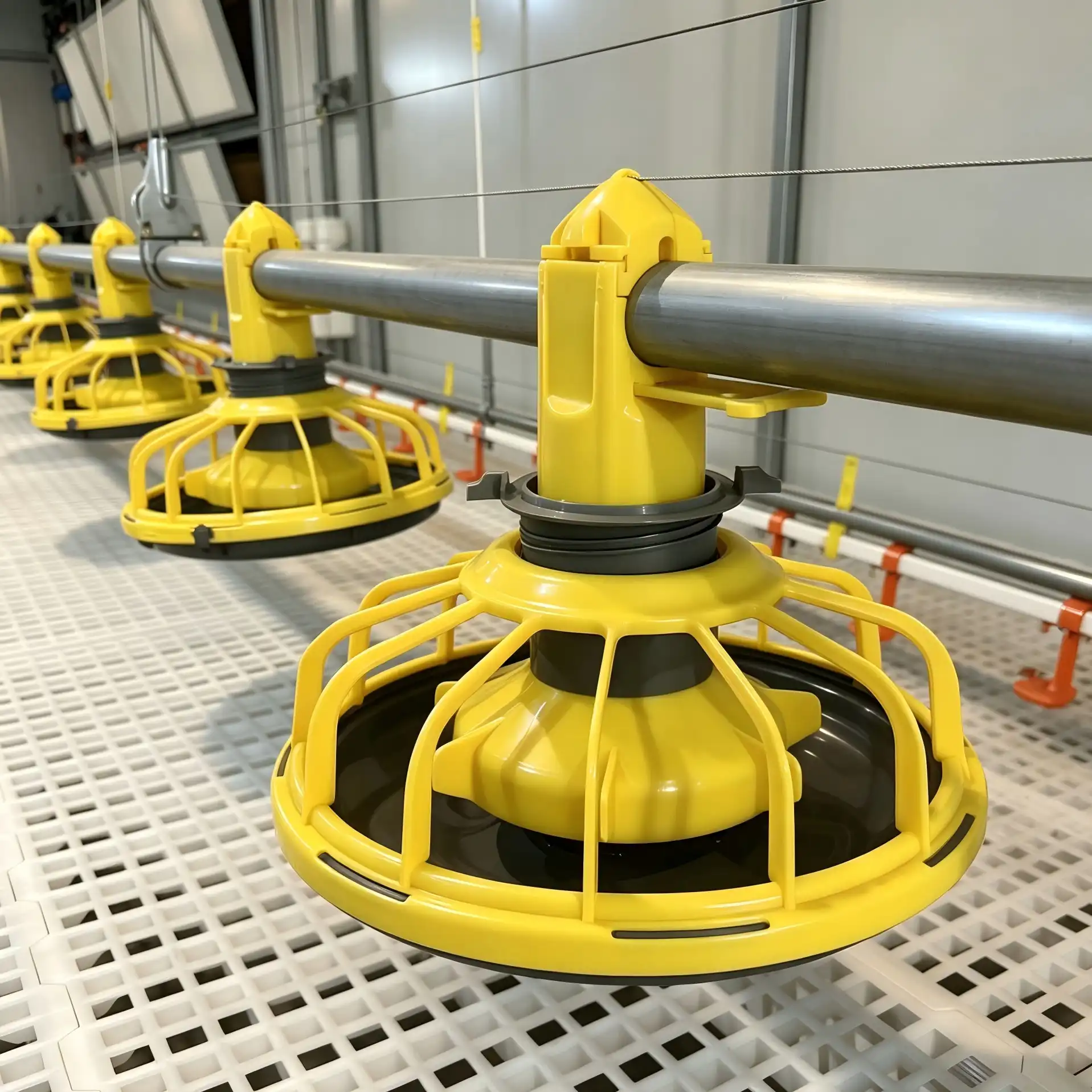
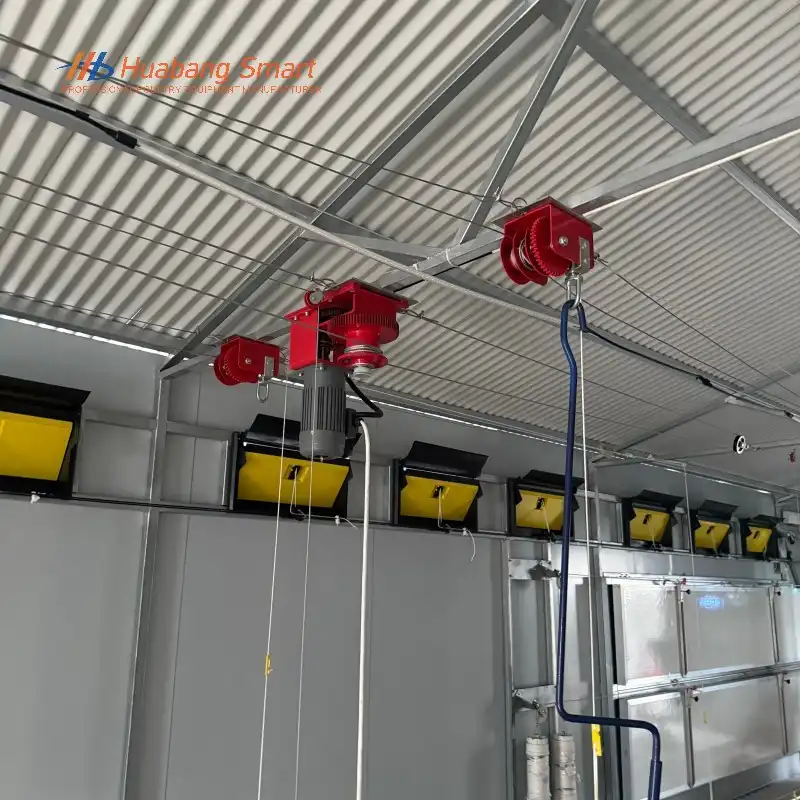
Hanging feeders are above ground level and keep food dry and easy to get to while keeping litter from getting dirty. Portable Chicken Feeder units give you options for mobile coops or rotating feeding. Pan-based feeders, especially those with precise height adjustment via winch systems, make it easy for birds to get to food and keep them from getting too crowded. The 330mm diameter pan with 16 cells makes the best use of space for feeding by letting multiple birds eat at the same time without hurting or competing with each other.
Material Selection: Plastic, Stainless Steel, and Beyond
The choice of material has a big impact on how long a feeder lasts and how much care it needs. High-density polyethylene (HDPE) and fresh polypropylene (PP) are safe for food, don't rust, and are easy to clean. These BPA-free polymers keep chemicals from leaching out and can handle acidic feed additives. Stainless steel lasts longer in harsh environments because it doesn't rust or grow bacteria. Galvanised steel frames with extra-thick 3mm hot-dip coats provide the strongest structure, which is especially useful in seaside areas with a lot of salt water. New eco-friendly composites meet sustainability goals while still performing well, making them appealing to businesses that care about the environment.
How to Choose the Best Chicken Feeder for Backyard Chickens
Decisions about what to buy depend on a thorough analysis of operational parameters and equipment specifications. Knowing the size, type, and growth path of your flock will help you decide how much space you need and what kind of plan you want.
Capacity and Flock Size Considerations
Waste Reduction and Feed Efficiency Metrics
Features that stop waste, like improved grills and precisely engineered lips, stop feed from raking and spilling. Diseases like coccidiosis and lung infections are less likely to happen if trash is kept dry. Automated systems with timed dispensing stop animals from being overfed, keeping the FCR at its best and lowering the amount of nitrogen in the environment that comes from their waste.
Durability and Total Cost of Ownership
The initial cost of a Chicken Feeder must be weighed against the product's lifespan and how often it needs to be maintained. UV-stabilized plastics don't break when left out in the sun for a long time, and metals that don't rust last for decades. Modular designs make it easy to take things apart quickly for cleaning and replacing parts, which cuts down on downtime. A one-year promise from a company like Huabang Smart guarantees quality and makes it easy to get help.
Cleaning and Maintenance Requirements
Sanitation rules between flock rounds stop pathogens from spreading. Surfaces that are smooth and don't have pores make chemical cleaning and pressure washing easier. Biofilm can't form on food-grade materials, so they stay in line with international biosecurity standards like ISO 9001. Feeders that don't need to be taken apart too much speed up turnaround and lower the cost of labour during cleanouts.
Comparative Analysis of Leading Brands
Miller Manufacturing makes strong galvanised models that are great for outdoor use. RentACoop specialises in plastic modular systems with clear containers that can be used for tracking. Premier1 offers portable solutions that work well for operations that take place on pasture. Omlet Eglu combines modern style with practicality for people who keep a garden in an urban area. Even though each brand is aimed at a different group of people, they all stress that their products are less wasteful and easier to maintain. By comparing these to your operational needs and budget, you can make an informed supplier choice and look for possible OEM collaboration opportunities.
Installation, Use, and Maintenance Best Practices for Optimal Performance
Setting up equipment correctly and giving it regular care will make it last longer and keep the health of your group at its best.
Strategic Feeder Placement
Using winch systems that can be adjusted to follow a bird's growth, place the chicken feeder at the right height—shoulder level for adult birds, for example. Place units away from waterers to keep the quality of the dry feed and avoid contaminating it with water. Hanging devices keep food above litter, which keeps things clean and stops pests from getting to it.
Feeding Schedules and Monitoring
Scheduled feeding times that are in sync with circadian rhythms can be made possible by automated systems. This helps digestion and growth. Smart compatibility features let you keep an eye on your data, track how much you use, and get alerts when there are any strange trends that could mean a health problem or a problem with your equipment. Visual checks done on a regular basis make sure that the feed flow keeps going and find wear before it causes problems.
Cleaning Protocols and Hygiene Standards
To deep clean between flock rounds, the Chicken Feeder must be taken apart completely, washed with disinfectant-approved pressure water, and dried completely before being put back together. Every day, spot checks get rid of waste and spoiled food. Using odourless, food-grade materials makes cleaning easier and stops waste from building up, which supports long-term cleanliness and regulatory compliance.
Comparative Insights: Automatic vs Manual, Plastic vs Stainless Steel Feeders
When picking between levels of automation and types of materials, you have to think about operational scale, budget, and the environment.
Automatic Systems for Labor Efficiency
Automated feeders free up workers to do more skilled work, like keeping an eye on patients and maintaining the building. High-capacity pan systems that can distribute 1400 kg per hour remove the need for hand refilling, which is especially helpful in large-scale operations where the cost of labour has a big effect on profits. Smart integration lets managers make decisions from afar, which boosts productivity by using data to guide decisions.
Manual Feeders for Small-Scale Flexibility
Manual units work best for smaller groups where you can feed them personally, watch their behaviour, and find diseases early on. They are easier for first-time chicken keepers to get into because they require less money to start. But as the group grows, so does the amount of waste and work that needs to be done. This means that automation is no longer cost-effective after 100 birds.
Material Trade-Offs: Durability vs Cost
Chicken Feeder systems made from stainless steel are not affected by extreme temperatures or acidic conditions, which is why they cost more but last longer—often more than 20 years. Plastic feeders are cheaper, easier to move around, and do not rust. However, they may need to be replaced every 5 to 10 years due to UV degradation and impact damage. The most cost-effective choice for certain operating situations can be determined by evaluating the total cost of ownership, including maintenance and replacement cycles.
Eco-Friendly and Low-Waste Options
Business-to-business demand for environmentally friendly solutions is pushing new developments in recycled plastics and production that uses less energy. Feeders that are made to make as little waste as possible are in line with companies' environmental promises because they avoid adding to landfills and using up resources. Choosing suppliers with ISO 9001 certification and clear supply chains helps procurement strategies that put sustainability and performance at the top of the list.
Where and How to Buy Chicken Feeders: Procurement Strategies and Trusted Brands
Strategic sourcing makes the supply chain work better and makes sure that good equipment is available at reasonable prices.
Bulk Purchasing and Supplier Evaluation
When you buy a lot, you can get big discounts and better payment terms. Look at how much a supplier can produce, how reliable their deliveries are, and what kind of warranties they offer. Check for approvals like CE compliance and manufacturing standards that make sure the product is safe and will last. Building partnerships with companies like Huabang Smart, which provides both OEM and ODM services, lets you make changes that fit the temperature, farm size, and operating needs of your area.
Leading Manufacturers and Market Positioning
Shandong Huabang Agricultural And Animal Husbandry Machinery Co., Ltd. has been designing and making machines for 17 years and offers complete solutions that include planning the site, helping with installation, and providing support after the sale. Their pan feeding systems have 49 core technology patents and are made to last. They are good for broilers, layers, and mixed flocks because the feed pipes are made of PVC (75mm x 3.6mm). Harris Farms and similar American brands make their products easy to get through regional distributors. On the other hand, international suppliers offer unique designs for niche markets.
Procurement Channels and Authenticity Verification
Direct contact with the manufacturer, authorised distributors, and verified B2B platforms are all examples of reliable channels. Before making a decision, ask for product specs, certifications for the materials, and client references. Physical checks or audits by a third party lower the risk of getting things that aren't up to par. When negotiating, strategies that focus on long-term partnerships and repeat business encourage suppliers to provide better service and lower prices.
Conclusion
When choosing the best Chicken Feeder, you need to think about how automated it is, how durable the material is, how wasteful it is, and how reliable the supplier is. Automated pan feeding systems with high throughput and smart compatibility are the latest innovation in poultry nutrition technology. They improve FCR, labour efficiency, and flock health in a measurable way. A systematic review of feeder types, materials, and brands is helpful for procurement managers and farm workers because it makes sure that investments are in line with operational goals and sustainability promises. Long-term success and operating excellence are ensured by working with experienced manufacturers who offer full support, from creation to service after the sale.
FAQ
What is the best feeder type for a small backyard flock?
For flocks of less than 20 birds, gravity-fed manual feeders that can hold 5–10 kg are easy to use and don't cost much. Hanging forms keep feed dry and easy to get to, which cuts down on waste and pests.
How often should feeders be cleaned?
Spot cleaning should be done every day to get rid of waste and spoiled food. Deep sanitation, which includes taking everything apart and disinfecting it, stops the spread of disease and keeps biosecurity high.
Are automatic feeders cost-effective for medium-sized farms?
Automated systems usually pay for themselves in 18 to 24 months for groups with more than 100 birds because they cut down on labour costs and make better use of feed. Commercial settings get the most work done and make the most money with high-capacity types that can move 1400 kg per hour.
Partner with Huabang Smart for Superior Poultry Feeding Solutions
Leading Chicken Feeder manufacturer Huabang Smart focuses on fully automatic pan feeding systems designed for broilers, layers, and mixed poultry farms. Our equipment is ISO 9001 and CE-certified, and it has 330mm diameter pans that can handle 1400 kg/h and are made of food-grade materials that are safe and long-lasting. We've been making high-quality products for 17 years and offer OEM customisation, one-year warranties, and a wide range of services, such as site planning, installation help, and support around the world after the sale. Our 49 patented technologies allow for precise height adjustment, waste-free designs, and smart integration for managing flocks based on data. Email us at admin@huabangxm.com to talk about bulk sales, custom setups, and ways to work together. You can look through our full catalogue of products at poultrycage.com and learn how Huabang Smart can help your poultry business run more smoothly.
References
1. Brown, K. (2022). Advanced Poultry Nutrition and Feeding Systems. Agricultural Press International.
2. Chen, L., & Torres, M. (2021). "Material Science in Modern Poultry Equipment Design," Journal of Agricultural Engineering, 58(3), 412-429.
3. Global Poultry Institute. (2023). Best Practices in Commercial Poultry Management. Livestock Publishing Group.
4. Harris, J. (2020). Automated Feeding Technologies for Livestock Production. Farm Tech Publications.
5. Smith, R., & Patel, S. (2023). "Economic Analysis of Feed Waste Reduction Strategies," Poultry Science Review, 102(7), 1547-1563.
6. Williams, T. (2021). Sustainable Livestock Systems: Equipment and Management. EcoAgri Press.

USER EVALUATE
Here is the customer's evaluation of us