
3 Biggest Benefits of Automatic Chicken Nest Box
The 3 biggest benefits of an Automatic Chicken Nest Box are fewer broken eggs, lower labor needs, and better hygiene with steadier flock management. The roll-away design moves each egg away from the hen and into a protected collection path, so fewer eggs crack or pick up manure. A central collection point cuts the walking and checking that manual nests demand. Separating eggs from litter also keeps shells cleaner and makes daily routines easier to repeat across houses. This guide shows how each benefit works in practice, what to check before buying, and how we build our system at Huabang Smart.
Why Automatic Chicken Nest Box Systems Are Gaining Attention
The Problem With Manual Nest Collection
In traditional nests, someone has to walk around the house, open each nest, and pick up the eggs by hand. Hens peck, scratch, and step on eggs when they're not being watched. More dirty or cracked eggs are likely to be laid when eggs land on dirty furniture. For each grade, the USDA Egg-Grading Manual lists the worst shell conditions that can happen, such as cracks and spots. So, every loss at the nest changes the grade and the price. When there are a lot of hens on a farm, even small losses and multiple collection rounds add up over the course of a laying season.
What an Automatic Chicken Nest Box Actually Does
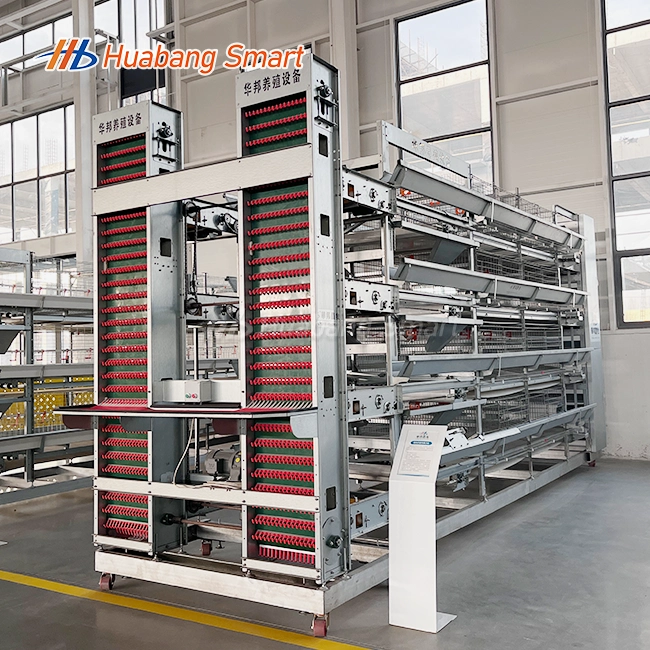
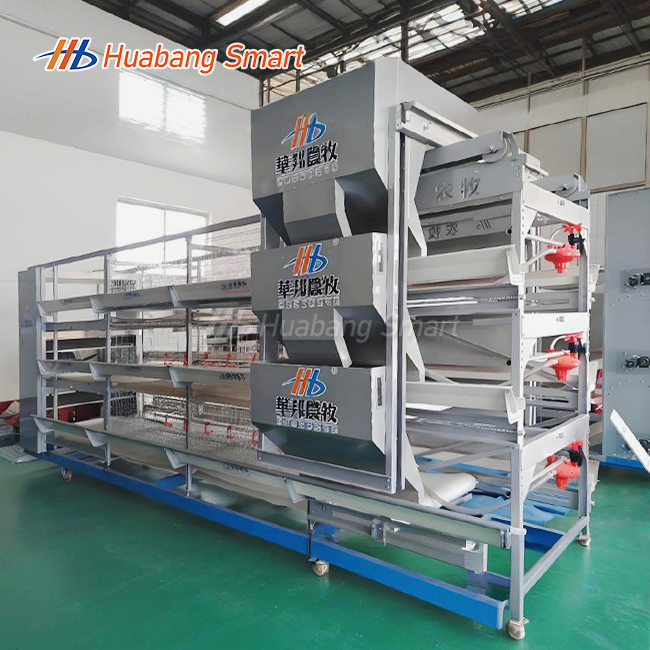
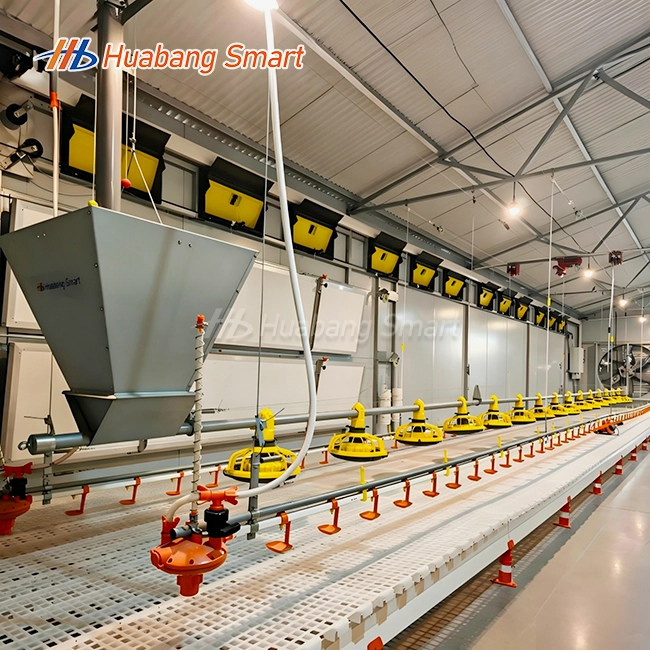
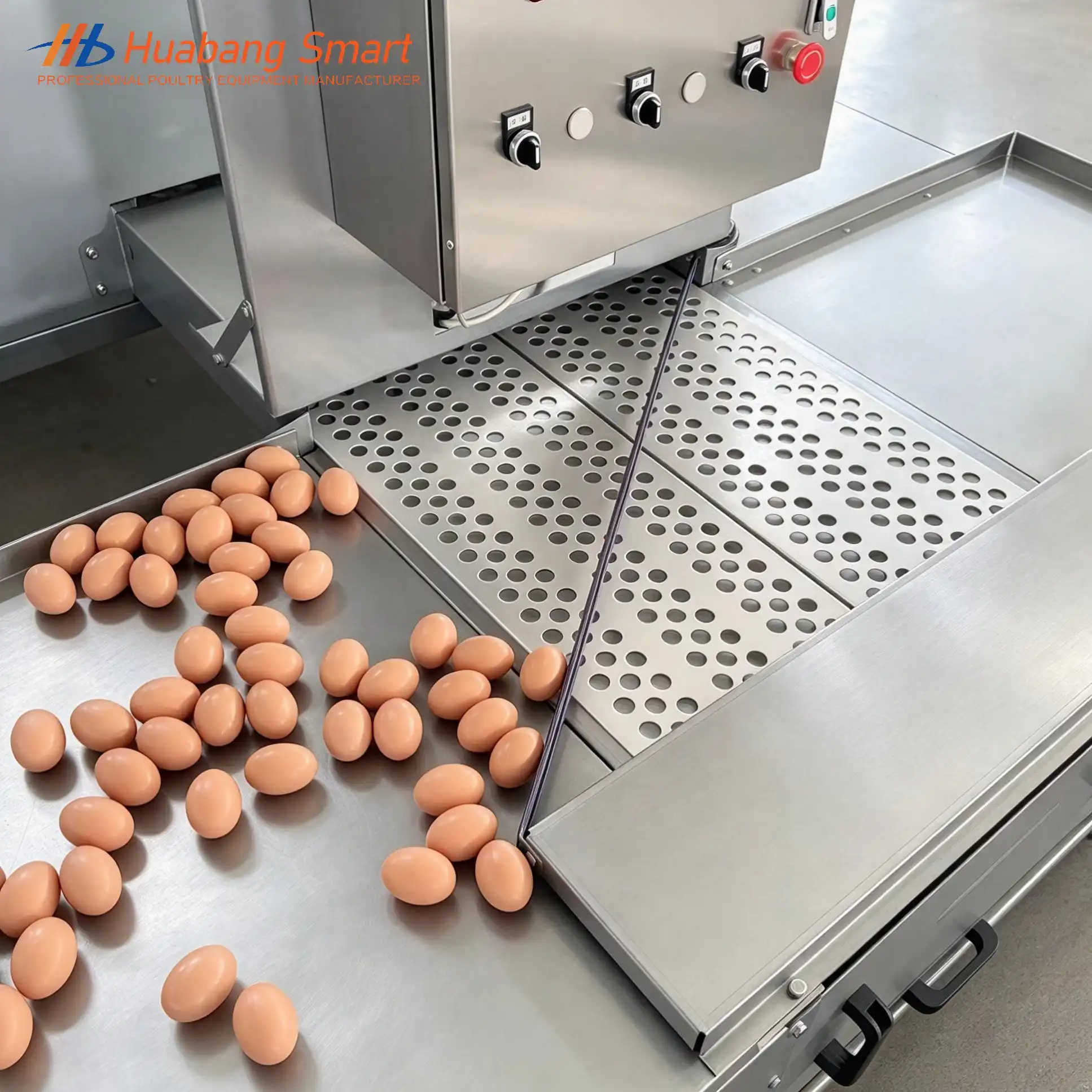
Each egg is moved out of the laying area and onto a safe path by an Automatic Chicken Nest Box's roll-away design. We have three parts that work together: the platform for collecting eggs, the body of the nest, and the back end of the egg-collecting belt. The belt moves the eggs along the line, the platform lets the staff pick eggs and put them on trays, and the nest body lays and rolls the eggs. This makes a single flow from lay to tray instead of a bunch of separate stops that need to be made by hand.
Where It Fits on US Farms
The USDA's National Agricultural Statistics Service keeps track of a flock of hundreds of millions of hens that lay table eggs in the United States. Most of those eggs come from large commercial houses. Work hours and shell losses are much more important at that size than they are in a backyard coop. The FDA Egg Safety Rule also applies to farms with 3,000 or more laying hens, which means that bigger farms already have to follow formal rules for how to handle eggs. Our method is designed to help big flocks of laying hens, but the same ideas can also be used to help smaller flocks.
The 3 Biggest Benefits of an Automatic Chicken Nest Box
Benefit 1: Fewer Broken and Dirty Eggs
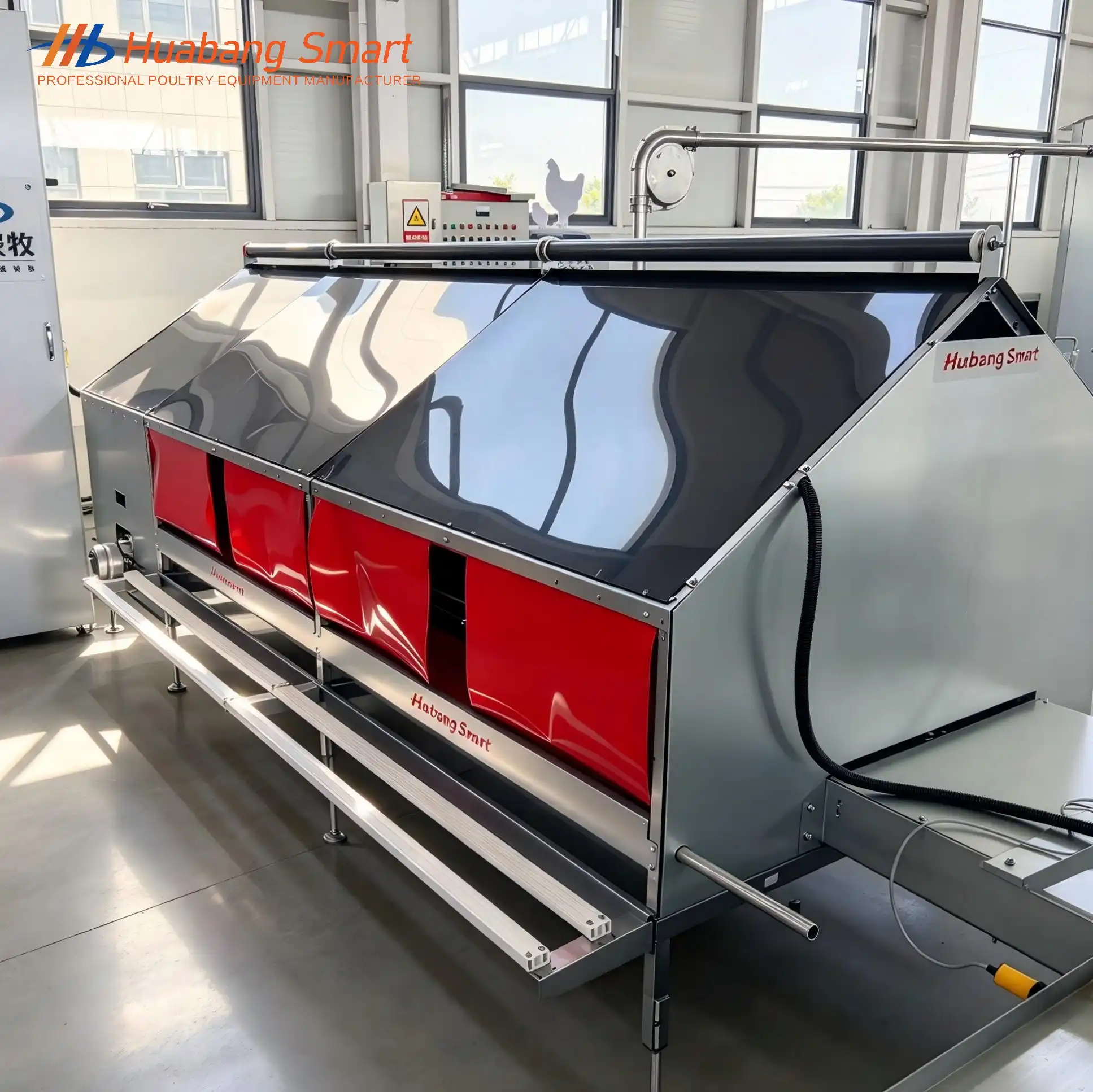
Egg safety comes first. Our nest body has a buffer damage-protection design and anti-breakage egg rolling, so a new egg leaves the laying spot quickly and moves gently. Hens are less likely to sit on the nest roof because of the top anti-perching structure. This helps keep droppings out of the laying area. The setup also allows multiple hens to lay eggs at the same time. Not as many cracks and less touch with litter mean that each house has more eggs that can be sold. During the first few weeks after starting up, you should keep track of the breaking rate and the number of clean eggs so that you can see the change for yourself.
Benefit 2: Lower Labor and Faster Collection
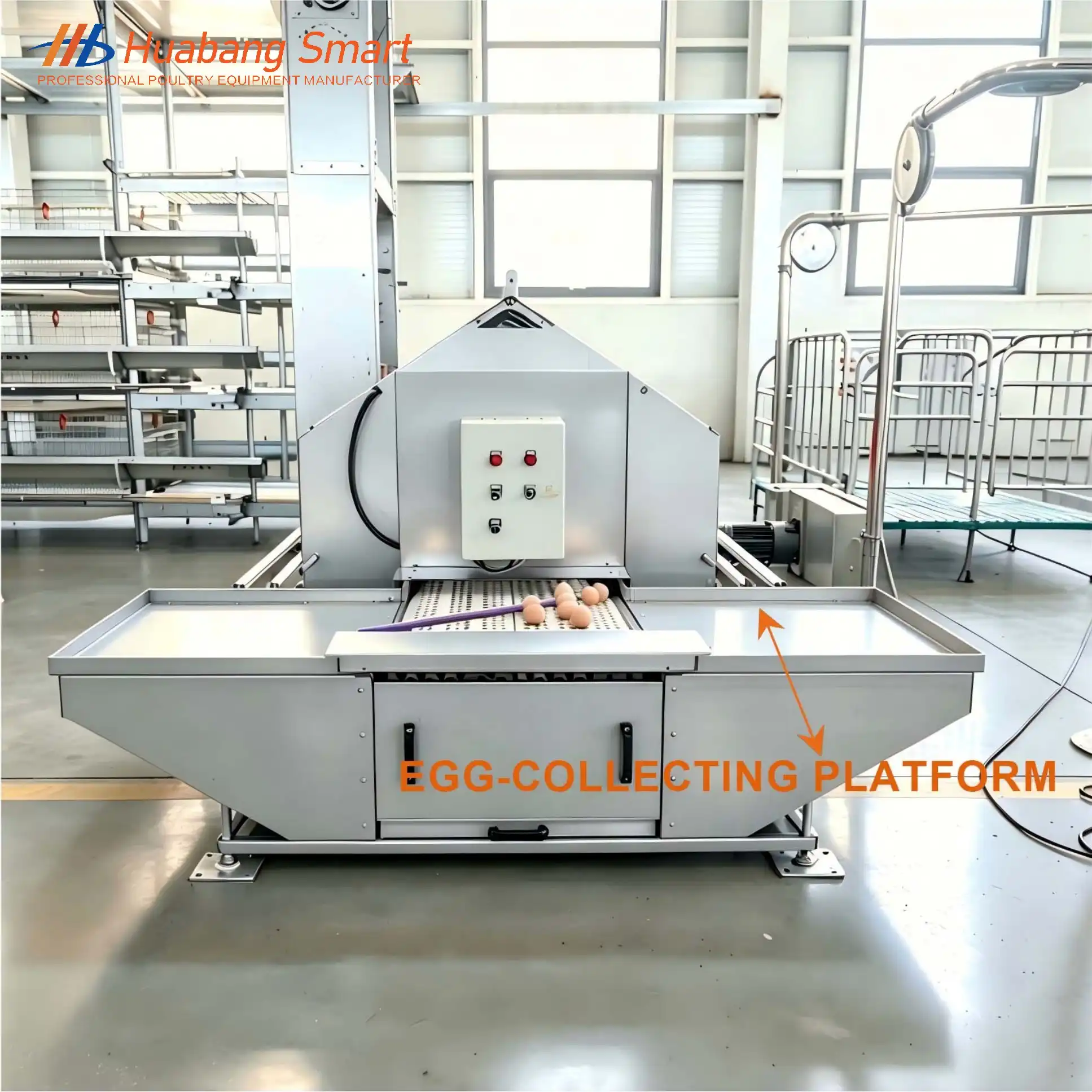
Work is the second win. The egg-collecting platform automatically gathers eggs, moves them, and stores them temporarily. This way, workers only have to walk to one spot to pick eggs and put them on trays instead of going to each nest. The smart anti-broody lifting and group scattering functions also cut down on the time that workers have to spend dealing with hens that stay in their nests. Just look at the minutes per collection round, the rounds per day, and the labor hours per 1,000 eggs to see if you're saving money. When you look at those numbers before and after the installation, it's easy to see the payback.
Benefit 3: Better Hygiene, Biosecurity, and Flock Management
The third gain makes operation smoother and more stable. Because eggs leave the area where they were laid quickly, they don't spend as much time near manure and wet bedding. By collecting everything in one place, pathogens are less likely to be spread around the farm because people will have to go to nest areas less often. Biosecurity is seen as the first line of defense for poultry by the USDA's Defend the Flock program. Sheep can use each unit in a smart way thanks to the intelligent tipping mechanism, unit poultry access, and flock dispersion built into the nest body. For the staff, there is only one place to gather, one way to use trays, and the same checks are done in every house.
How Our Egg-Collecting System Works
The Egg-Collecting Platform
The stage is where the eggs come to be handled. Automatic collection, conveying, and temporary storage are all built into one design for large-scale laying-hen farming. It collects eggs so that staff can pick them and put them on trays. Putting eggs away temporarily keeps them from piling up in the nests while they are being collected. The design aims to lower the number of broken eggs, lower the cost of labor, and increase the benefits of breeding. You should let us know early on your house length and daily egg volume so that the layout of the platform works with how you work with the trays.
The Nest Body and Egg-Collecting Boxes
The hen interacts with the Automatic Chicken Nest Box at the nest body. Its scientifically designed egg-collecting boxes allow multiple hens to lay eggs at the same time, while the anti-breakage egg-rolling mechanism and buffer protection help prevent eggs from breaking. The top structure prevents hens from perching on the roof, keeping it clean. Intelligent anti-broody lifting and flock-dispersion functions help prevent hens from staying in their nests for too long and ensure more even nest usage. The smart tipping system and poultry access design complete the system's main farming functions. In laying houses, cracked eggs, overcrowded nests, and hens remaining in nests for extended periods are three common factors that can compromise egg quality.
The Rear End of the Egg-Collecting Belt
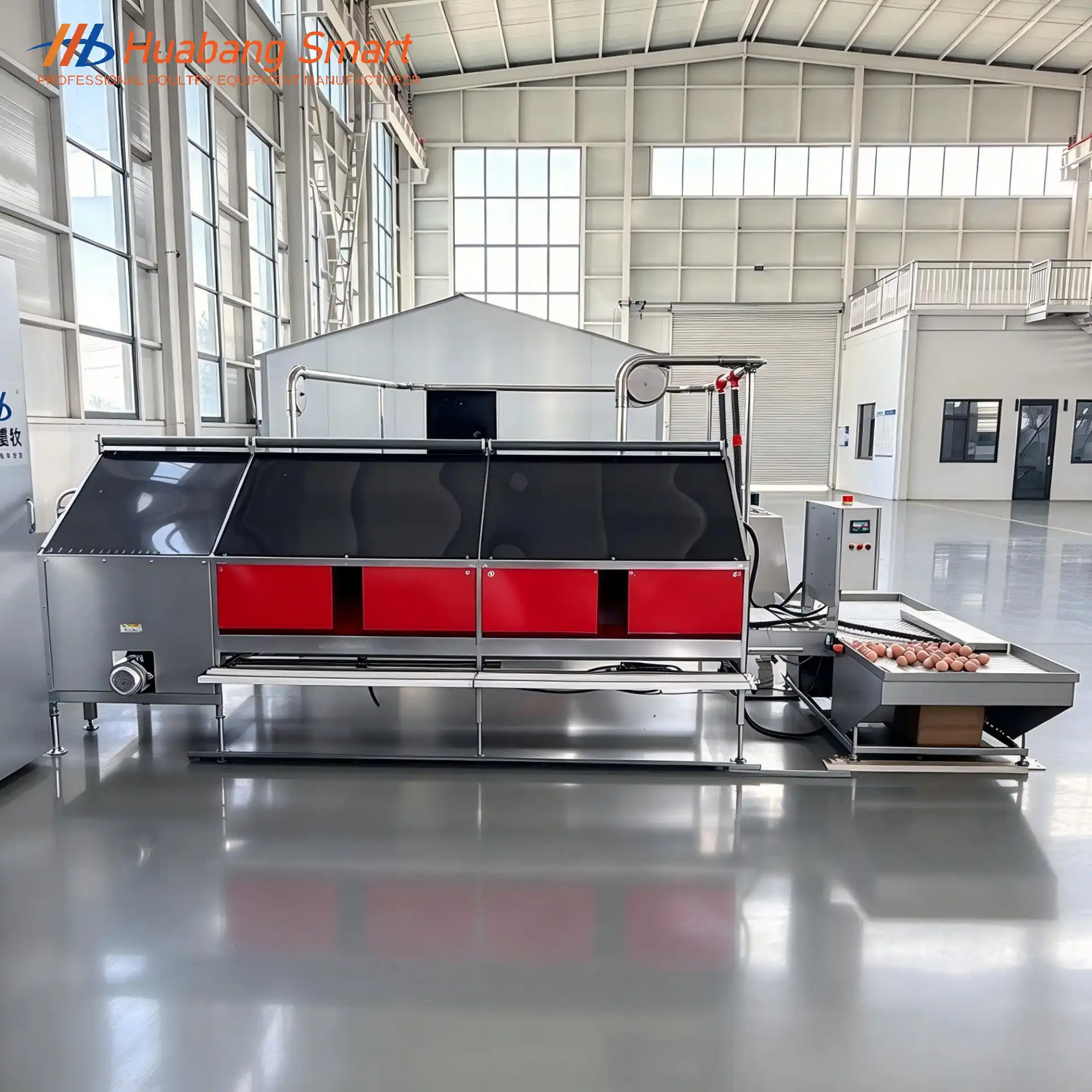
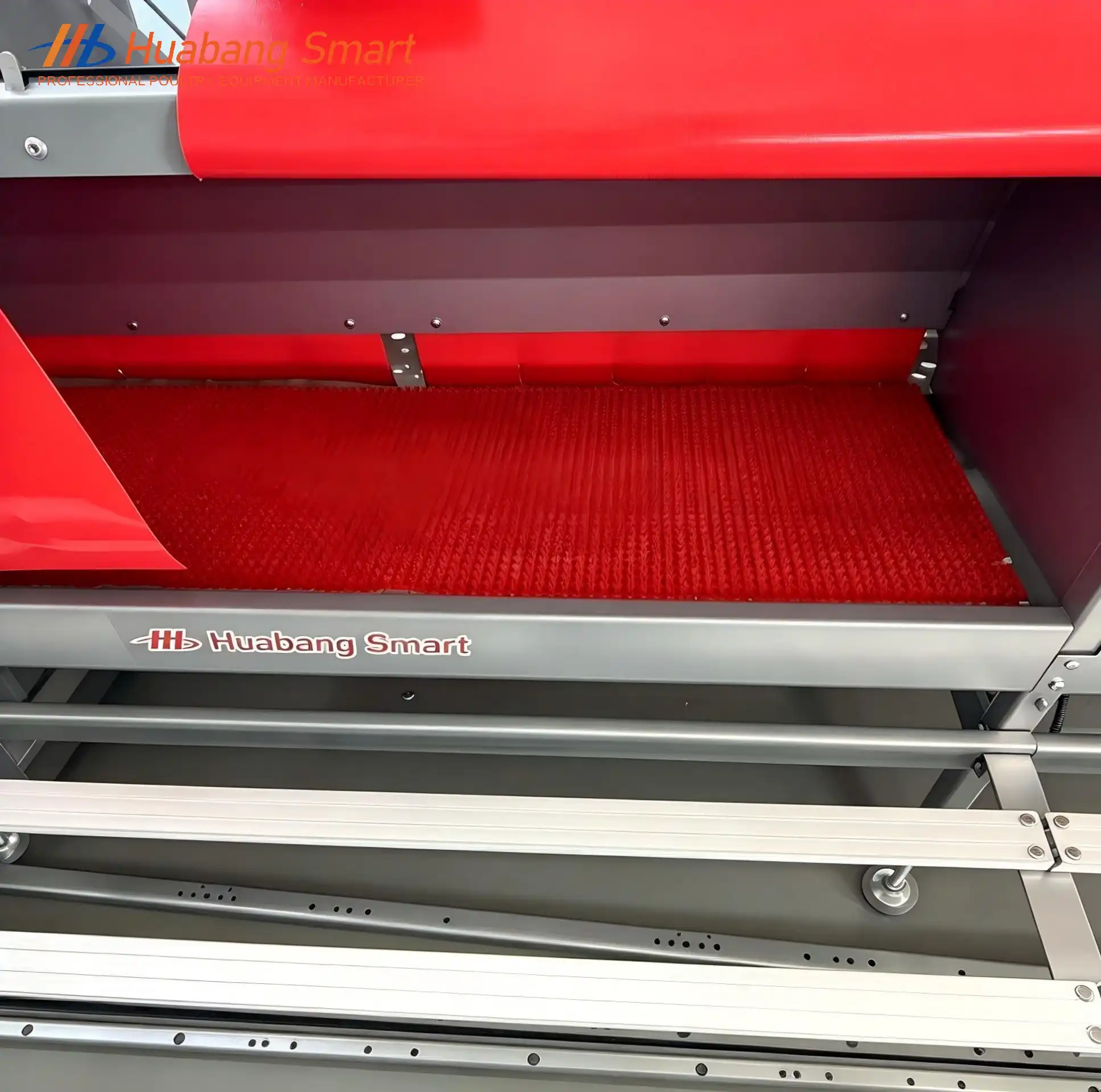
When an automatic egg-collecting system is in use, the back end of the belt that collects the eggs is like its brain. Its precise mechanical structure changes the tension and variation of the belt, which fixes the problem of instability in egg-belt operation. If the belt moves side to side or is too loose, it can get eggs stuck, jolt them, or stop the line. The production line works efficiently and with little waste thanks to steady tension and tracking. When you do maintenance, you should check this end first because the stability of the belt affects all the eggs further down the line.
Automatic vs. Traditional Nest Boxes: Making the Right Choice
Automatic and Traditional Nests Compared
Hens can lay their eggs in either type of nest, but the way they work is different. Traditional nests are easier to set up and cost less up front, but staff have to check them often, and eggs are left open to being pecked on, messed with, and covered in covering between visits. Automatic nests cost more at first, but they make collecting eggs easier, protect the eggs, cut down on routine work, and make it easier to add on. A small group or a short-term project can still fit in a standard nest. Automation is usually more useful for farms that have a steady output, a lot of houses, a lot of egg damage, or plans to grow.
Matching the Nest to Your Application
People who take care of their yards often find that small, one-tier units that are easy to clean work well. Small farms need stronger frames, ways to keep animals away, and the ability to grow in modules. Large industrial layer houses need standard sizes, long-lasting materials, easy access to collections, and extra parts that they can count on. Our method is aimed at the last group because it was made for farming laying hens on a big scale. It's also important for distributors and OEM buyers to think about batch consistency, packaging, lead times, and documentation. Our team can do both OEM and ODM work, and we can build from your plans to fit the layout of your home.
Common Risks and How to Avoid Them
Many problems with an Automatic Chicken Nest Box start before installation. Buyers may choose models with insufficient space, poor-quality materials, inadequate temperature considerations, or designs that are difficult to clean. When too many hens share limited nesting space, they may lay eggs on the floor, while weak materials and poor finishing can shorten the equipment’s service life. During the selection process, pay attention to moisture resistance, corrosion protection, and pest prevention. Before placing an order, request a list of wear parts. During the first few weeks of operation, check the eggs, belt tension, and fastenings daily. Most of these risks can be minimized early through sample testing, installation drawings, and clear written instructions.
Buying, Setup, and Supplier Evaluation for B2B Buyers
A Practical Buying Checklist
Before you ask for prices, I think you should break down your job into three groups of questions.
- Farm conditions: Record the size of the flock, the length of the house, the layout of the floors, the weather, the number of eggs laid each day, and how the hens are cleaned. A provider will use these numbers to figure out how many nests, how long the belt should be, and what kind of rust protection your site needs. This way, the system will be the right size for your production.
- Product details: For more information, ask for drawings, lists of wear parts, data on the belt and trays, and information on how the items will be packed. Over time, manure and humidity can damage steel, so check the frame's material and finish. Make sure you know what each setup includes.
- Commercial terms: Check the minimum order quantity, production time, warranty, certifications, shipping paperwork, and customer service after the sale. Before you place a large order, find out who is in charge of installation and training, and ask for a reference configuration list.
Clear answers turn a vague request into a technical proposal you can compare fairly.
Setup and Hen Training
Place the nests on a dry, stable, level surface that gives you enough room to reach the trays and belt ends. Once everything is put together, make sure the floor angle, fasteners, entry holes, and belt tracking are all correct. Then, carefully watch the first laying cycles. Trays should stay put, eggs should roll easily, and hens should use the nests instead of the floor. Gradual training is helpful, and one way to do this is to temporarily block off bad places to lay down. It's easier for new crews to learn because we offer video installation guides, on-site installation, and local after-sales help abroad.
How to Assess a Manufacturer or Supplier
Look at both the skill to make things and the track record of doing business together. Under the Huabang Smart name, Shandong Huabang Agricultural And Animal Husbandry Machinery Co., Ltd. has been in business since 2012 and is based in Qingzhou, Shandong. As a direct-source factory, we have more than 100 customers in more than 100 countries, 17 years of experience designing and making things, and 49 patents on core technologies. We are also ISO9001 and CE certified. It takes 30 to 60 days to make, and we can help with both OEM and ODM projects. Site planning, product design, setup lists, video guides, installation, and help after the sale are all part of our one-stop service.
Conclusion
Large farms with laying hens can benefit from an Automatic Chicken Nest Box in three main ways: fewer broken and dirty eggs, less work involved in egg collection, and better, more consistent flock control. The system has a platform for collecting eggs, a nest body that can roll without breaking, be perched on, be lifted without brooding, and spread the flock, and a belt at the back that keeps the tension and tracking steady. Compared to regular nests, it costs more up front, but it protects eggs and makes collection easier, which is good for farms with steady output, multiple homes, or plans to grow. To get good results, you need to choose the right size, material, carefully install it, train your hens, and keep track of breakage, clean-egg rate, and labor hours early on.
FAQ
What is an Automatic Chicken Nest Box?
The nest rolls away, moving the eggs to a safe place where they can be collected. This way, workers only have to go to one place to collect them instead of each nest.
Does it suit small flocks?
Our system is made for farming laying hens on a large scale. Small groups can usually get by with simpler nests. Let us know how big your flock is, and we'll suggest a design that works for you.
How do I measure the return?
Record the number of broken eggs, the percentage of clean eggs, the time it takes to collect 1,000 eggs, and the number of hours of work needed before and after installation.
What should B2B buyers ask a supplier?
Find out about the capacity, materials, spare parts, customization, minimum order quantity (MOQ), lead time, documentation, quality control, warranty, and help with installation. We can make things in 30 to 60 days, and we can handle both OEM and ODM orders.
How often does the belt need attention?
During routine rounds, check the tracking and tension of the belt at the back end. A steady belt runs to protect every egg on the line.
Contact Huabang Smart for an Automatic Chicken Nest Box Quote
Are you planning to build a new laying house or improve an old one? Huabang Smart is a direct-source producer of Automatic Chicken Nest Boxes. They offer OEM and ODM design, CE and ISO9001 approval, production in 30 to 60 days, and help with installation on-site. Send your flock size, house size, and climate to ginny260831@gmail.com or huabangsmart002@gmail.com, and our team will get back to you with a configuration suggestion. Find out more at poultrycage.com.
References
1. U.S. Food and Drug Administration, Prevention of Salmonella Enteritidis in Shell Eggs During Production, Storage, and Transportation (Final Rule), Federal Register, 2009
2. U.S. Department of Agriculture, Agricultural Marketing Service, Egg-Grading Manual, 2000
3. U.S. Department of Agriculture, National Agricultural Statistics Service, Chickens and Eggs, 2024
4. U.S. Department of Agriculture, Animal and Plant Health Inspection Service, Defend the Flock Program, 2024
5. Hy-Line International, Hy-Line W-36 Commercial Layer Management Guide, 2020
6. Food and Agriculture Organization of the United Nations, Gateway to Poultry Production and Products, 2023

USER EVALUATE
Here is the customer's evaluation of us