



Broiler Chicken Cage Maintenance: 7 Long-Life Tips
Maintaining your Broiler Chicken Cage system effectively can extend equipment lifespan by years while maximizing return on investment. A well-maintained Broiler Cage operates at peak efficiency, reduces mortality rates, and lowers unexpected replacement costs. These seven practical tips address the unique challenges faced by large-scale poultry operations, helping farm managers and procurement professionals protect their infrastructure investments while ensuring optimal bird performance and operational continuity.
Understanding the Importance of Broiler Cage Maintenance
Facilities that raise chickens depend a lot on the integrity of their cage systems. When equipment breaks down, it affects the whole process and leads to lower hygiene, higher feed conversion rates, and more work that needs to be done. According to studies on poultry management, 30% less equipment breaks down in places with structured maintenance protocols than in places with reactive maintenance approaches.
Why Maintenance Directly Impacts Profitability
There is always pressure on commercial chicken farms to lower their costs per pound of meat they create. When equipment breaks down, it needs to be fixed right away, which costs three to five times as much as planned maintenance. Aside from the direct costs of repairs, production interruptions mess up growth cycles and cause market delivery schedules to slip. If you take care of your hot-dip galvanized systems, they should last between 15 and 20 years. If you don't, they might need to be replaced after only eight years.
The Hidden Cost of Poor Cage Upkeep
As cage conditions get worse, stress points appear that affect the birds' well-being and the way they grow evenly. Corroded wire mesh can hurt birds, which means that the carcasses aren't as good when they are processed. Pathogens can live on the surfaces of accumulated organic matter in cages, which makes diseases more common and raises medical costs. Farm managers always say that investments in maintenance lead to measured gains in how well feed is used and less use of antibiotics.
Tip 1 – Regular Cleaning: The Foundation of Longevity
Sanitation is the most important part of keeping a cage in good shape. Manure's ammonia speeds up corrosion, even on galvanized surfaces, and organic buildup blocks ventilation holes and creates places where diseases can grow. Setting up cleaning schedules that work with your output cycle is good for the health of both your tools and your flock.
Implementing an Effective Cleaning Schedule
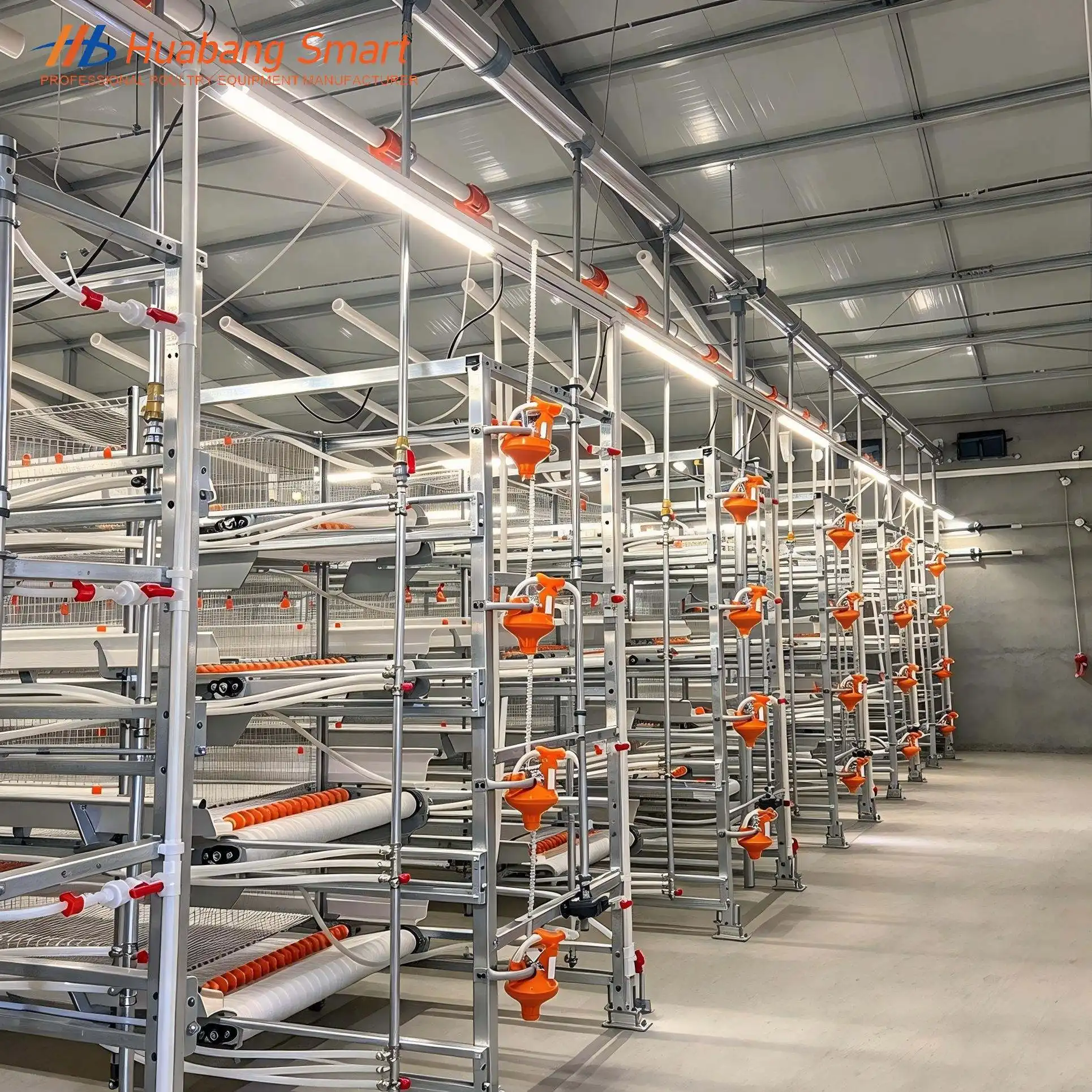
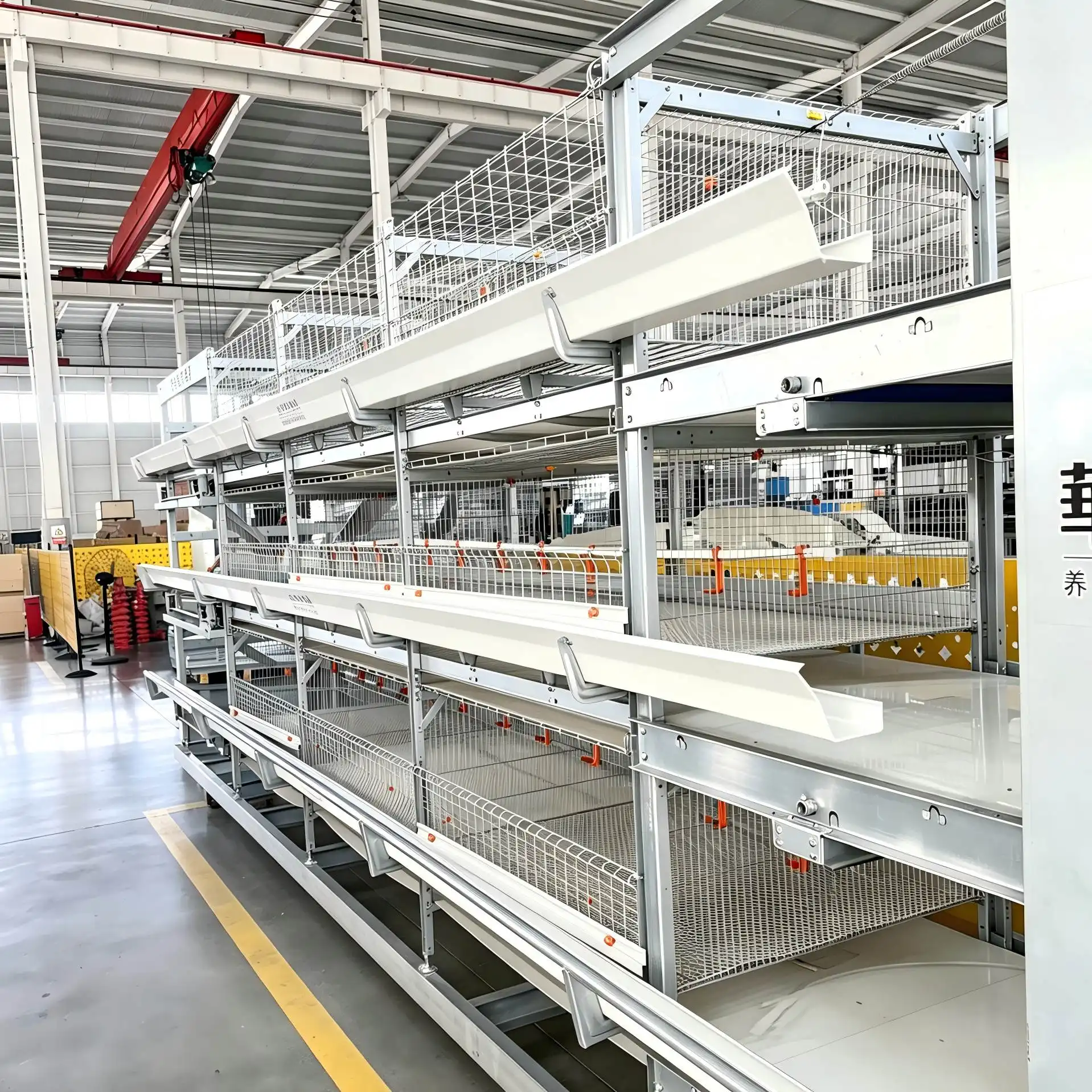
Power-wash all surfaces of the Broiler Cage between production cycles using appropriate pressure settings to remove debris without damaging the protective coating. A Broiler Cage made from 275g hot-dip galvanized steel can withstand thorough cleaning when workers avoid harsh chemical combinations that may damage the zinc layer. During routine maintenance, special attention should be given to high-use areas of the Broiler Cage, including feeding troughs, watering systems, and floor meshes, because organic matter can accumulate more quickly in these locations. Regular cleaning of the Broiler Cage helps maintain better hygiene and supports long-term structural durability. Proper maintenance practices can also help preserve the protective surface of the Broiler Cage and reduce the risk of premature corrosion.
Selecting Compatible Cleaning Agents
Alkaline detergents break down protein deposits well, and quaternary ammonium disinfectants kill a wide range of pathogens without damaging metal parts. To keep waste from building up, rinse well after using chemicals. Automated manure removal systems built into modern cage designs cut down on the amount of cleaning that needs to be done while keeping conditions clean during production cycles.
Tip 2 – Inspection and Repair: Early Problem Detection
Finding small problems before they get worse saves a lot of money on emergency services. A planned checking system finds wear patterns, structural problems, and broken parts early on, when they can be easily fixed. This proactive approach increases the useful life of equipment while keeping it reliable for use.
Critical Inspection Points
Check the weld joints on H-type multi-tier designs for stress cracks, especially at connections that hold weight. Check the wire mesh panels for cracks or wear that could hurt birds or let them get out. Drive chains, motors, and feed distribution parts of automated feeding systems need to be checked regularly. Nipples in the water line should be checked to make sure they have the right flow rates, because broken drinkers make it harder for birds to stay hydrated and grow.
When to Repair Versus Replace
Repair paints that are high in zinc can be used to fix small rust spots and put up new protective shields. Damage to a single piece of mesh can be fixed, but damage to many parts at once means the panel needs to be replaced. The modular cage design of Huabang Smart lets specific parts be replaced without taking whole systems apart. This cuts down on downtime and fix complexity for big operations.
Tip 3 – Preventive Maintenance Approaches That Save Costs
Reactive maintenance causes costs and production delays that are hard to predict. Preventive tactics lower the total cost of ownership and make upkeep funds more predictable. Leading chicken processors say that preventive maintenance programs give returns on investment (ROI) of more than 400% by making equipment last longer and lowering the cost of emergency repairs.
Building Your Maintenance Checklist
As part of your monthly duties, you should grease the moving parts on the feeding mechanisms, fix the hardware connections in the cages, and check the Environmental Control System parts. Every three months, maintenance includes a thorough look at the structure, replacement of worn parts like drive belts, and setting up automated systems. Deep maintenance is done once a year and includes full system testing and refurbishing of parts before problems affect performance.
Leveraging Technology for Predictive Maintenance
Modern cage systems that connect to the internet of things (IoT) let you check on the performance of equipment in real time. Sensors pick up on strange noises in feeding motors, changes in temperature that mean there are ventilation issues, or changes in weight distribution that mean there are structural problems. With these early warning systems, maintenance teams can fix issues during planned breaks instead of having to deal with failures during production runs.
Tip 4 – Material-Specific Care for Different Broiler Cage Types
Maintenance methods for equipment made of different materials need to be tailored to those materials. Knowing what materials make up your system's protective features will make sure that maintenance procedures improve them instead of lowering them. It's especially helpful to know these things when looking at equipment specs when buying something.
Galvanized Steel System Maintenance
Hot-dip galvanized cages are better at resisting corrosion, but they need to be handled carefully to keep that protection. Do not scratch or gouge areas that show steel underneath. When fixes need to be welded, zinc-rich coats should be put on again to keep the protection going. The standard 275g zinc coating used in premium systems makes them very durable in high-ammonia environments that are common in large-scale poultry production.
Understanding Material Longevity Factors
Systems made with Q235 international bridge steel as the main material can help a Broiler Cage maintain structural strength even under heavy loads common in multi-tier configurations. This steel grade can support the weight of fully stocked Broiler Cage systems, with loads of up to 50 kg/m², without excessive bending that could place stress on connections. With appropriate galvanization, a Broiler Cage made from Q235 steel can provide long-term durability in demanding agricultural environments. To evaluate the long-term value of a Broiler Cage, procurement managers should carefully review material weights, steel specifications, and coating requirements when comparing supplier offers. Checking these details helps buyers select a Broiler Cage with suitable structural performance and corrosion protection for the intended application. A properly specified Broiler Cage can therefore provide reliable support and long-term operational value.
Tip 5 – Optimizing Ventilation Through Maintenance
The quality of the air has a direct effect on how well feed is converted and on your health. Maintenance methods that keep airflow at its best have measurable benefits for production. Studies show that managing air correctly can raise FCR by up to 8% and lower the number of deaths from breathing problems.
Maintaining Airflow Pathways
Clear the ventilation holes in the cage structures on a regular basis, because dust and feathers can block airflow. Advanced cage systems have a 5 cm raised center that helps natural airflow cool things down, but only when air passageways aren't blocked. Every month, check the fan systems, air intakes, and exhaust ports to make sure that the environmental control systems are working at their full potential.
Recognizing Ventilation-Related Issues
If birds are having trouble breathing, growing unevenly, or seem tired, it could be because they aren't getting enough airflow because of poor maintenance. Temperature stratification inside homes means that airflow isn't working as well as it should. If you fix these problems quickly by cleaning the equipment and adjusting the system, you can avoid production losses that are much higher than the cost of upkeep. Modern cage equipment and smart environment control systems work together to keep an eye on important factors like temperature, humidity, and air quality in real time.
Tip 6 – Broiler Cage Design Considerations That Simplify Maintenance
The form of equipment has a big effect on how often it needs to be maintained over its whole life. Features that make cleaning, inspecting, and fixing easier cut down on the amount of work that needs to be done and improve the quality of maintenance. When comparing cage system proposals, people in charge of procurement should look at how easy it is to do maintenance.
Maintenance-Friendly Design Features
Modular construction lets you change parts without taking the whole thing apart. Systems that let you remove panels without tools make it easy to clean and inspect things quickly. Smooth finishes on cage parts keep organic matter from building up and make cleaning easier. Corrosion-resistant fasteners and connections don't break down after being cleaned many times, which makes future maintenance work harder.
How Design Impacts Total Cost of Ownership
Maintenance-friendly features may increase the initial cost of a Broiler Cage, but they can reduce long-term expenses by lowering labor requirements and making repairs easier. Huabang Smart's H-type multi-tier Broiler Cage systems incorporate design elements developed through more than 17 years of industrial experience, balancing production efficiency with convenient maintenance. Automated feeding and manure removal systems integrated into the Broiler Cage reduce demanding manual work while helping maintain cleaner operating conditions for both the equipment and the flock. A well-designed Broiler Cage can also simplify routine inspections and maintenance, helping operators identify potential problems before they lead to costly downtime. For large-scale poultry operations, investing in a maintenance-friendly Broiler Cage can therefore improve operational efficiency and support more predictable long-term costs.
Tip 7 – Training and Standard Operating Procedures for Maintenance Teams
When maintenance workers don't have the right training or clear instructions, even the best equipment breaks down. Investing in the growth of human capital makes maintenance more efficient and makes sure that operations are the same across shifts and locations. When an organization writes down its maintenance procedures, equipment breaks down less often and lasts longer.
Developing Effective Maintenance SOPs
In your standard operating procedures, you should include information about how often to check, clean, lubricate, and fix problems with your particular equipment. Include pictures that show how the parts should be and what signs of wear need to be addressed. Make a list of safety rules for working near electrical and automated systems. Make procedures available on digital platforms so that maintenance teams can look them up while they're working.
Training Programs That Deliver Results
During the installation of equipment, operators get hands-on training that gives them basic skills that they can then build on through experience. Video recordings of repair methods give new team members consistent tools to use as a guide. Once a year, refresher training goes over best practices again and adds new ones that take into account changes to tools or better ways to do repair. As part of a turnkey project delivery, Huabang Smart gives full installation advice and operational training. This makes sure that support teams understand the unique needs of each piece of equipment from the time the system is commissioned onward.
Conclusion
Following these seven maintenance tips will help protect your investment in Broiler Cage infrastructure and improve production performance. Regular cleaning, systematic inspections, preventive maintenance, material-appropriate care, ventilation management, maintenance-conscious design choices, and proper team training can work together to extend the service life of a Broiler Cage beyond typical industry expectations. In commercial operations, structured maintenance of the Broiler Cage can improve production efficiency, bird comfort, and overall profitability in measurable ways. Investing in maintenance resources for a Broiler Cage can also reduce replacement costs and help keep the equipment operating efficiently throughout its service life. With consistent care and professional maintenance, a Broiler Cage can provide reliable performance and long-term value for commercial poultry production.
FAQ
How often should commercial broiler cage systems undergo deep cleaning?
After the birds are gone, there should be a thorough deep cleaning between each production run. This includes power-washing every surface, cleaning and sanitizing the tools, and checking each part for damage or wear. For biosecurity reasons, high-capacity operations that run nonstop production may use rotating section cleaning instead of shutting down the whole facility.
What maintenance warning signs indicate imminent equipment failure?
Some important danger signs are strange noises coming from automatic feeding systems, rusty parts on structures, water that doesn't flow evenly from drinking lines, and bird injuries that show the wire mesh is breaking down. Environmental control systems that give inconsistent readings for temperature or humidity need to be fixed right away. If you act on these signs right away, small problems won't get worse and cause crashes that stop production.
Can older cage systems be upgraded rather than replaced?
Many systems that are already in place can be made better and last longer with smart upgrades. Adding IoT tracking capabilities, replacing worn flooring meshes, or retrofitting automatic feeding parts are all low-cost ways to bring older systems up to date. It is up to experienced suppliers to decide whether renovation or replacement will provide better long-term value for a given facility.
Partner with Huabang Smart for Superior Broiler Cage Solutions
Huabang Smart makes high-quality H-type multi-tier cage systems that are designed to last a long time with little maintenance. Our 275g hot-dip galvanized construction will last for 15 to 20 years, and the built-in automation cuts the need for labor by 70%. With ISO and CE approval, 49 core technology patents, and configurations that can be changed to fit your needs, we offer turnkey solutions with full installation support and foreign guarantee coverage. Email our team at ginny260831@gmail.com or huabangsmart002@gmail.com to talk about your facility needs with Broiler Cage suppliers who have experience and know what it takes to produce chicken for a living. You can look at our full system specs and request detailed technical paperwork at poultrycage.com.
References
1. Anderson, M. & Roberts, J. (2021). Equipment Longevity in Commercial Poultry Operations: Maintenance Protocols and Economic Outcomes. Journal of Applied Poultry Research, 30(3), 445-458.
2. Chen, L., Williams, T., & Kumar, S. (2020). Corrosion Resistance in Agricultural Equipment: Galvanization Standards and Performance Analysis. Agricultural Engineering International, 22(4), 78-92.
3. Davidson, P. (2022). Preventive Maintenance Strategies for Intensive Livestock Systems. Agricultural Systems Management Quarterly, 18(2), 123-137.
4. European Commission Directorate-General for Agriculture. (2021). Best Practices in Poultry Housing Equipment Maintenance and Biosecurity. Brussels: EU Publications Office.
5. Thompson, R. & Martinez, H. (2020). Ventilation System Optimization in Multi-Tier Broiler Housing: Maintenance Impacts on Production Efficiency. Poultry Science, 99(11), 5847-5856.
6. Zhang, Q., Hoffman, D., & Lee, K. (2022). Total Cost of Ownership Analysis for Commercial Poultry Equipment: A 15-Year Longitudinal Study. Agricultural Economics Review, 45(1), 201-218.

USER EVALUATE
Here is the customer's evaluation of us
YOU MAY LIKE
 VIEW MOREChicken Feeder And Waterer Set
 VIEW MOREChicken Drinkers And Feeders
- VIEW MOREChicken Water Feeder
- VIEW MORECommercial Chicken Feeders
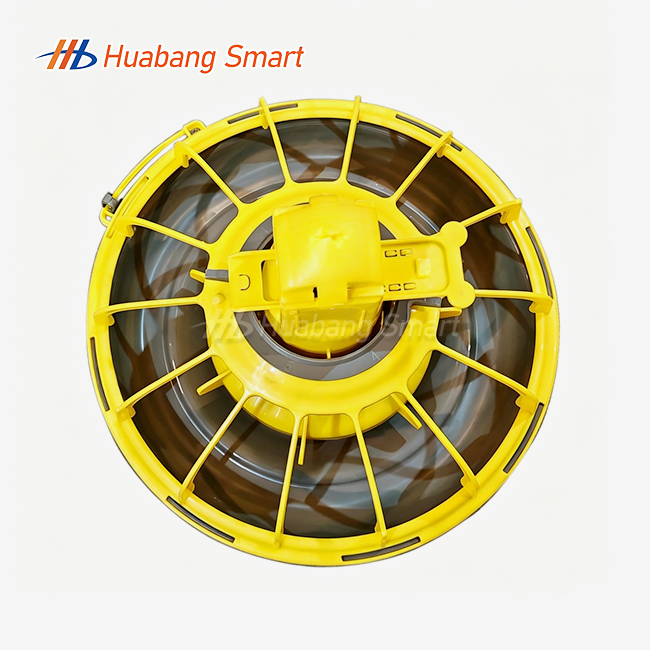 VIEW MOREFeeders For Chickens
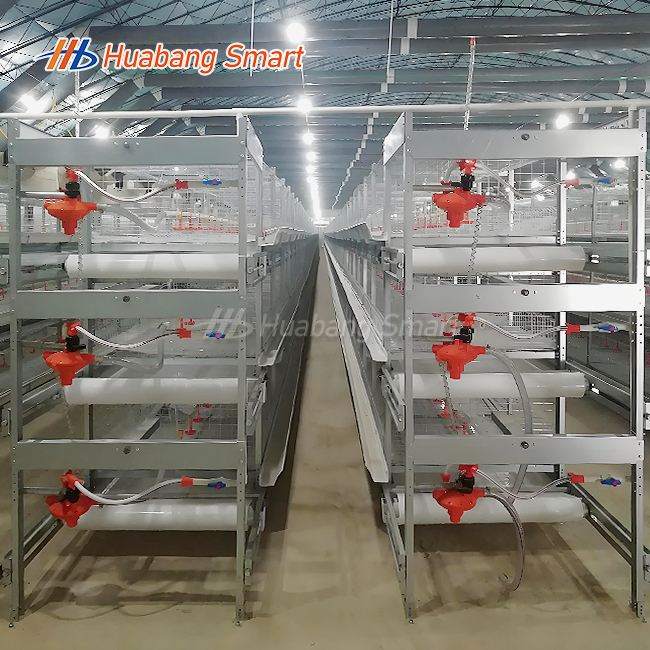 VIEW MOREChicken H Type Cage Automatic Broiler
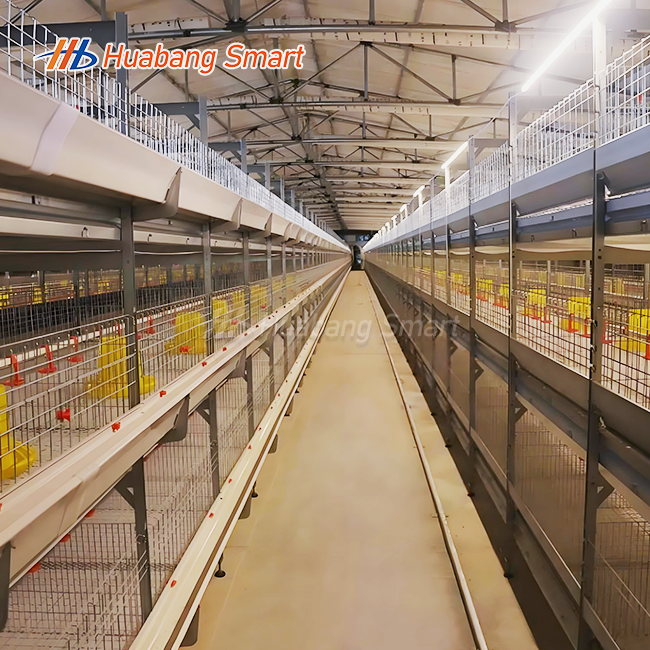 VIEW MOREMulti Tier Broiler Chicken Cage
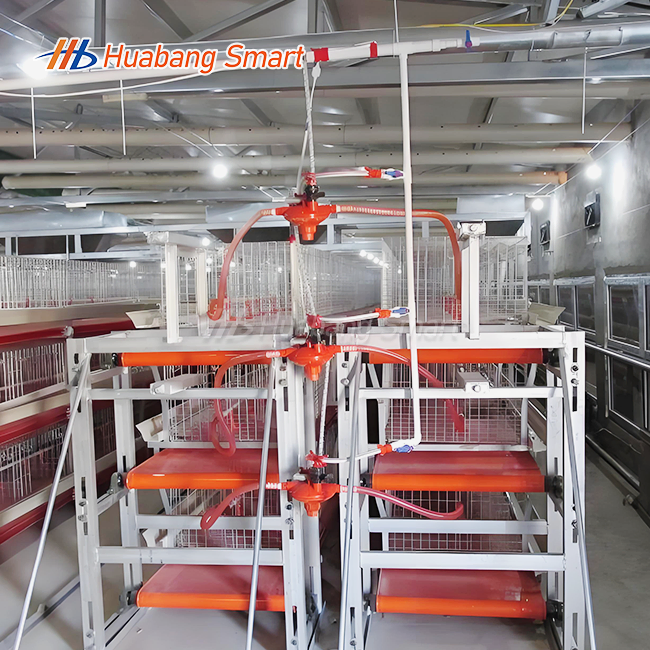 VIEW MOREFully Automatic Broiler Chicken Cage