



Automatic Chicken Feeder and Waterer: Capacity and Flow Rate Checklist
When I help poultry operations evaluate hydration and feeding equipment, the first question I always ask is: does your system actually match your flock's daily demand? A properly specified automatic chicken feeder and waterer prevents dehydration, reduces feed waste, and cuts daily labor significantly. This checklist walks through the exact capacity and flow rate criteria you should verify before purchasing any poultry watering or feeding system—so you can make a confident, data-backed procurement decision.
Understanding Automatic Chicken Feeders and Waterers
It's helpful to know what makes a business system different from a regular one before you compare specs.
What These Systems Actually Do?
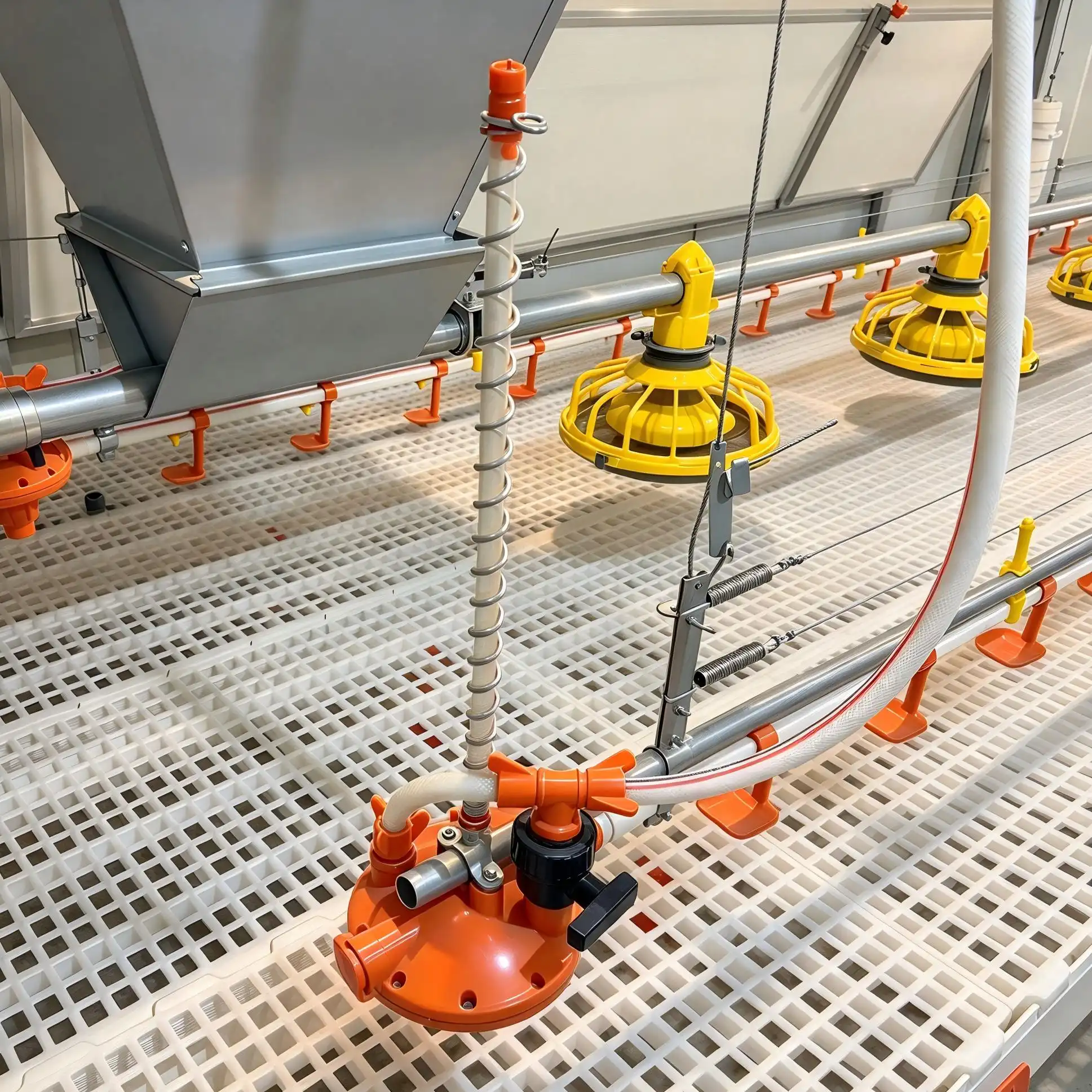
For example, tools that feed and water chickens take the place of people who do the work. In businesses, they link to feed hoppers and lines of pressurized water and let out set amounts of water when needed or at regular times. The closed-loop design stops dust, manure, and germs in the air from getting into the food and water. Open dishes can't do this.
Types Suitable for Commercial Operations
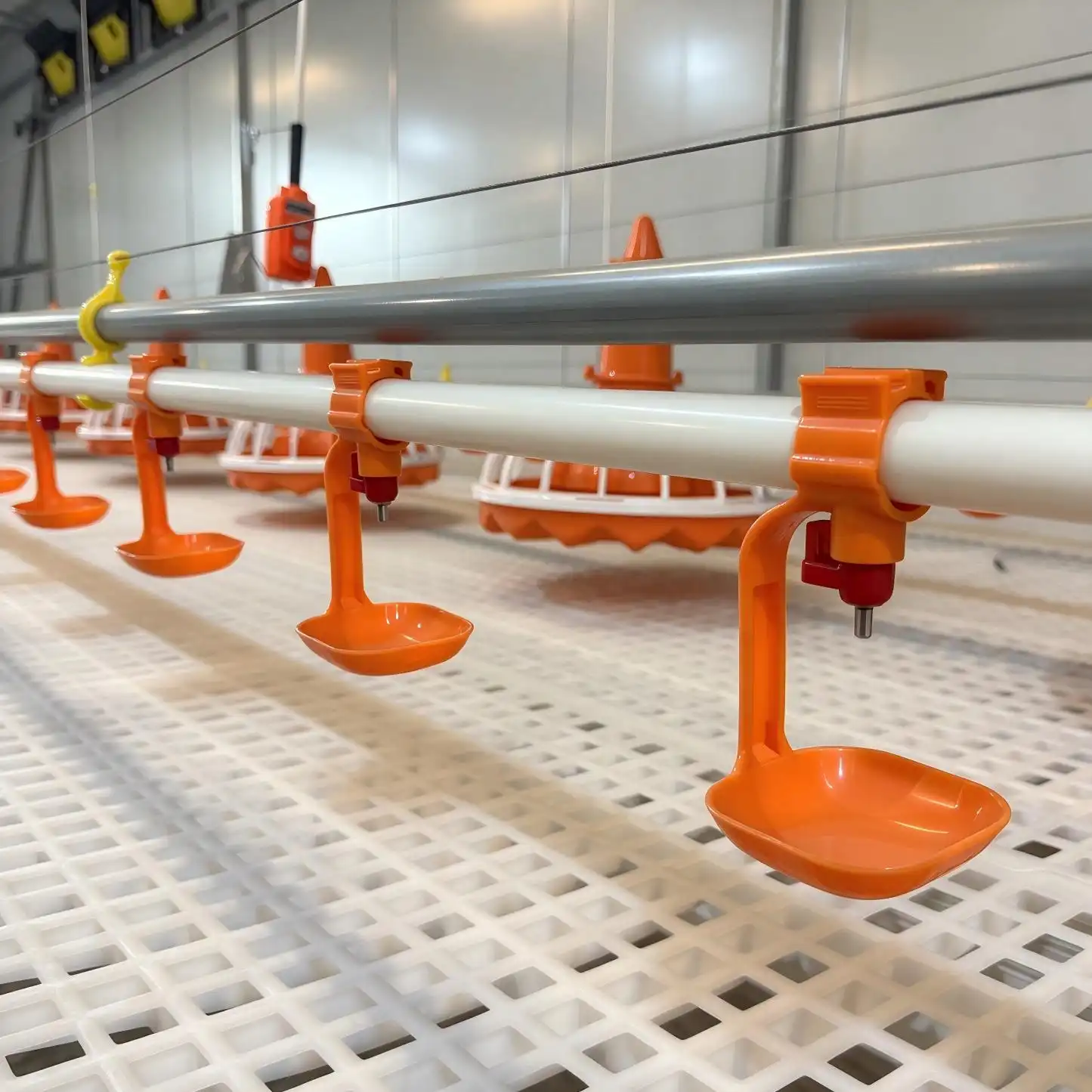
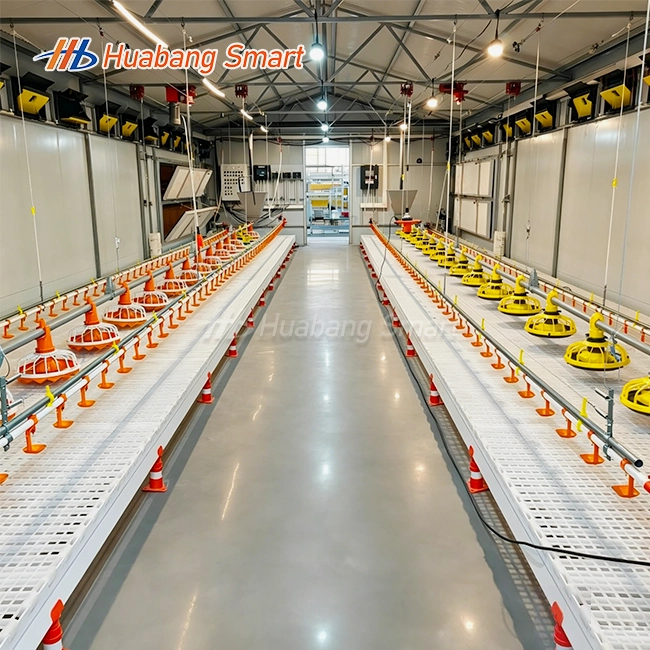
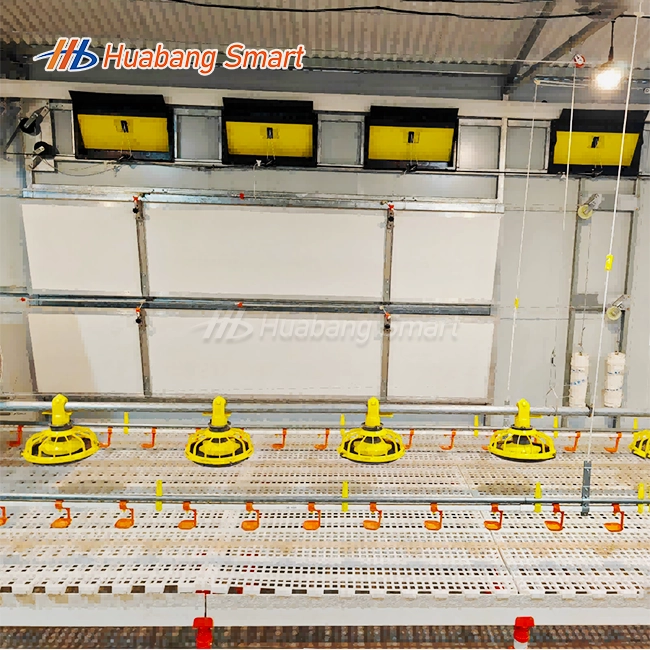
Nipple drinker systems are common in large chicken and egg farms. Each nipple opens up and lets out a controlled burst of water with a light peck. Groups that are raised on the ground or in cages are fed dry food with pan feeders and tube feeders. Depending on how the building is set up, both types can be set up to be gravity-fed or compressed.
Why Procurement Teams Prioritize These Systems?
Labor is one of the most expensive things that a business farm has to pay for all the time. A study published in 2020 in the journal Poultry Science found that places with more than 50,000 birds needed up to 40% less work every day when they had automated watering systems. Biosecurity rules and consistent bird performance rely on water and food being supplied around the clock without contamination. This saves time as well.
Capacity and Flow Rate: Core Dimensions to Consider
If you mess up these numbers, animals will lose water, get stressed out, and die unfairly, which will hurt your bottom line.
Calculating Capacity Based on Flock Size
A broiler chicken drinks about 200 to 300 mL of water every day when the temperature is right. That amount can go up to 400 mL per bird in the summer when it's warmer than 30°C. For every day, at least 4,000 to 6,000 liters of water must be given to a flock of 20,000 broilers. That means a house with 20,000 chickens needs at least 1,333 to 1,667 nipple points to keep the chickens from fighting over who gets to go in and out.
How Flow Rate Affects Water Quality and Bird Health?
Flow rate in an Automatic Chicken Feeder And Waterer shows how quickly a bird can get water by sticking its beak in a hole. When the speed is too slow, the birds have to wait, which makes them more stressed and competitive. The level of ammonia and the risk of footpad dermatitis go up when the rate is too high. A wet floor is another sign. To suit different needs, Huabang Smart's nipple drinker system has flow rates of 0.3 to 0.8 L/min for young chicks, 1.5 to 2.5 L/min for growers, and 10 to 20 L/min for adult breeders. You can then be sure that the supply is just right for each stage of growth.
The Capacity and Flow Rate Checklist
Nipple capacity rating: Appropriate number of birds per nipple (12–15 for broilers is the normal range).- Range of flow rates: You can pick from a number of rates for chicks, growers, and adults.
- Nipple capacity rating: Confirmed birds-per-nipple specification (standard range: 12–15 per nipple for broilers)
- Flow rate range: Multiple selectable rates to cover chick, grower, and adult stages
- System pressure range: Operating pressure specs compatible with your water supply (typically 0.5–3.0 bar)
- Material grade: Food-grade 304 stainless steel construction for nipples, corrosion-resistant PVC or PP piping
- Daily throughput calculation: Verified against your maximum flock water demand, including summer peaks
- Line length and pressure drop: Engineering confirmation that end-of-line pressure remains within specification
The nipples are made of food-grade 304 stainless steel, and the pipes are made of corrosion-resistant PVC or PP.
The daily throughput calculation is based on how much water your flock needs at its heaviest, including during the summer.
Comparative Analysis: Automatic vs. Traditional Feeders and Waterers
You can see and measure the difference in how well automatic and manual methods work.
Labor and Contamination Costs of Manual Systems
Bowl waterers that you use by hand need to be filled up two to four times a day. With each refill, it takes longer to handle, and open water surfaces quickly collect dust, food particles, and feces. There were 6–10 times more coliform bacteria in open waterers than in closed nipple systems that were handled the same way, according to a 2019 study in the Journal of Applied Poultry Research. There is a direct link between that pollution and more deaths and drug use.
How Automated Systems Control Capacity and Flow
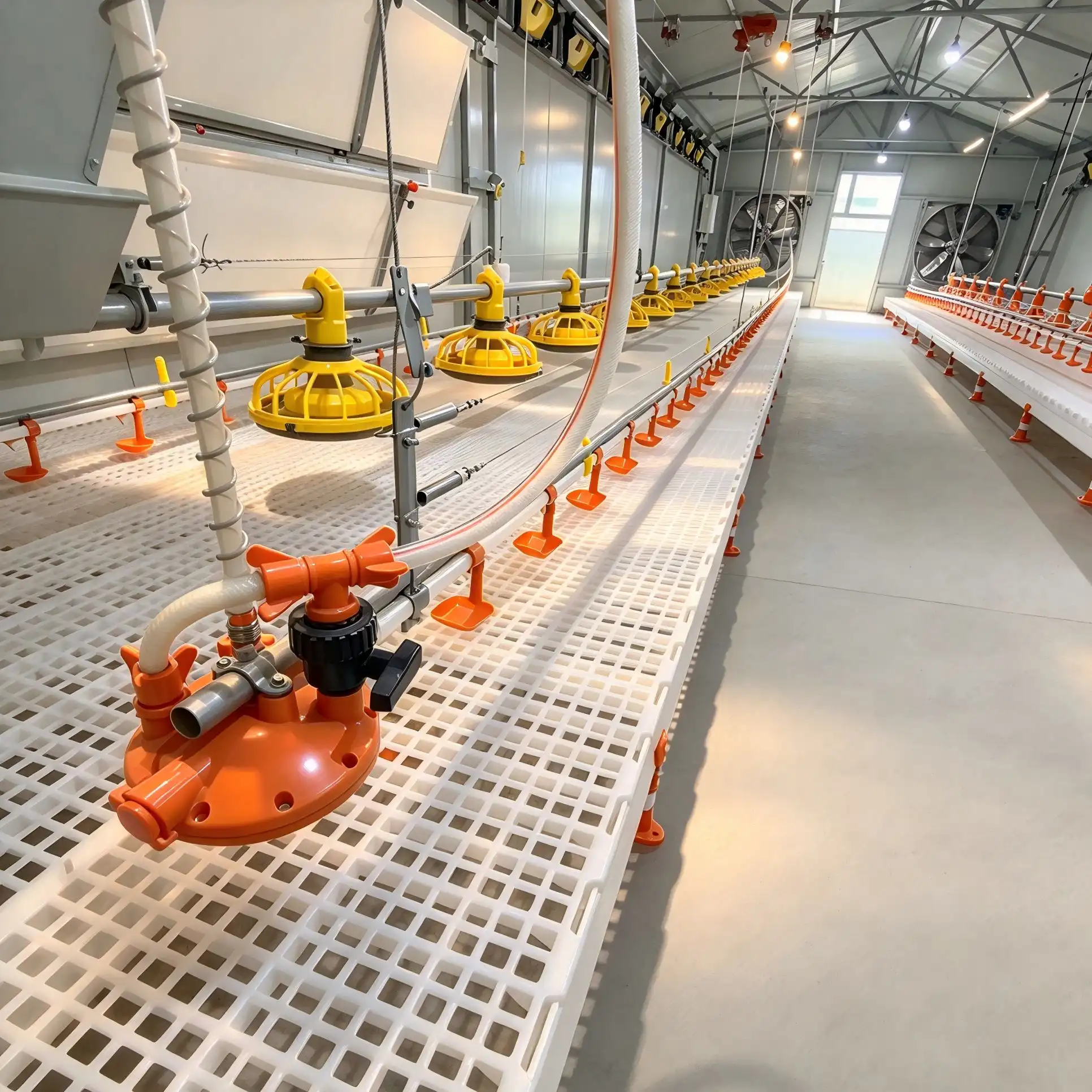
The line pressure stays the same because of automated nipple and cup systems. This way, no matter how active the flock is, each bird gets the same amount of water at the same rate. Tracking from afar is also possible with pressurized devices. Pressure monitors that are linked to the Internet of Things can let farm workers know when a line breaks so that the birds don't get too thirsty. You can't see what's going on in real time with a gravity-fed pool.
ROI Evidence from Commercial Operations
Someone who runs a commercial broiler with room for 100,000 birds said that the feed conversion ratio went up by 0.08 points after they switched to a fully automated line for watering and feeding the birds. At a market price of $1.40/kg and an average live weight of 2.5 kg, that 0.08 FCR gain covers the cost of feed, which is worth around $28,000 per crop cycle. They don't think that robotics will pay for itself so quickly, but it does.
Selecting the Best Automatic Chicken Feeder and Waterer: Procurement Checklist
Besides flow rate and volume, there are other technical and business factors that affect the choice to buy.
Material Durability and Environmental Compatibility
High levels of ammonia, constant humidity, and frequent disinfection cycles are all things that poultry houses need to stay healthy. All three must be handled simultaneously by equipment like an Automatic Chicken Feeder And Waterer. The poultry nipple watering system made by Huabang Smart has 304 stainless steel nipples and UV-stabilized piping. This has been proven by ASTM G154 accelerated weathering tests and ASTM B117 salt spray tests. The system has been tested and proven to work for 5 or more years in high-humidity farm settings. This is an important number to know when comparing the initial investment to the amount of money that was lost due to wear and tear.
System Compatibility and Customization Options
The new equipment you buy must work with the systems you already have. Some important questions to ask any supplier are: Does the pipe diameter match the diameter of your existing water mains? Can the system be changed to fit a cage, floor, or aviary? Huabang Smart supports OEM/ODM configurations and custom water pipe solutions. Based on farm layout drawings, procurement teams can set the pipe diameter, nipple spacing, and flow rate. This flexibility greatly lowers the risk of installation.
Supplier Reliability and After-Sales Support
When it comes to long-lasting capital tools, seller help is just as important as the product itself. As a starting point, check for ISO9001 and CE approvals. For example, ask to see work that has been done in similar conditions. Check to see if spare parts are available and how long it will take to fix technical problems. Huabang Smart offers video installation guides, on-site commissioning support, and direct customer service after the sale, which is very important for large-scale project deployments.
Maintenance and Troubleshooting for Optimal Performance
Without regular maintenance, even the best-specified system won't work as well as it should.
Routine Cleaning Protocols
Nipple systems need to have their lines flushed once a week to keep biofilm and mineral scale from building up inside the pipes. Every nipple should be checked on its own once a month. A quick hand action checks that the trigger responds properly and that the flow rate is correct. The 360-degree activation design of the Huabang Smart makes it less likely that the trigger will become stiff from uneven wear, since birds can pull the trigger from any angle instead of just below.
Diagnosing and Fixing Flow Blockages
A partial blockage at the nipple seat is the most common field problem. This is usually caused by calcium deposits or debris. It's easy to fix: just take off the nipple, soak it in a weak citric acid solution for 30 minutes, rinse it off, and put it back on. If several nipples on the same line fail at the same time, check the line filter upstream. Most pressurised systems have a mesh filter at the inlet that needs to be cleaned every 60 to 90 days, depending on how hard the water is.
Extending Equipment Service Life
Every six months, the supports for the pipes should be checked for sagging, which changes how the line pressure is spread. Anti-perch conical guards on drinker lines stop roosting and the contamination of faeces that comes with it. To keep flow rates steady, when you replace nipples after a long time of use, you should replace the whole line section instead of just a few units. The modular snap-fit design of Huabang Smart makes it easy to replace sections without using any tools.
Conclusion
Make sure that your Automatic Chicken Feeder And Waterer has the right amount of space and flow rate for your chickens so that they stay healthy and help you make eggs. A nipple drinker system made of food-grade 304 stainless steel and set up with adjustable flow rates makes it easy to keep babies hydrated. This list gives buying teams clear, measurable factors they can use to rate each seller. After being used for a few years, equipment that meets these standards always meets hygiene needs, cuts down on labour costs, and makes birds perform better.
FAQ
How many nipple drinkers do I need for a 10,000-bird broiler house?
At 12–15 birds per nipple, a 10,000-bird house requires between 667 and 834 nipple points. I recommend calculating based on 12 birds per nipple if your birds are in peak summer conditions, as water demand increases substantially with heat stress.
What flow rate is appropriate for day-old chicks?
Young chicks have limited pecking force, so a low flow rate of 0.3–0.8 L/min is appropriate for the first two weeks. Huabang Smart's system offers this range as a selectable option, preventing chicks from being overwhelmed by high-pressure discharge.
Can this system integrate with an IoT farm management platform?
Yes. Pressurized nipple lines can connect to IoT pressure sensors and flow meters that feed real-time data to centralized monitoring software. This allows remote detection of line failures, consumption anomalies, or pressure drops without physical inspection.
How often should I replace nipple drinkers?
Under normal farm conditions, 304 stainless steel nipples last 5+ years without replacement. Annual inspection for trigger stiffness and scale buildup is sufficient. Replace earlier if flow rate testing shows output below specification.
Is the system compatible with both cage and floor-rearing setups?
Yes. Huabang Smart's modular design adapts to cage systems, floor-reared broiler houses, and aviary configurations. Custom pipe solutions and adjustable nipple heights accommodate different housing layouts without requiring structural modifications.
Request a Custom Quotation from Huabang Smart
Huabang Smart has sold Automatic Chicken Feeder And Waterer systems to businesses in more than 100 countries since 2012. These systems are ISO9001 and CE-certified. We can help you find an Automatic Chicken Feeder And Waterer service for a new building or to make an old one better. They can make estimates of the site's capacity, make unique pipe designs, and help with the whole installation process. You can get a technical plan made just for your flock and building by emailing us at admin@huabangsmart.com or going to poultrycage.com.
References
1. Poultry Science Association. Poultry Science. 2020.
2. Journal of Applied Poultry Research. Microbial Contamination in Open vs. Closed Poultry Watering Systems. 2019.
3. National Chicken Council. Broiler Industry Key Facts. 2022.
4. Food and Agriculture Organization of the United Nations. Good Practices for Biosecurity in the Pig Sector. 2010.
5. American Society of Agricultural and Biological Engineers. ASABE Standards for Poultry Watering Equipment. 2018.
6. World's Poultry Science Journal. Water Consumption and Management in Commercial Poultry Production. 2021.

USER EVALUATE
Here is the customer's evaluation of us
YOU MAY LIKE
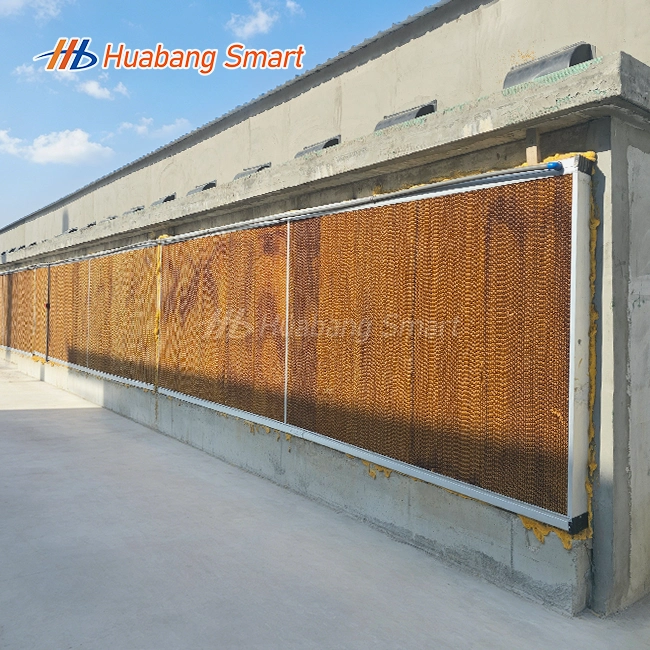 VIEW MORECooling Pad System Poultry Farm
 VIEW MORECooling Pad For Poultry Farm
 VIEW MOREAutomatic Poultry Broiler Fans
 VIEW MOREAutomatic Chicken Feeder And Waterer
 VIEW MOREChicken Feeder And Waterer Set
- VIEW MORECommercial Chicken Feeders
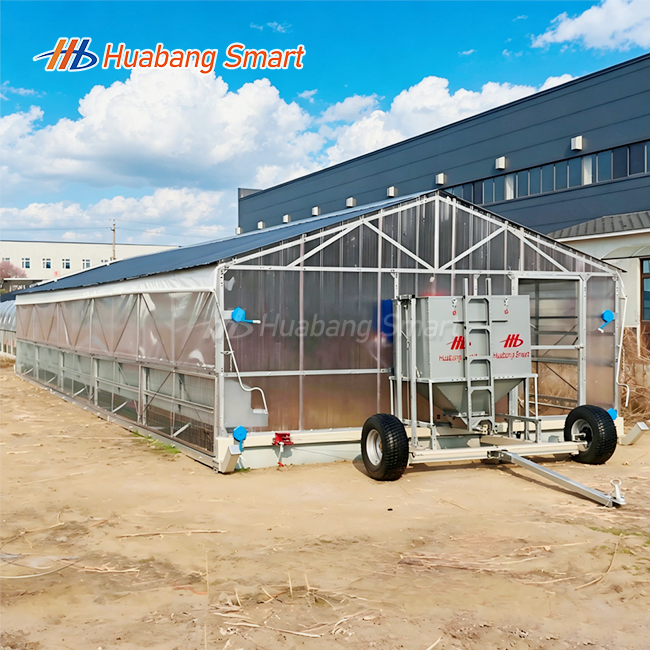 VIEW MOREMobile Chicken Coop With Wheels
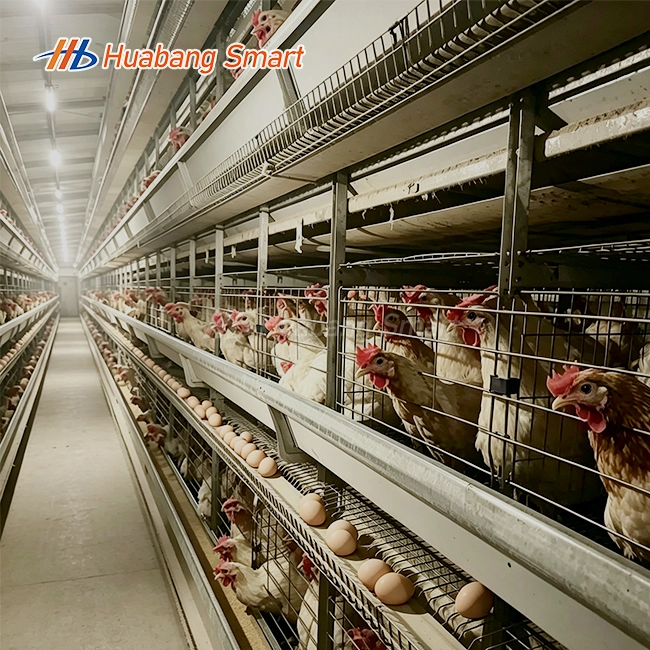 VIEW MORELayer Cages Egg Chicken Poultry Farm