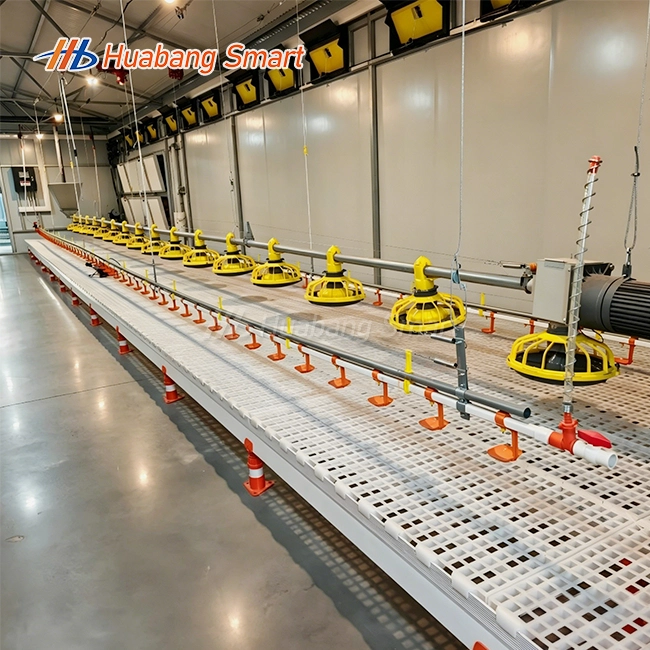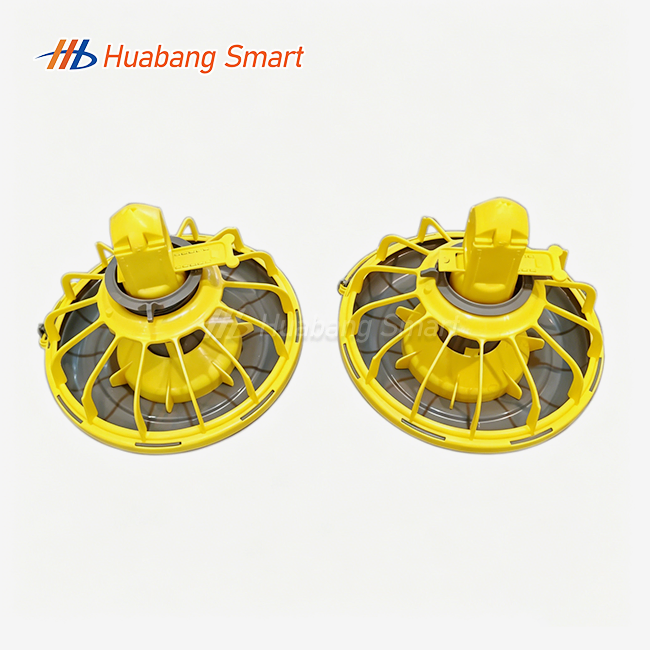

Automatic Chicken Feeder and Waterer Systems for Commercial Poultry Farms
Commercial poultry operations across the United States face mounting pressure to produce more birds with fewer workers and tighter margins. An automatic chicken feeder and waterer system directly addresses that pressure by replacing repetitive manual tasks with consistent, programmable delivery of feed and water. When properly specified, these systems reduce daily labor hours, cut feed waste, and protect flock health through closed-loop biosecurity design. This guide walks you through everything you need to evaluate, select, and procure the right solution for your operation.
Understanding Automatic Chicken Feeder and Waterer Systems
You should know how they're put together and the difference between a cheap one and a field-grade one before you buy one.
Core System Types and Operating Principles
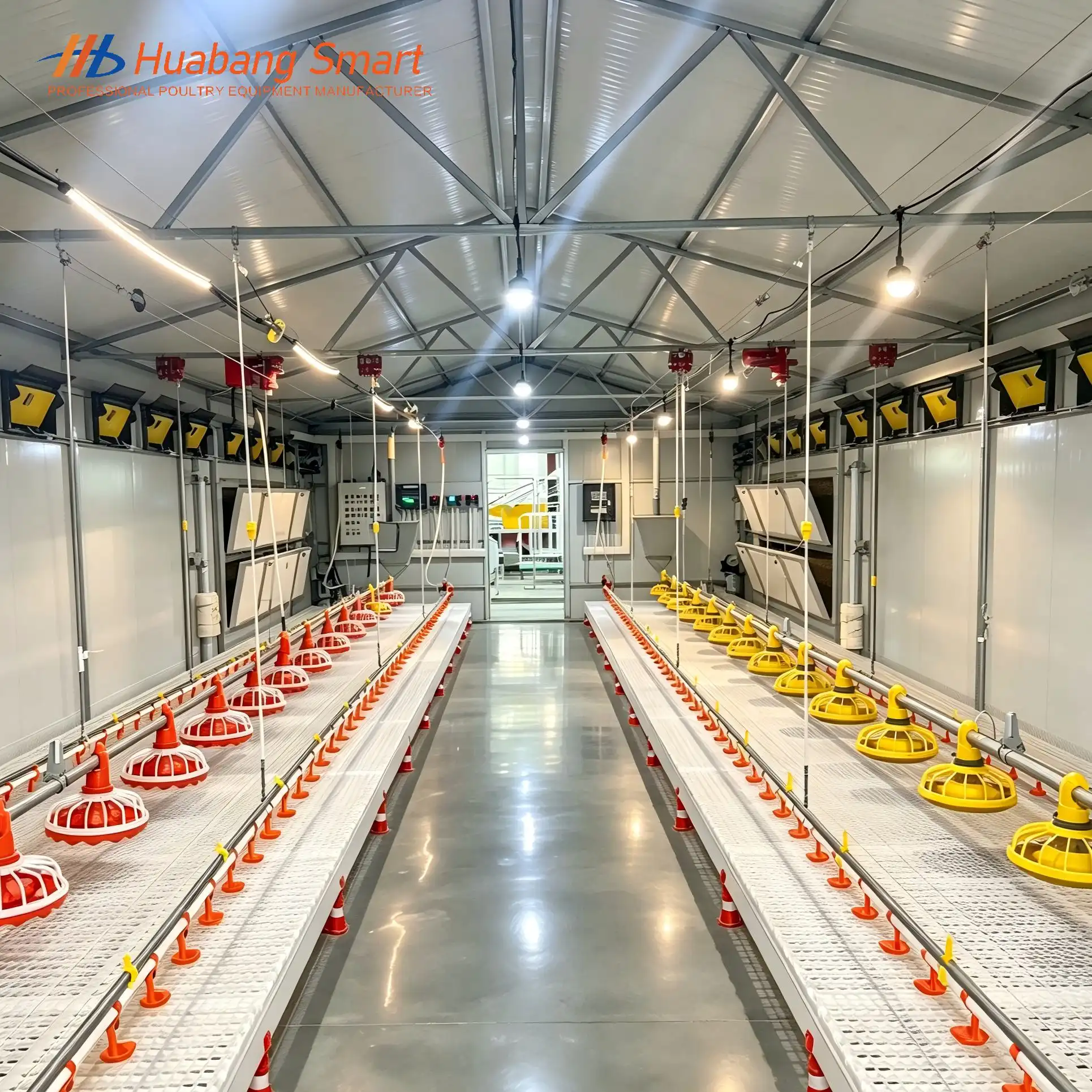
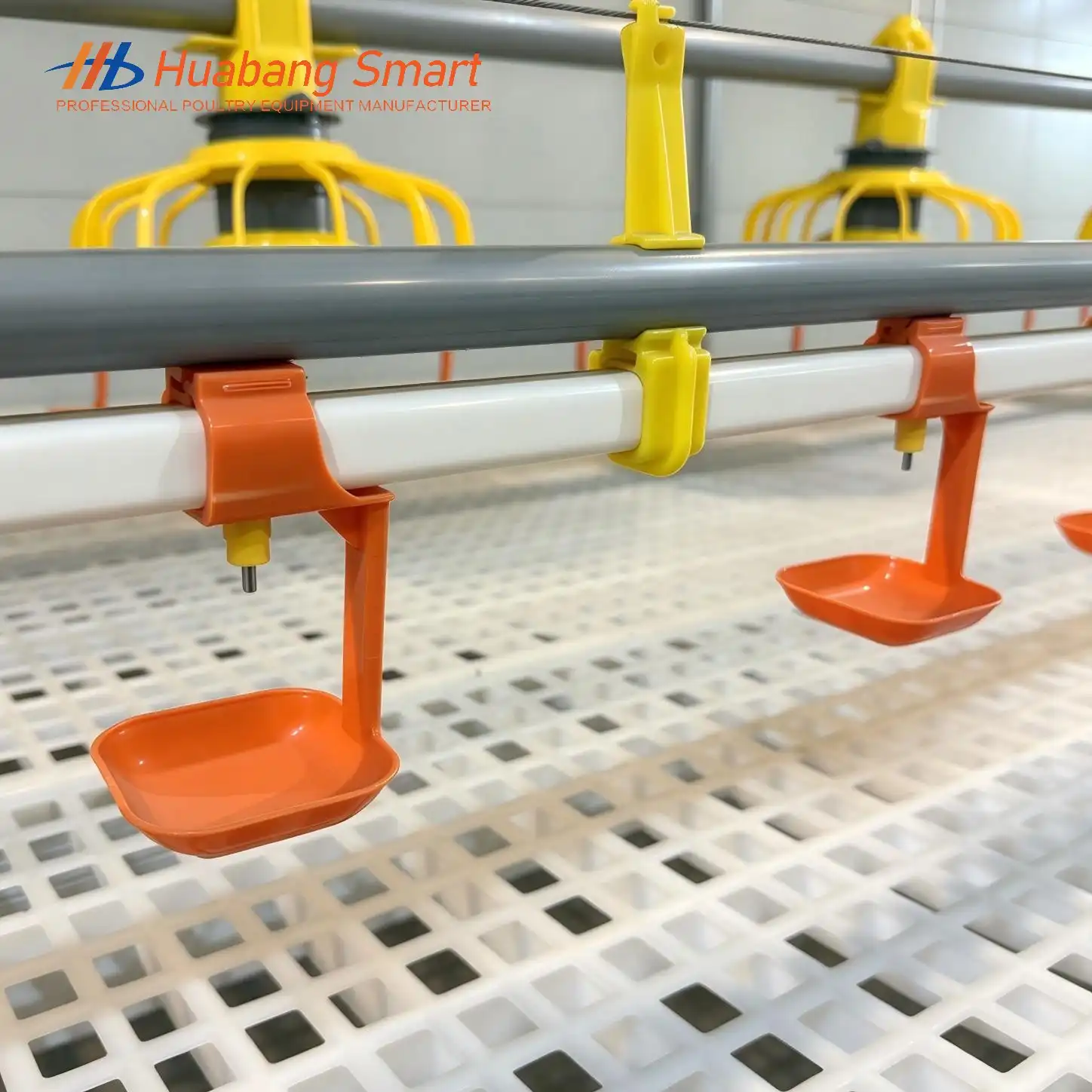
There are three main types of delivery systems used by commercial chicken farms. These are gravity-fed hoppers, where birds eat by lifting their bodies on a treadle; electrically driven auger or chain-disc lines, which push set amounts of feed at set times; and nipple-based closed-loop water lines, where birds push the trigger pin to get water when they need it. First, make sure the machine you choose is right for the line. It works for different sizes of scale and species.
Integration with Farm Management Software
These days, tools that water and feed animals can quickly connect to computers on farms or hubs for the Internet of Things. It is possible to check the diet by keeping track of how many times each line is fed and how much water is used. The sensor nodes also mark pressure drops that mean there are leaks. The USDA Economic Research Service says that 65–70% of the total cost of keeping chickens is spent on food. The ability to see in real time how much is being used directly helps keep costs down on a large scale.
Safety Features and Basic Maintenance
Pressure regulators make sure the flow stays steady no matter how full the header tank is, and anti-perch conical guards keep feces from getting into the nipple body. Pressure regulators also keep the line clean. If you live in a place with hard water, you should flush a good stainless steel nipple drinker's lines every 7–14 days and check the O-rings after each flock cycle. 304 stainless steel will last at least five years in a barn that gets a lot of rain if you follow these steps.
Benefits of Using Automated Feeding and Watering Systems in Commercial Poultry Farms
About ten years ago, farms run by people did a lot less work than farms run by machines. Now, the difference is much bigger. That's why the move is right.
Labor Reduction and Error Elimination
One daily pressure check is all that's needed for an automatic nipple drinker line that serves 10,000 broilers. This is instead of several fill runs that need to be done by hand. The National Chicken Council says that U.S. broiler farms already have to pay their workers very little. If 500,000 birds are raised every year, 20% less time spent on each one can save a lot of money.
Flock Health and Growth Performance
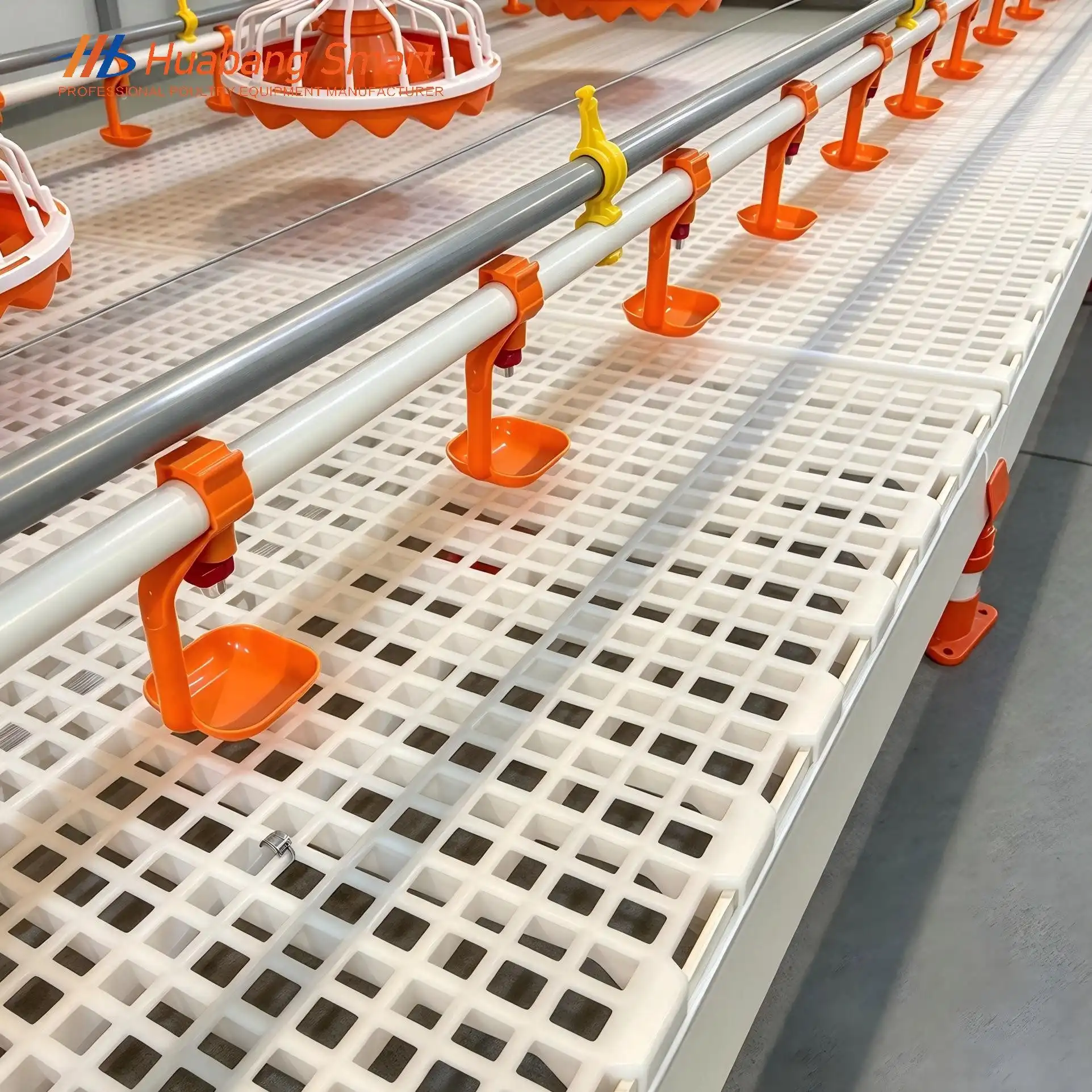
Animal waste, dust, and manure can't get into the water that is stored in closed-loop nipple drinkers of an Automatic Chicken Feeder And Waterer. Open trough systems don't bring in as many germs every day because of how they are built. According to a study published in the journal "Poultry Science," giving chickens clean water all the time makes them gain weight faster and eat less. Because of this, more money is made every time.
Long-Term ROI and Cost Savings
About every 36 months, for a medium-sized industrial farm, the cash case grows like this:
- Water conservation: Nipple drinker systems reduce water consumption by over 30% compared to open troughs, cutting utility bills and wastewater processing costs in states with strict environmental compliance requirements.
- Feed waste reduction: Precision-timed auger or pan feeders cut floor spillage to near zero, recovering the equivalent of 3–5% of total feed cost annually, which on a large-scale broiler unit represents tens of thousands of dollars.
- Mortality reduction: Consistent hydration access during heat events—increasingly common across the U.S. Sun Belt—measurably lowers heat-stress mortality, protecting revenue per flock cycle.
Save water: Nibble drinker systems use more than 30% less water than open troughs. In states with strict environmental rules, this lowers the cost of power bills and getting rid of wastewater.Less feed waste: timed auger or pan feeders keep almost all spills from happening on the floor. This saves 3–5% of the total cost of feed every year, which for a large broiler unit adds up to tens of thousands of dollars.
Make sure animals can get water during heat waves, which are happening more and more often in the U.S. Sun Belt. This will greatly reduce deaths from heat stress and protect income per flock cycle.
How to Choose the Right System for Your Poultry Farm?
Selecting the wrong specification wastes capital and creates integration headaches. The right framework makes the decision straightforward.
Match Capacity to Flock Size and Bird Type
A nipple-drinker line supporting 12–15 birds per nipple works well for broilers and layers in cage or floor systems. Brooding chicks require lower-pressure nipples with a flow rate around 0.3–0.8 L/min to prevent spillage and wet litter. Grow-out and breeder flocks perform better with mid-range flow rates of 1.5–2.5 L/min. Confirm that the supplier offers selectable flow rates so one product family covers your entire production cycle without re-engineering the water line.
Evaluate Material Durability Against Your Environment
Barn atmospheres carry ammonia concentrations that corrode mild steel rapidly. Food-grade 304 stainless steel nipples resist ammonia, acidic sanitizers, and physical wear from repeated pecking across thousands of bird-days. UV-stabilized PVC or PP pipe maintains structural integrity in open-sided houses exposed to direct sunlight in warm climates. Ask suppliers for salt-spray test results (ASTM B117) and accelerated weathering data (ASTM G154) before finalizing a specification.
Assess Installation Ease and Supplier Support
Modular snap-fit pipe connections reduce installation time to hours rather than days and allow section-by-section replacement without draining the full line. For large EPC contracts or multi-house farm builds, verify that the supplier provides video installation guides, on-site commissioning support, and a documented spare-parts program. Systems backed by ISO9001-certified manufacturing and CE certification carry independently validated quality management assurance.
Market Overview and Procurement Strategies
People in the U.S. who want to buy a professional Automatic Chicken Feeder And Waterer no longer buy parts separately. They buy whole sets instead. This is the case because businesses want full service.
Sourcing Channels and Supplier Evaluation
Trade shows like IPPE (International Production & Processing Expo), OEM/ODM direct factory buying, or marketing partners in the area are where most people find sellers to buy from. When you buy in bulk from certified makers with 30–60 day production times, you can get the best deals. Plus, you can be sure that integrators can make unique farm plans that work with OEM designs.
Pricing Framework and Risk Mitigation
The price of a Nipsey drinker system depends on how many nipples it has, how the pipes are set up, and how automated it is. Because maintenance costs a lot, you should think about that when you compare prices. This includes how much it costs to get new parts, how long the warranty lasts, and how quickly you can get help after the sale. If a seller has both CE and ISO9001 certificates, you can be sure that they follow the rules for making things. The guarantee says that the nipple body, O-ring seals, and pressure control parts will be strong. These parts get worn out the most quickly.
Troubleshooting, Common Issues, and Risk Mitigation
Even processes that are clear and need to run can go wrong. If you know what the most common types of failure are, you can fix them faster and keep production running smoothly.
Diagnosing Blockages and Drip Failures
Nipples get clogged up and leak all the time because of mineral scale and bacteria. Every time you change the flock, flush the lines with a food-safe descaler. If there is a leak between flocks, clean the stainless steel valve seat or replace any worn-out O-rings. The pipe section can be fixed in the field without taking it apart because the trigger can be turned all the way around and the valve pin can be changed.
Pressure and Leak Management
A broken snap-fit joint or a bad pressure control is the main reason why pressure drops across a line. Walk along the whole length of the line and feel the joints with your hands during the first pressure fill after installation. Part of the project completion process is to test the water pressure at 1.5 bar while the system is being put into service. This is done to make sure that there are no leaks at any points where the nipples meet before the birds move in.
User Error and Preventive Best Practices
In real life, people often make mistakes like leaving the water pressure too high in chick brooders, forgetting to check the O-rings when the group turns over, and not changing the nipple height as the birds grow. Bugs are found before they hurt the birds or the system itself thanks to a log that is linked to the age of the group.
Conclusion
Of course, if you want to, you can buy an Automatic Chicken Feeder And Waterer that will feed and water the chickens for you. Any farm that wants to be successful in terms of how well it works, how safe the food is, and how much money it makes needs to do this. New closed-loop nipple drinker systems are better than old open-trough systems in terms of water use, labor hours, flock health, and long-term maintenance costs. They are easy to install and have parts made of 304 stainless steel. You can save money and keep the equipment from breaking down more often if you make sure it fits your flock type, barn setting, and infrastructure.
Frequently Asked Questions
How many birds can one nipple drinker support?
A properly pressurized nipple drinker in a commercial broiler or layer house supports 12–15 birds per nipple. Exceeding this ratio causes competition at the drinker point and uneven hydration across the flock, which negatively affects uniformity at processing weight.
What flow rate should I select for chicks versus grow-out broilers?
Chick brooders require a low flow rate of 0.3–0.8 L/min to prevent litter wetting. As birds progress to grow-out and breeder stages, a higher flow rate of 1.5–2.5 L/min or 10–20 L/min suits their increased daily water intake requirements.
How do I prevent mineral scale buildup inside the water lines?
Flush lines with a food-safe citric acid descaling solution at every flock changeover. In hard-water regions, install an inline water softener or carbon filter at the header tank to reduce calcium carbonate deposition at nipple valve seats.
Are these systems compatible with cage, floor, and aviary setups?
Yes. The modular pipe design and adjustable mounting brackets allow installation across cage battery systems, deep-litter floor-rearing houses, and multi-tier aviary structures without modification to the nipple body or pressure regulator configuration.
What certifications should I require from a supplier?
Require ISO9001 certification for manufacturing quality management and CE certification for product safety compliance. Ask for ASTM B117 salt-spray test results and ASTM G154 weathering test data to verify material durability claims independently.
Partner with Huabang Smart for Your Next Poultry Watering System Project
In over 100 countries since 2012, Huabang Smart has sold accurate tools to farms and EPC firms. These things help chickens drink and eat. When you buy one of our Automatic Chicken Feeder And Waterer, you can pick the flow rate. The feeders are made of 304 stainless steel. They have been fully certified to ISO 9001 and CE. Since we are the manufacturer of the Automatic Chicken Feeder and Waterer, we can do OEM and ODM designs, as well as custom pipe plans and testing right where the products are used. Right now, email ginny260831@gmail.com or huabangsmart002@gmail.com to get a quote and a list of configurations that work well for your project.
References
1. National Chicken Council. Broiler Industry Key Facts. 2023.
2. USDA Economic Research Service. Costs of Production: Broilers. 2022.
3. Yahav, S. et al. "Water Intake and Thermal Comfort in Broilers." Poultry Science. 2004.
4. Lacy, M.P. Broiler Management Guide. University of Georgia Cooperative Extension. 2021.
5. North, M.O., & Bell, D.D. Commercial Chicken Meat and Egg Production. 5th ed. Springer. 2002.
6. Bell, D.D., & Weaver, W.D. Commercial Chicken Meat and Egg Production. Kluwer Academic Publishers. 2002.

USER EVALUATE
Here is the customer's evaluation of us
(1)_1793069021831.webp)
_1793069344679.webp)