
Automatic Feeders For Chickens Enhance Farm Feeding Efficiency
Automatic Feeders For Chickens have become a cornerstone of modern commercial poultry management. As labor costs rise and flock sizes expand, relying on manual feeding is no longer sustainable for large-scale operations. Precision-engineered Feeders For Chickens can automate distribution schedules, regulate portion accuracy, and reduce feed wastage, directly supporting improvements in Feed Conversion Ratio (FCR). Research from the Poultry Science Association indicates that automated feeding can reduce feed waste by up to 15% compared with manual methods. For farm owners, procurement managers, and EPC contractors, investing in reliable Feeders For Chickens is a decision that can have a significant impact on long-term operational efficiency and profitability.
Understanding Automatic Chicken Feeders and Their Benefits
What Makes Automated Feeding Systems Effective
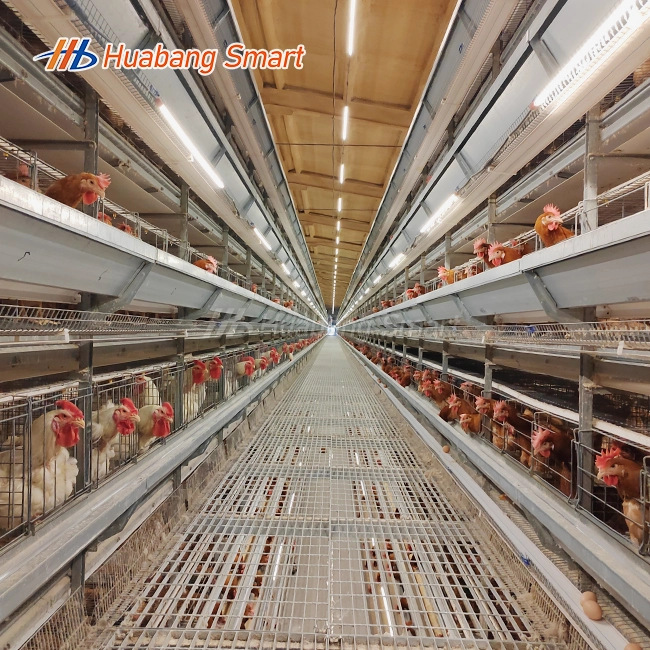
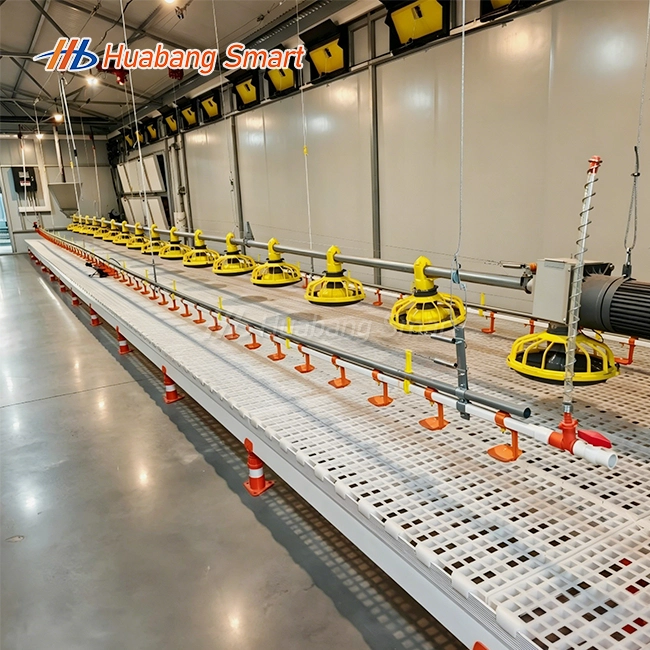
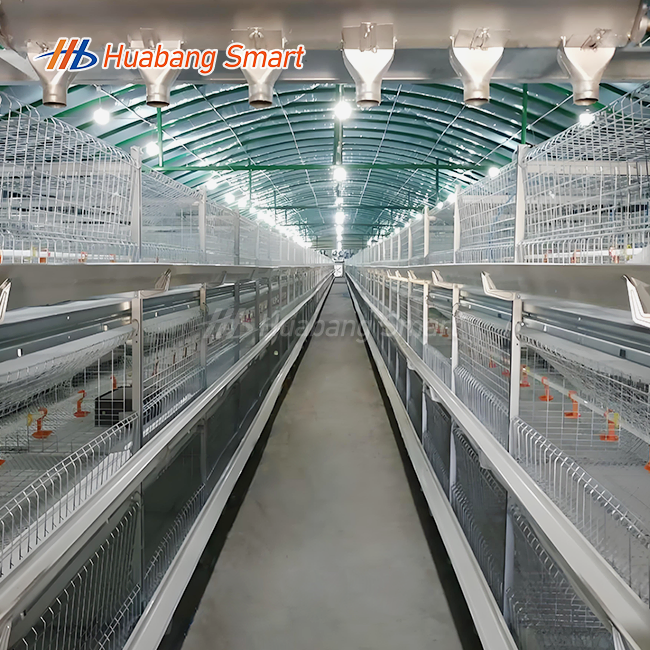
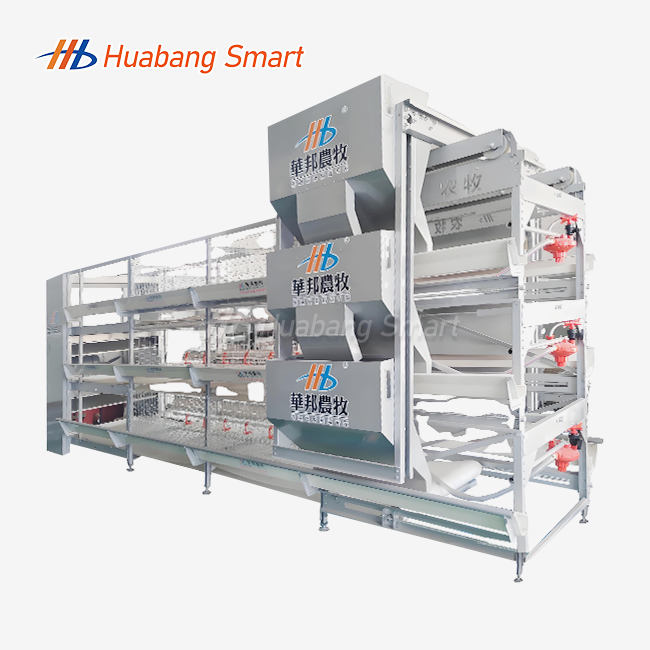
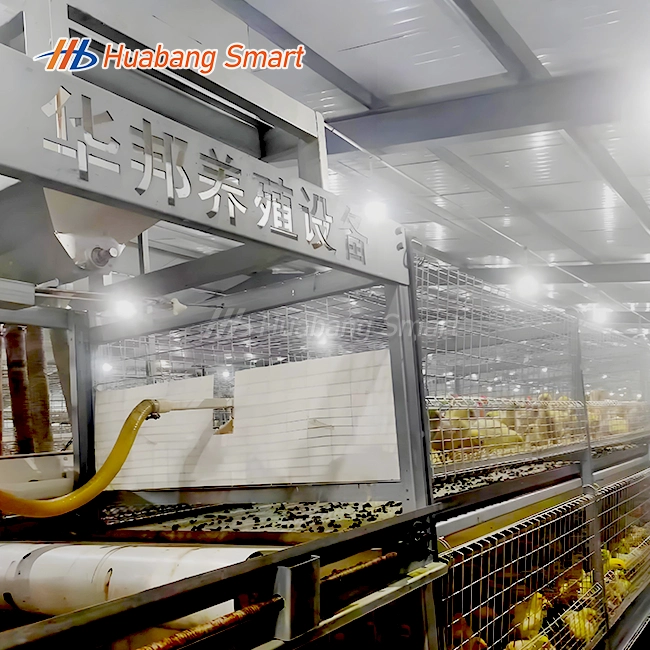
Modern equipment for feeding chickens automates the whole process of delivering food, from storing it in bulk to delivering it to each chicken in a pan. Instead of having farm workers move and spread feed by hand, these systems work on set schedules and consistently produce the same amount. In practice, this means less human error, less reliance on manual labor, and more even nutrition for all the birds in the house. Farms that use automatic pan feeding lines say that their flocks are more regular and that the death rates caused by competition stress at feeding points have gone down.
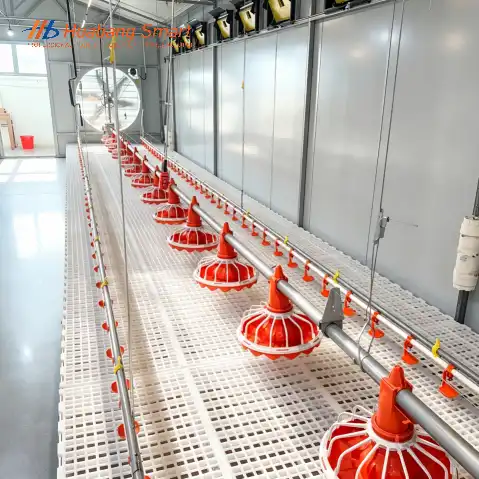
Covered and protected feed delivery pipes help protect feed quality from moisture, rodents, and airborne pathogens while reducing manual labor. These features make Feeders For Chickens a practical choice for commercial broiler and layer farms that need more consistent feeding and stronger biosecurity. Properly enclosed Feeders For Chickens can help keep feed protected throughout the delivery process, while automated distribution also reduces the need for frequent manual handling. For modern poultry operations, reliable Feeders For Chickens can therefore support both feeding efficiency and increasingly important biosecurity goals.
Key Selection Criteria for Automatic Chicken Feeders in B2B Procurement
There's more to picking the right poultry feeding system for a business than just looking at prices. The procurement teams need to look at things like volume, material purity, automation compatibility, and the ability to be used for a long time.
Here are the main things that serious buyers look at before deciding to buy a system:
- Feed Capacity Output: Commercial-scale farms need systems capable of handling high-throughput demands. A system delivering 1,400 kg per hour—like Huabang Smart's Pan Feeding System—can serve large broiler houses without creating feeding bottlenecks.
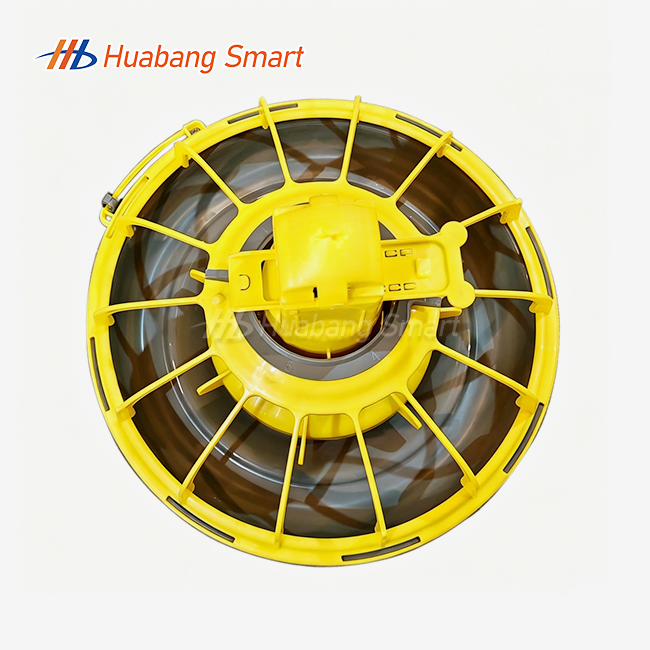
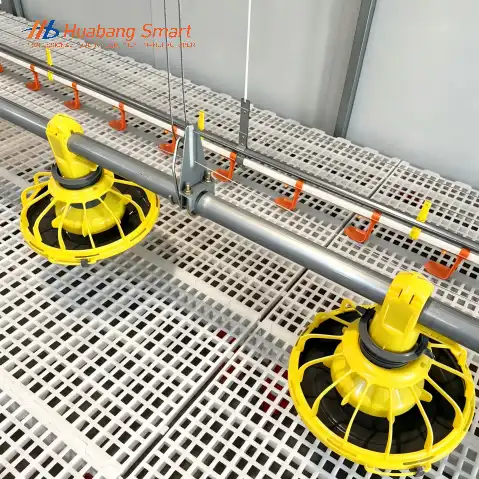
- Pan Design and Feed Cell Count: A 330mm diameter feeding pan with 16 compartments ensures that multiple birds feed simultaneously without crowding, which reduces stress-related weight loss and injury.
- Material Standards: Food-grade virgin PP (polypropylene) components are non-toxic, odorless, and resistant to the corrosive ammonia environment inside poultry houses. This extends equipment lifespan and protects flock health.
- Feed Pipe Durability: A PVC feed pipe measuring 75mm x 3.6mm wall thickness offers structural resilience under continuous mechanical load and chemical exposure.
- System Compatibility: Equipment must integrate with existing environmental control infrastructure and support smart controllers for timed feeding cycles and data logging.
For any good buying choice, these factors are the technical building blocks. Ignoring any one of them could cause the equipment to not work well, cost too much to maintain, or break down early in harsh home conditions.
The Huabang Smart Pan Feeding System: Built for Commercial Scale
Product Specifications That Deliver Results
Shandong Huabang Agricultural And Animal Husbandry Machinery Co., Ltd. designed the Pan Feeding System to work with broiler and layer farms that require reliable performance on a large scale. With 49 core technology patents and more than 17 years of experience in designing and manufacturing poultry systems, Huabang Smart brings proven technical expertise to every system it supplies. Its Feeders For Chickens are designed to support consistent feed distribution and efficient farm operations, while the company's Feeders For Chickens solutions can be adapted to the needs of different commercial poultry projects.
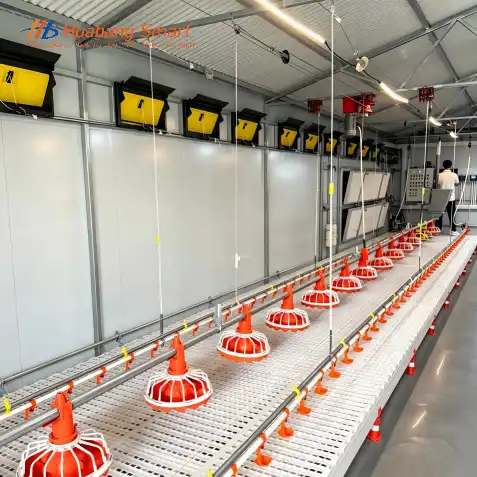
The Pan Feeding System is a complete, fully automatic line for feeding chickens. It was created in Shandong and is now used on farms in over 100 countries. It has a 1,400 kg/h feed output, a 330mm feeding pan with 16 cells, and a 75mm PVC feed pipe with a 3.6mm wall thickness. It also comes with ISO 9001 and CE certification and a 1-year warranty.
Core Advantages That Solve Real Farm Problems
Here are some benefits that solve some of the biggest problems that come up in commercial poultry farming:
- Precision Height Adjustment: The high-precision winch mechanism allows pan height to track bird growth stages. This eliminates access difficulties for smaller birds during early growth phases and reduces crowding injuries near the pan rim.
- Anti-Waste Grill Design: The optimized feed grill prevents scatter loss, keeps litter dry, and lowers the risk of coccidiosis—a major disease cost driver on broiler farms. The USDA estimates coccidiosis costs the U.S. poultry industry over $600 million annually.
- Uniform Distribution via Auger Drive: The auger conveying mechanism delivers feed consistently along the entire line length, eliminating dead zones where birds at the far end of the house receive less feed than those near the inlet.
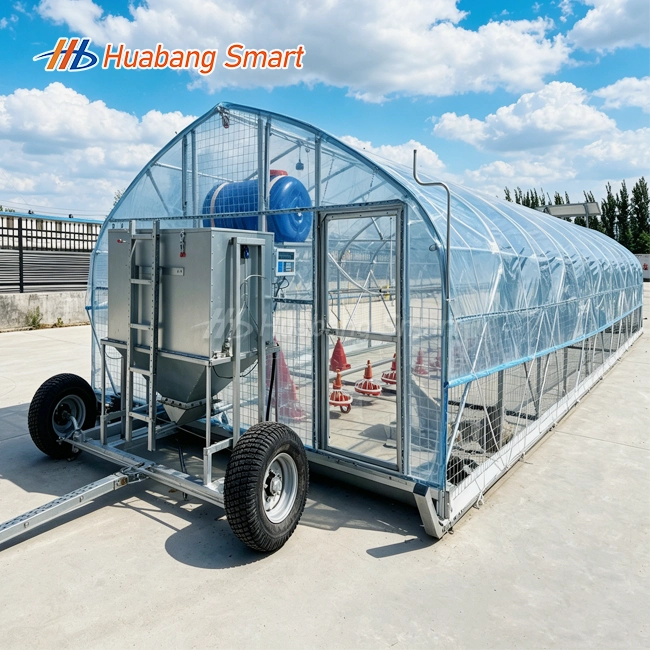
- Modular Lightweight Construction: Quick-fit components allow installation teams to set up or reconfigure the system efficiently, making it viable for both permanent fixed houses and relocatable mobile poultry coops.
- Smart Control Integration: The system supports timed feeding controllers and data monitoring interfaces, enabling farm managers to track feed consumption, optimize ration delivery, and connect the feeding line to broader IoT farm management platforms.
All of these benefits add up to a noticeable rise in feed efficiency, bird uniformity, and operational cost structure. These are the outcomes that mean the most to both farm owners and technical directors.
Implementation Strategies to Maximize Feeding Efficiency
Putting in automatic equipment to feed chickens only works if you have an organized plan for how to use it. Before installing, the site should be inspected to find the best places for the pipes to go, the pans' spacing in relation to the width of the house, and the winch anchor points that work with your specific rafter structure.
The auger drive speed and feed dispensing cycle times in Feeders For Chickens should be calibrated according to the age of the birds and the type of feed being supplied. Pellets, crumbles, and mash each require different flow parameters to prevent the feed from sticking together inside the pipe. Regular maintenance of Feeders For Chickens, such as cleaning the pans once a week and checking the auger once a month, helps keep the system running efficiently and reduces the risk of feed contamination. Proper maintenance of Feeders For Chickens is therefore essential for consistent feeding performance and long-term system reliability.
For customers from outside of Huabang, Smart offers full implementation support, including site planning, configuration documents, video installation guides, on-site installation help, and ongoing local after-sales service. Custom designs can be used to make OEM and ODM versions.
Future Trends in Poultry Feeding Automation
IoT-connected feeding systems are the next step in managing commercial chicken coops. With remote tracking screens, operations managers can see at a glance how much feed is being used in real time across multiple homes or even across multiple farm sites. This level of transparency helps precision nutrition programs, in which ration amounts are changed based on data about growing success instead of set schedules.
Sustainability is also changing the way equipment is made. Drive motors that use less energy, food-grade polymers that can be recycled, and grill geometries that reduce waste are no longer extras but standard features. This change is happening faster because of rules in both the EU and the US markets. This is why it's important for procurement teams to work with companies that are already spending in these areas.
Conclusion
Automated Feeders For Chickens are no longer optional for farms focused on profitability and biosecurity. The right Feeders For Chickens system can reduce labor dependency, minimize feed waste, and support flock uniformity throughout the production cycle. Huabang Smart's Pan Feeding System delivers technically verified performance, with a 1,400 kg/h capacity, anti-waste pan design, auger-driven uniform distribution, and smart control compatibility, backed by ISO 9001 and CE certification. With deployment experience across more than 100 countries and full turnkey support, these Feeders For Chickens represent a dependable long-term investment for commercial broiler and layer operations.
FAQ
What feed types are compatible with automated pan feeding systems?
Pan feeding lines handle pellets and crumbles most effectively. Mash feed requires adjusted auger speed and steeper internal pipe angles to prevent material bridging. Confirming feed type during system configuration ensures optimal flow performance.
How does a precision height adjustment system improve flock performance?
The winch-driven height control tracks bird growth stages, keeping the pan rim at the back height. This reduces beak injuries, prevents dominant birds from monopolizing feed access, and supports more even weight distribution across the flock.
What maintenance does an automatic feeding line require?
Weekly pan cleaning, monthly auger and pipe inspection, and periodic grill check for blockage are standard. Huabang Smart provides maintenance guidance and spare parts availability as part of its after-sales support structure.
How do I prevent feed wastage with a pan system?
The anti-waste grill geometry physically restricts scatter. Combined with correct pan height calibration, wastage rates drop significantly. Dry litter resulting from waste reduction also reduces disease pressure, lowering production costs over the full cycle.
Can this system integrate with existing farm control platforms?
Yes. The Pan Feeding System supports timed controller interfaces and IoT monitoring compatibility, making integration with existing environmental and management control systems straightforward for farm technical directors.
Partner with Huabang Smart for Reliable Chicken Feeder Solutions
Choosing the right Feeders For Chickens supplier can directly influence feeding efficiency, labor management, and long-term farm productivity. Huabang Smart provides reliable automatic pan feeding systems designed for commercial broiler and layer farms, offering stable feed distribution, reduced waste, and flexible solutions for different farm layouts.
With more than 17 years of experience, advanced manufacturing capabilities, ISO9001 and CE certifications, and successful installations in over 100 countries, Huabang Smart supports global customers with complete poultry feeding solutions. From system configuration and OEM/ODM customization to installation guidance and after-sales support, our team helps poultry producers achieve efficient and dependable feeding operations.
Whether you are expanding a commercial poultry farm, sourcing equipment for multiple projects, or looking for a long-term agricultural machinery partner, Huabang Smart can provide customized solutions based on your operational requirements.
Contact Huabang Smart today at admin@huabangsmart.com to discuss your automatic chicken feeder requirements, request technical specifications, or explore OEM and distribution cooperation opportunities.
References
1. Poultry Science Association. Poultry Science Journal. 2022.
2. United States Department of Agriculture (USDA). Coccidiosis in Poultry: Economic Impact and Control Strategies. 2021.
3. Food and Agriculture Organization of the United Nations (FAO). Poultry Development Review: Automated Production Systems. 2020.
4. National Chicken Council (NCC). U.S. Broiler Industry Statistical Report. 2023.
5. World's Poultry Science Journal. Feed Conversion Ratio Optimization in Commercial Broiler Production. 2022.
6. American Society of Agricultural and Biological Engineers (ASABE). Standards for Automated Livestock Feeding Equipment Design and Performance. 2021.

USER EVALUATE
Here is the customer's evaluation of us