
What Should You Consider When Buying Layer Hen Cages?
When buying layer hen cages, you need to evaluate material durability, automation capability, cage configuration, supplier reliability, and long-term ROI. The right poultry housing system directly determines your flock's productivity, egg quality, and operational cost structure. Whether you manage a large commercial egg farm or are developing a turnkey poultry project, selecting the wrong cage system can cost you years of diminished output and elevated labor expenses. This guide walks you through every critical decision point so you invest with confidence.
Understanding Layer Hen Cages and Their Importance
The structure and functionality of the house system you choose play a big role in how well you can hatch eggs for sale today. A well-designed cage system does a lot more than just hold birds. From the time a hen starts laying eggs, it controls how much food they eat, how safe the environment is, and how healthy the eggs are.
Types of Cage Systems and Their Core Materials
A-type (ladder-style) and H-type (vertical battery) cages are the two most common types used in business. A-type systems work well in homes that are naturally ventilated and are located in tropical areas where cost-effectiveness and airflow are important. When it comes to high-density, climate-controlled operations where full automation and vertical room utilization are a must, H-type systems are the way to go.
Length depends on the materials used. Professional systems use Q235 steel wire that has been hot-dip galvanized to get a zinc layer mass of at least 275g/m². This treatment on the surface makes a lasting shield against ammonia, hydrogen sulfide, and water, which are the three most harmful things that can happen in a chicken coop. The aluminum-zinc mesh makes the structure more flexible under load (200–500 kg), which lowers the risk of structural stress and egg breaking.
Welfare, Ventilation, and Regulatory Compliance
Depending on the rules in your area, each bird should have between 450 cm² and 750 cm² of floor space in its layer hen cages. For laying rates to stay high, airflow and lighting plans must be followed exactly when managing layer hen cages. Producers trying to sell their products in the EU and North America are using more and more "enriched colony systems" that include perches, scratch mats, and nesting areas, making modern layer hen cages more adaptable to welfare requirements. This shows that intensive systems using well-designed layer hen cages can keep up with changing welfare standards while still making money.
Key Criteria for Evaluating Layer Hen Cages Before Purchase
When making large-scale purchases, you need to do more than just compare prices. You need to look at the environmental fit, the level of technology, and the structure design all at the same time.
Cage Dimensions and Structural Design
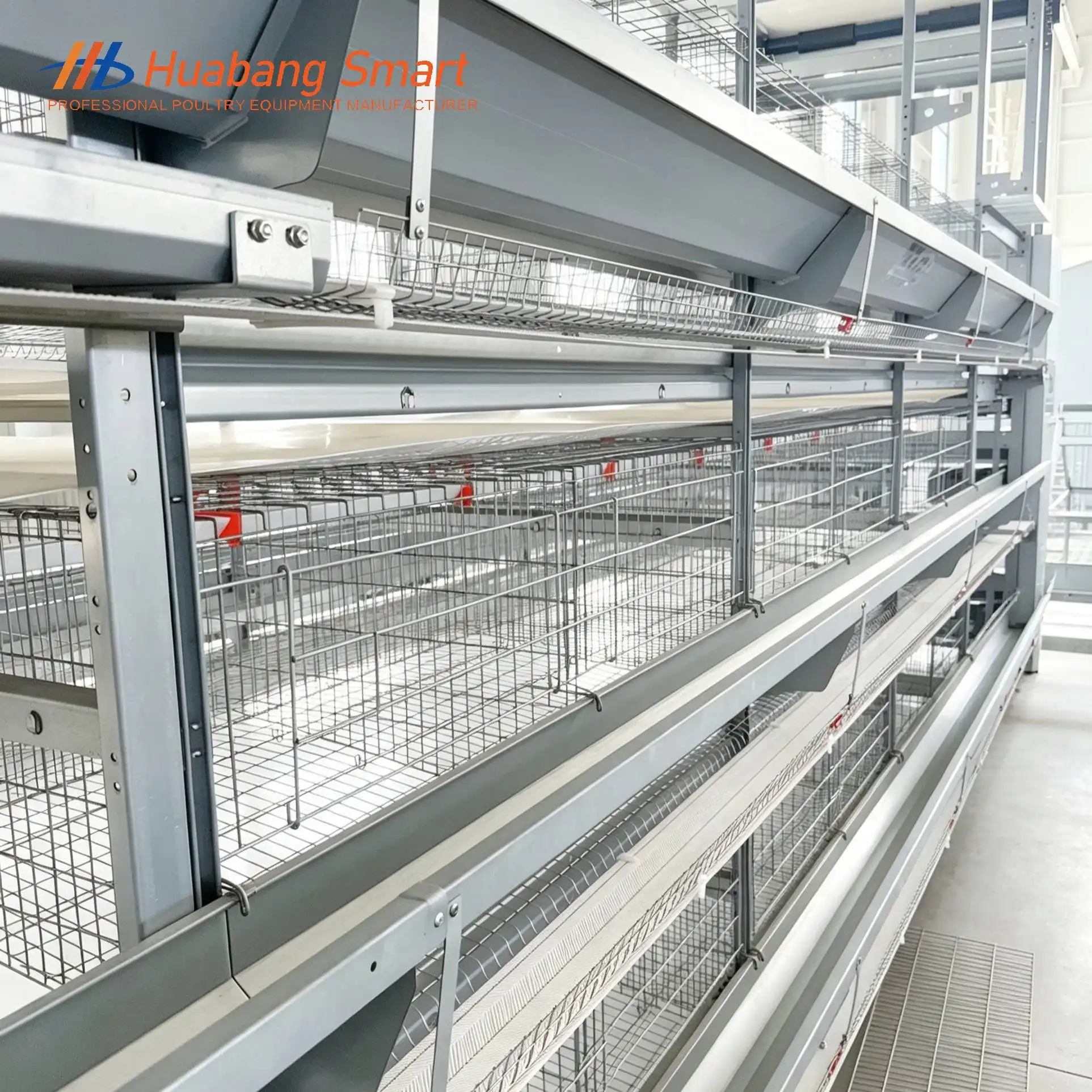
At the right density, a standard cage unit measuring 1.2 × 1.2 × 0.45 m can hold 8–10 birds. The precise engineering parameter for the floor slope is between 7° and 9°. If it's too steep, eggs will hit each other and get damaged, and if it's too flat, eggs will stay in the cage and get damaged by pecking. This one design factor directly affects the number of broken eggs, which can reach 15% in floor systems but fall below 0.3% in well-designed cages.
Material Quality: Why It Determines Your 15-Year ROI
Cold-galvanized steel breaks down in 5–7 years when it is exposed to ammonia all the time. Magnetic induction testing shows that hot-dip galvanized frames keep their structural integrity for 15–20 years with little maintenance. High-grade systems have individual weld joints that can handle a minimum tensile load of 2,000N. This means that the cage won't fall apart when birds, food, and tools are all in it.
Automation Integration and Labor Reduction
There is a strong economic case for automating. 25 to 40 percent of all farm running costs go to labor. The most important parts of a fully automated system should be the following:
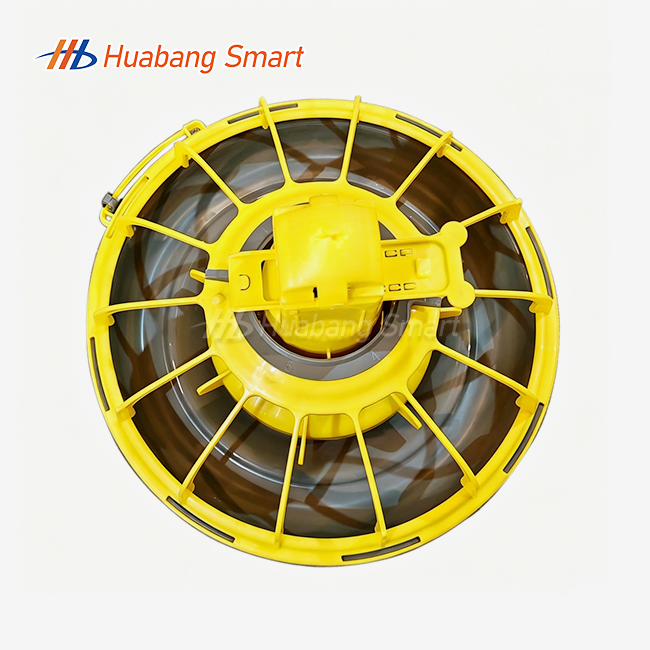
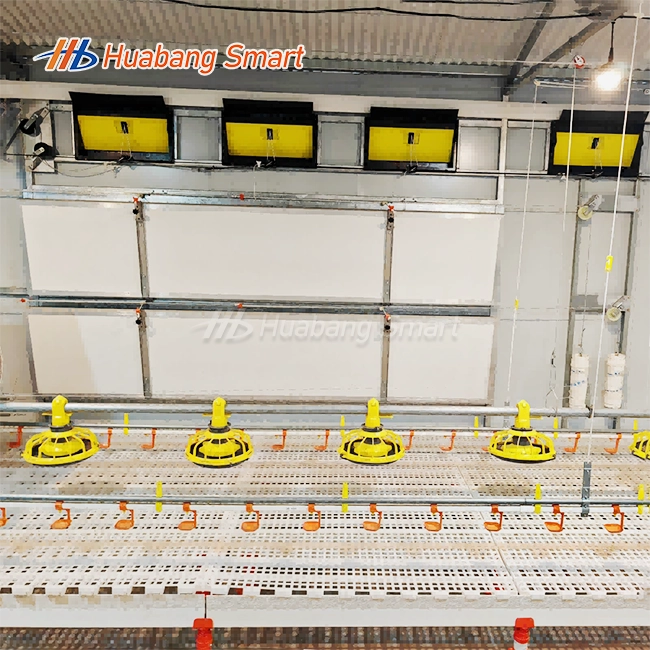
- Precision feeding trolleys delivering feed with 0.5g accuracy to every tier, eliminating manual distribution across multi-story configurations.
- 360° nipple drinker systems providing spill-free, continuous hydration while keeping litter dry and ammonia levels suppressed.
- Mechanical egg collection belts using a 7–9° inclined floor design to roll eggs gently to central collection conveyors, sustaining breakage rates under 0.3%.
- Longitudinal manure scrapers removing waste automatically on scheduled cycles, keeping ammonia concentrations below 20ppm — a threshold critical for both bird respiratory health and worker safety.
When put together, these parts can significantly reduce the labor required to operate modern layer hen cages, with potential labor savings of up to 80% and a measured return on investment (ROI) within the first year of operation. These benefits directly address the rising labor costs that large commercial farms consistently identify as a major productivity barrier, while efficient layer hen cages help streamline daily feeding, watering, egg collection, and manure management. For large-scale producers, investing in reliable layer hen cages can therefore improve operational efficiency and support more predictable long-term production costs.
Comparing Popular Layer Hen Cage Solutions for Different Farm Needs
Choosing between cage configurations isn't just a matter of money; it's also about making sure that the system's capabilities fit the way you work.
H-Type vs. A-Type: Matching Configuration to Infrastructure
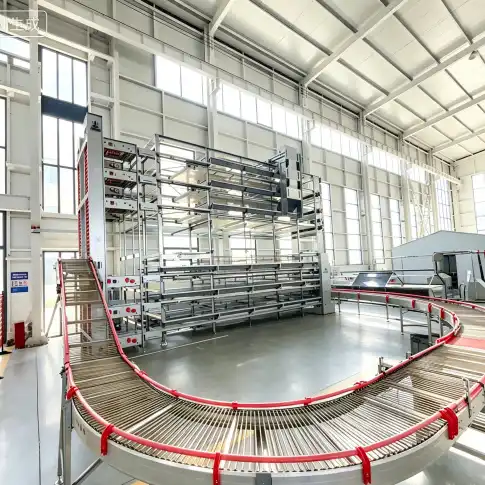
H-type systems work best in climate-controlled, closed buildings with up to 20 birds per square meter of floor space. They come in 3-, 4-, 5-, 6-, and 8-tier designs and can hold 90 to 200 birds per set. They work perfectly with automatic manure belt systems and environmental controls. A-type systems are easier to use for naturally aired homes because they have a middling density and can work with semi-automatic systems. They are perfect for medium-scale operations in Southeast Asia, Latin America, and sub-Saharan Africa.
Price, Warranty, and Supplier Credibility
For serious purchases, you should expect a foreign guarantee that lasts for one year. Check to see if the supplier offers spare parts, video installation guides, and on-site commissioning support in addition to the length of the warranty. Suppliers who are certified by ISO9001 and CE provide quality standards that can be checked. Volume pricing works best for big project orders, but only if the seller can show that they follow the same manufacturing standards for all of them. Patent-backed production methods help make sure of this.
Maintenance, Troubleshooting, and Longevity of Layer Hen Cages
Even the toughest system for housing chickens needs an organized care plan to keep working at its best for as long as it's in use.
Cleaning, Disinfection, and Pest Control Protocols
Cleaning the cages on a regular basis between flock rounds keeps pathogens from building up on the surfaces. Smooth, burr-free galvanized surfaces are an important quality control standard because they keep bacteria from growing and lower the risk of footpad lesions. Any sharp zinc protrusions found during a surface inspection must be fixed before the bird is put in place to keep the feathers from falling out and to stop secondary infections.
Ventilation and Lighting System Inspections
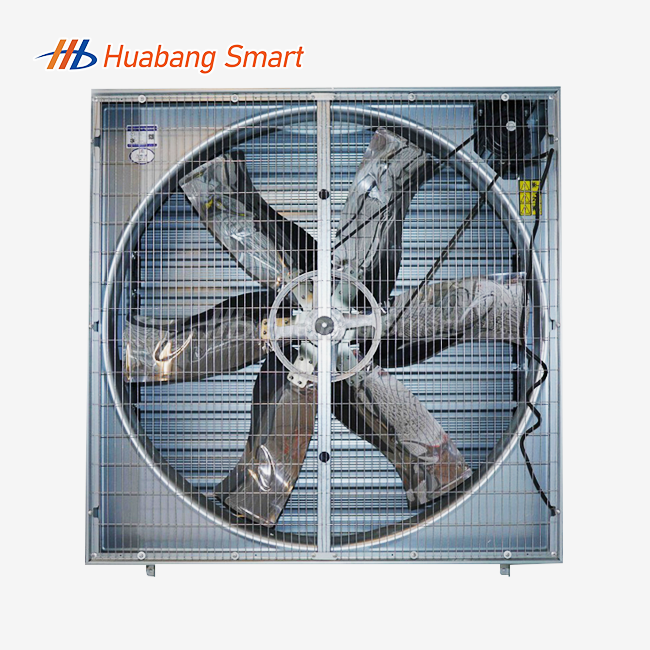
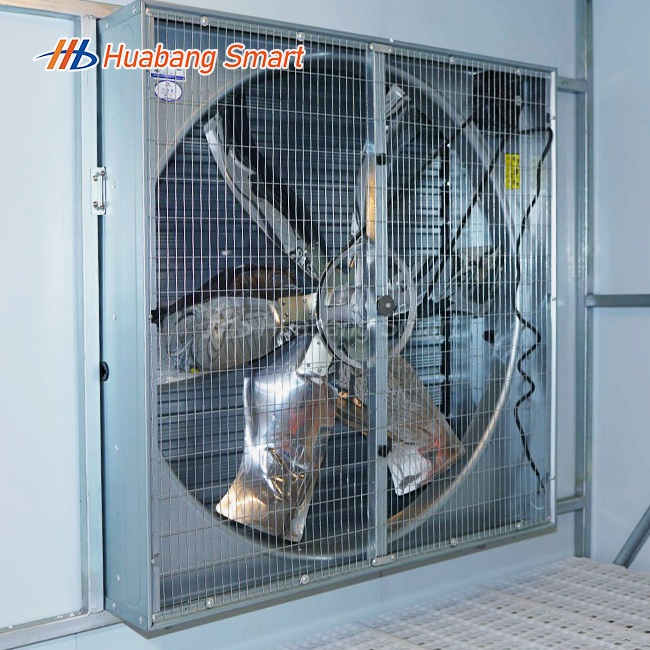
Regular checks on the performance of ventilation fans and the evenness of lighting have a direct effect on the consistency of the laying rate in layer hen cages. When ammonia levels rise above 25 ppm, birds may eat less, and their defense systems may work less effectively, making proper environmental management essential for layer hen cages. Automated environmental controls that respond in real time to sensor readings can maintain suitable conditions without constant manual intervention. As an option, IoT updates let farm managers remotely monitor temperature, humidity, and ammonia levels in layer hen cages using a mobile app. This supports preventative maintenance instead of reactive repairs and helps keep layer hen cages operating efficiently.
Procurement Tips for Global B2B Buyers of Layer Hen Cages
When you buy chicken housing systems from another country, the details are more complicated than when you buy them from within your own country. Suppliers must be chosen based on their export knowledge, ability to provide detailed documentation in multiple languages, and ability to provide help after installation.
Verified certifications, such as ISO9001, CE compliance, and recorded patent portfolios, are objective ways to judge the quality of a company you don't know much about. Customization is very important. OEM and ODM acceptance, which includes making changes to designs based on drawings, lets you change the cage's dimensions, tier count, and material needs to fit your unique barn shape and climate. Your capital investment will be safe as your business grows with modular systems that can handle anywhere from 500 to over 100,000 birds.
Before placing a big order, ask for examples to be sent to you. Check how even the zinc finish is, how tight the weld joints are, and how level the floor is in relation to the technical measurements given. Reliable suppliers back this process because they are sure of the quality of their products.
Conclusion
Choosing the right egg-laying box system is an investment that can pay off over 15 to 20 years. When making that choice, the quality of the structural materials, the level of automation, the suitability of the configuration, and the trustworthiness of the supplier are all very important for reliable layer hen cages. A properly designed, hot-dip galvanized, fully automated system does more than just house birds; it turns egg production into a carefully controlled industrial process, with layer hen cages helping reduce labor costs, manage hygiene risks, and protect egg quality on a large scale. For commercial producers, durable layer hen cages can provide the operational reliability needed for long-term poultry production.
FAQ
What cage size is optimal for balancing egg production with hen welfare?
In commercial setups, each bird should have between 450 and 600 cm² of floor room. For H-type setups, a 1.2 × 1.2 × 0.45 m block that can fit 8–10 birds meets both density and comfort standards. Better colony layouts include places to sit and nest for production that respect animal welfare.
What are the operational advantages of automated manure removal?
Every day, automated scraper systems take out the trash, which keeps the ammonia level below 10–20ppm. This protects the lungs of both birds and farm workers, stops the spread of disease, and gets rid of the need for workers to clear out waste by hand, which is a clear improvement in high-density operations.
Can cage systems be customized for different climates and farm sizes?
Yes. Manufacturers with a good reputation will work with both OEM and ODM orders and can change the tier count, mesh type, ventilation compatibility, and structural strengthening to fit warm, dry, or temperate conditions. With plans that are made to fit your barn's size and biosecurity needs, modular designs can be used for anything from small operations to sites with more than 100,000 birds.
How long do hot-dip galvanized cages last compared to cold-galvanized alternatives?
Hot-dip galvanized systems with a zinc coating of at least 275g/m² keep their structure strong for 15 to 20 years. When exposed to ammonia, cold-galvanized alternatives usually break down within 5–7 years, leading to higher repair costs and unplanned downtime.
Partner with Huabang Smart — Your Trusted Layer Hen Cages Supplier
Huabang Smart brings more than ten years of engineering experience to every project. They offer Layer Hen Cages made from 275g/m² hot-dip galvanized steel that are ISO9001 and CE-certified. These systems are made to last 15–20 years and cut down on work costs by up to 80%. Our "turnkey" service includes planning the site, making a custom design, installing it, and providing long-term support in more than 100 countries after the sale. Email our team at admin@huabangsmart.com right now to get your customized setup and project estimate.
References
1. Appleby, M.C., Mench, J.A., & Hughes, B.O. — Poultry Behaviour and Welfare, CABI Publishing, 2004.
2. Bell, D.D., & Weaver, W.D. — Commercial Chicken Meat and Egg Production, Springer Science & Business Media, 2002.
3. Lay, D.C., et al. — "Hen Welfare in Different Housing Systems," Poultry Science, 2011.
4. Shields, S., & Raj, A.B.M. — "A Critical Review of the Welfare of Egg-Laying Hens in the EU," World's Poultry Science Journal, 2010.
5. Van Horne, P.L.M., & Bondt, N. — "Competitiveness of the EU Egg Sector," LEI Wageningen UR Report, 2014.
6. Xin, H., et al. — "Air Quality Measurements in Layer Hen Housing Systems," Biosystems Engineering, 2011.

USER EVALUATE
Here is the customer's evaluation of us