
Automatic nest system for layers: Egg Collection and Nest Design
An automatic nest system for layers gives hens a protected place to lay, while a sloped nest floor and an egg belt carry each egg to a collection point without hand picking. Good egg collection and nest design depend on three things: a nest that hens accept, a gentle roll path that limits cracks, and a conveyor that moves eggs steadily to the packing area. In this guide, I explain how these systems work, compare them with older options, and share what buyers should check before placing an order. I also describe the Huabang Smart nest box, built for commercial egg farms.
What Is an Automatic Nest System for Layers, and How Does It Work?
Definition and Typical Use
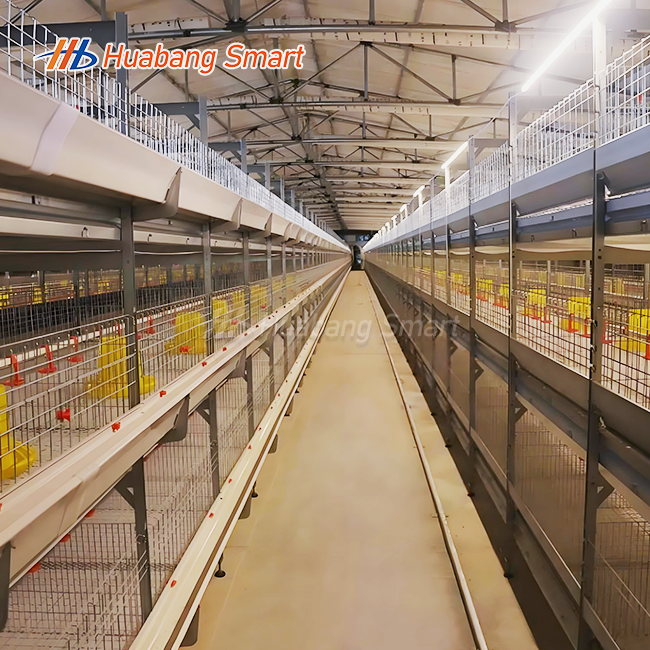
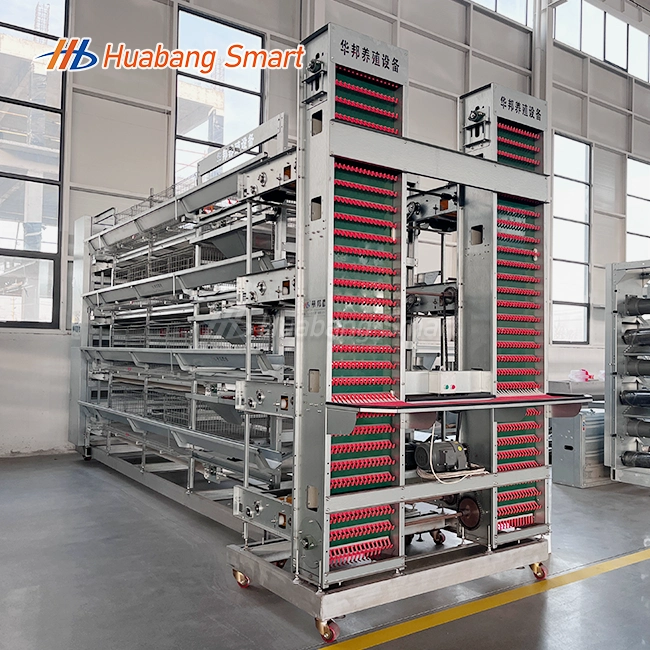
In an automatic nest system for layers, the floors that roll away, the egg belts, the conveyors, and the entry parts are all used for the same purpose. In a manual box, it needs to be checked by hand several times a day. But this method moves the eggs to a place where they can be picked up on their own. It is used on farms with at least 1,000 to 10,000 hens in industrial layer houses, cage-free barns, and free-range operations. How the eggs are laid, how clean they are, how often they break, and how quickly they are picked up depend on the shape of the nest. That's why I tell people who want to buy conveyors and nest boxes to look at the whole process.
Key Components and Design Principles
It's best for hens to lay their eggs somewhere dark, quiet, and safe. They can be alone if the nest has a good compartment. After being laid, the egg is pushed away from where it was by a floor that is padded or sloped. To figure out how many birds can fit in your coop, you should think about their number, breed, peak laying weeks, house size, aisle width, lighting, ventilation, and how they move. Because white and brown hens are different sizes and behave in different ways, the holes and sizes that they can get through may need to be changed. Pegs, light, and learning to be part of a flock early on all help pullets find their nests. Also, birds can't lay their eggs on the ground or sleep or go to the bathroom inside the nest at night.
How Egg Collection Works Step by Step
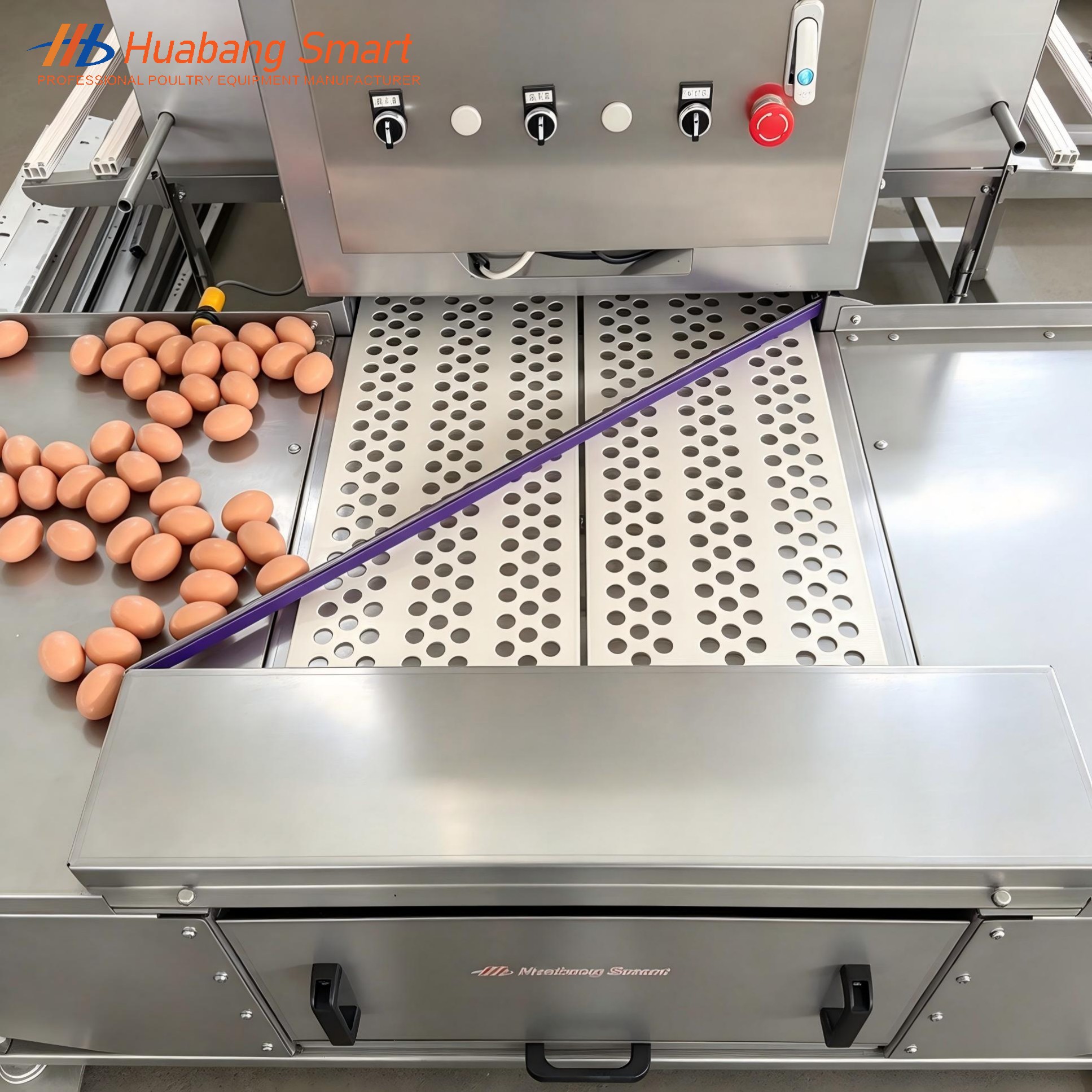
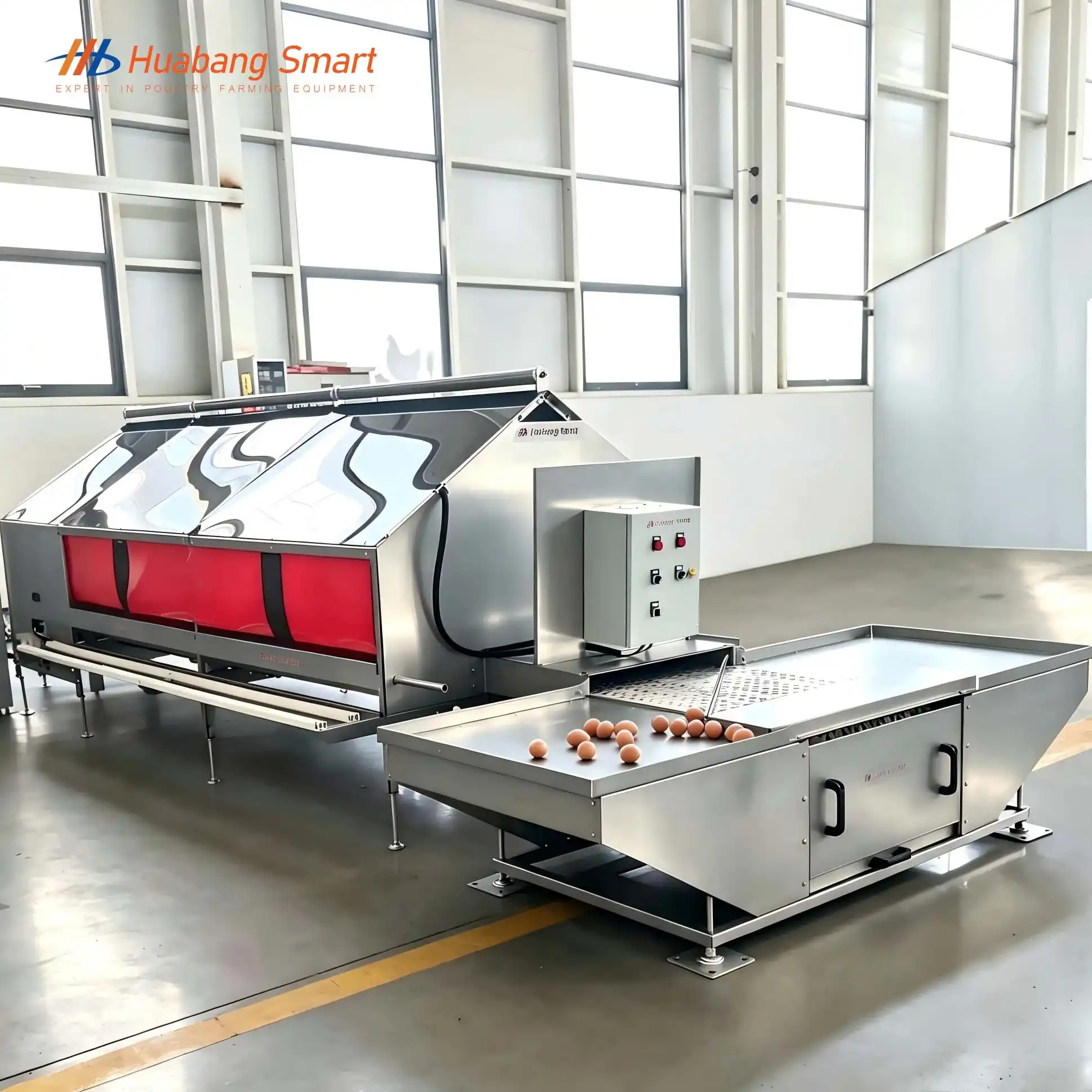
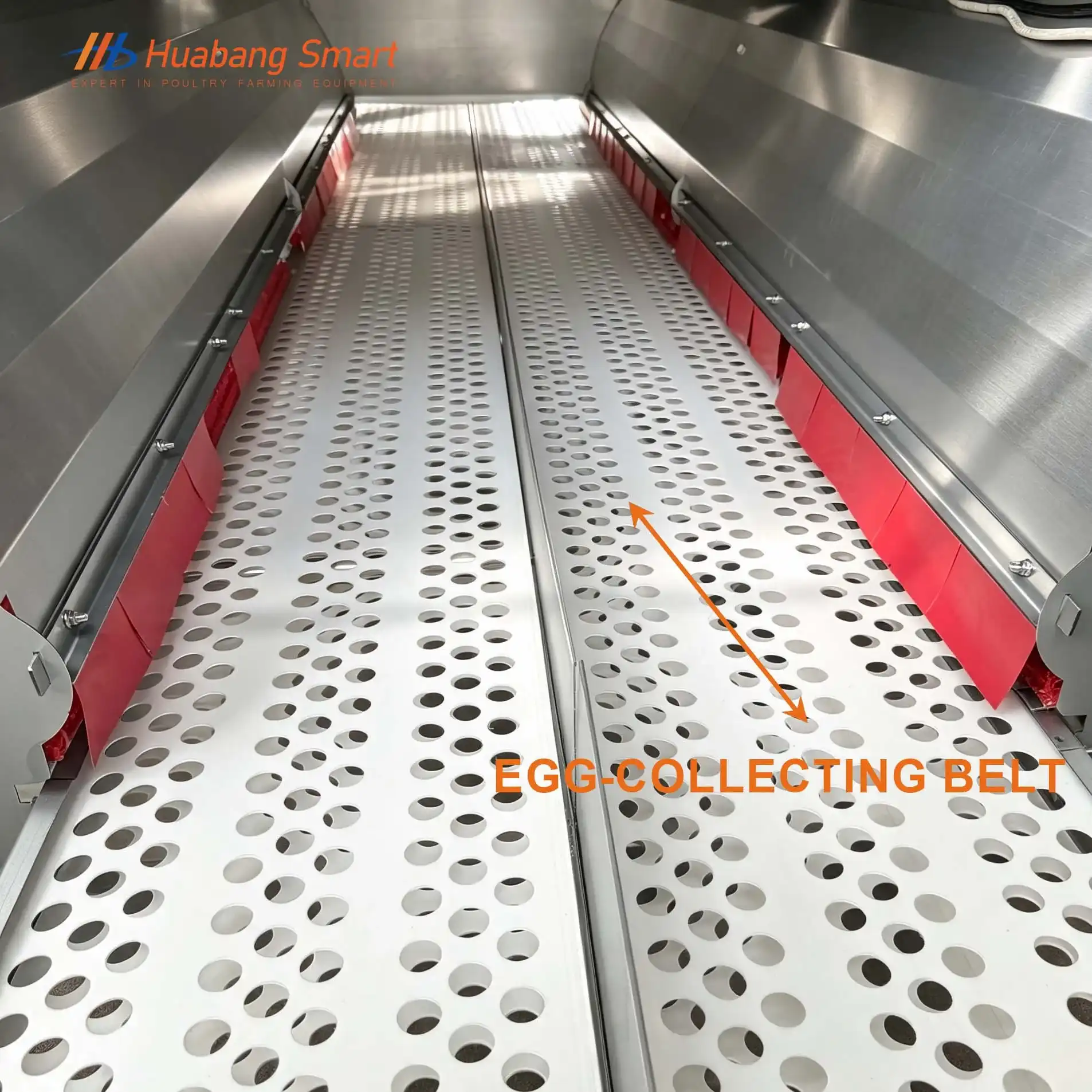
The hen puts her egg on a safe surface, and it rolls into a channel that other birds can't get to. Then, a belt or pulley moves it from one nest section to a central collection point, packing room, or marking area. The speed of the belt, the cushioning, and the way the eggs are moved all play a role in how many break along the way. Eggs can be picked up at certain times and places by operators who can also check them for damage, cracks, and other issues. Five things I keep an eye on: the number of broken eggs, the number of dirty eggs, the rate of floor eggs, the speed of pickup, and the number of hours worked. The USDA gives lower grades to eggs with cracked shells, so every crack that is avoided makes the egg more valuable for sale.
Benefits and Comparison with Traditional Nesting Solutions
Main Benefits for Commercial Farms
If you set up the automatic nest system for layers right, the hens will lay their eggs in safe places instead of litter boxes or busy floors. This keeps the eggs clean. It saves time because you don't have to search by hand, keeps track of where the eggs are, and makes planning work more predictable across one or more houses. Controlled rolling and handling on a machine cut down on touch that isn't needed, and when the equipment is set up right, the rate of breaking goes down. Defined nesting zones also make it easier to clean, check, and see how well the birds are doing. Still, equipment doesn't decide results on its own. The performance and number of floor eggs depend on how old the flock is, how the breed acts, the lighting and airflow, as well as daily management, training, and conditioning.
Automatic Nests vs. Manual Boxes and Basic Rollaway Nests
Most businesses would benefit from less handling and more steady collection, but very small farms can still use boxes that have to be put together by hand. Most of the time, "rollaway nest" only refers to the part where the eggs are rolled. It is possible for the egg path to go from the nest to the packing area without a worker having to pick up each egg. There are buttons, supports, safety parts, and belts and lines on it. I check the details to see if they cover the whole path or just the nest body when I look at different quotes. The price of a rollaway nest might seem low, but there could be extra costs for things like setting it up and the conveyors.
Single-Tier and Multi-Tier Layouts
People can see every nest from the aisle, which makes single-tier versions easy to get to and check on. With multi-tier layouts, you can use the space above to fit more hens into the same amount of floor space. But you need to be more careful with installation, airflow, bird movement, and service access. This is very important in homes without cages or rules where birds can freely move from floor to floor. A 2010 study in British Poultry Science by Sherwin and others, and others like it, shows that the type of housing affects how birds act and what care they need. Engineers should think about the plan choice early on.
Huabang Smart Zinc-Aluminum-Magnesium Nest Box
Structure and Materials
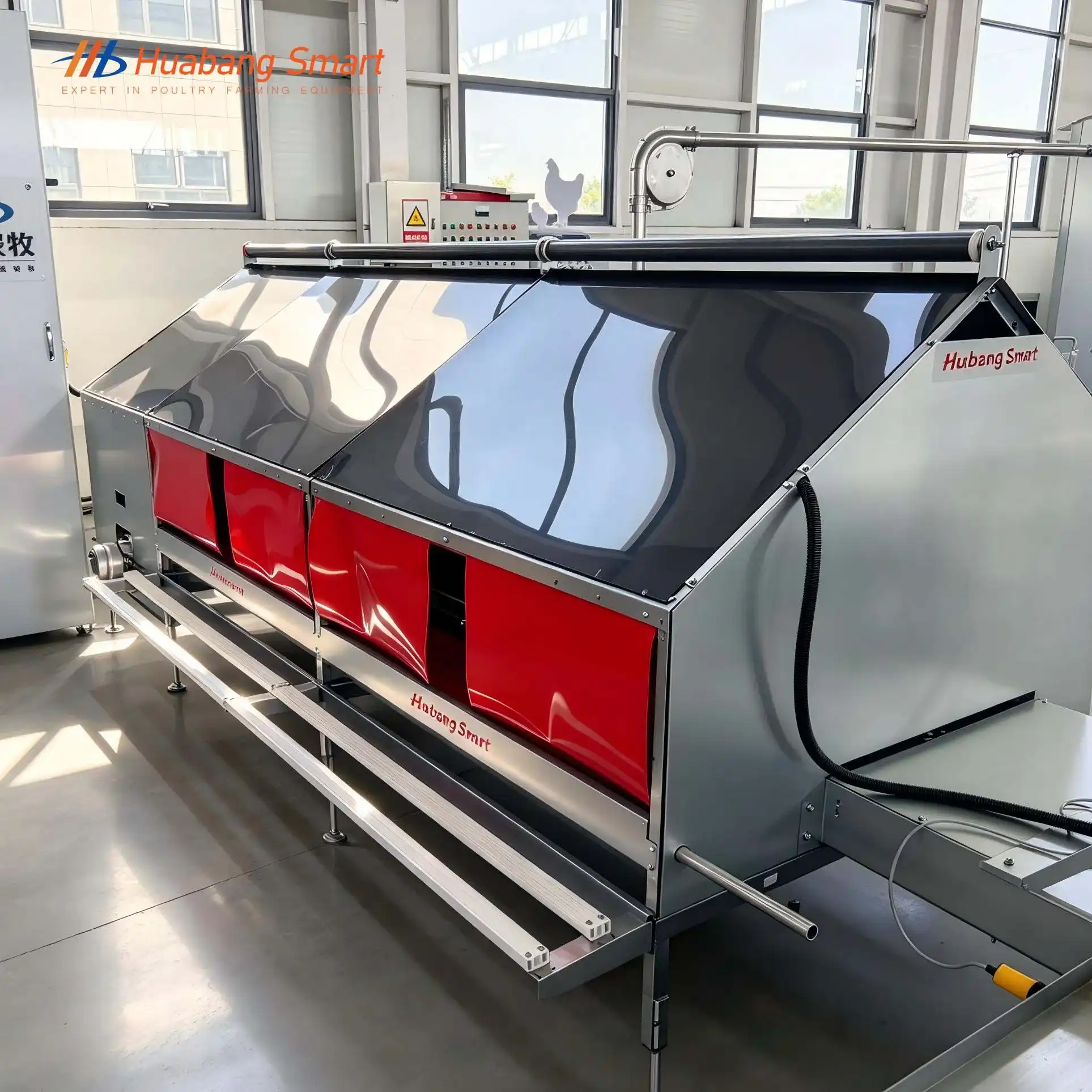
A company called Shandong Huabang Agricultural And Animal Husbandry Machinery Co., Ltd. has been making chicken equipment since 2012. The shell of our automatic nest system for layers is made of zinc, aluminum, and magnesium plates. This cover keeps manure, water, and cleaning chemicals out better than a regular steel sheet. The outside shell is made of 3mm hot-dip galvanized steel. The frame holds the weight and doesn't rust in damp chicken coops. The piece in the middle is 5 cm above the ground. It's easier for staff to clean the floor, and the bedding stays dry because of the hole in the floor. The sleeping area stays cooler in hot weather, and the smell of ammonia is kept in check.
Key Features That Reduce Breakage and Labor
There are four parts to this nest box. The mechanism that keeps the eggs from breaking has a shape that protects each egg as it moves along the belt. The rate of breakage stays below 0.3% with standard installation and good feeding management. Hens can't sleep in the nest at night because the smart anti-broody lifting function raises the body of the nest in the air. This keeps the eggs clean and stops poop from getting inside the shells. The back egg belt changes how tight it is in real time and fixes any problems on its own. Because of this, it doesn't slip or get stuck, and people don't have to calibrate it as often. The design is flexible, with a track for moving, a platform for collecting eggs, and a nest for laying eggs. There are also direct links to lines that let the eggs be collected automatically. They help you do your job better and protect the eggs from harm.
Specifications and Quality Assurance
| Parameter | Detail |
|---|---|
| Type | Automatic chicken nest box |
| Material | Zinc-aluminum-magnesium plate |
| Capacity | About 120 hens |
| Egg breakage rate | Below 0.3% |
| Size (L x W x H) | 1.2m x 1.4m (1.88m with perch) x 2m (with perch) |
| Nest tilt angle | 8° |
| Weight | 40kg per set |
| Warranty | 1 year |
The eggs keep going toward the belt without stopping in the middle thanks to the 8° tilt that stays in place. We follow ISO9001 and CE rules when we make things, and we check the quality of every unit before it leaves our plant. Because our experts stand behind every box, it comes with a one-year warranty and professional tech support.
Choosing, Installing, and Maintaining the System
How to Choose the Right System
You should first decide how many people will be living with you, what kind of house you want (new or old), and how much automation you want. Check the size of the nest, how many birds it can hold, the width of the belt, how well it keeps birds from moving, how easy it is to clean, how resistant it is to rust, how easy it is to get to for service, and whether it can be used with buildings that are already there. In addition to the price of the item itself, there are also costs like setting it up, shipping, taxes, electricity, spare parts, training, and maintenance in the future. For small farms, easy plans work best. But for medium and large farms, they need modular growth, centralized collection, and teamwork between multiple houses. You should ask each seller for technical papers and references before you pick a few.
Installation and Commissioning
Take a look at the site first. This includes the building's size, the number of floors, the width of the aisles, the doors, the airflow, the power, and the path to the packing area. Helpers, dividers, perches, egg belts, lifts, drives, sensors, and safety devices are put in place once the nest parts are level. A dry test is done by the team to make sure that the timing, transfer points, emergency stops, and alignment of the belt are all right before the hens come in. Setting up lights, food, and water, and keeping a close eye on how the hens use the nest at first may all be part of training her. Most of the time, failures happen because there isn't enough service space, the floors aren't level, the operators weren't trained well, or the launch happened too quickly. Our technicians help you set up by showing you how to do it on video and being there with you with their help.
Cleaning, Maintenance, and Spare Parts
When things are fixed on a regular basis, they last longer, and the eggs stay fresh. Check the egg belts, rollers, bearings, drives, transfer points, sensors, and the way the belts are aligned every day or every week. Throw away chicken poop, broken eggs, feathers, and other trash right away so they don't get in the way or spread disease. Pick the right way to clean, and don't use heavy water on motors or sensors unless the manufacturer said it was okay to do so. Always have extra belts, sensors, bolts, rollers, and drive parts on hand. Keep an eye on downtime, broken eggs, dirty eggs, and floor eggs; these are early signs of trouble. Our nest's 5 cm raised base also makes it easier to clean and sweep under it.
Buying Guide for Global B2B Buyers
Price Factors and Quotation Requests
Pricing depends on flock capacity, nest configuration, collection automation, conveyor length, material quality, installation scope, service level, and destination logistics. What should be in a good price request? Farm drawings, the number and breed of hens, the type of housing, the automation goals, where the packing room will be located, the shipping schedule, the voltage standards, and any OEM or certification needs. I think you should put your local power source at the beginning of projects in the US. Not only the main price should you look at when you compare prices. Also, check to see if the deal comes with belts, controls, training, installation, guarantee, extra parts, and training.
Customization, OEM, and ODM Support
For example, custom engineering is useful for retrofitting projects, collecting materials in one place, making materials that work well in certain climates, and private-label dealer programs. At Huabang Smart, we can take OEM and ODM orders and make layouts based on the plans and specs of your home. Please let us know the length and width of your home, and we will match the number of nest units to that. We plan the site, build the system, give you a full configuration list and video installation guides, set up the system for you on-site, and help you in other countries after the sale. We make it so that you only deal with the person who made it. That way, you avoid the middlemen and get factory prices. Making something takes 30 to 60 days most of the time.
Recommended Decision Process
Global B2B buyers lower the risk of a project by making sure there is a clear order. First, decide how many chickens you want, how big the house should be, what kind of housing system you want, how many eggs you want, what your needs are, and how many chickens you want. Now, make a short list of makers whose companies you've already used and who can give you links to past projects, paperwork, and help after the sale. Ask for layout-based quotes that explain what the equipment does and does not cover and who is responsible for delivery, setup, and testing. Afterward, you should think about the building work, the need for electricity, the transportation, the training of operators, the spare parts, the acceptance testing, and the growth plans for the future. You should agree on how to measure egg quality, collection performance, dependability, and service response before you start making eggs. Around the world, Huabang Smart does business in over 100 places, including Europe, Southeast Asia, and the Middle East. It has 49 important technology patents.

Conclusion
It has sloped rollaway floors, egg belts, elevators, and nest sections. It is an automatic nest system for layers. This makes it simple for the eggs to get to where they will be packed with little care. As few cracks and floor eggs as possible are caused by padded roll paths, private nest compartments, proper belt alignment, and smart capacity planning. Simple rollaway nests don't cover as much of the egg path as systems that are built in. Single-tier and multi-tier plans also need different ways to be set up and fixed. When buying chickens, people should think about the breed, the size, the housing, how resistant the chickens are to corrosion, the total cost of ownership, and the paperwork that the supplier gives them. Then, they should follow a set plan that includes getting a quote, setting up the chickens, getting them going, and getting replacement parts. The Huabang Smart nest box uses these ideas. It has a zinc-aluminum-magnesium shell, a 3mm galvanized frame, an 8° tilt, enough room for 120 hens, and less than 0.3% breakage when installed normally. The results still depend on how the farm is set up, how the animals are trained, and how they are handled every day.
FAQ
What does an automatic nest system for layers do?
How does an automatic nest system for layers work? The hens' laying area is kept safe, and the eggs are moved to a collection point on a sloped floor and belt. This makes it easier to pick the eggs by hand.
How many hens does one Huabang Smart nest box hold?
One box can hold about 120 hens. It's 1.2 meters long and 1.4 meters wide, or 1.88 meters with the perch. It's 40 kg heavy.
Can I order a layout for my chicken house?
Yes. We'll match the unit count if you send us your house's length and floor plans. OEM and ODM companies can also ask us to do things.
What should a quotation request include?
What should be in a quote request? Include farm drawings, hen breed and quantity, housing type, packing-room location, delivery schedule, voltage standard, and certification needs.
Request a Customized Automatic Nest System for Layers Proposal from Huabang Smart
Our engineers will make a plan for your project if you email ginny260831@gmail.com or huabangsmart002@gmail.com with your house plans, the type of hens you want, and how many you want to keep. We are a direct automatic nest system for layers that is certified by ISO9001 and CE and comes with a one-year warranty. Production times are 30 to 60 days, and we can help you plan the site, install it, and provide service after the sale. Check out poultrycage.com to learn more about our products, and then get in touch with us right away.
References
1. United Egg Producers, Animal Husbandry Guidelines for U.S. Egg Laying Flocks, 2017.
2. Lay, D.C., et al., Hen Welfare in Different Housing Systems, Poultry Science, 2011.
3. Sherwin, C.M., Richards, G.J., and Nicol, C.J., Comparison of the Welfare of Layer Hens in 4 Housing Systems in the UK, British Poultry Science, 2010.
4. USDA Agricultural Marketing Service, Egg-Grading Manual, 2000.
5. Hunton, P., Research on Eggshell Structure and Quality: An Historical Overview, Brazilian Journal of Poultry Science, 2005.
6. USDA National Agricultural Statistics Service, Chickens and Eggs, 2024.

_1793065975341.webp)