
Benefits of a Mobile Coop
Mobile Chicken Coops represent a transformative approach to commercial poultry production, combining portability with advanced environmental control. These specialized housing units allow operators to relocate flocks systematically across pastures, effectively addressing pathogen accumulation, soil degradation, and labor inefficiencies inherent in stationary systems. By enabling rotational grazing patterns, these structures distribute nutrient loads evenly, reduce disease pressure from parasitic cycles, and provide continuous access to fresh forage—directly improving feed conversion ratios and meat quality. For procurement managers evaluating automation investments, mobile systems deliver measurable returns through reduced veterinary expenses, enhanced biosecurity compliance, and access to premium pasture-raised market segments that command 30-50% price advantages over conventional products.
What Is a Mobile Chicken Coop and Why It Matters for Your Business
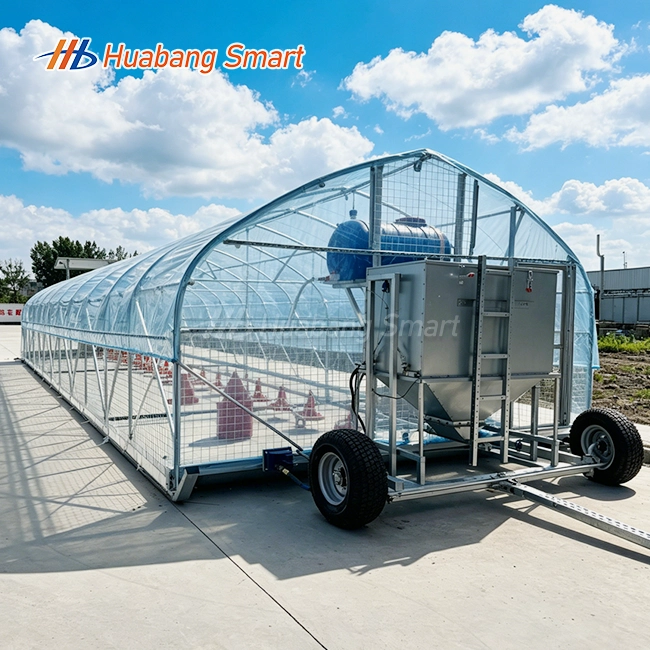
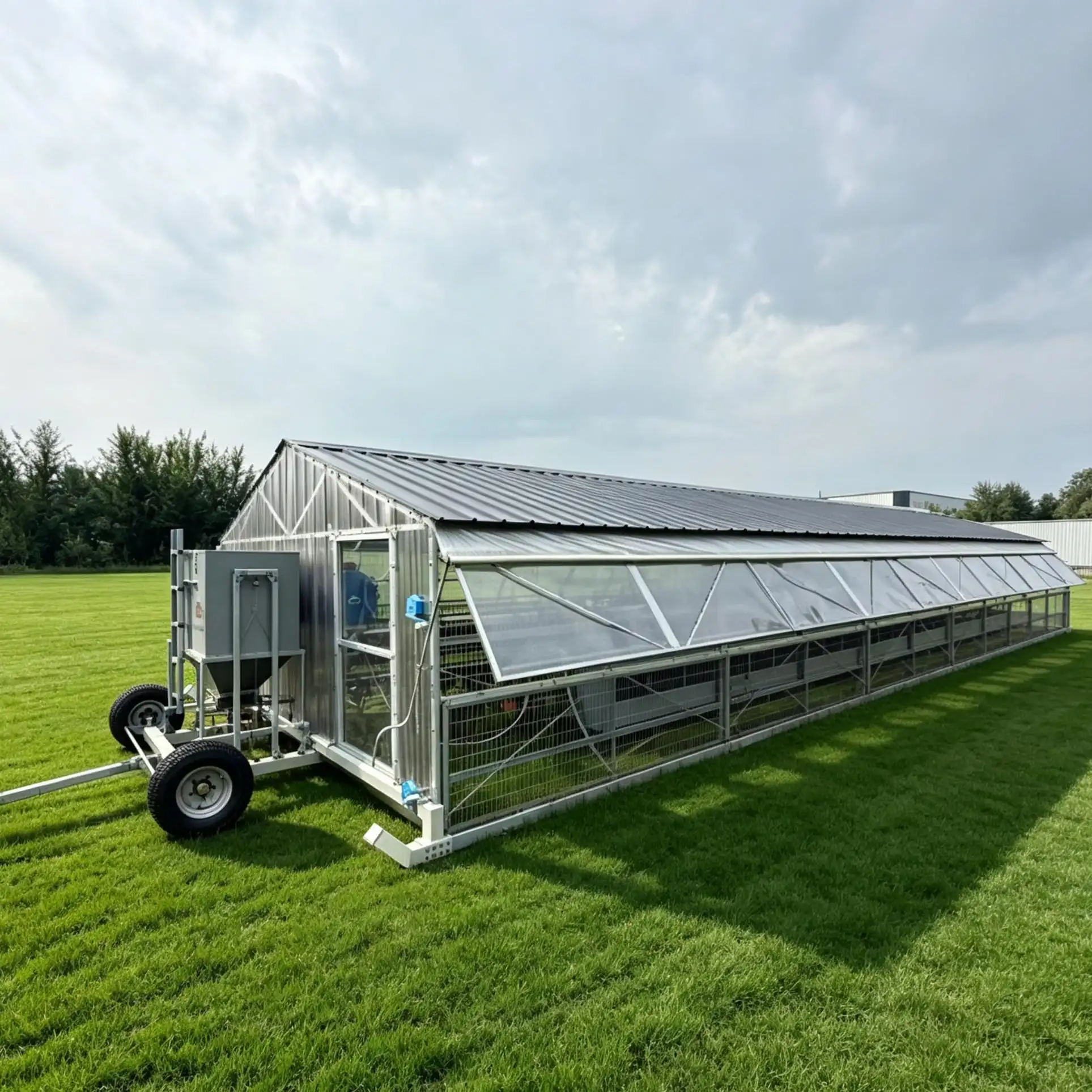
Portable chicken coops have changed a lot over the years, from simple wooden tractors to engineered systems with Internet of Things (IoT) sensors and automatic climate control. Modern designs use hot-dip galvanized steel frames, like the 275g coating standard used in industrial units, and aluminum-zinc mesh panels that don't rust when exposed to ammonia and keep the structure strong in all kinds of weather. Planned mobility is the main benefit: moving flocks every 24 to 48 hours breaks disease cycles and gives the soil time to recover, which stops nitrogen from being toxic.
Strategic Value for Commercial Operations
Large chicken farms are under more and more pressure to show that they are environmentally friendly while also increasing their output. Both needs are met at the same time by these portable systems; they reduce the need for antibiotics by stopping parasites naturally; they also produce measurable environmental benefits that meet the needs of stricter regulatory frameworks. Agricultural companies that use rotating systems report death rates that are 15 to 20 percent lower than fixed-house averages. This is mostly because coccidiosis and respiratory infections are less common.
Integration with Existing Infrastructure
Professional-grade mobile units that are 15m x 5m x 2.8m and can hold 700 to 900 birds each are designed to fit easily into feeding rounds with other species. When chickens are placed behind cattle in a leader-follower pattern, they clean up fields by eating fly larvae from manure. This creates a symbiotic output loop that makes better use of land overall. This multi-enterprise approach is especially appealing to agricultural business groups that want to find different ways to make money without having to build more infrastructure.
Key Advantages of Mobile Chicken Coops for Procurement Managers
When looking at the performance of the balance sheet, changes in operational efficiency are closely linked to investments in capital equipment. The following benefits cover important areas of procurement, such as proving ROI, making the best use of labor, and lowering risk.
Labor Cost Reduction Through Automation
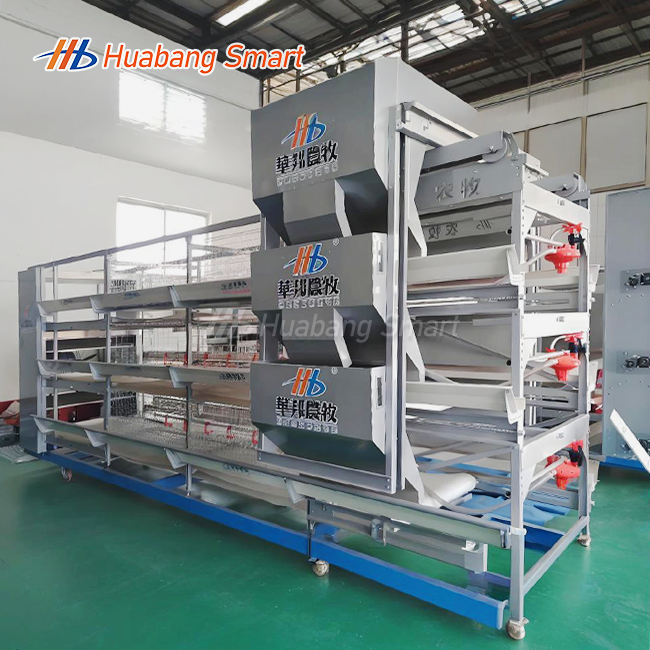
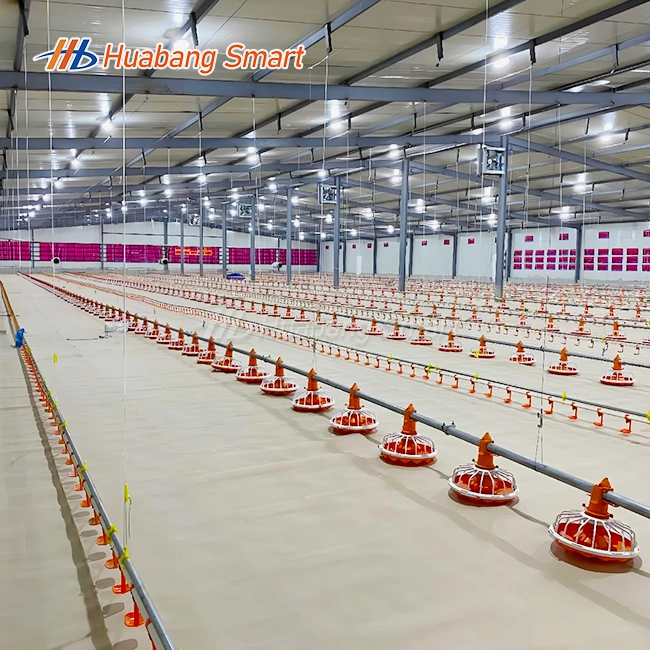
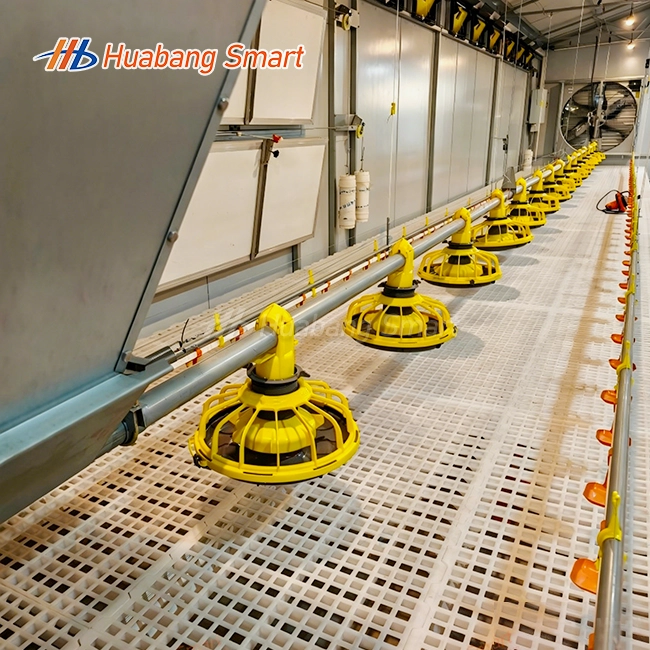
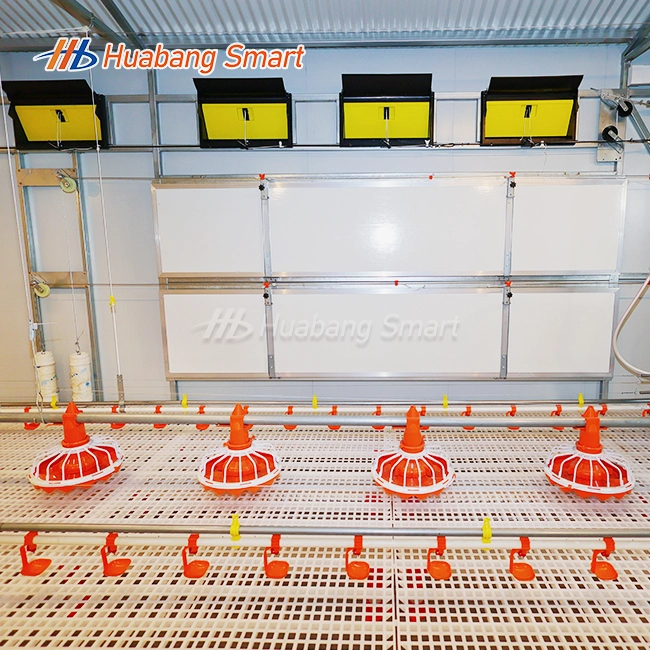
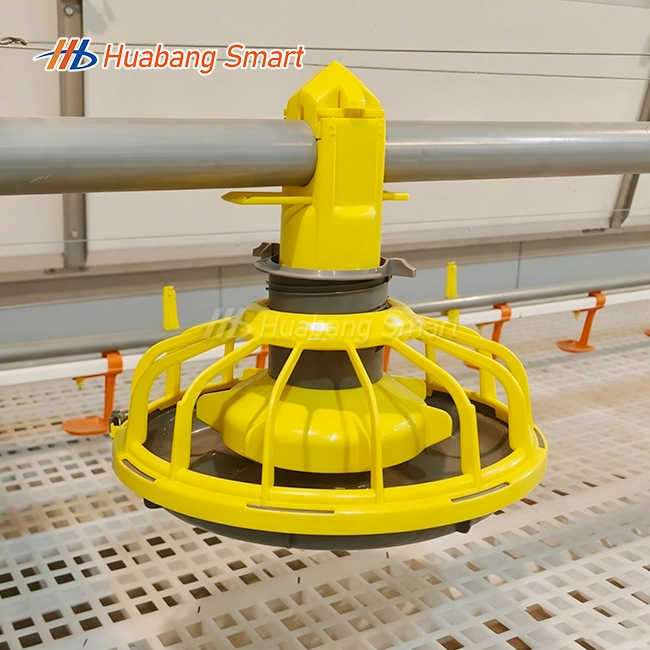
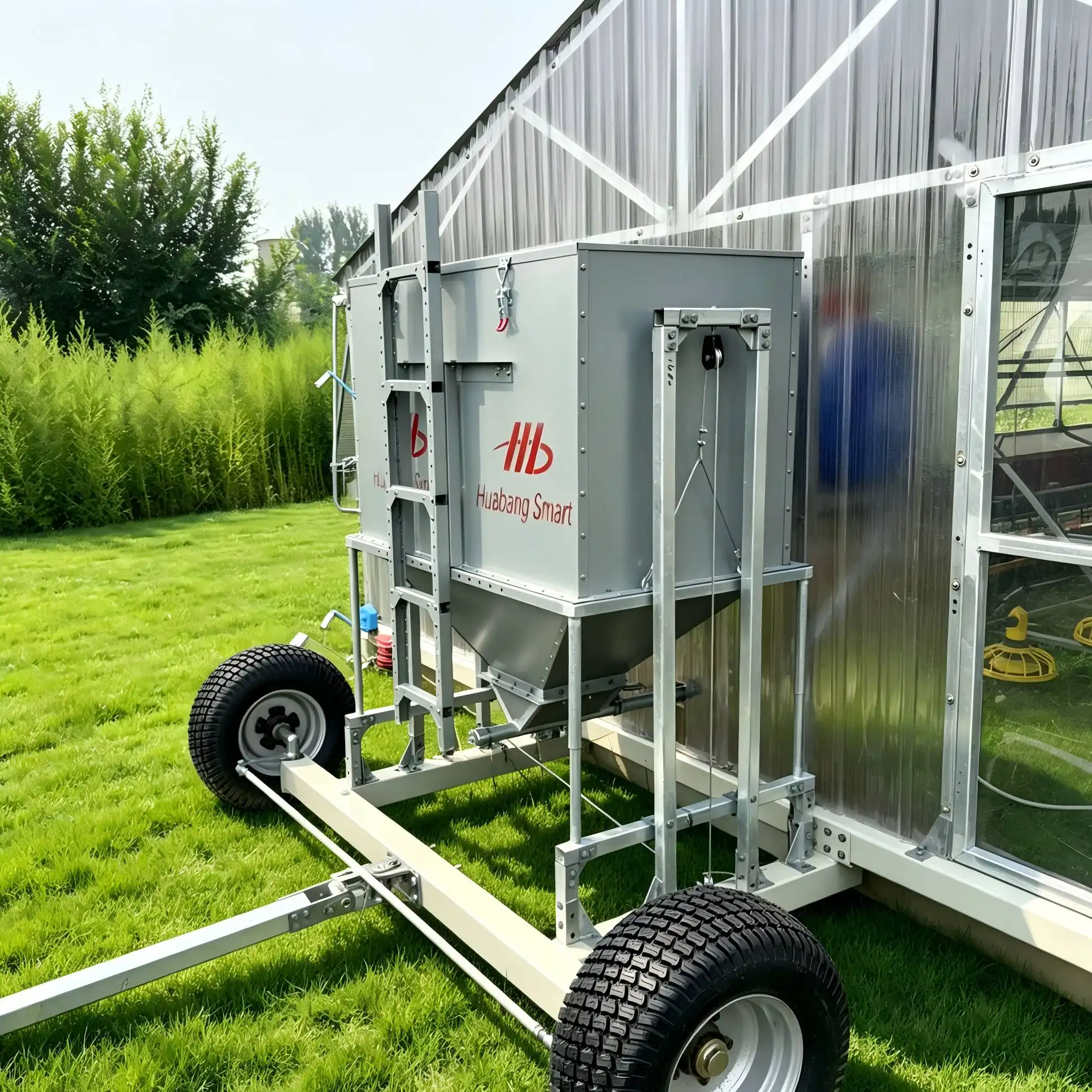
Integrated Mobile Chicken Coops with automatic feeding through trough chains or pan feeders and nipple watering lines can reduce the amount of daily manual labor required by improving feeding and watering efficiency. Solar-powered Mobile Chicken Coops can operate without a direct connection to the electrical grid, which is particularly useful for remote pasture areas where installing permanent electrical infrastructure may be expensive. When manure removal systems in Mobile Chicken Coops are scheduled to operate regularly, they can reduce the need for manual cleaning and concentrate waste for easier composting. For operations with more than 5,000 birds, the labor savings and improved management efficiency provided by Mobile Chicken Coops can contribute significantly to long-term operating value. Properly designed Mobile Chicken Coops can also integrate feeding, watering, waste management, and renewable-energy systems to support more efficient pasture-based poultry production.

Enhanced Biosecurity and Flock Health
Moving around every day keeps the ground from getting dirty, which can hold pathogens like Salmonella and E. coli. Tests using computational fluid dynamics show that ventilation systems that keep ammonia levels below 10 ppm at bird level directly improve lung health and even weight gain. Hygienic design principles used in business units, such as fully raised floors and materials with smooth surfaces, keep pathogens from hiding and threatening food safety certifications. For businesses that want to get Animal Welfare Approved or Global Animal Partnership scores, mobile systems are a must for meeting the standards for space and access to the outdoors.
Flexibility in Farm Layout Optimization
Permanent structures need fixed utility connections and government permits, but portable units can be moved around to take advantage of seasonal pastures and crop rotation schedules. This adaptability is very helpful for businesses that have more than one production site or want to test the market for organic segments before committing to permanent infrastructure. In mild climates, being able to group units together during off-seasons lowers heating costs. In the summer, spreading them out makes the most of natural cooling. Procurement teams like scalable systems that can grow with the business without leaving capital investments stranded because they lower risk.
Durability and Long-Term Cost Efficiency
Hot-dip galvanized steel is much better at withstanding harsh farming settings than painted or powder-coated steel. According to ASTM B117 standards, salt spray testing proves that high-quality coatings stay intact for 10 years or more, so you don't have to keep replacing them because of corrosion. The structural-to-weight optimization achieved using aerospace-grade engineering principles—commonly aluminum alloy frames in high-end models—makes sure that units can still be moved with standard farm equipment and can handle torsional stress from uneven ground. Maintenance plans that focus on checking the integrity of the mesh and wheel bearings don't require a lot of technical knowledge, so they can keep operations going even in places with limited service infrastructure.
Materials and Designs That Optimize Mobile Coop Performance
The standards for construction directly affect how long something works and how much it costs to own. Knowing the properties of a material helps people who buy things compare what suppliers say to what is needed in the field.
Advanced Corrosion Protection Systems
The 275g hot-dip galvanization standard gives about 50–70 microns of zinc coating, which is much thicker than the 45 microns that are needed for farming uses in places with a lot of dampness. This standard is especially important for activities that happen near the coast or in places where manure decomposition causes high levels of hydrogen sulfide. Additionally, aluminum-zinc mesh is better at resisting rust than regular galvanized wire, and it stays strong and protects against predators even when it's scratched and pecked, which can damage other materials.
Engineered Mobility Mechanisms
Professional Mobile Chicken Coops can be equipped with pneumatic tires that use specific PSI ratings to help reduce soil compaction, which is important for pasture health and effective rotational grazing. Heavy-duty axle systems for Mobile Chicken Coops can be tested under torque conditions that simulate extended daily use, helping ensure reliable operation when the units are fully loaded. HDPE skid systems are another option for Mobile Chicken Coops, particularly for operations that prefer tractor-drawn configurations. These skid systems distribute the load across a larger surface area, reducing ground pressure and eliminating the need for routine tire maintenance. The mobility design of Mobile Chicken Coops also determines whether units can be moved by a small crew or require mechanical assistance. Choosing the right Mobile Chicken Coops configuration can therefore influence labor scheduling, transportation efficiency, pasture protection, and overall farm productivity.
Automated Environmental Control Integration
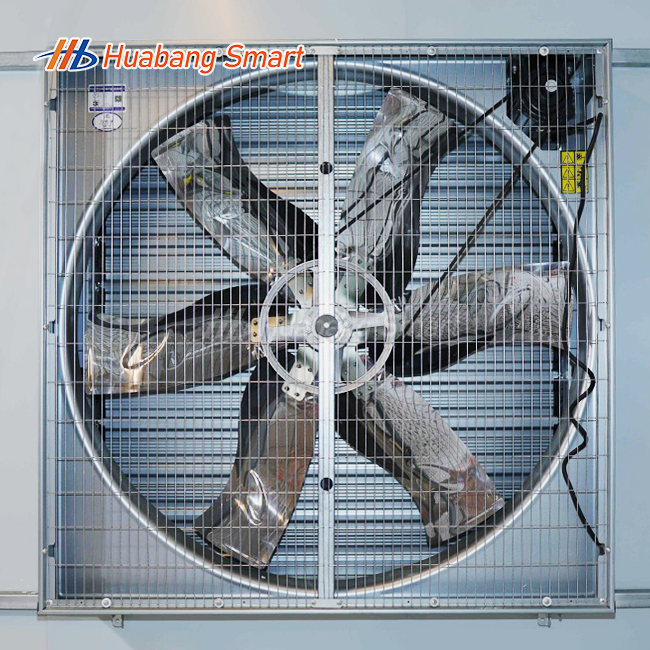
Sensors connected to actuators that control sidewall curtains, ridge vents, and evaporative cooling pads keep the temperature, humidity, and air flow in a smart environment in check. Remote changes can be made using smartphone interfaces for real-time data tracking. This lets farm managers improve feed conversion ratios without having to visit the site in person. Thermal regulation—keeping the internal Delta T within 5°F of ambient conditions—is necessary to keep working even when the weather is extreme. These systems work with the precision farming methods that institutional investors looking at agricultural technology portfolios are asking for more and more.
Customization for Regional Adaptation
Climate-specific designs take into account the different needs of operations in Southeast Asia's warm areas compared to those in Central Asia's continental extremes. Better insulation, extra heating integration points, and more accurate wind-load calculations make sure that units work reliably across the operational envelope that is found in global deployments. Custom size choices, ranging from small 8m units for niche makers to large 20m models for industrial-scale operations, let purchase specs match exact capacity needs without having to pay for room that isn't being used. With OEM and ODM support, equipment distributors can change their brands to fit the needs of regional markets that have specific style or function preferences.
How Mobile Chicken Coops Work: Core Mechanisms and Practical Use Cases
Knowing how operations work helps technical directors decide if mobile systems fit in with the way farms are run now and with the skills of the staff.
Daily Movement Protocols
Moving units one coop-length forward every day is standard practice. This gives new ground and gives areas that have been used before 21 days to rest so that pathogens die off and plants can grow back. This rotational schedule can be precisely calculated based on the size of the pasture and the number of sheep to make sure that the whole property is used during the growing seasons. Automated systems use motorized chassis that are controlled by wireless remotes. This cuts the time it takes to move each unit from 30 minutes for manual systems to less than 10 minutes. When handling arrays of 10 to 20 units spread out over many fields, the efficiency gains are big.
Integration with Multi-Species Grazing
In commercial settings, mobile coops are usually put in place three to five days after the cattle are rotated. This gives the chickens a chance to break pest cycles and benefit from the insects that are drawn to rotting cow manure. This mutually beneficial relationship makes both the health of the cattle (by getting rid of fly larvae) and the nutrition of the chickens (by adding protein from insects), which results in measurable feed cost savings. Agricultural industrialization groups that use integrated livestock systems say that coordinated rotational protocols make the land 8–12% more productive overall.
Real-World Performance Outcomes
Look at examples from U.S. agricultural cooperatives. Midwest show that chicken farms using mobile systems get 1.65 feed conversion rates, compared to 1.85 in regular houses. This is because the animals are less stressed, the air quality is better, and they can find food naturally. Disease pressure minimization leads to 5-7% lower deaths in egg production businesses, which immediately improves unit economics. Turnkey project companies who set up these systems for government-backed agricultural development programs in developing markets always say that their clients are happy with them because they are easier to use and need less expert support than complex stationary automation.
Maintenance Requirements and Lifecycle Management
Regular checks for Mobile Chicken Coops include lubricating wheel bearings, inspecting the mesh for damage, and checking the watering system for leaks. These maintenance tasks can generally be completed during routine daily movement without requiring specialized tools. As part of seasonal maintenance, Mobile Chicken Coops should be thoroughly cleaned when flocks are rotated, while the structure should also be inspected before winter storage or periods of extreme weather. The simplified maintenance requirements of Mobile Chicken Coops are particularly useful for international deployments where replacement parts may be difficult to obtain and technical expertise may be limited. For operators who are new to mobile housing systems, suppliers that provide video installation guides and remote troubleshooting support can further reduce the operational risks associated with Mobile Chicken Coops. Choosing well-supported Mobile Chicken Coops can therefore make routine maintenance easier and improve long-term operational reliability.
Procurement Insights: Choosing and Buying the Right Mobile Chicken Coop
When making strategic buying choices, you have to weigh the costs of capital outlays against the benefits of long-term operations and the supplier's ability to help you.
Supplier Evaluation Criteria
Procurement managers should give more weight to manufacturers that can show they have verifiable experience with global deployment, complete after-sales networks, and third-party certification compliance. The CE mark shows that the product meets European safety and environmental standards, and the ISO9001 mark shows that the quality management system is mature. Patent collections, like the 49 core technology patents that the top suppliers have, show that they are constantly investing in research and development and protecting intellectual property, which helps products keep getting better over time. When an organization plans to grow over a number of years, it helps if its suppliers have scalable product lines and consistent design standards that make sure parts can work together across procurement cycles.
Specification Alignment with Operational Requirements
When figuring out capacity, breed traits, output goals, and local animal care standards must all be taken into account. When it comes to spacing, operations that harvest chickens every six weeks need different amounts of space than operations that harvest chickens every 18 months. When combining mobile units with current infrastructure or adapting to fields that aren't perfectly round, custom sizing support is a must. For buying teams that don't have their own farm engineers, suppliers who offer engineering consulting services, such as site planning and CAD layout optimization, are very helpful.
Total Cost of Ownership Analysis
A full cost model should include more than just the unit buy price. It should also include logistics for shipping, labor for installation, training for operators, and expected upkeep costs over a 10-year period. When an operation has set dates for growth, volume discount structures usually kick in at 5–10 unit quantities. This means that phased procurement methods are less cost-effective than consolidated orders. When distributors set up a regional market presence, OEM partnerships offer better prices, and ODM partnerships let agricultural conglomerates create their own system offerings with private label branding.
Service and Support Infrastructure
When companies buy things from other countries, they have to keep up service networks that can handle technology problems without sending expensive factory technicians to the area. On-site installation services, which are especially helpful for initial system commissioning, make sure that everything is set up correctly and give operators hands-on training. Before making big promises, sample programs let you test the quality of the build and how well features work, which lowers the design risk. Warranty terms longer than the normal one year show that the maker is confident in the product's reliability and protect customers financially during the early stages of use, when they are still figuring out the best way to use it.
Conclusion
Mobile Chicken Coops offer real benefits in all the areas that businesses care about, including worker productivity, flock health, environmental stewardship, and bottom line profits. Modern systems are more advanced in terms of engineering, with features like hot-dip galvanized frames, automated feeding, self-sufficient solar power, and Internet of Things (IoT) environmental controls. These features have turned pastured poultry ideas into industrial-grade solutions that can be used on a large scale. When procurement professionals look at these systems, they can access production methods that lower operating costs, improve their market position through welfare certifications, and give them operational flexibility that they can't get with fixed infrastructure. Based on documented performance results in a range of climates and production systems, mobile housing is a realistic way to bring poultry farms up to date while still meeting changing customer standards and government regulations.
FAQ
What Is the Optimal Unit Size for Commercial Broiler Production?
Standard commercial units that are 15m x 5m can hold 700 to 900 broilers, depending on the breed chosen and the weight that is wanted for harvest. Larger businesses often use groups of 10 to 20 similar units to make shipping and parts storage easier while still giving managers some freedom. When custom-sizing, daily moving distances and the size of the field should be taken into account to make sure that cycle plans work well.
How Often Should Mobile Units Be Relocated?
For maximum access to forage and minimal pathogen exposure, daily movement is still the industry standard. However, every two to three days works fine for lower-density operations with longer perimeter fencing. Movement frequency has a direct effect on how long it takes for pastures to heal and how much weight they can hold generally.
Are Fully Automated Systems Available for Large-Scale Operations?
Modern models have motorized movement, remote tracking of the environment, and automatic feeding systems that limit human involvement to routine checks and refilling cycles. These configurations work well for businesses that have to manage multiple units that are spread out or that want to cut down on labor costs in places where wages are high or where it's hard to find workers.
Partner with Huabang Smart for Advanced Mobile Chicken Coop Solutions
Shandong Huabang Agricultural And Animal Husbandry Machinery Co., Ltd. has been making specialized machinery for 17 years and makes mobile chicken housing systems that work well on a commercial scale. Our hot-dip galvanized units come with a 275g coating for protection, solar-powered automation, and configurations that can be changed to fit your climate, capacity needs, and operational workflows. As a maker of CE-certified Mobile Chicken Coops with 49 core technology patents, we offer complete packaged solutions that include site planning, installation supervision, operator training, and support in over 100 countries after the sale. You can email our technical team at admin@huabangsmart.com to talk about your unique needs and get full specification proposals that fit your budget and procurement goals.
References
1. "Rotational Grazing Systems for Poultry: Environmental and Economic Benefits," Journal of Applied Poultry Research, Vol. 28, No. 3, 2019.
2. "Mobile Housing Technologies in Sustainable Livestock Production," Agricultural Engineering International: CIGR Journal, Vol. 22, No. 2, 2020.
3. "Pathogen Control Through Pasture Rotation in Commercial Poultry Operations," Poultry Science Association Annual Meeting Proceedings, 2021.
4. "Economic Analysis of Mobile vs. Stationary Housing in Broiler Production," Journal of Agricultural and Applied Economics, Vol. 53, No. 1, 2021.
5. "Welfare Outcomes in Pasture-Based Poultry Systems," Animal Welfare Journal, Vol. 30, No. 4, 2021.
6. "Corrosion Resistance Standards for Agricultural Equipment: Hot-Dip Galvanization Performance," American Society of Agricultural and Biological Engineers Technical Papers, 2020.

USER EVALUATE
Here is the customer's evaluation of us