
What's the Best Chicken Feeder? A Guide for Every Flock
Selecting the optimal feeding solution is one of the most consequential decisions poultry managers face when operating commercial flocks or agricultural enterprises. The best chicken feeder balances automation capacity with durability, hygiene maintenance, and cost efficiency while directly influencing critical performance indicators like Feed Conversion Ratio (FCR) and operational labor costs. Whether managing broiler operations, layer houses, or integrated breeding systems, the right feeding infrastructure reduces waste, minimizes contamination risks, and adapts seamlessly to growth stages—ultimately determining profitability across your production cycle.
Understanding Chicken Feeders: Key Types and Features
Modern chicken farms need feeding systems that are made to meet strict biosecurity standards and work with a range of flock sizes and production models. Knowing the technical differences between feeder categories helps procurement teams buy the right capital equipment.
Manual vs. Automatic Feeding Systems
Manual feeding systems use hoppers or troughs that are fed by gravity and need to be refilled and distributed by hand on a regular basis. Even though these units have lower initial capital costs (usually between $30 and $150 per unit), they require a lot of ongoing work and make it harder to grow. Manual methods work well for backyard groups of less than 50 birds, but they stop being cost-effective after that number.
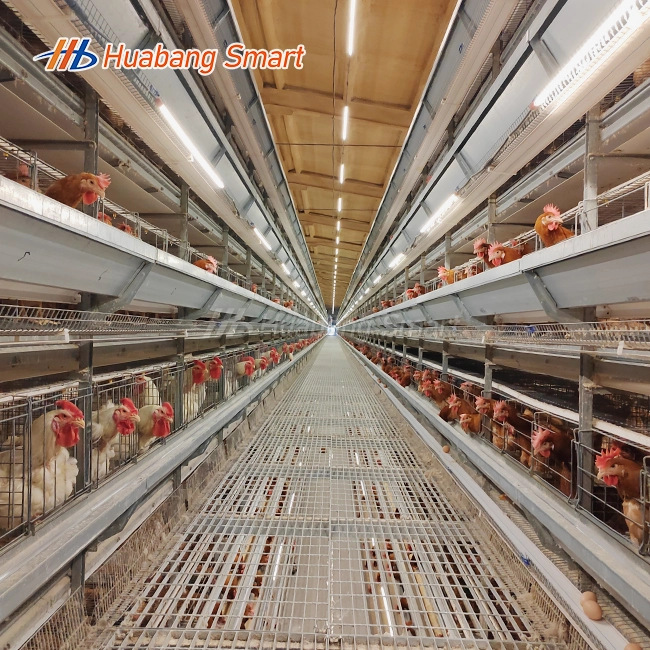
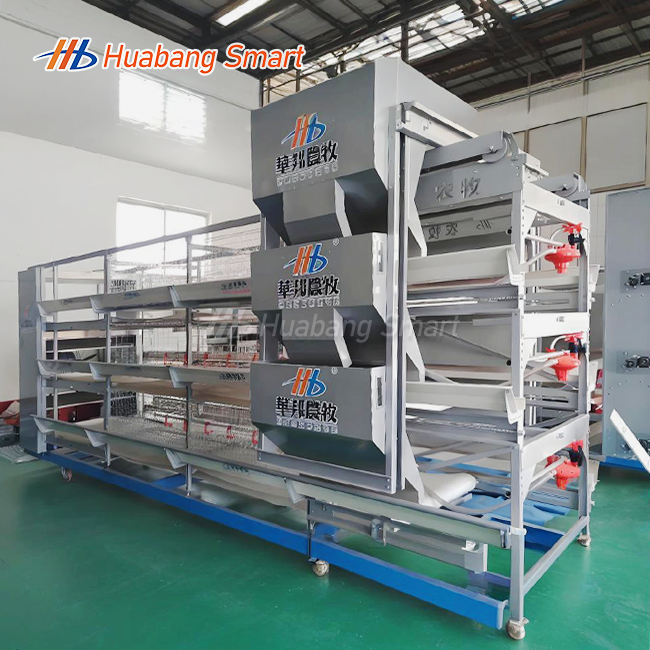
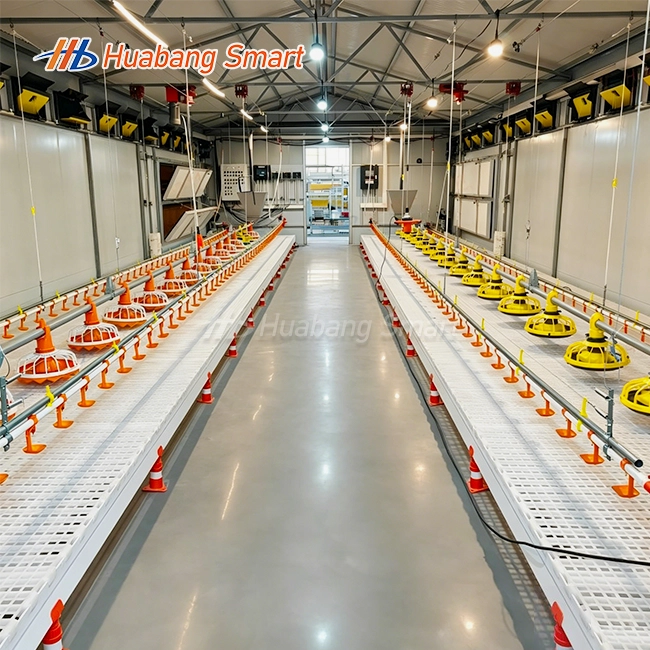
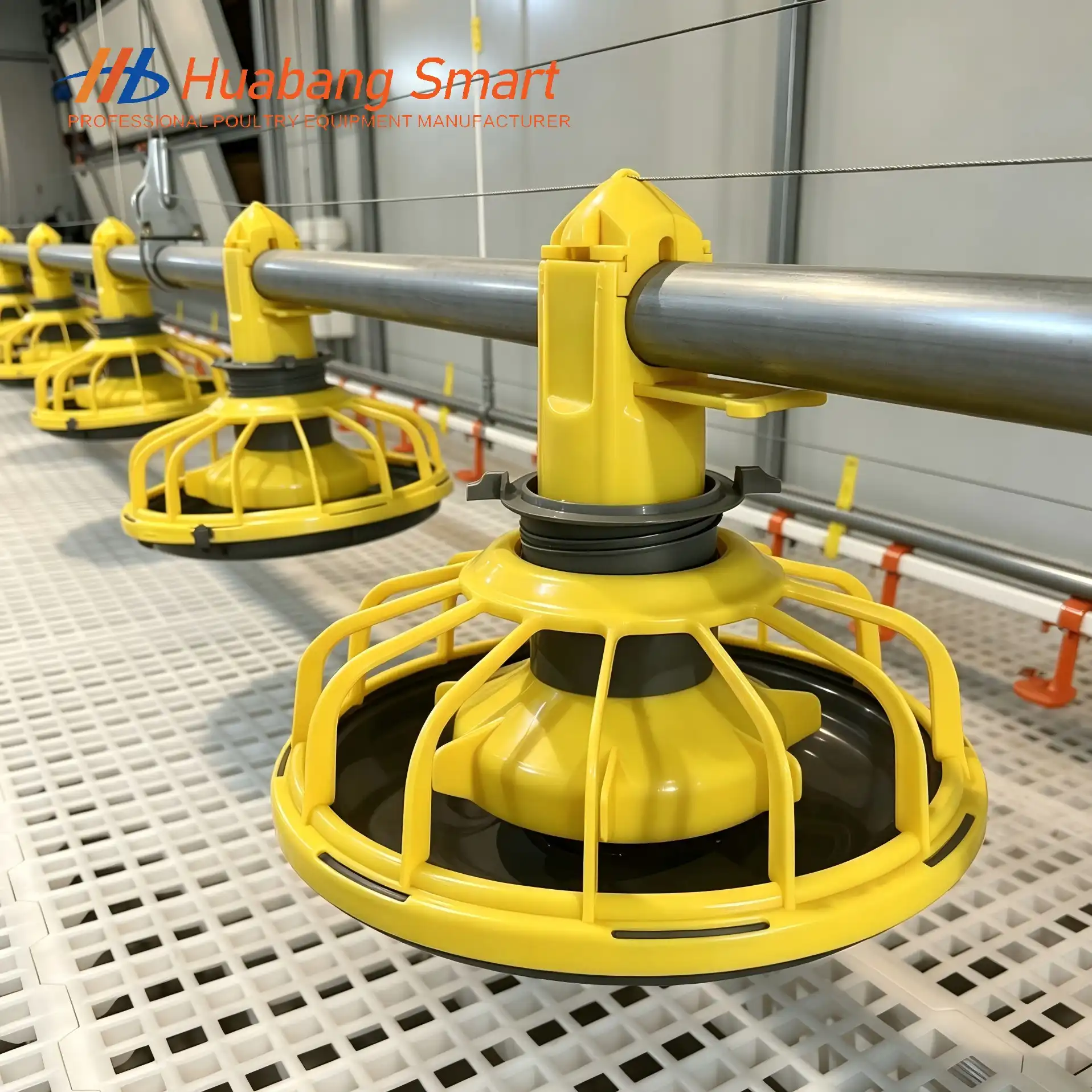
Automatic feeding systems use auger drives, chain disks, or pan networks that are linked to central silos to automate the distribution process. At the same time, these systems send precisely timed amounts of food to hundreds or thousands of feeding stations. Automation cuts the need for work by up to 70% and makes sure that feed is always available, which improves growth consistency. The Pan Feeding System from Huabang Smart is a good example of this type. It feeds broilers, chickens, and layers at all stages of their growth at 1,400 kg per hour through 330mm diameter pans with 16 separate feeding cells.
Material Selection: Durability Meets Hygiene
Feed supply equipment has to be able to handle being wet, ammonia-filled, and stressed out by birds pecking at it all the time. Material choice has a direct effect on how long equipment lasts, how often it needs to be maintained, and the risk of contamination.
Virgin food-grade polypropylene (PP) has many benefits, including a non-toxic makeup, no smell, great resistance to rust, and easier cleaning methods. PP feeders don't crack when temperatures change, and they keep their shape in places with a lot of humidity. The lightweight modular design makes it easy to set up and move during the different seasons, which is especially helpful for businesses that use mobile housing systems.
Heavy-duty construction with galvanized steel, especially 3mm hot-dip galvanized frames, gives a Chicken Feeder system strong load-bearing capacity and long-term outdoor durability. Steel frames used in a Chicken Feeder do not easily bend under heavy loads and can maintain their shape despite significant temperature changes. The ASTM B117 salt spray test can be used to evaluate the corrosion resistance of materials used in Chicken Feeder equipment. High-quality Chicken Feeder systems can maintain structural integrity for many years in demanding agricultural environments when properly specified and maintained. Extra-thick stainless steel components can further strengthen industrial-scale Chicken Feeder infrastructure, helping support reliable feeding operations and reducing the risk of equipment-related production interruptions. A durable Chicken Feeder with corrosion-resistant construction can therefore provide long-term value for commercial poultry operations.
Specialized Design Features
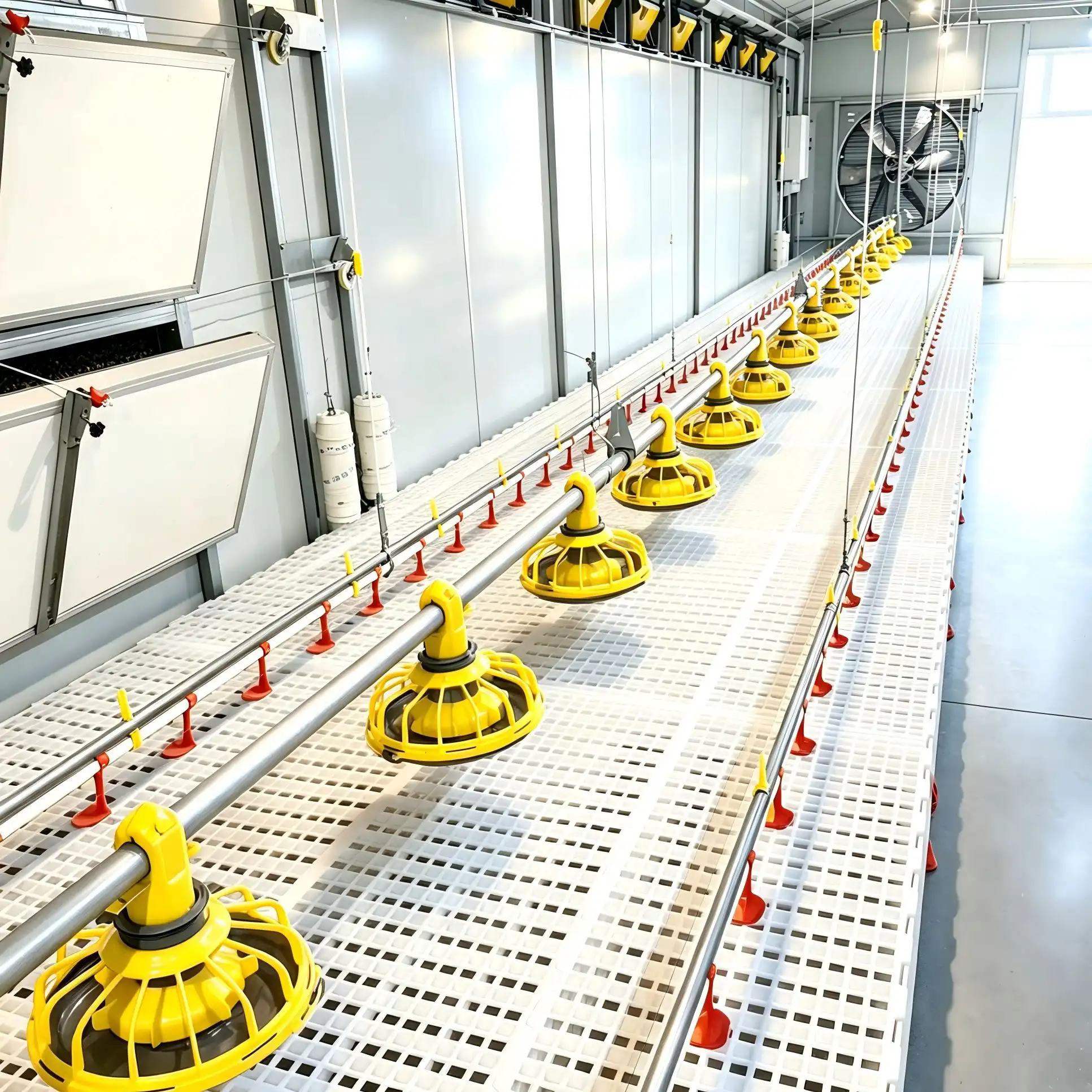
When compared to open dish designs, anti-waste grill setups cut down on feed loss by 12–18% because birds can't spread food around by scratching. This feature keeps the bedding dry, which lowers the risk of coccidiosis and other diseases spread by litter. The optimal cooking space allows for birds of different sizes while still making it easy for them to get to the food.
As birds grow, operators can change the height of the feeder with precision height adjustment systems, especially high-precision winch mechanisms. Positioning at the right height keeps birds from being stressed out by too many people at feeding spots and lets smaller birds get enough food without having to compete with larger birds in the group. When it comes to processing consistency in broiler operations, flock uniformity is a key factor that can be improved with adjustable systems.
When housing is outside or has open sides, weatherproof rain shields and insulated hopper designs keep the feed quality safe. These features stop moisture from getting in, which would otherwise cause feed to clump, mold to grow, and mycotoxin contamination—all of which are bad for the health of the flock and for following the rules.
Comparing Popular Chicken Feeders: Making the Right Choice
Before making a purchase decision, you need to compare different aspects of performance to make sure that the equipment fits your needs and your business model.
Automation Level and Scalability Considerations
When group size goes up, the difference in efficiency between manual and automatic methods gets much bigger. Manually feeding more than 5,000 birds is too expensive because workers have to spend three to four hours a day just distributing food. With automated systems, this only needs to be watched over for 15 to 20 minutes, freeing up workers to do things like health tracking, biosecurity measures, and facility maintenance.
Automated pan feeding technology uses auger drive systems to spread feed evenly throughout house structures, getting rid of dead zones. This even spread makes sure that every bird always has access to food, which lowers the variation in growth that makes processing less efficient. When you compare automated systems to human distribution methods, harvest uniformity gets 8–12% better. This has a direct effect on the income per square meter of living space.
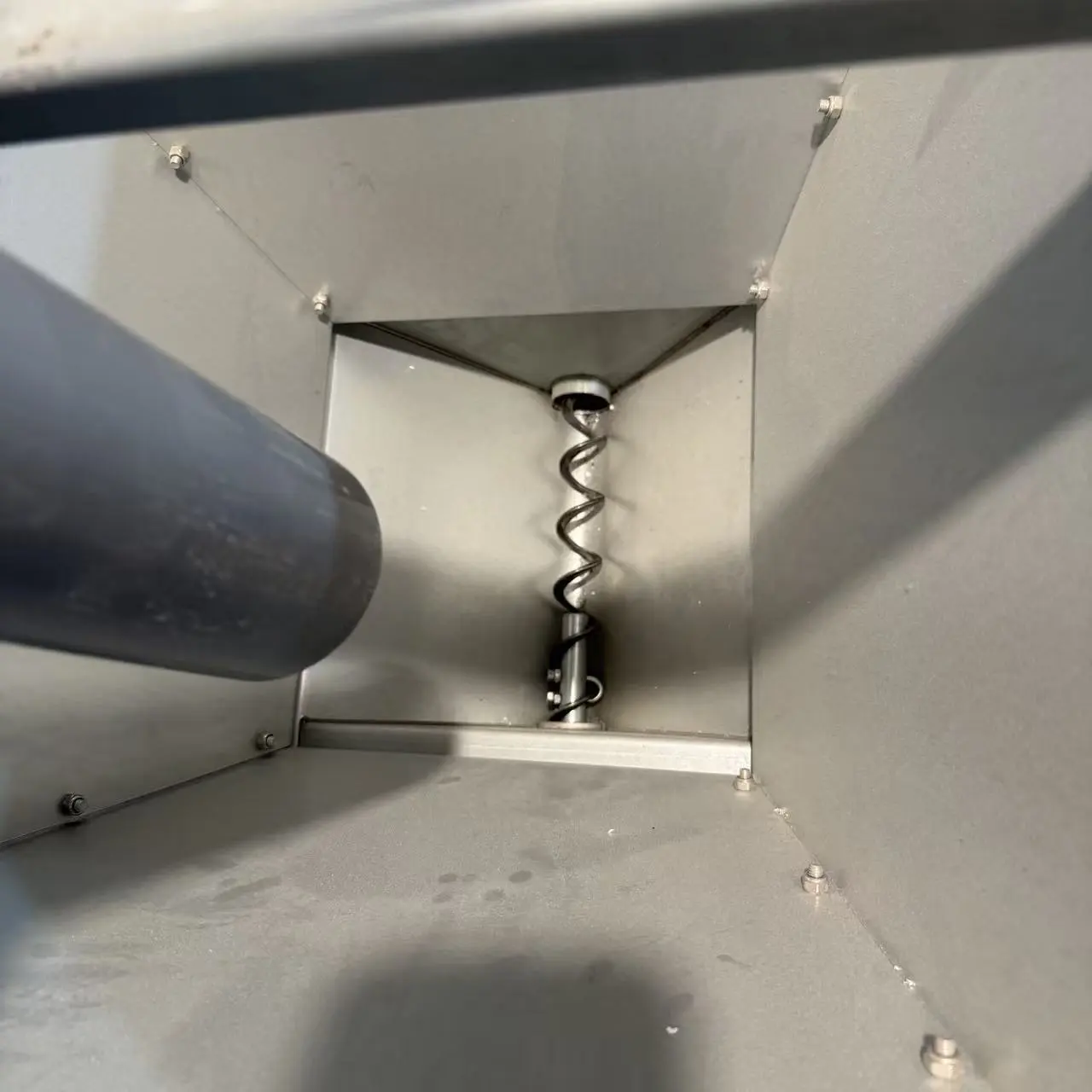
Smart-compatible feeding systems connect to environmental control platforms and let you set feeding times that work with lighting programs and growth curves. Data tracking tools keep track of daily patterns of feed usage and send out alerts when those patterns change, which could mean that there are health problems or problems with the equipment. This integration improves growth while cutting down on waste caused by feeding too much during times of low activity.
Durability Analysis: Plastic vs. Metal Components
Plastic components in a Chicken Feeder do not rust easily, even when exposed to cleaning products containing chlorine compounds or acidic feed additives. The non-porous surfaces of a Chicken Feeder can help prevent bacteria from accumulating in small cracks and damaged areas, addressing some biosecurity concerns associated with corroded metal surfaces. Plastic Chicken Feeder components are also easier to clean and maintain, helping farms meet sanitation requirements and reduce downtime during flock changes. A well-designed Chicken Feeder with durable plastic parts can provide reliable feeding performance while simplifying routine cleaning. For commercial poultry operations, choosing a Chicken Feeder made with corrosion-resistant, easy-to-clean materials can support better hygiene management and more efficient maintenance.
For industrial houses with 100 meters or more of suspended feeding lines, metal building gives the structure more rigidity. Galvanized steel can handle the mechanical stress that comes from chain drive systems and keeps its precise alignment, which is needed for even feed flow. Using both steel frames and plastic feed pans together gives the best performance by taking advantage of the best qualities of each.
Industry-Leading Feeder Models for 2024
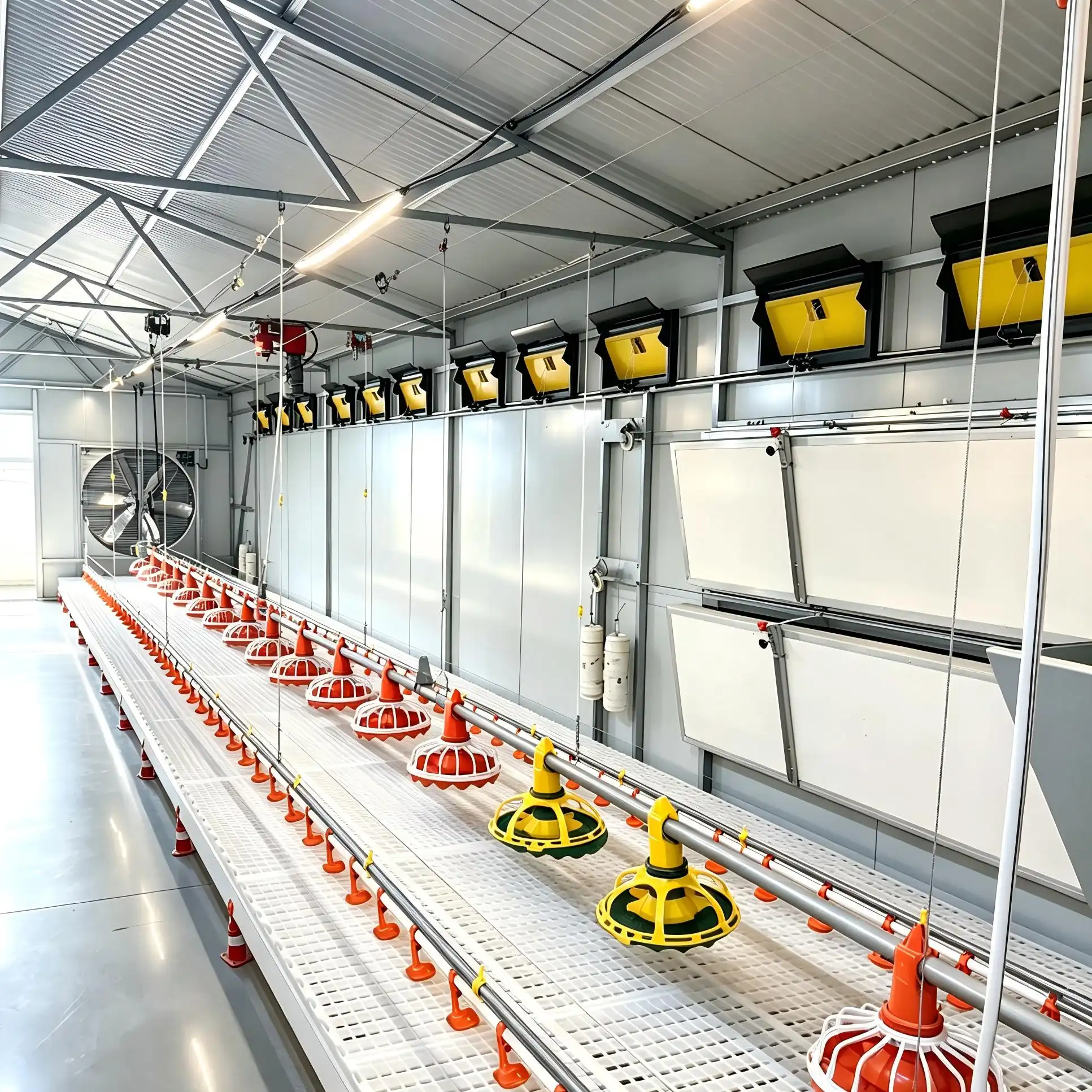
The current market leaders stress anti-rodent barriers that keep rodents from getting to food supplies. Treadle-operated systems keep out certain types of chickens while letting in wild birds and mice that spread disease. Anti-mice technology protects the quality of the feed and lowers the economic losses caused by pests eating it, which can reach 3–5% of the total cost of the feed in systems that aren't protected.
The Huabang Smart Pan Feeding System is an example of high-tech automation made for large-scale operations. With 75 mm diameter PVC feed pipes and 3.6 mm wall thickness, the system stays structurally sound even when it's running all the time. The one-year guarantee and CE approval give buyers peace of mind, and the OEM/ODM support and customization options let the product fit local climate conditions and current infrastructure.
How to Choose the Best Chicken Feeder for Your Flock: A Decision Support Framework
To make sure that long-term value is realized, strategic equipment selection needs to be based on a thorough analysis of operational, financial, and logistical factors.
Flock Size and Capacity Matching
Small businesses that take care of 50 to 500 birds can get by with gravity-fed tube feeders that can hold 25 to 40 kg. These units need to be supervised every day, but the amount of work needed is doable at this size. Larger businesses (500 to 5,000 birds) can use automatic trough systems that can hold 200 kg or more, which cuts down on the number of times they need to be refilled to every two to three days.
Large commercial operations with more than 5,000 birds need fully automated systems that are linked to bulk storage silos. High-capacity feeding infrastructure that delivers 1,000 to 1,500 kg per hour makes sure that feed is always available in all of the houses. With a capacity of 1,400 kg/h, the Pan Feeding System can feed flocks of up to 15,000 birds per feeding line, which is enough for industrial broiler production.
Environmental Adaptation and Climate Considerations
When working in places with a lot of humidity, you need materials that don't rust and don't absorb water. Metals break down faster in tropical climates, so hot-dip galvanization is necessary for outdoor parts. When plastics are exposed to strong sunshine, UV stabilization keeps them from breaking. This means that they can stay structurally sound for 5+ years of use outside. UV aging simulation testing makes sure that the material works well under fast exposure conditions.
Extreme temperatures require materials that don't expand and shrink when heated or cooled. Drop and impact tests done at low temperatures show that plastic parts don't become rigid but stay flexible. This testing makes sure that the equipment will work in a wide range of markets, from Southeast Asia to Eastern Europe.
Supplier Partnership and Support Infrastructure
Warranty terms show that the company that made the product is confident in its longevity. Standard 1-year warranties cover problems with the way the product was made, and options for longer warranties cover problems with parts breaking down too soon. The availability of replacement parts determines how much time the equipment can be used. Reliable suppliers keep important wear parts like bearings, chains, and feed distribution pans in stock.
Bulk purchasing programs for Chicken Feeder systems may offer volume discounts on large orders, making equipment procurement more cost-effective for farming companies operating multiple production sites. Customization options for a Chicken Feeder can also allow the system to integrate with existing equipment, potentially avoiding expensive building modifications. Turnkey Chicken Feeder project delivery can include site planning, installation assistance, commissioning support, and operator training, helping reduce implementation risks and shorten the time needed to achieve a return on investment. For multi-site poultry operations, purchasing a Chicken Feeder in larger quantities can simplify procurement and improve consistency across facilities. A properly customized Chicken Feeder can also support smoother integration with existing feeding infrastructure and operational processes.
Procuring Chicken Feeders: Best Practices for B2B Buyers
To support long-term operational success, professional procurement methods find the right mix between quality standards, cost effectiveness, and source dependability.
Sourcing Channels and Vendor Evaluation
Online stores with a good reputation, like poultrycage.com, let you connect with licensed manufacturers whose quality systems have been documented. If a company has ISO 9001 certification, it means that they follow strict quality control rules for choosing materials, making products, and inspecting them. CE compliance shows that a product meets European safety and performance standards. This makes it easier for products to be sold internationally and is accepted by regulators.
Direct relationships with manufacturers get rid of markups by middlemen, which lowers the cost of tools by 20 to 30 percent compared to prices set by distributors. Manufacturers that offer OEM/ODM services give customers the freedom to customize their products to meet their specific working needs. Adjusting pan spacing, feeding height ranges, or the integration of a control system makes sure that the equipment is in line with specific production rules.
Price Benchmarking and Budget Optimization
Gravity feeders for beginners start at less than $50 each and can be used for small-scale or extra feeding. Mid-range automatic trough systems cost between $200 and $800 per unit and have controlled distribution but can't fully integrate. Industrial pan feeding systems cost between $15,000 and $40,000 per house, depending on the level of automation and capacity. However, they pay for themselves in 18 to 24 months by saving money on labor and increasing productivity.
When to buy something depends on the production cycle. Standard manufacturing processes last between 30 and 60 days, so projects that need to be built or expanded need to be planned ahead of time. For installations that need to be done quickly, you may be able to pay more for faster production. By working out delivery times that work with building plans, you can keep tools from having to be stored and exposed to the weather.
Quality Assurance and Technical Support
Inspection protocols make sure that equipment meets the requirements before it is sent out. Some important steps in the verification process are testing with salt spray to see how well it resists corrosion, testing the flow to make sure the feed is distributed evenly, and checking the edges to make sure they are smooth so birds don't get hurt. These quality control steps keep production from stopping and expensive equipment from needing to be replaced.
Professional suppliers are different from commodity vendors because they offer full expert help. Video installation guides, remote commissioning help, and on-site installation support for complicated systems should all be part of the services. Local after-sales service networks make it easy to get help with problems and fix things quickly, so there is less downtime during production cycles. Support for multiple languages makes it easier for people working on foreign projects to communicate clearly, which lowers the risks that come with language obstacles.
Maintenance and Feed Management: Maximizing Feeder Efficiency
To be operationally excellent, you need to follow systematic repair routines and feed management strategies that make tools last longer and improve production costs.
Waste Reduction Strategies
Two to eight percent of the total cost of feed for a normal chicken farm goes to waste. This means that the business loses a lot of money every year. Anti-waste feeder designs with optimized grill configurations stop spills by stopping animals from scratching too hard. If you set the feeder's height correctly, birds will be able to eat it without moving their heads around too much, which can spread the food.
Slow-feeding mechanisms control the rate of feed flow, which stops overflow during automatic dispensing cycles. Adjustable flow-rate seals can handle different types of feed, like chunks, pellets, or mash, so the feed always gets delivered without stopping or getting clogged. Automatic systems need to be calibrated on a regular basis to keep the portions accurate. This stops overfeeding, which costs more money but doesn't improve growth performance.
Cleaning and Sanitation Protocols
Biosecurity standards say that between flock cycles, there must be thorough cleaning to get rid of disease-carrying vectors. Designs that are easy to take apart and use modular parts make it possible to clean all feeding surfaces completely. Smooth, non-porous materials are easier to clean with regular disinfectants because they don't let bacteria grow in tiny cracks.
Daily visual checks for clumping or contaminated feed, weekly detailed cleaning of feed pans and distribution points, and full system sanitation during all-out periods between flocks should all be part of cleaning schedules. Keeping records of cleaning tasks helps with hygiene checks and making sure that rules are followed.
Troubleshooting and Upgrade Planning
Feed bridging in storage hoppers, uneven distribution across feeding stations, and wear on mechanical parts are all common operational problems. Feed bridging is usually caused by moisture contamination or inconsistent particle size. Most problems can be fixed by adjusting the storage conditions and meeting the quality standards for the feed. Uneven spread usually means that there are issues with the chain tension or the auger wear, which needs to be fixed mechanically or by replacing parts.
Schedules for proactive maintenance replace worn-out parts before they break, so expensive fixes don't have to be done during production runs. For automated systems, bearings should be oiled, chain tension should be adjusted, and motors should be inspected every three months. As technology improves, there are chances to upgrade parts. For example, adding smart monitoring to older systems extends their useful life and gives them more modern features. Modernization plans for facilities and strategic equipment changes work together to make the best use of capital across all production assets.
Conclusion
To choose the best infrastructure for feeding chickens, you have to weigh the benefits of automation, durable materials, cost efficiency, and supplier support services. A fully automated Chicken Feeder system can reduce labor requirements, promote more uniform feeding, and connect with smart monitoring platforms, making it particularly useful for large-scale poultry operations. The material choice for a Chicken Feeder, such as stainless steel or food-grade plastic, depends on the application, environmental conditions, and maintenance requirements. Successful procurement of a Chicken Feeder also relies on working with suppliers that offer customization options, comprehensive technical support, and turnkey project delivery. These capabilities can reduce implementation risks and help accelerate the return on investment. A well-designed Chicken Feeder can improve feeding efficiency, simplify daily management, and provide reliable performance throughout the production cycle. For commercial farms, selecting the right Chicken Feeder and supplier can support long-term operational efficiency and consistent flock management.
FAQ
What capacity should a chicken feeder have for my flock size?
Small flocks of less than fifty birds do well with 10-15 kg capacity gravity feeders that need to be refilled every day. Businesses that take care of 500 to 2,000 birds need systems that can hold 150 to 250 kg and need to be refilled every two to three days. Large business operations with more than 5,000 birds need automated systems that can send 1,000 kg or more per hour and are tied to bulk storage to make sure that feed is always available without any help from a person. With an output of 1,400 kg/h, the Huabang Smart Pan Feeding System works well for large-scale broiler and layer farms.
How do automated feeders improve feed conversion efficiency?
Automatic systems spread the food evenly to all feeding stations at the same time, so there is no competition and all the birds have the same chance to eat. Timed dispensing that is in sync with growth curves stops animals from getting too much food when they're not moving, which cuts waste by 12–18%. When compared to human feeding methods, FCR goes up by 8–15% because of more accurate portion control and less contamination from automatic delivery.
What maintenance frequency do industrial feeding systems require?
Visual checks are done every day to find instant problems like clumping feed or mechanical issues. Hygiene standards are kept up by cleaning distribution pans and access points thoroughly once a week. As part of every three months' worth of technical upkeep, bearings are oiled, chain tension is checked, and the motor is inspected. During all-out periods, which happen every 6 to 8 weeks depending on production schedules, the whole system is cleaned.
Partner with Huabang Smart for Advanced Poultry Feeding Solutions
Huabang Smart was founded in 2012 and has its main office in Qingzhou, Shandong Province. Its products are smart cattle equipment that is used in over 100 countries in Europe, Southeast Asia, and the Middle East. Our Pan Feeding System works fully automatically, can handle 1,400 kg/h, has 330mm diameter pans with 16 feeding cells, and long-lasting 75mm PVC feed pipes. It works at an industrial level and is certified by ISO9001 and CE. We have been designing and making products for 17 years, have 49 core technology patents, and use extra-thick 3mm hot-dip galvanized steel. We can make solutions that are specific to your temperature, flock size, and working needs. Our full range of services includes planning the site, designing the configuration in detail, helping with the video installation, commissioning the system on-site, and providing local support after the sale. Get in touch with our knowledgeable staff at admin@huabangsmart.com to talk about your project needs with a reliable Chicken Feeder manufacturer dedicated to improving your business's efficiency and return on investment (ROI). You can look at all of our smart breeding solutions, which are meant to change your poultry business, at poultrycage.com.
References
1. Anderson, M. R. (2022). Automated Feeding Systems in Commercial Poultry Production: Performance and Economic Analysis. Journal of Applied Poultry Research, 31(4), 412-428.
2. Chen, W., & Thompson, K. L. (2023). Material Durability and Biosecurity in Modern Poultry Equipment Design. International Journal of Agricultural Engineering, 15(2), 89-103.
3. European Commission Agriculture Directorate. (2023). Technical Standards for Livestock Feeding Equipment: Quality and Safety Requirements. Brussels: EU Publications Office.
4. Martinez, P. D., Roberts, J. A., & Williams, S. E. (2021). Feed Conversion Optimization Through Precision Distribution Technology. Poultry Science Association Annual Review, 28, 156-174.
5. National Poultry Technology Consortium. (2024). Best Practices for Commercial Poultry Feeding System Procurement and Maintenance. Washington: Agricultural Equipment Standards Board.
6. Zhang, L., Kumar, R., & O'Brien, T. F. (2023). Smart Integration in Industrial Livestock Management: IoT Applications in Automated Feeding Systems. Agricultural Systems Technology Quarterly, 19(3), 234-251.

USER EVALUATE
Here is the customer's evaluation of us