



Broiler Chicken Cage Management: Optimize Health & Growth
Good Broiler Cage management is essential for improving the health of the birds, speeding up their growth, and making a lot of money in modern businesses. At its core, the Broiler Cage is a specialised dense living system designed to raise meat chickens in the best conditions from hatchlings to market weight. In modern systems, the well-being of the birds is balanced with the speed of operations. These systems deal with important issues like preventing diseases, cutting down on work, and getting the most out of feed conversion. When purchasing managers and farm owners look at investments in chicken housing, knowing the details of cage system design, maintenance procedures, and how to integrate automation has a direct effect on the long-term return on investment and the consistency of production across a range of operational scales.
Understanding Broiler Cage Systems for Optimal Poultry Health
Even though a lot has changed in the world of poultry housing systems, the main question that still needs to be answered is: which configuration is best for the health of the birds while still being profitable? Multi-tiered cages are a big part of modern intensive chicken farming because they make the best use of vertical space without sacrificing animal care.
Material Quality and Structural Design
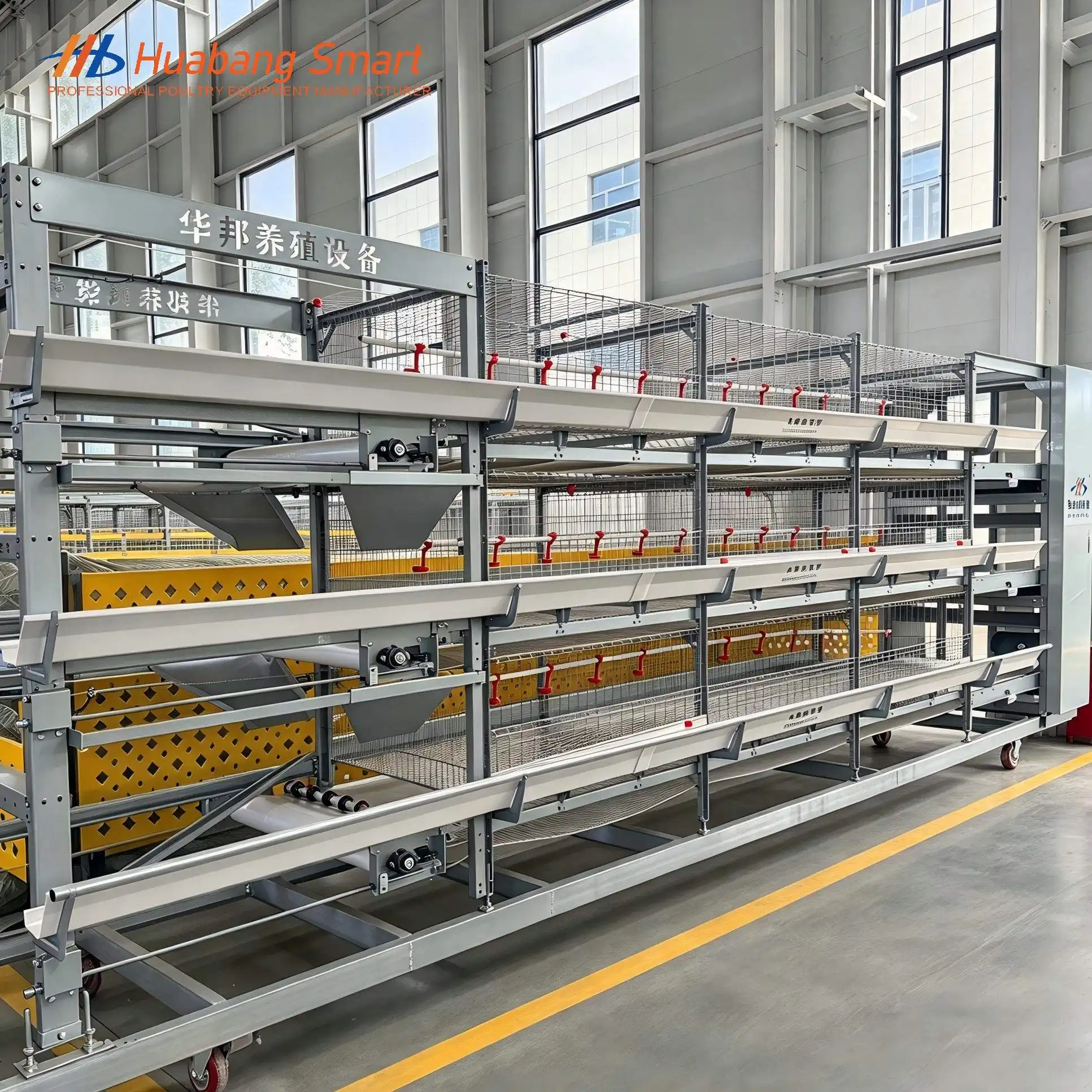
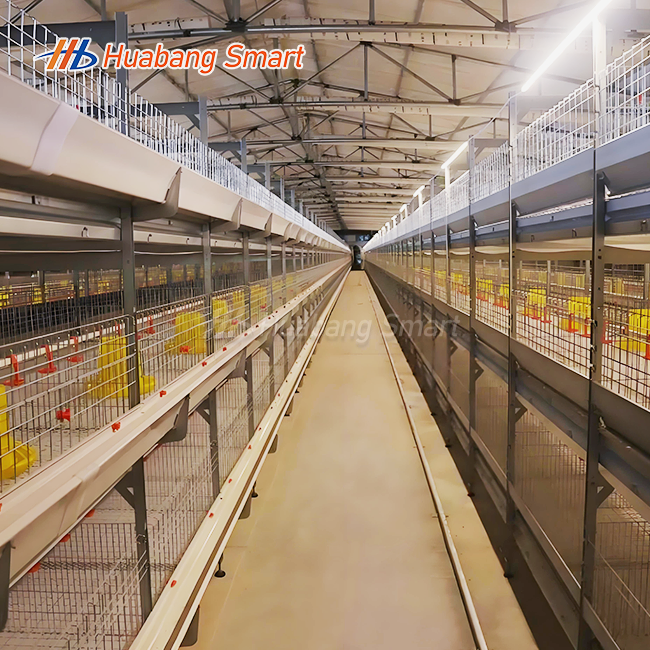
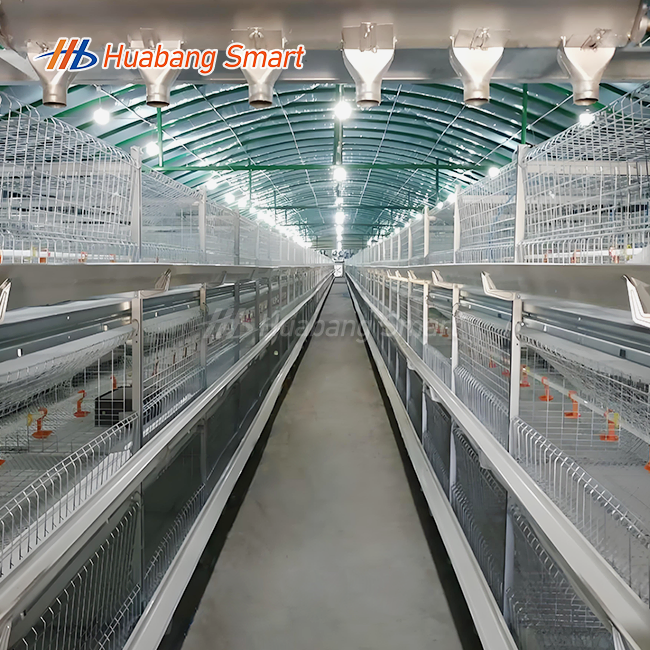
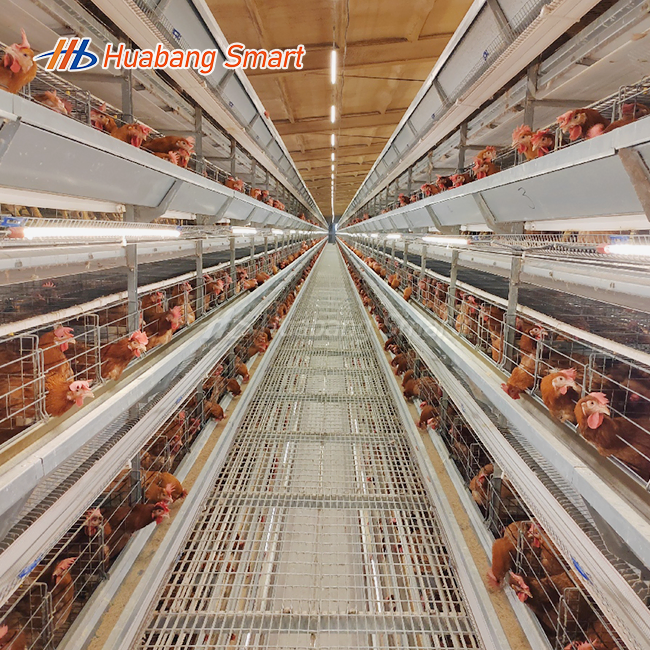
Choosing the right materials is the first step in building a lasting chicken coop. 275g hot-dip galvanised steel frames and wire mesh panels are used in high-performance systems. These materials are resistant to corrosion, which is important for the tough ammonia-rich environment that is common in chicken farms. Unlike standard cold-galvanized options, which break down in 3–5 years, this galvanisation process creates a protective zinc coating that lasts longer than 15 years. The sizing requirements are usually 1.25m x 1m x 0.45m per unit, but heights can be changed from 0.45m to 0.5m to accommodate different breed needs and growth stages. With the H-type multi-tier setup, which comes in 3 to 8 tier options, farms can house anywhere from 1,000 to more than 50,000 birds, based on the size of the facility and the production goals.
Ventilation and Environmental Control
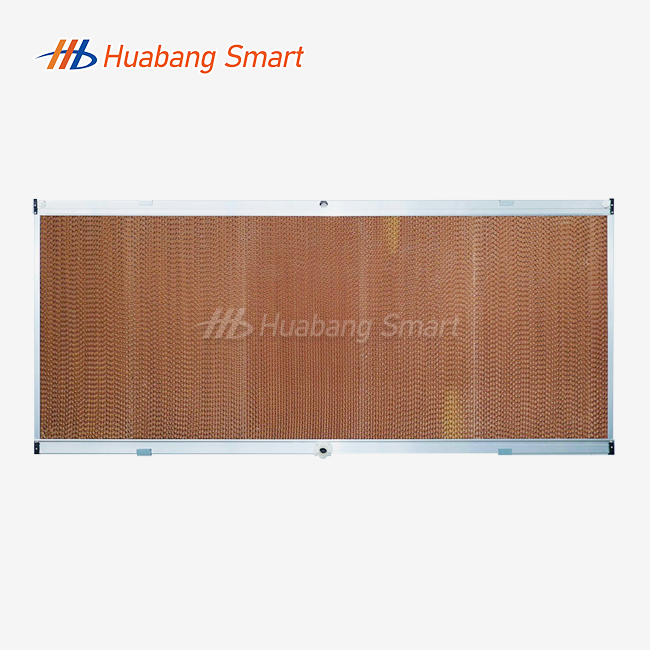
When talking about the health of poultry, air quality management is very important. When cage systems are properly made, the spaces between the levels are planned out so that air flows better and heat doesn't build up. The middle level is often raised 5 cm above the others. This design factor works well with mechanical ventilation systems to keep the temperature and humidity at the right amounts. According to research from schools that study chicken science, keeping the environment stable can increase feed conversion rates by 8–12% compared to options that don't have enough air flow. Adding smart weather sensors lets you check and change the temperature, humidity, and ammonia level in real time, which is one of the most important ways to keep animals from getting sick in dense farming systems.
Space Allocation and Density Management
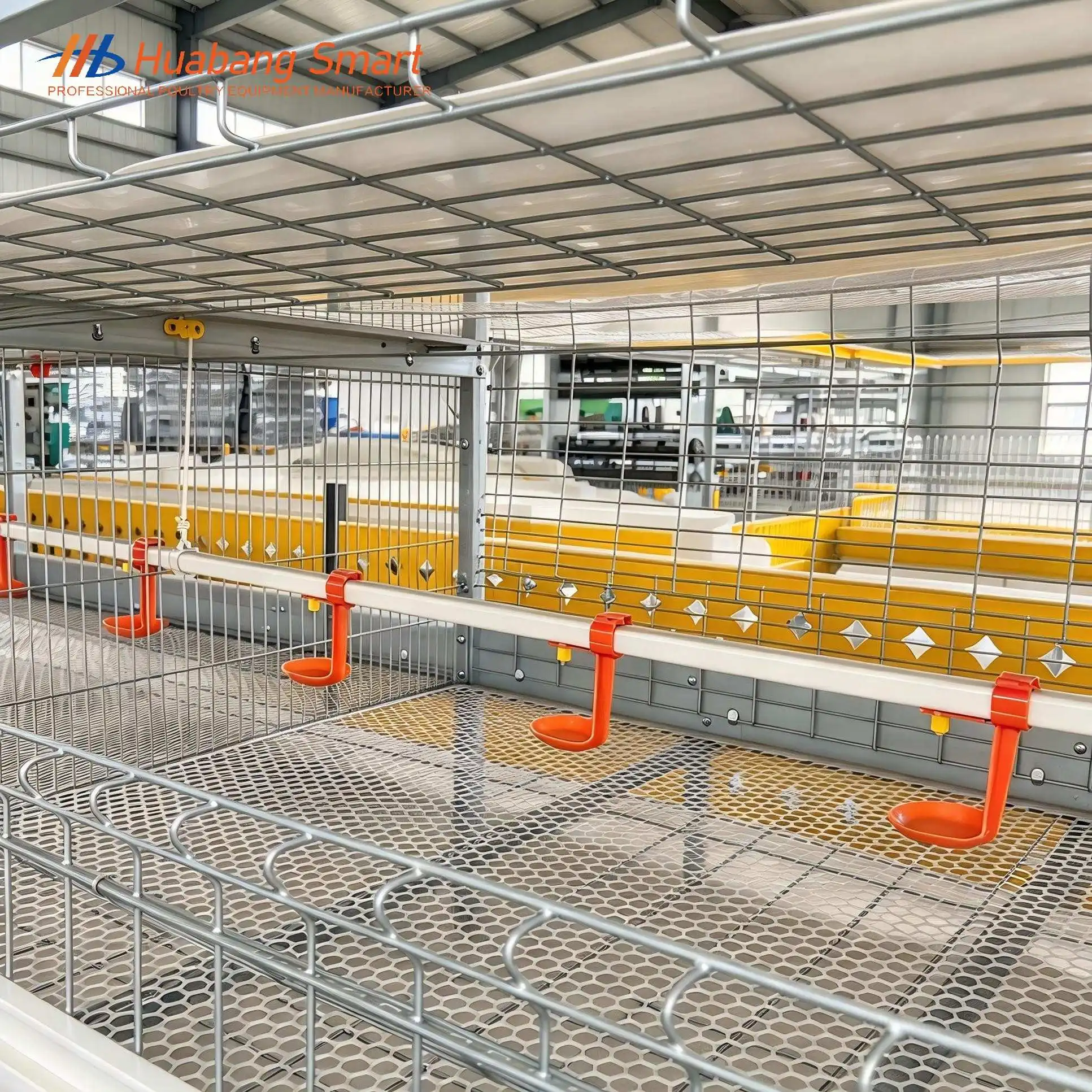
Finding the best mix between the number of birds in an area and the room each bird needs to live in a Broiler Cage system is still a complicated science. Today's cage designs let you increase the density by up to 50 kg per square metre while still leaving enough room for animals to move around and avoid behaviours that are caused by stress. This way, all animals gain weight evenly. The design of the cage floor is just as important. Specialised plastic-coated bottom meshes with engineered elasticity stop common welfare problems like breast blisters and footpad dermatitis, which have an immediate effect on the animal's ability to be sold and its ability to meet welfare standards. This careful planning of space leads to measurable changes in production measures. For example, in well-run systems, death rates are 15–20% lower than with traditional floor-raising methods.
Maintenance and Management Practices to Maximize Growth and Longevity
Consistent maintenance schedules are the backbone of operations that turn high-quality equipment into long-term production excellence. Without regular cleaning and checking of the equipment, even the most modern cage systems don't work well and break down too soon.
Cleaning Protocols and Sanitation Schedules
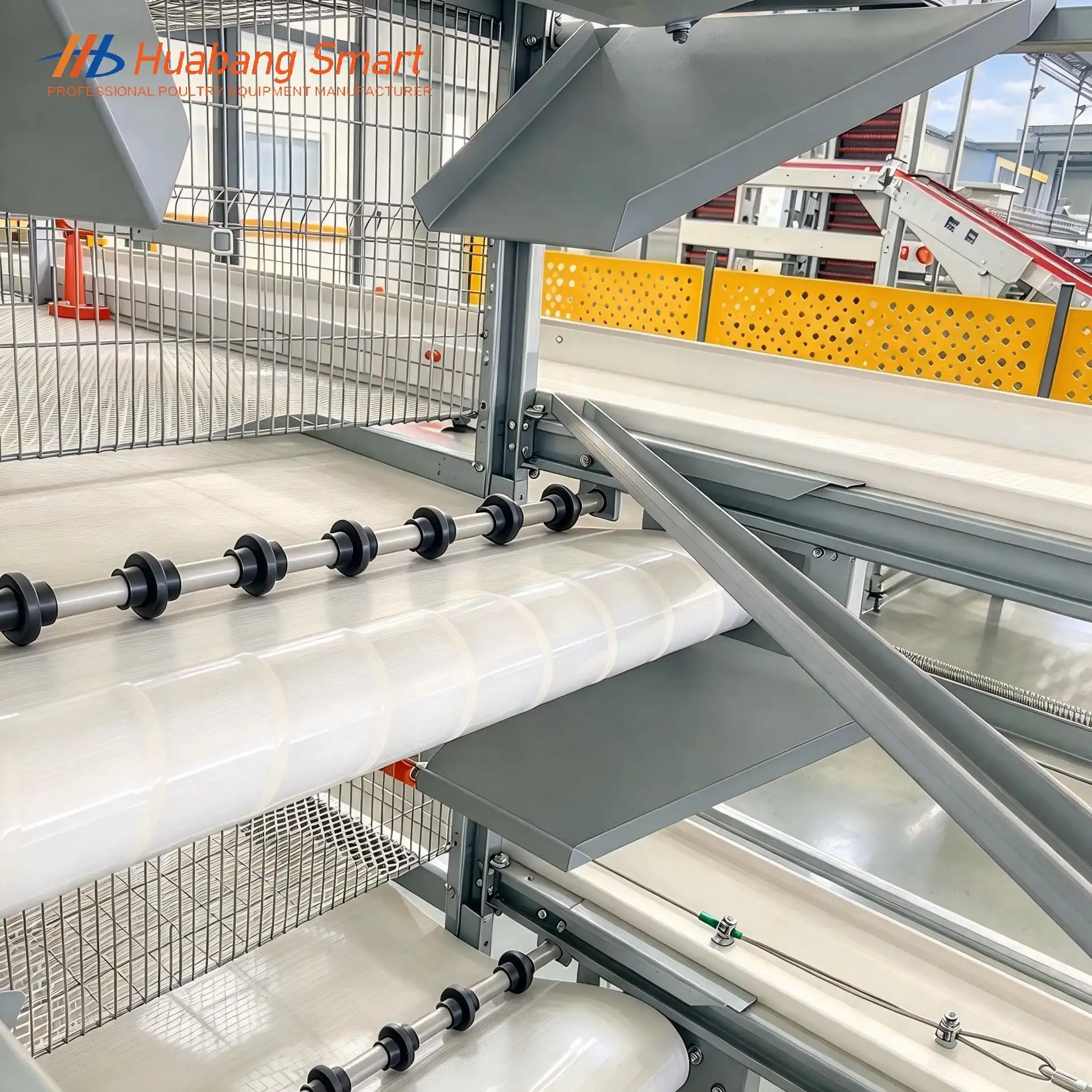
Keeping things clean is the first step in preventing disease. Automated manure removal systems with polypropylene conveyor belts move waste away from birds every one to two days. This keeps pathogen levels low and prevents ammonia buildup, which is bad for respiratory health. Using approved disinfectants to clean the whole cage between production cycles gets rid of any remaining bacteria and viruses, breaking the chains of disease transmission. When businesses follow strict hygiene rules, the number of cases of coccidiosis drops by more than 40%. This is directly linked to better feed efficiency and growth rates. When cages are made correctly, they have smooth, burr-free surfaces that make them easy to clean thoroughly. This keeps organic matter from building up in cracks where pathogens can grow.
Routine Equipment Inspections
Systematic inspection routines find problems before they get worse and cause expensive production delays. Every week, structural checks are done on the cage's welds, wire mesh, and frame to make sure it can handle the weight of a mature flock of birds, which is about 2.5 to 3 kg per bird. Feeder trolley systems need extra care because they have precise feeding mechanisms that cut down on waste and make sure that all cage positions get the same amount of food. The flow rate of the 360-degree nipple drinking lines needs to be checked often to make sure that the animals are getting enough water without spilling, which would raise the humidity and litter wetness. Keeping track of these inspections in maintenance logs makes sure that everyone is responsible and lets you plan ahead for replacing worn-out parts, so there is no unexpected downtime during critical growth phases.
Performance Correlation with Management Quality
By looking at production data, it's easy to see why careful Broiler Cage management is good for business. Farms that follow management rules that are in line with ISO 9001 regularly get 10-15% higher feed conversion rates than farms that don't follow these rules. When you add up the effects of lower mortality, more even weight gain, and shorter production cycles, you get a measurable return on investment that justifies the work that goes into systematic maintenance. Case studies from large-scale operations in Southeast Asia show that facilities that use comprehensive maintenance programs get their initial cage system investment back 18 to 24 months faster than similar operations that use reactive maintenance methods.
Comparative Analysis for Informed Broiler Cage Procurement Decisions
To do strategic buying, you need to know all about the different ways that systems can be set up and how they affect people's well-being, the economy, and how they work. The choice framework includes more than just the initial buy price. It also includes the total cost of ownership and predictions of how the production will go.
Automation Levels and Labor Economics
The choice between human and mechanical cage systems may be the most important one when it comes to buying something. For manual systems, feeding the birds, managing the water lines, and cleaning up the waste takes a lot of work every day. Usually, one person is needed for every 5,000 to 8,000 birds. Automated setups with built-in food machines, manure belt conveyors, and weather control systems cut down on the amount of work that needs to be done by about 70%, letting one person effectively oversee more than 30,000 birds. Even though the initial cost of an automated system is 40–60% higher, the savings in labour costs make it profitable within two to three producti on cycles for most businesses. This economic calculation is especially strong in places where there aren't enough workers for agriculture or where wages are going up, which are problems that affect markets all over North America and Europe.
System Integration and Compatibility
Specifications for purchases must take into account how well they will work with the farm's current system and the way things work in the area. Features that adapt to different climates, like better insulation packages for cold places or extra cooling systems for hot places, make sure that production stays stable all year. The system can connect to centralised farm management software, which lets you make decisions based on data. You can keep an eye on key performance indicators like daily weight gain, feed consumption patterns, and changes in the environment. Buyers should look for manufacturers that offer customisation options, such as OEM and ODM support, so that configurations can be made to fit the needs of specific breeds, production methods, and market compliance standards, such as those for Halal certification, EU welfare regulations, or USDA organic protocols.
Price-Feature Analysis Across Manufacturers
The market for cage systems has a wide range of choices, from cheap ones to high-end ones. Entry-level setups usually cost between $15 and $25 per bird and have simple features and parts that are operated by hand. Mid-range systems, which cost between $30 and $45 per bird, have standard environmental controls and partially automatic feeding and waste removal. Premium integrated systems that cost $50 to $70 or more per bird offer fully automated operation, smart tracking tools, and building materials that ensure a 15-20 year service life. Instead of just looking at the cost of purchase, procurement teams should also look at the total cost of ownership, which includes upkeep needs, expected lifespan, and the extra output that premium systems offer by better feed conversion and lower mortality.
How to Choose the Best Broiler Cage for Your Farming Needs
Matching the specifications of a Broiler Cage system to the needs of operations requires a structured evaluation of a number of variables that are all connected. This methodical approach lowers the chance of expensive specification mismatches that happen when decisions are made quickly.
Defining Operational Parameters
Before the selection process can begin, production goals and limits must be clearly stated. The size of the farm sets the basic setup needs. Smaller farms that raise 20,000 to 50,000 birds a year may do best with 3–4-tier systems, while industrial farms that want to raise 500,000 or more birds need 6–8-tier configurations to get the most out of the building's space. Different locations have different design needs. For example, places that are hot and humid need better ventilation and materials that won't rust. Places that are cold need insulated houses and heating systems that are built in. When making a budget, it's important to weigh the initial capital available against the financing options and expected payback periods. It's also important to keep in mind that failing to invest in core infrastructure can lead to higher lifetime costs through lower productivity and early replacement cycles.
Customization Versus Standard Solutions
Companies that offer open customisation options are very helpful for businesses that have specific needs or are growing at different rates. Custom designs made to fit the dimensions of an existing building make the best use of space and keep the costs of making changes to the building to a minimum. Drawing-based engineering services make sure that structures work well together and find the best ways to send feed, load birds, and handle processing processes. Standard catalogue systems have shorter delivery times (30–60 days on average) and a history of good performance, so they are good for setups that need to be done quickly or operations that want to copy successful existing designs. Customisation vs. standardisation depends on whether or not specific operational factors are worth the extra engineering work and longer lead times that require custom solutions.
Future-Proofing and Sustainability Considerations
Procurement that looks to the future plans for how regulations and market needs will change. Systems made with modular expansion in mind let you increase capacity without having to completely redo the facility. This lets your business grow while keeping the initial investments you made. Credentials for sustainability are having a bigger impact on consumer perception and market access. For example, efficient manure collection in cage systems supports circular economy models that are valued by corporate buyers and export markets. Automation readiness makes sure that new technologies, such as computer vision-based health tracking and artificial intelligence-driven food optimisation, can work with existing technologies. This keeps technologies from becoming outdated too quickly as precision agriculture technologies improve. CE certification and ISO compliance show that the product meets international quality standards. This makes it easier to finance tools and meets the needs of government agricultural development programs in many countries.
Conclusion
The economics of output, the well-being of animals, and the long-term viability of industrial chicken farming are all influenced by the strategic Broiler Cage System selection and management. When sturdy hot-dip galvanised construction, smart automation, and climate-adaptive design come together, they make housing systems that are better than traditional ways in terms of feed efficiency, labour productivity, and biosecurity. When making purchasing choices, it's important to look at more than just the original cost. Total ownership economics, customisation options, and future scalability all play a role in putting operations in a position to stay ahead of the competition. As the world's need for protein grows and animal welfare standards change, investing in tried-and-true cage technologies backed by full installation and maintenance services is a smart way for forward-thinking poultry businesses to manage risk and grow.
FAQ
What factors should guide broiler cage system selection for our operation?
Your output size, the weather where you live, your available budget for capital, and the availability of labour should all be taken into account when choosing a system. You should also look at how automated it is, how long the materials last, and what customisation options each maker provides. In places where corrosion is a problem, hot-dip galvanised construction with a 15-year or longer service life is the best choice. On the other hand, farms that don't have a lot of workers can get the most out of fully automated feeding and waste removal systems.
How frequently should cage cleaning and maintenance occur?
Automated belt systems should be used to remove manure every one to two days to keep the air clean and prevent disease. Pathogen stores are gone when the cages are completely cleaned between production rounds. Every week, structural inspections check the frame's integrity, the feeder's operation, and the waterer's functionality. Once a month, detailed assessments check the performance of the automation system and find parts that are getting close to needing to be replaced.
Does the automated cage system investment justify the higher upfront cost?
Automated systems usually cut the amount of work that needs to be done by 70% and raise the feed conversion rate by 10-15% by controlling the environment and delivering food more precisely. Most business operations see a return on their investment within two to three production cycles thanks to these practical savings. This means that automation is economically justified, even though it requires 40 to 60 percent more capital up front than manual configurations.
Partner with Huabang Smart for Your Broiler Cage Solutions
The engineers at Huabang Smart have been making intelligent livestock equipment for 17 years. Their CE-certified and patent-backed poultry housing systems are used in over 100 countries. Our H-type multi-tier Broiler Cage systems are made of strong 275g hot-dip galvanised steel, have built-in automation for feeding and managing manure, and can be set up in any way you want, with 3 to 8 tiers to fit businesses with 1,000 to 50,000 birds or more. As an ISO 9001-certified Broiler Cage manufacturer, we offer full turnkey solutions that include planning the site, designing the system, helping with installation, and providing ongoing technical support. Our international warranty program backs this up. Email our engineering team at admin@huabangxm.com to talk about your unique operational needs, get full technical specs, or set up a sample evaluation. Visit poultrycage.com to see all of our products and learn how our automatic Broiler Cage systems can make your business more productive and profitable.
References
1. Appleby, M.C., Mench, J.A., and Hughes, B.O. (2004). Poultry Behaviour and Welfare. CABI Publishing, Wallingford, UK.
2. Estevez, I. (2007). Density allowances for broilers: where to set the limits? Poultry Science, 86(6), 1265-1272.
3. Dawkins, M.S., Donnelly, C.A., and Jones, T.A. (2004). Chicken welfare is influenced more by housing conditions than by stocking density. Nature, 427, 342-344.
4. Zuidhof, M.J., Schneider, B.L., Carney, V.L., Korver, D.R., and Robinson, F.E. (2014). Growth, efficiency, and yield of commercial broilers from 1957, 1978, and 2005. Poultry Science, 93(12), 2970-2982.
5. Bessei, W. (2006). Welfare of broilers: a review. World's Poultry Science Journal, 62(3), 455-466.
6. National Research Council. (1994). Nutrient Requirements of Poultry: Ninth Revised Edition. The National Academies Press, Washington, DC.

USER EVALUATE
Here is the customer's evaluation of us
YOU MAY LIKE
 VIEW MOREH Type Layer Chicken Cage
 VIEW MOREMobile Chicken Coops
 VIEW MOREFeeder And Drinker For Chicken
 VIEW MOREAutomatic Feeder For Layer Chicken
 VIEW MOREMulti Tier Broiler Chicken Cage
 VIEW MOREChina Broiler Chicken Cage
 VIEW MOREBattery Cages For Poultry Chicken Layer
 VIEW MORECooling Pads For Poultry Houses