



Detailed introduction of broiler cage in poultry farm
Modern poultry production demands efficiency, biosecurity, and profitability. A broiler cage system represents a transformative solution for large-scale commercial operations, offering vertical housing that maximizes land productivity while minimizing disease risk. These specialized enclosures isolate meat chickens from their droppings, integrate automated feeding and watering, and create controlled environments that optimize feed conversion ratios. Unlike traditional floor-raising methods, broiler cages address critical challenges including high labor costs, inconsistent growth rates, and poor hygiene. For procurement professionals evaluating infrastructure investments, understanding the technical specifications, operational benefits, and strategic advantages of these systems is essential for making decisions that deliver measurable returns.
What is a Broiler Cage and Why Is It Essential in Poultry Farming?
Understanding Broiler Cage Systems
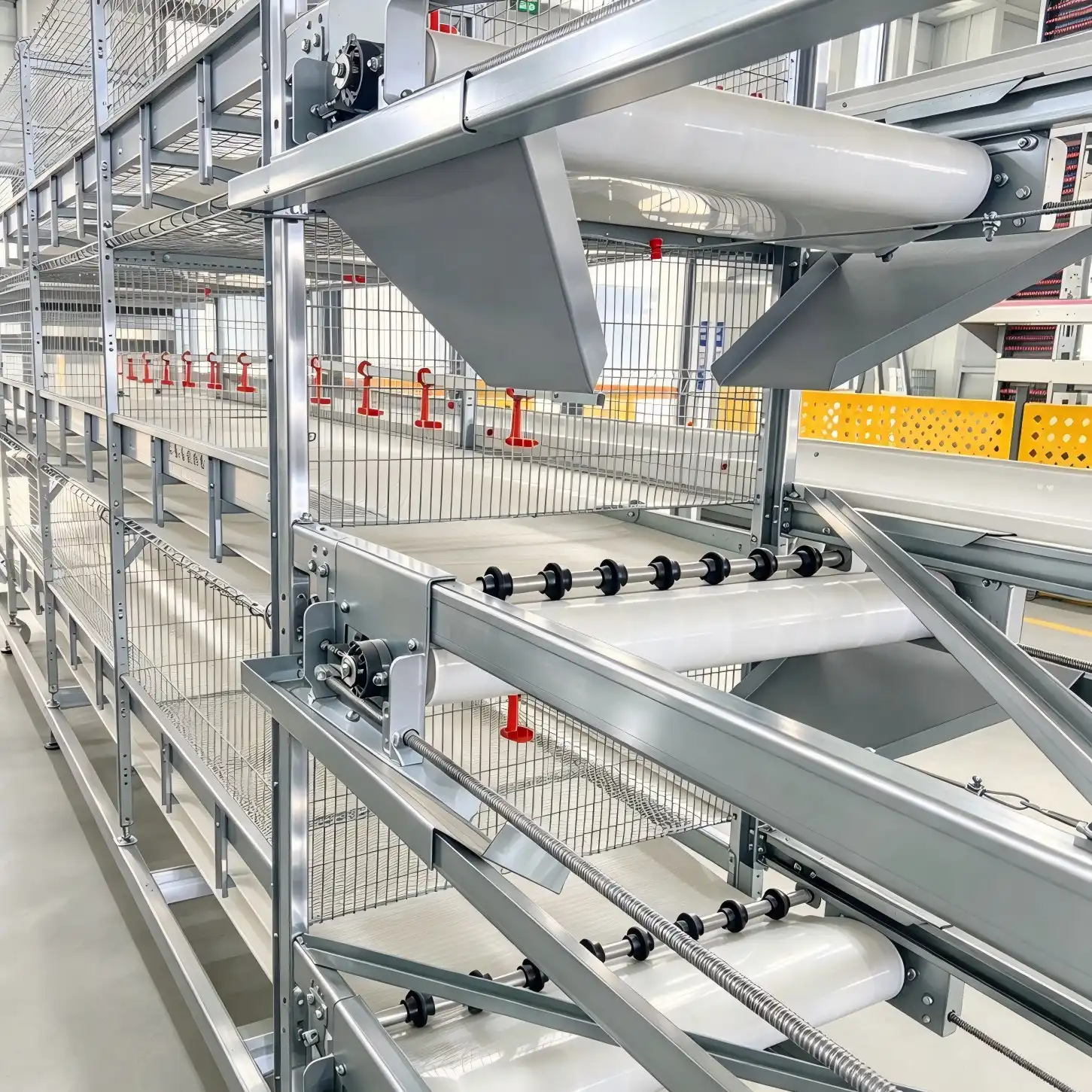
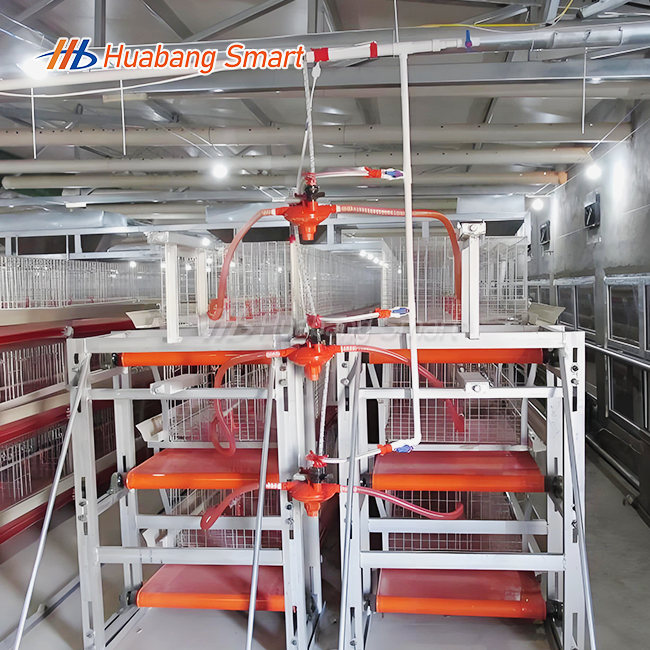
The purpose of a Broiler Cage is to raise meat-type chickens from day-old chicks to market weight, which usually takes 35 to 45 days. Unlike layer cages, which are made for laying eggs, these systems are made to handle the fast weight gain and larger bodies of broilers by using reinforced flooring and better spacing. The most popular form is the H-type multi-tier, which stacks three to eight levels vertically. This makes stocking density much higher, from 10 to 12 birds per square meter in floor systems to 30 to 40 birds per square meter. Each level works on its own, with its own food lines, nipple drinkers, and dung gathering belts set up under slatted floors.
Core Benefits Driving Adoption
By switching to cage systems, problems that have been around for a long time and hurt the profitability of traditional poultry farming are fixed. Disease control is a lot easier to handle when birds are kept away from feces. Comparative production data shows that this can cut the rates of coccidiosis by up to 60%. Three to four times as much space is used as before, which lets operators increase production without buying more land, which is a huge benefit in places where land is expensive. Automated feeding trolleys and centralized watering systems cut the amount of work that needs to be done by about 70%. This helps agricultural businesses in developed markets that are having trouble finding workers. Feed conversion ratios go up by 0.05 to 0.1 points because limited movement saves energy that would have been used for activities that aren't necessary.
Challenges Without Modern Cage Infrastructure
Operations that only use floor-raising ways are under more and more practical pressure. Feeding and watching by hand require a lot of work every day across a large area of floor space, which drives up wage costs and cuts into profit margins. When litter boxes aren't cleaned properly, ammonia levels rise, which makes breathing difficult and slows down the average daily weight gain. Diseases spread quickly through direct touch and bedding that has been tainted, and in places that aren't well run, death rates can be over 8%. It's hard to keep the environment under control in open-plan barns because the temperature and humidity change with the weather outside, making them less-than-ideal places to grow during seasonal peaks.
Broiler Cage Design and Farming Techniques for Optimal Performance
Technical Specifications and Material Engineering
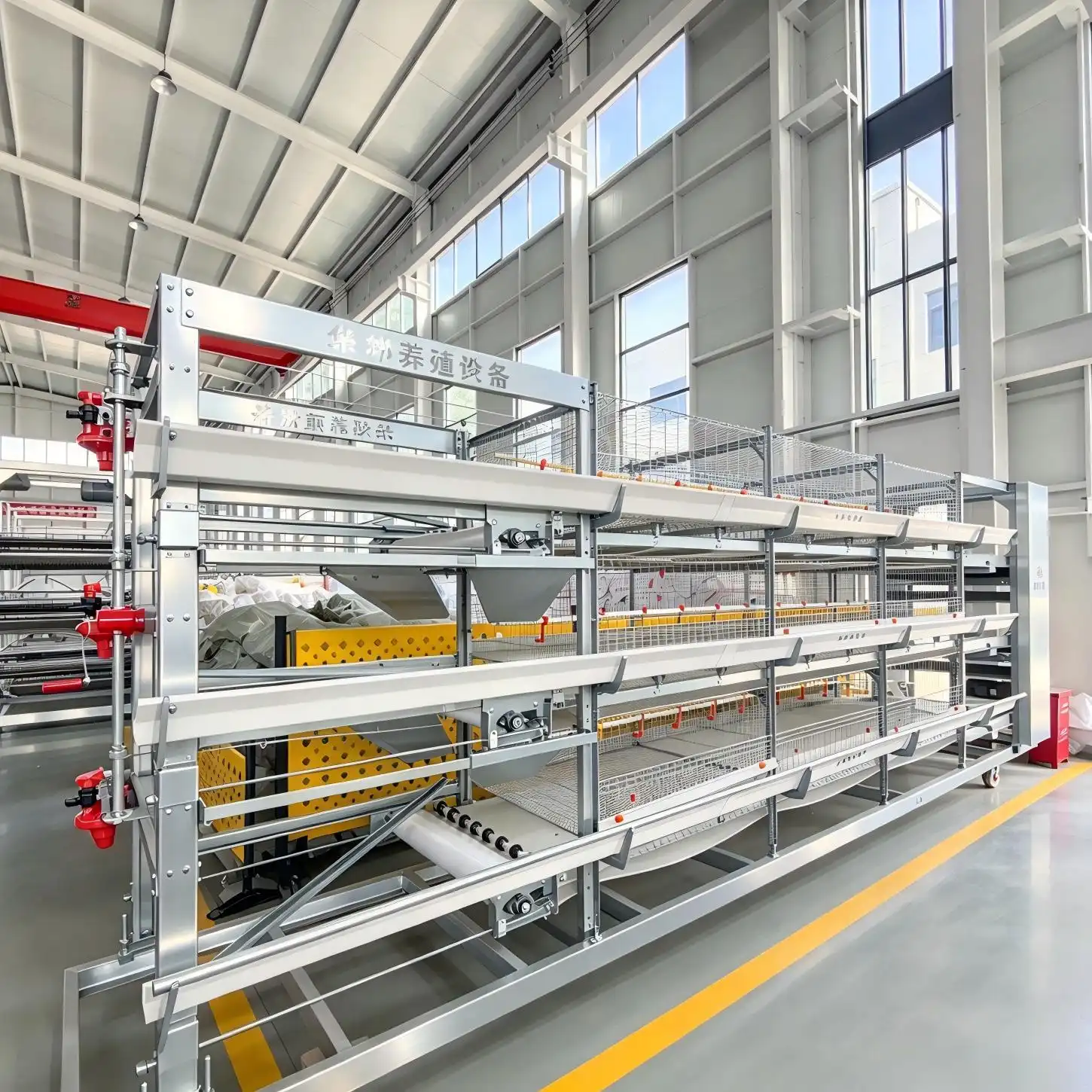
Strong material choices are the first step in making high-performance cage systems. Huabang Smart builds frames and walls out of Q235 bridge-grade steel that has been hot-dip galvanized 275g/m². This makes sure that the steel won't rust in ammonia-filled chicken coops for 15 to 20 years. Standard cage sizes of 1.25 meters in length, 1 meter in width, and 0.45 meters in height give broilers enough room to move around while keeping the density level high. When compared to lighter-gauge options that might bend under load, the 3mm extra-thick steel frame offers better structural stability. Concerns about animal welfare that affect the grading of meat quality at processing can be addressed by putting plastic coating on high-contact areas of wire mesh flooring to stop leg and breast blisters.
Ventilation and Climate Control Integration
For the health of broilers in multi-tier systems, it is essential to manage airflow correctly. Contemporary designs include a 5 cm raised center in cage structures to allow air to flow naturally between levels, keeping birds from getting too hot during the warmer months. Mechanical ventilation systems should move 0.8 to 1.2 cubic meters of air per kilogram of bird mass every minute. These rates should be changed with the seasons to keep the temperature inside the bird between 18 and 24°C. Controlling the humidity so that it stays between 50 and 70% of the air temperature stops breathing problems and stops pathogens from spreading. Real-time sensors connected to IoT platforms allow for automatic changes that keep environmental parameters in good ranges even when outside conditions change.
Automated Feeding and Water Delivery
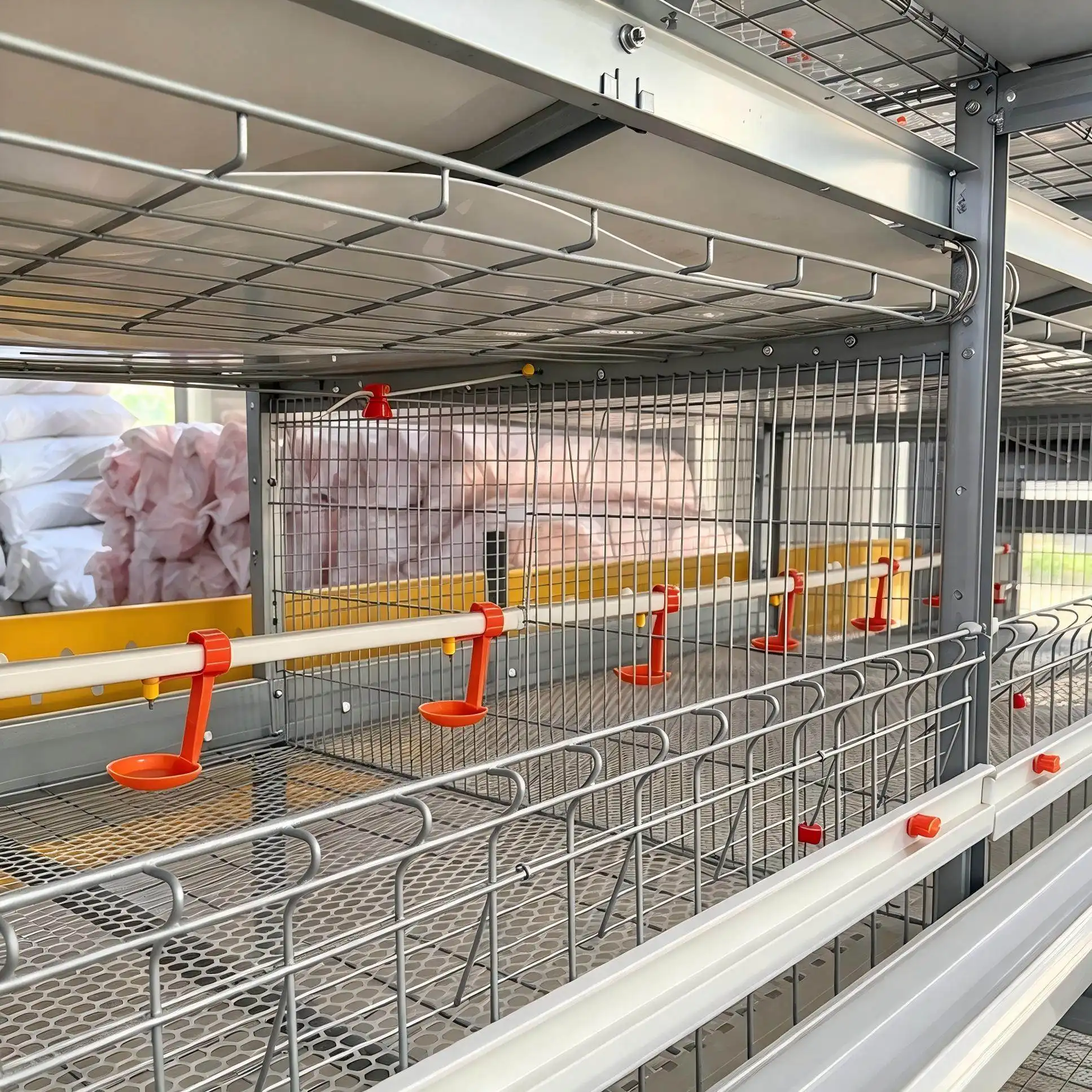
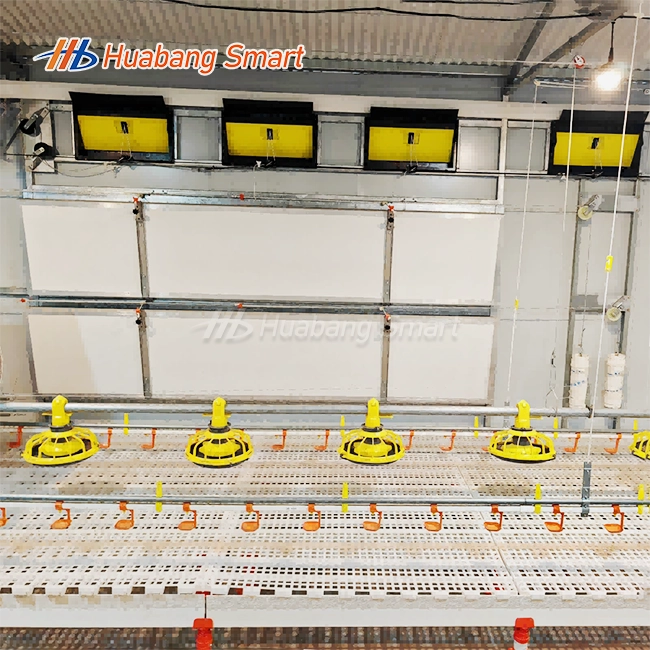
Integrated feeding tools are the most important part of cage systems that work well. Chain-driven or traveling hopper feeders evenly distribute formulated rations across all tiers on predetermined schedules. This eliminates the chance of human error in controlling portions. Nipple drinkers set up at the right heights provide fresh water whenever it's needed, and designs that allow access from all angles cut down on competition and make sure that people stay hydrated. Water pressure regulation keeps the water column pressure between 25 and 35 cm so that there is no spillage that would raise the humidity and cause wet litter to build up under the cages. Less than 2% of the feed is wasted, compared to 5–8% in trough-based floor systems. This saves money across all production processes.
Maintenance Protocols for Longevity
Schedules for preventative repair make tools last longer and keep hygiene standards high. Automated dung belts should be checked once a week for proper roller and belt tension, and waste should be removed every 24 to 48 hours to keep ammonia levels below 20 parts per million. Every month, between groups, the cages are deep cleaned by high-pressure washing, disinfecting with biosecurity-approved agents, and drying completely before putting in new chicks. Every year, structural studies find places where corrosion or weld fatigue might happen before they break, mainly at stress points where tiers join to support columns. During planned downtime, replacing worn plastic parts on the floor and nipple drinker seals keeps small problems from getting worse and stopping production.
Comparing Broiler Cage Systems with Other Poultry Farming Methods
Performance Metrics Across Production Systems
Comparing the pros and cons of different ways of raising animals shows clear trade-offs. Deep litter floor systems require more ongoing bedding care and can only hold 12 birds per square meter, but they have lower starting capital costs. While battery cage arrangements make the most of space, they are coming under more and more attention from regulators in North America and Europe over animal care standards. The products from cage-free and free-range systems cost more, but they need 40% more floor space and have higher feed conversion ratios because the birds are more active. Multi-tier Broiler Cages are commercially efficient and meet the certification needs of major export markets. They do this by balancing production with animal care.
Material Selection Impact on Total Cost of Ownership
Long-term costs are greatly affected by the choice between stainless steel, plastic-coated wire, and other materials. Standard electro-galvanized steel rusts in 3 to 5 years in chicken coops, so the whole system has to be replaced, which costs a lot of money. With a 275g zinc covering and hot-dip galvanizing construction, the service life can be extended to 15 to 20 years. This spreads the cost of capital over many production cycles. The use of plastic parts in areas that get a lot of wear and tear lowers the number of injuries that lower the value of the carcass when it is processed. These parts get their small extra back through higher meat quality scores. Stainless steel is very durable, but it costs a lot, which makes it hard to figure out the return on investment for all but the most expensive operations. To get the most out of their investments, procurement teams should compare the specs of the materials they want to buy with how long they think the facility will be used.
How to Choose and Procure the Best Broiler Cage Solutions for Your Farm
Defining Requirements Based on Operational Scale
Accurately figuring out production goals and site limitations is the first step to successful procurement. Farms that want to raise 10,000 to 20,000 birds per cycle usually use four-tier layouts in buildings with roof heights of 4-5 meters. On the other hand, farms that want to raise more than 50,000 birds may use six to eight tiers in structures that were built just for them. Extra features are needed depending on the climate in the area. For example, facilities in hot, humid areas need better ventilation and cooling pad integration, while operations in cold areas need insulated walls and heating capacity. The budget must include all of the system's costs, such as the cages themselves, the automation equipment, the weather control infrastructure, and the costs of installation. These costs usually range from $18 to $32 per bird capacity, based on the levels of specification.
Evaluating Manufacturers and Quality Certifications
Working with well-known manufacturers lowers technical risk and makes sure that you can count on reliable support after the sale. The ISO 9001 certification shows that the quality management processes are organized, and the CE marking shows that the product meets European safety and performance standards that are known all over the world. Check patent files to see which products are truly innovative and which are just copies. For example, Huabang Smart has 49 core technology patents that cover cage design, automation systems, and environmental control methods that were created through 17 years of research and development. Ask for client references from operations of a similar size and climate to check the accuracy of performance claims about higher feed conversion and lower mortality rates. Manufacturers who offer customization can change standard designs to fit the needs of a specific site, such as odd building dimensions or management preferences.
Total Cost Analysis and Negotiation Strategies
Lifecycle costs for a Broiler Cage should be included in a comprehensive cost analysis rather than focusing only on the initial purchase price. Initial equipment purchases for a Broiler Cage system may represent a significant portion of the total investment, while installation labor, structural modifications, shipping, and logistics can add further costs, especially for overseas projects. Over the expected service life of a Broiler Cage, operational expenses such as electricity, maintenance labor, and replacement parts should also be estimated. Warranty terms for structural components and mechanical systems should be reviewed separately because motors and control equipment generally require different maintenance than galvanized frames. For multi-site Broiler Cage installations or phased expansion plans, volume agreements can provide additional opportunities for negotiation and potentially secure better pricing or service packages. Selecting a reliable Broiler Cage supplier that can provide operator training, on-site testing, and long-term technical support can further improve the overall value of the investment. A complete lifecycle assessment of the Broiler Cage helps buyers understand both upfront and ongoing costs before committing to a large-scale poultry housing project.
Best Practices for Using Broiler Cages: From Setup to Daily Farm Management
Installation and Infrastructure Integration
Professional installation makes sure that the system works at its best from the start. As part of preparing the site, the concrete floors must be leveled to within 5 mm of each other across the building's footprint. This keeps the weight from being distributed unevenly, which could weaken the structure. For commercial installations, the electrical infrastructure usually needs 400V three-phase service to handle automated feeding motors, lighting systems, and ventilation fans. Plumbing links keep the water flow steady in nipple drinker lines, and filter systems get rid of particles that get stuck in small holes. Plan the installation of the cages to work with the ventilation plan for the building. Place the air intakes and exhaust fans so that air flows evenly through all levels, leaving no empty spaces where heat and moisture can build up.
Environmental Management for Disease Prevention
Keeping conditions at their best requires constant monitoring and quick response plans. Temperature monitors placed at bird level in several places give accurate readings and change the air when certain levels are reached. Controlling humidity by letting air flow properly and getting rid of manure keeps the risk of lung diseases low, especially in the first two weeks, when chicks' immune systems are still developing. When ammonia levels go above 25 parts per million, they damage the lining of the lungs and make it easier for bacteria to get in. Levels stay below 15 parts per million thanks to automatic manure belts that run 24 hours a day. To keep pathogens from coming in from outside, make sure there are strict biosecurity measures in place, such as footbaths at entry points, special clothing for areas with chickens, and controlled access.
Feeding Optimization and Waste Management
Precision feeding plans help plants grow as quickly and cheaply as possible. As birds get older, phase feeding programs change the amounts of protein and energy they give them. Usually, they use starter, grower, and finisher formulas that are matched to their metabolic needs at each stage of growth. Automated feeders that are set up to deliver multiple times a day keep the food fresh and encourage eating habits that increase conversion rates. Keep an eye on the rate at which feeds disappear to spot health problems early—sudden drops in consumption often happen 24 to 48 hours before symptoms of a disease show up. When manure is collected by automated belt systems, it should be taken to covered storage areas, composted to kill pathogens, and then spread on cropland according to plans for nutrient management that keep the environment clean. These integrated garbage management methods meet the needs of the law while also getting nutrients back from waste goods.
Conclusion
For large poultry companies looking to increase efficiency while reducing costs and upholding biosecurity, Broiler Cage Systems represent tried-and-true technology. Using hot-dip galvanized steel, controlled feeding and watering, and smart environmental controls together solves the main problems that make traditional floor-raising ways less profitable. When making a purchase decision, the initial capital needs should be weighed against the long-term operational savings, the durability of the materials, and the manufacturer's support capabilities. When designed, installed, and managed correctly, these systems make a real difference in how well feed is converted, how productive workers are, and how healthy the flock is. Businesses that switch from old ways of doing things can expect their extra investments to pay for themselves in 18 to 24 months. This gives them a long-term competitive edge in markets that are getting tougher.
FAQ
What is the typical service life of a hot-dip galvanized broiler cage?
Higher-quality hot-dip galvanized systems with a zinc covering of 275g/m² last 15 to 20 years in normal chicken settings. On the other hand, ammonia corrosion can cause lower-quality electro-galvanized systems to fail in 3 to 5 years.
How do cage systems affect final meat quality?
When compared to wire-only designs, modern ones with flexible plastic flooring greatly cut down on breast blisters and leg deformities, which leads to better carcass grading and processing outputs.
Can existing buildings accommodate multi-tier broiler cages?
For four-tier systems, buildings need to have ceilings that are at least 4 meters high and strong enough to support the weight of the cages, which is usually 150 to 200 kg per square meter. Engineering evaluation checks for suitability.
What are the primary cost differences between cage and floor systems?
The initial cost of a cage system is 40–60% higher, but it makes better use of land, cuts down on labor costs, and improves feed conversion, so it usually pays for itself within two years of operation.
Transform Your Poultry Operation with Proven Broiler Cage Technology
Large commercial poultry operations around the world can benefit from Huabang Smart's 17 years of experience in specialized manufacturing. Our multi-tier Broiler Cage systems are made from quality 275g hot-dip galvanized steel and are ISO 9001 and CE approved. They last and work well, which is what procurement professionals want for big capital investments. We offer full turnkey solutions, including custom system design, automated feeding integration, and thorough installation support backed by our global service network, as an established Broiler Cage manufacturer serving over 100 countries. Email our technical team at admin@huabangsmart.com to talk about your specific needs and get detailed specifications that are made to fit the size of your operation and the conditions in your area.
References
1. American Poultry Association. (2021). Modern Broiler Production Systems: Comparative Analysis of Housing Methods. Agricultural Engineering Quarterly, 43(2), 178-195.
2. Chen, Y., & Morrison, R. (2020). Environmental Control in Multi-Tier Poultry Housing: Engineering Principles and Best Practices. International Journal of Agricultural Systems, 38(4), 412-429.
3. European Food Safety Authority. (2019). Welfare Aspects of Broiler Housing Systems: Scientific Opinion. EFSA Journal, 17(8), 234-267.
4. Henderson, M. J., & Patterson, L. K. (2022). Economic Analysis of Intensive Poultry Production: Capital Investment and Operational Efficiency. Agricultural Economics Review, 51(3), 289-306.
5. National Poultry Technology Center. (2020). Material Specifications for Commercial Poultry Equipment: Durability and Corrosion Resistance Standards. Technical Bulletin Series, No. 142.
6. Williams, T. R., Cooper, D. A., & Singh, P. (2021). Automation in Modern Poultry Farming: Impact on Labor, Productivity, and Profitability. Journal of Applied Agricultural Technology, 29(1), 67-84.

USER EVALUATE
Here is the customer's evaluation of us
YOU MAY LIKE
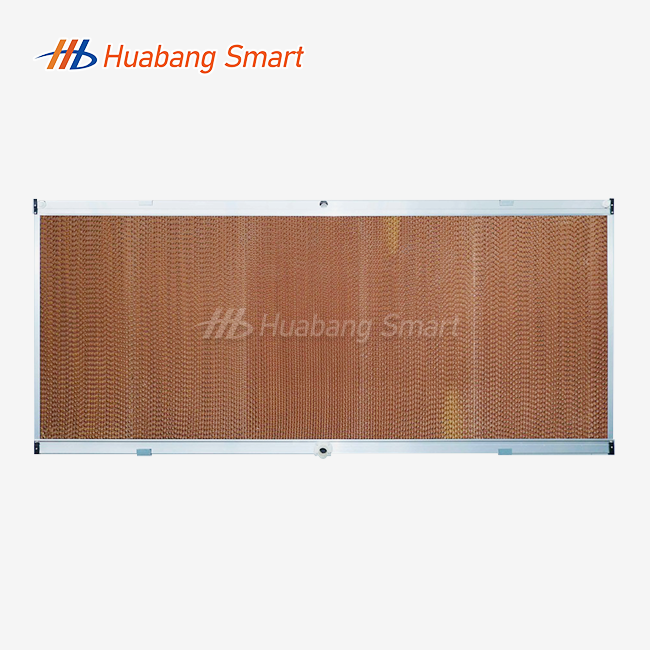 VIEW MORECooling Pad For Poultry Farm
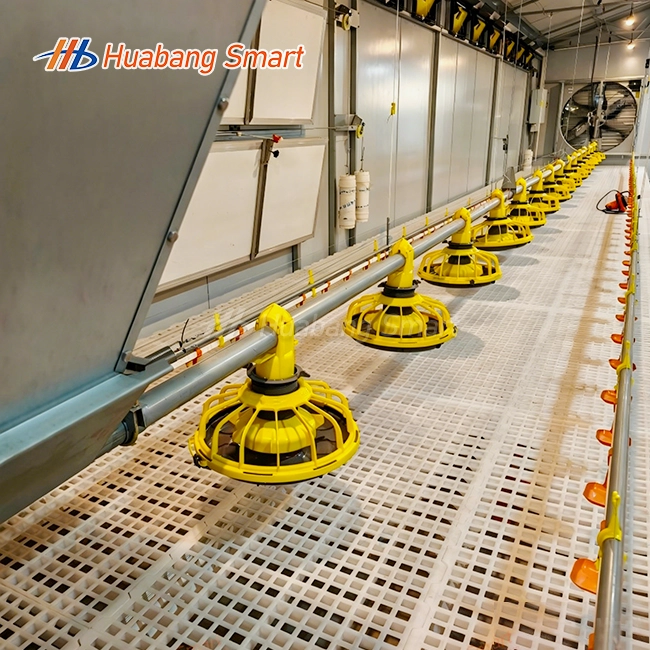 VIEW MOREChicken Coop Feeders And Waterers
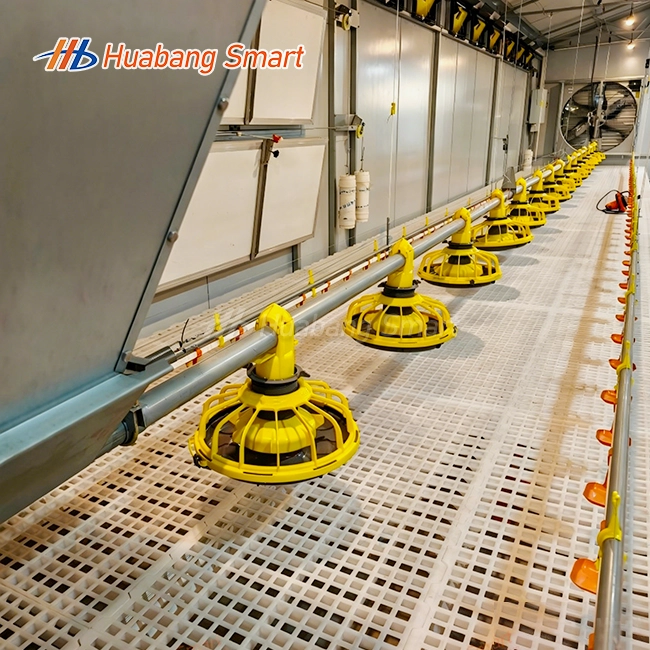 VIEW MOREChicken Waterer And Feeders
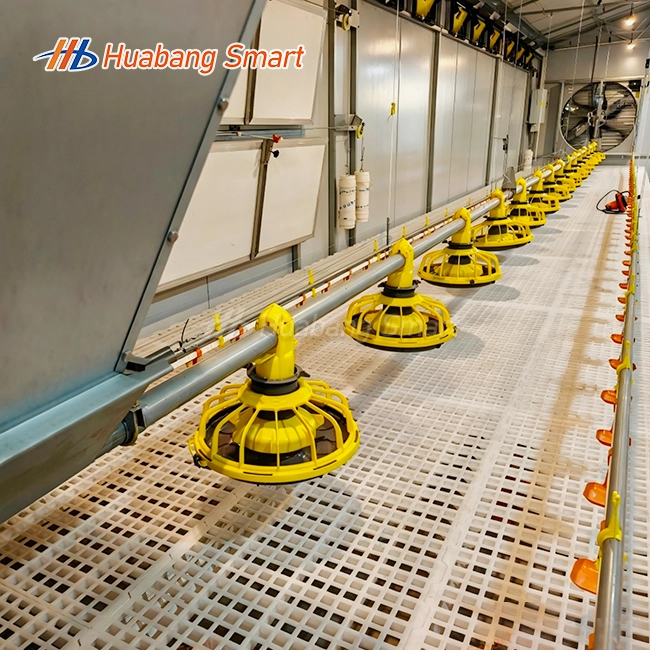 VIEW MOREChicken Feeder And Drinker
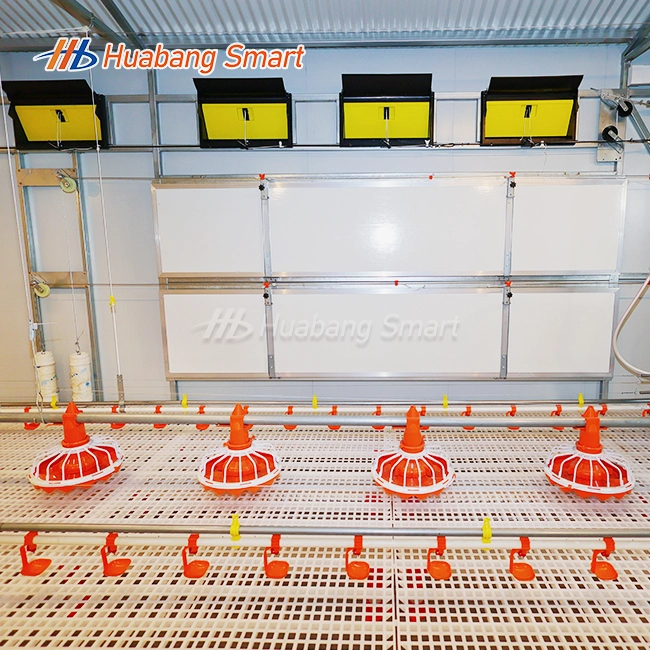 VIEW MOREFeeder And Drinker For Chicken
 VIEW MOREAutomatic Feeder For Chicken
 VIEW MOREMobile Chicken Coop Tractor With Wheels Nest Boxes
 VIEW MOREFully Automatic Broiler Chicken Cage