
Can an Automatic Poultry Drinking System Keep Broiler Houses Drier and More Sanitary?
Yes — and the data backs it up. A properly installed Automatic Poultry Drinking System significantly reduces litter moisture by delivering water at controlled pressure through leak-proof nipple drinkers and sealed water cups. According to research published by the University of Georgia Cooperative Extension, wet litter is the leading cause of footpad dermatitis and respiratory disease in broiler flocks. Automated watering lines eliminate the chronic dripping and spillage common in open-bell or manual trough systems, producing a measurably drier floor environment and a lower bacterial load throughout the entire production cycle.
Understanding the Challenges of Water Management in Broiler Houses
Water is the most consumed input on any broiler farm, yet it is also the most poorly managed. Before exploring solutions, it helps to understand exactly where conventional systems fail.
The Wet Litter Problem
Wet litter is not simply uncomfortable for birds — it is a direct health hazard. Studies show that litter moisture above 35% accelerates ammonia volatilization, increasing respiratory infections and reducing average daily weight gain by up to 8%. In high-density houses, a single leaking drinker can saturate a 3-meter radius of bedding within hours, creating a chain reaction of bacterial growth.
Manual Systems and Human Error
Open drinkers and manually filled troughs depend entirely on worker attention and timing. Water overflow is common, especially during peak consumption periods. Labor shortages make the problem worse. Without a consistent delivery schedule, birds experience both dehydration stress and litter saturation — a paradox that directly harms Feed Conversion Ratio (FCR) and flock uniformity.
Biosecurity Gaps in Conventional Setups
Stagnant water in open troughs breeds Salmonella, E. coli, and Clostridium species. Each time a bird drinks from a contaminated surface, pathogen load builds across the flock. For farms operating under USDA or EU food safety audits, this creates serious compliance risks that manual cleaning schedules cannot fully address.
How an Automatic Drinking System Keeps Poultry Houses Drier?
Modern nipple-based watering lines solve the core problems above through a combination of precision engineering and smart controls.
360° Sealed Nipple Drinkers
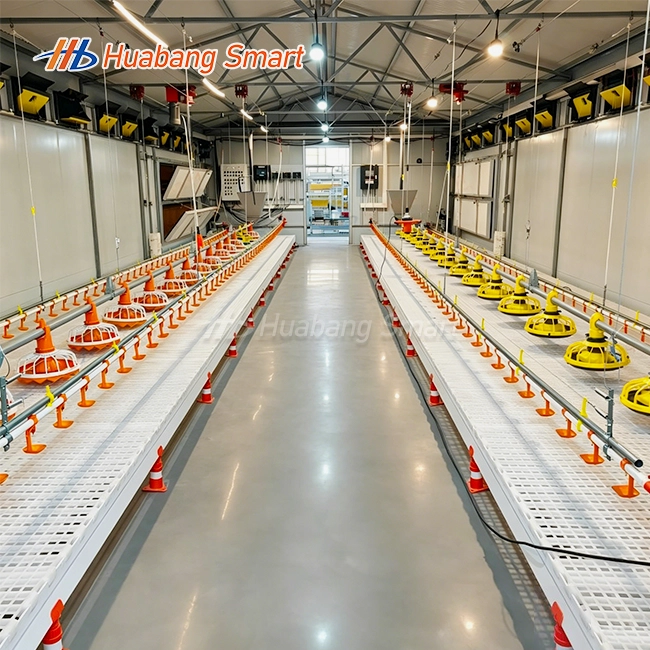
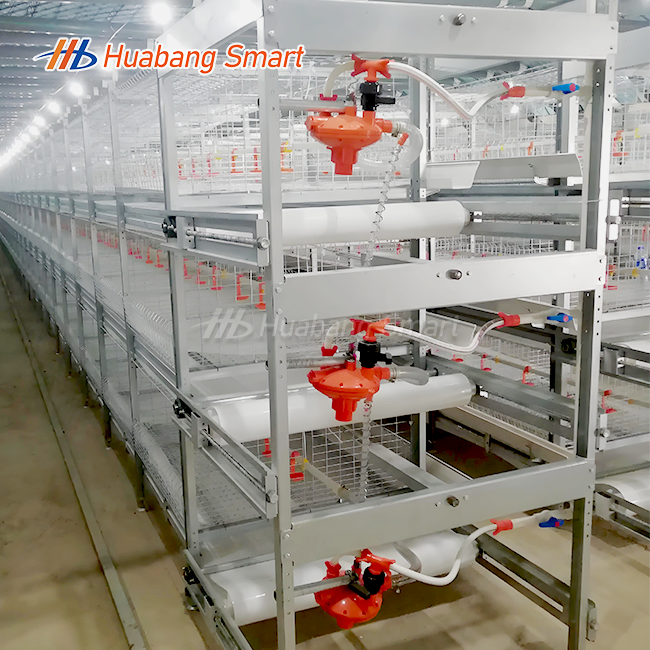
Huabang Smart's high-sensitivity 360° poultry nipple drinker uses a double-valve, sealed, leak-proof structure. The stainless steel valve and UV-resistant plastic body resist corrosion in the humid, ammonia-rich broiler house atmosphere. Birds activate water delivery through direct touch, and flow stops immediately upon release. This design eliminates passive dripping entirely, keeping bedding dry between drinking events.
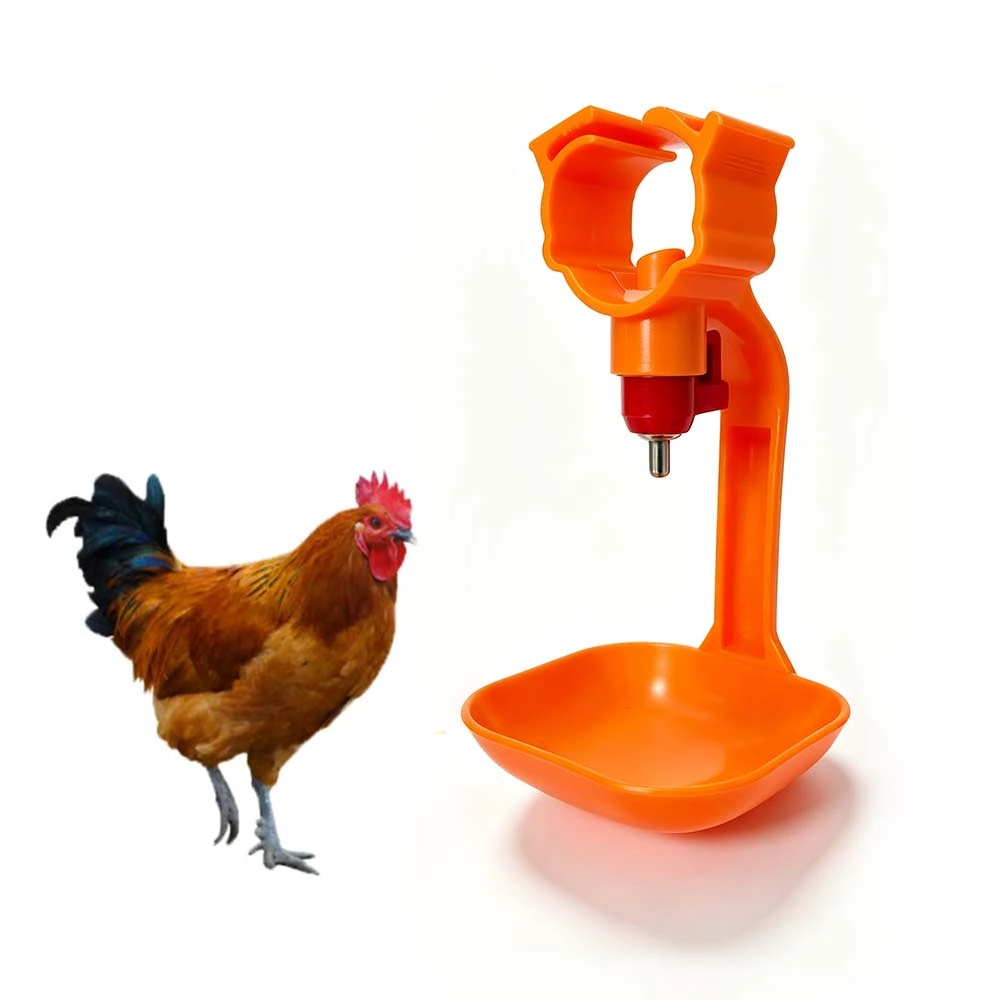
Water Cups That Collect Residual Moisture
Fitted with thickened water cups beneath each nipple, the Automatic Poultry Drinking System captures any residual droplets before they reach the litter. The 304 stainless steel precision nipple drinkers deliver a clean, stable water supply while the cups prevent floor contamination. Dual water lines accommodate farms at every production scale — from small floor-rearing houses to large multi-row cage systems.
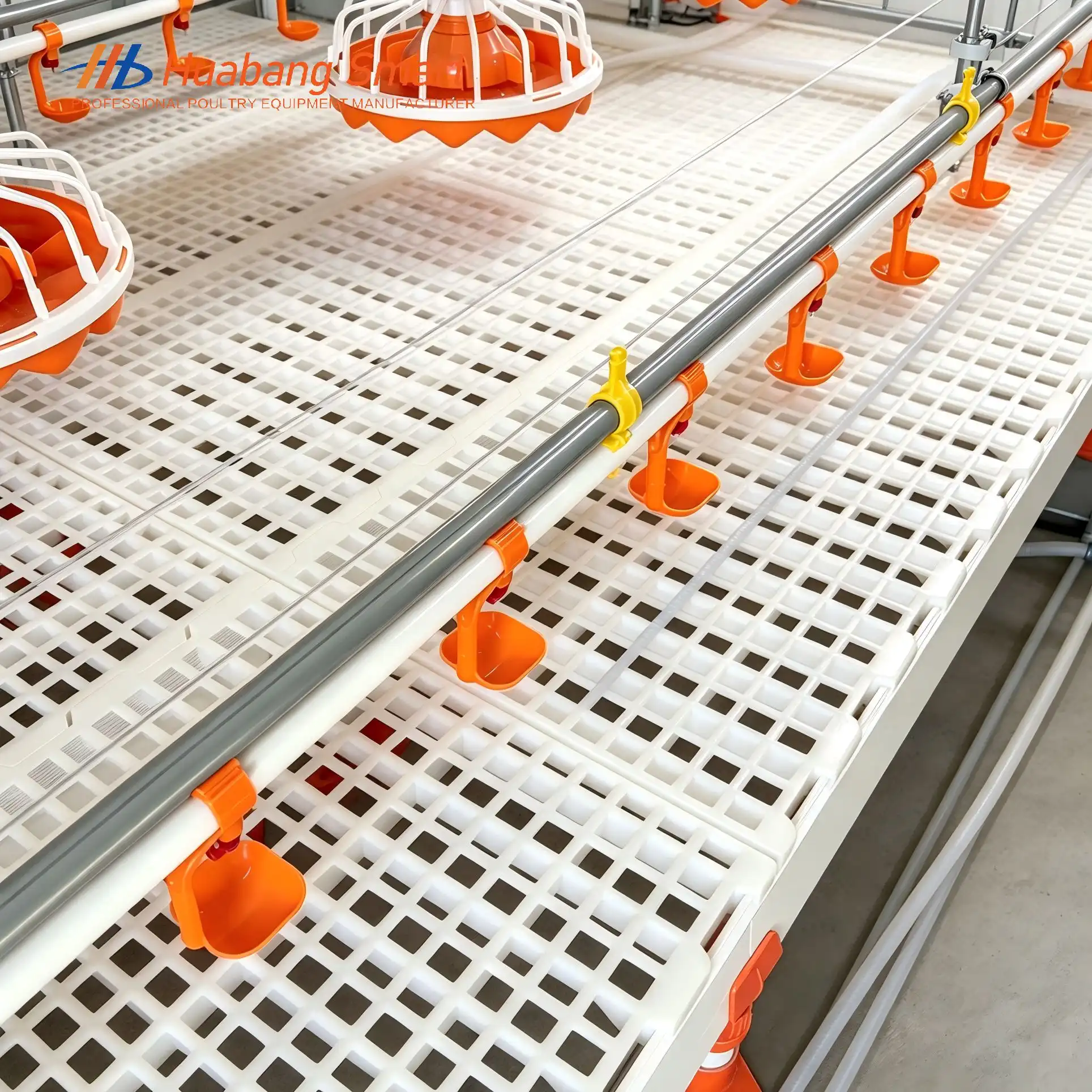
Smart Controls and Water Volume Monitoring
The liftable drinking line adjusts height automatically as birds grow, ensuring correct activation angle at every life stage. An integrated water volume monitor tracks daily consumption per line, alerting farm managers when intake drops — an early indicator of disease or equipment malfunction. This real-time data feed supports proactive flock management without requiring additional labor.
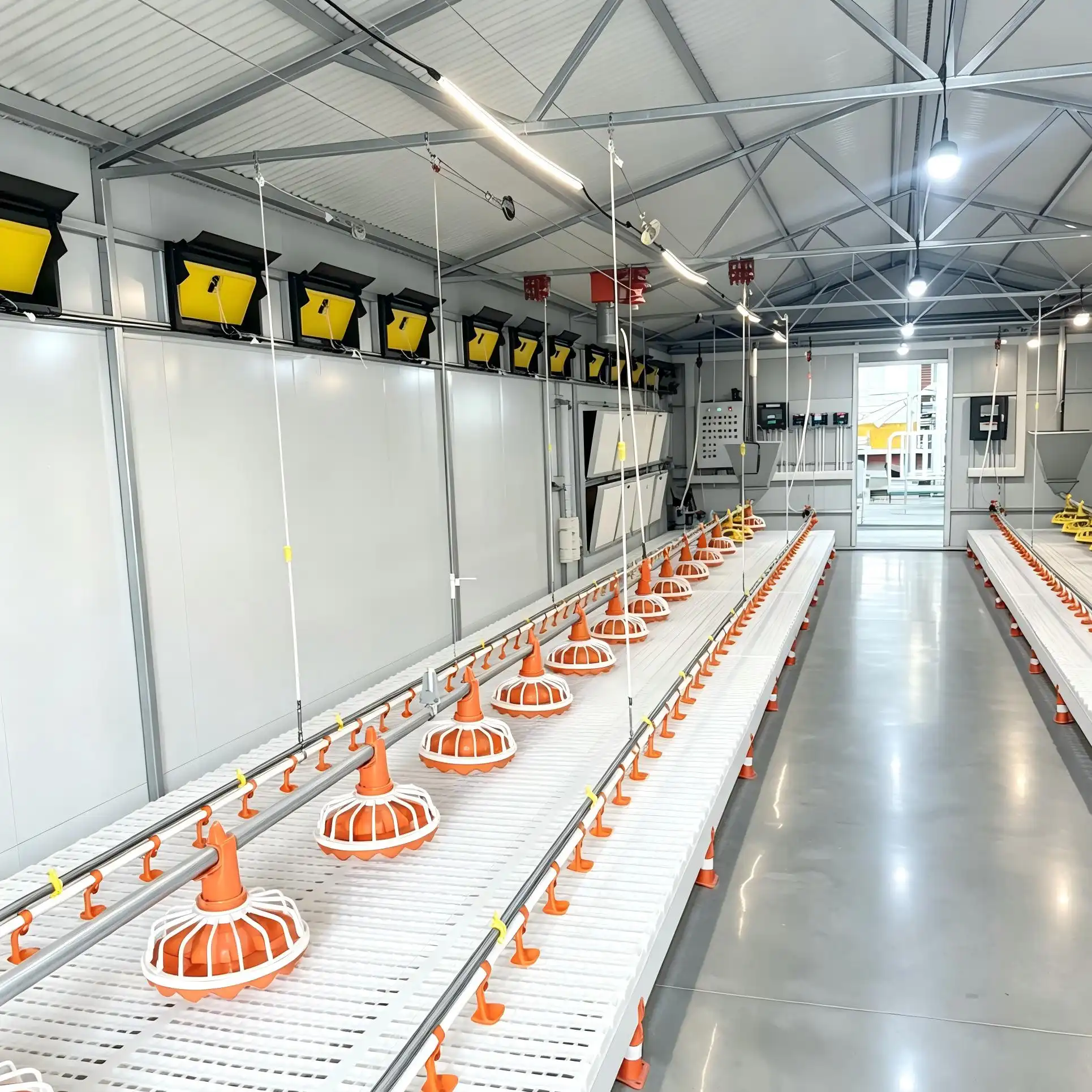
Comparing Automatic vs. Manual Systems for Sanitation and Dryness
The operational gap between automated and manual watering is wider than most procurement managers expect.
Here is a direct comparison across the metrics that matter most to B2B buyers:
- Litter moisture control: Nipple drinker systems maintain litter moisture below 25% under normal stocking density. Manual trough systems routinely exceed 40%, according to Poultry Science journal findings.
- Labor dependency: A standard nipple line serving 10,000 birds requires one technician for weekly pressure checks. Manual trough systems need daily refilling and cleaning by multiple workers.
- Disease incidence: Closed nipple systems reduce waterborne pathogen exposure by eliminating open water surfaces where bacteria multiply.
- Water waste: Automated pressure regulation cuts water consumption per bird by 15–20% compared to open drinkers, directly lowering operating costs.
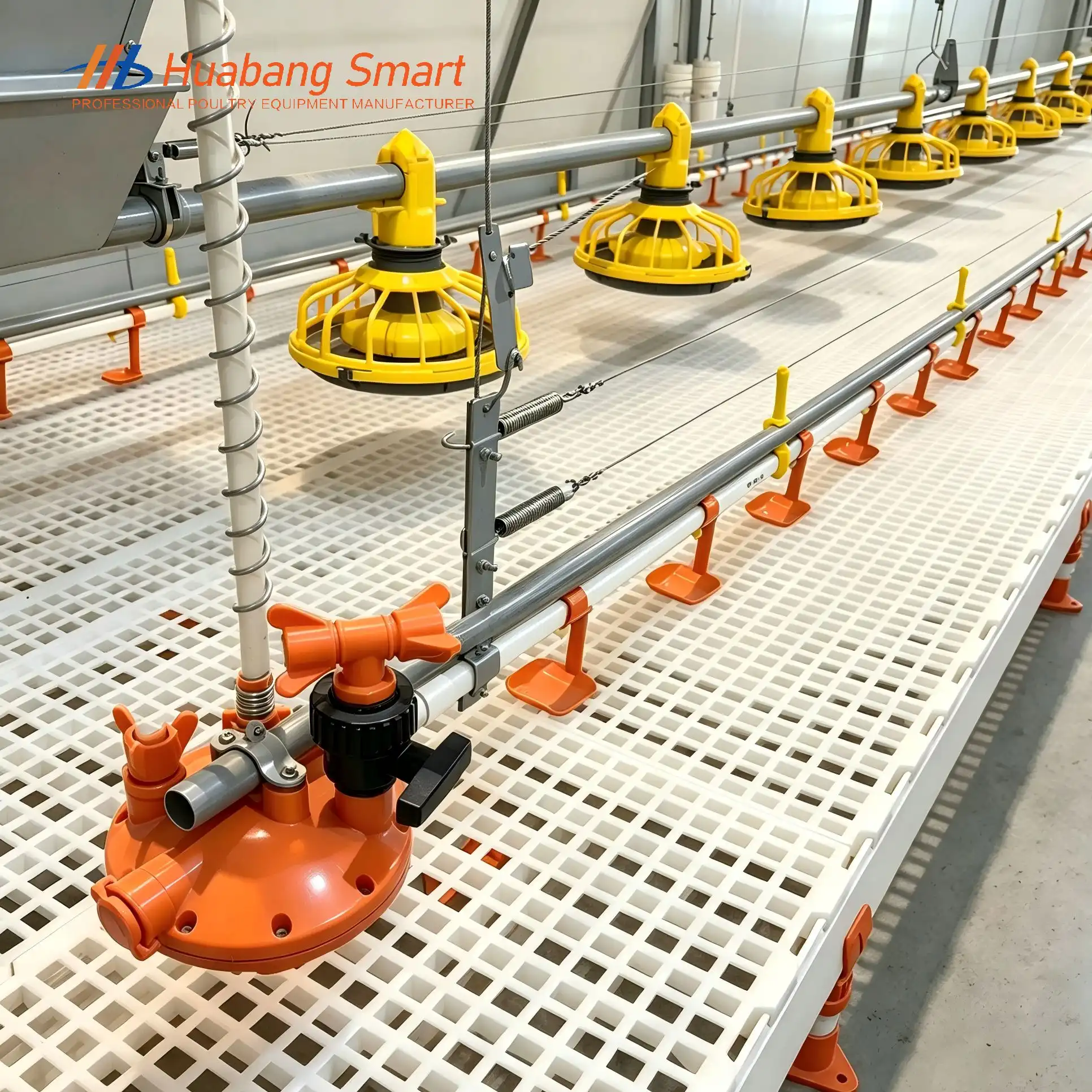
These performance gaps translate into a clear ROI advantage for automated systems. While the initial capital investment is higher, reduced medication costs, better FCR, lower water bills, and fewer labor hours typically recover that investment within one to two production cycles on a mid-to-large-scale farm.
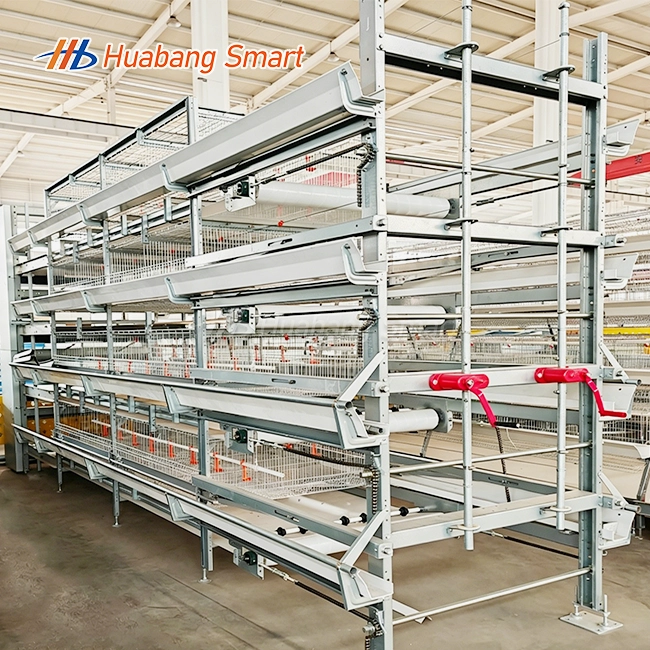
Custom pipe options also matter. Round water pipes offer soft flow and easy cleaning with flexible mounting. Square pipes provide stronger bending resistance, tighter sealing, and higher load capacity without rotation — making them well-suited for cage-type coops where structural rigidity is a priority.
Installation and Maintenance Best Practices
Getting the most from an automated watering line depends heavily on correct setup and consistent maintenance.
Proper Pressure Calibration by Bird Age
Day-old chicks require very low nipple activation pressure (approximately 5–10 cm water column). As the flock ages, pressure should increase gradually to deliver adequate flow volume. The Poultry House Drinking Water Stabilization Module — a hydraulic control assembly integrated into the line — manages this transition automatically, preventing both dehydration in young birds and spillage from over-pressure in older flocks.
Anti-Perching Wire and Line Height Management
An anti-perching wire installed above the drinking line of an Automatic Poultry Drinking System stops birds from roosting on the pipe and contaminating water points with feces. Combined with the liftable drinking line mechanism, this keeps the entire watering zone sanitary throughout the grow-out period. Height adjustment should track bird crown height, typically raised every 5–7 days during the first three weeks.
Routine Flushing and Biofilm Prevention
Biofilm is the most underestimated contamination risk in closed drinking lines. Weekly flushing with an approved sanitizer (hydrogen peroxide or chlorine dioxide) during occupied periods, plus a deep-clean flush during each empty period, keeps internal pipe surfaces below the Ra < 0.8µm threshold where organic material adheres. End-flush kits built into Huabang Smart's system make this a straightforward, low-labor task.
Huabang Smart's Integrated Solution: From Design to Commissioning
Huabang Smart delivers more than equipment — it provides a complete project pathway for commercial broiler operations.
Free 3D Farm Layout Design
Every project begins with a custom chicken-house blueprint. Huabang Smart's engineering team produces detailed 3D house designs that account for bird density, ventilation zones, drinking line placement, and water pressure routing. This pre-installation planning eliminates the costly retrofit errors that occur when equipment is purchased without site-specific drawings.
One-Stop Equipment and Service Package
Huabang Smart supplies the full range of floor-rearing equipment — drinking systems, feeding lines, environmental controls, and structural components — all manufactured from extra-thick 3mm hot-dip galvanized steel for maximum durability. Full-site commissioning includes overall scheme planning and equipment debugging, carried out by trained technicians. ISO9001 and CE certifications cover the entire product range.
After-Sales Support Across 100+ Countries
With 17 years of manufacturing experience and a presence in over 100 countries, Huabang Smart offers video installation guides, on-site commissioning, and long-term local after-sales support. OEM and ODM configurations are available based on customer drawings, with a standard production cycle of 30–60 days.
Conclusion
Wet litter and poor water sanitation are controllable problems. A well-engineered Automatic Poultry Drinking System — properly sized, calibrated, and maintained — keeps broiler house floors consistently dry, reduces waterborne disease pressure, and lowers long-term operating costs. The technical evidence from poultry science research and real-world farm data points in one direction: automation outperforms manual watering on every measurable hygiene and productivity metric. For farms serious about flock performance and food safety compliance, upgrading the drinking line is one of the highest-return infrastructure decisions available.
FAQ
How many birds should share one nipple drinker?
Industry guidelines recommend 8–12 birds per nipple for broilers and 10–15 for layers. Huabang Smart's dual water lines and custom pipe sizing allow flexible configuration to match any stocking density.
What pipe type is better — round or square?
Round pipes deliver soft water flow and are easier to clean, which suits floor-rearing setups with frequent height adjustments. Square pipes offer stronger structural rigidity and tighter sealing, making them preferred for cage systems where load capacity matters.
Can the system integrate with an existing environmental controller?
Yes. The smart control module communicates via standard signals compatible with most IoT farm management platforms, allowing water volume data and pressure alerts to feed directly into centralized monitoring dashboards.
How quickly does Huabang Smart deliver?
Standard production cycles run 30–60 days from order confirmation. Custom OEM configurations may require additional lead time depending on design complexity.
What certifications does Huabang Smart hold?
Huabang Smart products carry ISO9001 quality management certification and CE compliance certification, covering all core drinking system components.
Ready to Upgrade Your Broiler Drinking System? Contact Huabang Smart Today
Huabang Smart has supplied automatic poultry drinking system solutions to commercial farms across more than 100 countries since 2012. As a direct-source automatic poultry drinking system manufacturer, we offer free 3D farm design, full-site commissioning, and dedicated after-sales support — backed by 49 core technology patents and CE certification. Send your farm specifications to admin@huabangsmart.com or visit poultrycage.com to request a custom configuration and quotation.
References
1. Lacy, M.P. & Vest, L. Broiler Management Guide. University of Georgia Cooperative Extension, 2000.
2. Bilgili, S.F. Footpad Dermatitis in Broilers: Litter and Water Management Interactions. Journal of Applied Poultry Research, 2009.
3. Dozier, W.A., Donald, J.O., & Macklin, K.S. Litter Moisture and Broiler Performance: Environmental and Management Considerations. Poultry Science, 006.
4. Xin, H., & Gates, R.S. Environmental Impacts of Poultry Production: Water Use and Management. Transactions of the ASABE, 2010.
5. National Chicken Council. Broiler Industry Best Practices for Water System Management. National Chicken Council Report, 2018.
6. Olkowski, A.A. Waterborne Pathogens in Commercial Poultry Operations: Risk Reduction Through Closed Drinking Systems. Avian Diseases, 2012.

USER EVALUATE
Here is the customer's evaluation of us