



Chicken Cage Broiler Automatic Systems for Commercial Poultry Farms
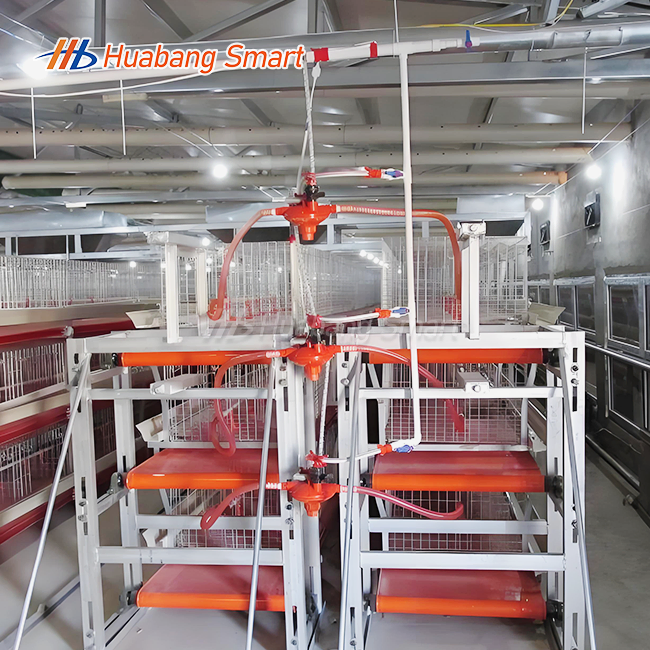
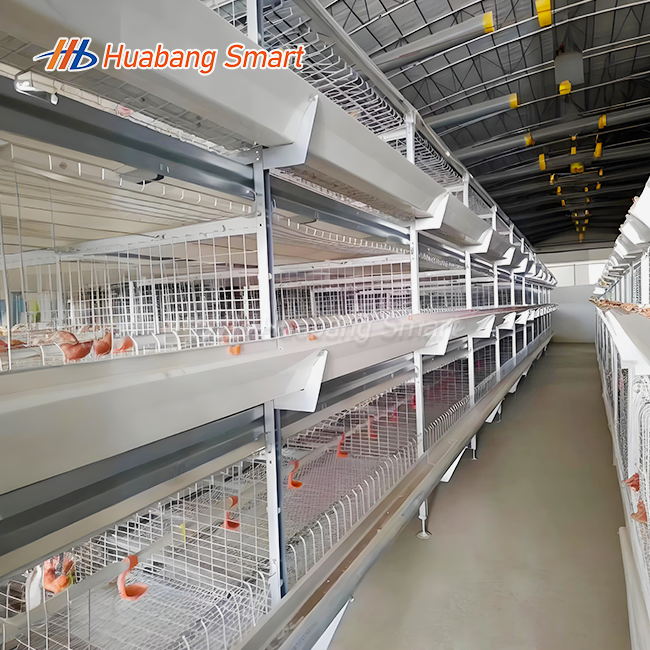
Over the past ten years, automated housing technology has become a big part of commercial chicken production in the United States. A Chicken Cage Broiler Automatic system is a multi-tiered housing solution that includes temperature control, automatic feeding, nipple drinking lines, dung belt removal, and help with gathering, all in one structure. Built on an H-type frame made of hot-dip galvanised Q235 steel with a 275g/ zinc covering, these systems can hold 15–25 birds per square metre of space while cutting down on labour costs by up to 70% and food waste to less than 1%. This technology is a measurable step toward more uniform flocks and lower production costs per kilogram for large-scale U.S. grill operations.
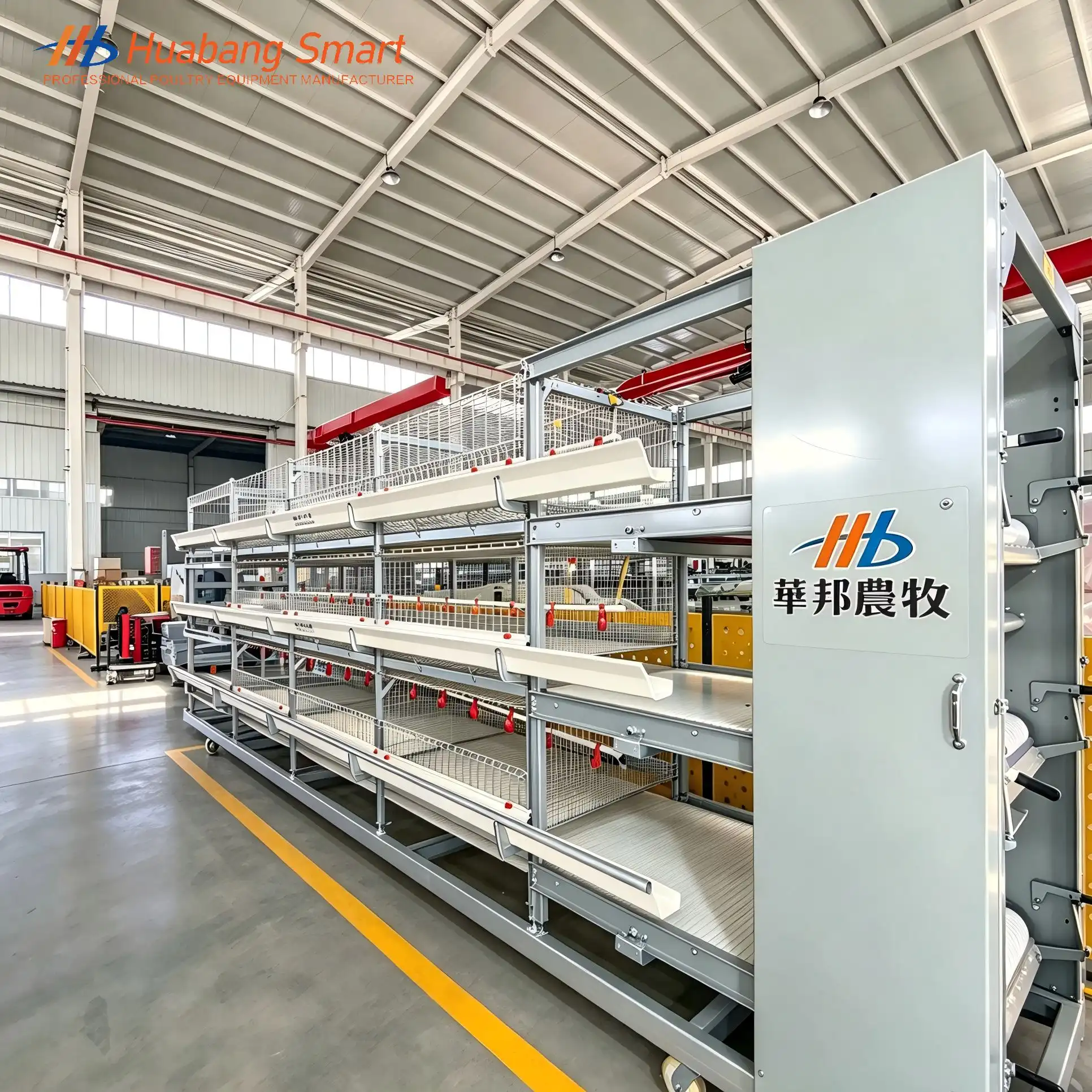
Understanding Automatic Chicken Cage Broiler Systems
Every step of modern broiler production needs to be done with great accuracy, from placing day-old chicks to the final harvest. Automated cage systems directly meet that need by getting rid of the unknowns that come with raising animals on the floor by hand.
Core Components and How They Work
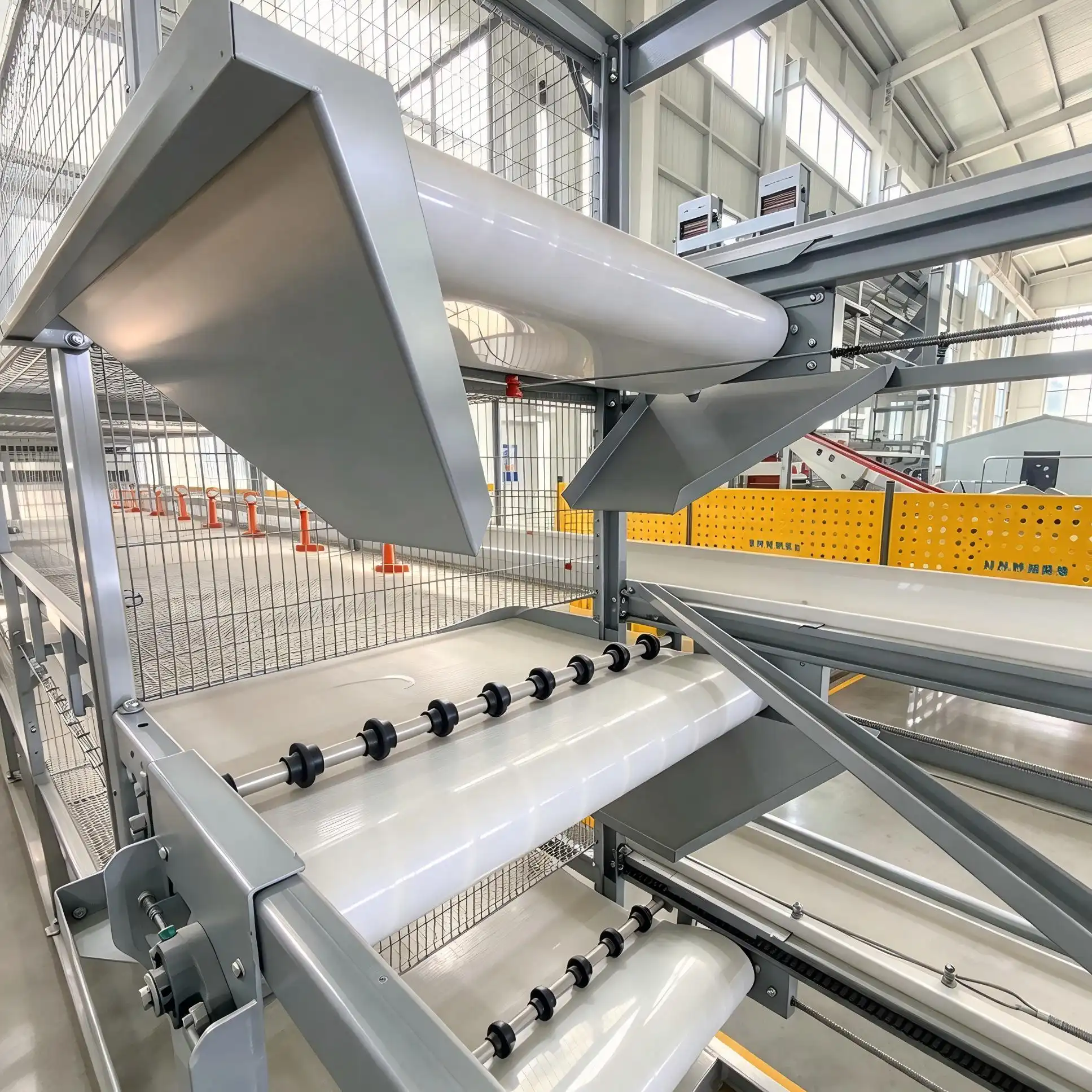
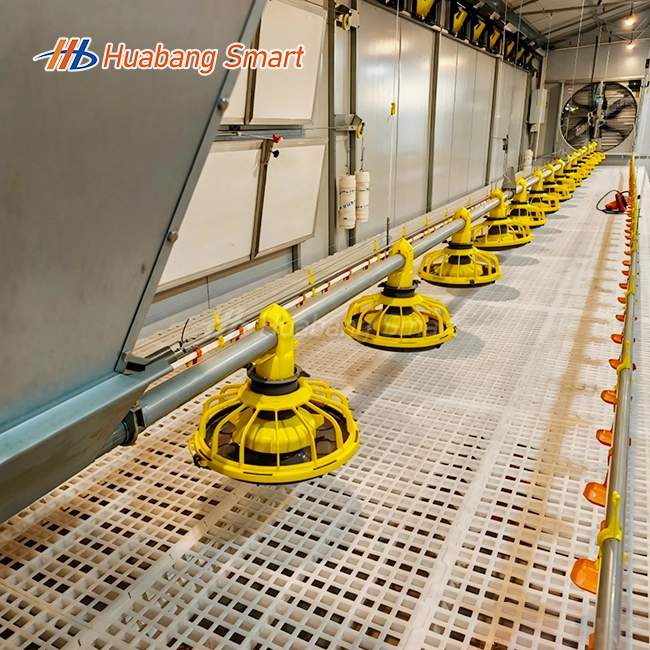
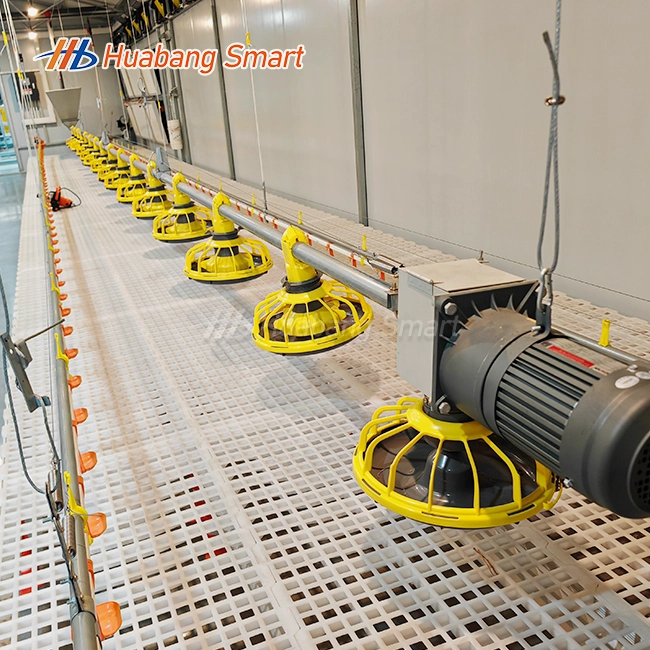
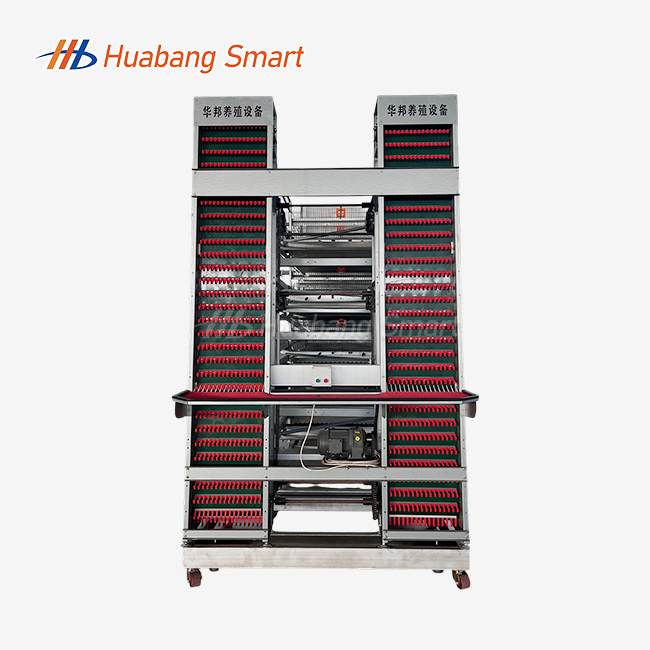
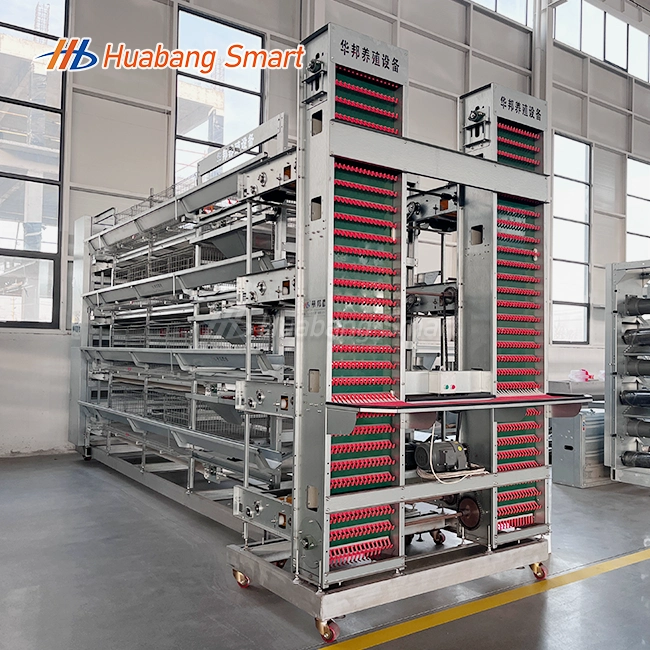
Four mechanical parts make up an automated grill cage system: a travelling hopper feed delivery line, a nipple drinking circuit, polypropylene manure conveyor belts, and a central environmental control panel. A programmable logic controller controls each subsystem and lets farm managers set goals for ventilation, water pressure, feeding times, and belt cleaning from a single digital interface. The cage frame is made of 2.15mm–3.5mm wire that has a tensile strength of more than 450 MPa. This means that the mesh won't bend when there are a lot of birds in it.
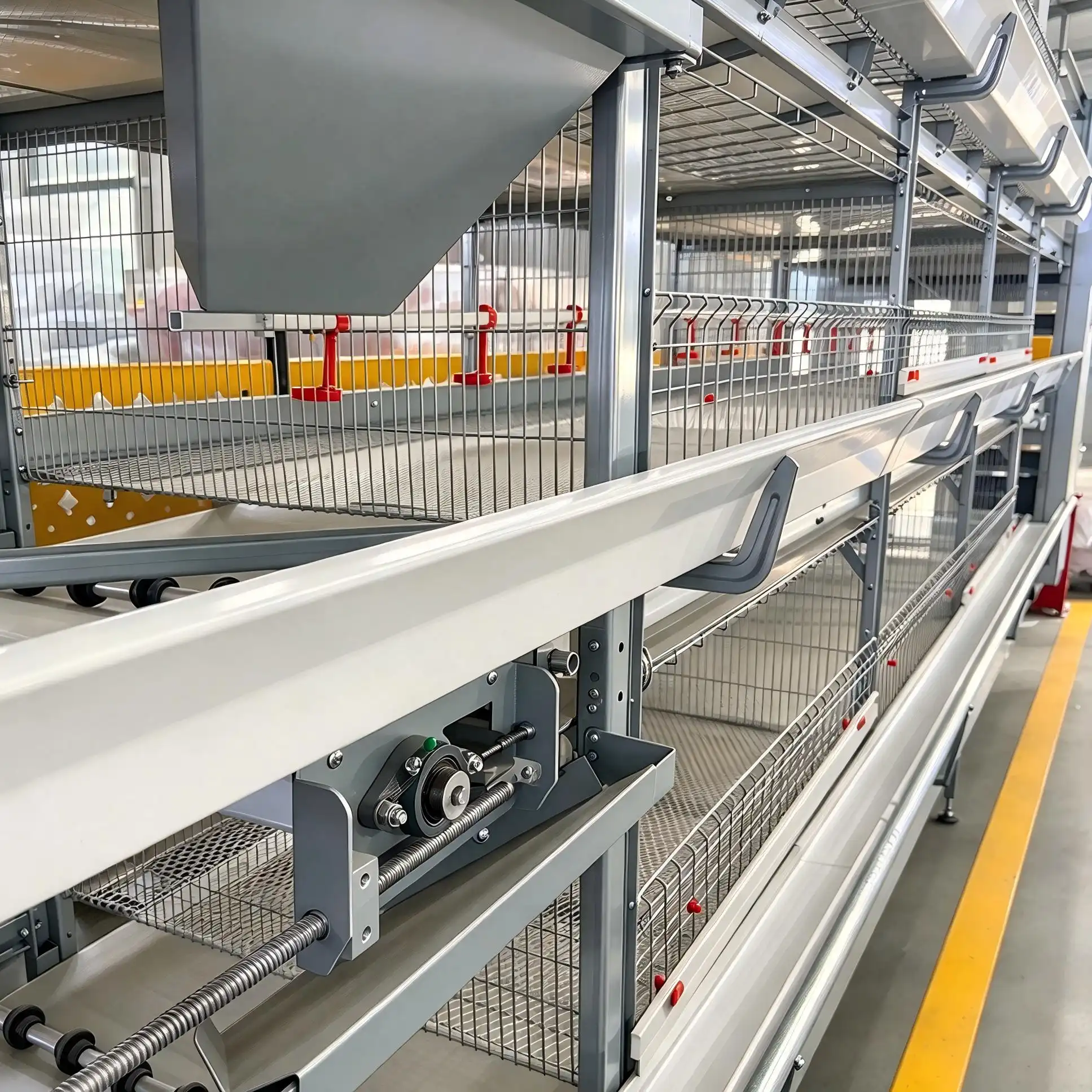
Fully Automatic vs. Semi-Automatic Configurations
Fully automatic settings take care of feeding, drinking, removing waste, and adjusting the temperature between cycles without any help from the owner. Some tasks, like removing waste or adding new feed, still need to be done by hand with semi-automatic systems. This lowers the initial cost of the equipment but adds to the daily work hours. For farms with more than 20,000 birds per house, the cost difference is usually covered in two to three production cycles by the time and labour saved by going fully automated.
Impact on Feed Conversion and Bird Welfare
For feed exchange, the shape of the cage is important. Standard cage sizes of 1.25m x 1m x 0.45m keep birds from moving around too much, which means they use less energy and use more of their food calories to gain weight. The slatted floor keeps birds from coming into direct contact with manure, which stops the spread of coccidiosis and other pathogens that are carried on the ground. When farms switch from raising chickens on the floor to using automatic cage housing, the death rate for their flocks regularly drops from 5–7% to less than 3%.
Comparing Automatic Broiler Cages with Traditional Systems
Most farm owners and procurement managers need a clear comparison between automated cage housing and the old ways of doing things before they spend money on one. The differences go far beyond the number of workers.
Management Complexity and Hygiene
Deep-litter floor systems need to be cleaned out often, and the litter must be checked for ammonia every day. A cage system with PP waste belts that runs every one to two days keeps the amount of ammonia at a level that protects lung health without using any extra chemicals. Clean galvanised surfaces don't let germs grow, so the whole house doesn't have to be cleaned as often between batches.
Labor and Feed Cost Efficiency
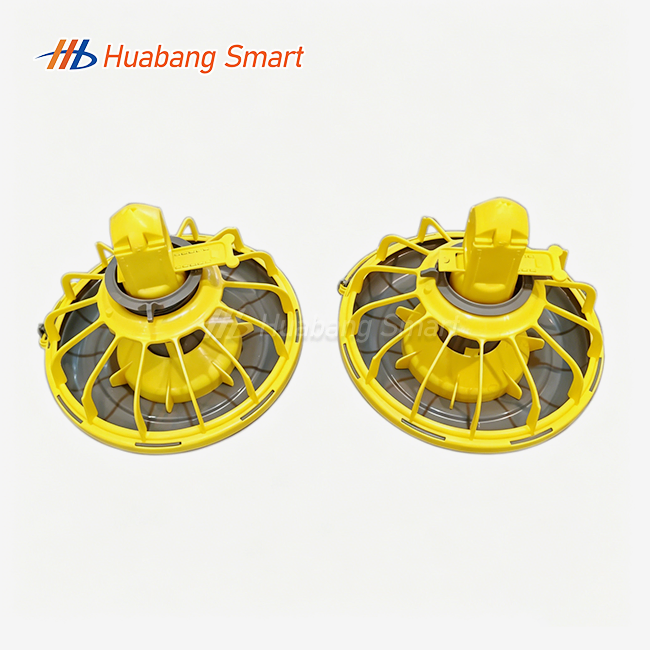
In large commercial operations, floor systems need one worker for every 5,000 to 8,000 birds. Poultry World reported that industry standards show that a Chicken Cage Broiler Automatic house can cut that number down to one worker for every 30,000 to 50,000 birds. Most floor systems waste 3–5% of their feed because of spills and competition at the feed lines. Precision delivery by auger in automated systems keeps waste below 1%, which means that the cost per kilogram of live weight produced is lower.
Cost-Benefit Perspective
It costs more to build a fully automated broiler cage system than it does to build a similar floor-rearing house. But for commercial-scale businesses, the money saved from less work, lower medicine costs, faster output cycles, and better feed conversion rates usually pays for itself in two to four years. The main ongoing cost is the energy used by motors and ventilation fans. Modern variable-frequency drive controllers help keep this cost as low as possible.
Selecting the Right Automated Broiler Cage System for Your Farm
If you want to pick the best method, make sure that the technical features fit the size, temperature, and budget of your farm.
Key Evaluation Criteria for Buyers
Before they put out bids, purchasing managers should think about the following:
- Stocking density compatibility: Make sure that the number of cage tiers (3–8 tiers) and the floor space per bird are in line with the size of flock you want to have and the animal care laws in your area.
- Certification of materials: Check that the galvanised coating has at least 275g/ of zinc weight. This determines how resistant it is to corrosion in barns with a lot of ammonia.
- Scope of automation: Find out if feeding, drinking, picking up manure, and helping with harvesting are all part of the package or if they are sold as separate modules.
- Infrastructure for after-sales: Make sure that the seller gives you installation instructions, setup documents, training for operators, and access to extra parts in your area.
You can quickly narrow down the list of sellers with these criteria. It's also less likely that you'll have to pay a lot of money to fix problems with the specs after the fact.
What to Expect on Pricing in 2024
How much a system costs depends on how many levels it has, how long the house is, and how much technology it has. Smaller businesses can start with semi-automatic systems that cost less per bird. On the other hand, full H-type multi-tier systems for 50,000 bird houses cost a lot more at first. A reputable company, such as one that is ISO9001 and CE-certified, will give you a full configuration list and farm plan drawing before you buy. This helps make sure that the planning for capital projects is in line with what the system actually needs.
Why Certification and Vendor Track Record Matter
You can tell how consistent a supplier's goods are by looking at how long they've been shipping and what certifications they have. Having ISO9001 certification means that the steps used to manage quality can be checked and done again and again. A lot of U.S. integrators and project workers from other countries also need CE approval to make sure the product meets safety and efficiency standards in Europe. It's easier to buy from suppliers who have installed their products in more than 100 countries. This is because their track record can be checked.
Installing and Maintaining Automated Broiler Cage Systems
Your device will quickly lose its value if you don't set it up and take care of it properly.
Site Preparation and Phased Installation
Before the tools show up for a Chicken Cage Broiler Automatic installation, the barn floor must be level within 5 mm every 10 meters, the drainage paths must line up with the manure belt's exit points, and the feeders, drinkers, and air fans must have electrical connections that match the motor's specs. Along with video installation guides, detailed configuration lists, and expert support on-site, Huabang Smart helps installation teams with every step of the building process, from putting the base frame in place to turning on the controller.
Routine Maintenance Schedule
How long a system works and how long its parts last is directly related to how often it is serviced. This is a good example of how to do maintenance:
- Daily: Inspect nipple drinkers for blockages, verify feeder hopper levels, check manure belt tension and alignment, and confirm controller alarm logs show no fault codes.
- Weekly: Lubricate drive chain components on feed lines, inspect belt splice joints for wear, clean sensor probes on environmental controllers, and test emergency stop circuits.
- Monthly: Conduct a full structural inspection of cage wire mesh and frame welds, calibrate feed auger delivery weights against target rations, and review ventilation fan blade condition.
– Make sure the feeder hopper is full every day, the dung belt is tight and straight, and the controller alarm logs don't show any fault codes. Also, check the nipple drinkers for jams every day.
Staff Training and System Scaling
Following this schedule on a regular basis keeps the system running for a lot longer than the 15 years that the manufacturer says it will.
Optimizing Performance in Automated Broiler Housing
Getting the most from an automated broiler cage system requires active management of feeding, environment, and data output.
Feeding Programs and Nutritional Precision
Broiler nutritional requirements shift across three production phases: starter, grower, and finisher. Automated feed systems allow farm managers to pre-program ration quantities and delivery intervals for each phase, which removes the inconsistency that hand-feeding introduces. Uniform feed delivery across all cage tiers produces tighter flock weight uniformity at harvest, which improves processing line efficiency and reduces downgrade rates.
Environmental Control for Growth Performance
The 5cm elevated center frame design in Huabang Smart's system improves cross-house airflow during warm seasons. Real-time sensors track temperature, relative humidity, and ammonia concentration, triggering ventilation adjustments automatically. Maintaining barn temperature within the broiler's thermoneutral zone reduces feed energy spent on body temperature regulation and keeps it directed toward muscle growth instead.
IoT Monitoring and Data-Driven Decision Making
Centralized digital dashboards aggregate feed consumption, water intake, weight gain curves, and environmental readings across all barn sections. Farm managers can identify early signs of respiratory challenge or water system pressure drops before they affect flock performance. This data-driven approach to flock management has become standard practice in high-performing U.S. broiler integrations and is increasingly required by contract growers supplying major processors.
Conclusion
Automobile Chicken Cage Broiler Automatic systems are good for businesses of all sizes that raise chickens for food because they make work easier, improve feed use better, and improve flock health better. The building is made of galvanized steel, the birds are fed precisely, and the temperature is controlled automatically. All of these features work together to create a production setting where the birds grow regularly and predictably. If farm owners, EPC contractors, and sourcing managers build an automatic cage system that works well, the cost per kilogram will go down, and the farms will make more money in the long run after 2024. It's important to make sure that the system specs meet your output goals from the start.
FAQ
How does an automated broiler cage system improve feed conversion ratio?
Each level of the cage gets the exact amount of food at the right time thanks to an auger-based system. Animals can't fight over food at the troughs, and less than 1% of the food stays in the troughs. The flock's weight is more stable when each bird gets the same amount of food, and the feed energy is used for growth instead of fighting with other birds. The net improvement in feed conversion ratio can be as high as 8% compared to regular floor-rearing systems when a stable temperature environment is added. This is because it saves energy on temperature control.
What should I check before switching from a floor system to a cage system?
When your barn is fully stocked, make sure that the floor load grade can hold the weight of the cage frame. It is important to check that your electrical system has the right feeds and motor ventilation. Compare the water pressure in your home to the pressure that the nipple drinker circuit needs. Finally, make sure you allow enough time to train the operators. How fast the system becomes stable for production depends on how well the operators understand how to use the command interface.
What installation and after-sales support should I expect from a supplier?
If you want to buy automated broiler cages from a reliable company, they should provide site plan drawings, setup lists, video installation guides, expert help on-site during testing, and training for operators. These services are all part of Huabang Smart. You also get an international warranty that lasts for a year and support after the sale.
Can the drinking lines carry medication and vaccines?
Yes. In-line medicators, such as Dose-It-Ron proportioners, work with the built-in nipple drinking circuit. This lets you give the whole group the right amount of vaccines, vitamins, and minerals through the water supply.
Partner with Huabang Smart for Your Next Broiler Farm Project
Businesses that raise chickens in more than 100 countries have been able to get Chicken Cage Broiler Automatic tools from Huabang Smart since 2012. We make the Chicken Cage Broiler Automatic ourselves and have ISO9001 and CE certifications, as well as 49 technology patents. The production cycle takes 30 to 60 days. We offer OEM/ODM options, full farm design help, installation on-site, and service for a long time after the sale. Email admin@huabangsmart.com with information about your farm and how many birds you want to keep, or go to poultrycage.com and ask our technical team to make you a special system plan.
References
1. Poultry World. (2023). Labor efficiency benchmarks in automated broiler housing systems. Poultry World.
2. Fairchild, B. D., & Ritz, C. W. (2020). Broiler production systems in the United States: Management and performance. University of Georgia Cooperative Extension.
3. National Chicken Council. (2023). U.S. broiler industry key facts. National Chicken Council.
4. Xin, H., & Shepherd, T. A. (2021). Environmental control in poultry production: Principles and practices. Iowa State University Extension.
5. Aviagen. (2022). Ross broiler management handbook: Nutrition and environmental specifications. Aviagen Group.
6. USDA Agricultural Research Service. (2022). Feed conversion efficiency in commercial poultry operations: Current data and production benchmarks. United States Department of Agriculture.

YOU MAY LIKE
-
 VIEW MOREBroiler Chicken Cages
-
 VIEW MOREChicken Feeder Anti Trampling
-
 VIEW MOREBroiler Chicken Feeders
-
 VIEW MOREPlastic Chicken Feeder
-
 VIEW MOREFully Automatic Broiler Chicken Cage
-
 VIEW MOREPoultry Chicken Broiler Cage
-
 VIEW MOREChicken Cages Egg Layer H Type
-
 VIEW MOREH Frame Automatic Layer Cages