
Chicken Coop Water Feeder for Small Flocks and Backyard Poultry Housing
A Chicken Coop Water Feeder for Small Fleas should continuously deliver clean water, not spill, and fit the size of your housing. Most of the time, a closed system with nipple or cup drinkers keeps water cleaner than an open pan because food, bedding, and droppings can't fall in. Pick a capacity based on the number of birds, their age, and the weather. The drinker should be mounted at eye level or a little higher, and it should be cleaned at set times. At Huabang Smart, we make automated systems for watering chickens that can be used by both small flocks and large businesses. This guide tells you how to pick one out, set it up, and keep it in good shape.
Why the Right Chicken Coop Water Feeder Matters for Small Flocks?
How Water Delivery Systems Work?
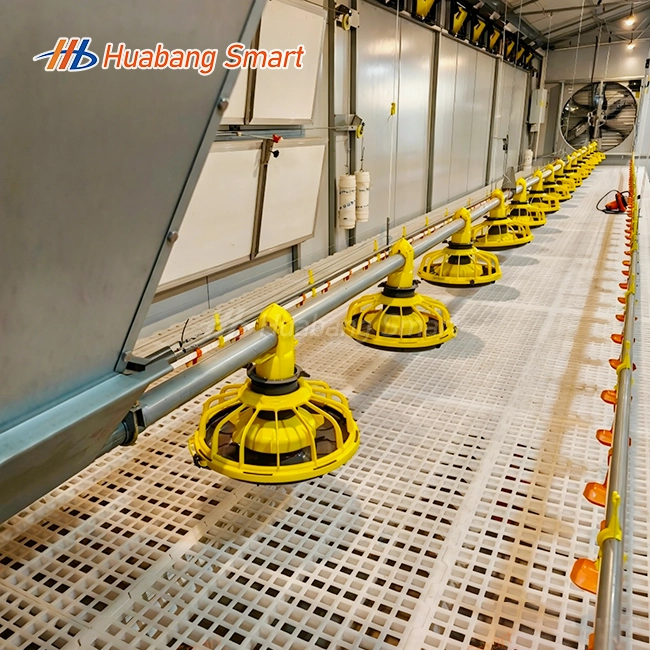
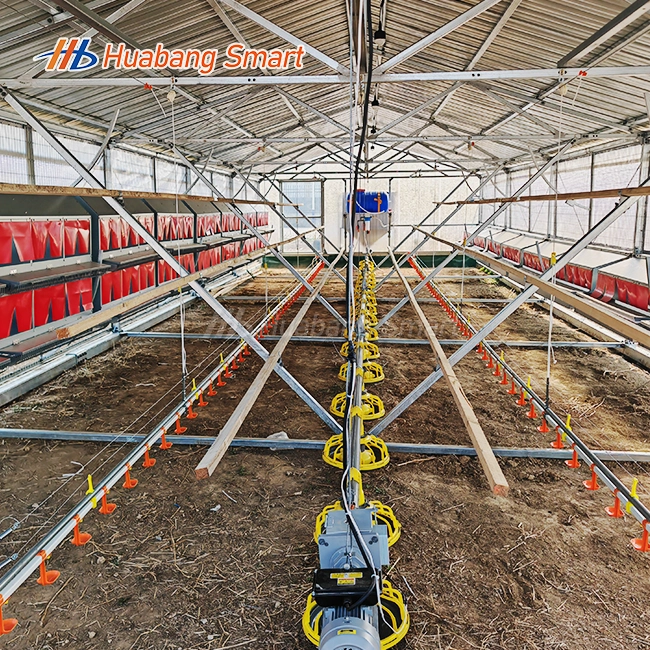
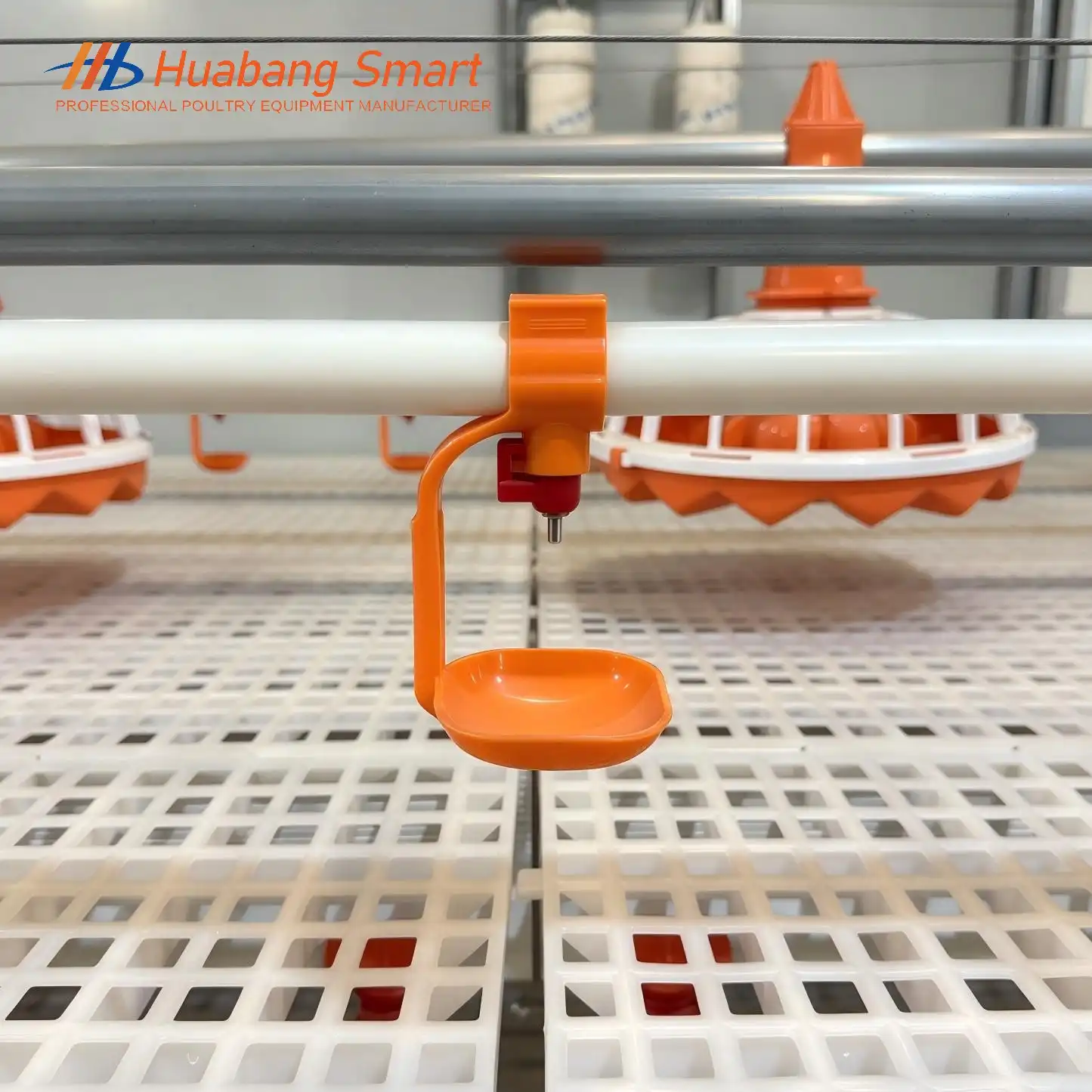
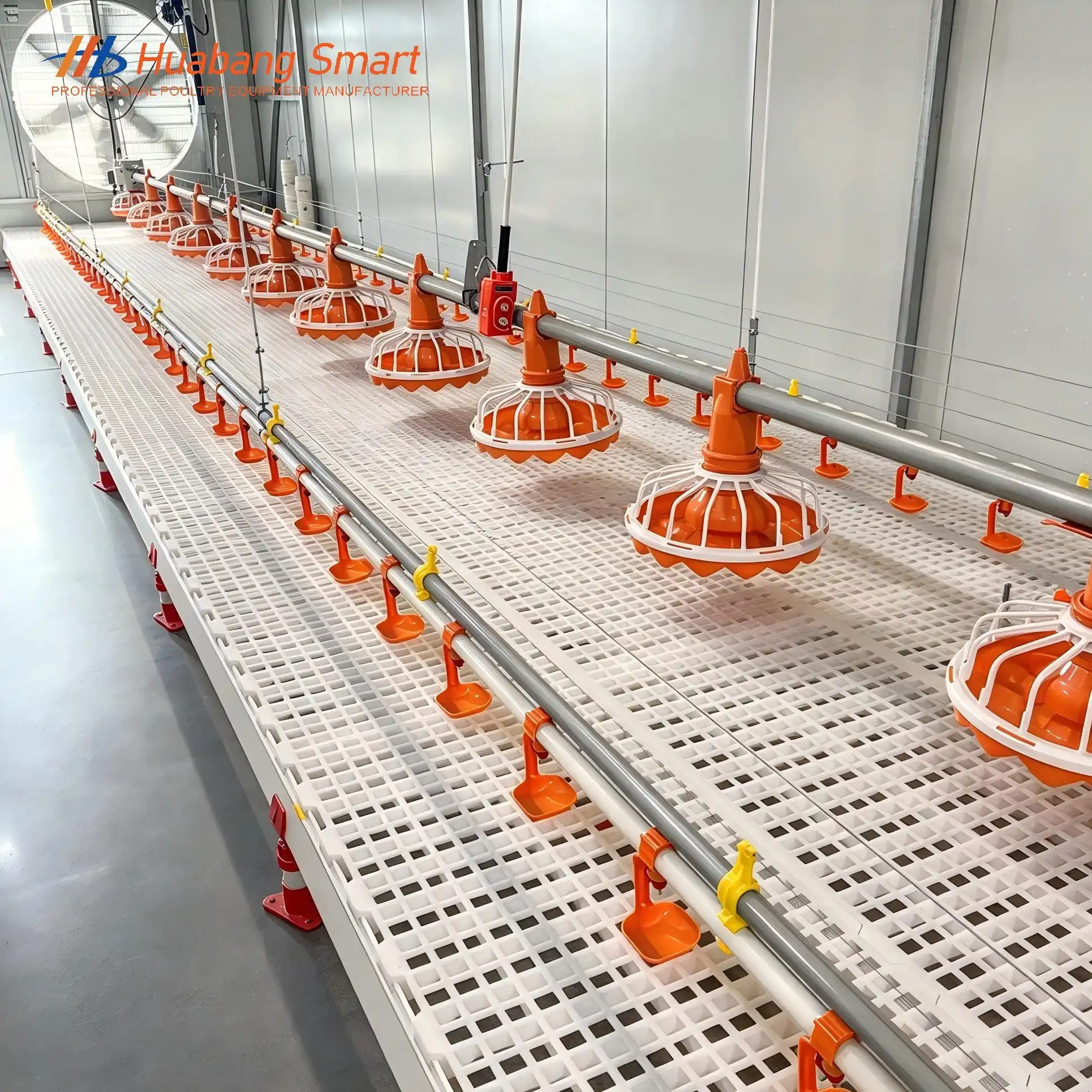
There are a few different types of poultry waterers. Some bird baths have tanks that hold water and then empty the water into a trough or cup as birds drink. Gravity-fed designs only need to be high, so they don't need electricity or pressure control. Cup drinkers hold a few sips below a valve, and nibble drinkers let out a little water when a bird pecks the pin. Indirect systems connect drinking points to a water line and a regulator. These systems can work with more than one coop at the same time. Cup and nipple drinkers are used because they both keep the supply closed. This keeps feed, feathers, and droppings away from the drinking point.
Water Quality, Litter, and Flock Health
Within hours of being opened, open containers collect bedding, food, feathers, and droppings. When the drinker leaks, it wets the litter. Damp litter raises the level of ammonia, which can make birds' feet hurt and make them not want to move. Bacteria and coccidia that spread through dirty surfaces also like it when the bedding is wet. A closed drinker keeps water clean at the point of use and gives out measured amounts, so there is less chance of spills. Dry litter doesn't smell as bad and takes less time to change the bedding. The USDA's "Defend the Flock" program stresses that even in small backyard flocks, feed and water should be kept safe from wild birds and other contaminants.
Feed Intake and Egg Production
Take in more water and food at the same time. The Ross Broiler Management Handbook says that birds drink about 1.6 to 2 times the weight of the food they eat, and that their water intake goes up when it gets warmer. The number of eggs laid drops quickly after hens can't get to clean water. Layer guides, like Hy-Line's W-36 manual, say that management must ensure that water can be accessed without any problems. In this case, a small flock needs a drinker that never runs out of water. People who drink from cups also keep calcium or vitamin additives at the right concentration because spills don't water down the solution.
How to Choose the Best Water Feeder for a Chicken Coop?
Calculate Capacity for Your Flock
Enter the amount of water you need every day, then multiply that number by the time it takes to refill and add a safety margin. Let's say that each of the 20 hens drinks about 8 ounces. Every day, the flock needs 160 ounces, which is 1.25 gallons. With a 1.5-gallon safety margin, every three days, the reservoir should be about 5.6 gallons, which means a 6-gallon or bigger tank should work. That number can change because of things like heat, humidity, bird age, breed, feed type, and egg production, so leave a big space around it. A 5-gallon reservoir works for smaller groups or shorter periods of time, while bigger tanks are better for trips and heat waves.
Automatic vs. Traditional Waterers
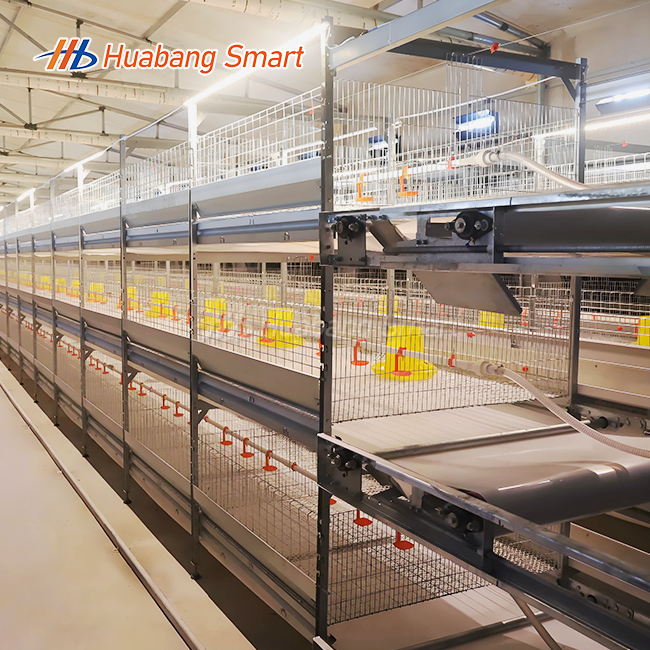
Open waterers are cheap and don't need to be set up, but they need to be refilled and scrubbed often, and they easily spill and collect dirt. Automatic systems that use reservoirs cut down on that work without requiring permanent plumbing. Larger or multi-coop installations can get a steady supply with direct-connection models. Nipples keep water cleaner than other types of outlets, but birds that are young or haven't been trained may need time to learn how to peck the nipple. It's easier for new chicks to use cups, and the water surface can be seen. HDPE with UV stabilizers, 304 or 316 stainless steel valve parts, and food-grade silicone seals are what our Chicken Coop Water Feeder nipple and cup drinkers are made of. These materials don't rust when exposed to sunlight or acidic water.
Matching Designs to Different Buyers
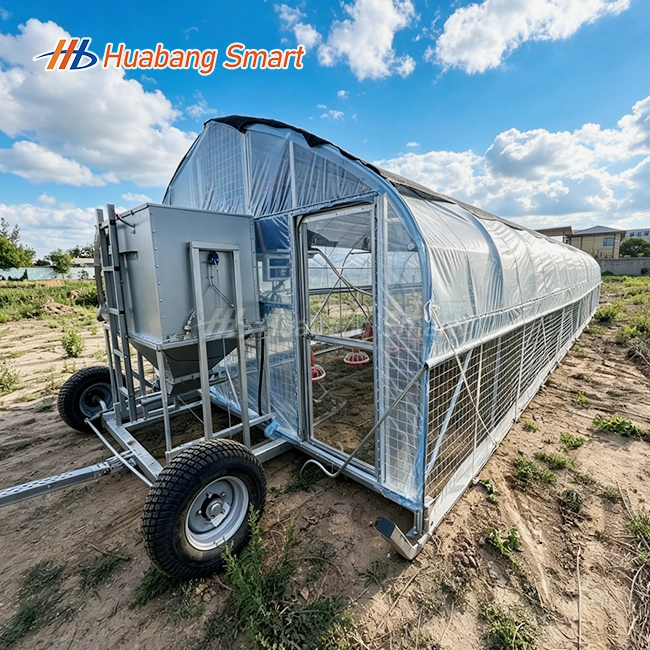
People who have backyards usually like small reservoir systems that are simple to clean and refill. Hanging drinkers keep water off of the bedding and are easy to move when you move the coops. When set up indoors, weather protection isn't as important, but when used outdoors, UV-resistant materials and shade are needed. Compare 5-gallon reservoirs, larger tanks, and direct-connection systems by refill interval, weight, footprint, cleaning time, pressure needs, and winter requirements. Standardized parts are helpful for distributors, retailers, and OEM clients because they make it easier to stock spare parts and help customers. This is because the same configurations are used in many installations. Without electricity, our bucket systems that are fed by gravity and have cup attachments can feed 10 to 100 birds.
Chicken Coop Water Feeder Installation and Cleaning
Placement and Height
Put the drinker somewhere that is cool, shady, and not near any roosts, nesting boxes, feed dust, or direct rain. So birds can stretch their necks a bit, place nipple or cup outlets at or just above bird eye level. This position helps you naturally swallow and stops you from spilling. As the flock grows, raise the line. With our systems, you can change the height of the drinking point without taking apart the line because the adjustment is based on a winch. Hanging drink holders need a strong support above them that can hold the full weight of a full reservoir. Before you add birds, make sure that all of them, even the tiniest ones, can easily reach the outlet.
Setup and Commissioning
Before birds can use nipple kits, they need to be drilled correctly, have tight seals, and have a flushed line. To get rid of plastic shavings and other junk in the line, flush it. Then, check every connection for leaks. Make sure that the flow rate at each drinking point is the same. Our drinkers can deliver between 40 and 80 ml per minute per drinking point at a pressure range of 0.2 to 0.5 PSI. Watch how the overflow birds act at the end of the line and how the flock acts on the first day. Young birds need to be gently tapped on the nipple to learn it. Lightweight PVC pipes with quick-connect fittings make installation quick in both mobile and fixed housing.
Keeping Water Clean
In most cases, contaminants are things like dust, feathers, bedding, droppings, algae, and biofilm. Every day, check the water and replace it if it looks dirty, warm, or like it's not moving. To clean, empty the reservoir, scrub the inside and outlets, flush the lines, rinse off any residue, and test the system again after putting it back together. Putting opaque, UV-resistant reservoirs in the shade slows the growth of algae. Cleaning is faster when the inside is smooth, and parts can be taken off. For closed business lines, we suggest flushing and sanitizing them every four to six months or right after vitamins or medicines go through them. Our materials are checked to see if they can be used with chlorine dioxide and peracetic acid cleaners.
Preventing Leaks and Winter Freezing
Stopping Spills and Leaks
It's more work to clean up after leaks that waste water and wet litter. Check the locking mechanisms, pressure tolerance, seals, gaskets, threaded fittings, and impact resistance of the reservoir before you buy. Broken threads, worn washers, too much pressure, cracked containers, hoses that aren't supported, and bad mounting angles are some of the most common reasons why things fail. Use plumber's tape or silicone gaskets on threaded junctions and make sure the unit is level. Leaks usually happen because the seal isn't compressed enough or there is dirt on the valve. Having the right drinker height also stops drips. Our O-rings made of food-grade silicone are made so that they don't leak at any pressure, and each one goes through a 1.0 PSI test before it ships.
Freezing Protection
Water can't get in when it freezes in a Chicken Coop Water Feeder, and reservoirs, hoses, valves, and nipples can crack. When there is wind, little water flow, exposed plumbing, or temperature drops overnight, the risk goes up. In cold places, pick heated bases, heated nipple lines, insulated tanks, or a submersible de-icer that is safe for chickens. Electrical parts need to be rated for outdoor use, have thermostats, be protected from birds and water, and be installed according to local safety rules. Shelter, insulation, and bigger reservoirs may be enough in milder weather, but you should check on them every day. If you add the optional thermostatic heating accessories, our systems can work from -20°C to 50°C (-4°F to 122°F).
Maintenance Checklist
The system works thanks to a simple schedule. Every day, make sure there is water, that the outlets work, that the flock can get to the area easily, and that the bedding is dry. Wash the cups and reservoirs once a week, flush the lines, check the nipples and seals, and get rid of any sediment or biofilm that is there. It's important to check the electrical safety of heated models, worn parts, UV damage, pressure regulators, and valves every month or season. There is a pattern to troubleshooting: a clogged nipple means low pressure or debris, constant dripping means the seal is failing, and algae means too much sun or water that isn't moving. A written log helps your supplier quickly figure out what's wrong by showing patterns.
Huabang Smart Poultry Watering and Feeding Solutions
Core Advantages of Our Chicken Coop Water Feeder
This is what our Chicken Coop Water Feeder does best for both small and large businesses:.
- Contamination control: Sealed channels deliver clean water, and 316 stainless steel internal components resist corrosion from vitamin supplements and acidified water treatments. Food-grade silicone O-rings hold zero leakage under varying hydrostatic pressure, which keeps litter dry, limits ammonia buildup, and reduces the damp-litter problems that lead to pododermatitis in the flock.
- Weather resistance: HDPE construction with UV stabilizers prevents structural degradation under constant sun, and optional thermostatic heating components keep water available in freezing temperatures. Accelerated aging tests replicate three to five years of UV exposure, so units placed in outdoor runs keep their color and tensile strength over long service periods.
- Modular growth: Quick-connect fittings on lightweight PVC piping allow fast installation in mobile and fixed housing, and the system extends from backyard setups to facilities with more than 50,000 birds. You can also connect it to automated environmental controls for timed flushing cycles and water-consumption tracking that helps flag health problems early.
These benefits solve the most common problems in production, like wet litter, damage from the weather, and not enough room to grow.
Pairing Water with Pan Feeding
Since food and water go together, we make our drinkers work with our pan feeding technology. The 330 mm feeding pans with 16 feeding slots and 75 mm PVC feeding pipe are used in our automatic poultry feeding system. It can move up to 1,400 kg of feed per hour and can be used for both broilers and layers. Matching the drinking line and feed line in one design makes layout planning easier for farm engineers and EPC contractors, and we make sure the parts are always of high quality. Having one supplier for both lines cuts down on compatibility questions, whether you're taking care of a flock in your backyard or planning a bigger house.
Quality Testing and Bulk Procurement
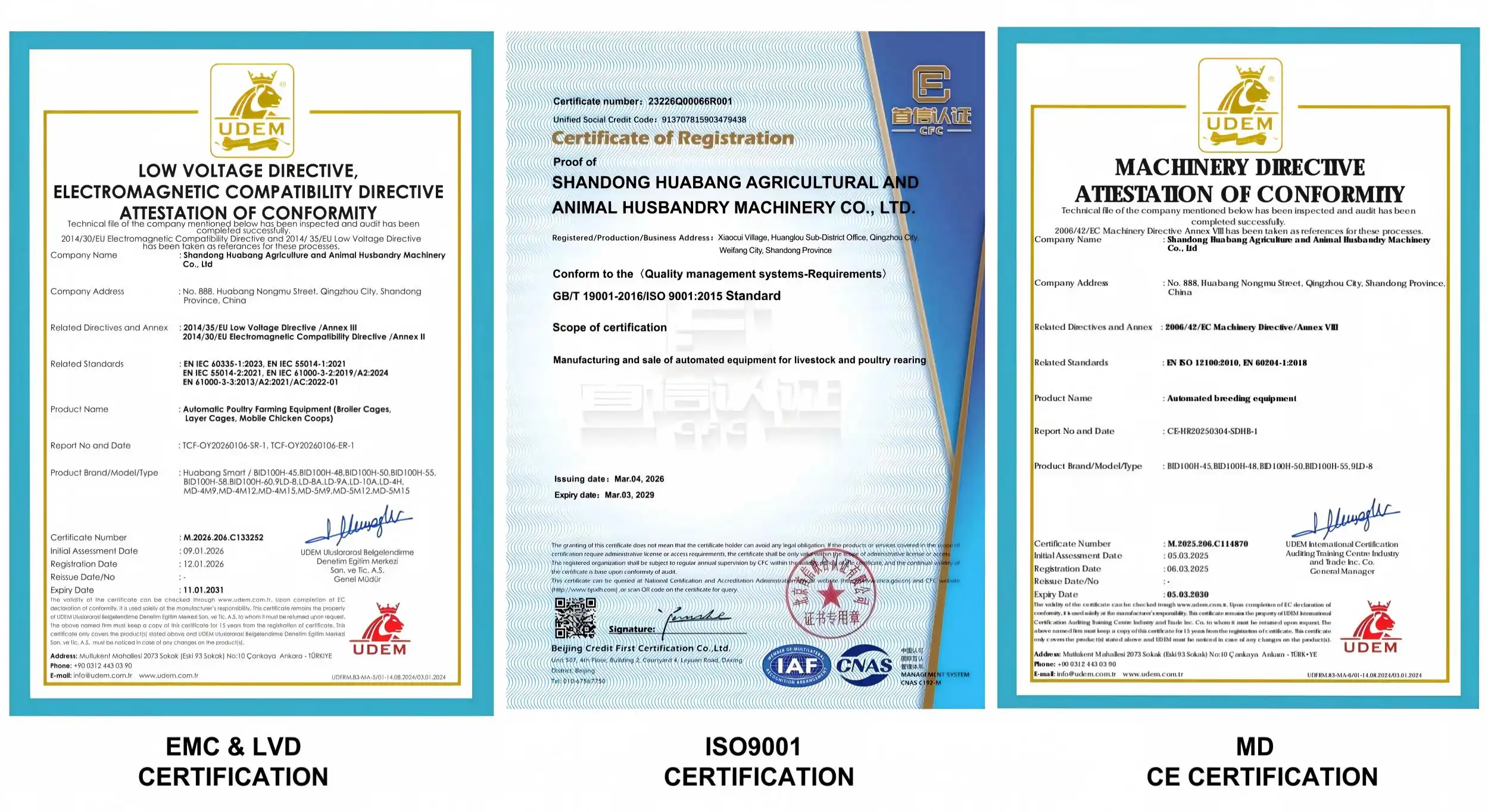
Each unit passes tests for hydrostatic pressure at 1.0 PSI and flow rate calibration between 40 and 80 ml per minute. Our electrical heating accessories are CE certified, and the production process is ISO9001-certified. Each batch can be tracked, and each component is inspected. Describe the type of product, its capacity, its flock coverage, its materials, its pressure range, its flow rate, its leak-test requirements, its packaging, its certifications, its minimum order quantity (MOQ), and its lead time in your RFQ. It takes us 30 to 60 days to make something. We do OEM and ODM work, and we can make designs based on your drawings. We also offer a one-year warranty. We have 49 core technology patents, and our products are used in more than 100 countries. We also offer installation help and local support after the sale in other countries.
Conclusion
A good Chicken Coop Water Feeder keeps the water clean, the litter dry, and the supply steady, which is good for the health of the flock. This article explained that the best choice starts with figuring out the capacity based on flock size, weather, and refill interval. Next, it compares the open, reservoir, nipple, cup, and direct-connection designs. The system stays working with the right placement at eye level or a little higher, careful setup, and a written cleaning schedule. Leaks and outages that lead to wet bedding and lost intake can be stopped with good seals, the right pressure, and freeze protection. Since both food and water intake go up at the same time, steady access helps growth and egg production. When buying in bulk, buyers should not only look at unit price, but also written specifications, test records, and the availability of spare parts.
FAQ
How high should I mount a chicken coop drinker?
Place the drinking hole at or just above bird eye level to give the birds a chance to stretch their necks. This cuts down on littering and spills. As the chicks get bigger, move the line up.
How often should I clean the system?
Check the water every day and clean the cups and reservoirs every week. Every four to six months, or right after vitamins or medicine go through the line, flush and clean the line.
Can a waterer work in freezing weather?
If it has a heated base, a heated nipple line, or a poultry-rated submersible de-icer, then yes. When heated accessories are added, our systems can work from -20°C to 50°C.
Are nipple or cup drinkers better for small flocks?
Nipple drinkers clean the water the best, and cup drinkers make it easy for chicks and birds that haven't been trained to drink. Our cup systems do not need electricity and can feed 10 to 100 birds by gravity.
What should I ask a wholesale supplier?
As for leak-test records, flow rates, material details, certifications, MOQ, lead time, replacement parts, and OEM choices, you should ask for them. Before you place a large order, ask for a sample.
Request a Chicken Coop Water Feeder Solution for Your Flock
Planning to upgrade your flock or start a distribution program? Huabang Smart is a direct-source manufacturer of Chicken Coop Water Feeders. They have been designing and making products for 17 years, and they can help with both OEM and ODM orders. The production cycle is 30 to 60 days. Send the number of birds, the people you want to sell to, and your specifications to ginny260831@gmail.com or huabangsmart002@gmail.com, and our team will suggest a setup. To learn more about the product, go to poultrycage.com.
References
1. Ross Broiler Management Handbook, Aviagen, 2018.
2. Cobb Broiler Management Guide, Cobb-Vantress, 2021.
3. Hy-Line W-36 Commercial Layer Management Guide, Hy-Line International, 2020.
4. Nutrient Requirements of Poultry, National Research Council, 1994.
5. Merck Veterinary Manual: Poultry Management and Nutrition, Merck & Co., 2022.
6. Defend the Flock Program: Biosecurity for Backyard Poultry, USDA APHIS, 2023.

USER EVALUATE
Here is the customer's evaluation of us
(1)_1793069021831.webp)