
Chicken Feeder and Waterer Options for Large and Small Poultry Farms
Selecting the right chicken feeder and waterer directly shapes flock health, daily labor demand, and long-term production costs. Whether you operate a 500-bird backyard setup or a commercial broiler house holding 50,000 birds, matching your feeding and drinking equipment to your actual operational scale prevents feed waste, reduces disease exposure, and cuts unnecessary labor hours. This guide walks through system types, selection criteria, top product options, maintenance protocols, and procurement strategies—giving B2B buyers a practical foundation for making confident equipment decisions.
Understanding Chicken Feeder and Waterer Basics
It will save you money and trouble in the long run to make sure you have the basics right before you buy.
Manual vs. Automatic Systems
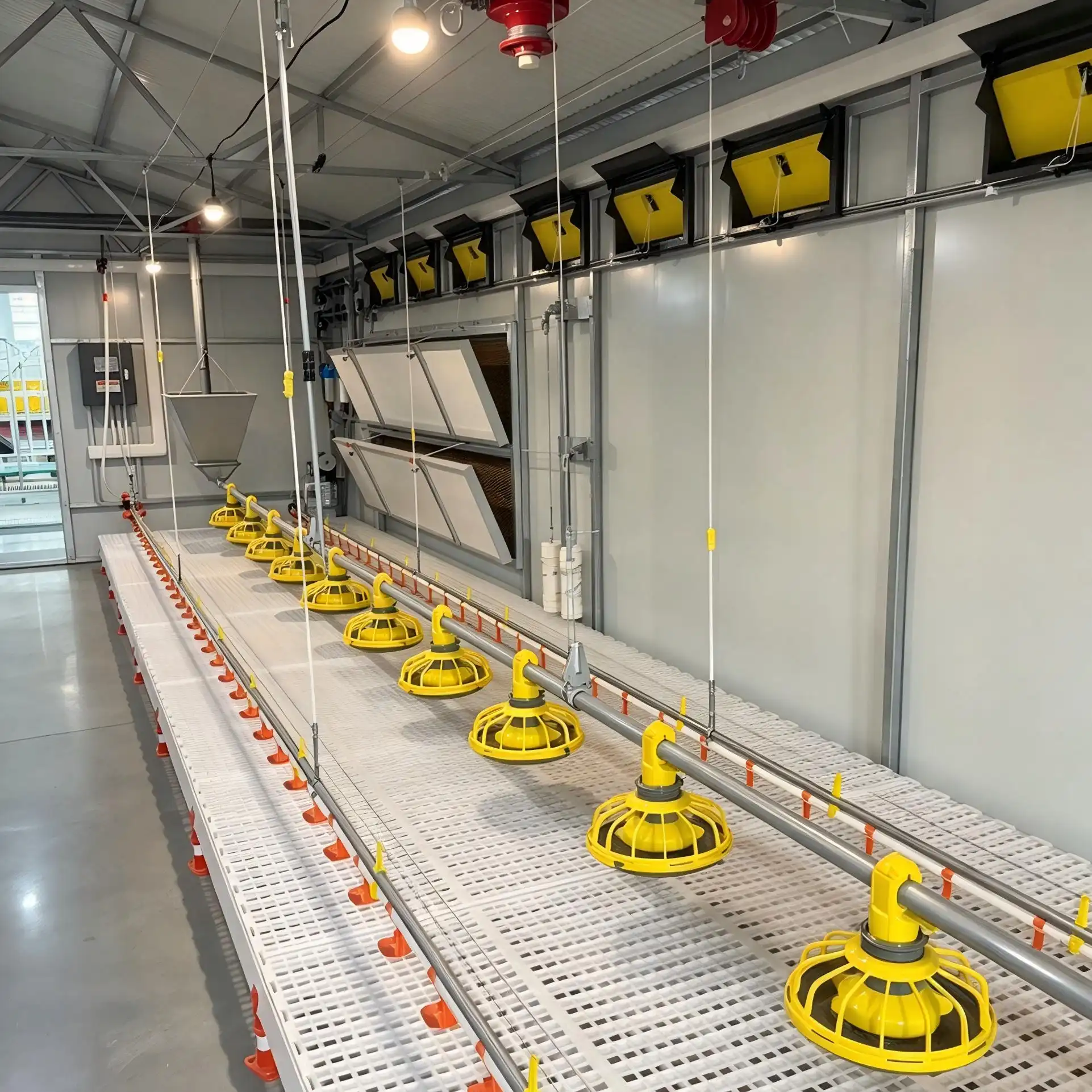
Manual feeders and open-trough waterers cost less at first, but they need to be cleaned and fed every day and are more likely to get contaminated. Machines like nibble drinkers, pan feeders, and auger-driven feed lines can give animals food and water whenever they need it with little help from a person. Some farms that process more than 1,000 birds per cycle can save time and money by automating their work. This can be done in just one or two production cycles.
Material Options and Their Trade-offs
Units made of plastic are cheap, light, and easy to move, but they break down when UV light and disinfectants hit them. Even though galvanized steel is strong, it can rust in homes that get a lot of water. If you put 304 stainless steel somewhere wet and full of ammonia, it will last at least five years. This makes it the best material for commercial nipple drinker systems. Picking the right materials for your barn will have a direct effect on how long it lasts and how much it costs to own.
How Farm Scale Shapes Equipment Choice
A small group of fifty laying hens needs a simple waterer and a tube feeder that hangs from the ceiling. A chicken coop with 20,000 birds needs a pressurized nipple feeding system and a fully automatic feed line that can distribute food based on volume. It costs more to do business, loses resources, and raises the risk of death to use the wrong tools at either size level. What tools you need should depend on how big your farm is, how old the birds are, and what kind of housing they have (cage, floor, or enclosure).
How to Choose the Right Chicken Feeder and Waterer for Your Poultry Farm?
The right system balances capacity, durability, cleaning ease, and long-term supplier support.
Match Capacity to Flock Density
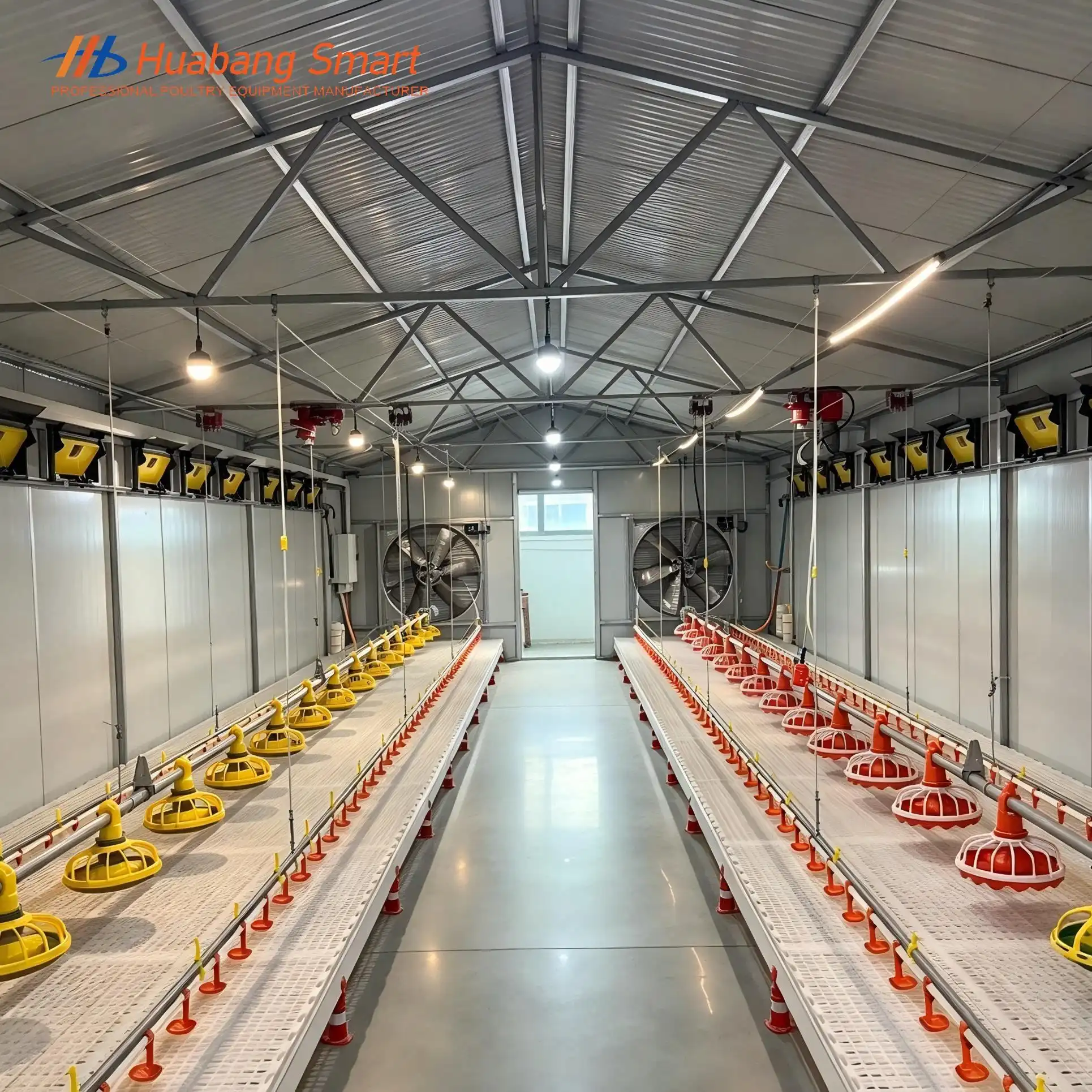
Industry guidance recommends one nipple drinker per 12–15 birds and one feed pan per 35–60 birds, depending on breed and age. Undersizing creates competition stress and slows weight gain. Oversizing inflates installation costs without adding production value. Calculate your target stocking density before specifying equipment quantities.
Evaluate Durability and Certification
Equipment such as a Chicken Feeder And Waterer in a poultry house faces constant humidity, manure gases, and repeated chemical disinfection. Prioritize suppliers who hold ISO9001 quality management certification and CE product compliance. These certifications confirm that manufacturing processes and product performance meet independently verified standards—not just self-reported claims.
Assess Supplier After-Sales Capability
A feeding or drinking system failure mid-cycle causes immediate production loss. Before committing to a supplier, confirm their lead time, spare parts availability, and technical support channels. Suppliers offering installation video guides, remote troubleshooting, and on-site commissioning support reduce your operational risk significantly, particularly for first-time installations or overseas projects.
Best Chicken Feeder and Waterer Options for Large and Small Poultry Farms
To pick the right gear, you should think about the production size, the bird type, and how ready the system is.
Small Farm Solutions: Simplicity and Contamination Control
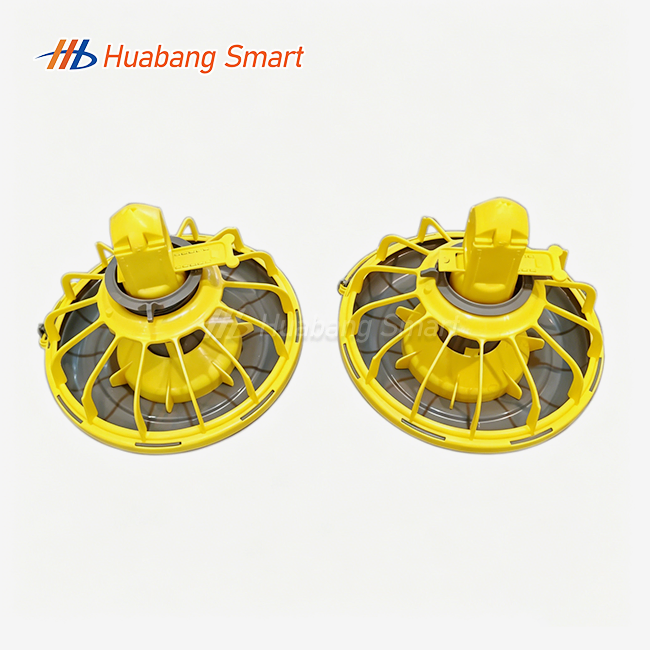
Hanging feeders that feed birds by gravity and have spill-proof lips and sealed-base nipple waterers work well and don't cost too much for groups of less than 500 birds. When things are small, the most important thing is to keep waste and food from getting into the water. Chickens can stay healthy with closed-base nipple units even when they're not full. They do this without electric pressure systems.
Large-Scale Commercial Systems: Automation and Stainless Steel Construction
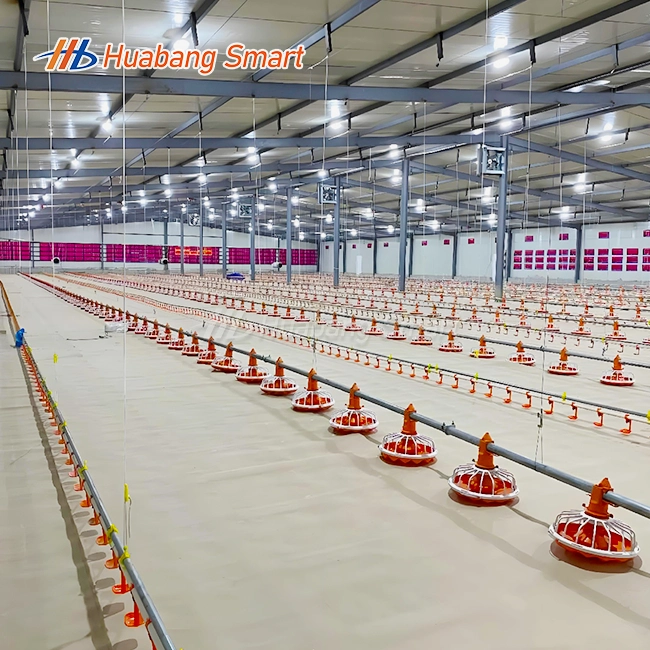
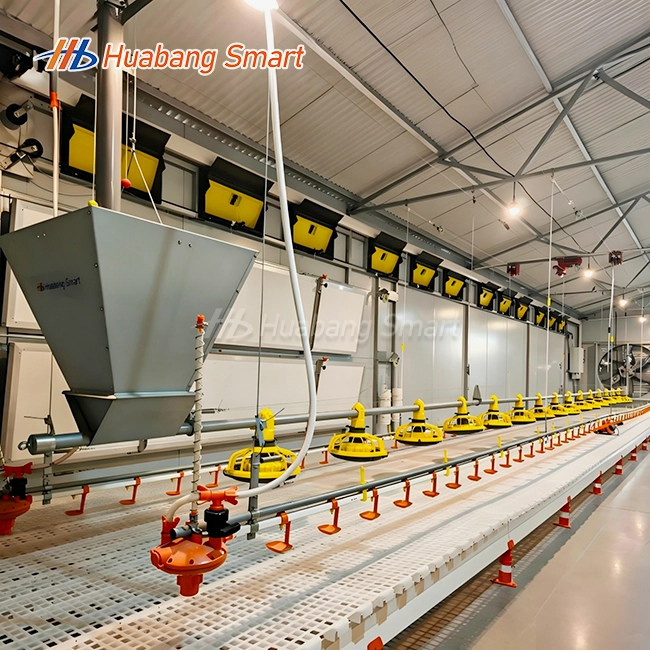
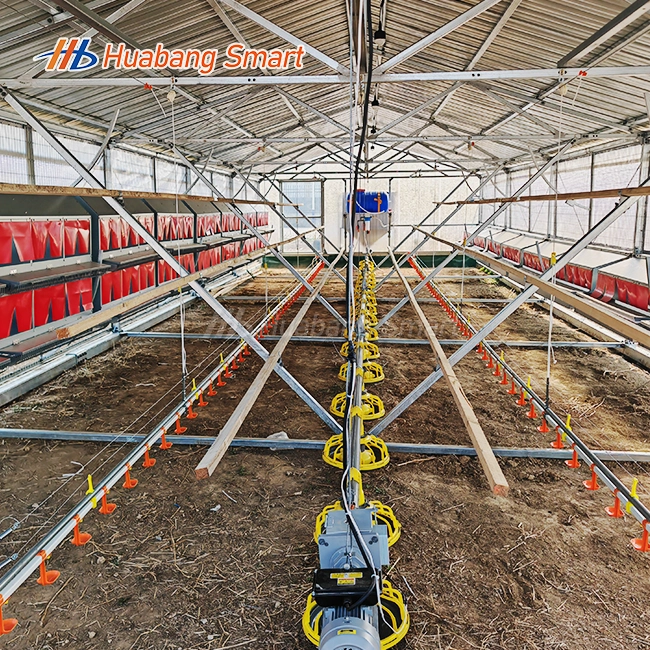
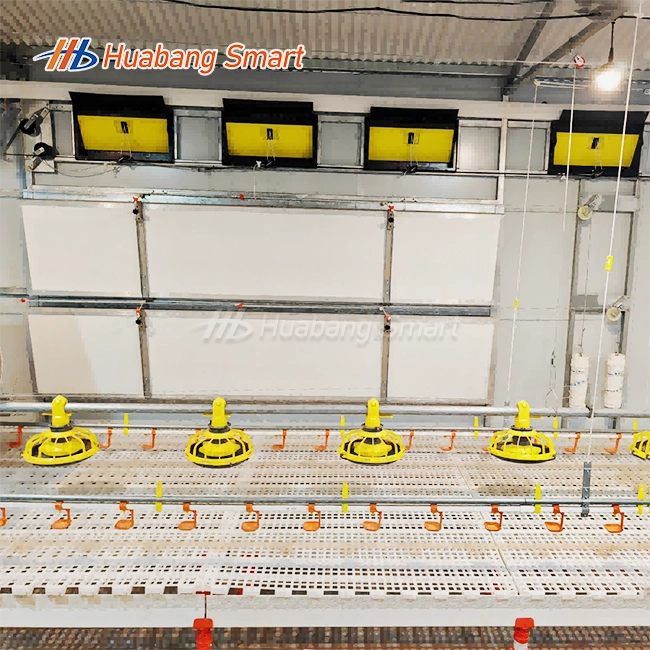
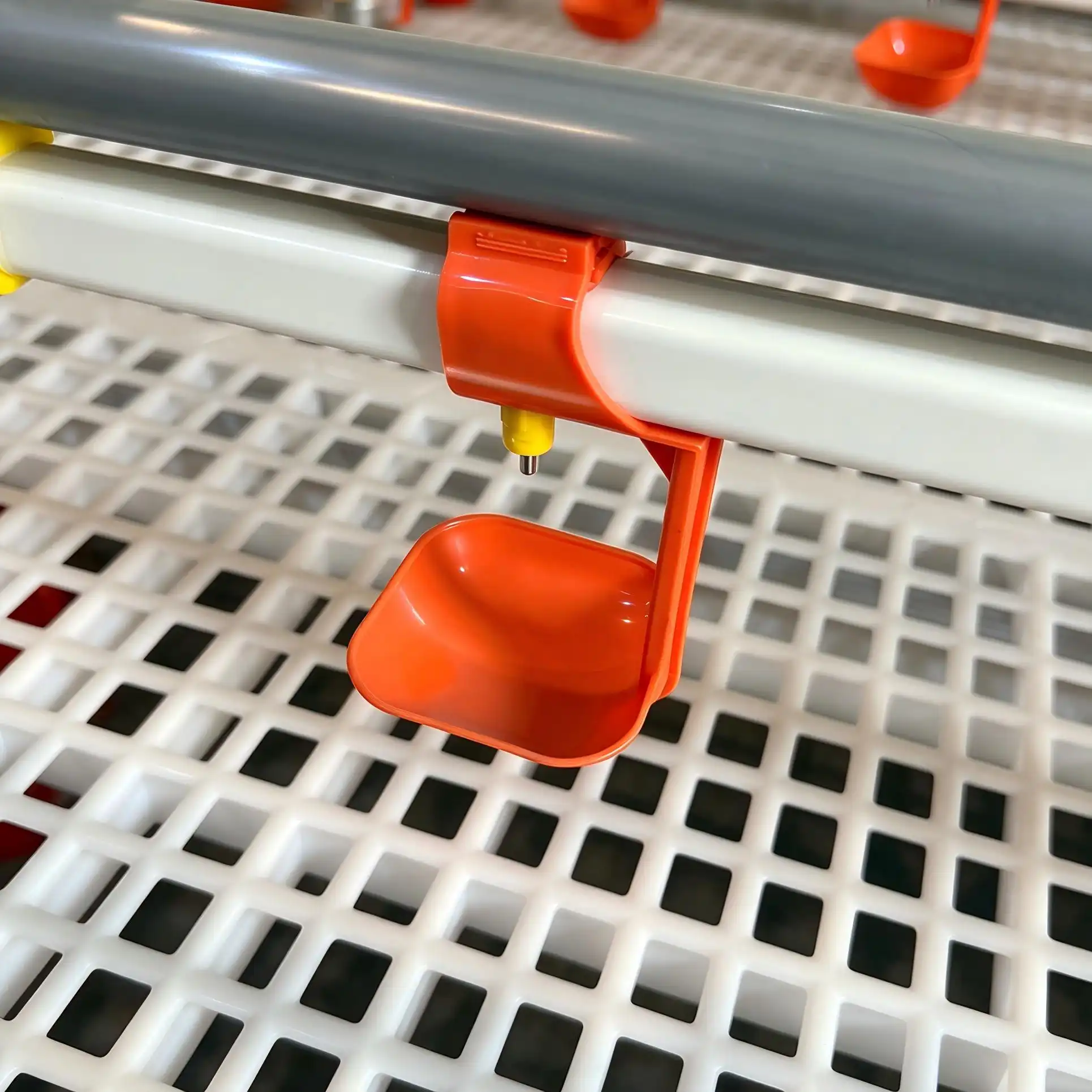
When a company has a lot of employees, they need processes that don't need any help from people. 12 to 15 birds can drink from the Huabang Smart nipple drinking system at the same time. It is made of 304 stainless steel. The water only comes out when a bird pecks at the 360° trigger. For chicks, the flow rate can be set between 0.3 and 0.8 L/min, and for high-density broiler finishing lines, it can be set between 10 and 20 L/min. Over 30% less water is used by closed-loop architecture than open troughs, and algae, biofilm, and pathogens are kept out of the supply line.
The main technical details of the Huabang Smart nipple drinker system are:304 stainless steel, which is what the nipple is made of, won't rust for at least five years in a damp barn.
- Nipple material: 304 stainless steel, corrosion-resistant for 5+ years in humid barn conditions
- Bird capacity: 12–15 chickens per nipple unit, scalable across full house installations
- Flow rate range: 0.3–0.8 L/min (chicks) up to 10–20 L/min (high-density adult birds)
- Pipeline material: Corrosion-resistant PVC or PP, with snap-fit connectors for fast rearrangement
- Certifications: ISO9001 and CE certified, production cycle of 30–60 days
It takes between 30 and 60 days to make something at this company, which is ISO9001 and CE certified.
Energy-Efficient Combos for Cost-Conscious Operations
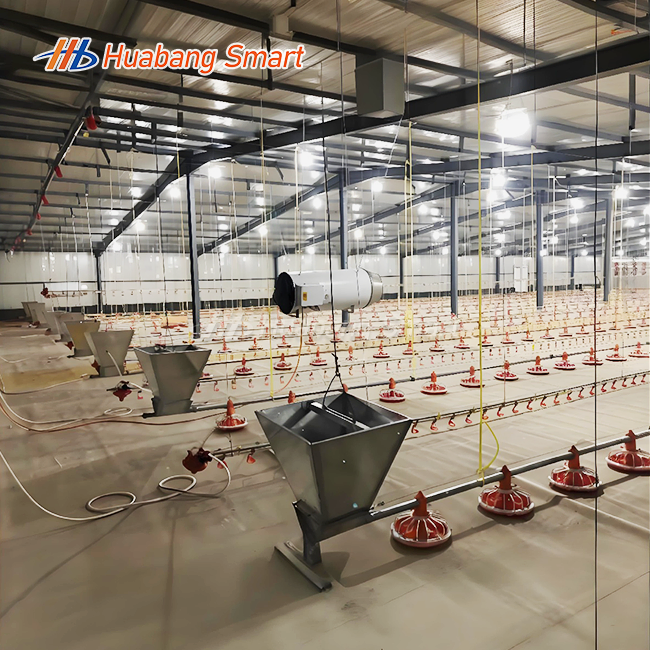
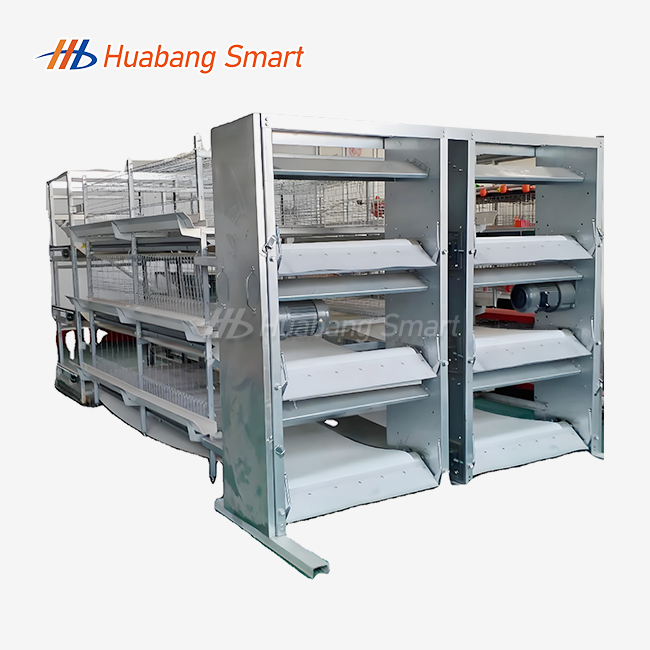
This means that the Chicken Feeder And Waterer system can be used on farms that raise chickens in cages, on the ground, or in multi-tiered aviaries for broiler, layer, and breeding birds. Different barn sizes and flock numbers can be accommodated by pipeline plans that are made to order. There are also full installation guides and videos available.
Maintenance, Cleaning, and Contamination Prevention for Feeders and Waterers
Maintenance keeps your animals safe and makes your tools last longer.
Cleaning Protocols by Material Type
Cleansers that contain chlorine don't hurt the surface of stainless steel nipple lines. To keep chemical waste from building up, flush the lines with clean water before and after each cleaning run. Plastic parts need cleaners with no pH so the surfaces don't crack, which lets germs grow between cleanings.
Identifying and Blocking Contamination Sources
The main ways that chicken water systems get dirty are when feces run backward, when feed bits get in, and when algae grow in light. They stop all three when they are set up and kept up correctly. Algae can't grow inside water lines if you cover pipeline runs that are in direct sunlight with opaque casing.
Routine Inspection Schedule
At least once a week, check the nipple trigger response. Mineral deposits have built up and need to be cleaned off if the trigger gets stuck or frees up slowly. Check the pipe joints once a month for tiny leaks that cause wet spots under the drinker lines. Right away, replace any gaskets that are worn out. A joint that leaks can wet 10 square meters of litter in just 48 hours, which directly raises the risk of disease.
Procurement Insights: Where and How to Buy Chicken Feeders and Waterers for Business Use?
When you choose smart sources, you keep your money safe and lower the risk in your supply chain.
Direct Factory vs. Distributor Procurement
You can skip the markups that distributors add on when you buy directly from a maker like Huabang Smart. You can also get OEM and ODM customization from the maker. When you buy in bulk, like when you replace a whole house instead of just one unit, you can get shorter lead times and be sure that the factory is responsible for all of the work. Shopping at nearby stores and getting items the next day are more important than customizing when it comes to small, repeat sales. This is where wholesalers come in handy.
Evaluating Supplier Credentials and Warranties
Make sure you have proof of ISO9001 approval, CE compliance, and material test results before you sign off on a big order. Note down the warranty terms. How do I make a claim? What does the seller cover? For how long? Huabang Smart has 49 key technology rights and 17 years of experience making products for more than 100 foreign markets. This is one of their system-level warranties.
Negotiating Value-Added Services
When you place a big order for a project, make sure that the contract includes help with installation videos, online commissioning, and spare parts. These add-ons don't cost sellers much, but they save buyers a lot of time and money when they're setting them up. Suppliers who offer expert paperwork in multiple languages and on-site support are very helpful for farms in markets that are still growing.
Conclusion
The infrastructure that affects the health of the flock, the productivity of the workers, and the output of things is more than just tools. It's also the stuff that makes life possible with a Chicken Feeder And Waterer. Small farms don't need complicated automation, so nipple waterers that can be sealed and don't need much upkeep are good. They also keep out contamination. Companies that handle a lot of people need stainless steel pressurized nipple drinking systems with automatic feed lines that cut down on human work and keep biosecurity high on a large scale. It doesn't matter how big or small your farm is; when you buy something, you should think about how long it will last, how well it was made, and how helpful the seller will be after the sale.
FAQ
How many chickens can one nipple drinker serve?
Two sets of rules from the industry and Huabang Smart say that one nipple sip unit is enough for 12 to 15 birds. When this amount is gone, people have to compete for water, which makes them more stressed and slows their weight gain.
Is an automated drinking system worth the investment for a small farm?
It's possible that farms with less than 300 birds won't quickly make back the money spent on installation in time saved.
How often should poultry drinking lines be cleaned?
It saves the doctor money because dirty open waterers are less likely to spread disease when there are closed nipple systems in place, even on a small scale.
What certifications should I require from a poultry equipment supplier?
For business purchases, ISO9001 for quality management and CE marking for safety are the most important things to look for. Instead of making claims about their own quality, these show that production standards have been checked by someone else.
Partner with Huabang Smart for Your Next Poultry Feeding System
Huabang Smart has been giving farms in over 100 countries automatic ways to feed and water chickens for 17 years. The Chicken Feeder And Waterer manufacturers we offer are made from 304 stainless steel and have ISO9001 and CE approvals. They are fully customizable, can be sent out in 30 to 60 days, and come with full fitting help. Email our team at admin@huabangsmart.com or go to poultrycage.com right now to get a system plan that works for your farm.
References
1. Xin, H., & Gates, R. S. (2010). Poultry Production Systems: Behaviour, Management and Welfare. CABI Publishing.
2. Bell, D. D., & Weaver, W. D. (2002). Commercial Chicken Meat and Egg Production (5th ed.). Springer Science & Business Media.
3. National Chicken Council. (2023). Broiler Industry Statistics and Animal Welfare Guidelines. National Chicken Council.
4. Pettit-Riley, R., & Estevez, I. (2001). Effects of density on perching behavior of broiler chickens. Applied Animal Behaviour Science, 71(2), 127–140.
5. United States Department of Agriculture (USDA). (2022). Poultry Slaughter Annual Summary. USDA National Agricultural Statistics Service.
6. Aviagen Group. (2022). Ross Broiler Management Handbook: Feeding, Watering, and Environmental Standards. Aviagen Ltd.

USER EVALUATE
Here is the customer's evaluation of us