



Chicken Layer Cage: What to Consider
When considering investment in poultry housing infrastructure, understanding what defines a quality Chicken Layer Cage system becomes paramount for operational success. These specialized intensive housing solutions, engineered from high-tensile steel with hot-dip galvanization, address the most pressing challenges facing modern egg production: escalating labor expenses, biosecurity vulnerabilities, and inconsistent yield patterns. The right cage configuration—whether H-type for vertical density or A-type for natural ventilation environments—directly influences your farm's profitability, bird welfare standards, and long-term return on investment. Making an informed choice requires evaluating material durability, automation compatibility, and supplier reliability.
Understanding Chicken Layer Cages – Design, Benefits & Maintenance
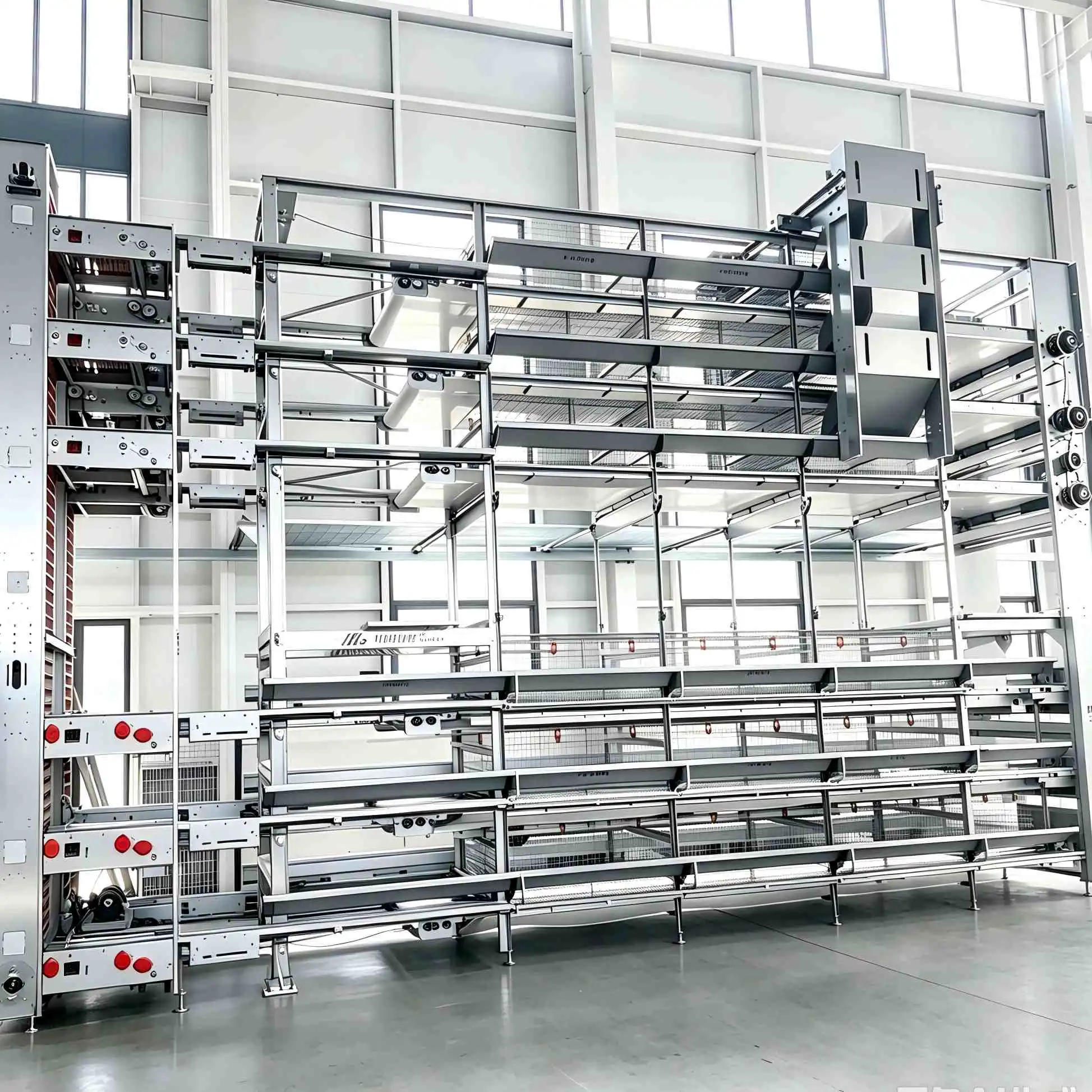
These days, making eggs requires housing systems that balance the well-being of the birds with how well they work. Layer housing design has changed a lot, and battery cage configurations that are better for large-scale business operations are one example
.
Core Design Configurations: H-Type vs. A-Type Systems
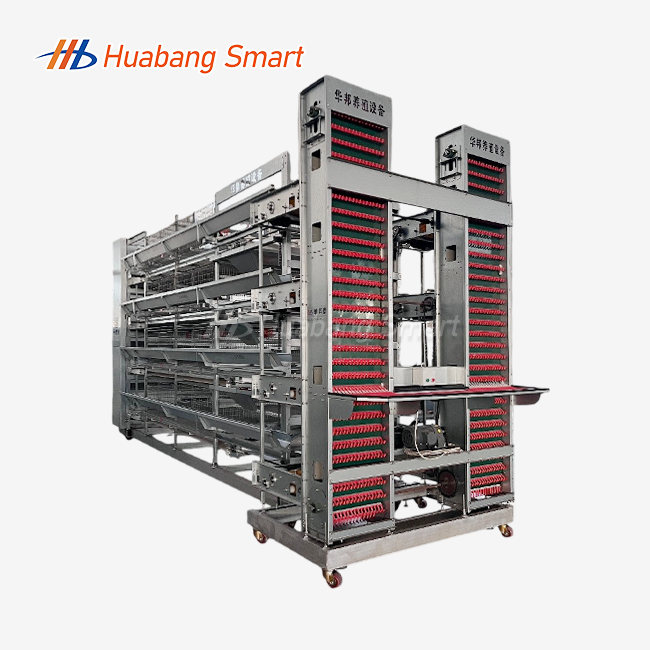
Stacking 3 to 8 levels high in climate-controlled buildings, H-type battery cages are the best way to make the best use of room. This set-up works well for businesses that take care of 60,000 to 100,000 birds and can't grow vertically because of lack of space. Each unit usually has 90 to 200 chickens in it. The 1.2m x 1.2m x 0.45m measurements are meant to increase density while still giving each bird enough room (450 to 550 cm² per hen).
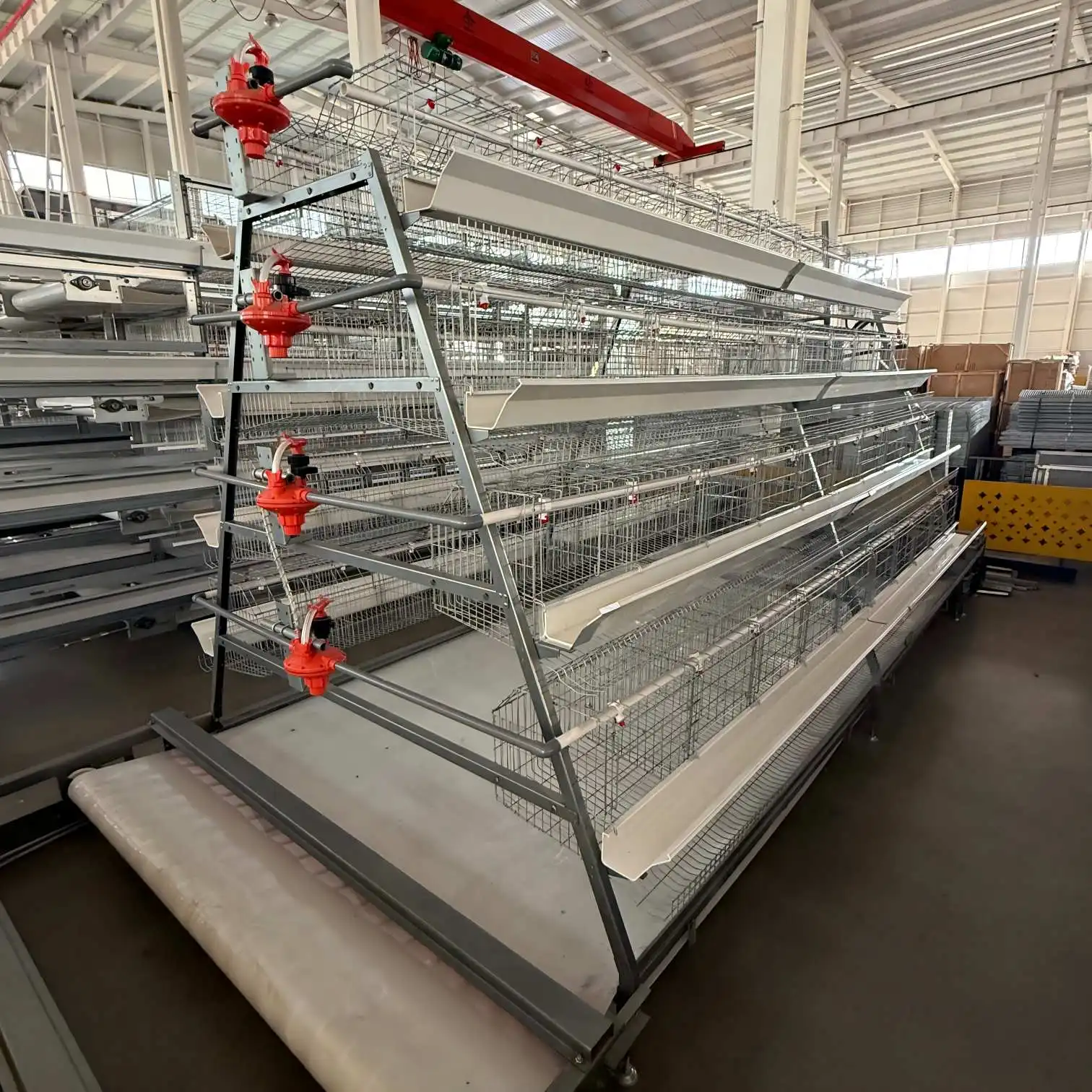
A-type setups use a ladder-style layout that works better in buildings that naturally let air flow through them. This design makes it easier for air to flow in hot areas with a lot of humidity, where mechanical ventilation is expensive. The angled plan makes it easier to collect eggs by hand in semi-automated systems. This makes it perfect for farms that are switching from floor systems to dense housing.
Welfare-Driven Benefits for Commercial Operations
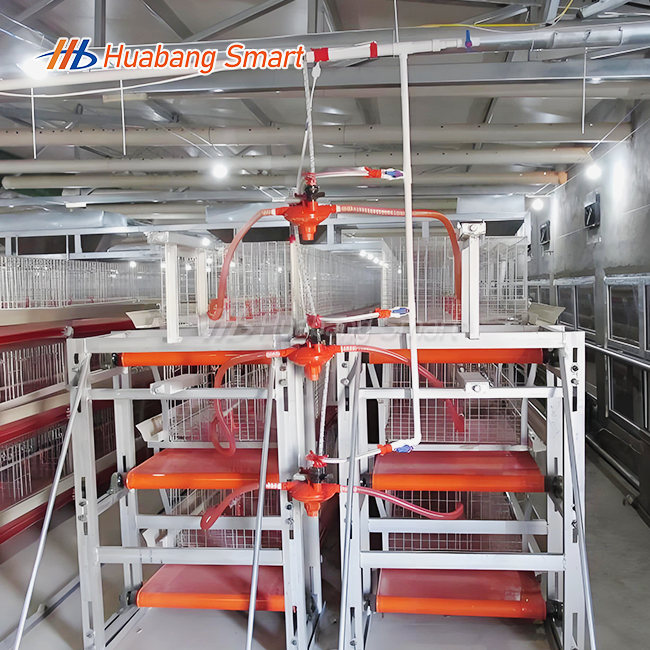
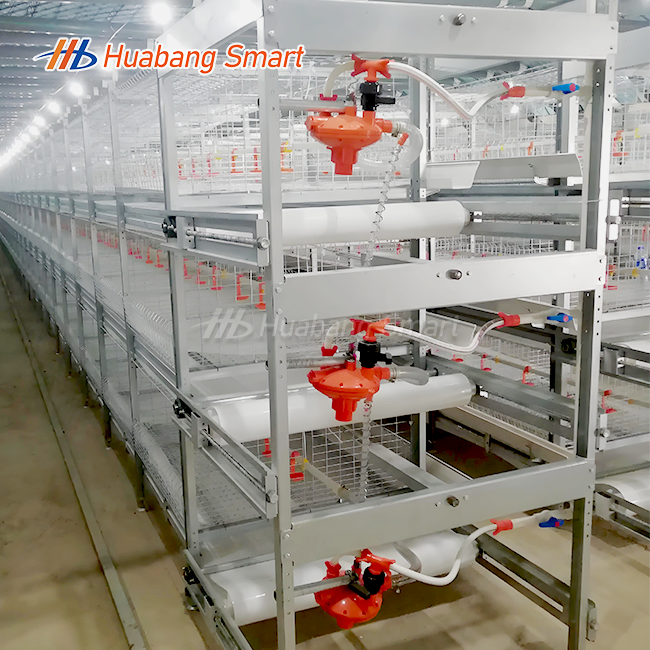
When properly designed, layer cages keep birds away from waste piles, which greatly reduces the spread of diseases and parasites through the soil. The raised mesh floor with a 7–9° slope lets eggs roll gently onto collection belts, which keeps them from getting dirty or breaking. Automated nipple drinkers set up at 360-degree angles make sure that cats stay hydrated without making the litter box too wet, which can cause breathing problems.
Maintenance Protocols for Long-Term Performance
Systematic maintenance scheduling is needed to keep a Chicken Layer Cage system working at its best. High-pressure washing between groups helps remove organic buildup, while appropriate poultry disinfectants can help protect hot-dip galvanized surfaces. Using longitudinal manure removal belts in a Chicken Layer Cage system can help control ammonia levels and maintain a cleaner environment for both birds and workers. Regularly checking the tension and weld points of the cage mesh helps prevent structural failures that could endanger birds or affect egg quality. Routine inspection and timely maintenance of each Chicken Layer Cage can also extend equipment service life and support stable daily operation. For large-scale poultry farms, consistent maintenance of the Chicken Layer Cage system is an important part of maintaining reliable production and animal housing conditions.
These upkeep habits have a direct effect on the total cost of ownership, which means that lasting building materials must be chosen for all business purchases.
Materials & Construction – Selecting the Best for Durability and Cost-Effectiveness
How long layer housing systems last and how much they cost to run depend on the materials used and how well they are made. When you cut corners when buying something, you end up replacing it too soon, which is terrible for your long-term budget.
Hot-Dip Galvanization: The Non-Negotiable Standard
Professional systems are made of Q235 bridge steel that has a 275g/m² zinc coating that is put on using hot-dip galvanization. This metal-bonding method makes a permanent barrier against the harsh, ammonia-filled environment inside chicken coops. While cold-galvanized frames rust after 5 to 7 years, hot-dip treated frames stay structurally sound for 15 to 20 years with little upkeep.
The aluminum-zinc treated wire mesh that comes with these frames has great tensile strength and can hold loads of 200 to 500 kg without deforming. This elasticity is very important when rolling out an egg, because hard materials create tiny cracks that cause more than 2% of them to break. Through careful designing of mesh tension and slope, quality methods guaranty breakage rates below 0.3%.
Dimensional Optimization for Productivity
The amount of space given to each bird has a direct effect on both egg production and compliance with welfare rules. Businesses that want to get the most out of their chickens give them 450 to 550 cm² per hen in battery setups, which is a good balance between bulk and mental health. When this level of overcrowding is reached, stress responses happen that lower the number of eggs laid and raise the death rate.
Modern welfare standards say that the width and height of the cage must allow for activities like standing, turning, and wing-stretching. Procurement managers should ask for detailed CAD layouts that show how modular units can be adjusted to fit existing building dimensions. This way, expensive structural changes won't have to be made after the modules are delivered.
Professional Fabrication vs. Custom Solutions
Turnkey systems designed by specialized manufacturers that combine feeding, watering, and manure removal into a single control platform are helpful for large-scale operations. These ready-made products come with ISO9001 and CE certifications, which mean they meet world standards for quality and safety.
Custom fabrication makes sense when a Chicken Layer Cage needs to be adapted to the building layout, local climate, or farm operating conditions. OEM and ODM services can provide specifications for areas that are prone to typhoons and require stronger structural reinforcement or grounding provisions, as well as dry environments where electrical components may need additional dust protection. Custom Chicken Layer Cage projects require careful supplier screening to verify factors such as welding accuracy, structural strength, and galvanization thickness. These details are especially important because poor workmanship may not become apparent until the Chicken Layer Cage is installed and put into service. Working with an experienced manufacturer can help ensure that each Chicken Layer Cage meets the required dimensions and structural specifications while supporting reliable long-term farm operations. A properly customized Chicken Layer Cage can therefore provide better compatibility with site conditions and production requirements.
In the end, whether you choose standard or custom procurement rests on whether your infrastructure can work with tried-and-true modular designs or if it needs engineering changes that support longer lead times and higher unit costs.
Making the Right Choice – Comparative Analysis for Procurement Decisions
To choose the best housing system, you need to look at how the different designs fit with your robotic goals, working scale, and environmental conditions.
Battery Cages vs. Alternative Housing Systems
Layer boxes are better than floor systems for turning eggs into feed because floor systems lose feed because chickens scratch, which drives up costs by 15 to 20 percent. The controlled environment of the battery housing keeps production cycles stable. This gets rid of the seasonal changes that happen in free-range operations when extreme weather changes the laying patterns.
An study of investments shows that battery systems break even faster in markets with high labor costs. In the United States, farm labor costs more than $15 to $20 an hour, so farms need automation to stay competitive. Automated feeding carts with 0.5g accuracy and mechanical egg collection systems cut the number of workers needed by up to 80%, which directly addresses the biggest cost problem in the business.
Evaluating Supplier Credibility and Quality Benchmarks
Teams in charge of buying things need to be able to tell the difference between makers who offer real engineering knowledge and distributors who rebrand low-quality imports. Patent portfolios (which show R&D investment), production plant certifications, and project records in similar climate zones are some of the most important things that can be used to check a company's credibility.
Reliable suppliers give a lot of technical information, like load calculations, material certifications, and performance guaranties. Being able to look at sample units lets you see things about the build quality that aren't shown in catalogs, like how consistent the welds are, how uniform the mesh is, and how thick the coating is.
Pricing Models and Total Cost Analysis
The initial unit price is only one part of the total cost of ownership. When purchasing a Chicken Layer Cage, compare suppliers based on the delivered price, which should include shipping, customs clearance, and installation support. For large orders of Chicken Layer Cage systems, freight management should optimize container loading to keep per-unit shipping costs as low as possible, especially for international projects. Evaluating the complete landed cost of a Chicken Layer Cage helps procurement teams avoid unexpected expenses and make more accurate supplier comparisons. For overseas projects, selecting a supplier that can provide efficient logistics and installation assistance for the Chicken Layer Cage can further improve purchasing efficiency and long-term value.
The terms of the warranty have a big effect on the long-term value. Standard worldwide 1-year guarantees should cover structural breakdowns and flaws in the manufacturing process, and they should make it clear when spare parts will be available. Suppliers who offer longer warranties show that they are confident in the quality of the materials and the standards of construction.
Lead times have an effect on project schedules and the cost of financing. Standard production times for large orders are 30 to 60 days, but faster times are possible for an extra fee. To find a good balance between delivery speed and price, you need to plan your project realistically and talk to your suppliers about their production capacity.
Optimizing Usage – Feeding, Lighting, and Egg Collection Strategies
Aside from choosing the right cages, managing daily operations and keeping an eye on the environment are also important parts of getting the most out of your investments in layer housing.
Automated Feeding Systems for Nutritional Consistency
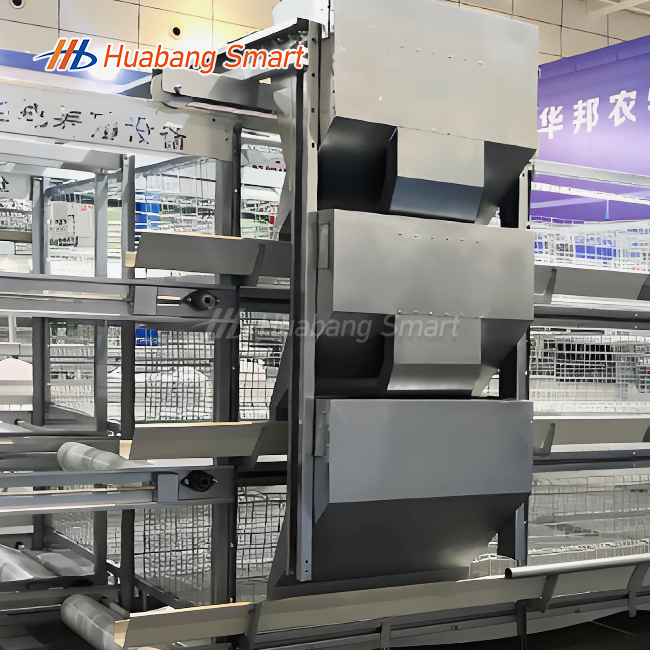
Precision feeding mechanisms get rid of the guesswork and hard work that come with distributing things by hand. Along the rows of cages, trolley-based systems deliver formulated rations to each level with a 0.5g accuracy. This keeps the birds from acting like bosses, which happens when they eat from a trough and pushy hens eat too much while other birds don't get enough food.
When compared to manual methods, automated systems cut feed waste by 12 to 15 percent, which directly leads to higher feed conversion ratios. Programmable feeding schedules work with phase feeding methods, in which the ingredients in the food change to meet the shifting nutritional needs of the birds as they lay their eggs.
Lighting Programs for Production Optimization
Changes in light strength and photoperiod control the rhythms of reproductive hormones that control egg production. During peak output times, commercial activities usually keep 16-hour light days with 10–20 lux of brightness. Gradually lowering the photoperiod to 14 hours during molt induction starts synchronized feather replacement, which resets production across the whole flock.
When added to cage installations, LED lighting systems offer programmable control and 40–60% more energy efficiency than traditional fluorescent fixtures. Dimming features allow for slow changes from dawn to dusk, which calms people down during power outages or equipment repair.
Mechanical Egg Collection and Breakage Prevention
The 7-9° slope built into good cage mesh makes it easy for eggs to roll onto collection belts without picking up too much speed. Each level of the cage has a belt that moves the eggs to the center packing stations. This eliminates the need for human handling, which is what causes 60–70% of pre-packing breakage in floor systems.
Breakage rates stay below 0.3% thanks to padded belt surfaces and gradual changes in slope. This keeps income from lost product. When eggs are collected automatically, they are cleaner because they don't have to be kept in the fridge for as long, which means that germs don't have time to grow on the shells.
These operational strategies work well with good cage infrastructure to make production as efficient and profitable as possible, which is why modern housing systems are worth the money.
Conclusion
To choose the right layer housing infrastructure, you need to carefully evaluate the design configuration, material durability, supplier reliability, and system compatibility. Different Chicken Layer Cage configurations, including H-type and A-type systems, are suited to different applications, with the best choice depending on factors such as housing density, ventilation, and farm layout. Professional-grade Chicken Layer Cage systems can use hot-dip galvanized components with suitable zinc coatings to improve corrosion resistance in demanding poultry environments. Automation features such as precision feeding, mechanical egg collection, and manure removal can directly address rising labor costs and improve production consistency. For successful procurement, it is important to work with manufacturers that provide comprehensive support for Chicken Layer Cage projects, from site planning and installation to ongoing maintenance. Selecting a durable Chicken Layer Cage system with appropriate automation and professional technical support can help farms achieve reliable long-term performance and better investment value. A properly designed Chicken Layer Cage can also be adapted to the farm's production scale, environmental conditions, and operational requirements.
FAQ
What density per cage maximizes output without compromising welfare?
Professional systems give each hen 450 to 550 cm² in battery setups, which meets current standards for animal care and makes the best use of room. When this density is exceeded, stress reactions happen that lower the number of eggs laid and raise the death rate, which hurts profits in the long run even though the original bird counts per unit were higher.
How frequently should cage systems undergo thorough cleaning?
Biosecurity is reset by high-pressure washing and disinfecting between flocks, which usually happens every 12 to 18 months. During production cycles, ammonia levels stay below 20ppm without having to shut down the whole system every day because of automatic machines that remove manure.
What ventilation standards maintain optimal environmental quality?
During peak production, climate-controlled houses need 0.8 to 1.2 cubic feet per minute per bird. Temperature and humidity sensors make automatic adjustments based on these needs. Cross-ventilation is needed for naturally ventilated structures to get 4-6 air changes per hour. In tropical climates, A-type cage layouts with better airflow paths are essential.
Partner with a Proven Chicken Layer Cage Manufacturer
Huabang Smart has been a leader in engineering for 17 years and now works with farms in over 100 countries to provide ISO9001 and CE-certified automated layer systems that make up for a lack of workers and increase profits. Our H-type battery cages have 275g/m² hot-dip galvanizing steel frames that are made to last 15 to 20 years. They also have aluminum-zinc mesh that guaranties egg failure rates of less than 0.3%. We offer full turnkey solutions, from analyzing the site and creating custom CAD plans to installing the equipment and training operators on-site. This makes sure that our solutions work seamlessly with your current infrastructure. Modular designs can fit anywhere from 500 to more than 100,000 birds, and IoT monitoring can be added for real-time control of the environment. Get in touch with our expert team at admin@huabangsmart.com to get a plan that is tailored to your climate, production goals, and automation needs.
References
1. National Research Council. Nutrient Requirements of Poultry: Ninth Revised Edition. Washington, DC: The National Academies Press, 2021.
2. Anderson, K.E. "Comparison of Fatty Acid, Cholesterol, and Vitamin A and E Composition in Eggs from Hens Housed in Conventional Cage and Range Production Facilities." Poultry Science 90, no. 7 (2011): 1600-1608.
3. United Egg Producers. Animal Husbandry Guidelines for U.S. Egg-Laying Flocks: 2023 Edition. Alpharetta, GA: United Egg Producers, 2023.
4. Zhao, Y., et al. "Comparative Evaluation of Three Housing Systems for Laying Hens." International Journal of Poultry Science 18, no. 4 (2019): 182-189.
5. American Society of Agricultural and Biological Engineers. ASAE Standards: Design of Ventilation Systems for Poultry and Livestock Shelters. St. Joseph, MI: ASABE, 2022.
6. Widowski, T.M., et al. "Laying Hen Welfare in Canada: An Overview of the Canadian Code of Practice and Opportunities for Future Research." Canadian Journal of Animal Science 96, no. 4 (2016): 667-676.

USER EVALUATE
Here is the customer's evaluation of us
YOU MAY LIKE
 VIEW MOREAutomatic Chicken Feeder System
- VIEW MOREChicken Water Feeder
 VIEW MOREMobile Chicken Coop With Wheels
 VIEW MOREChicken Cage Broiler Automatic
 VIEW MOREFully Automatic Broiler Chicken Cage
 VIEW MOREAutomatic Broiler Chicken Cage
 VIEW MORE2000 Capacity Broiler Chicken Cage
 VIEW MOREChicken Layer Cage