



Easy-to-Clean Chicken Feeder for Better Farm Hygiene
When it comes to improving farm hygiene, implementing an easy-to-clean Chicken Feeder is one of the most effective strategies. These specialized poultry feeding systems are engineered to minimize feed contamination, reduce disease transmission, and streamline cleaning protocols. Modern automated pan feeding systems solve critical biosecurity challenges by using food-grade materials that resist bacterial colonization and feature smooth surfaces that prevent residue buildup. This makes them essential for commercial operations focused on optimizing Feed Conversion Ratios while maintaining stringent sanitation standards.
Understanding the Hygiene Challenges in Poultry Feeding
Strict cleanliness in chicken businesses has a direct effect on the health of the flock and the business's ability to make money. Biosecurity is in danger because contaminated feed can cause disease outbreaks that destroy crops and raise the cost of medical care. According to research on poultry management, contaminated feeding equipment is a major way that diseases get spread in commercial settings.
Design Limitations of Traditional Feeding Systems
A lot of older feeding systems have complicated assembly structures with cracks where dust, feed particles, and moisture can gather. Harmful bacteria like Salmonella and E. coli grow in these hard-to-reach places. coli. The problem gets worse when acidic feed additives cause metal parts to rust, making rough surfaces that trap organic matter and are hard to clean properly.
Environmental Stressors and Operational Impact
Changes in temperature and humidity make feed go bad faster and encourage mold growth inside feeders. Dust that is made during feeding covers the sides of equipment and sticks to it when it gets wet, leaving behind tough leftovers. Outdoor projects are more likely to be damaged by rain and UV light, which breaks down materials over time. Because of these environmental factors, farm managers have to spend too much time on care, but the results are still not very good when it comes to cleanliness.
The Labor Cost Equation
Cleaning a poorly designed Chicken Feeder by hand takes a lot of time and effort. Sanitation that requires extensive labor is a major challenge for operations managers, especially when they have to manage multiple poultry houses. Things can become even more difficult when a Chicken Feeder has to be completely disassembled for cleaning, increasing maintenance time and disrupting feeding schedules. This operational friction highlights the need for improved Chicken Feeder designs that balance thorough sanitation with convenient routine maintenance. A well-designed Chicken Feeder can simplify cleaning procedures, reduce labor requirements, and help maintain more consistent feeding schedules. For large-scale poultry operations, choosing an easy-to-maintain Chicken Feeder can therefore improve daily management efficiency while supporting better overall hygiene.
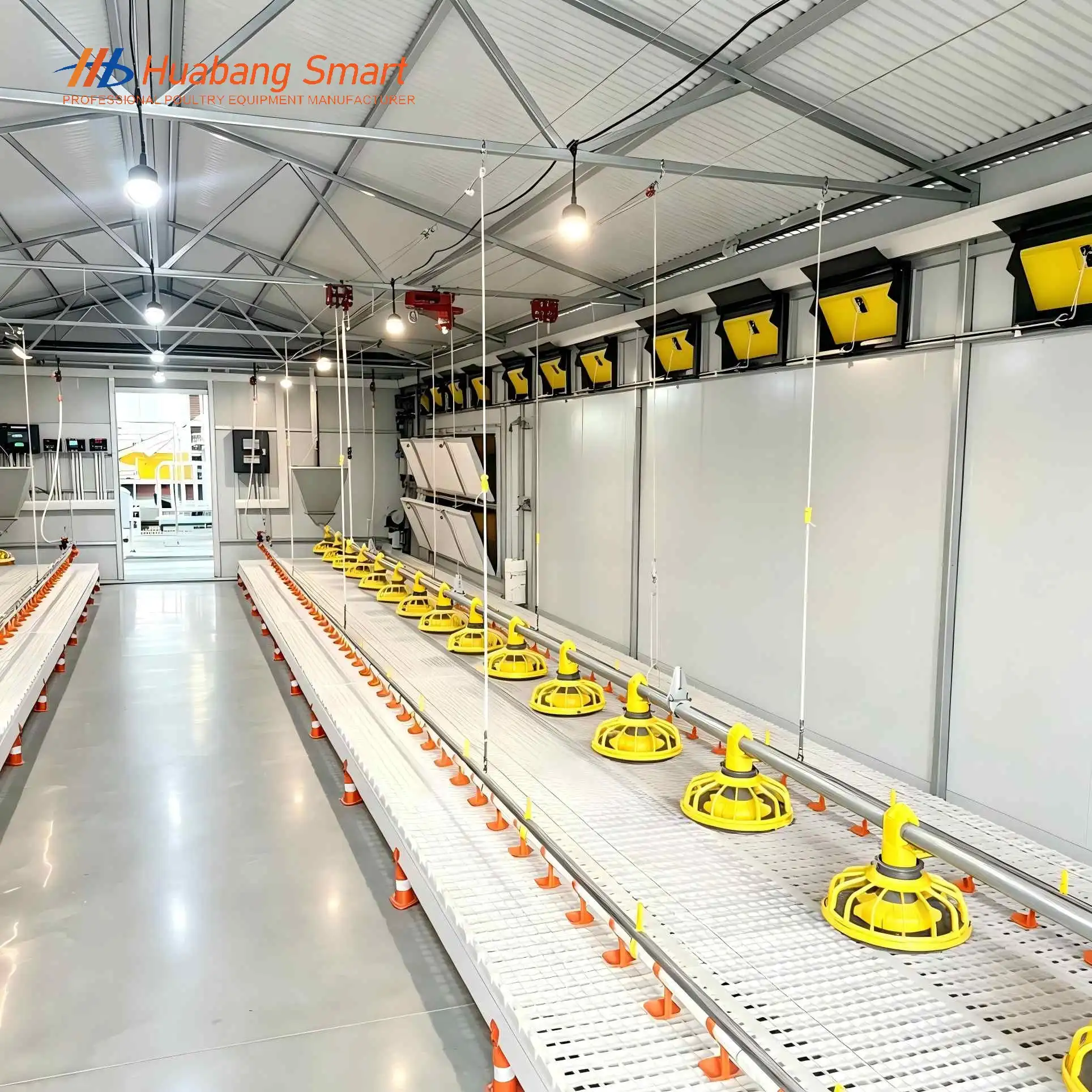
Key Features of an Easy-to-Clean Chicken Feeder
Modern solutions for feeding chickens use engineering principles that are aimed at improving hygiene and making maintenance easier. The move toward cleaner feeding systems shows that the farming industry is becoming more aware of biosecurity's role in long-term production.
Material Innovation for Sanitation Excellence
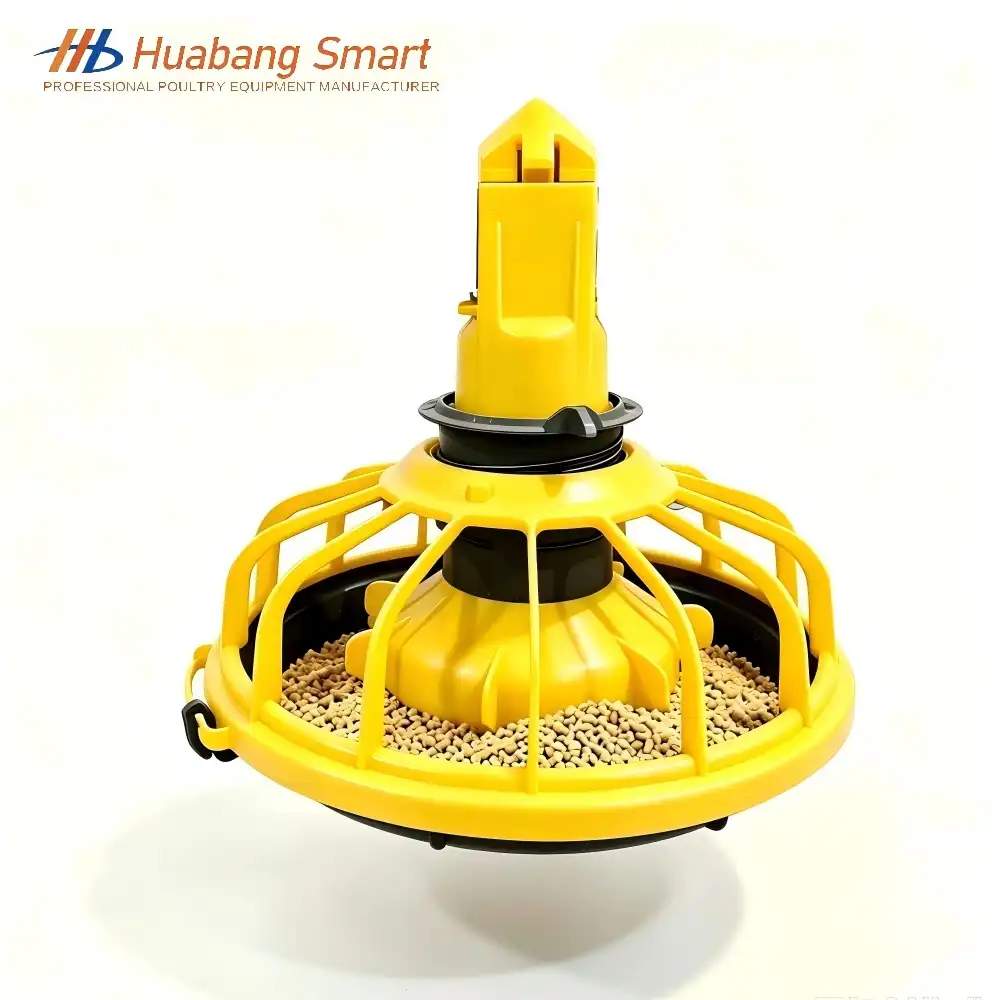
Newer automated feeding systems use virgin polypropylene and high-density polyethylene materials that are safe for food. These surfaces don't have pores, so germs can't stick to them. They also don't rust when acidic chemicals in commercial feeds hit them. Premium pan feeders are made of virgin PP material, which is odorless and non-toxic and meets international food safety standards. Instead of rusting in humid chicken settings like galvanized metals do, these polymer mixtures keep their structure over long periods of time. This choice of material directly reduces the risk of contamination while also making daily cleaning easier, since smooth plastic surfaces are easy to clean.
Modular Design Philosophy
Intelligent feeder architecture uses modular building blocks that make it easy to take parts apart quickly without special tools. This method is shown by the pan feeding system, which has light parts that snap together securely but can be taken apart quickly for complete sanitation. This feature of being flexible is very helpful during deep-cleaning cycles or when sanitizing in between flock movements. Farmers like that the design gets rid of any hidden spots where feed waste could build up without being seen. The engineering works for both fixed house installations and mobile coop configurations, so it can be used in a variety of ways while still meeting hygiene standards.
Anti-Waste Engineering and Contamination Prevention
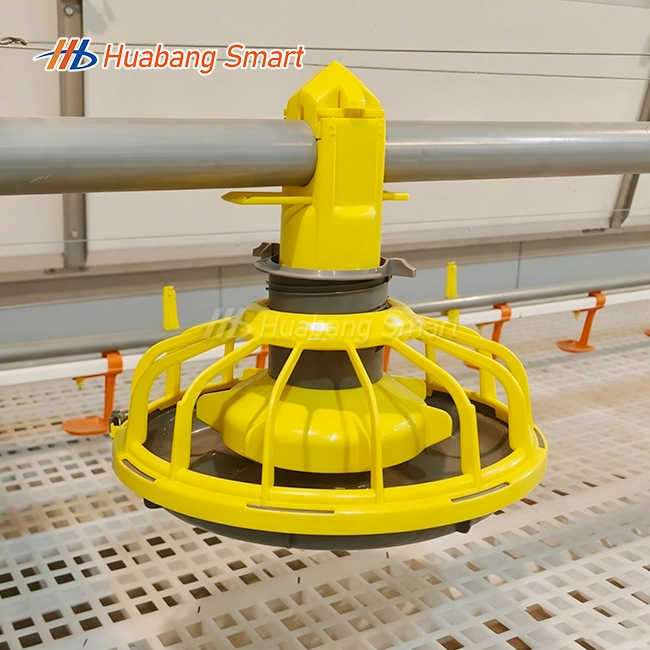
Modern feeding pans have edges and rims that are better designed so that feed doesn't get scattered as much. A 330mm-diameter pan with 16 carefully placed feeding cells lets birds get to the food without scratching too much and making the feeding area dirty. The raised center shape lets air flow properly and keeps moisture from building up, which would otherwise help bacteria grow. This anti-waste design keeps litter drier, which lowers the humidity levels that can cause coccidiosis and breathing problems. By limiting the amount of feed that gets spilled on house floors, the method stops the spread of disease and keeps the quality of the feed.
Automation and Self-Cleaning Characteristics
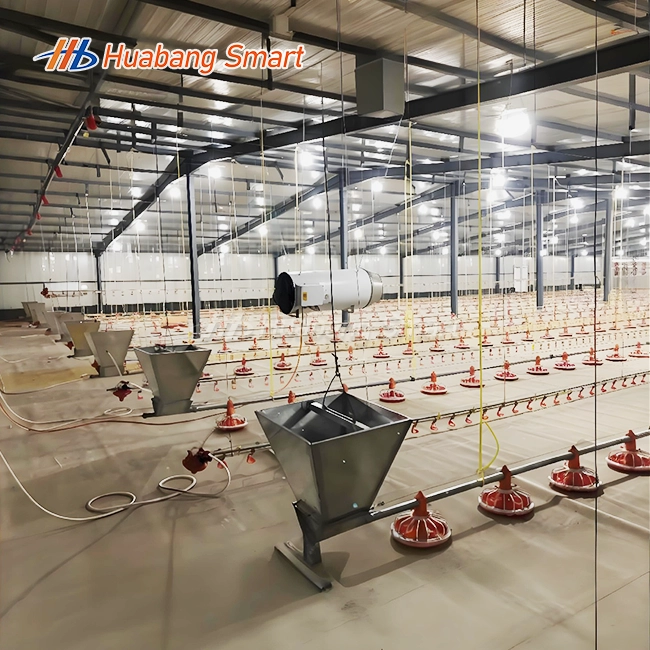
Automatic pan feeding systems deliver feed through PVC pipes using auger drive technology, helping ensure that each Chicken Feeder receives a consistent supply of feed. This continuous movement reduces the amount of time feed remains stationary inside the pipes, which can help limit conditions that encourage microbial growth. A feeding capacity of up to 1,400 kg per hour allows feed to be distributed efficiently, reducing the time workers need to spend handling feed manually. Smart controls integrated into an automated Chicken Feeder system can also set feeding schedules that allow the pans to empty between cycles, helping surfaces dry naturally and supporting better hygiene. By reducing direct human contact with feed and feeding surfaces, an automated Chicken Feeder can also help lower the risk of cross-contamination associated with frequent movement through poultry houses. For large-scale operations, a properly designed Chicken Feeder system can improve feeding consistency while simplifying daily management and sanitation.
How to Maintain Hygiene with Easy-to-Clean Chicken Feeders
Even the best feeder designs need to be maintained in a certain way so that they keep providing biosecurity benefits for as long as they are in use. Using organized hygiene practices improves the performance of tools and protects the health of flocks.
Establishing Effective Cleaning Protocols
Cleaning schedules should be in line with the number of flocks and the output processes. Every day inspections get rid of visible trash and find potential problems before they get worse. For a weekly deep clean, all modular parts must be taken apart and washed thoroughly with approved cleaners. Modern feeding equipment has smooth surfaces that are easy to clean with high pressure. However, operators must make sure that the settings for the water pressure won't damage any precision parts. By avoiding strong chemicals that break down polymer materials, cleaning with non-toxic, biodegradable products is good for both bird health and equipment life.
Drying and Storage Best Practices
After washing cycles, it's very important to dry clothes the right way. Before putting parts back together or storing them, they should be left to dry completely in a well-ventilated area. Mold spores and bacterial colonies grow when moisture gets stuck in sealed equipment. This makes later groups less healthy. Putting disassembled feeders away in dry, high places between production rounds keeps pests out and keeps the surroundings clean. These steps make equipment last longer while keeping it clean, which is important for consistent flock performance.
Strategic Placement and Height Management
Putting feeders in the right place increases natural cleaning and lowers the risk of contamination. The precise height adjustment winch systems let operators raise pans as birds grow, keeping access at a good level without causing crowding, which makes birds more stressed and more likely to get diseases. When feeders are at the right height, birds can't rest on them and drop their droppings into the food. Placement away from watering systems in a planned way keeps spills from mixing with feed and creating the damp conditions that speed up rotting and the growth of pathogens.
Choosing the Right Easy-to-Clean Chicken Feeder for Your Farm
To choose the right feeding equipment, you have to weigh a lot of technical and financial factors against specific operational needs. This choice has a direct effect on long-term biosecurity and production measures.
Capacity Alignment and Scalability
Feeding needs to be based on the flock's size and how much it is expected to grow. A system that delivers 1400 kg per hour is good for big businesses that are in charge of thousands of broilers or layers. When choosing tools, procurement managers should think about how the business will grow in the future. Modular designs allow for gradual growth more cost-effectively than replacing the whole system. The 16-cell feeding pan layout gives many entry points, which lowers competition and encourages even flock growth, which makes the harvest more consistent.
Material Durability and Environmental Resistance
While virgin PP feeding pans are excellent for corrosion resistance and easy cleaning, the supporting infrastructure of a Chicken Feeder system requires the same level of attention. For automatic distribution systems, 75 mm diameter PVC feed lines with a 3.6 mm wall thickness can provide durable performance under demanding operating conditions. These specifications can withstand the mechanical stress generated by an auger while also resisting exposure to feed acids and humidity. The extra-thick 3 mm hot-dip galvanized steel frames provide additional structural stability and can support long-term use, making the higher initial investment in a Chicken Feeder system worthwhile by reducing the need for frequent replacement. Properly selected materials can help a Chicken Feeder remain reliable and easier to maintain throughout its service life. A durable Chicken Feeder structure also supports consistent feed distribution and long-term operational efficiency.
Manual versus Automated Systems
Automated feeding solutions have clear benefits for businesses that value biosecurity and labor efficiency. The fully automatic pan feeding system gets rid of the need to handle feed by hand, which reduces the risk of contamination and lowers the need for staff. Smart compatibility features let you connect to environmental controls and data monitoring platforms, which give you real-time information about how the system is feeding and working. Manual systems may work for smaller, more specialized jobs or when there are problems with the electrical infrastructure that make automation impractical, but they don't offer the same level of consistency or cleanliness.
OEM Customization and After-Sales Considerations
Working directly with makers that offer OEM and ODM services makes sure that the specifications of the tools fit the needs and ways of doing things in the area. Custom designs take into account changes in climate, limitations of existing infrastructure, and specific biosecurity rules. Implementation risks are greatly reduced when full services are available, such as site planning, detailed configuration lists, video installation guides, and local technical support. A one-year warranty backed by helpful after-sales service gives you more confidence, especially when buying something from another country, where it can be hard to get the equipment fixed.
Case Studies: Impact of Using Easy-to-Clean Feeders on Farm Hygiene
Implementation data from real-life situations shows that improved feeding systems have a measured value proposition in a variety of business settings.
European Broiler Operation Results
A large European company that raises chickens switched from using traditional galvanized feeders to automated pan systems with designs that are easy to clean. The operation saw a 23% drop in the number of rejections over three production rounds. This was due to better hygiene. 18% less feed was wasted, which directly improved FCR calculations and cut down on input costs. The amount of time spent cleaning dropped by about 30%, which freed up workers to do more important management tasks. The technical director of the farm stressed that the modular design made it easier to clean between flocks, which allowed for faster turnover without compromising cleaning standards.
North American Layer Farm Experience
A facility that raises chickens and manages 50,000 layers put in fully automatic feeding systems that use food-grade materials and precise height adjustments. Within the first month, the operation reported significantly less litter and better air quality measurements. Diseases, especially breathing problems caused by ammonia buildup, became much less common. The procurement manager said that the manufacturer's quick technical help during the installation and commissioning stages was very important for a smooth rollout. After adding more houses, the expansion went smoothly because of past performance data and good relationships with suppliers.
Southeast Asian Integration Project
A program for agricultural development that aimed to update poultry farming in the region worked with companies that sell complete equipment packages. As a key part of biosecurity infrastructure, the project called for automatic feeders that are easy to clean. Compared to control groups using standard tools, farms that took part in the study saw faster growth rates and better uniformity. Local distributors liked the thorough training programs and expert literature that was available in multiple languages, which made it easier to share knowledge. In this case, we see how improved feeding systems help achieve bigger goals for farming growth, not just helping individual farms.
Conclusion
Easy-to-clean Chicken Feeders are a smart investment in biosecurity infrastructure that pays off in the form of healthier flocks, less work, and better feed economy. Modern automated pan feeding systems solve the hygiene problems of the past by using smart material choices, modular design, and waste-reducing features that lower the risk of contamination. When buying something, it's best to choose items that come with full maker support, can be customized, and have been used successfully in business settings before. Moving to more advanced feeding technology sets up businesses for long-term growth while meeting the rising standards for food safety in global poultry markets.
FAQ
How frequently should automated pan feeders be cleaned?
Baseline cleanliness is maintained by eye checks and clearing away trash every day. Deep cleaning should be done once a week during production and again between flock cycles. Traditional designs need a lot of scrubbing, but automated systems with smooth surfaces and few cracks make these practices easier to follow.
What feeder capacity matches a 10,000-bird broiler operation?
Systems that can handle 1200 to 1500 kg per hour are best for these kinds of operations. This ensures quick feed distribution, which cuts down on exposure time while still allowing for times of high consumption. When you choose the right size, you can keep the feed from stopping, which lowers quality and increases the risk of contamination.
Do automatic feeders justify their higher initial cost?
When labor savings, less feed waste, better FCR, and better biosecurity outcomes are taken into account, ROI calculations always favor automation. Most business operations get their money back within 18 to 24 months by becoming more efficient and improving flock performance measures that bring in more money each production cycle.
Partner with Huabang Smart for Advanced Poultry Feeding Solutions
Since 2012, Huabang Smart has sent smart livestock equipment to more than 100 countries. They have 17 years of experience making these things and 49 patents for core technologies. Our fully automatic pan feeding systems are made with food-grade virgin PP materials, are lightweight and modular, and are compatible with smart systems for data-driven management. They also follow the easy-to-clean principles that have been discussed in this analysis. We offer full turnkey services, from initial site planning to installation and ongoing expert support, as a top Chicken Feeder manufacturer.
Email our tech team at admin@huabangsmart.com to talk about custom feeding options that fit your business needs. We offer OEM configurations that are tailored to the climate and facilities of each area. Our products are certified by ISO9001 and CE. Our direct factory pricing and production cycles that last 30 to 60 days make us a great value for procurement managers who want reliable equipment that improves farm hygiene while lowering long-term operational costs.
References
1. Smith, J.R. & Thompson, M.L. (2021). Biosecurity Protocols in Commercial Poultry Production: Equipment Design and Disease Prevention. International Journal of Poultry Science, 20(4), 145-159.
2. Agricultural Engineering Society (2022). Material Selection Guidelines for Livestock Feeding Equipment. Technical Standards Publication AES-2022-07.
3. Williams, P.D. (2020). Feed Conversion Efficiency: The Role of Equipment Hygiene in Modern Poultry Operations. Poultry Management Quarterly, 38(2), 67-81.
4. European Poultry Health Association (2023). Automated Feeding Systems and Pathogen Control: A Comparative Analysis. EPHA Research Report Series, Volume 15.
5. Chen, Y. & Rodriguez, A. (2022). Labor Economics in Intensive Poultry Production: Automation Impact Assessment. Agricultural Business Review, 29(3), 112-128.
6. North American Poultry Equipment Standards Committee (2021). Sanitation Design Principles for Commercial Feeding Systems. NAPESC Technical Bulletin TB-2021-04.

USER EVALUATE
Here is the customer's evaluation of us
YOU MAY LIKE
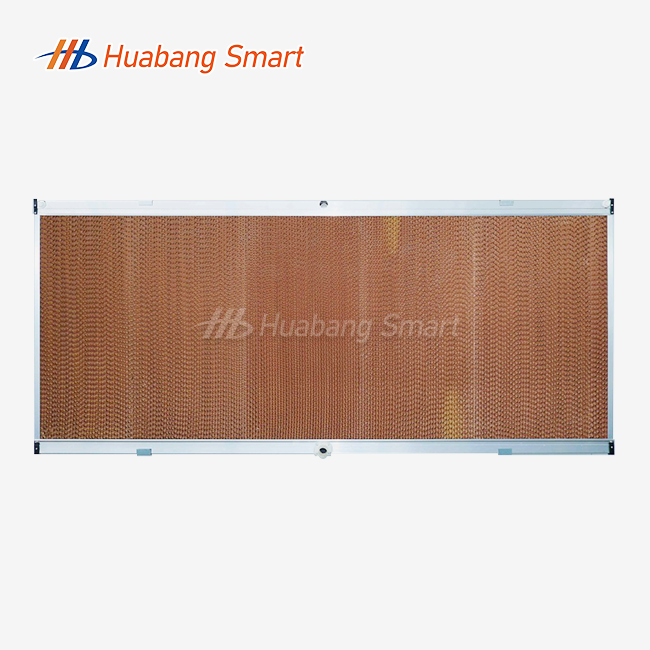 VIEW MOREPoultry Evaporative Cooling Pad
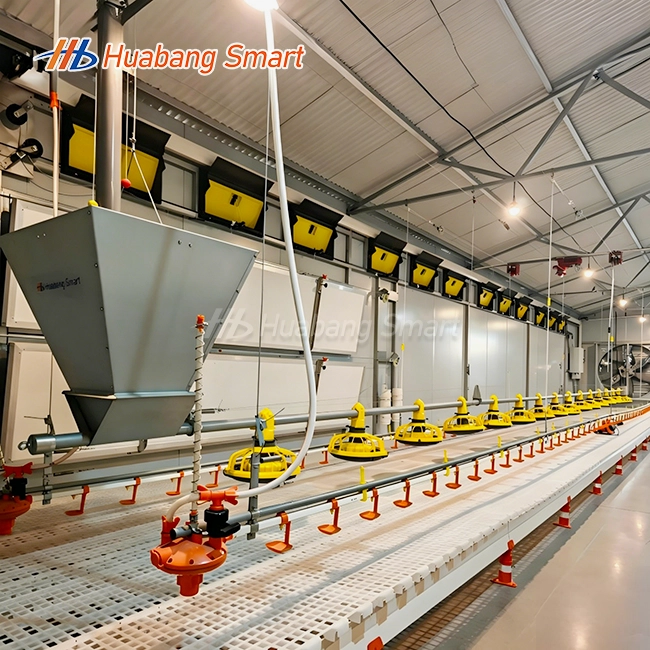 VIEW MOREAutomatic Electric Chicken Feeder
 VIEW MOREChicken Feeder Pan
 VIEW MOREAutomatic Chicken Feeder
 VIEW MOREH Type 3 Tier Broiler Chicken Cage
 VIEW MOREChicken Cage Broiler Automatic
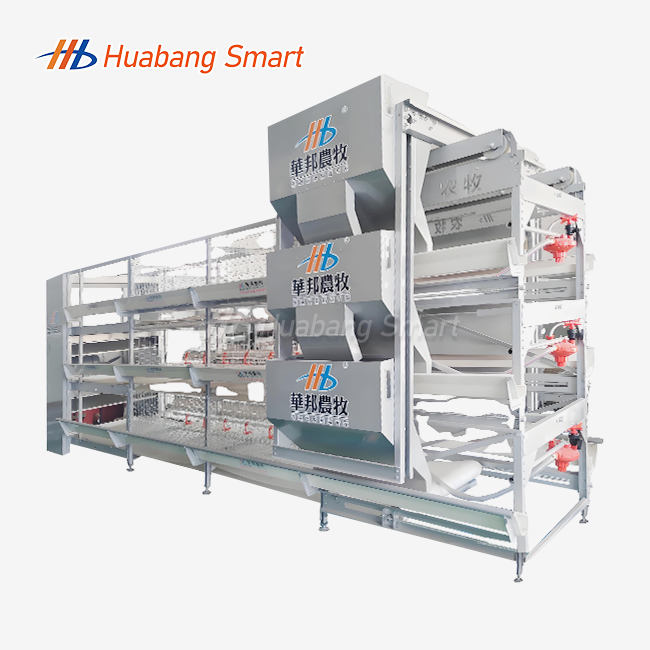 VIEW MOREChicken Cages For Broilers
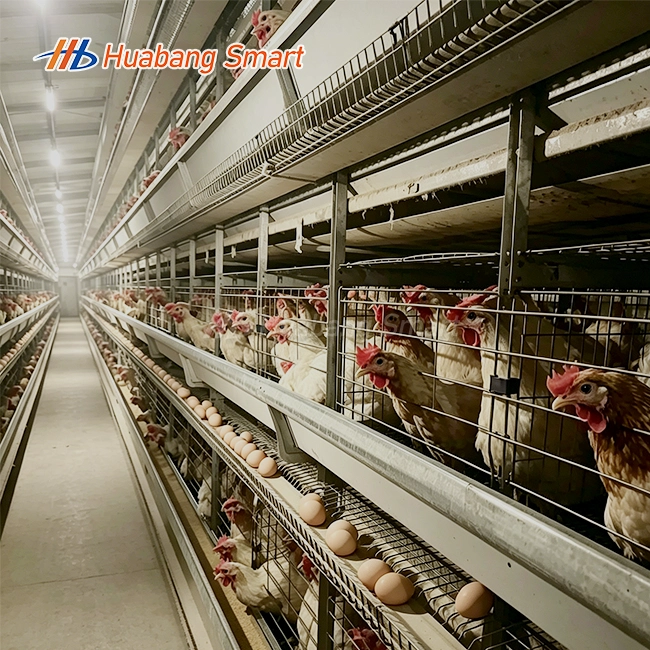 VIEW MORELayer Cages Egg Chicken Poultry Farm