
Exhaust Fan For Farm Buyer's Guide
Choosing the right Exhaust Fan For Farm can improve animal welfare and operational efficiency. In modern livestock operations—including poultry, swine, and dairy farms—ventilation systems directly affect productivity, environmental conditions, and labor requirements. This buyer's guide provides farm owners, project engineers, procurement managers, and operations directors with practical insights for selecting durable, energy-efficient ventilation solutions that integrate smoothly with existing infrastructure. Key performance factors for an Exhaust Fan For Farm include airflow capacity, energy consumption, installation flexibility, and long-term durability in demanding agricultural environments. When evaluating an Exhaust Fan For Farm, buyers should also consider maintenance requirements, corrosion resistance, motor efficiency, and supplier support. Selecting a properly sized Exhaust Fan For Farm can help maintain consistent airflow and improve environmental control inside livestock facilities. The right Exhaust Fan For Farm can therefore protect infrastructure investments while supporting animal comfort and efficient farm operations.
Understanding Farm Exhaust Fans: Types, Benefits, and Basics
Why Ventilation Matters in Livestock Operations
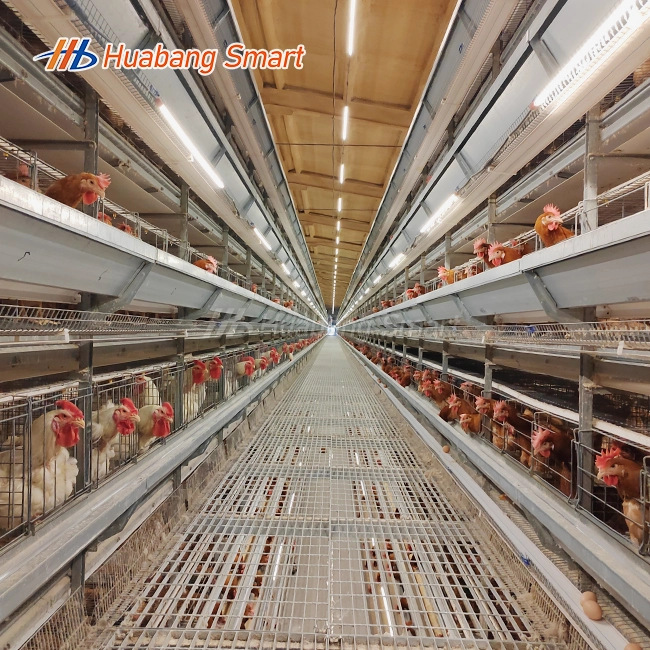
Airflow controls temperature, gets rid of harmful gases like carbon dioxide and ammonia, and lowers humidity, which is where pathogens grow. Just being in the heat can make chickens gain 15% less weight and dairy cows produce 20% less milk. Effective ventilation systems stop these losses and lower the risk of disease, which creates a measurable return on investment (ROI) through higher feed conversion rates and lower veterinary costs.
Core Types of Agricultural Ventilation Systems
Wall-mounted units are the most common type in livestock buildings because they provide a lot of airflow without taking up much floor room. These systems work best in tunnel ventilation systems, in which air moves horizontally along the length of the building and creates wind chill effects that make it feel cooler. Ceiling-mounted choices work well in places where there isn't much access to the walls or where the architecture is limited, but they are usually harder to install.
Variable-speed types with VFD controls change the flow of air based on the temperature, using less energy when it's cooler and keeping full capacity when it's really hot. Single-speed units are cheaper up front, but they can't be changed to work with different climates, so they can only be used in places where the climate stays the same during the whole working cycle.
Material Selection and Durability Considerations
The harsh conditions inside livestock barns—which include moisture, organic dust, and acidic gases—require strong building materials. Fans with frames made of 3mm hot-dip galvanized steel don't rust nearly as quickly as fans made of painted steel or plastic. Motor housings should have an IP55 or IP66 grade to keep water out, and the materials used for the blades should be able to handle being exposed to high levels of ammonia for a long time, which would rust weaker metals in just a few months.


Quality makers put parts through salt spray tanks that simulate years of exposure to make sure the structure stays strong for the expected 5 to 8 years of use. This means that it will last longer, which means less money spent on replacements and less downtime during busy production times.
Exhaust Fan vs. Ventilation Fan for Farms: Making the Right Choice
Functional Differences That Impact Performance
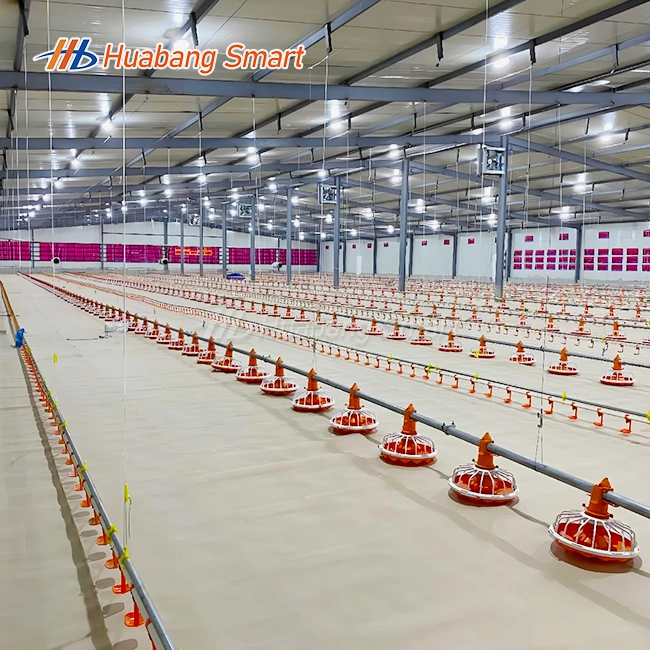
Negative pressure is created by an Exhaust Fan For Farm, which pulls air out of the building and draws fresh air in through strategically positioned openings. This approach provides precise control over airflow and works particularly well in tunnel ventilation systems where maintaining a consistent airflow direction is important. A properly sized Exhaust Fan For Farm can help improve air distribution throughout the building and support more stable environmental conditions. In contrast, positive-pressure fans push air into the building, which may contribute to dead spots and uneven temperature distribution in large facilities. Selecting the right Exhaust Fan For Farm and positioning intake openings correctly can therefore help achieve more consistent ventilation performance. For large agricultural buildings, a well-designed Exhaust Fan For Farm system can provide effective negative-pressure ventilation while supporting temperature and air-quality management.
The choice between these systems affects more than just airflow. It also affects how well you can keep the temperature stable throughout the building, control the amount of ammonia at animal height, and deal with moisture condensation on surfaces. Negative pressure devices are usually preferred by large business operations because they are better at managing air quality in areas with a lot of inventory.
Drive System Comparisons
Belt-driven designs are great at moving large amounts of air at slower blade speeds, which makes less noise that could bother animals. The lower RPM also makes the bearings last longer and stops building materials from being affected by vibrations. But systems that use belts need to have their tension adjusted and belts replaced on a regular basis, which adds to the work that needs to be done for maintenance.
In direct-drive designs, the motor shaft is directly connected to the fan hub, so there are no belts at all. This setup doesn't need much maintenance besides lubricating the bearings, and it also cuts down on mechanical failure points. In exchange, they make a little more noise at the same breathing rates, though current motor designs have made this difference much smaller.
Installation Location Trade-offs
Placing walls in a way that makes the most of the building's length for airflow growth is still the norm for cattle facilities. Premium units have a 5 cm raised center that makes the pressure difference work better, which increases efficiency by 8–12% compared to flat-mounted options. Over thousands of hours of use, this change that doesn't seem like much adds up to real energy savings.

When sidewall space isn't available or when retrofitting older buildings that can't hold as much weight, ceiling installations make sense. These configurations usually cost 20–30% more to install because the structure needs to be strengthened and the wiring is more complicated. These are all things that need to be taken into account when figuring out the total cost of the project.
How to Choose the Best Farm Exhaust Fan Brand and Model in 2024
Quality Indicators That Separate Leaders from Alternatives
Manufacturers with a good reputation back up their products with detailed performance data that meets AMCA standards and includes CFM ratings at different static pressure levels that have been checked by a third party. Because of this, buying teams can compare choices without having to rely on what the companies say about them. Look for companies that have ISO 9001 certification and CE marking to make sure their products are safe. These marks show that the company uses consistent manufacturing methods and follows international safety standards.
This dedication is shown by Huabang Smart's 49 key technology patents and 17 years of industrial experience. Our evaporative cooling systems work perfectly with exhaust fan installations. They lower temperatures by 5 to 15°C while using only a tenth of the energy of regular air conditioning. This set meets both air and cooling needs by designing the system as a whole instead of picking out pieces of equipment one at a time.
After-Sales Support and Warranty Considerations
Without solid expert assistance and parts availability, even the best tools can become a liability. Check out a company's worldwide service network, how quickly they respond to technical questions, and how committed they are to providing long-term parts supply. Premium suppliers offer video installation guides, on-site commissioning help, and technical documentation in multiple languages, which lowers the risks of putting international projects into action.
Warranty terms show that the company that made the product is confident in its durability. Standard 12-month coverage guards against defects, but it doesn't give much peace of mind for tools that will be used nonstop for years. Longer warranties of three to five years show that the quality is really backed up, but they should be weighed against the supplier's financial security and track record of customer care.
User Experience and Performance Validation
Recent performance reviews from large-scale pig and chicken farms regularly show that reducing noise and energy consumption are important operational goals. In a 2024 survey, farms that switched to variable-speed Exhaust Fan For Farm systems reported reductions in annual ventilation energy costs of 35–40% and more consistent temperatures across different building zones. When comparing Exhaust Fan For Farm models, these real-world performance results can be more useful than laboratory specifications alone. Variable-speed Exhaust Fan For Farm equipment can adjust airflow according to changing environmental conditions, helping farms avoid unnecessary energy consumption when maximum ventilation capacity is not required. For procurement teams, evaluating the actual operating performance of an Exhaust Fan For Farm alongside airflow capacity, energy consumption, noise, and maintenance requirements can support more informed purchasing decisions. A properly selected Exhaust Fan For Farm can therefore contribute to efficient ventilation and better environmental control in large-scale livestock facilities.
More and more, procurement managers working on government-funded agricultural projects put an emphasis on suppliers who can customize their products. By changing the fan sizes, motor voltages, and control interfaces to fit local needs, you can avoid expensive fixes during installation and get the best performance in a wide range of climates, from the wet Southeast Asia to the hot Middle East.
Buying and Installing Exhaust Fans for Your Farm: Step-by-Step Guide
Budget Planning and Cost Analysis
Ventilation systems are big investments that need to be carefully weighed against the money they save in the long run. Single-speed units may be 40% cheaper at first, but they can use 60% more energy each year than variable-speed options, canceling out the price difference within 24 to 30 months of use. Instead of just looking at the buying price, figure out the total cost of ownership over the expected service life.
When you buy in bulk for operations that span multiple buildings or phased growth projects, you can often get big discounts, up to 15-20% off of normal prices. But make sure that any savings you make by buying in bulk don't hurt after-sales support or the availability of parts, as these will be very important during the busy years ahead.
Installation Best Practices
Professional installation makes sure that the system works at its best and avoids mistakes that can be expensive and hurt efficiency or cancel guarantees. Qualified contractors know how important it is to get the inlet size just right—the exhaust capacity needs to match the inlet area to avoid too much negative pressure, which blocks airflow. They also make sure that the fans are placed correctly in relation to the length of the building, keeping the maximum distances between them between 60 and 80 meters.
In farm settings, where moisture and dust make shock risks higher, electrical connections need extra care. All wiring has to be up to code in your area and have the right circuit safety. The motor's grounding also needs to be checked before it can be used. Huabang Smart helps builders avoid common mistakes that make systems less effective by giving them thorough configuration instructions and full site planning.
Sourcing Replacement Components
How long a piece of equipment lasts depends on how quickly you can get real new parts. Build ties with providers and make sure you have enough of the important parts, like motor bearings, fan belts, and shutter mechanisms, on hand before you install them. Even though fake or aftermarket parts may fit physically, they often break too soon, causing unexpected downtime during busy production times when ventilation problems do the most damage.
Features that save energy, like automatic shutter systems and programmable processors, make up for the extra cost by lowering heat loss during off-cycles and making the best use of runtime scheduling. These technologies can be added to current farm management systems to allow for remote tracking that lets workers know about performance problems before they get worse and cause machine failures or environmental issues that hurt animal health.
Maintaining Farm Exhaust Fans: Best Practices for Longevity and Performance
Routine Inspection Protocols
Monthly visual inspections of an Exhaust Fan For Farm can help identify developing problems before they become major maintenance issues. Check the blade surfaces of each Exhaust Fan For Farm for dust buildup, as accumulated debris can reduce airflow performance and increase motor workload. A 3 mm layer of dust may significantly reduce fan efficiency, resulting in higher energy consumption. For belt-driven Exhaust Fan For Farm units, check belt tension regularly and make necessary adjustments to prevent slipping and reduced airflow. The shutters should also be inspected to ensure they close completely when the Exhaust Fan For Farm is switched off. Open shutters can allow unwanted heat transfer and reduce the effectiveness of climate control. Regular inspection and cleaning of the Exhaust Fan For Farm can therefore support efficient airflow, lower unnecessary energy use, and extend equipment service life.
Bearing noise is an early sign of wear or problems with greasing. If you hear any strange sounds, you should look into them right away because failed bearings can hurt motors and cause danger if the blades separate while they're running at full speed. Even though modern sealed bearings don't need to be serviced as often, they still benefit from being oiled at regular times, usually every 2,000 to 3,000 hours of use.
Troubleshooting Common Issues
If there is less movement even though the motor is working normally, it's likely because of problems with the blade angle, belt slippage, or too much static pressure from blocked inlets. Clean or replace the inlet filters, make sure that the size ratios of the inlet holes to the exhaust capacity stay correct, and make sure that the motors fully open the louvers while the machine is running. Computational fluid dynamics studies show that slightly blocked inlets can cut down on effective airflow by 40% while motors use full power, which is the least efficient situation that can happen.
Electrical problems show up as starting problems, thermal shutdowns, or motor failures that won't turn over at all. These problems are usually caused by moisture getting into junction boxes, connections that are rusted, or circuit security that isn't big enough. Thermal imaging can find hot spots in electrical parts before they break. This way, they can be replaced during regular maintenance instead of having to be fixed quickly during bad weather.
Upgrade Decision Framework
When repair costs are more than half of the price of a new unit or when energy use is much higher than modern equivalents, old equipment should be looked at for replacement. In agricultural ventilation, technology changes quickly. Fans made just five years ago usually use 20–25% more energy than newer models that do the same job. This difference in efficiency gets bigger as older equipment wears out, so replacing it before it breaks down is a smart financial move even if the old units still work.
Environmental laws are making it more and more necessary for farms to use less energy and put out less pollution. Facilities can meet these standards and lower their running costs by upgrading to high-efficiency systems. This has two benefits that improve regulatory compliance and bottom-line profits.
Conclusion
When choosing the right ventilation equipment, you have to weigh your short-term budget against long-term operating costs, system integration requirements, and the durability of the equipment in harsh agricultural environments. When purchasing an Exhaust Fan For Farm, smart procurement teams should look beyond price and evaluate verifiable performance data, regional support networks, and the manufacturer's experience in similar applications. The best ventilation plans combine properly sized Exhaust Fan For Farm units with coordinated inlet management and additional cooling technologies such as evaporative systems. An integrated approach that includes durable construction, flexible configurations, and professional technical support can address many of the ventilation challenges faced by modern livestock farms. By following these purchasing principles, farms can select an Exhaust Fan For Farm with greater confidence, helping support animal welfare, control operating costs, and improve long-term production efficiency. A reliable Exhaust Fan For Farm can also provide consistent airflow while reducing the risk of ventilation-related disruptions.
FAQ
What airflow capacity should I specify for my poultry house?
Use air exchange rates that are right for your climate and stocking density to do the math. In mild temperatures, broiler farms usually need between 0.15 and 0.20 cubic meters per minute per bird during the summer. To find the minimum system CFM needs, multiply this rate by the total number of birds that can fly through. Then, add 15-20% extra for extreme weather events. For the best release from heat stress, tunnel ventilation systems should make sure that the whole building exchanges air every 45 to 60 seconds.
How do I determine if belt-drive or direct-drive fans suit my operation better?
Belt-driven systems make sense for places that want to prioritize low noise levels and high airflow volumes. This is especially true in turkey or breeder operations where animals are more sensitive to stress. Direct-drive configurations work better for operations that need to be reliable and require little upkeep, like those in remote areas where expert staff isn't always available. Both designs work very well if they are properly specified and kept up.
Can I retrofit variable-speed controls onto existing single-speed fans?
This depends on how the motor is built and how it works electrically. When controlled by frequency drives, motors that don't have windings that work with VFDs may get too hot or break. Before you try these kinds of retrofits, talk to experienced electricians and motor makers. When properly designed, variable-speed systems usually pay for themselves in energy savings within two to three years. This means that replacing the whole unit is often a more cost-effective option than trying to make conversions piecemeal.
Get Expert Ventilation Solutions from a Trusted Exhaust Fan For Farm Manufacturer
Huabang Smart sells ventilation and cooling systems that are ready to use and are designed to work with a lot of livestock. Our vent fans can be customized and are made of 3mm hot-dip galvanized steel. They work perfectly with evaporative cooling pads that lower temperatures by 5–15°C while using 90% less energy than air conditioning. With 49 core patents, CE approval, and 17 years of experience in production, we can help with every step of a project, from planning the site to installation and ongoing technical support. Our modular designs can be used on any size farm and in any climate. We also offer full service after the sale in more than 100 countries. Email our team at admin@huabangsmart.com to talk about your specific ventilation needs and get a detailed system proposal that fits your business's goals.
References
1. American Society of Agricultural and Biological Engineers (2023). Ventilation Design Standards for Confined Livestock Housing. ASABE Engineering Practice EP270.6.
2. Purswell, J.L., Gates, R.S., and Timmons, M.B. (2022). Tunnel Ventilation Performance in Modern Broiler Housing Systems. Journal of Applied Poultry Research, 31(4), 100-287.
3. International Commission of Agricultural Engineering (2024). Energy Efficiency in Livestock Housing Ventilation: Global Best Practices. CIGR Technical Report Series, Volume 18.
4. National Pork Board (2023). Environmental Management in Swine Facilities: Ventilation System Design and Operation. Des Moines: NPB Production Technology Publication.
5. Zhang, H., Wheeler, E.F., and Baxter, V.D. (2024). Comparative Analysis of Agricultural Ventilation Fan Performance Under Variable Static Pressure Conditions. Transactions of the ASABE, 67(2), 445-458.
6. Food and Agriculture Organization (2023). Climate Control Technologies for Tropical Livestock Production Systems. FAO Animal Production and Health Technical Report No. 89, Rome.

USER EVALUATE
Here is the customer's evaluation of us