



How Automatic Broiler Cage Systems Reduce Routine Farm Labor
If you run a commercial broiler operation, you already know that labor costs are one of your biggest controllable expenses. Workers spend hours each day distributing feed, scrubbing floors, monitoring ventilation, and catching birds at harvest — work that is physically demanding, error-prone, and increasingly expensive. Automatic broiler cage systems directly address this problem. A modern Chicken Cage Broiler Automatic setup replaces the majority of these daily manual tasks with precision-engineered mechanisms for feeding, watering, manure removal, and climate management, cutting farm labor requirements by as much as 70% while simultaneously improving flock uniformity and biosecurity.
Understanding Automatic Broiler Cage Systems
What Defines an Automatic Broiler Cage System?
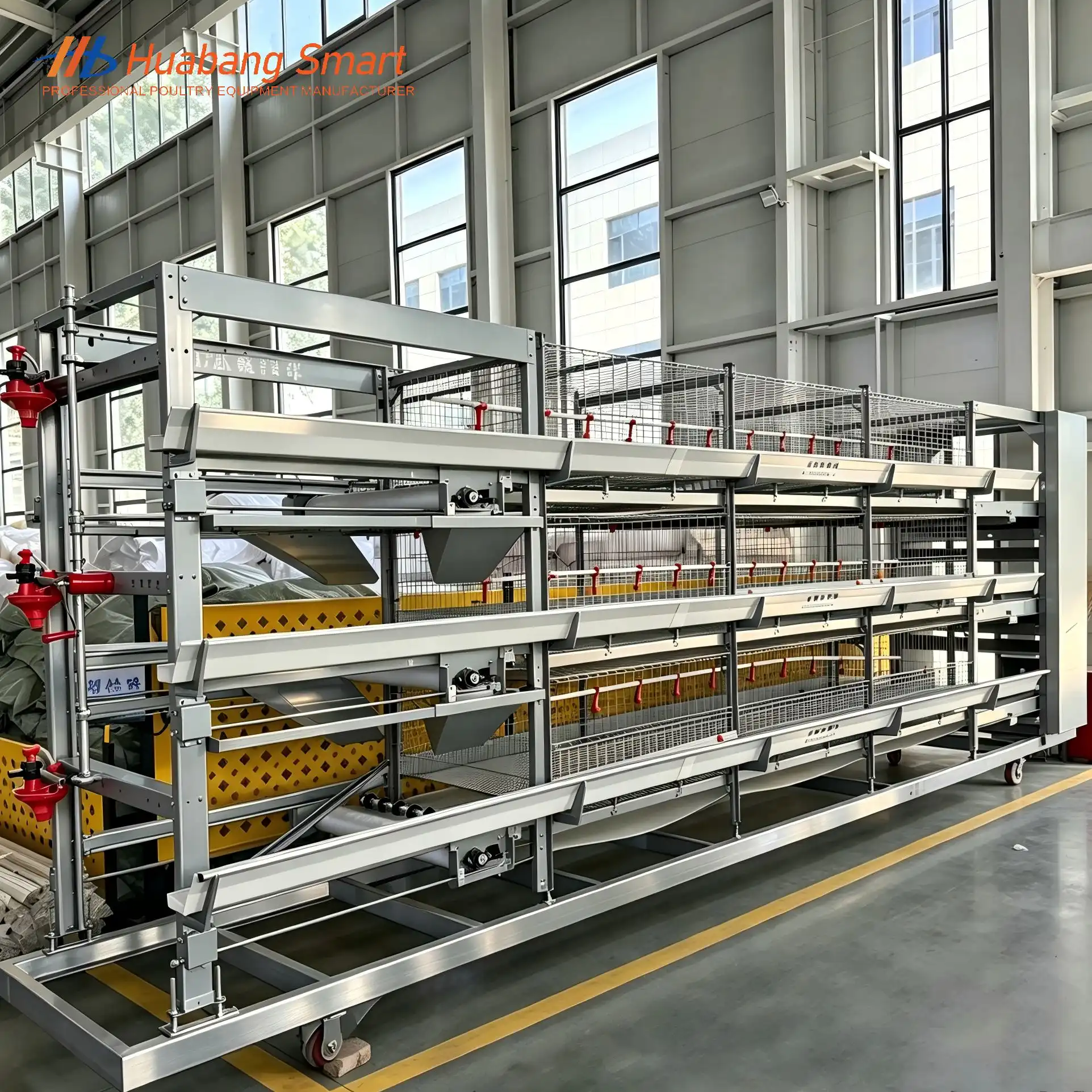
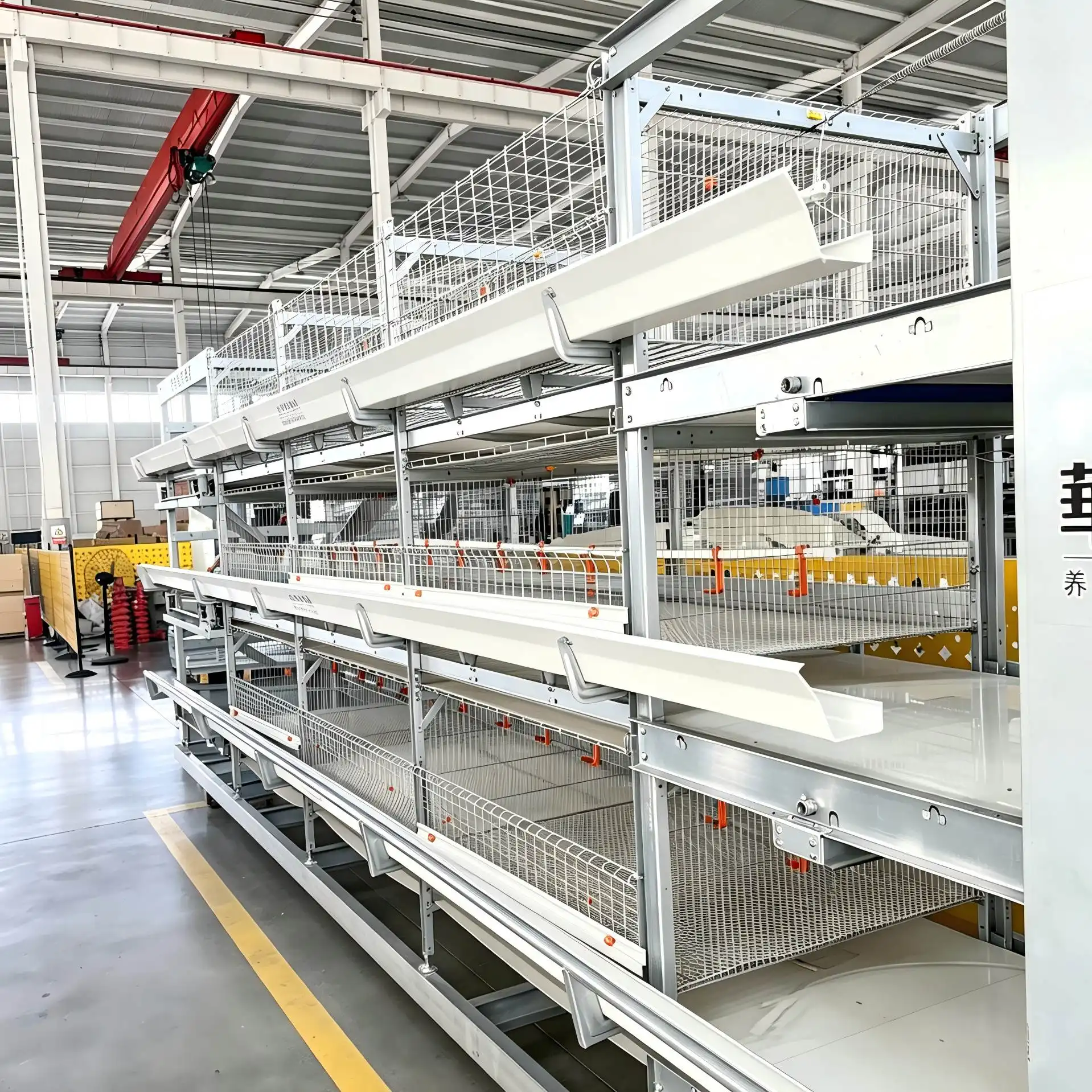
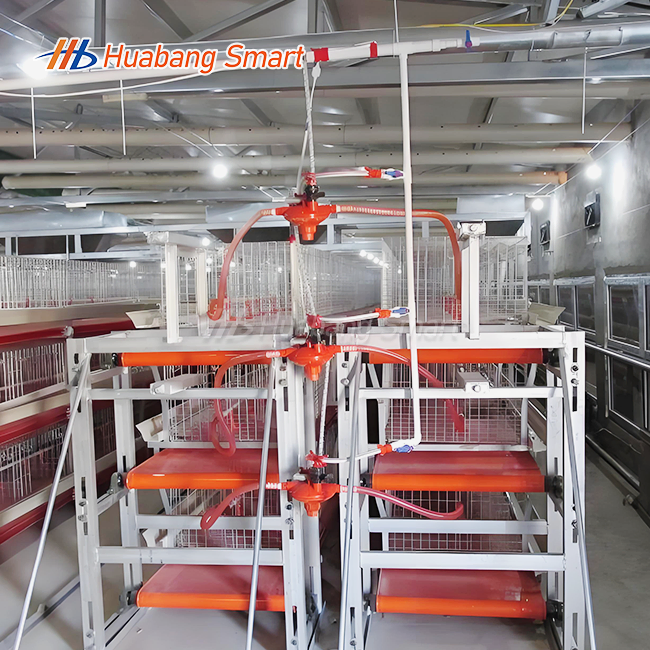
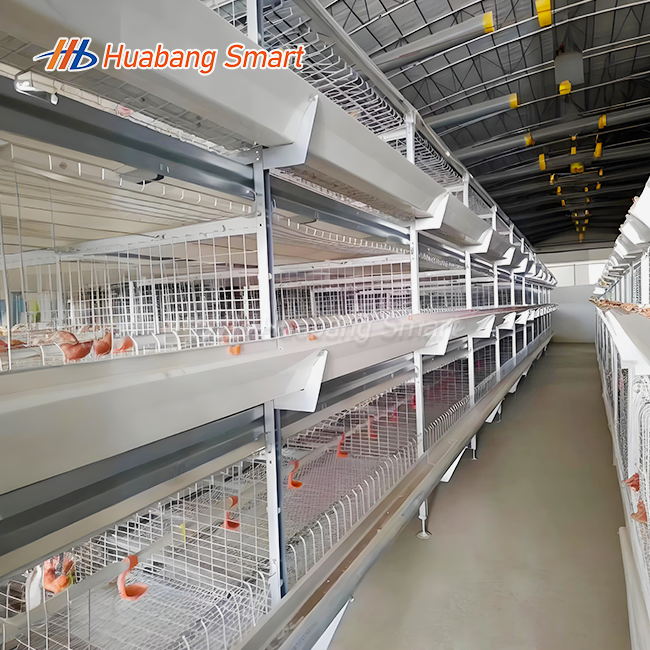
An automatic broiler cage system is a house structure with several levels, usually in the shape of an H. It combines mechanical and computer parts to control every important part of raising broilers. Instead of being raised on the ground like in traditional farms, birds are kept in stacked rows of cages where food, water, manure removal, and air quality are all managed automatically by machines during normal business hours.
Key Design Components That Drive Efficiency
The core of the structure is made of Q235 hot-dip galvanized steel wire that has a 275 g/Ⅱ zinc coating. This makes it resistant to corrosion in a poultry house, which has a lot of ammonia and humidity. A standard-sized cage is 1.25 m x 1 m x 0.45 m, which can hold 15 to 25 birds per square meter. Each part of the cage has a 5 cm high ridge running down the middle. This lets air flow directly under the birds and keeps them from getting too hot in the summer.
How Automation Differs From Manual Cage Management?
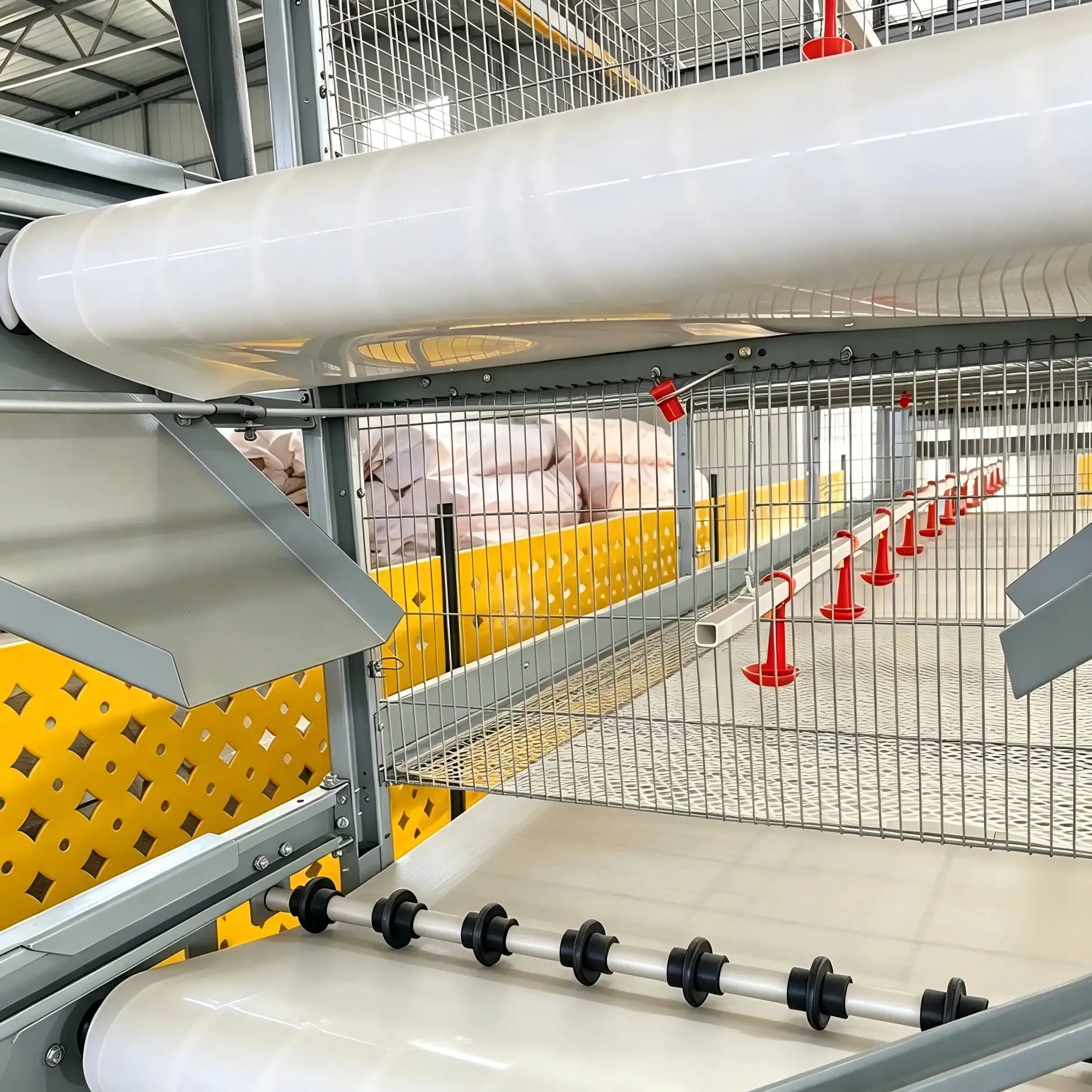
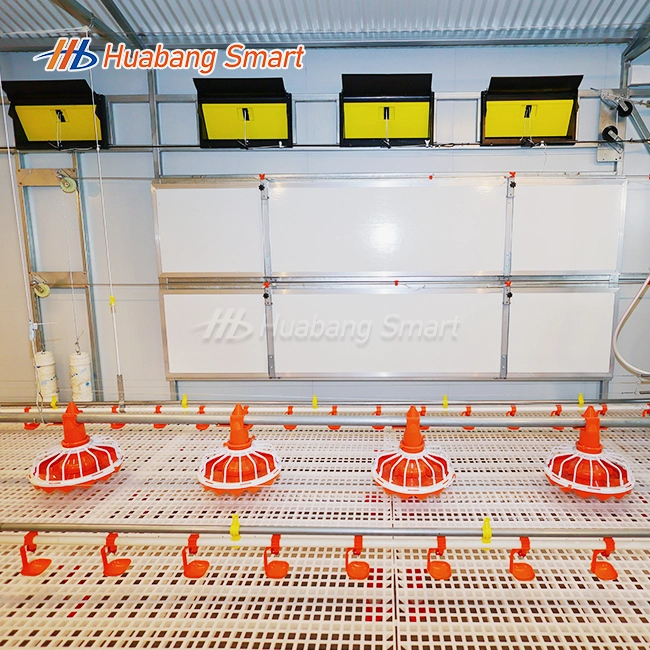
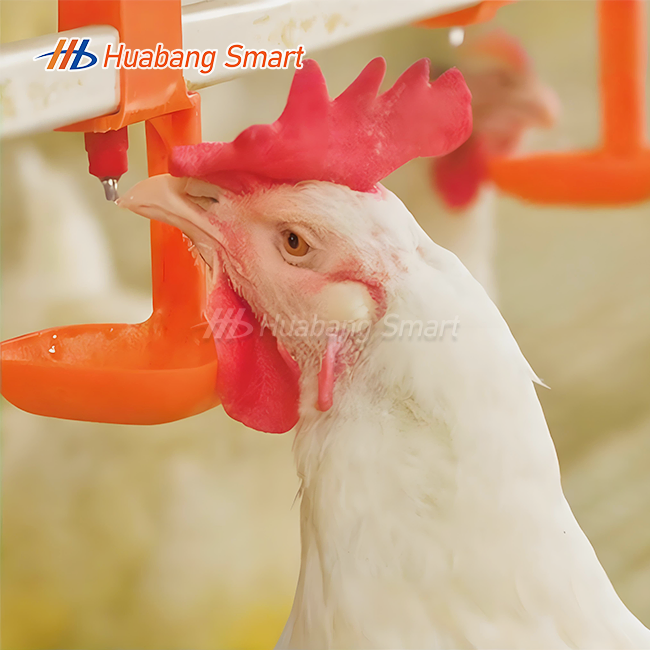
In a manual cage system, workers move feed carts, check on nipple drinkers one at a time, and shovel manure every day. All of those tasks are done by programmable machines that are part of an automated system. Traveling feed hoppers deliver exact amounts of food to each level at the same time; nipple drinking lines keep the water pressure steady; and plastic manure belts work on a 1- to 2-day programmable cycle and remove 98% of waste efficiently. As a result, the work profile has been significantly different since the first day of operation.
The Impact of Automatic Broiler Cage Systems on Reducing Farm Labor
Where Manual Labor Hours Accumulate?
According to studies published in the journal "Poultry Science," over 60% of daily work hours on conventional broiler farms are spent on tasks like feeding, managing litter, and keeping an eye on the weather. A floor farm with 50,000 birds might need a crew of 8–10 workers just to do the simple jobs. Using a manual model to grow means increasing the number of workers proportionally, which cuts into profits. Here are some specific ways an automated broiler cage system frees up labor time on a working farm:
How Automation Removes Those Hours?
Sensor-triggered climate control for a Chicken Cage Broiler Automatic: Temperature, humidity, and ammonia levels are tracked by real-time sensors. Ventilation fans and heating elements can be set to adjust themselves, so workers don't have to walk around the house and change the settings by hand all day.
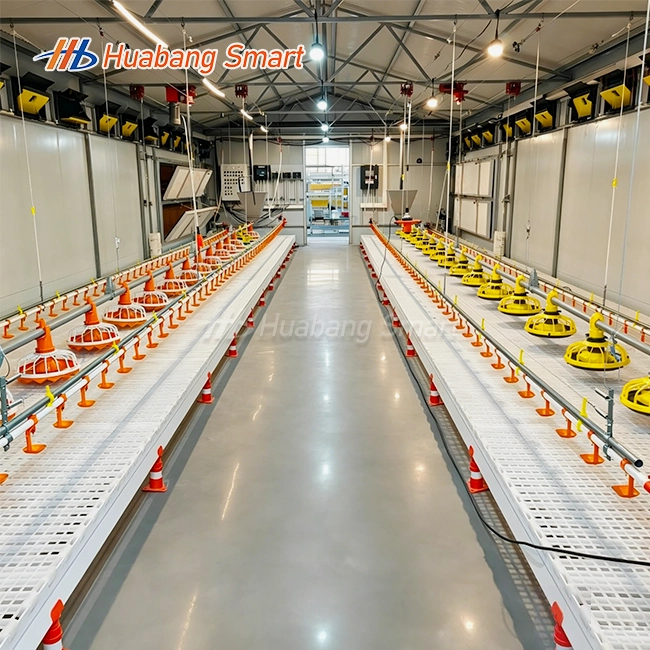
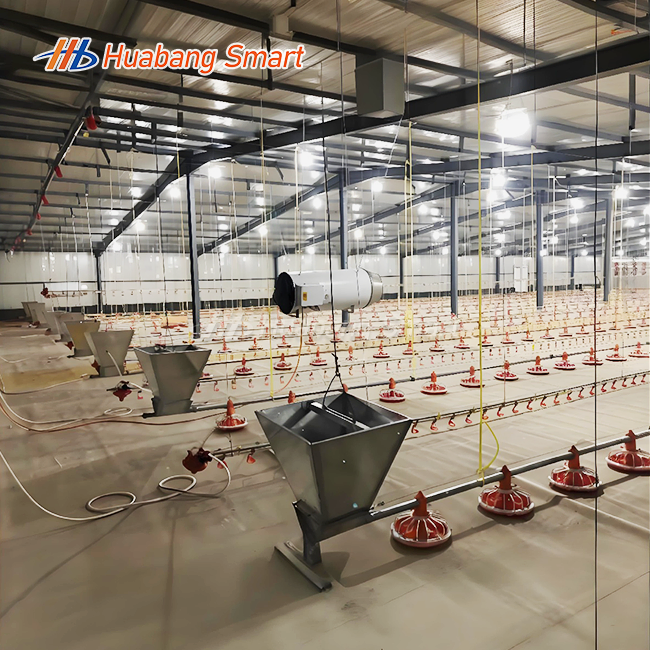
- Automated feed delivery: Traveling hoppers deliver measured portions to every cage row on a timed schedule, eliminating manual feed cart rounds and reducing feed wastage to below 1%. Workers no longer spend hours distributing feed across dozens of rows each day.
- Programmable manure belt operation: PP conveyor belts run automatically every 1–2 days, pulling waste away from the birds and into collection channels without any manual shoveling. Ammonia levels stay low, and the house environment remains stable between crew visits.
- Sensor-triggered climate control: Real-time sensors track temperature, humidity, and ammonia concentration. Ventilation fans and heating elements adjust automatically, removing the need for workers to walk the house and adjust settings manually throughout the day.
Together, these three methods save most of the daily work. For the same number of birds, farms that have fully automated their chicken coops say they need only two or three supervising staff instead of eight to ten workers.
Practically, this means that fewer people are needed for routine tasks, and those who are left can focus on checking on the health of the flock and planning production instead of doing physical maintenance.
Biosecurity as a Labor Multiplier
Birds that live in slatted cages above the ground don't come into close contact with manure. This stops the cycle of transfer for coccidiosis and other pathogens that are spread on the ground. This means that fewer diseases need to be treated, fewer medicated water treatments are needed, and fewer hours of work for veterinarians. Death rates drop from 5–7% in floor systems to less than 3% in cage designs. This is a change that has a direct and measurable effect on how much money the company makes each production cycle.
Comparing Automatic vs. Manual Chicken Cage Broilers for Procurement Decisions
Operational Efficiency Side by Side
Manual broiler cage systems are cheaper to buy, but they need more steady daily work, produce more waste (usually 3–5% of the feed), and need more frequent medical attention for diseases because the environment isn't always controlled properly. Automatic systems need more money up front, but they produce consistent results, improve feed conversion rates by up to 8%, and have been shown to cut labor costs by 70% or more in commercial settings.
Cost-Benefit Analysis for B2B Buyers
Depending on wage rates in the area, the difference between a manual and an automated cage system for a 30,000-bird operation can be more than $80,000 USD per year in labor costs. Feed savings from waste rates below 1% are another item that can be measured. When procurement teams do a 3–5 year total cost of ownership calculation, automated systems always have a faster payback time than their purchase price suggests. This is especially true for businesses in places where the cost of labor for agriculture is going up.
Energy Consumption and Capacity Considerations
Motors, sensors, and ventilation tools that are part of a Chicken Cage Broiler Automatic system do use energy. But the accurate environmental control they offer lowers bird stress and improves growth consistency, which lowers the energy-per-kilogram-of-meat-produced ratio compared to manual housing that doesn't have enough airflow. With modular tier configurations that range from 3 to 8 tiers, procurement teams can perfectly match the system's capacity to their bird count and building footprint.
Maintenance and Operational Considerations for Automatic Broiler Cage Systems
Essential Routine Maintenance Tasks
Automatic broiler cage systems need to have the tension on the belts, the drive chains for the hoppers, the pressure regulators for the nipple drinkers, and the sensors calibrated on a regular basis. When done once a week, most of these checks only take minutes. The hot-dip galvanized steel frame, which is made to a 275 g/Ⅱ zinc standard, doesn't rust for 15 years or more under normal use, so it doesn't need as much upkeep as painting or aluminum-coated steel frames.
Troubleshooting Common Technical Issues
The most common problems with automated chicken coops are feed hoppers getting clogged up because the pellets aren't all the same size and belts slipping because they aren't tight enough. Both issues can be easily fixed mechanically, and Huabang Smart includes clear installation instructions, video tips, and on-site setup help in their installation materials.
Staff Training and Supplier Support
Structured training is needed to move a farm crew from human to automatic management. Huabang Smart offers on-site installation help, operational training for farm staff, and ongoing technical support from afar. The international warranty lasts for one year and covers both parts and system performance. The engineering team of the company is also available for consultations after installation to help farms get the most out of each production cycle.
Procuring Automatic Broiler Cage Systems: What B2B Clients Need to Know?
Identifying a Reliable Manufacturer
Purchasing managers should check if sellers have ISO9001 and CE certifications, how long they've been in business, how many patents they have, and how many times they've exported goods. Shandong Huabang Agricultural And Animal Husbandry Machinery Co., Ltd., which does business as Huabang Smart, has been making smart livestock equipment since 2012. It has 49 core technology patents and has sold systems to customers in over 100 countries in Africa, Southeast Asia, Europe, and the Middle East.
Customization Options for Different Farm Profiles
There is no such thing as a farm with the same facilities or weather. The engineers at Huabang Smart use customer drawings or site visits to set up the cage's height (0.45 m, 0.48 m, or 0.5 m), number of tiers (3–8 tiers), ventilation layout, and feed system capacity. OEM and ODM production is supported, so EPC contractors and distributors can choose systems that are perfect for the needs of their specific projects.
Purchasing Models and International Logistics
Customers in the business-to-business (B2B) market can buy products by contacting the plant directly. The normal production time is 30 to 60 days. Before they ship, Huabang Smart gives you a lot of information, like configuration lists and training video files. For deployments overseas, on-site installation teams are available. This is a big practical benefit for foreign projects where local technical ability may be limited.
Conclusion
The biggest cost issue in commercial chicken production that keeps coming up is labor. Chicken Cage Broiler Automatic systems solve this problem. These systems replace daily tasks like feeding, cleaning, and adjusting the temperature with programmed, sensor-driven machines. This cuts the need for workers by up to 70% while improving biosecurity, feed economy, and bird uniformity. The data is clear for procurement professionals looking at long-term farm investments: automated poultry housing gives measurable returns within a realistic payback window. Huabang Smart's H-type cage systems are designed to meet these needs on a wide range of farms, in a variety of climates and with different operational needs.
FAQ
How does an automatic broiler cage system improve feed conversion rates?
Precision feed hoppers deliver exact amounts of food at set times, so birds don't have to compete for food and waste is kept to less than 1%. The controlled climate also makes birds use less energy to keep their bodies at the right temperature, so they can put more of their food toward getting bigger. The combined effect usually makes the feed conversion ratio up to 8% better than with floor-raising systems.
What is the expected lifespan and warranty coverage?
The cage systems made by Huabang Smart are made of Q235 hot-dip galvanized steel with a 275 g/ zinc coating. This gives the structures a lifespan of at least 15 years. There is a world warranty on parts and function for one year on each system.
Is the system compatible with existing farm management software?
Yes. Standard data output protocols let the centralized tracking interface work with systems for managing farms. Your current digital dashboards can get real-time information on how much feed is being eaten, how much water is being taken in, and readings from the surroundings.
How often does the manure removal belt need to run?
The PP manure belts should be run every one to two days, which is what the industry does and what Huabang Smart suggests. This schedule keeps the ammonia levels in the house below what is safe and the environment stable between cleaning cycles.
Can the drinking lines deliver medication?
Yes. The nipple drinking lines work with inline medicators (Dose-a-tron type) to make sure that vaccines, electrolytes, and vitamins are delivered precisely during certain stages of production.
Get a Custom Quote From Huabang Smart — Your Trusted Chicken Cage Broiler Automatic Supplier
Since 2012, Huabang Smart has been creating and making automated chicken coops. The company has 49 patents, ISO9001 and CE approvals, and a track record of exporting to more than 100 countries. Our engineering team will make a site-specific configuration and quote for you, whether you are looking for a Chicken Cage Broiler Automatic system for a new farm or to improve an old one. To get your custom plan right away, email us at admin@huabangsmart.com or go to poultrycage.com.
References
1. Xin, H., & Zhao, Y. (2020). Poultry Science — Environmental control and welfare outcomes in multi-tier broiler housing systems.
2. National Chicken Council. (2023). U.S. Broiler Industry Statistical Report — Annual labor and production cost benchmarks.
3. Dawkins, M. S., Donnelly, C. A., & Jones, T. A. (2004). Nature — Chicken welfare is influenced more by housing conditions than by stocking density.
4. Gates, R. S., Casey, K. D., & Xin, H. (2009). Biosystems Engineering — Ammonia emissions from poultry housing: measurement methods and mitigation strategies.
5. Food and Agriculture Organization of the United Nations. (2022). FAO Animal Production and Health Paper — Intensification trends and biosecurity in commercial poultry production.
6. Shepherd, E. M., & Fairchild, B. D. (2010). Poultry Science — Footpad dermatitis and feed conversion in broilers managed under automated versus manual litter systems.

USER EVALUATE
Here is the customer's evaluation of us
YOU MAY LIKE
 VIEW MOREAutomatic Chicken Feeder And Waterer
 VIEW MOREFeeder And Drinker For Chicken
 VIEW MORELayer Chicken Feeder
 VIEW MOREMobile Chicken Coop Tractor With Wheels Nest Boxes
 VIEW MORELarge Mobile Chicken Coop
 VIEW MOREFully Automatic Broiler Chicken Cage
 VIEW MOREPoultry Chicken Broiler Cage
 VIEW MOREAutomatic Water Feeder For Chicken