
How Chicken Cages Egg Layer H Type Support Automated Feeding Systems
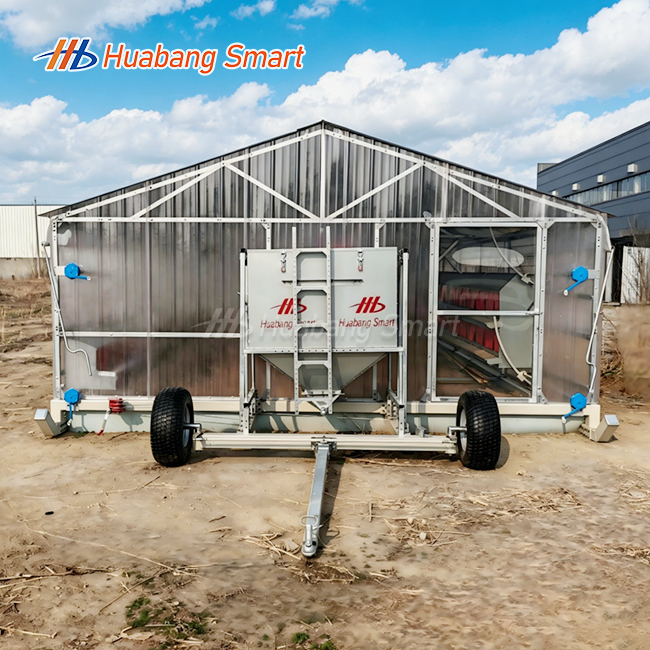
Chicken Cages Egg Layer H Type help automatic feeding systems work by stacking cage levels on a rigid galvanized frame that keeps feed troughs, conveyors, and drive units in the same place every time. The feed moves on a set schedule from a hopper to each level of the distribution line. This way, each hen gets the same amount of food without having to have staff carry it along long rows. At Huabang Smart, we make these systems with 275 g/m² hot-dip galvanized steel and tipping-type feeding. We also add egg collection, nipple drinking, and manure belts to go with them. This article tells you how to judge a project and how the parts fit together.
Why Are H-Type Layer Cage Systems Designed for Automation?
What Defines an H-Type Layer Cage System?
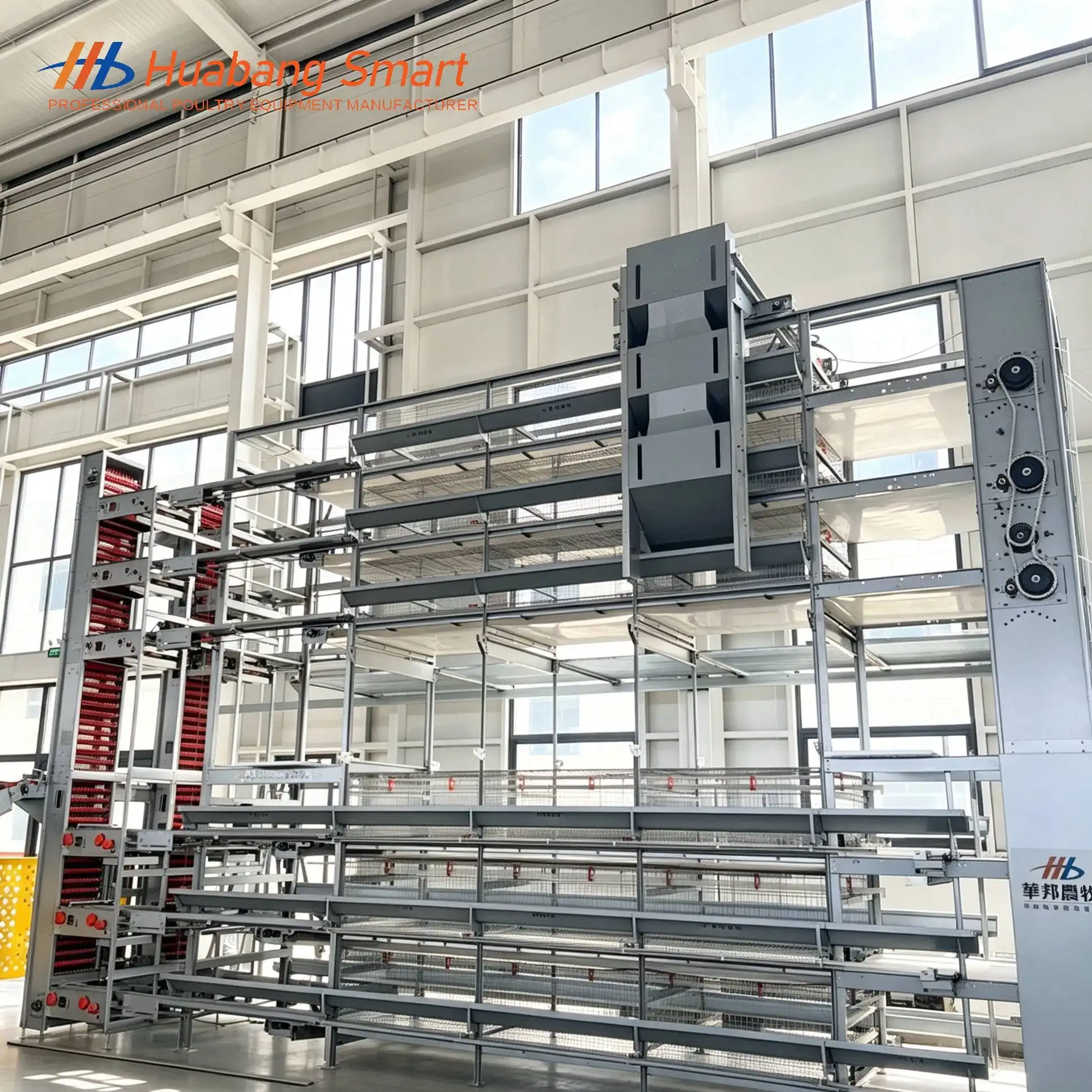
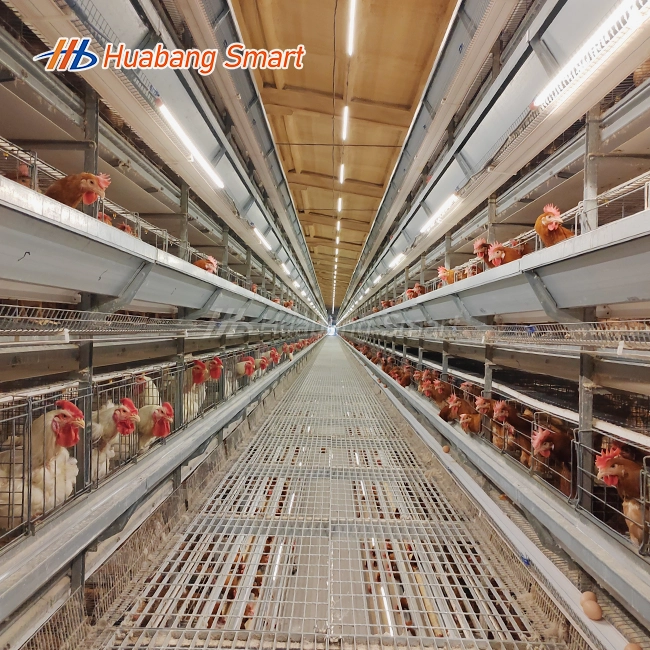
Two levels of cages are stacked on top of each other on an "H"-shaped frame made of reinforced steel. Rows are stacked one on top of the other, and service aisles stay open for maintenance and inspections. There is a feed trough, a drinking line, an egg collection area, and a manure belt on each level. One feeding plan can serve the whole block because the layout is the same on each level. Capacity changes based on the number of tiers, the length of the rows, the size of the house, and the rules in your area. Before placing your order, please compare the final number to building plans and breed guidelines.
Huabang Smart Specifications at a Glance
Our Chicken Cages Egg Layer H Type are made of aluminum-zinc wire mesh and Q235 steel that has at least 275 g/m² of zinc coating. The cages are 1.2 m x 1.2 m x 0.45 m, and each bird has 450 to 600 cm² of space. One set can hold 90 to 200 birds. People can pick from 3, 4, 5, 6, or 8 tiers. In ammonia environments, our specification says that frames should last 20 to 25 years. Our systems are certified by ISO9001 and CE, and they come with a one-year warranty.
Why Vertical Layouts Suit Automatic Feeding?
When equipment moves in a predictable way, automation works best. The feed line, trough, and drive hardware are all set at the same heights and distances in a stacked layout. This means that the conveyors and tipping-type distributors always go in the same direction. When housing animals by hand, workers have to walk down long rows and judge portions by eye, which means that animals in different cages get different amounts of food. It is also possible for even delivery when the structure is fixed and the trough is aligned. Because of this, we don't just sell cages; we also design the frame and feeding hardware to work together as a whole.
How Automated Feeding Works in an H-Type Layer Cage System?
The Feed Path from Hopper to Trough
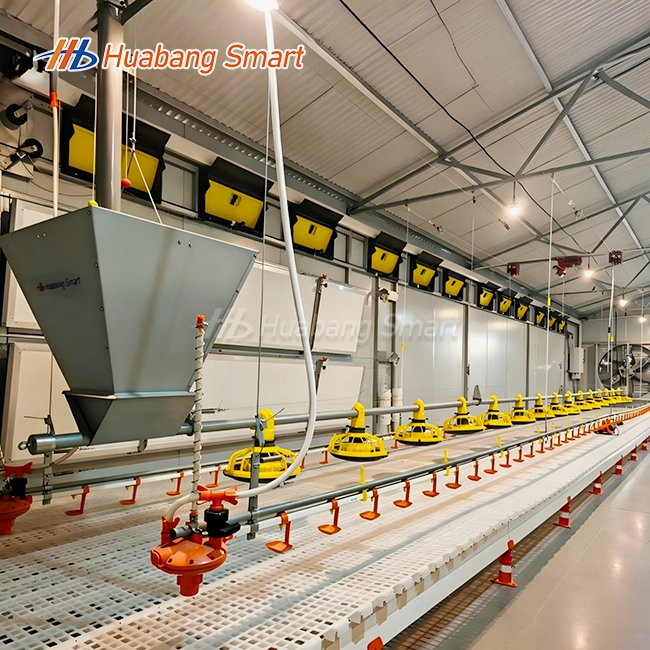
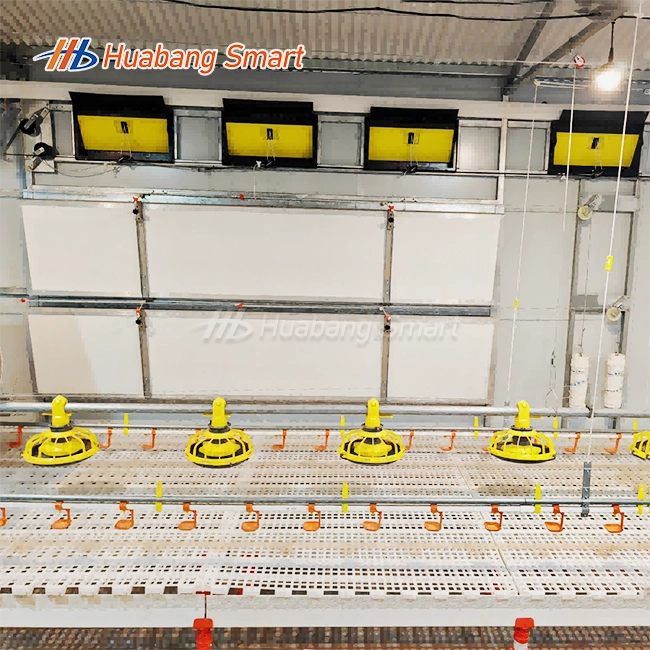
Through augers, conveyors, and distribution lines, feed gets to the troughs on each level. It starts in a silo or hopper. Motors, gearboxes, timers, sensors, and control panels work together to make sure that each delivery happens at the right time. The number of rows, the size of the flock, the length of the house, the type of feed, and how often it is fed must all be taken into account by the designers. As a result, birds at the far end of the house will get less food if the line is too short. We figure these numbers out when we design the layout so that each row and tier gets the amount of space it's supposed to have.
Tipping-Type and Gantry Distribution
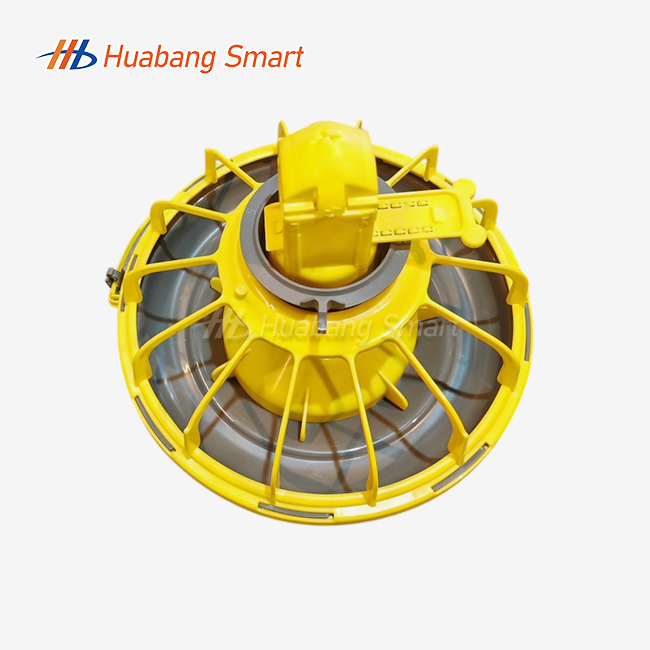
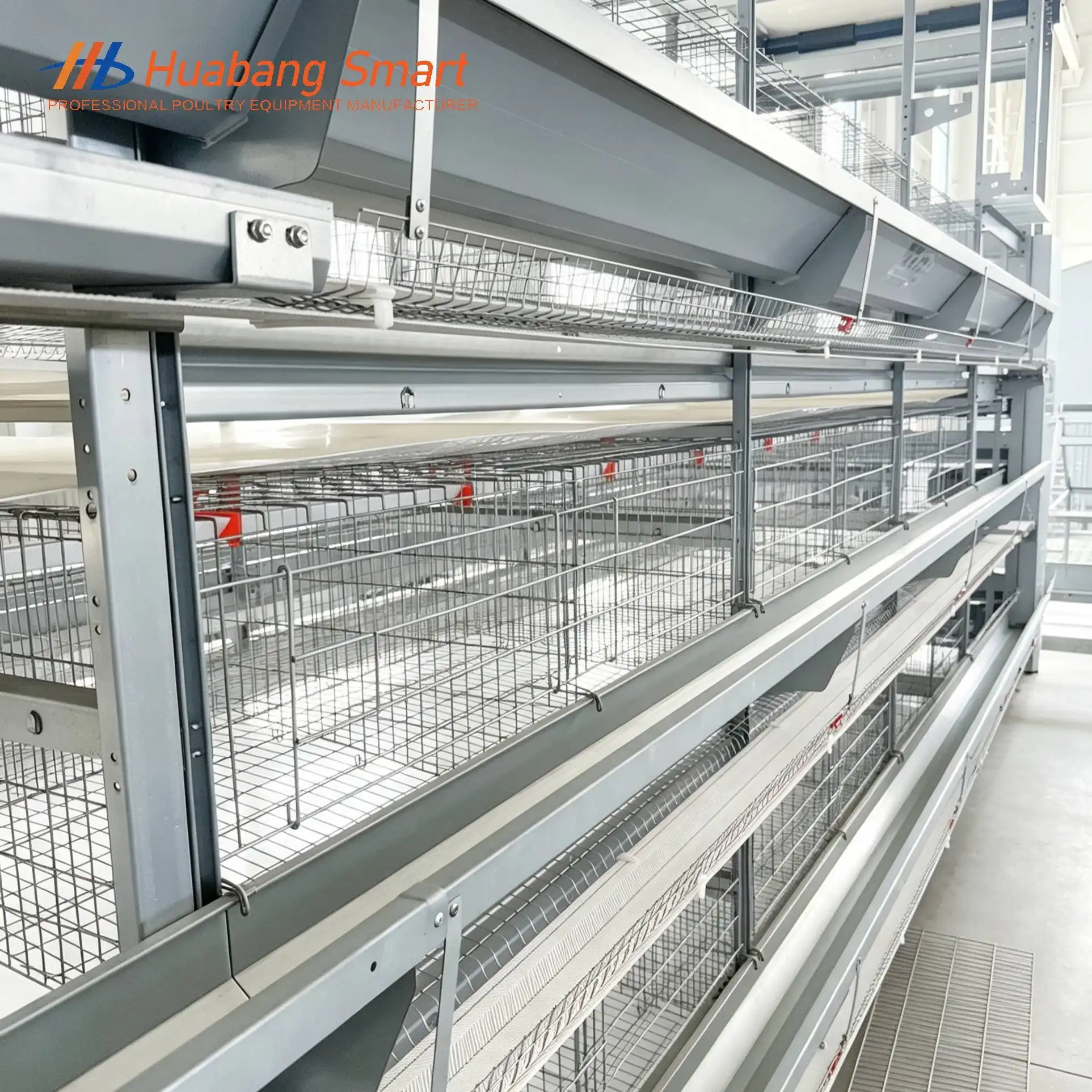
Automatic tipping distribution is used in our feeding system, and our technical specification also talks about gantry mechanisms that move along the rows. Both try to make sure that all levels get the same amount of nutrients while minimizing waste and spills. Uneven access to feed leads to uneven intake, so a consistent ration helps the flock do the same amount of work. At the control panel, operators set feeding times and amounts. They then look at records of consumption and flock size to see how they match up. We talk to each buyer about the choice of mechanism before production starts because it depends on the length of the house, the number of tiers, and the type of feed.
Integration with Drinking, Egg Collection, and Manure Removal
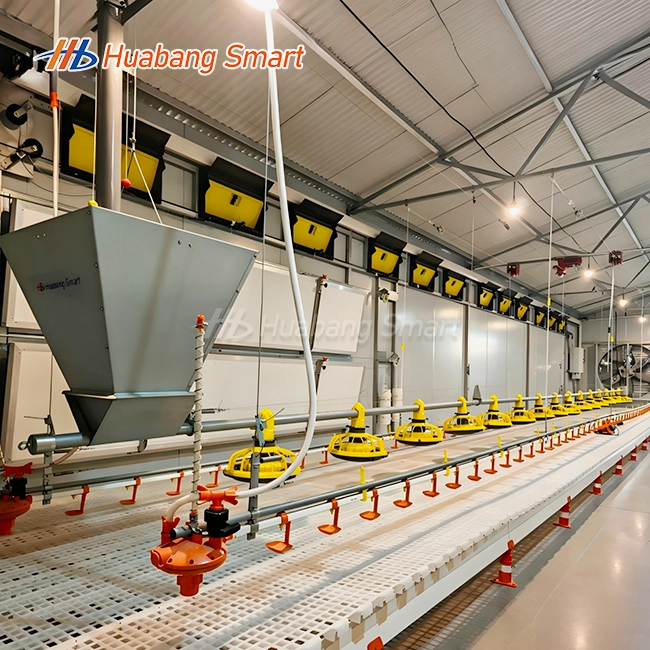
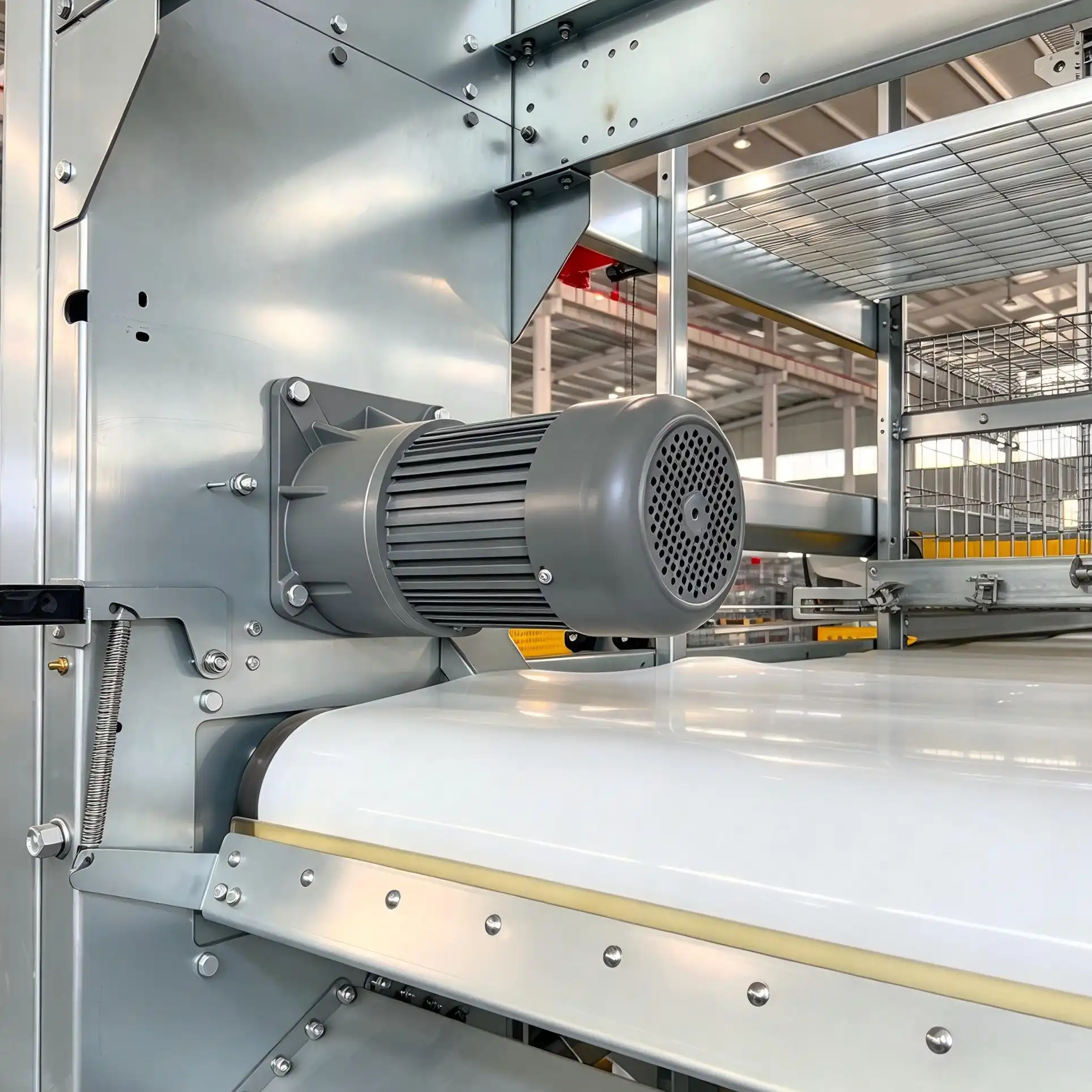
The act of feeding in a Chicken Cages Egg Layer H Type is one part of a larger daily cycle. The feeder in our system is paired with a pressure-controlled nipple drinking system, an automatic egg collection system, and high-tensile PP manure belts. Electricians and managers can control both sets of lines from one central location when they are run through the same frame. Temperature, humidity, ammonia levels, and feed consumption can all be tracked by optional PLC-controlled sensors. Staff can see the data on a mobile app or desktop dashboard. This link lets a manager see problems early on by comparing the amount of food fed to the number of eggs laid.
How H-Type Layer Cages Support Efficient Commercial Egg Production?
Labor Savings from Removing Repetitive Tasks
On a manual farm, it takes a lot of time to move cage rows, carry feed, and fill water troughs. Our specification says that up to 80% less work needs to be done when feeding, drinking, getting rid of manure, and collecting eggs are all done automatically. To get an idea of how much money they can save, we suggest that buyers figure out how many hours of work are currently being done before comparing proposals. After that, staff have to spend more time watching the flock, inspecting it, and checking the equipment, which can't be done by machines. For egg producers in the U.S., labor costs are very important, so this measurement should be used in any business case.
Egg Quality and Breakage Control
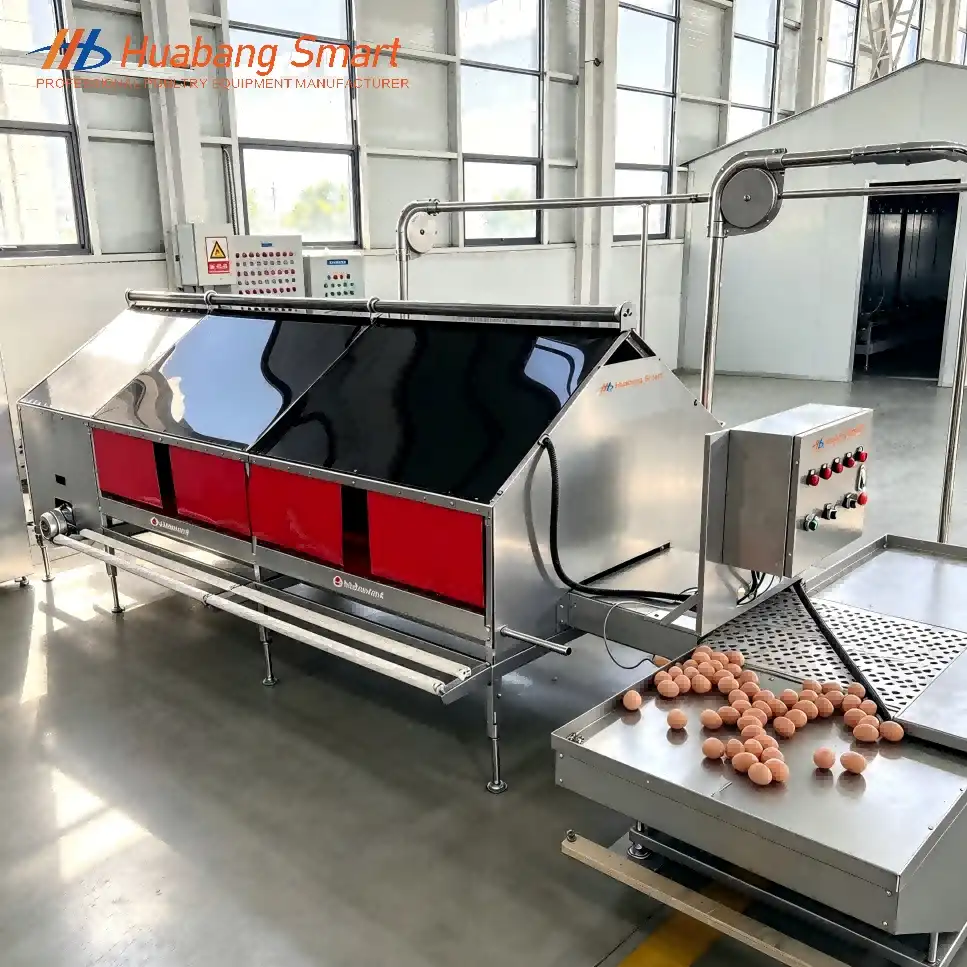
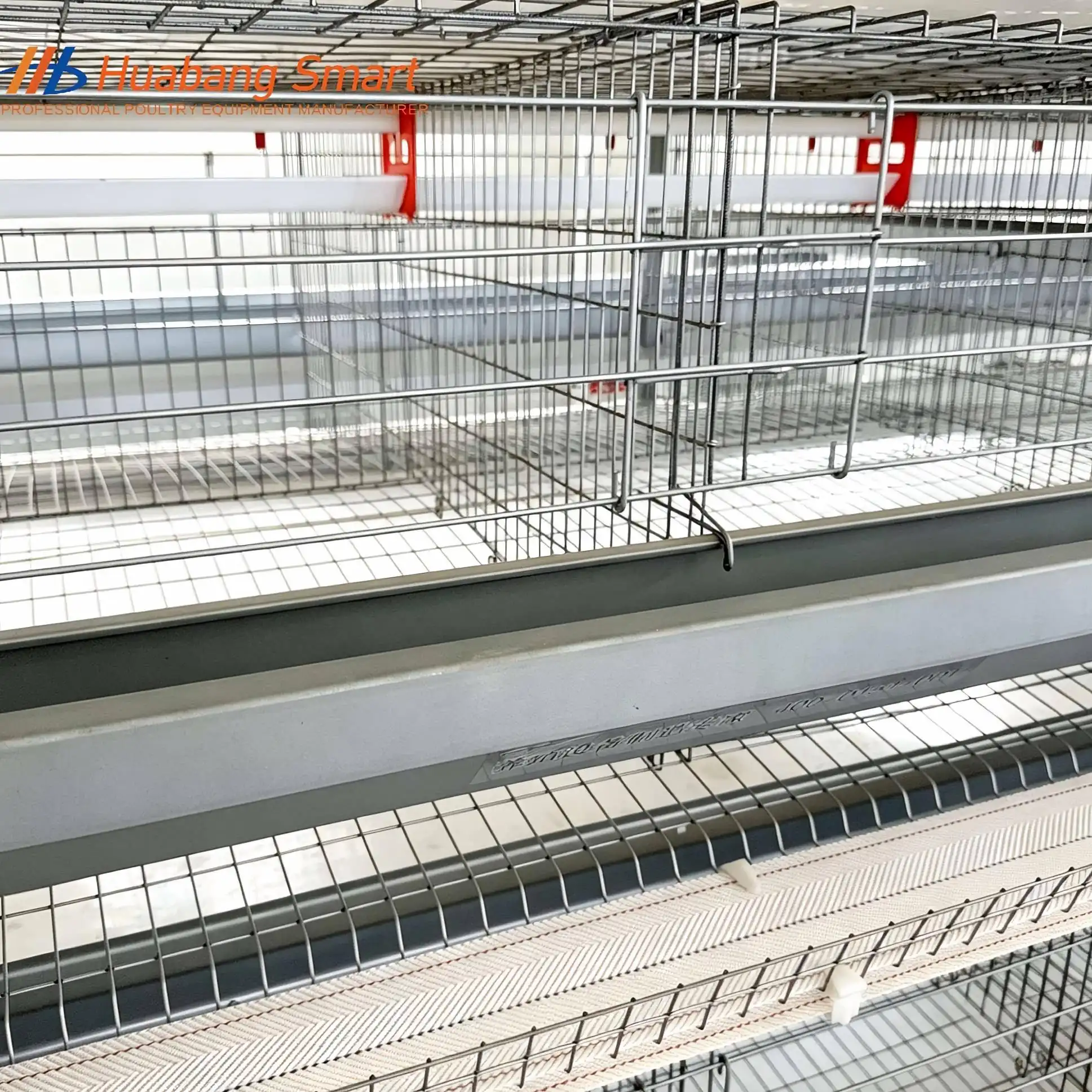
When eggs fall from the hen, they land on a bottom mesh that is sloped at 7 to 9 degrees. This makes the eggs roll gently onto the collection belt. According to our specifications, the rate of egg breakage should be less than 0.3%, and it should be up to 3% less than when eggs are collected by hand. We check surfaces by hand for burrs and sharp edges. This keeps birds from getting hurt or getting foot pad dermatitis. Bacteria can't grow on food-grade plastic trays or surfaces that are smooth. Clean, whole eggs get to grading with less work that needs to be redone, which keeps the revenue per dozen high.
Density, Ventilation, and Climate Fit
By stacking tiers, you can fit more birds inside a fixed-size building. Our configurations can house more than 100,000 birds in a single climate-controlled building. For higher densities, airflow, maintenance access, and manure control must be matched. We use tunnel ventilation and cooling pad technology in our systems, which works well in hot and humid places. For tropical, arid, or temperate climates, we can change the size and number of tiers in the barn. People in the U.S. should also look at their state's rules on hen housing. Before you finalize a design, make sure you know the housing standard that your market and egg customers follow.
H-Type Layer Cage Ventilation and Installation Requirements
Ventilation Planning Across Tiers
The air must be able to get to the upper and lower levels, the service aisles, the end walls, the manure areas, and the equipment zones. Heat buildup, moisture, ammonia, and uneven conditions between cage levels can all be caused by not enough airflow. These conditions are bad for hens and steel. While manure belts help clean the air by removing waste from the house, ventilation is still the main thing that needs to be done. We suggest that you send us house plans early so that our engineers can line up the rows of cages with fans, air intakes, and cooling pads. Then, during operation, optional sensors keep an eye on the temperature, humidity, and ammonia levels.
Installation and Commissioning Steps
Building measurements and approved technical drawings are needed before the installation of a Chicken Cages Egg Layer H Type can begin. Then, the crews put together the frame, put the cages in place, set up the feed and water lines, add the egg and manure systems, finish the electrical connections, and do a full commissioning. Before the birds come, the people who work there should check the troughs, motors, sensors, emergency stops, feed alignment, and electrical compatibility. They should also make sure that the feed is evenly distributed across all rows and levels. We help with planning the site, making detailed configuration lists, making video installation guides, installing the equipment on-site, and teaching people how to farm. Our production cycle lasts between 30 and 60 days, which buyers should add to the timetable for building.
Manual or Automatic: Choosing the Right Level
Manual H-type cages can work for small farms, short rows, low-budget areas, or places with bad electrical infrastructure, but they need more work and make feeding more varied. Automatic systems work well on large farms, long rows, projects with more than one house, and places where workers are limited. Buyers can pick a system that only feeds, one that feeds and waters, or a full system that collects eggs and gets rid of manure. Not only the price of the cage, but also the cost of labor, maintenance, and plans for growth. A cheaper system that needs to be fixed or fed by hand more often may end up costing more in the long run.
Selecting a Supplier and Planning the Procurement Process
What to Verify in a Manufacturer?
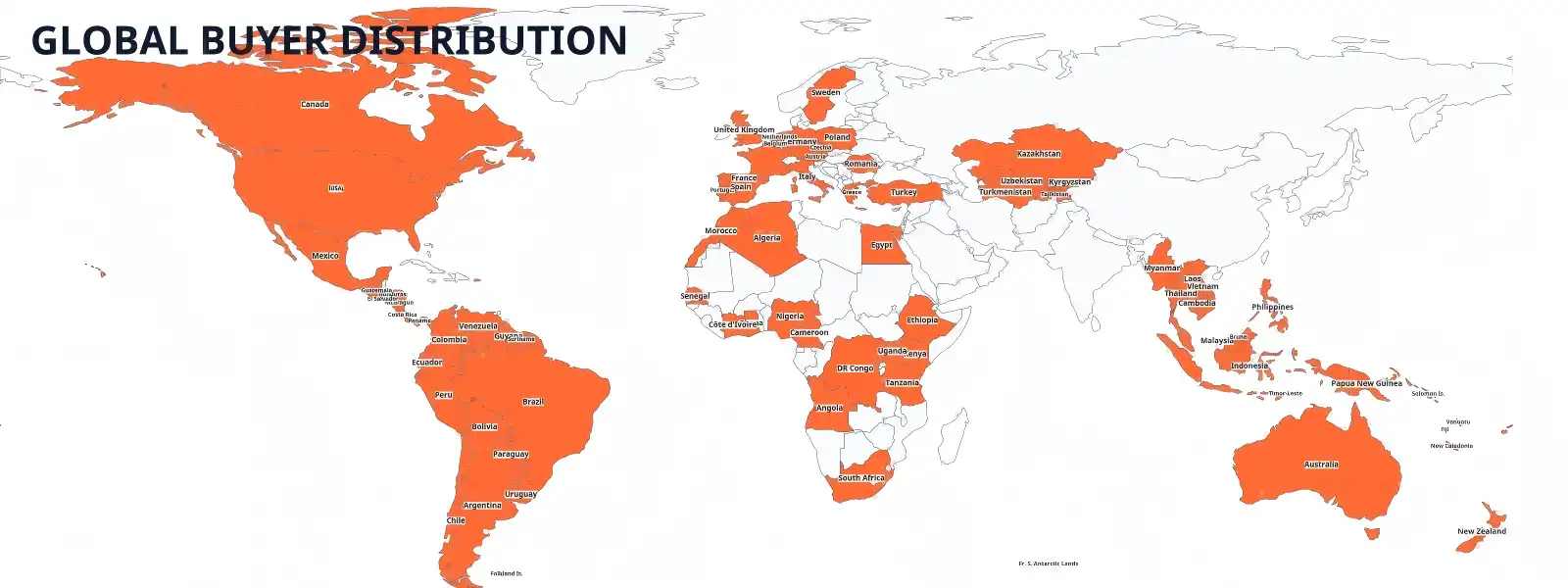
A reliable manufacturer gives technical drawings, capacity calculations, material specifications, equipment lists, information on feeding, power needs, and maintenance instructions. Find out how the supplier checks the quality. We use electromagnetic thickness gauges to check the zinc coating against ISO 1461 and also inspect surfaces by hand, test the tracking of the manure belt, and make sure that the egg elevator and cross-conveyor are working together properly. Find out about their experience exporting, spare parts, warranty, and training as well. We've been making things for 17 years, have 49 core patents, and have customers in more than 100 countries. We can also do OEM and ODM work from your drawings.
Common Problems and How to Avoid Them
Most issues can be traced back to poor planning. People will be crowded if they choose a capacity without checking the building's dimensions, aisles, or airflow. Feed distribution is bad when troughs aren't level, conveyors aren't lined up right, motor settings are off, and supports aren't strong enough. Automation also doesn't get rid of the need to inspect, clean, check the feed level, and watch the birds every day. For maintenance, we suggest that the drive motors be oiled once a week and that the tension on the manure and egg belts be checked once a month. Add up the total cost of energy, labor, spare parts, and installation. A cheap purchase price isn't worth much if the equipment is hard to keep up or doesn't fit the layout.
Recommended Procurement Steps
Set the flock size, house size, tier count, labor availability, climate, and level of automation as a first step. Then, ask for a proposal that is tailored to your project and includes layout drawings, lists of equipment, capacity calculations, feeder specifications, power needs, ventilation notes, a delivery schedule, and shipping information. Talk to the supplier about the voltage and frequency in your area, and then compare quotes for the same equipment. Set up who will do the installation, commissioning, operator training, spare parts, and warranty terms before you sign. With our sample service, customers can check out the quality of our work before placing a larger order.
Conclusion
The stacked, repeatable frame of the Chicken Cages Egg Layer H Type lets feed lines, troughs, and drive units stay in the same place, so a hopper-to-trough system can deliver food on time to each level. When used with nipple drinking, egg collection, and manure belts, the same structure cuts down on repetitive work and keeps egg quality high thanks to a sloped mesh and a low breakage rate. Planning the ventilation, installing it correctly, and managing it every day are still necessary for getting good results. This is because automation helps trained staff instead of replacing them. When deciding between manual and automatic systems and suppliers, you should look at how much they will cost over their whole life, how well they test, and how good their customer service is. A layout that fits the size of the house, the weather, and the rules in the area makes sure that commercial egg farms have organized production and consistent feeding.
FAQ
How does an H-type system deliver feed to every tier?
The feed goes from a hopper to the troughs on each level on conveyor belts and lines. Automatic tipping distribution is used in our system, and timers and control panels set each scheduled ration.
What happens during a power outage?
Professional installations come with automatic backup generators that keep the ventilation and manure belts running, as well as manual overrides for feeding in case of an emergency. We plan for backup power while designing the layout.
What maintenance does the system need?
We suggest that the drive motors be greased once a week and that the tension on the manure and egg collection belts be checked once a month. Troughs, sensors, and birds still need to be checked every day.
How long does the frame last?
Our specification says that 275 g/m² hot-dip galvanizing will last for 20 to 25 years in ammonia environments. In real life, cleaning habits and house conditions affect how things go.
Request a Project-Specific Chicken Cages Egg Layer H Type Proposal
Are you building a layer house and need a manufacturer of Chicken Cages Egg Layer H Type? As a source factory that is certified by both ISO9001 and CE, Huabang Smart provides OEM/ODM customization, samples, installation help, and farming instructions. Email your house's size, number of birds it can hold, number of tiers, and where it's going to ginny260831@gmail.com or huabangsmart002@gmail.com, and our team will make a layout and list of equipment for you. To learn more about the product, go to poultrycage.com.
References
1. International Organization for Standardization, ISO 1461: Hot-dip galvanized coatings on Fabricated Iron and Steel Articles, 2022
2. International Organization for Standardization, ISO 9001: Quality Management Systems – Requirements, 2015
3. Council of the European Union, Council Directive 1999/74/EC Laying Down Minimum Standards for the Protection of Laying Hens, 1999
4. European Parliament and Council of the European Union, Machinery Directive 2006/42/EC, 2006
5. United Egg Producers, Animal Husbandry Guidelines for U.S. Egg Laying Flocks, 2017
6. USDA National Agricultural Statistics Service, Chickens and Eggs, 2024

USER EVALUATE
Here is the customer's evaluation of us
(1)_1793063908900.webp)