



How to Choose a Chicken Tractor for Egg Layers on Uneven Ground
Choosing the right mobile poultry housing for laying hens on uneven terrain requires careful attention to structural stability, material durability, and terrain adaptability. A well-specified chicken tractor for egg layers must maintain balance on sloped or irregular ground without compromising bird welfare or daily egg yield. This guide walks commercial farm operators, procurement managers, and EPC contractors through the key selection criteria, maintenance practices, and sourcing strategies needed to make a confident, ROI-backed purchasing decision.
Understanding the Challenges of Uneven Ground for Egg Layers
It's hard for mobile laying systems to work on ground that isn't level or sloped. You can pick the right tools from the start if you know about these issues ahead of time.
Stability Risks on Sloped Terrain
If you set up a mobile coop on uneven ground, the frame will be under different amounts of load all the way through. It's more likely to tip over this way, especially when moving. Standard units with flat bases can move on slopes greater than 5 degrees if birds or wind push on them. This puts stress on the structure, which makes the equipment last less long.
How Terrain Stress Affects Egg Production?
Laying hens are very aware of when things change around them. A study published in 2019 in the journal Poultry Science found that hens' cortisol levels rise when they are on floors that aren't level and when they are moved quickly. This directly makes them lay fewer eggs. There are more signs of flock stress on farms that work on uneven ground and don't have stable housing.
Drainage, Soil Type, and Weather Exposure
Clay-rich soils soak up water and become unstable when it rains, causing wheels and skids to sink. Where two frames meet, sand or rocks in the ground make the rust happen faster. Since these things happen and the weather freezes and thaws every season, frames need to be made of 275g hot-dip galvanized steel instead of materials that are painted or powder-coated.


Core Criteria to Consider When Choosing a Chicken Tractor for Egg Layers on Uneven Ground
A well-matched unit is not the same as an expensive mistake in a number of ways. Any team that buys something should look at these things before they sign a purchase order.
Frame Material and Corrosion Resistance
Every mobile laying system is made up of a frame. It has a 275g/m² hot-dip galvanized steel frame and an aluminum-zinc-coated screen. It is made by Huabang Smart. Normal welded-wire frames break down in three to five years when they are exposed to groundwater, manure, and the heat of the coast. On the other hand, this specification doesn't rust. Because the steel is 3 mm extra-thick, the machine will last longer than 15 years.
Wheel Design and Mobility on Irregular Ground
One person can move a Chicken Tractor For Egg Layers on a lot of different surfaces thanks to the four-way wheels, flat-proof tires, and greaseable hubs. Testing for mobility and ergonomics shows that a well-made unit should need less than 25 pounds of lateral force to move. This means that daily rotation cycles should be easier on the body. It's also important to have ground legs that can be adjusted. This keeps the unit level on slopes and stops eggs from rolling out of the cage when the floor is out of level.

Integrated Automation for Commercial Efficiency
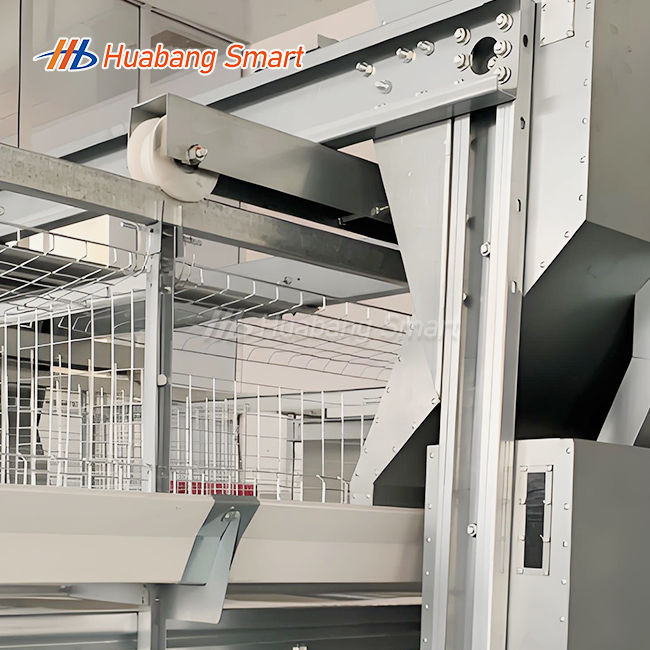
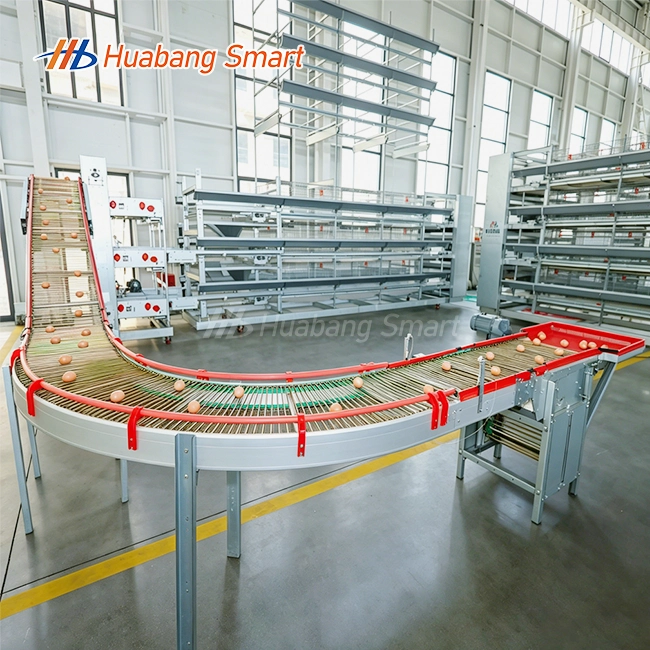
It is hard to feed, water, and collect eggs by hand on sites that aren't level when the entryways aren't straight. Huabang Smart's device cleans dung, collects eggs, and delivers food all by itself in a small 120 × 120 × 45 cm area. Up to 80% less work has to be done because of this automation, and only 0.3% of eggs break. This is a clear benefit for operations that care more about steady yield than losses due to terrain.
If you want to know if a mobile laying unit works well on rough ground or needs a lot of maintenance after just one season of use, look at its material strength, how it's designed to move, and how automated it is.
Comparing Chicken Tractors to Alternative Housing Solutions for Uneven Ground
Not every housing solution suits sloped or irregular sites equally. Understanding how mobile units compare to fixed-structure alternatives helps procurement teams justify the investment.
Mobile Tractors vs. Stationary Coops
Stationary coops require site leveling, concrete footings, and drainage infrastructure — all of which add cost and construction time on uneven ground. Mobile laying units eliminate that groundwork. They rotate across pasture sections, distributing nitrogen-rich manure evenly, which improves soil fertility without chemical inputs. This makes them particularly attractive for organic certification programs and regenerative farming operations across the US.

Lightweight vs. Heavy-Duty Units
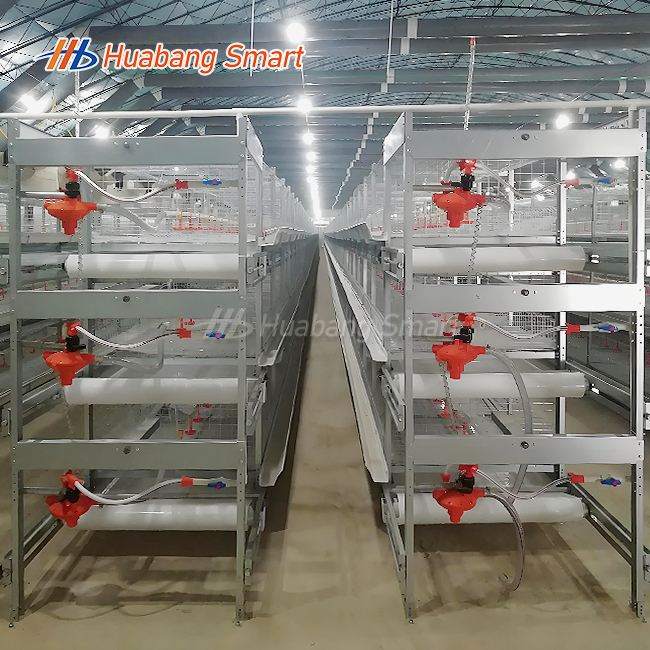
Lighter aluminum-frame units move easily but flex under heavy flock loads or high wind. Heavy-duty galvanized steel units offer structural rigidity and predation resistance — critical for commercial operations where flock security directly affects revenue. Huabang Smart's H-type layer battery configuration supports 90 to 200 chickens per set across 3, 4, 5, 6, or 8-tier arrangements, making it scalable for both mid-size farms and large-scale breeding bases.
Custom-Built vs. Pre-Manufactured Options
Custom configurations allow farms to specify dimensions, tier count, and automation features based on site conditions. Huabang Smart accepts full OEM/ODM orders, meaning buyers can submit drawings and receive a production-ready unit tailored to their terrain, climate, and flock management protocol — with delivery within 30 to 60 days.
Best Practices for Maintaining Chicken Tractors on Uneven Ground
Every tool breaks down after a while if it isn't taken care of regularly. Making a schedule will help you protect your investment and get the same amount of work done all year.
Weekly Inspection and Leveling Checks
You should check the wheel tire pressure, leg adjustment points, and mesh-to-frame link of a Chicken Tractor For Egg Layers every week to make sure they are all still good. The frames may not settle evenly between moves if the ground is soft or wet. The floor may tilt, making it hard for the eggs to roll in the cage as planned. The structure doesn't get stressed because the levelness is checked and fixed after every move.
Seasonal Preparation for Wet and Frozen Conditions
If you want to make sure all of your nuts are safe from rust before winter, use the ASTM B117 guides. Put an oil that is safe for food on all of the wheel hubs and hinge points. On the side of the unit that faces the wind, polycarbonate windbreaks keep the temperature inside stable and lower bird cold stress in subzero temperatures without blocking airflow.
Manure Management and Ground Rotation Schedule
When the unit isn't level, trash will pile up unevenly in the tray's lower parts because the ground isn't level. This creates areas with a lot of ammonia, which is bad for the hens' lungs. The unit is moved on a planned grid every one to two days. This keeps the ammonia levels safe and the field from getting too full.
Purchasing Guide: How to Source the Right Chicken Tractor for Egg Layers on Uneven Ground?
It's not enough to just compare prices to find the right tools for a sloped area. Procurement workers need to look at the supplier's skills, how they deliver, and how they help after the sale before they sign a deal.
Evaluating Supplier Reliability and Certifications
Look for businesses that are approved by ISO9001 and CE. These prove that they follow normal production rules and have experience sending goods to other countries. Huabang Smart has these two approvals and 49 patents for core technologies. This business has sold chicken systems to more than 100 countries in Europe, Southeast Asia, and the Middle East. In this way, they show that they can handle the export paperwork and processes that B2B buyers need.
Budgeting for Total Cost of Ownership
The unit cost is only one part of the total cost of the purchase. Shipping, setting up on-site, teaching workers, and getting extra parts are all part of the total cost of ownership. A lot of different services are available from Huabang Smart. These include planning the site, video installation guides, and help at the site in other countries. There are a lot of hidden costs that can make buying equipment abroad more expensive. These services cut down on those costs.
Partnering with Manufacturers Who Offer Turnkey Support
You don't always get a full picture of how terrain-adapted chicken systems work when you only buy one tool. It works better for buying teams to work with providers that offer configuration lists, help with system design, and training after the sale. The skilled workers at Huabang Smart help customers with everything, from planning the system to taking care of it after it's been set up. They make sure that business keeps going from the very first day.
Conclusion
Choosing a Chicken Tractor For Egg Layers for uneven ground comes down to three priorities: structural durability on irregular surfaces, automation that reduces terrain-related labor burdens, and a supplier who provides genuine post-sale support. Huabang Smart's mobile poultry housing, built with 275g hot-dip galvanized steel and aluminum-zinc coated mesh, meets all three criteria. With 17 years of manufacturing experience, ISO9001 and CE certification, and OEM/ODM customization capability, the company offers procurement teams a technically sound and commercially practical sourcing option for challenging terrain operations.
FAQ Does moving the unit daily stress the hens?
The Mobile Chicken Coop from Huabang Smart meets all three requirements. It is made of 275g hot-dip galvanized steel and aluminum-zinc coated mesh. The company has been making things for 17 years, has ISO9001 and CE certification, and can make changes based on OEM/ODM. They give buying teams a way to get supplies that is both technically sound and cost-effective for operations in rough terrain.
What flock size suits a 120 × 120 × 45 cm unit?
Between 90 and 200 chickens can fit in one set of Huabang Smart's base. It can hold anywhere from 3 to 8 people, depending on how many tiers it has. For bigger business activities, more than one machine can be set up in a coordinated grid across the same pasture area.
How often should the unit be repositioned on uneven ground?
Every one to two days; moving the unit keeps the ground stable and the field from getting too full. The wheels may need to be moved every day to keep the floor level inside the cage if the ground is very soft or wet.
What predator protection does the frame provide?
Professional-grade units have all mesh-to-frame links that can hold up against a 50-pound pull. Bears, foxes, and dogs can't get in this way. They use aluminum-zinc-coated mesh at Huabang Smart. This adds a layer that doesn't rust and keeps the structure strong at link points for the whole life of the service.
Is winter operation possible in cold US climates?
Yes. The microclimate inside the unit stays stable even when it's freezing outside thanks to polycarbonate windbreaks and protected nesting extensions. Freeze-thaw growth doesn't hurt the hot-dip galvanized frame like it does painted or powder-coated steel frames every two to three winters.
Get a Custom Quote from Huabang Smart — Chicken Tractor For Egg Layers Supplier
As a business, Huabang Smart makes mobile chicken coops that are made to work in places with hills, rough terrain, and high humidity. We are a certified manufacturer of Chicken Tractor For Egg Layers and can set up full systems that are perfect for the size, temperature, and needs of your farm and flock. Email our team at admin@huabangsmart.com or go to poultrycage.com to get a product sample, technical plan, or price quote for buying in bulk.
References
1. Appleby, M. C., Mench, J. A., & Hughes, B. O. (2004). Poultry Behaviour and Welfare. CABI Publishing.
2. Lay, D. C., Fulton, R. M., Hester, P. Y., Karcher, D. M., Kjaer, J. B., Mench, J. A., & Porter, R. E. (2011). Hen welfare in different housing systems. Poultry Science, 90(1), 278–294.
3. Fanatico, A. C., Pillai, P. B., Emmert, J. L., & Owens, C. M. (2007). Meat quality of slow- and fast-growing chicken genotypes fed low-nutrient or standard diets and raised indoors or with outdoor access. Poultry Science, 86(10), 2245–2255.
4. National Institute of Food and Agriculture, USDA. (2020). Pasture-Based Poultry Production: Systems and Management Practices. USDA-NIFA Extension Report.
5. Jones, R. B., & Manteca, X. (2009). Practical strategies for improving the welfare of egg-laying hens on free-range and mobile systems. World's Poultry Science Journal, 65(3), 463–472.
6. American Society of Agricultural and Biological Engineers. (2017). ASABE Standards: Design and Construction Guidelines for Mobile Poultry Housing Systems (ASABE EP580). ASABE.

USER EVALUATE
Here is the customer's evaluation of us
YOU MAY LIKE
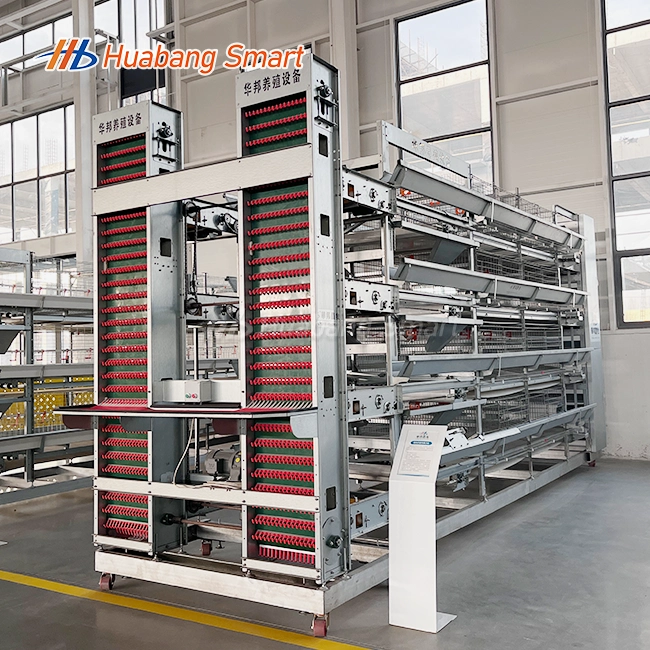 VIEW MOREH Type Layer Chicken Cage
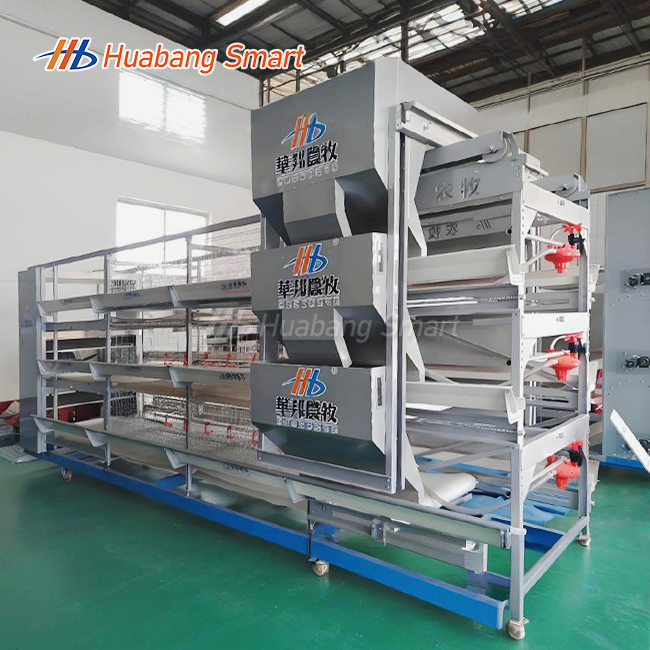 VIEW MOREBroiler Chicken Cages
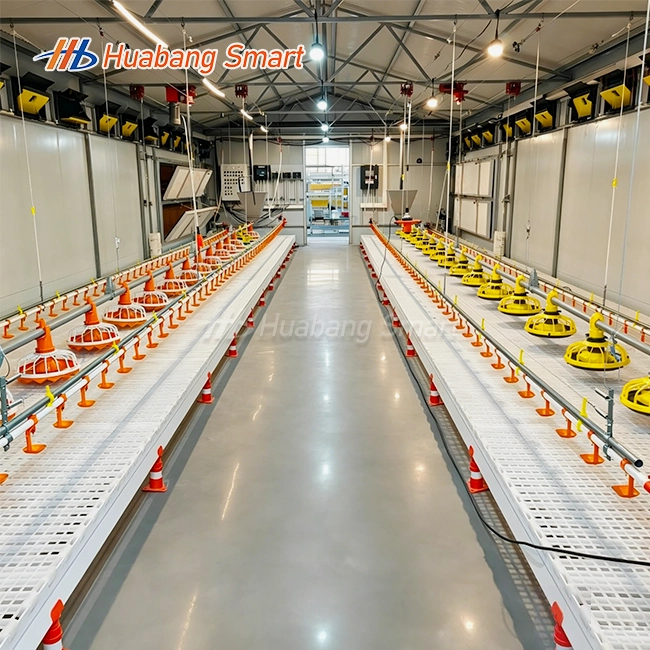 VIEW MOREAutomatic Chicken Feeder And Waterer
- VIEW MOREChicken Water Feeder
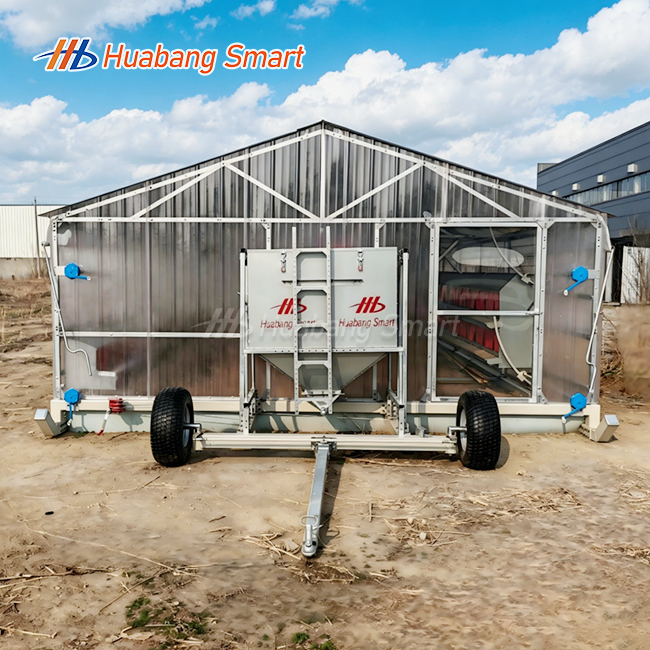 VIEW MOREMobile Chicken Coop Tractor With Wheels Nest Boxes
 VIEW MOREChicken H Type Cage Automatic Broiler
 VIEW MOREAutomatic Broiler Chicken Cage
 VIEW MOREPoultry Cages For Layer Chickens