
Mobile Chicken Coop – from Brooder to Butcher
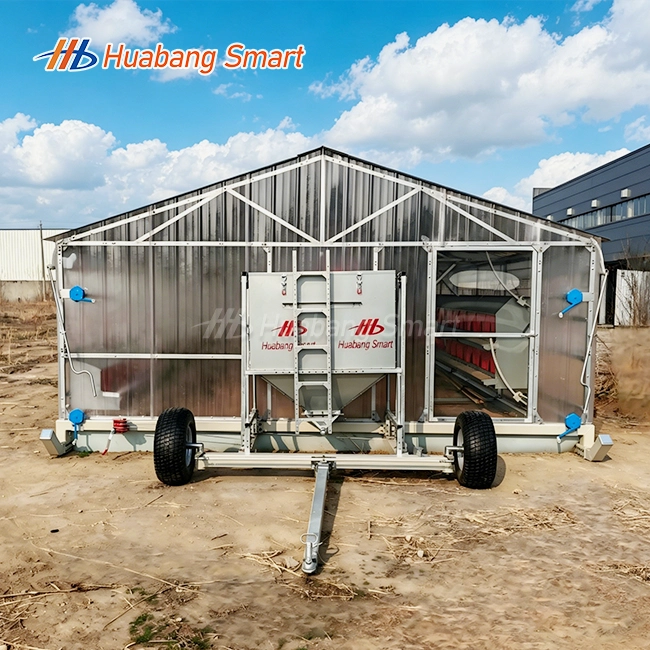
Raising broilers from hatchlings to market weight has always required careful management, but Mobile Chicken Coops are changing how commercial operations approach the entire growth cycle. These specialized housing systems combine portability with automation, enabling farmers to optimize pasture rotation while maintaining controlled environments for poultry throughout their lifecycle. Unlike traditional fixed structures, mobile units facilitate regenerative farming practices by allowing flocks to access fresh ground regularly, which reduces pathogen accumulation and improves soil fertility. This approach delivers measurable improvements in feed conversion ratios, labor efficiency, and overall bird health—critical factors for large-scale operations seeking competitive advantages in today's market.
Understanding Mobile Chicken Coops – Definition and Benefits
Mobile housing for chickens is a smart step forward in the infrastructure of commercial farming. These systems have wheels, skids, or hydraulic systems that make it possible to move across pastureland. This solves several practical problems at the same time. The mobility factor stops nitrogen poisoning from clumped manure deposits and messes up the lifecycles of parasites that do best in places that stay still. Research shows that rotational grazing systems cut the number of cases of coccidiosis by as much as 40% compared to fixed-floor operations. This has a direct effect on the number of deaths and the cost of medicines.
Core Structural Components
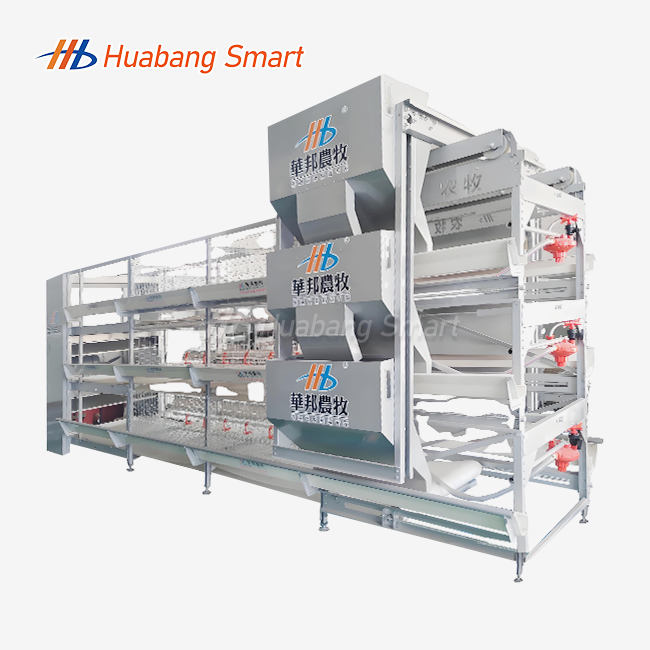
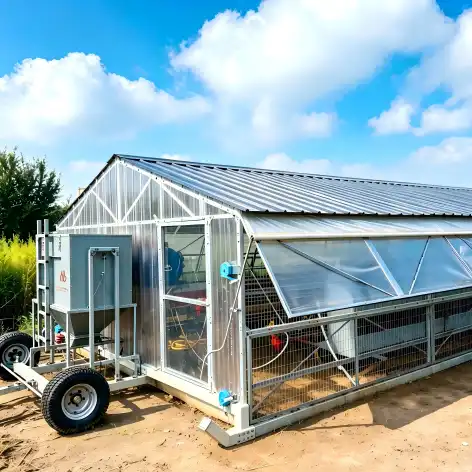
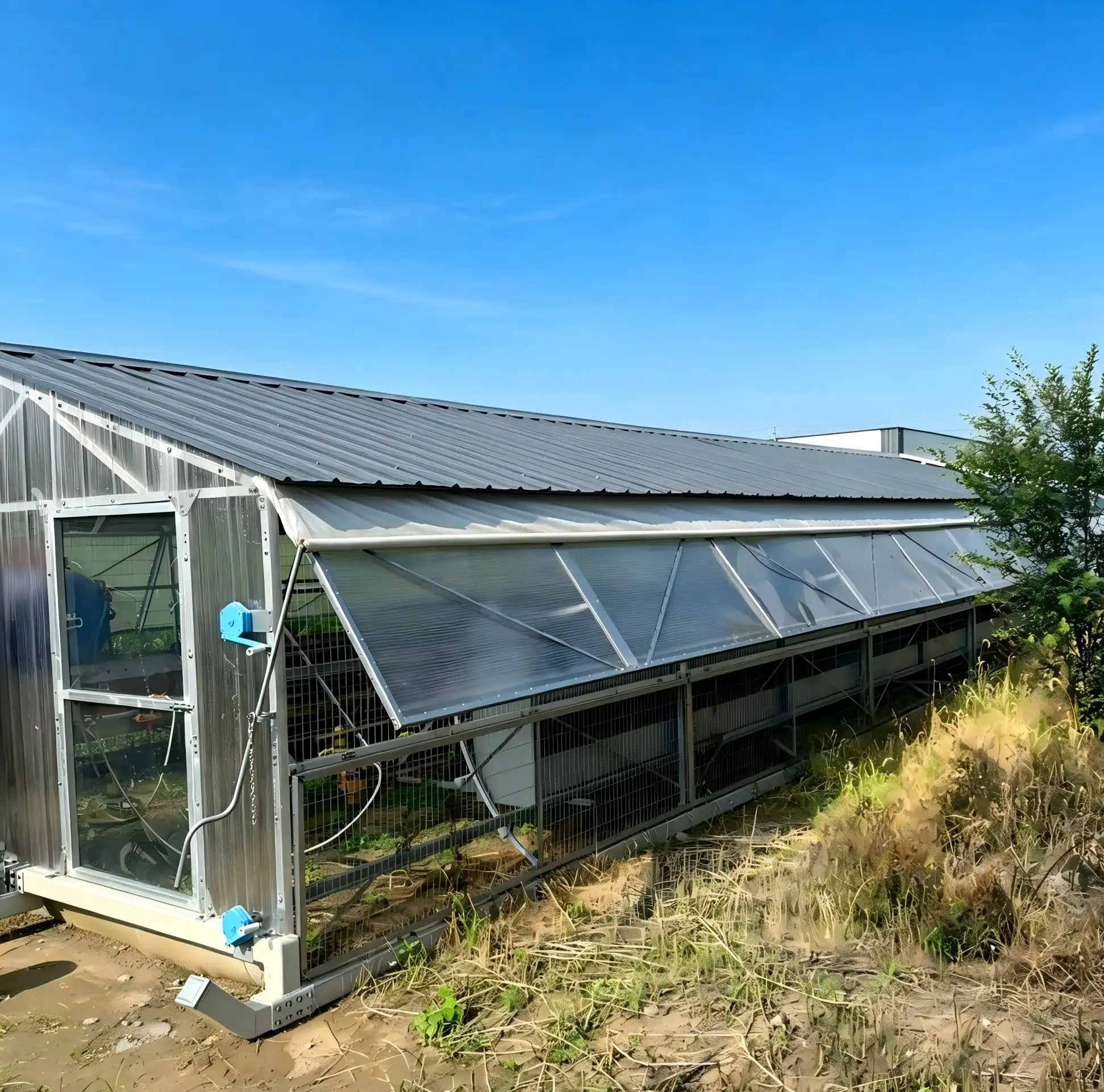
Professional-level mobile systems are made with 275g hot-dip galvanizing steel frames and aluminum-zinc covered wire mesh that is designed to last in harsh weather and ammonia. When you galvanize something, you make a metallurgical bond that is more resistant to rust than paints or powder-coated options. Dimensional standards usually come in at 15 meters by 5 meters by 2.8 meters, which is big enough to hold 700 to 900 birds per unit while keeping the right stocking density to avoid behaviors caused by stress. This layout strikes a good balance between portability and structural strength, so units can be moved around without affecting biosecurity or ventilation.
Operational Advantages for Commercial Producers
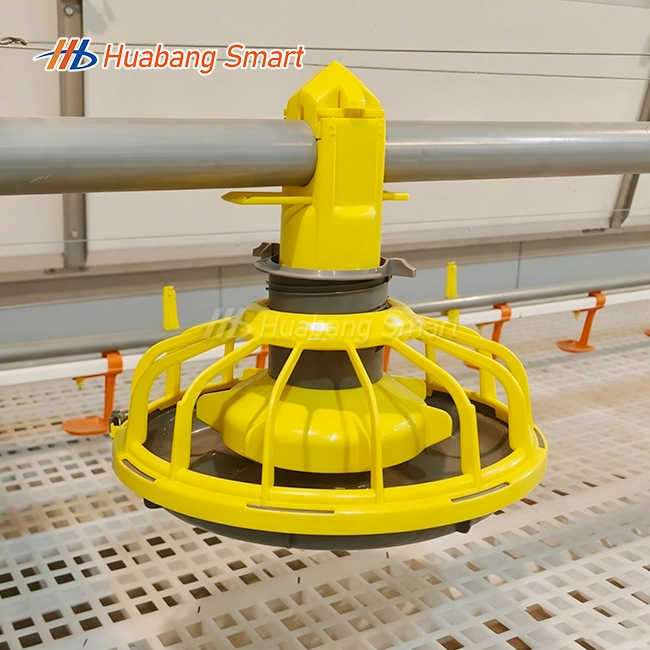
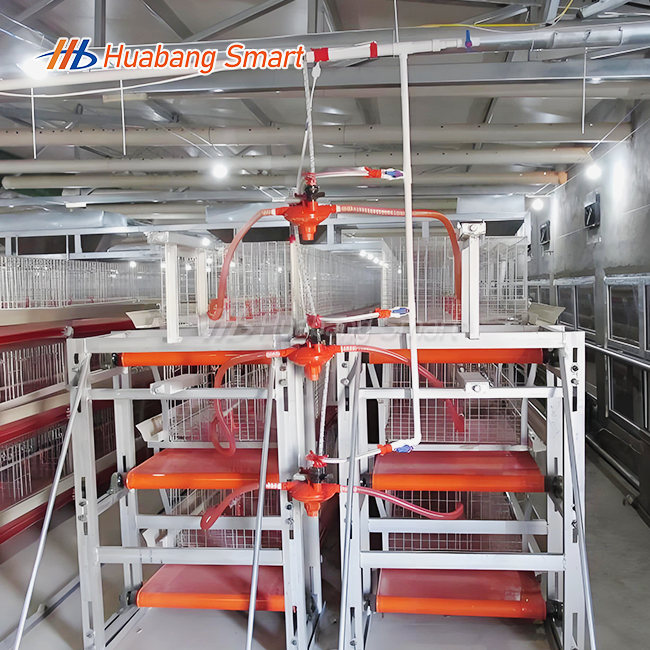
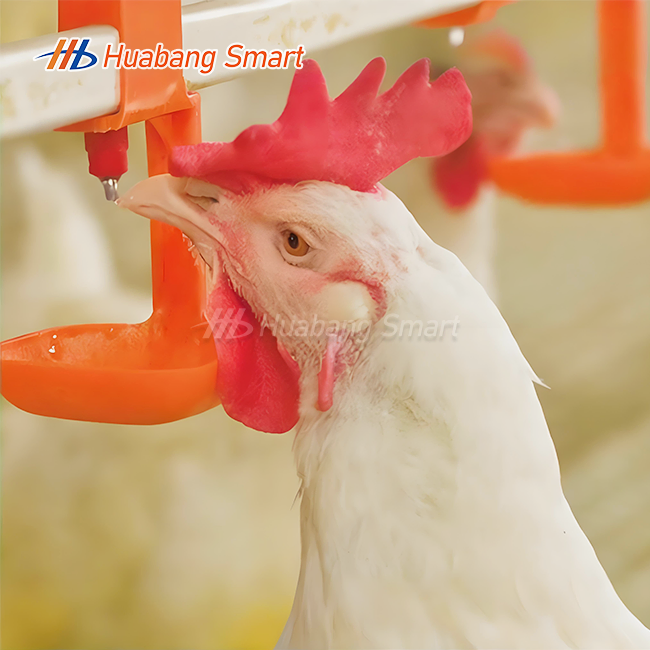
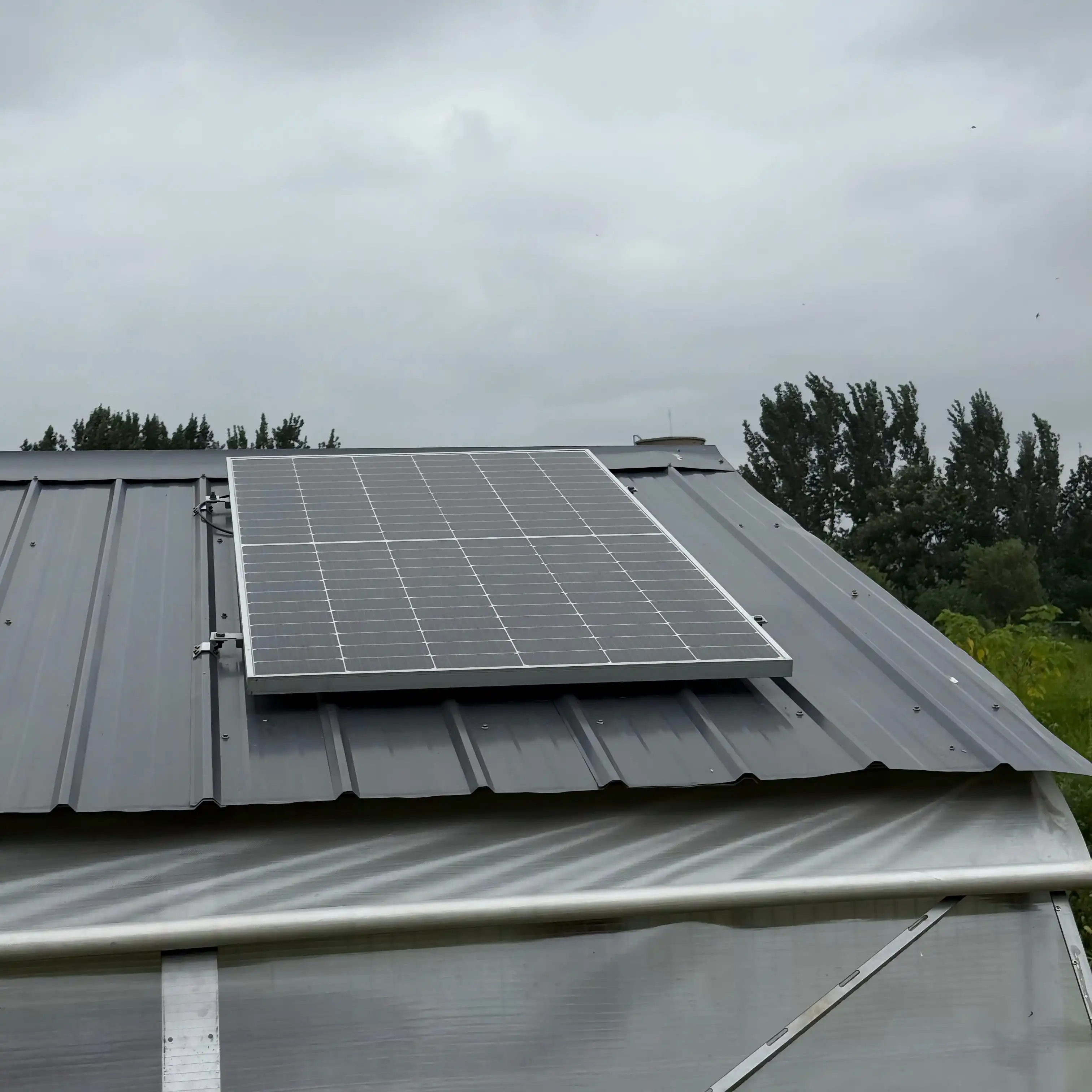
Field studies done during multiple production cycles show that automated systems for feeding and watering animals built into these mobile structures cut the amount of work that needs to be done by workers by about 70%. Solar-powered environmental controls keep the temperature stable without relying on the power grid. This is especially helpful for pastures that are far away. When automated nutrients are delivered and climate control is used together, feed conversion rates get better. Some businesses have seen 8% drops in feed costs per pound of live weight. Over the course of a production cycle, these efficiency gains add up to big profits for both large-scale integrators and contract growers.
Designing and Building Mobile Chicken Coops – Materials and Best Practices
The total cost of ownership and how long something lasts depend on the materials that are used. Commercial units are built on hot-dip galvanized steel tubes, which has tensile strength that keeps it from deforming while being moved over rough territory. The service life is directly related to the thickness of the galvanization layer. Coatings that are 3 mm thick in premium systems make them last longer than 15 years, even in places with a lot of humidity.
Ventilation and Climate Control Engineering
When airflow is set up correctly in Mobile Chicken Coops, ammonia levels at bird level can be kept within appropriate ranges, which is important for flock health. Cross-ventilation designs in Mobile Chicken Coops use adjustable openings positioned at strategic locations to create pressure differences that help move stale air out and bring fresh air into the housing area. Additional evaporative cooling pads can help reduce indoor temperatures during the hottest parts of summer, while properly insulated roof panels can improve thermal control during winter operations. The appropriate insulation requirements for Mobile Chicken Coops vary significantly between temperate and subarctic deployment zones. Proper ventilation and climate management are therefore essential when designing Mobile Chicken Coops for different environmental conditions. Well-designed Mobile Chicken Coops can combine controlled airflow, suitable insulation, and seasonal cooling measures to provide a more stable environment for poultry.
Predator Protection Protocols
Commercial operations can be held responsible for flock loses, so security features must be included. "Raccoon-proof" standards are met by normal 14-gauge welded wire mesh with 0.5-inch holes, which requires a level of skill that most animals can't match. Latching methods should be tested against persistent predators that come out at nite using breach simulations. Undercarriage skirting stops people from digging under the vehicle, which is a flaw that is often overlooked in lighter-duty models aimed at hobbyists but isn't acceptable for commercial procurement requirements.
Comparing Mobile Chicken Coops with Stationary Models – Making the Right Choice
When procurement teams look at infrastructure investments, they need to look at more than just the initial capital outlay. The initial costs of mobile systems are usually 25–35% higher than those of stationary systems that do the same job. However, the operational economics change a lot when health outcomes and labor savings are taken into account. To keep pathogen loads under control, stationary homes need mechanical systems to remove waste and strict biosecurity rules. Mobile rotating systems, on the other hand, save money by using natural cleaning cycles.
Return on Investment Analysis
Commercial operators report that the return on investment (ROI) for Mobile Chicken Coops can be achieved within 12 to 18 months when lower veterinary costs, improved feed efficiency, and higher prices for pasture-raised products are taken into account. In the U.S. market, consumers may also be willing to pay a premium for chicken raised in systems recognized for higher animal-welfare standards, which can help accelerate capital recovery for Mobile Chicken Coops. Production-density comparisons show that Mobile Chicken Coops can support substantial stocking capacity compared with climate-controlled stationary houses while avoiding some of the ongoing HVAC energy costs associated with fixed facilities. As a result, properly managed Mobile Chicken Coops can offer competitive production costs per pound while providing greater flexibility for pasture-based operations. For producers evaluating Mobile Chicken Coops, the combination of mobility, potentially lower infrastructure costs, and access to premium markets can make the system an attractive long-term investment.
Scalability and Operational Flexibility
When big businesses use multiple mobile units, they have more strategic options for managing pastures and putting flocks in place. Moving the units to follow the cattle in regenerative multi-species rotations lets the chickens eat fly larvae from the manure of the cattle, which lowers the parasite loads for both the chickens and the cattle. This combined method raises the soil's health indicators (raising the organic matter content by 1% to 2% yearly) and creates more income opportunities. Because mobile systems are modular, they can grow their capacity in small steps that match changes in market demand. This way, they avoid the risks of overcapitalization that come with building a big fixed facility.
Procuring Mobile Chicken Coops – Guide to Buying, Customization, and Services
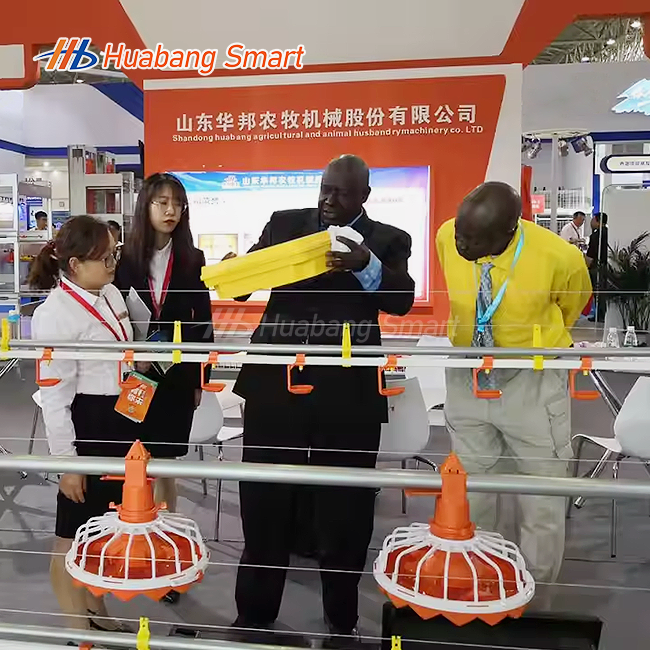
In addition to equipment specs, other things that are used to choose a vendor include the vendor's ability to provide professional help and the reliability of the supply chain. Well-known companies like Huabang Smart set themselves apart by offering full service packages that include planning the site, making custom engineering drawings, and providing support after the installation is complete. Their 17 years of design experience and 49 technical patents show that they have consistently invested in research and development, which means that their products are reliable in the field.
Customization Capabilities for Regional Adaptation
Different deployment areas have different climates, so Mobile Chicken Coops need to be adapted to local conditions. For operations in the warm zones of Southeast Asia, Mobile Chicken Coops may require improved ventilation and cooling systems. In Central Asia, by contrast, insulation and wind protection are more important for Mobile Chicken Coops operating in colder and more exposed environments. Manufacturers that are CE-certified and offer OEM and ODM services can modify basic Mobile Chicken Coops designs to meet different regulatory and operational requirements, including relevant animal welfare and organic production standards. Custom dimensions can also be developed to suit specific sites, whether the goal is to fit existing pasture layouts or integrate with established feeding systems. Choosing adaptable Mobile Chicken Coops allows poultry operators to better match housing configurations to local climate, site conditions, and production requirements.
Warranty and Service Network Evaluation
Professional standards for buying things require a contract that covers everything for at least one year and has clear instructions for how to contact customer service. Manufacturers who keep up regional service networks are good for global operations. For example, Huawei Smart's presence in more than 100 countries makes technical support easy to get without having to pay a lot for travel. With 30 to 60-day production cycles, yearly deployment plans need to be planned ahead of time, especially when installing equipment at more than one farm site. Sample services make it possible for engineering teams to test products in the field before making big purchases, which lowers design risks.
Maintaining and Caring for Mobile Chicken Coops – Ensuring Longevity and Performance
Schedules for preventive maintenance protect capital investments and keep production from stopping. Every day, operating checklists should be used to check that the automated feeding system works, that the water flow stays the same, and that the moving parts are structurally sound. Using pressure washing and approved disinfectants every week between flock changes, deep cleaning methods get rid of organic buildup that can house pathogens. The "all-in/all-out" management method, which involves removing all the animals from an area between batches, allows for thorough cleaning and pasture rest times that stop the spread of illness.
Seasonal Adjustment Protocols
Extreme temperatures require proactive changes to the system. As part of getting ready for summer, you should check the efficiency of the solar panels, make sure the cooling pads work, and make sure the ventilation fans meet the required CFM ratings. To get ready for winter, you may need to insulate water lines to keep them from freezing, check gasket seals to make sure they keep heat in, and possibly move units to windbreak areas. Wheel bearing lubricant, axle alignment, and floor stability are some of the structural parts that are checked. These are the parts that are put under a lot of stress during moving. Writing down maintenance tasks creates historical data that can be used to figure out when to replace things and how much money to set aside for capital reserves.
Troubleshooting Common Performance Issues
Uneven bird growth within a single unit is often a sign of poor wind or trouble getting to the food. Thermal imaging surveys can find "dead zones" where temperature control doesn't work, which lets you make specific changes to the ventilation. If the feed conversion ratio goes down, it could mean that the water quality is bad or that the feeder isn't working right, not that the food isn't healthy. You should check the equipment before making changes to the feed recipe. Monitoring ammonia levels with portable meters gives objective information for improving ventilation systems. This stops subclinical respiratory stress that lowers daily weight gain.
Conclusion
Mobile Chicken Coops are a proven housing solution that can help poultry businesses balance productivity, animal welfare, and environmental sustainability. Large-scale producers can achieve practical economic benefits from Mobile Chicken Coops by combining automated management systems, rotational grazing, and durable construction. Successful implementation depends on selecting equipment that matches local climate conditions, flock management practices, and target market requirements. Companies that invest in properly designed Mobile Chicken Coops can gain competitive advantages by accessing premium market segments, reducing labor requirements, and improving feed efficiency. Well-planned Mobile Chicken Coops also provide greater flexibility for pasture-based production and allow producers to adapt housing locations to changing land and flock-management needs. For commercial poultry operations, choosing reliable Mobile Chicken Coops can therefore support long-term productivity, operational efficiency, and market competitiveness.
FAQ
What stocking density should commercial operations target in mobile units?
According to the industry, each broiler should have between 0.7 and 0.9 square feet in mobile systems. This is to balance the needs of the animals with the need to make money. This density allows for normal behaviors while keeping production efficiency at the same level as regular homes.
How frequently should units be moved for optimal pasture management?
Moving animals every day improves their access to forage and keeps the earth from getting compacted, but sometimes 48-hour cycles are needed for practical reasons. For pastures to recover, there needs to be a 21-day break between rotations so that plants can grow back and pathogens can die off.
Can mobile systems withstand severe weather events?
Professional units have low-profile aerodynamics and earth-anchor systems that are rated for the wind loads in the area. When harsh weather warnings are sent out, operators should move coops to safe places according to the manufacturer's instructions.
What customization options address specific climate challenges?
Reputable companies that make Mobile Chicken Coops, like Huabang Smart, offer designs that are better for different climates. For example, they offer designs with better cooling for warm areas, better protection for cold climates, and stronger structures for high-wind areas. Custom engineering makes sure that equipment works consistently in a wide range of settings.
How does warranty coverage typically work for commercial purchases?
Standard warranties cover structural parts and mechanical systems for one year after they are installed, but you can get longer coverage if you want to. Service networks that offer local technical help cut down on downtime during warranty claims, which is very important for production plans that need to be kept on time.
Partner with Huabang Smart for Proven Poultry Solutions
Shandong Huabang Agricultural And Animal Husbandry Machinery Co., Ltd. sells mobile chicken coop systems that are ready to use right away and are designed for large-scale businesses. Our hot-dip galvanized buildings can house 700 to 900 birds per 15m x 5m x 2.8m unit. They are automated with solar panels, which cuts down on labor costs and improves feed conversion rates. We are a supplier of Mobile Chicken Coops that is ISO9001 and CE-certified and has 49 technical patents. We can change the designs to fit your area's temperature, farm size, and operational needs. Our global service network, which includes more than 100 countries, helps with planning the site, installation, and ongoing technical support. Email our procurement team at admin@huabangsmart.com to talk about the details of your project and get full engineering offers backed by 17 years of experience making things.
References
1. American Pastured Poultry Producers Association. (2021). Best Management Practices for Mobile Poultry Housing Systems. APPPA Technical Manual Series.
2. Chen, L., & Martinez, R. (2020). Comparative Analysis of Fixed versus Mobile Broiler Housing Systems: Economic and Welfare Outcomes. Journal of Applied Poultry Research, 29(4), 892-905.
3. National Organic Program Standards. (2022). Livestock Housing Requirements for Certified Organic Poultry Operations. USDA Agricultural Marketing Service.
4. Smith, D.P., & Thompson, K.L. (2019). Pathogen Load Reduction Through Rotational Grazing in Commercial Poultry Systems. Avian Diseases, 63(2), 234-241.
5. United Egg Producers. (2023). Animal Husbandry Guidelines for U.S. Egg-Laying Flocks. 2023 Edition, Alpharetta, GA.
6. Wallace, P., Henderson, J., & Kim, S. (2022). Life Cycle Assessment of Poultry Housing Systems: Environmental Impact Comparison. Agricultural Systems, 197, 103-118.

USER EVALUATE
Here is the customer's evaluation of us