
Comparison of different types of layer cages - Poultry farming
Selecting the right housing system is one of the most critical decisions in commercial egg production. A Chicken Layer Cage serves as a specialized intensive housing structure engineered to optimize egg yield, bird health, and operational efficiency. These systems separate hens from their waste, automate feed and water delivery, and create controlled environments that stabilize production cycles. By understanding the technical differences between cage configurations—ranging from traditional battery systems to modern automated H-type and A-type designs—farm managers and procurement professionals can align equipment choices with their operational goals, climate conditions, and regulatory requirements while maximizing return on investment.
Overview of Layer Cage Systems and Their Role in Modern Poultry Operations
Over the past 20 years, layer cage systems have changed a lot. This is because of progress in materials science, automation technology, and animal welfare standards. At their core, these buildings give breeding hens a place to live alone or with other hens. They are made of hot-dip galvanizing frames and high-tensile steel wire. Its main goal is to make a clean, controlled environment that stops diseases from spreading as much as possible while also making the best use of space and labor.
Defining Core Cage Characteristics
Modern layer cages are usually about 1.2m x 1.2m x 0.45m per unit, but the layout can be different depending on the number of birds and how the tiers are set up. Building materials are very important for how long they last and how well they work. Premium systems have 275g/m² hot-dip galvanized steel frames and aluminum-zinc coated wire mesh, which makes them more resistant to corrosion in the ammonia-filled environment of a chicken house. This mix of materials can hold 200–500 kg of structure loads while still being flexible. Compared to hard options, this makes it much less likely that an egg will break.
Primary Cage Configurations in Commercial Use
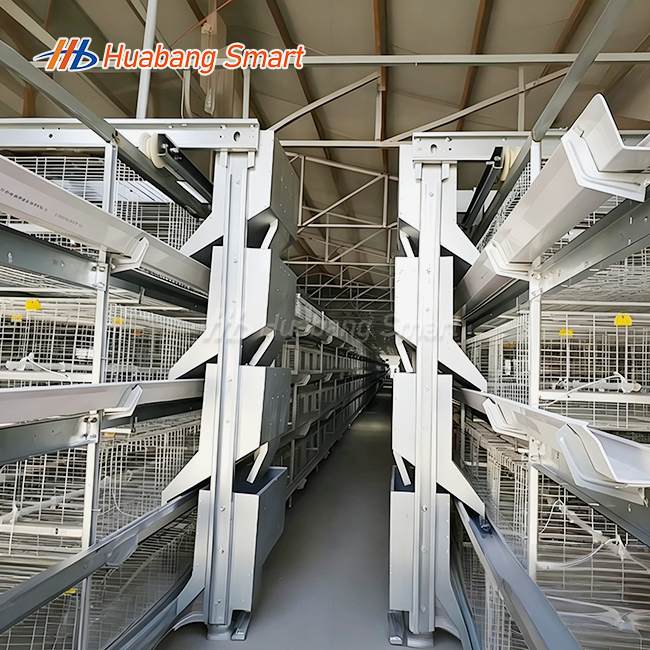
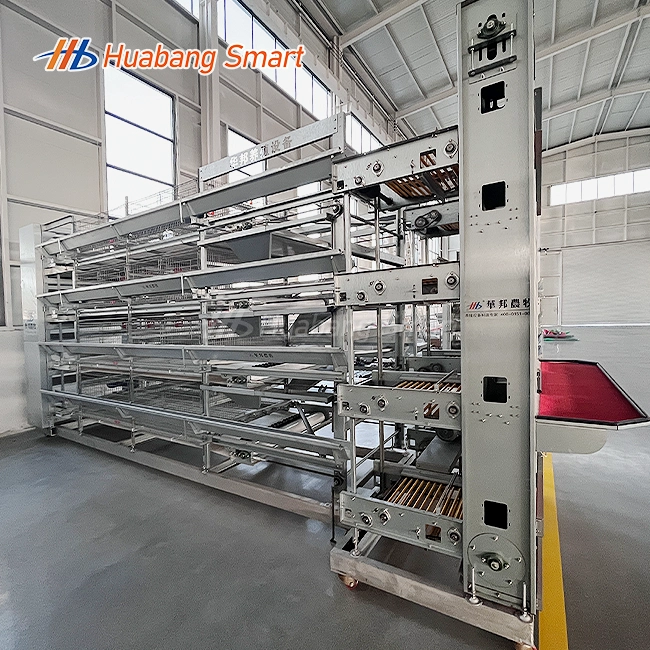
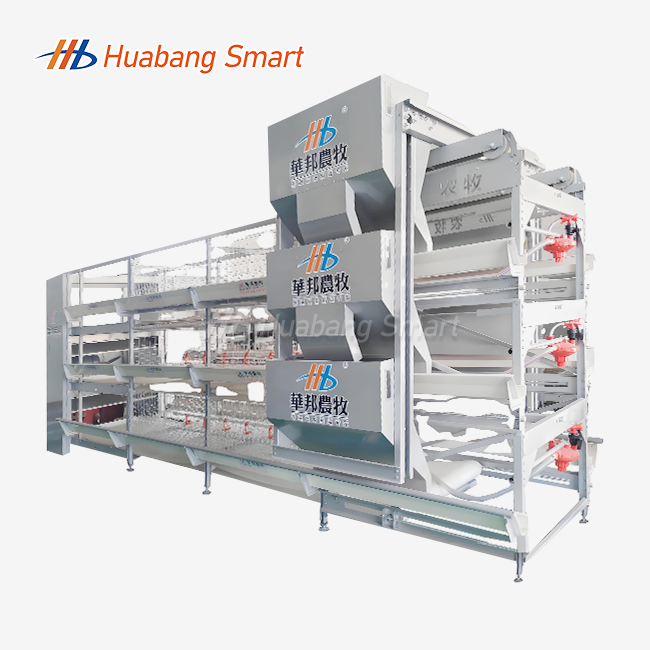
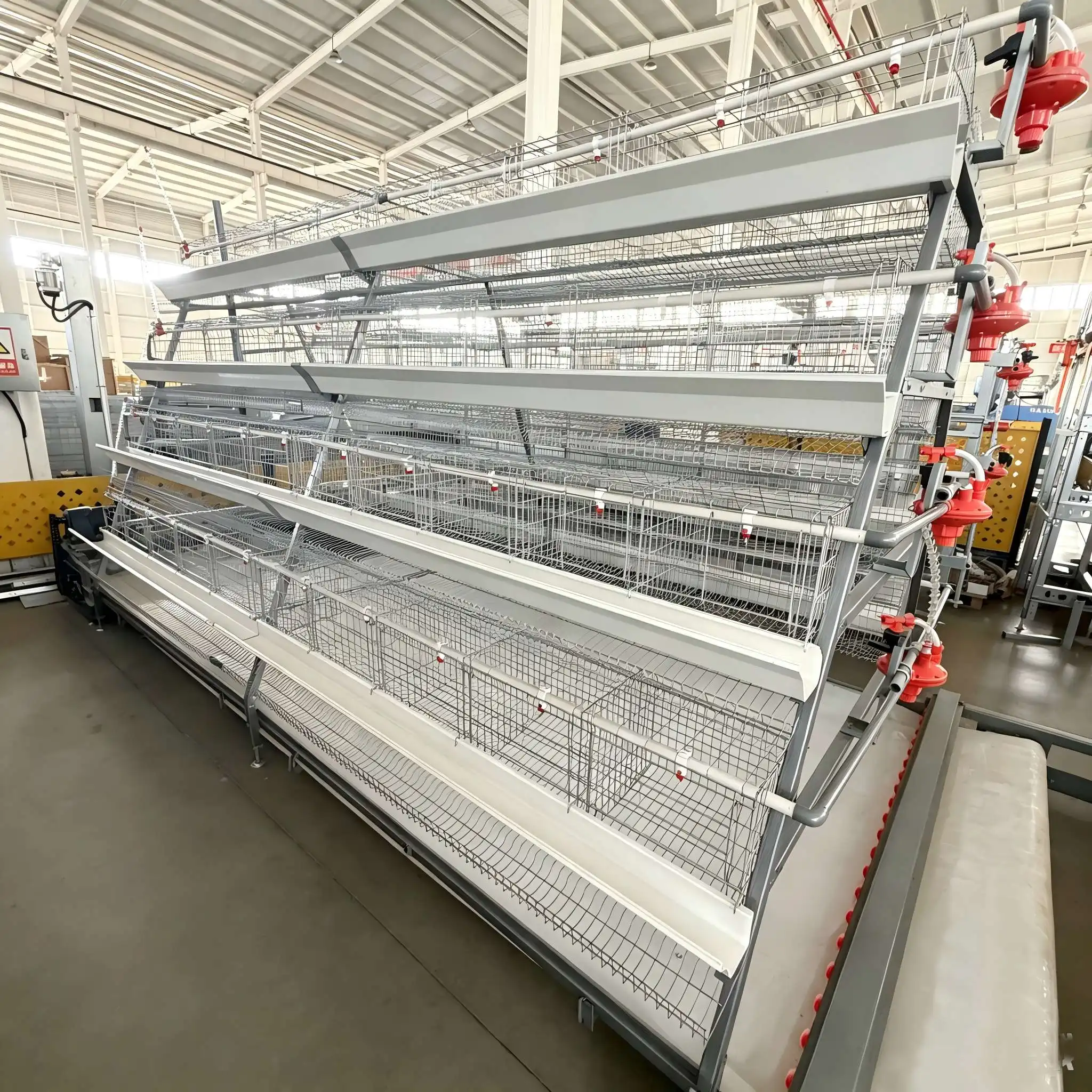
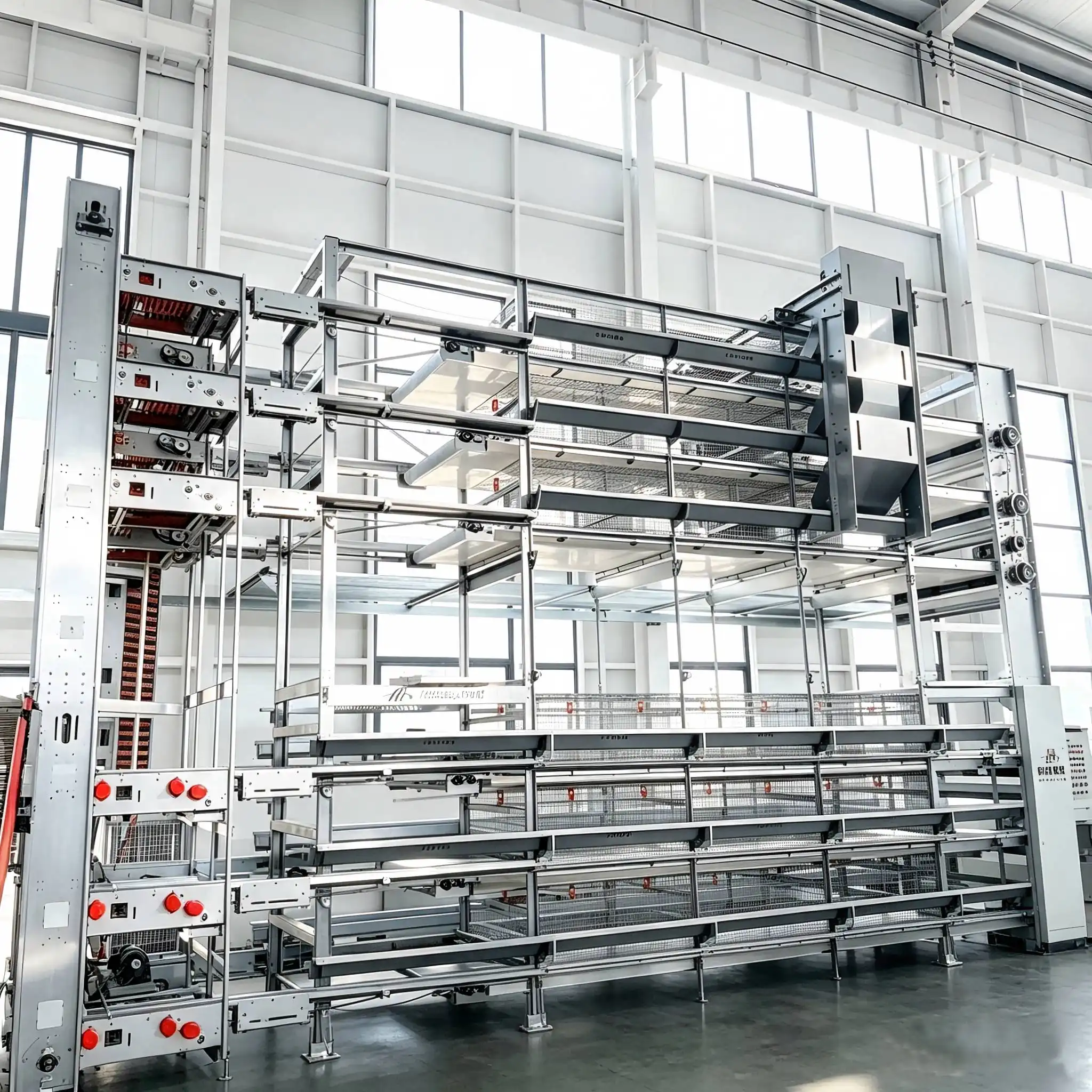
There are two main types of cage designs in the business world: A-type ladder configurations and H-type vertical stacking systems. A-type designs look like stepped arrangements and let natural air flow through while also making it easier to get to by hand. This makes them good for naturally ventilated homes or operations with some automation. H-type systems stack cages vertically in dense columns, making the best use of space and allowing full automation integration. They work best in climate-controlled facilities that care for 60,000 to 100,000 birds. Both designs can fit anywhere from 3 to 8 tiers, and each set can hold anywhere from 90 to 200 chickens, based on the number of levels and the type of birds used.
When procurement managers look at layer cage systems, they have to weigh a lot of things, such as the original capital investment, operational costs, legal compliance, efficiency measures, and the systems' long-term durability. The next analysis uses a framework for screening criteria to help people make good decisions about these trade-offs.
Material Durability and Lifecycle Cost Analysis
Surface treatment has a major impact on the service life and total ownership cost of a Chicken Layer Cage. Hot-dip galvanizing creates a strong bond between zinc and steel that helps protect the Chicken Layer Cage from corrosive gases and moisture. Cold-galvanized systems may deteriorate sooner because their thinner coating can wear away more quickly, while a Chicken Layer Cage with a 275g/m² zinc coating can provide substantially longer corrosion protection with limited maintenance. When planning over a 20-year period, the higher initial cost of hot-dip galvanizing—often around 15–20% more—can potentially reduce long-term expenses associated with replacements, production interruptions, and cage replacement labor. For commercial poultry operations, selecting a properly galvanized Chicken Layer Cage can therefore improve durability and help control long-term ownership costs. A high-quality Chicken Layer Cage with durable surface treatment can provide reliable performance throughout demanding production cycles.
Automation Integration and Labor Economics
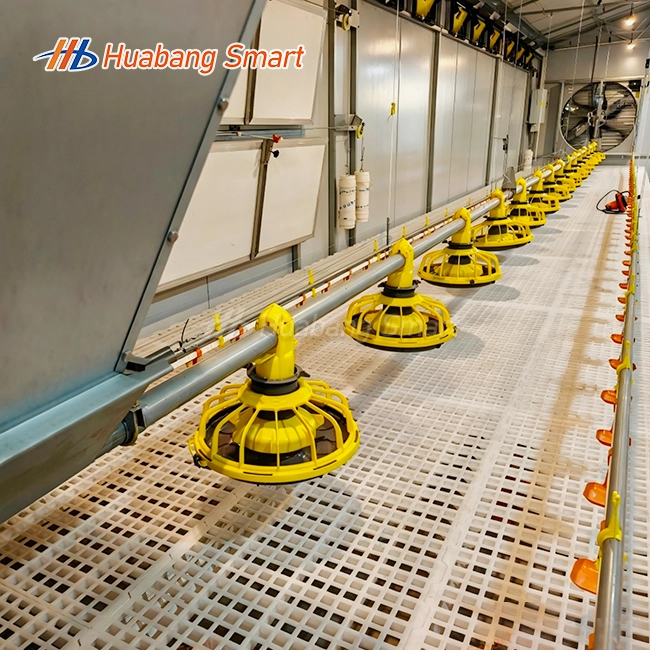
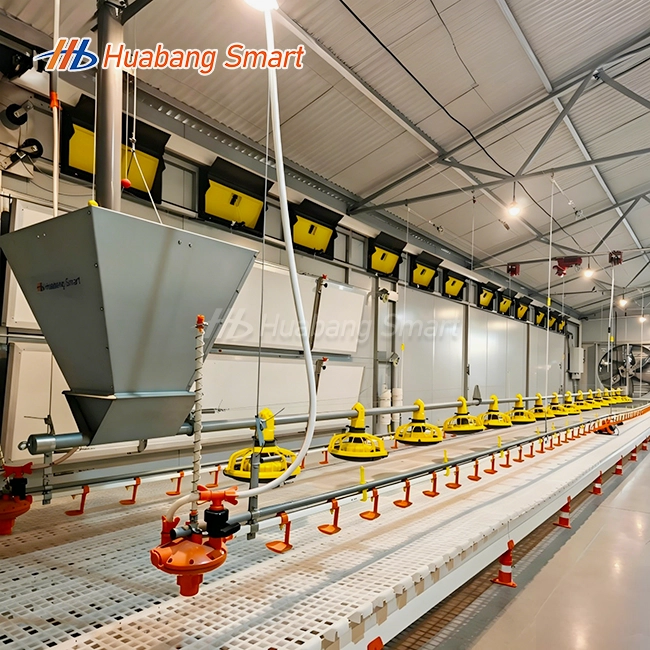
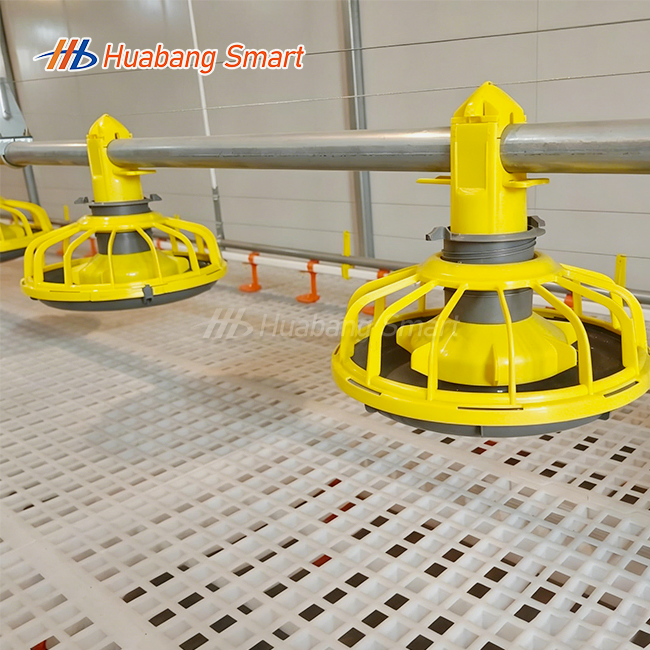
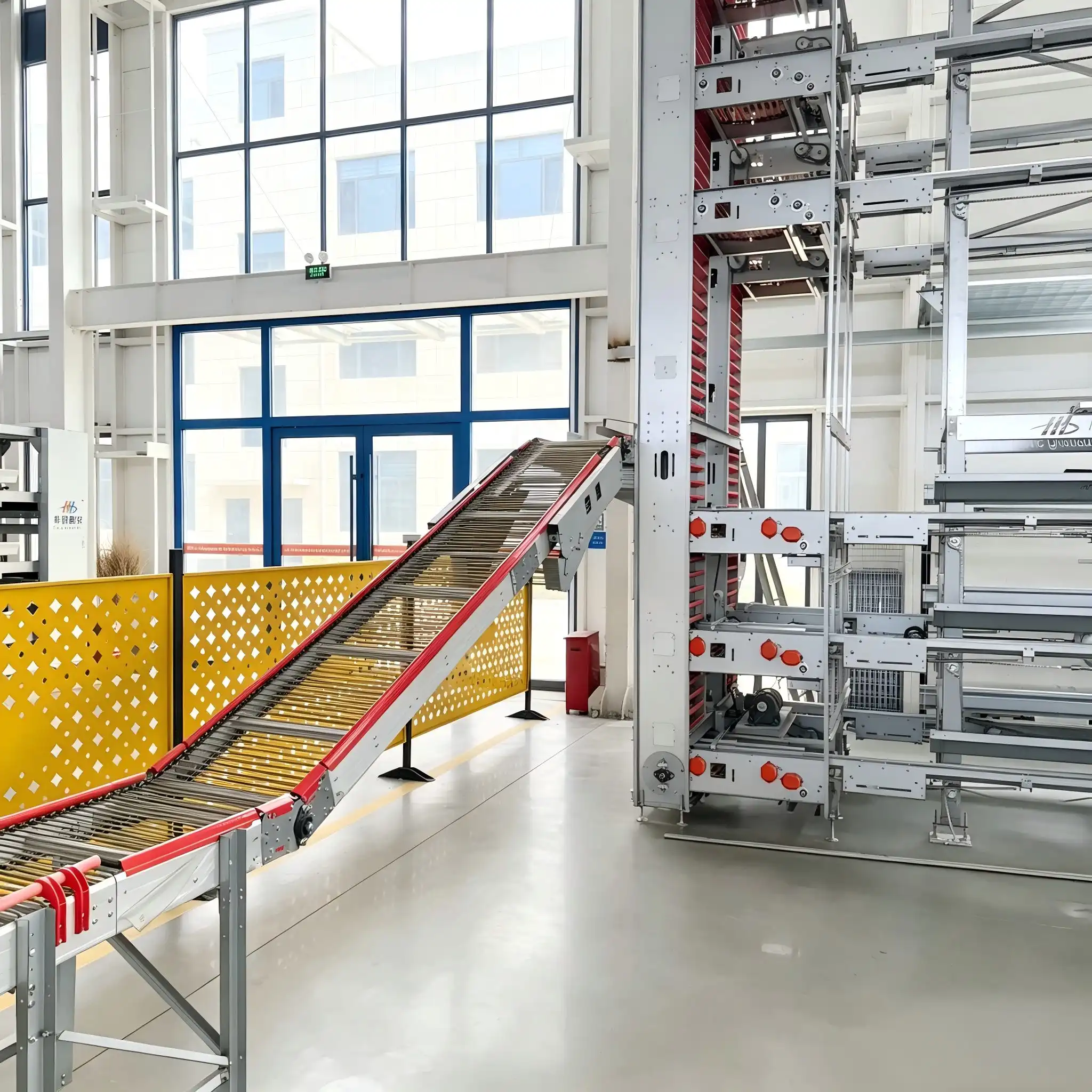
In manual or semi-automated operations, labor costs make up 25–40% of operational costs. Up to 80% less work needs to be done when fully automated systems are used. These systems can include precision feeding trolleys (0.5g accuracy), 360-degree nipple drinkers, mechanical egg collection belts, and longitudinal manure scrapers. Pay close attention to the device that collects the eggs. Well-designed systems keep the bottom mesh slope at a 7-9 degree angle, which lets the eggs roll gently onto gathering belts with breakage rates below 0.3%. This accuracy stops both the financial loss that comes from broken eggs and the health risks that come from leaving eggs in the cage.
Regulatory Compliance and Welfare Standards
Regulatory environments are very different between markets. Conventional battery cages are no longer allowed in the European Union because of rules that require enriched colony systems with perches, nest boxes, and scratching posts. The rules in the US are still more flexible, but big stores are asking for cage-free or better housing more and more. When buying something, you have to think about both the current rules and the changes that might happen to those rules over the next 15 to 20 years. Systems that are made to be modularly flexible can add enrichment features without having to replace the whole system. This protects capital investments against changes in regulations.
Detailed Comparison of Popular Layer Cage Types
When procurement teams know the pros and cons of each cage configuration, they can choose systems that work best for their operations, their infrastructure, and their plans for growth.
H-Type Vertical Stacking Systems
H-type designs are the most efficient use of room and the most automated. Cages are set up in straight stacks, usually three to eight levels high, so there can be up to 200 birds per square meter of floor space. The vertical architecture works well with automated feeding rails, centralized egg collection belts, and systems that get rid of manure. The benefits of H-type density are at their best in climate-controlled buildings, where temperature and humidity can be precisely controlled throughout the vertical profile.
Because they are more complicated and need to be automated, H-type systems cost 30 to 50 percent more to buy than A-type alternatives. However, space efficiency becomes economically appealing for businesses that are limited by land availability or that want to make the most of the work area they already have. When buildings are updated with H-type systems, they can often hold 60,000 to 80,000 birds when they were originally built for 30,000 birds in A-type plans. However, structural load estimates and ventilation upgrades are needed.
A-Type Ladder Configuration Systems
Tiers in an A-type Chicken Layer Cage are arranged in stepped patterns that resemble stairs, with each tier slightly offset from the one below it. This configuration allows better natural cross-ventilation and makes it easier for workers to inspect and collect eggs manually or through semi-automated processes. The moderate-density design of an A-type Chicken Layer Cage can accommodate fewer birds per square meter than H-type systems, making it a suitable option for naturally ventilated poultry houses. In tropical and subtropical regions where installing extensive climate-control equipment may be costly, an A-type Chicken Layer Cage can provide a practical balance between housing capacity, ventilation, and accessibility. Choosing the right Chicken Layer Cage configuration according to local climate and facility conditions can improve operational efficiency. For farms prioritizing natural airflow and straightforward management, an A-type Chicken Layer Cage can be an effective housing solution.
A-type systems usually have lower purchase costs (30–40%) than similar H-type installations. This makes them appealing for businesses that want to save money on capital or plan to gradually adopt automation. The stepped design also makes it easier for repair workers to get to parts that need to be replaced or cleaned, which cuts down on downtime. Farm managers say that staff training for A-type systems takes an average of two to three weeks, while it takes four to six weeks for H-type operations. This means that after a change in staff, A-type systems can get back to full output faster.
Enriched and Colony Cage Systems
Concerns about animal welfare led to the development of "enriched colony systems," which kept the biosecurity and efficiency benefits of cage housing. With built-in perches, nest boxes, and scratching pads, these units offer larger group spaces (usually 40 to 60 birds per colony). The extra space for each bird—750 to 1200 cm² compared to 450 to 550 cm² in traditional systems—meets EU welfare rules and meets the needs of consumers in premium egg markets.
The trade-offs in productivity need to be carefully looked at. Because the birds have to use more energy to move around and interact with each other, enriched systems usually produce 5 to 8 percent fewer eggs per day than standard battery cages. Death rates, on the other hand, often drop by 10 to 15 percent, and egg quality measures, especially shell strength and yolk color, often get better. The difference in productivity can be made up for by the higher prices for welfare-certified eggs, which are usually 15–30% higher than regular eggs. However, market access and consumer demand vary by region.
Maintenance and Operational Considerations
Maintenance rules have a direct effect on the life of the cage, the health of the group, and the quality of the eggs. Setting up systematic cleaning schedules and routines for inspecting parts makes the most of the money spent on equipment while minimizing production interruptions.
Cleaning and Sanitation Protocols
Dust, feathers, and other organic materials that build up in chicken coops can carry germs and damage equipment. Comprehensive cleaning between flocks includes high-pressure washing (1500 to 2500 PSI) and then disinfecting with compounds that are safe for chickens. Hot-dip galvanized cages can handle this mechanical and chemical stress without damage to the covering. Painted or cold-galvanized cages, on the other hand, usually start to break down after 10 to 15 cleaning rounds. Weekly checks of the ammonia level (goal: below 20ppm) help change how often the manure is removed, which protects the health of the birds' lungs and the safety of workers.
Component Inspection and Replacement
Systematic inspection methods find patterns of wear before they cause problems. Once a month, the wire mesh should be checked for damage, the feeder tracks should be aligned, the nipple drinker should work, and the egg collection belt should be tightened. Nipple drinkers need to be replaced every 18 to 24 months, feeder chains every 24 to 36 months, and egg collection belt surfaces every 36 to 48 months. Contracts for buying things should say when spare parts will be delivered and where they can be found. If parts aren't available, they can stop whole production sections from working. Leading providers keep extra parts in stock in regional warehouses and promise delivery within 48 to 72 hours. This keeps production losses to a minimum when a part fails.
Environmental Control Integration
Managing ventilation, temperature, and humidity all affect how effectively a Chicken Layer Cage system operates. Real-time measurements of ammonia, temperature, and humidity can help automated environmental controls adjust airflow rates to maintain suitable conditions around the Chicken Layer Cage. Optional IoT integration allows farm managers to monitor environmental conditions remotely through mobile applications and receive alerts when parameters move outside desired ranges. In advanced Chicken Layer Cage facilities, IoT-enabled controls can also analyze environmental data and adjust ventilation according to changing conditions. Some farms using these systems report lower heating and cooling costs because automated controls can respond to temperature changes more efficiently. Integrating smart environmental monitoring with a Chicken Layer Cage system can therefore improve climate management, reduce unnecessary energy use, and support more consistent flock conditions. A properly configured Chicken Layer Cage with automated environmental controls can provide greater operational visibility and management efficiency.
Procurement and Supplier Selection Strategies
A successful cage system purchase includes more than just the specifications of the equipment. It also includes the skills of the supplier, their service infrastructure, and the possibility of a long-term relationship. Here is a method that buying teams can use to evaluate suppliers and negotiate contracts.
Evaluating Supplier Technical Capabilities
Reliable providers show their wide technical knowledge by having certifications like ISO9001 and CE compliance, patent portfolios that show new ideas, and examples of setups that work in a range of climates and at different operating levels. Huabang Smart, which was founded in 2012 by engineers with 17 years of experience, fits this description perfectly. It has 49 key technology patents and installations in more than 100 countries. As part of the technical capability review, you should ask for case studies that match your climate, barn size, and amount of automation needs. Site visits to reference sites are a great way to learn about how well a system will work in the long term and how quickly the seller can respond to service requests.
Service Infrastructure and Global Support
Equipment suppliers must be able to handle the whole project, including planning the site, designing the system, supervising the installation, and teaching people how to use it. For foreign buyers, having a local presence after the sale is very important. Check to see if providers have regional service centers, spare parts inventories, and expert help that can be provided in more than one language. Installation times are usually between 30 and 60 days, but they depend on the size of the project and how much customization is needed. Contracts should spell out who will be in charge of installation, how long operator training will last (usually 5–10 days for automated systems), and the terms of the warranty. Standard warranties last for one year, but it's common to be able to negotiate for longer warranties on important parts like automation controllers and structural frames.
Customization and Scalability Considerations
Customizations beyond standard product catalogs are needed because of things that are unique to farms, such as building sizes, power supply requirements, weather patterns, and biosecurity protocols. Leading suppliers offer OEM and ODM services, and they can change the size of the cage, the way the tiers are set up, and how the automation is integrated to meet the needs of each site. Phased capacity growth is possible with modular system designs. As production grows, farms can add tiers or extend cage rows without stopping what they're doing. Procurement deals should include scaling clauses that make sure future additions will work with existing systems and allow for ongoing service support.
Conclusion
Finding the right Chicken Layer Cage system means balancing technical performance, cost, regulatory compliance, and operational requirements. Hot-dip galvanized H-type and A-type Chicken Layer Cage configurations have been successfully used across a wide range of farm sizes and climates, while automation integration can reduce labor requirements and improve productivity. Lifecycle costs and system longevity are strongly influenced by material quality, particularly the surface treatment used to protect the Chicken Layer Cage from corrosion. Successful procurement also depends on selecting reliable suppliers with strong technical capabilities, global service infrastructure, and experience with similar operating conditions. By applying formal evaluation criteria and involving suppliers early in the planning process, farm managers and procurement professionals can select a Chicken Layer Cage system that supports efficient production and long-term value. A properly designed Chicken Layer Cage can provide reliable performance and help farms maintain a competitive advantage over a service life of 15 to 20 years.
FAQ
What cage dimensions suit different flock sizes?
Commercial operations usually use cage units that are 1.2m x 1.2m x 0.45m and can hold anywhere from 90 to 200 birds per set, depending on how the tiers are set up. There are 8 tiers to choose from. Small operations (5,000 to 10,000 birds) usually use 3–4 tier A-type systems, while 6–8 tier H-type setups work best for big operations (50,000 birds or more). Breed choice also affects density calculations. For example, White Leghorns can live in higher densities (450 cm³ per bird), while heavier breeds like Rhode Island Reds need 550–600 cm³ per bird to meet welfare standards.
How do automated and manual feeding systems compare economically?
Automated feeding systems usually cost more to buy at first ($8–12 per bird capacity vs. $3–5 for manual systems), but they save a lot of money in the long run. When automated carts take the place of daily human feeding runs, labor costs drop by 60 to 80%. Feed waste goes down by 10 to 15 percent when precise rationing (0.5g accuracy) is used, and production is more even because every bird gets the same amount of food. For operations with more than 20,000 birds, the average return on investment time is 18 to 30 months. This time decreases as the number of birds increases.
Which cage type suits small-scale production best?
For operations with less than 15,000 birds, A-type ladder configurations are the most cost-effective. Small-scale operational profiles are suited to systems with lower capital needs, easier upkeep procedures, and the ability to work with both semi-automated and human processes. The stepped design makes natural airflow easier, which lowers the cost of temperature control infrastructure. This is especially helpful for farms in mild areas or that use naturally ventilated buildings that are already there.
Partner with Huabang Smart for Turnkey Layer Cage Solutions
Huabang Smart has been a specialist engineer for 17 years and works with industrial poultry farms all over the world to provide fully automated layer cage systems that are tailored to your climate, infrastructure, and output goals. Our H-type and A-type configurations are made from 275g/m² hot-dip galvanized steel and have service lives of 15 to 20 years. They are certified by ISO9001 and CE. As a reputable manufacturer of Chicken Layer Cages, we can help you with every step of the project, from planning the site to overseeing the installation and training the operators. We also offer customization services (OEM/ODM) to make sure that the systems fit your exact building dimensions and automation needs. Email our engineering team at admin@huabangsmart.com to get a detailed technical proposal and learn how our tried-and-true systems, which are used in more than 100 countries, can make your egg production more efficient and profitable.
References
1. Anderson, K. E., & Adams, A. W. (2020). Comparative Performance of Laying Hens in Different Production Systems. Journal of Applied Poultry Research, 29(4), 893-908.
2. Cheng, H. W., & Muir, W. M. (2019). Housing Systems and Welfare of Laying Hens: Comparative Analysis. Poultry Science, 98(1), 312-324.
3. European Food Safety Authority. (2021). Scientific Opinion on the Welfare of Laying Hens in Cage Systems. EFSA Journal, 19(2), 6424.
4. Matthews, W. A., & Sumner, D. A. (2018). Economics of Cage-Free Egg Production in the United States. Agricultural Economics, 49(3), 335-347.
5. Shimmura, T., & Hirahara, S. (2021). Material Selection and Durability in Commercial Poultry Housing Equipment. Engineering in Agriculture, Environment and Food, 14(2), 78-91.
6. United Egg Producers. (2022). Animal Husbandry Guidelines for U.S. Egg-Laying Flocks: 2022 Edition. United Egg Producers, Alpharetta, Georgia.

USER EVALUATE
Here is the customer's evaluation of us