
The ingredients for a chicken layer cage are not as simple as you might think
When evaluating poultry infrastructure, the composition of a professional Chicken Layer Cage extends far beyond basic steel and wire. Modern egg production systems integrate precision-engineered materials, automation components, and environmental control elements that collectively influence operational efficiency and flock management. Hot-dip galvanized steel frames, aluminum-zinc-coated mesh, automated feeding mechanisms, and integrated manure management systems represent just the beginning of what defines a professional-grade Chicken Layer Cage system. Each component serves a specific function, from resisting corrosive ammonia environments to supporting efficient egg collection and reducing breakage. For commercial operations seeking long equipment lifecycles and a strong return on investment, careful Chicken Layer Cage material selection and system design are critical considerations. A well-designed Chicken Layer Cage can combine durable construction with automation and environmental management to support consistent poultry production. Selecting the right Chicken Layer Cage materials and configuration can therefore contribute to long-term reliability, easier maintenance, and improved operational performance.
Understanding the Core Components of a Chicken Layer Cage
The Foundation: Frame Materials and Surface Treatment
The frame material is the first part of any layer housing system that makes it strong. Professional systems use Q235 bridge-grade steel instead of regular building steel because it is stronger and doesn't bend easily. This difference is very important in high-density layouts where frames need to support 200–500 kg loads on multiple levels without affecting the alignment of the structure.
Surface treatment is the most important factor in determining how long a cage will last. A 275g/m² zinc covering is applied through a metallurgical bonding process in hot-dip galvanization. This makes the metal permanently resistant to corrosion in high-ammonia settings. This method is very different from spray finishing or cold galvanization. Putting steel in 450°C liquid zinc makes the zinc atoms connect with the iron molecules in the steel, creating separate alloy layers that protect the surface even if it gets scratched. Ammonia levels in chicken coops are high enough to quickly corrode metals that aren't protected, breaking down the structure within 5 to 7 years. Hot-dip galvanizing frames always stay strong for 15 to 20 years in the same conditions, which means they have a lower total cost of ownership even though they cost more at first.
Wire Mesh Engineering and Egg Management
The bottom mesh part needs careful engineering to make sure that bird comfort and operational efficiency are both met. The aluminum-zinc coating on the wire makes it flexible under stress while still keeping its shape, which is important to keep eggs from breaking during collection. The mesh needs to have a scientifically calculated slope of 7-9 degrees. Steeper angles make eggs roll too quickly and break when they hit collection belts. Flatter slopes, on the other hand, let eggs stay in the cage where they get dirty or stepped on by hens.
Careful specification is also needed for wire gauge and spacing. Mesh holes must keep feet from getting hurt while still letting manure fall through to belts below. Professional standards usually call for wires with a diameter of 2.5 mm and rectangular openings that are the right size for the bird's weight and breed. Because birds' foot size and body weight distribution affect how they walk on floors during their 72-week production cycles, white Leghorn layers need more space between them than heavier brown egg breeds.
Integrated Automation Components
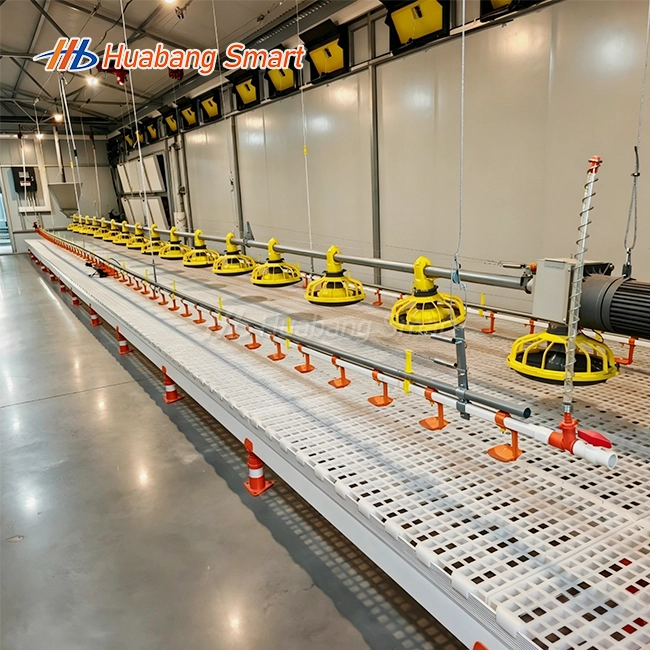
Multiple automation subsystems are built into modern layer systems; these are not extras that can be added later. Automated feeding systems use precise carts to bring food to each level with 0.5g accuracy. This makes sure that all thousands of birds get the same amount of nutrition. This level of accuracy is important because even small changes in where the feed is distributed can cause production problems and competitive behaviors that hurt the general performance of the flock.
Watering systems use 360-degree trigger nipple drinkers that keep animals hydrated without spilling and keep the cage environment as dry as possible. Too much water raises the number of germs, helps mold grow, and speeds up the production of ammonia as waste breaks down. Professional nipple systems keep the area dry, which is good for bird health and lowers the risk of respiratory diseases.
The most obvious part of automation is probably the machine that collects eggs. Eggs that roll off the sloped mesh floor are caught by collection belts at the front of each level of the cage. Breakage rates stay below the industry standard of 0.3% or rise to expensive levels depending on the speed of the belt, the material of the surface, and the engineering of the transfer point. For every percentage point rise in breakage, usable production and income go down directly.
Longitudinal manure removal systems finish the automation process. Automatic scrapers or belt lines move trash from under the cages to central collection spots. This usually happens once a day. Thanks to this automatic removal, ammonia levels stay below 20ppm, which is dangerous for both workers and birds. With high-density operations, managing manure by hand requires too much labor and doesn't provide the environmental control needed for optimal production.
Key Considerations When Choosing a Chicken Layer Cage for Your Business
Configuration Options and Space Utilization
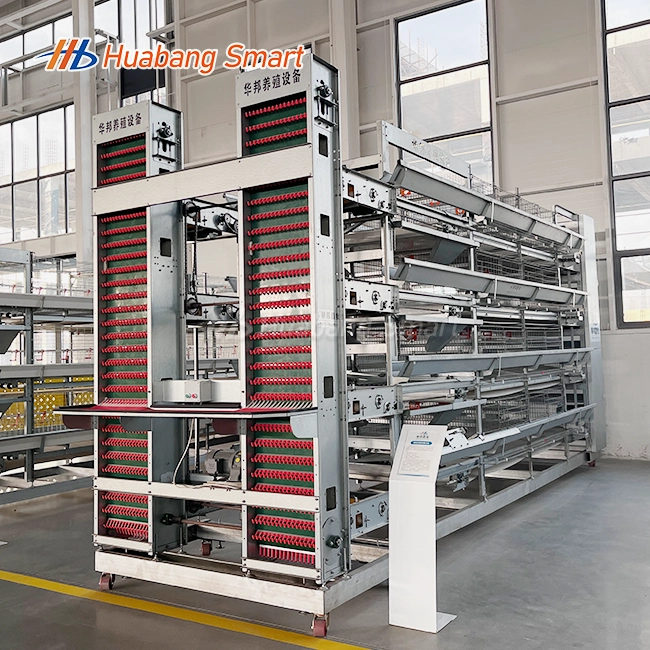
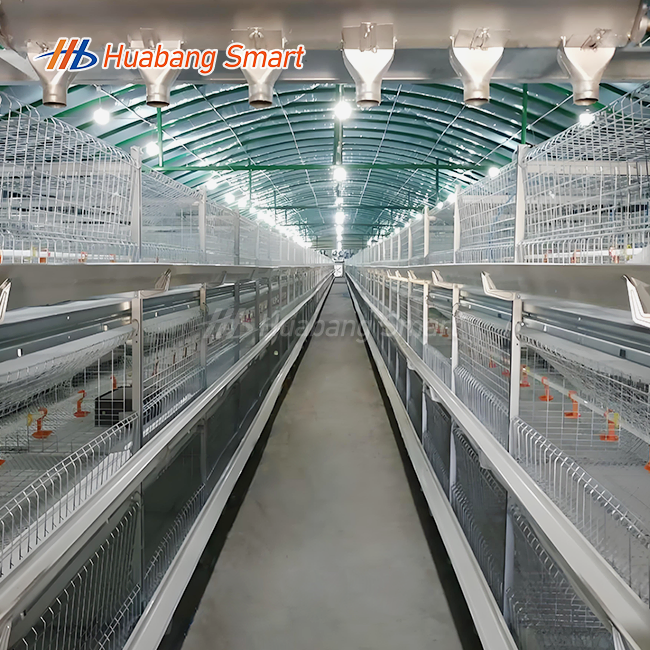
Layer Chicken Layer Cage systems can be built in two main configurations, each suited to different building layouts and farm sizes. When viewed from the end, H-type systems stack cages vertically in a structure that resembles the letter H, making efficient use of vertical space in climate-controlled buildings. These Chicken Layer Cage setups can support multiple levels of housing, allowing farms to increase bird capacity within limited land areas. H-type Chicken Layer Cage designs are also well suited to automation because centralized control systems can coordinate feeding, watering, egg collection, and manure removal across multiple levels. For large-scale poultry operations, a properly designed Chicken Layer Cage system can maximize available space while supporting efficient daily management. The modular structure of an H-type Chicken Layer Cage also makes it easier to integrate automated equipment and adapt the system to different production requirements.
In A-type configurations, cages are set up in stepped ladder shapes that allow for natural ventilation in semi-controlled or open-air environments. The stepped design creates airflow channels that keep temperature differences within acceptable limits and reduce the need for mechanical ventilation. A-type systems work best when there are 80 to 120 birds per square meter, which means they can be used in hot or subtropical areas where building and temperature control costs need to be kept as low as possible. A-type systems can have both fully automated and partially automated parts, which gives operations the freedom to plan their phased investments in automation.
Supplier Credentials and Support Infrastructure
Material approvals and manufacturing standards have a direct effect on how well and how long something works. ISO9001 approval makes sure that quality control rules are used at every stage of production. This lowers the number of defects and makes sure that big orders are all the same. CE certification proves that a product meets European standards for health, safety, and environmental protection. This makes buying things from other countries safer and easier, and it also speeds up the customs process and gets approval from regulators.
Professional equipment vendors are different from commodity vendors in more ways than just manufacturing certifications. One way is that professional equipment vendors can provide project support services. Full services should include designing a system that works with the building's size, the weather, and the electricity that's already there. Video installation guides and on-site technical supervision make sure that the equipment is properly put together and tested. An inventory of spare parts and quick after-sales support keep operations running smoothly throughout the equipment's lifetime. When suppliers keep local service partnerships, there are no language barriers and response times are shortened when technical problems happen. This is especially helpful for international operations.
Economic Analysis and ROI Projections
When buying capital tools, you need to do a thorough economic study that goes beyond the initial purchase price. The biggest practical benefit of automatic cage systems is that they cut down on labor costs. In traditional operations, one worker is needed for every 2,000 to 3,000 birds to feed them and collect their eggs. With automated systems, this number drops to one worker for every 20,000 to 30,000 birds, which saves a lot of money over time. In places where there aren't enough workers for farming, technology may be the only way to keep up production.
Improvements in feed efficiency add to the economy's value. Precision feeding systems get rid of waste caused by spills and uneven distribution, and they also find the best eating patterns to get the most eggs per kilogram of feed. Feed makes up 60–70% of production costs in commercial operations, so even small improvements of 2% to 3% in feed conversion ratios save a lot of money.
Total cost of ownership calculations are directly affected by how long an item lasts. Systems that are made to last 15 to 20 years spread out the cost of capital over a lot longer periods of production than machines that need to be replaced every 5 to 7 years. Maintenance needs are also taken into account when looking at the economy. Systems that are easy to clean, check, and repair parts of have less downtime and lower labor costs that come with doing regular maintenance.
Setting Up and Maintaining Your Chicken Layer Cage for Optimal Performance
Installation Requirements and Site Preparation
Before the equipment arrives, proper installation of a Chicken Layer Cage system starts with a detailed facility assessment and site preparation. The building size, column spacing, and roof height determine which Chicken Layer Cage configurations can be used and how many tiers can be installed. The electrical infrastructure must also be capable of supporting automated feeding systems, lighting controls, ventilation fans, and selected IoT monitoring equipment. Water supply lines for the Chicken Layer Cage should be properly sized to provide sufficient flow and pressure across all cage levels. Careful site preparation helps ensure that the Chicken Layer Cage system can be installed correctly and operate reliably after commissioning. By checking the building structure, electrical capacity, and water supply in advance, farms can reduce installation problems and improve the long-term performance of the Chicken Layer Cage. A properly prepared facility provides a strong foundation for a reliable Chicken Layer Cage system.
Preparing the foundation and floor makes the structure stable and makes managing the manure easier. To keep water from pooling, concrete floors should have small curves that lead to collection points. Platforms or pits that are raised above the cage rows make room for equipment that collects manure while still allowing cleaning and maintenance to be done. When collection belts and support structures are installed correctly, they don't get out of alignment, which can lead to operational failures and higher breakage rates.
Preventive Maintenance Protocols
Systematic maintenance routines keep production going while also extending the life of equipment. Visual checks done every day find clear problems like broken wire mesh, broken drinkers, or tracking problems with the belts before they get worse. As part of weekly maintenance, the alignment of the feeder system, the condition of the egg collection belts, and the correct functioning of the automated manure removal equipment must all be checked.
Deep cleaning once a month gets rid of dust, feathers, and mineral layers that build up over time and can get in the way of moving parts and create disease carriers. When the cages are empty between production cycles, high-pressure washing should be done using disinfectants that are safe for poultry and can be used on steel surfaces. The protective zinc layer is kept in place by using the right cleaning methods and not hurting it with too much pressure or chemicals that don't work well together.
Seasonal maintenance takes care of weather-controlled parts that get different amounts of use at different times of the year. Motors, bearings, and belts for ventilation fans need to be inspected and oiled according to the manufacturer's instructions. Before seasonal temperature extremes happen, heating and cooling systems need to be cleaned and tested. This keeps them from breaking down during peak demand times, when bird stress and death risks are highest.
Ventilation Optimization and Environmental Control
Having enough airflow is an important but often overlooked part of running a successful layer cage. Ventilation removes moisture, lowers ammonia levels, keeps the temperature stable, and brings in fresh oxygen to meet metabolic needs. The design of the cage system needs to work with the building's ventilation so that air flows evenly through all levels, without drafts that stress birds out or dead spots where air quality drops.
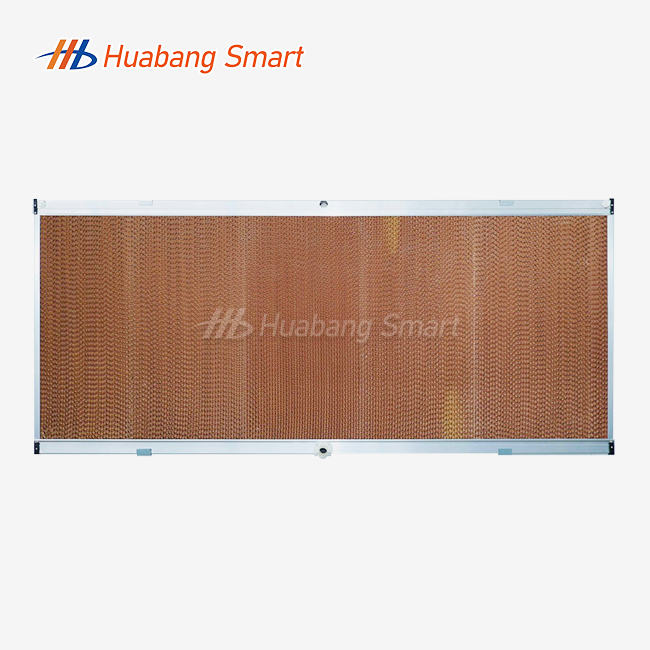
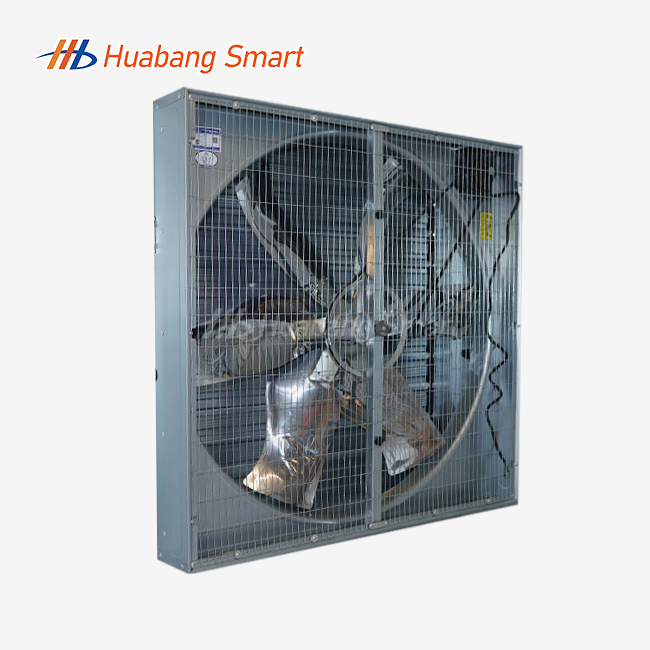
When the weather is mild, minimum ventilation rates can help maintain acceptable air quality in a Chicken Layer Cage facility, while tunnel ventilation configurations can provide stronger cooling during periods of high temperature. Cross-ventilation can work well with A-type Chicken Layer Cage systems where the cage arrangement creates natural airflow channels. In contrast, H-type Chicken Layer Cage systems installed in enclosed buildings require carefully designed mechanical ventilation, with fans that can adjust their speed according to temperature and humidity sensor readings. Optional IoT monitoring systems can track environmental conditions in real time, allowing operators to make adjustments before conditions become problematic. Integrating environmental monitoring with a Chicken Layer Cage system can help maintain more stable temperature, humidity, and airflow conditions. A properly designed Chicken Layer Cage ventilation strategy can therefore support bird comfort, environmental control, and more consistent production performance.
Advanced Solutions and Innovations in Chicken Layer Cage Systems
Automation Technologies and Labor Reduction
When robots and precision agriculture are combined, layer cage systems go from being static places to house animals to being moving production platforms. Automated feeding systems do more than just send food on a conveyor belt. They also have set feeding models that change the amount of food given based on the age of the group, its production rate, and the seasons. This accuracy gets rid of the guessing and variation that come with feeding by hand, while also increasing the efficiency of feed conversion.
Egg collection automation includes gentle handling systems that keep shells from getting damaged while the eggs are being collected. Breakage rates stay below 0.3% in properly designed collection systems, while losses of 2–4% are common in manual collection operations. When businesses with tens of thousands of birds have more than 300 egg-laying days a year, this difference has a big effect on their bottom line.
Automating manure management takes care of one of the most unpleasant and time-consuming parts of raising chickens. Waste is moved to central collection points by automated belt systems, where it can be composted or turned into useful fertilizer products. This constant removal keeps ammonia levels at a level that protects the lung health of birds and makes working conditions safer and more comfortable for farm workers. Controlled handling of manure also improves environmental compliance by lowering nutrient flow and smell releases that can lead to complaints from neighbors and close scrutiny by regulators.
IoT Integration and Data-Driven Management
When IoT sensor networks are added as an option, cage systems become smart monitoring platforms that give operators a level of visibility that has never been seen before. Temperature and humidity sensors placed all over the building find microclimates and poor airflow that make the birds less comfortable. Ammonia sensors let you know early on if there are problems with ventilation or manure management, before the levels of ammonia get high enough to hurt health and production. Feed consumption monitoring finds changes in eating habits that happen before diseases spread, allowing early action that stops health problems that affect the whole flock.
By combining production data, full farm management systems are made that can keep track of how each flock is doing throughout the whole production cycle. Automated systems for collecting and counting eggs make egg counts more accurate by getting rid of the chance of human error in daily production records. This information lets us do a precise economic analysis of feed costs, production rates, death rates, and overall profitability metrics that help managers make decisions and drive initiatives for continuous improvement.
Mobile app connectivity lets you monitor things from afar, so you don't have to be there all the time but still have operational awareness. From anywhere, farm managers can see what the current natural conditions are, get alerts when equipment breaks down or the environment changes, and keep an eye on production measures. This freedom is especially helpful for businesses that are in charge of several farm sites or for technical experts who work with clients in different time zones around the world.
Procurement Tips and Soft Brand Introduction
Evaluating Suppliers and Building Partnerships
Comparing equipment specifications and price quotes is only one part of a successful procurement process for a Chicken Layer Cage system. Buyers should also consider the potential for a long-term partnership with the supplier. If a supplier has experience delivering Chicken Layer Cage systems to international markets, it may indicate familiarity with documentation, shipping procedures, and cross-cultural communication, all of which can help reduce project risks. Businesses that have served customers in more than 100 countries may also have experience adapting Chicken Layer Cage solutions to different regulatory environments, climate conditions, and operational requirements. This international experience can provide useful insights when planning purchases, configuring equipment, and implementing a Chicken Layer Cage project. Building a long-term relationship with an experienced Chicken Layer Cage supplier can also support technical communication, after-sales service, and future expansion needs.
Professional makers are different from catalog sellers because they can make things to order. Operations are very different depending on the size of the house, the weather, the size of the flock, and the desire for automation. When suppliers offer OEM and ODM services, they change standard designs to fit specific needs instead of making operations give in and use standard configurations. Custom engineering makes sure that the space is used efficiently, that it works with existing systems, and that it fits with long-term operational plans.
The technical support infrastructure determines whether suppliers stay involved as partners throughout the lifecycles of equipment or disappear once orders are filled. Help with planning the site, detailed setup suggestions, video installation tips that cut down on the need for expensive on-site visits, and quick availability of spare parts should all be part of full support. When suppliers keep local service partnerships or technical representatives in key markets, they can respond more quickly and get rid of the communication problems that come up when owning equipment in more than one country.
Introducing Huabang Smart: Engineering Excellence in Layer Cage Systems
Since we started doing business in 2012, our dedication to improving smart livestock systems has driven constant progress. Our company is an expert at making H-type and A-type layer cages with 275g/m² hot-dip galvanized steel frames and aluminum-zinc-coated wire mesh that lasts 15 to 20 years. Standard cage sizes are 1.2m x 1.2m x 0.45m, and they can hold 90 to 200 birds per set in 3 to 8 different setups. Modular designs can be used for operations with 500 to 100,000 birds or more.
Our systems use a lot of machinery, like precise feeding, 360-degree nipple drinkers, automatic egg collection that keeps breakage rates below 0.3%, and long-term removal of manure that keeps ammonia levels below 20ppm. ISO9001 and CE certifications show that our products are made to international standards and are of high quality. Our 49 core technology patents show that we are investing in new ideas that give us a competitive edge. We can make changes based on drawings and specifications provided by the client, and we can do OEM and ODM work to fit the climate, barn size, and operational needs of different areas.
We have been engineers for 17 years and have worked on projects in Europe, Southeast Asia, the Middle East, and other places. We know the different problems that commercial egg producers face. Our full range of services includes planning the site, designing the system, providing video installation guides, supervising technicians on-site, and providing local support after the sale to ensure long-term operating success. Our technical team works with your engineers to find solutions that are best for your output goals and the limitations of your infrastructure, whether you're planning to build something new or make changes to an existing building.
Conclusion
The engineering behind a professional Chicken Layer Cage system shows that these structures are much more than simple metal enclosures. Material selection, surface treatment, automation compatibility, environmental control integration, and supplier support infrastructure all influence whether a Chicken Layer Cage investment delivers the expected returns or becomes an expensive operational burden. When making a procurement decision, buyers need to evaluate a range of technical and economic factors and select partners that are committed to long-term success rather than simply selling equipment. Investing in a well-designed Chicken Layer Cage system with comprehensive automation and reliable supplier support can help businesses establish a stronger foundation for long-term profitability. This is particularly important in egg production markets facing increasing competition, persistent labor challenges, and growing consumer expectations regarding animal welfare and food safety. A properly configured Chicken Layer Cage can help improve operational efficiency while supporting consistent production and long-term farm management goals.
FAQ
What determines the actual lifespan of layer cage systems?
The quality of the surface treatment is the main factor that determines how long a cage will last. In high-ammonia chicken settings, hot-dip galvanized steel lasts 15-20 years, while cold-galvanized steel only lasts 5-7 years. The 275g/m² zinc coating forms a metallurgical bond that keeps surfaces from rusting even if they are scratched. Regular upkeep, which includes using the right cleaning methods, keeps protective coats in good shape for the whole life of the equipment.
How do H-type and A-type configurations differ in practical application?
With full automation integration, H-type vertical stacking achieves 150–200 birds per square meter across 3–8 tiers in climate-controlled buildings, which is the highest density possible. A-type ladder setups let natural air flow through open or partially controlled homes, with modest bird densities of 80 to 120 birds per square meter that are good for tropical areas where building costs need to be kept low. The type of building, the weather, and the time of the automation investment all affect the configuration choice.
Can existing facilities be retrofitted with automated cage systems?
After a site assessment, modular system designs make it possible to add automation to buildings that are already there. To figure out what combinations will work, the building's size, strength, electricity infrastructure, and ventilation systems need to be looked at. With phased automation installation, businesses can gradually improve their feeding, watering, egg collection, and manure removal systems instead of having to replace them all at once, which lowers the financial hurdles to modernization.
What egg breakage rates should be expected from professional systems?
Breakage rates stay below 0.3% in collection systems that are properly designed. This is done with precise mesh slope angles of 7-9 degrees, flexible wire that cushions eggs while they are rolling, and gentle belt transfer mechanisms. Breakage rates of 2 to 4 percent show problems with the design or with upkeep. Each percentage point rise in breakage directly lowers the amount of production that can be sold. This makes this measure very important for measuring economic success.
Reach Out to Huabang Smart for Customized Layer Cage Solutions
When choosing the right automated layer cage supplier, you need to look at more than just the equipment specs. You also need to think about how well the supplier can work with you in the long term. Huabang Smart has been making things for 17 years and has systems that are ISO9001 and CE certified and backed by 49 technology patents. These systems are used by businesses in more than 100 countries. Our engineering team creates custom solutions based on your facility's size, the climate where you work, and your production goals. This includes H-type high-density configurations for climate-controlled facilities and A-type systems that work best in places with natural ventilation. Get in touch with our technical experts at admin@huabangsmart.com to talk about your project needs and get full details on cage systems that are built to last 15 to 20 years and come with full automation, maintenance support, and a warranty that protects your infrastructure investment.
References
1. Anderson, K.E. & Adams, A.W. (2018). Commercial Layer Housing Systems: Comparative Economics and Welfare Considerations. Poultry Science Association Annual Review.
2. Thompson, R.L. & Williams, D.M. (2020). Materials Science in Agricultural Equipment: Galvanization Processes and Corrosion Resistance in High-Ammonia Environments. Journal of Agricultural Engineering Research, 45(3), 287-304.
3. Chen, S. & Rodriguez, M. (2019). Automation Technologies in Commercial Egg Production: Labor Efficiency and Animal Welfare Outcomes. International Journal of Poultry Science, 18(6), 241-258.
4. National Research Council. (2021). Nutrient Requirements and Feed Management in Layer Production Systems. National Academies Press, Washington, DC.
5. European Food Safety Authority. (2020). Welfare of Laying Hens in Cage Systems: Environmental Control and Housing Design Standards. EFSA Journal, 18(2), 234-267.
6. Zhang, Y., Kumar, P., & Hoffmann, J. (2022). IoT Integration in Livestock Management: Real-Time Monitoring Systems and Production Optimization. Smart Agriculture Technology Review, 12(1), 45-62.

USER EVALUATE
Here is the customer's evaluation of us