
Mobile Chicken Coop: The Ultimate Buyer's Guide
Mobile Chicken Coops are a big step forward in the infrastructure for raising commercial chickens. They combine the ideas of rotational feeding with current automatic technology. These portable living systems solve important operating problems like making the most of workers' time, keeping an eye on the health of flocks, and protecting the environment. When purchasing managers look at flexible chicken solutions, they need to know about the technical specs, customisation options, and return on investment (ROI) drivers of these systems in order to make sure that equipment purchases are in line with production goals and the farming conditions in their area.
Understanding Mobile Chicken Coops: Features, Benefits, and Designs
What Defines a Professional Mobile Poultry System
Mobile Chicken Coops, which are also sometimes called chicken trucks or pastured poultry shelters, combine ways to move around with limited living spaces. Unlike traditional barns that stay in one place, these systems let farmers move flocks around pastures in a planned way. This mobility fixes several problems in production: it keeps pathogens from building up in the soil, spreads nutrient-rich manure evenly, lowers the cost of extra feed by making it easier to get forage, and meets consumer demand for certifications that say animals were raised on pasture, which fetch higher prices.
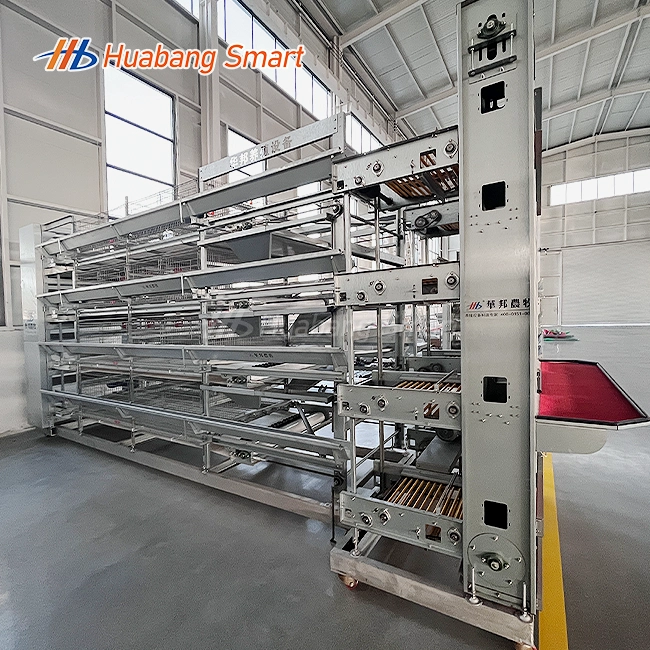
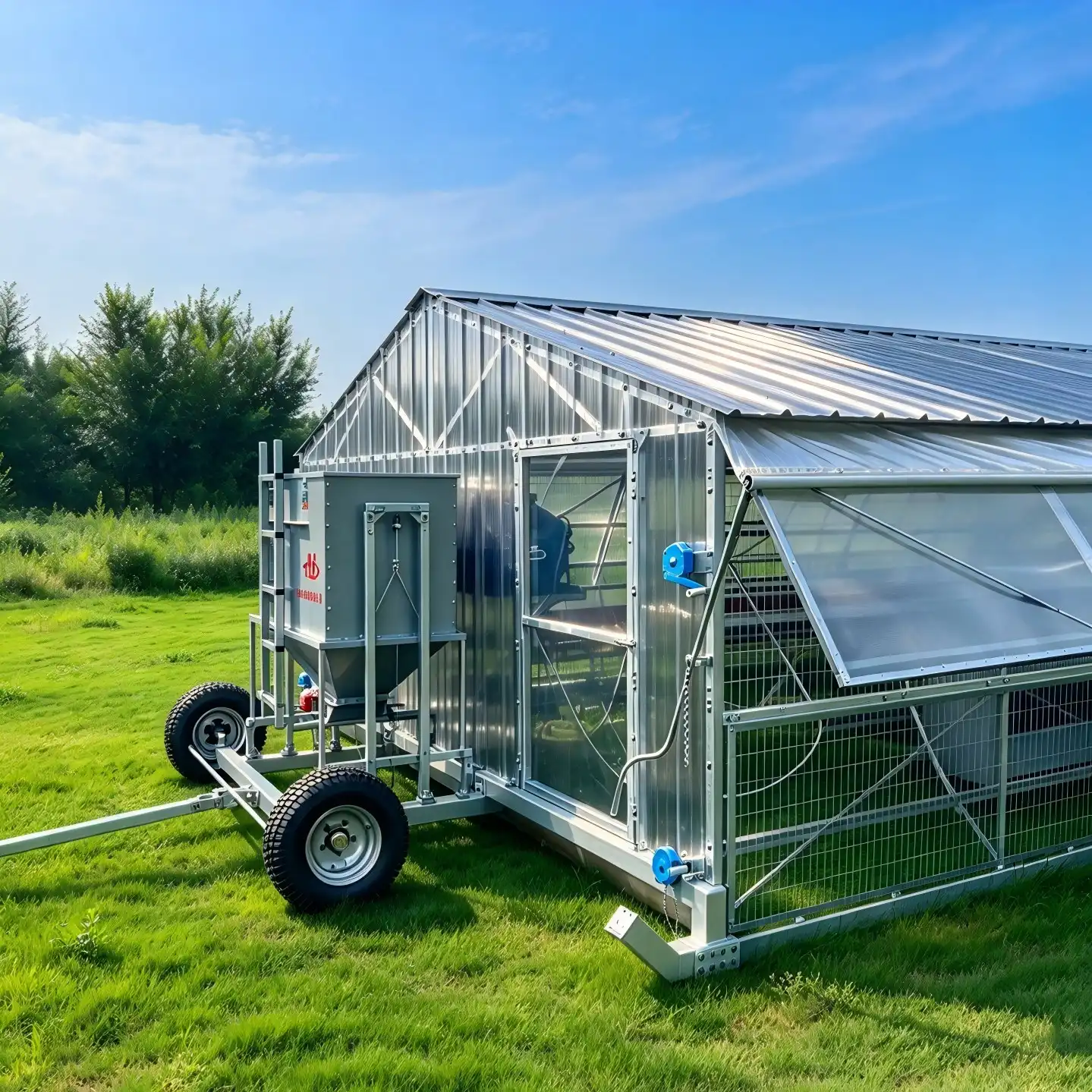
Professional-grade units are based on two main technical ideas: long-lasting structures and automating functions. The mobile chicken houses made by Huabang Smart show how this can be done. They have 275g hot-dip galvanised frames and aluminium-zinc coated wire mesh, which protects them from rusting in places where ammonia is present in large amounts. The normal 15m x 5m x 2.8m layout can fit 700–900 birds while still meeting welfare standards. Custom sizes can be made to fit different flock numbers and terrain conditions.
Core Benefits That Impact Your Bottom Line
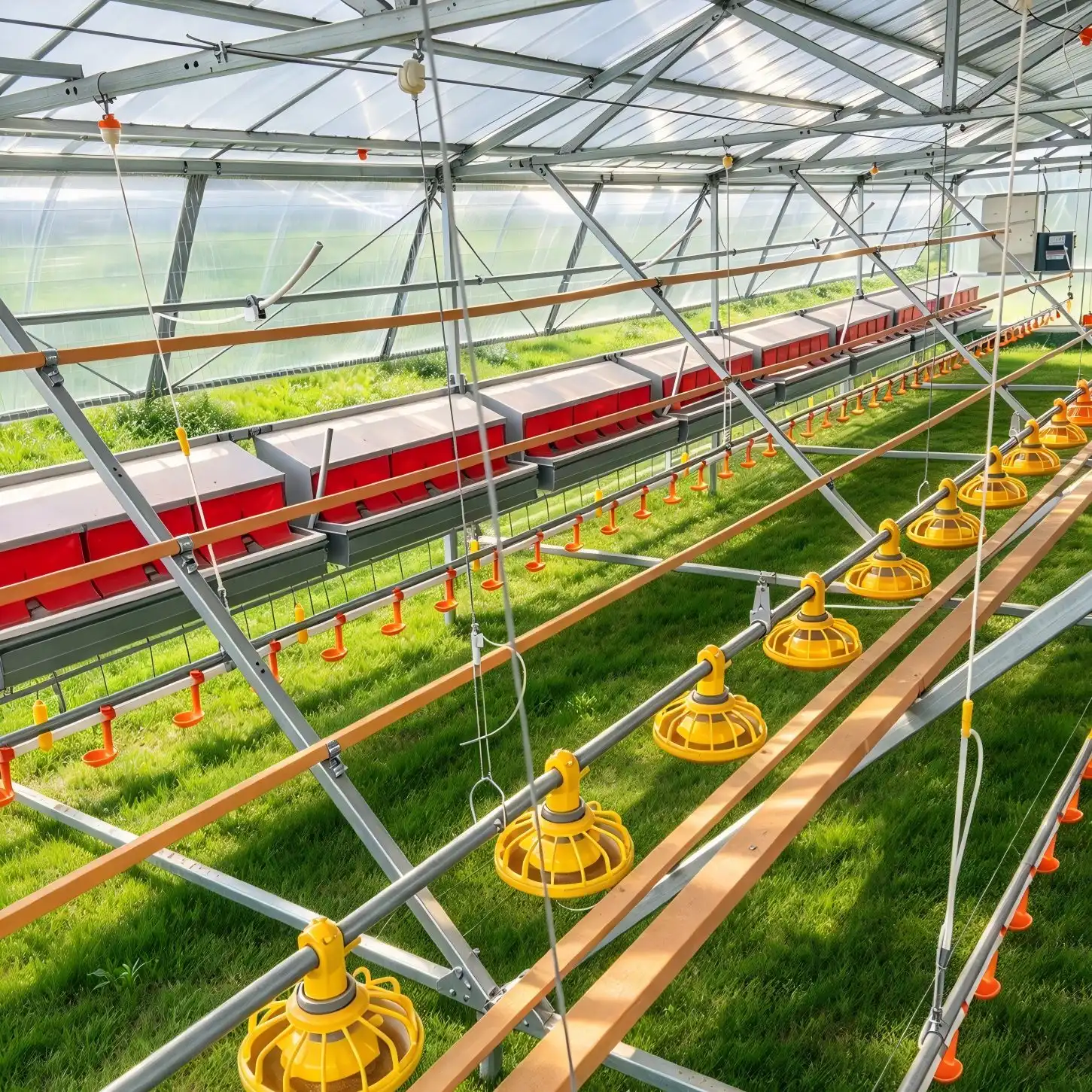
Operational advantages lead directly to financial results that can be measured. The automated systems for feeding and watering cut down on the need for human labour by about 70%, which lets farm workers efficiently manage larger flocks. Environmental controls powered by the sun keep the right temperature and humidity levels, which raises feed conversion rates by up to 8% compared to static housing that doesn't have enough air flow.
Design Configurations for Different Production Models
Tractor-style designs work well for farms that want to rotate pastures every day. They have low-profile frames that improve efficiency and make moving easier by hand or with the help of an ATV. Most of the time, these units are used during grill production cycles, when frequent ground changes help the birds grow quickly. The aluminum-zinc construction is light and allows for quick repositioning without compacting the soil. This keeps the quality of the pasture for later grazing cycles.
Agribusinesses that want to increase their production capacity gradually can benefit from modular systems because they are easy to expand. These setups connect several housing units with standard interfaces, which lets a central location handle feeding and data tracking for flock parts that are spread out. Climate-adapted versions have better insulation for temperate zones in the north and more ventilation for tropical areas. This keeps the temperature stable without using too much energy. Choosing between insulated and non-insulated panels relies on the extreme temperatures of the seasons and the output schedules that are planned. Insulated models are more productive all year, which makes them worth the extra money they cost up front.
How to Choose the Right Mobile Chicken Coop for Your Business
Defining Your Operational Requirements
Before making a procurement choice, it's important to be clear on the output goals and environmental limits. Diversified farms that raise 1,000 birds at a time need very different specifications than commercial operations that raise 10,000 birds or more every year. Planning for capacity needs to take into account the number of animals that should be stocked, how long they usually take to grow out, and rotation schedules that let the pasture recover while still keeping production going.
Evaluating Mobility and Structural Features
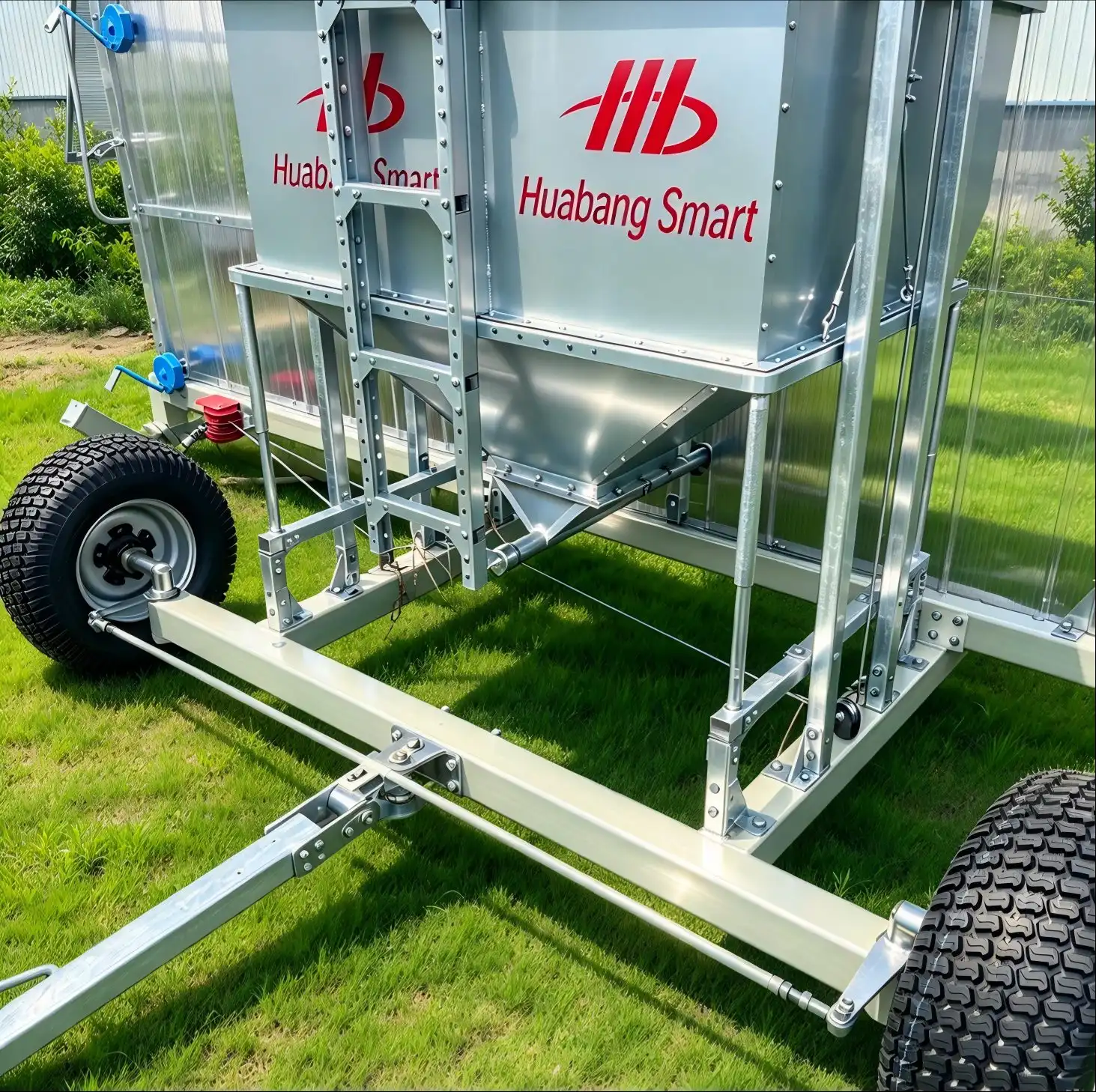
Movement systems have a direct effect on how well workers do their jobs and how flexible operations can be. Smaller operations on flat ground can use manual systems with skid rails or lightweight wheel kits. For larger units weighing more than 3,000 pounds or operations on sloped land, hydraulic or electric towing devices are needed. The weight-to-capacity ratio affects how much the earth is packed down and how often it moves. Professional-grade units aim for certain PSI levels to protect the health of the field during moves.
The lifespan and upkeep prices are based on how well the structure is built. The 3mm hot-dip galvanised steel tube construction used by well-known companies like Huabang Smart can withstand the corrosive effects of ammonia and the physical stress of being moved around a lot. It has a 15-year service life compared to 5–7 years for lighter gauge materials. Welded joints work better than bolted connections in places with a lot of vibration, and powder-coated finishes protect against corrosion even more in places with salty air.
Assessing Automation and Smart Technology Integration
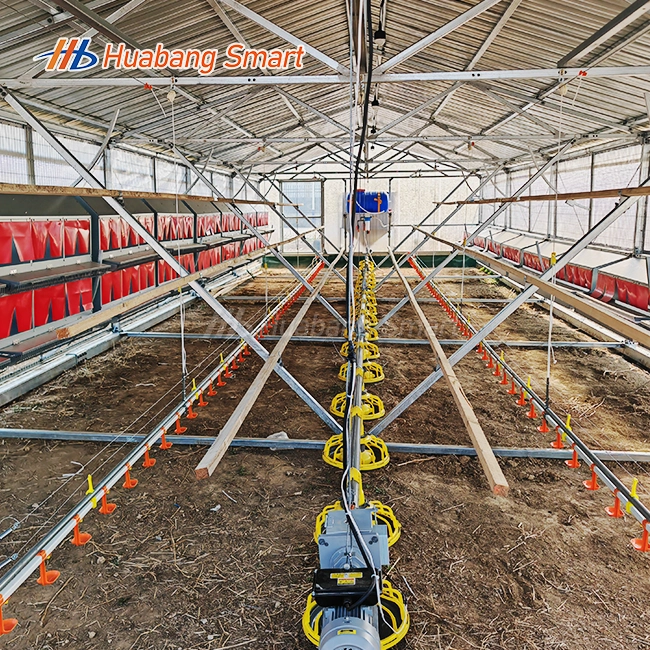
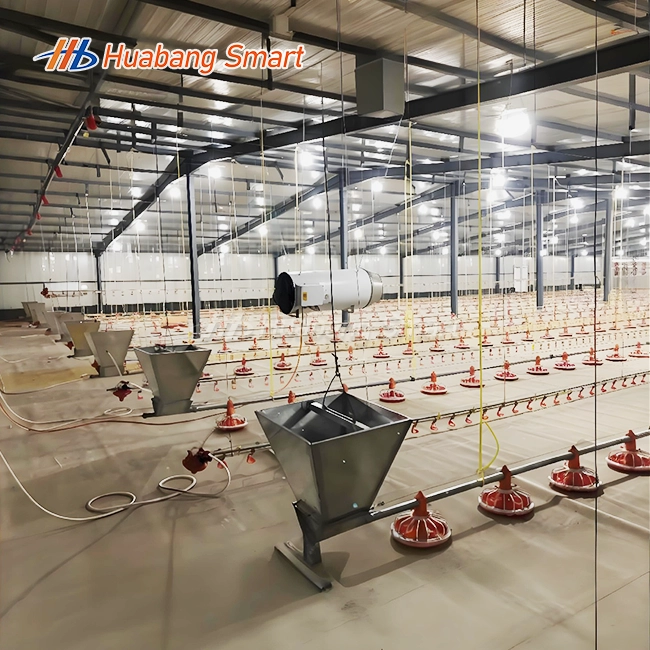
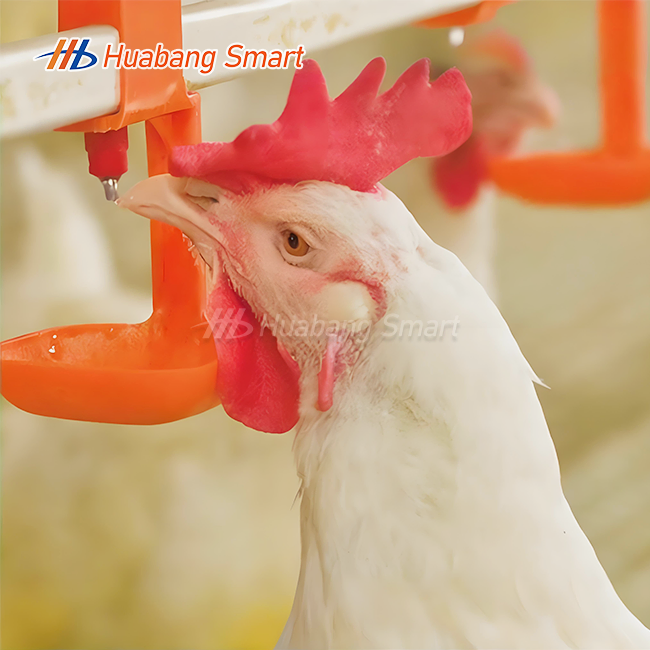
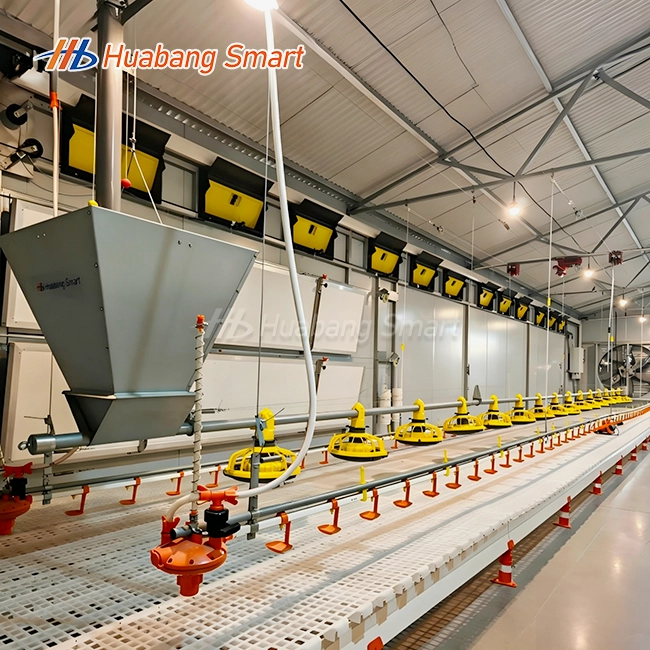
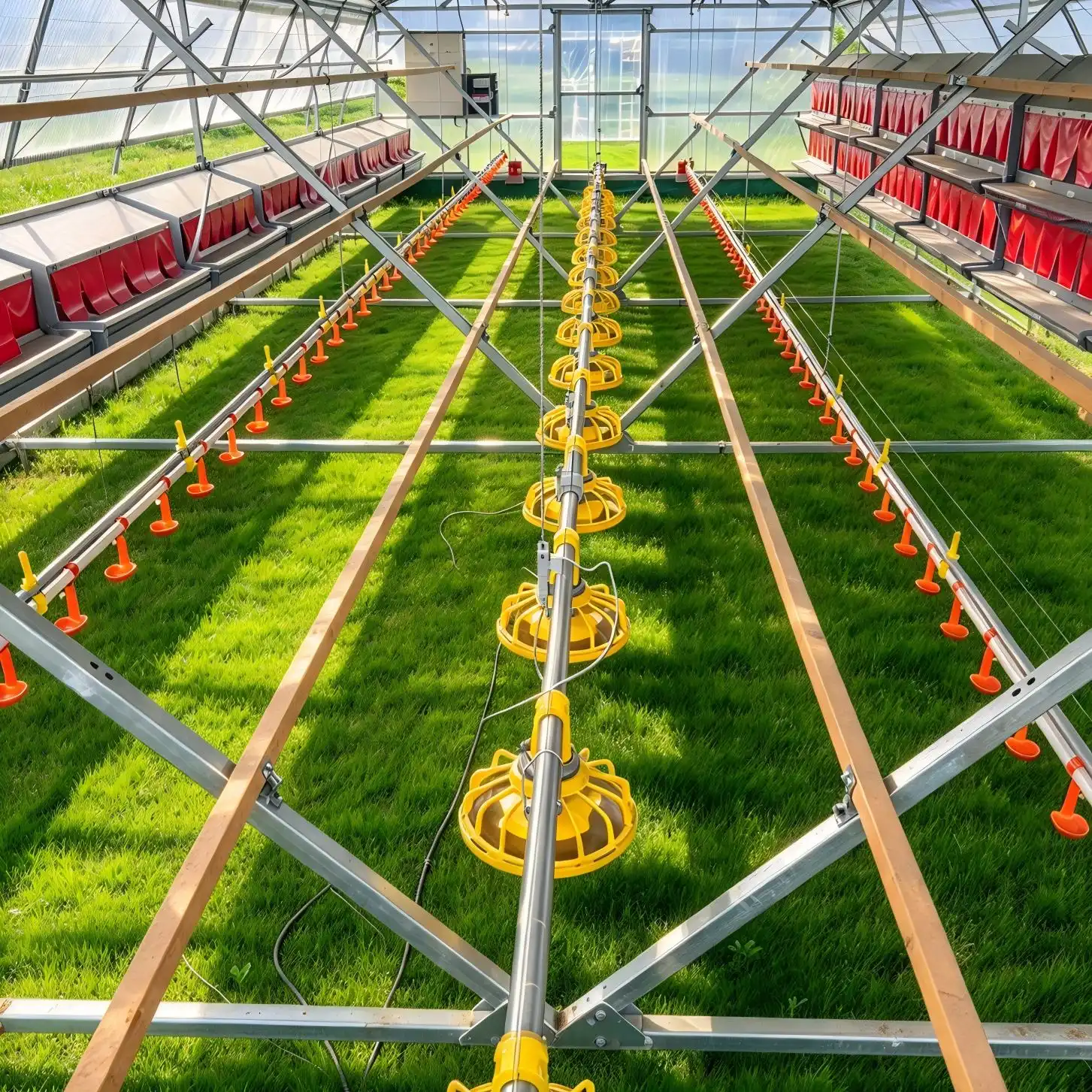
Automated systems are worth the higher initial costs because they save money over time. Integrated feeding systems give out exact amounts of food based on the age and weight goals of the group. This gets rid of feed trash, which usually costs 10-15% of the total cost of operations that are done by hand. Nipple drinking systems keep water clean and cut down on spills, and weight tracking sensors give real-time growth data that lets people know right away if performance measures don't match expectations.
Verifying Supplier Credentials and Support Infrastructure
When evaluating a supplier, more than just the product specifications are looked at. Technical support and warranty terms are also taken into account. International safety and performance standards must be met in order to get CE approval, and quality management systems must be consistent in order to get ISO9001 proof. Patent portfolios show real ability to come up with new ideas, not just making things that are already on the market.
Infrastructure for after-sales support is becoming very important for international purchasing. Suppliers who give on-site installation services, provide expert documents in multiple languages, and have a regional spread of spare parts lower the risk of downtime. Because Huabang Smart is present in more than 100 countries, it has localised support networks that can quickly respond to repair needs. This is very important for businesses where equipment failure directly affects the well-being of animals and the ability to make money.
Building, Operating, and Maintaining Mobile Chicken Coops Efficiently
Strategic Planning and Site Preparation
For execution to go well, the spot must be carefully analysed before the equipment is put in place. Assessing the topography of a pasture shows how water drains, how steep the slope is, and how much weight the soil can hold. These factors affect how things are placed and how people move around. Planning for electrical infrastructure determines the size of solar panels needed for self-sufficient operation versus connecting to the grid for larger automated systems.
When choosing materials for building or purchasing Mobile Chicken Coops, you should put corrosion protection and thermal performance at the top of your list. Hot-dip galvanised steel frames don't rust in environments with uric acid, which is common around chickens. Aluminum-zinc-coated mesh protects against predators without rusting. Huabang Smart's material specs are tested with salt spray according to ASTM B117 standards. This proves that they will work without rusting for at least 10 years in harsh agricultural circumstances.
Operational Best Practices for Flock Management
The daily movement protocols make sure that pasture recovery and operational efficiency are both met. Moving the broilers every day makes it easier for them to get food and keeps the ground from getting too wet in some areas. Moving the layer systems every two to three days is possible if the enclosed runs have enough space. Moving the group during the cooler morning hours makes handling them easier and lowers stress.
Predator Protection and Biosecurity Protocols
Threats from predators are different in each area, but they all need strong measures to keep them out. The 14-gauge welded wire mesh with 0.5-inch holes meets industry "raccoon-proof" standards that require a lot of skill to break through. Canids and mustelids that live in country places can't tunnel because of reinforced door latches and ground-level mesh skirts.
Predator control is only one part of biosecurity. Another part is disease prevention. All-in/all-out stocking in mobile units keeps different age groups from getting sick, and 21-day pasture rest times between rounds stop the life cycles of parasites. Fully slatted floors in automated systems keep animals from touching manure, which greatly lowers the risk of coccidiosis and internal parasite loads compared to housing that uses litter.
Routine Maintenance and Longevity Optimization
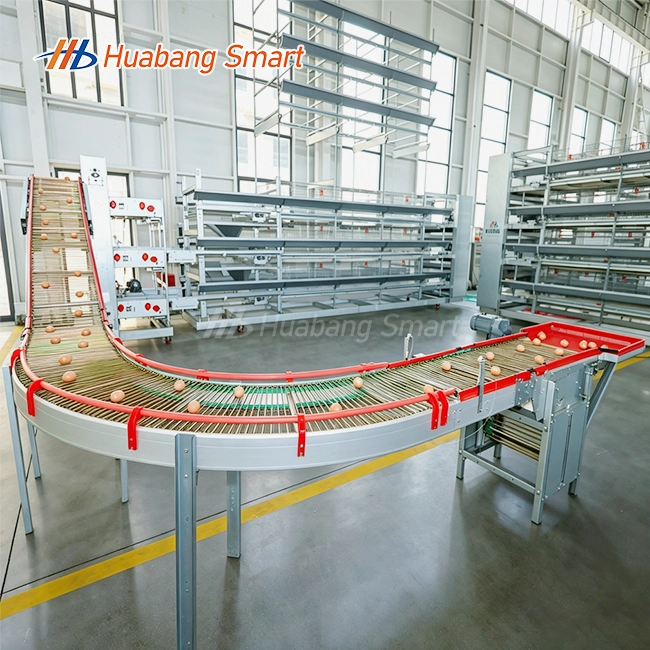
Scheduled preventative maintenance cuts down on expensive breakdowns and increases the life of equipment. Every week, you should check the watering system, mesh integrity, and lubrication of the wheel bearings. Once a month, you should check the structural joints for stress cracks or the start of rust. To keep things clean and stop ammonia from building up, the manure belt systems need to have waste removed every day.
Planning when to replace parts takes into account how they wear down over time. Mesh floors need to be replaced every 5 to 7 years, depending on how often they are used, but galvanised frames can last longer than 15 years with proper care. Huabang Smart's global after-sales network makes spare parts available and offers technical support, which is important for long-term operational continuity that is needed for planning production over more than one year.
Comparing Mobile Chicken Coops with Alternatives
Mobile vs. Stationary Housing Systems
Flexibility vs. infrastructure spending is the main trade-off between mobile and fixed systems. While stationary barns have more birds and easier utility connections, they need a lot of manure management and are more likely to get pathogens because the fields don't rotate. Mobile systems give up some stocking density in exchange for pasture access benefits, such as natural pest control, lower veterinary costs, and market fees for pasture-raised certification that can be 30–50% higher than regular prices.
Capital costs vary depending on the type of system. Stationary systems require a bigger initial investment but lower running costs per bird at very large scales, while Mobile Chicken Coops require a smaller initial investment but can be scaled up more easily. When you look at the total ownership costs over 10 years, which include labour, veterinary bills, and waste management, operations with less than 5,000 birds often find mobile systems to be more cost-effective.
Manual vs. Automated Mobility Solutions
Manual moving methods work best for companies with fewer than 500 birds, where people are available to handle the birds every day, and where the terrain allows for towing by foot or with the help of an ATV. While these simpler designs are 40% to 60% cheaper to buy than automated versions, they require more work, which adds up over long production cycles.
Procurement Insights: Purchasing, Pricing, and Supply Chain Considerations
Understanding Price Drivers and Budget Planning
Material specs have a big effect on how long something lasts and how much it costs to own. The extra cost for hot-dip galvanised construction over painted steel adds about 20% to the initial buy price, but it doesn't need to be replaced for at least 10 years, so it has a better lifetime value. Custom sizes and changes that are needed because of the environment usually come with engineering fees that are 10 to 15 percent of the base unit cost. These fees make sure that the product works best in certain operating situations.
Navigating International Logistics and Lead Times
When you buy something across borders, things get more complicated, so you need to plan carefully. Custom orders usually take 30 to 60 days to make, and 20 to 40 days for foreign shipping, based on where the order is going and how it is shipped. Container optimisation affects the cost per unit; standard 40-foot containers can hold between 4 and 6 units, depending on their size, which makes orders of more than one unit more cost-effective.
Different destinations have different rules about clearing customs and getting certificates. CE certification makes it easier to sell your products in Europe and many Asian countries, but in some places, you may need to get extra approvals. Because Huabang Smart has exported to more than 100 countries, the paperwork and rules-following processes are streamlined. This cuts down on clearance delays that can throw off construction and production schedules for farms.
Maximizing ROI Through Strategic Supplier Partnerships
Long-term ties with suppliers bring value beyond the original transactions. Well-known companies that offer technical advice can help match system configurations to specific operational needs and avoid over-specification that raises costs without delivering any benefits. On-site installation services make sure that automated systems are set up correctly, which is very important because wrong calibration can ruin performance predictions.
Operational risks are reduced by warranties and support after the sale. Huabang Smart's one-year warranty, backed by a global service infrastructure, gives customers confidence in the reliability of their equipment. Ongoing technical support helps with making optimisation changes as more operational experience is gained. Training services for farm workers make the best use of technology, making sure that automated features deliver expected efficiency gains instead of not being used at all because of a lack of knowledge.
Conclusion
When choosing Mobile Chicken Coops, you need to carefully look at the practical needs, technical requirements, and supplier skills. Using long-lasting hot-dip galvanised steel, automated controls for feeding and the environment, and adaptable mobility options can help solve some of the biggest problems in commercial poultry production. Systems that can adapt to different climates, as shown by their CE approval and large patent portfolios, give customers trust in their long-term success in a wide range of geographic markets. Strategic purchasing that looks at the total cost of ownership instead of the original price, along with partnerships with suppliers that offer full technical support, puts businesses in a position to make measurable changes in the health of their flocks, the efficiency of their workers, and their profits.
FAQ
What flock size suits standard mobile coop dimensions?
Professional mobile units that are 15m long, 5m wide, and 2.8m high can usually hold 700 to 900 chickens, though this depends on the breed and the type of production system being used. For quick turnover, broiler farms can use higher stocking densities as long as they follow safety rules. Layer farms, on the other hand, need lower stocking densities to support long output cycles. Custom sizing lets you change the capacity to fit the needs of different markets and their operating scales and legal requirements.
How often should mobile coops be relocated?
How often you move depends on how many animals are on the pasture and what your management goals are. In intensive broiler systems, moving the animals every day helps them eat the most forage and keeps the earth from getting too wet in some areas. For layer operations with enough fenced run room, moving the animals every two to three days is enough. Seasonal changes affect how fast grass grows, and moving the pasture more often during peak growing seasons makes the best use of it.
Can mobile systems function in extreme climates?
Professional-grade units have climate-specific features that let them work all year. In sub-zero temperatures, insulated roofing panels and heated watering systems keep things running, and in tropical climates, better ventilation and solar-powered cooling keep things cool. Huabang Smart's regional customisation makes sure that systems work successfully in temperatures ranging from -20°C to 45°C by choosing the right materials and setting up the right weather controls.
Partner with Huabang Smart for Advanced Mobile Poultry Solutions
Huabang Smart manufactures CE-certified Mobile Chicken Coops engineered for commercial-scale operations demanding automation, durability, and climate adaptability. Our 275g hot-dip galvanised construction with solar-powered systems and IoT integration delivers measurable labor reductions and productivity improvements backed by 49 technology patents. As an experienced mobile chicken coops supplier serving 100+ countries, we provide comprehensive support, including custom design based on your specifications, on-site installation, and local after-sales service. Contact our technical team at admin@huabangxm.com to discuss your operational requirements and receive detailed configuration proposals. Visit poultrycage.com to explore our complete product range and request a sample service demonstrating our manufacturing quality.
References
1. Johnson, M. (2023). Rotational Grazing Systems in Commercial Poultry Production. Agricultural Engineering Press.
2. Chen, L., & Williams, R. (2022). Automation Technologies for Sustainable Livestock Management. International Journal of Agricultural Innovation, 18(4), 267-289.
3. Peterson, K. (2024). Material Durability in Corrosive Agricultural Environments. Journal of Farm Equipment Engineering, 31(2), 145-162.
4. Sanders, T. (2023). Economic Analysis of Mobile vs. Stationary Poultry Housing Systems. Agribusiness Management Quarterly, 45(3), 78-94.
5. Liu, H., & Martinez, E. (2022). Climate Adaptation Strategies for Global Poultry Infrastructure. World Agriculture Technology Review, 29(1), 112-128.
6. Thompson, D. (2024). Biosecurity Protocols in Pastured Poultry Operations. Veterinary Systems Management, 16(2), 203-221.

USER EVALUATE
Here is the customer's evaluation of us