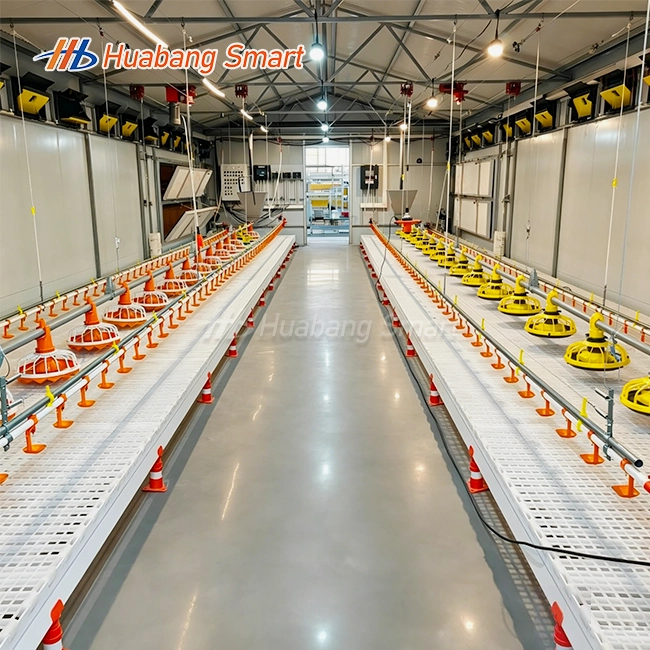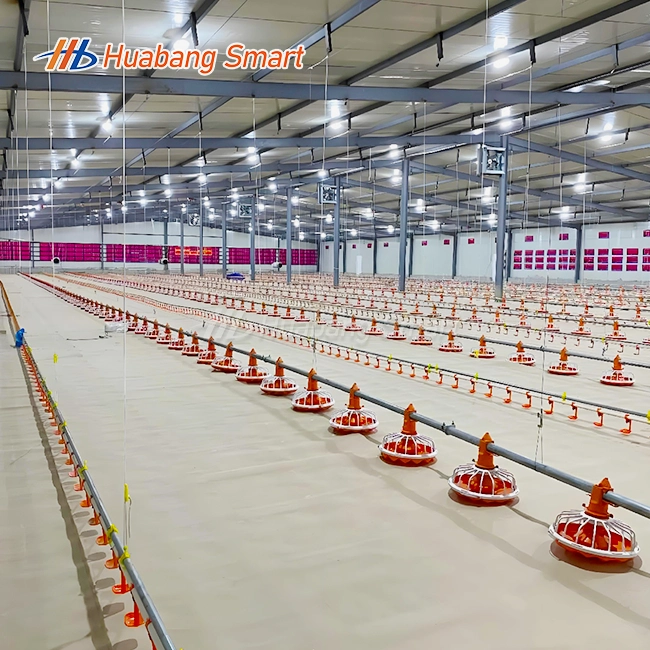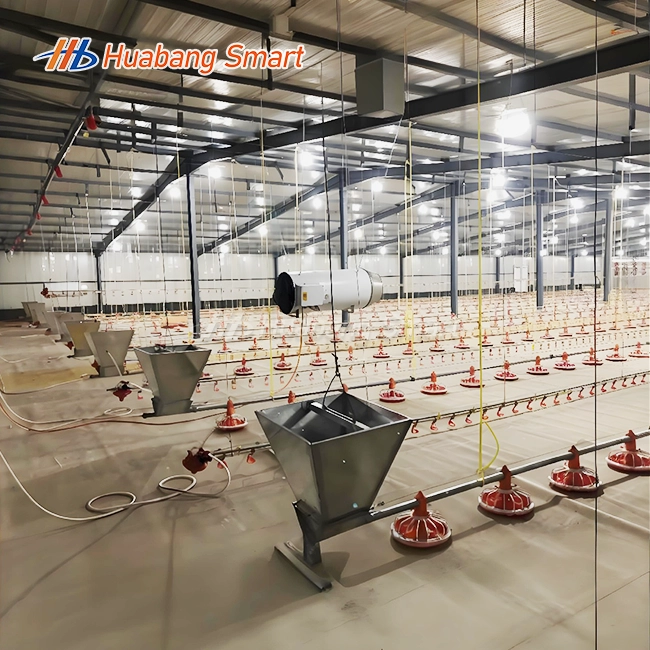

Mobile Chicken Coops for Rotational Grazing and Pasture Management
When chickens use Mobile Chicken Coops, they can graze on new grass at set times and then move on before the grass and soil get too worn down. By moving through the pasture in a circle, each area gets a short stay and a long rest. This lets the manure cover a large area and gives the plants time to grow back. A good mobile unit has a strong frame, strong wheels or skids, airflow, protection from animals, and easy access for daily work. Before you place a big order, you should give a lot of thought to the supplier you choose. You can use this guide to learn how the system works and what to look for in design.
Why Mobile Chicken Coops Matter for Rotational Grazing and Pasture Management?
How a Rotation Cycle Works
Setting up a pasture, putting up the coop, and keeping an eye on the flock are the first steps in a rotation cycle. I move the unit to new ground and let the used part rest before birds eat the grass or turn the soil over. They are also called chicken tractors or pastured poultry shelters. Mobile Chicken Coops can have wheels, skids, or tow points. A lot of them have a covered area for sleeping, nesting boxes, airflow, and a run that is attached. The USDA Natural Resources Conservation Service says that prescribed grazing means controlling when, how hard, and for how long animals graze so that plants can grow back. For chickens, it works the same way, and the coop is what makes it possible.
Benefits for Soil, Forage, and Flock Health
The bird poop doesn't build up in one place because the birds are moved around sometimes. If nutrients are spread out over a larger area, they feed the grass without making the soil too heavy. As long as the birds can eat bugs and plants, they may not need as much food. This depends on the breed, the pasture, and the time of year. The research, which was published in 2008 in Poultry Science, was led by Fanatico and others. It looked at different types of chickens that were raised indoors or outdoors and compared how quickly or slowly they grew. The results showed that performance is affected by both genotype and housing. Pests that gather on a steady path are also thrown off by new ground. Because of these things, many farms that use pasture would rather have mobile homes than a house with a yard.
Why Commercial Operators Pay Attention
It's worth more than just taking care of the animals on bigger farms. Some of the best places to buy animals are those that are raised on pasture, and a standard, towable coop makes it easy for a producer to grow. In a multi-species rotation, chickens can come after cattle or sheep to eat the manure and cut down on the number of fly larvae. This is a better way to use the land. The main cost, though, is the work itself, since moving takes time. That's why I think about a model's weight, wheel design, and level of automation very carefully before I recommend it. Over the course of a season, it can save hours to move a coop that is easy to move and feeds itself.
Mobile Chicken Coop Design and Pasture Planning
Frame, Wheels, and Flooring
The frame of a coop tells you how long it will last. Steel that has been hot-dip galvanized won't rust in rain, humidity, or manure. ASTM A123 is the standard for zinc coatings on iron and steel tools. Frames that are strong are good for business use and pulling over rough terrain. Frames that are light are better for moving small flocks by hand. The type of ground, slope, load, and how often you plan to move the coop should help you decide whether to use wheels or skids. When wheels are too small, they can sink or break quickly. Carefully look at the floor edges to make sure they provide pasture contact, drainage, cleanliness, and protection from animals that might try to eat the birds.

Ventilation and Predator Protection
Airflow is just as important as shelter for birds in Mobile Chicken Coops because they produce ammonia and moisture. Air that isn't too humid doesn't get blown across the flock by cold air. Most of the time, 25 ppm ammonia is thought to be too high for chicken health, and lower is better. In the field, I also check the mesh, doors, and latches. Hunters look for weak spots, so good wire mesh, tight door seals, and safe floor edges are the first things that keep them out. The roosts, nesting boxes, feeders, and drinkers inside the coop need to stay put while it moves.
Planning the Site and the Rotation Schedule
First, check out the area to see how big the pasture is, how well it drains, how steep it is, how much shade it has, how easy it is to get to water, and how many animals that could eat you are nearby. Don't use the highest number on a sales sheet to figure out flock size. Instead, look at the floor space and run area that can be used, the size of the birds, the weather, and the local rules for animal welfare. Actual plans decide how big paddocks can be, which days they can be used, and when they can rest. These plans change as the seasons do. Moving broiler tractors every day is normal, but bigger units that lay eggs might stay for two or three days. Food and water bowls should be put down to cut down on litter that gets wet and spills. Keep the flock safe, look at the path, move slowly, and connect the water right away before each move.
Comparing Mobile Chicken Coop Options and Avoiding Common Mistakes
Mobile vs. Stationary Housing
Fixed homes and mobile homes are used for various tasks. Moving systems make it easier to switch up pastures and cover more ground with manure. It might be easier to live in a fixed house when it's hard to move because of land, labor, or bad weather. In this group, chicken tractors are made to be moved around a lot and touch the ground directly. Mobile coops with walls, on the other hand, are safer at night and in bad weather. If you have a big business, the second type is usually better because it can handle more birds and is automatic. I choose based on the size of the flock, the terrain, the weather, and the number of people who can help move the animals. This is because neither choice is perfect for every farm.
Wood, Metal, and Hybrid Construction
There are some things that are bad about wood: it's heavy, it soaks up water, and cracks can be home to mites and bacteria. It's easier to clean, and the metal frames keep water out better. Hot-dip galvanizing is a process that coats steel in zinc. People often use the ASTM B117 salt spray test to see how resistant different coated materials are to rust. Some styles, like those with steel frames and lighter panels, are strong and don't weigh too much. Rate how long each choice will last, how clean it is, how heavy it is, how easy it is to fix, and how long it lasts in service. Coated steel is good for commercial fleets that are used every day on wet pasture because it can be moved and washed many times.
Mistakes That Cost Money Later
When people buy Mobile Chicken Coops based only on price or capacity claims, most things go wrong. Before agreeing to a bird count, check out the floors that can be used, the size of the runs, and the airflow. The wheels should be matched to the total weight of the load, not just the weight of the load itself. Be careful of the heat, cold, and humidity all at the same time. If the coop works well in the spring, it might not work so well in the summer. Threats can get in through weak latches and mesh that is too thin. Having extra weight makes work harder and hurts the pasture. Not having extra parts on hand can make a small repair last a long time. It is much less expensive to make these changes during the specification phase than in the field.
Huabang Smart Mobile Chicken Coops: Specifications and Use Cases
Core Specifications
Here are some of the most important specs for the Huabang Smart mobile unit.
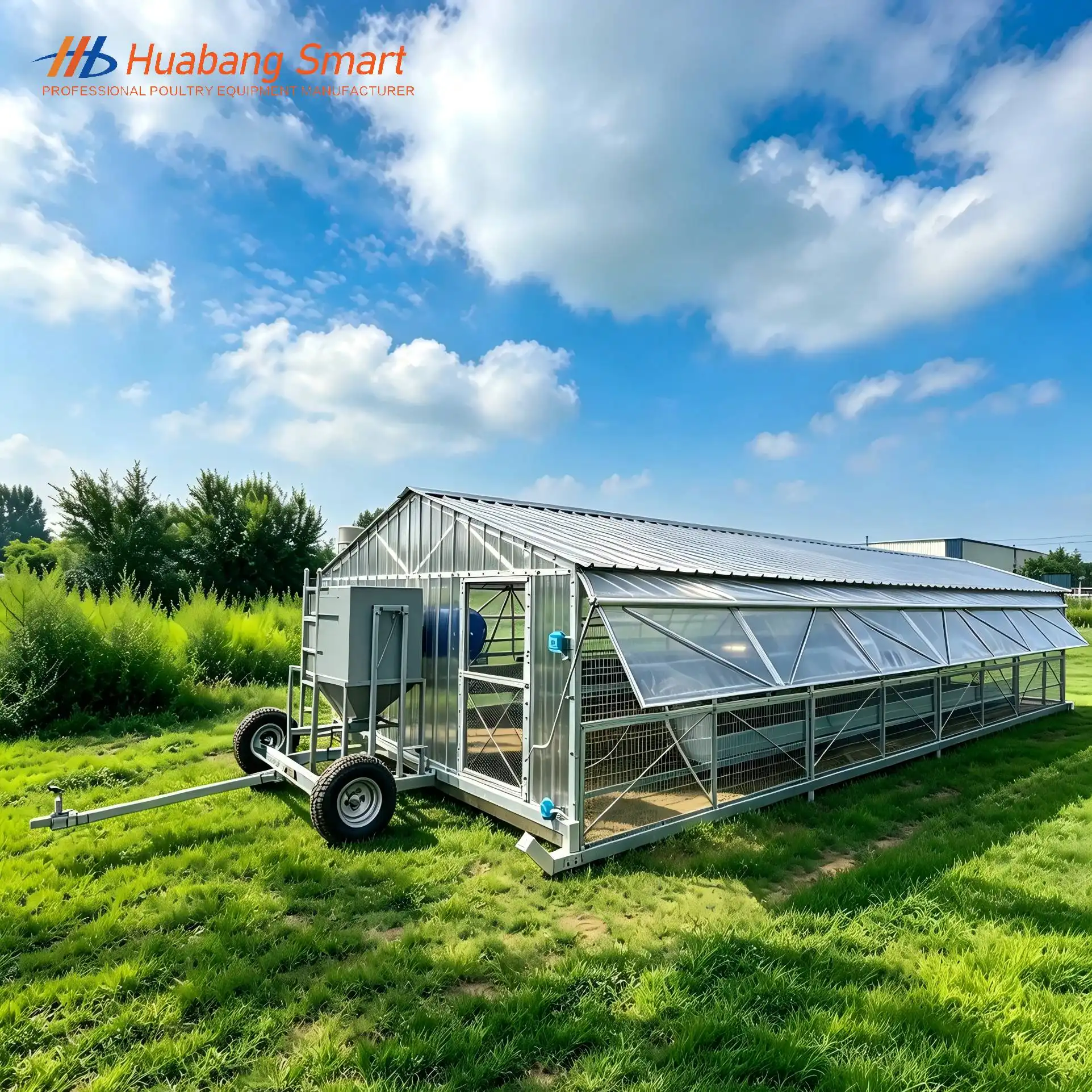
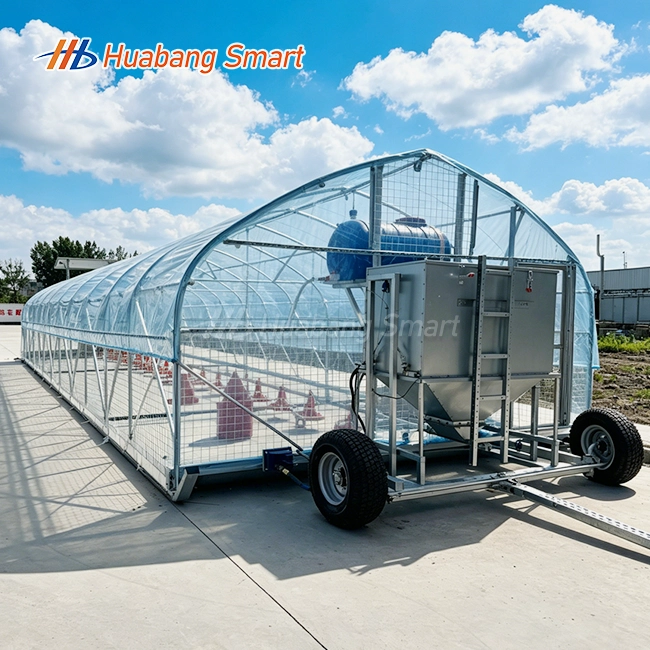
- Structure and coating: The frame and panels use 275g hot-dip galvanized steel tube construction, paired with aluminum-zinc coated wire mesh. This coating protects the unit against moisture, manure, and weather exposure on damp pasture, and Huabang Smart states the galvanized structure has a service life of 15 years.
- Size and capacity: Each unit measures 15m x 5m x 2.8m, and custom sizes are supported. A single mobile unit holds 700 to 900 chickens, so one coop can serve a commercial flock without a string of small shelters. You can also adjust the layout to your farm.
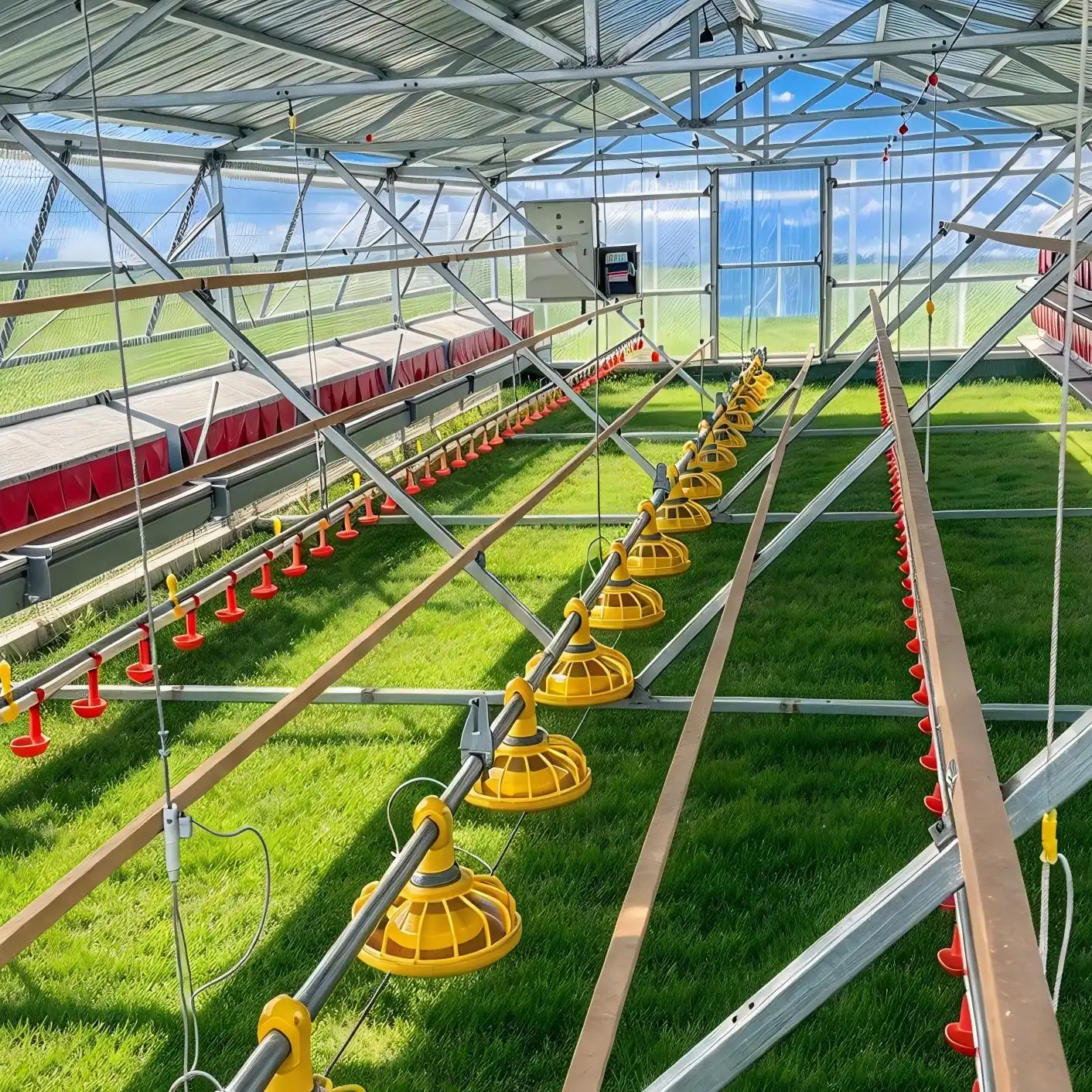
- Mobility and automation: The design is easy to move and solar-powered, and it includes automatic feeding and watering systems. These features cut daily walking and hand-filling, two of the largest recurring tasks in pasture poultry work, and they keep the flock supplied while your crew handles other jobs.
These rules cover three important issues for businesses that use pastures: labor, flock size, and durability.
Automation, Environment Control, and Documented Results
Huabang Smart makes smart systems that are based on the Internet of Things. These systems include feeding and drinking by nipple, as well as real-time monitoring of temperature, humidity, and air quality. Environmental control from this company can help farmers save up to 8% on feed costs, and its built-in automation can cut work by 70%. The numbers come from the broiler system data at Huabang Smart. What happens on your farm will depend on the weather, the breed, and how you take care of the birds. As for a mobile setup, I think you should do a test run to see how many hours of work are needed for each move, how much feed is used, and how many people die.
Customization, Certification, and Support
The Huabang Smart company was set up in Qingzhou, Shandong, in 2012. It is ISO9001 and CE certified and has 49 patents on core technologies. We can do both OEM and ODM work, and if you send us drawings, we can even make designs just for you. Different sets can be made to match the weather, farm size, and market requirements. It's made in 30 to 60 days. We give free quotes, help with planning your site, video installation guides, on-site installation, and tips on how to raise chickens. Another great thing is that the company has an after-sales network that works in more than 100 countries.
Buying Guide: Supplier Evaluation, Pilot Testing, and Checklist
Evaluating a Supplier
Think of Mobile Chicken Coops as full operating systems when you buy one. They're more than just a place to live. Find out from each supplier how they handle changes, how they package their goods for export, how long their lead times are, where they get their materials, how good their welds and coatings are, and how good their customer service is after the sale. You should ask for technical documents that describe the product's size, weight, capacity, materials, wheel ratings, airflow, warranty information, and replacement parts. Freight, duties, assembly, tow equipment, maintenance, and downtime are all part of the total landed cost. It's not the same as the unit price. OEM and private-label buyers should check the drawings, tolerances, sample approval, and ownership terms before starting mass production.
Pilot Testing and Performance Tracking
You can use a pilot unit to test things like movement, airflow, cleaning, water supply, and bird behavior before you buy a whole fleet. Set goals that can be measured instead of just observing things as they happen. Track pasture recovery time, mortality, feed and water use, labor hours per move, cleaning frequency, maintenance cost, and cost per bird or production cycle. It keeps track of problems like a slow hitch or a leaky drinker line, and it lets you change the specs before the full order goes out. It's possible to automate tasks with sensors and systems that check the water level. However, all of these systems must still be simple to fix in the field.
Final Buying Checklist
Before you sign, make sure that the frame, wheels, axles, flooring, ventilation, roof, fixed items inside, and service access all work with your site. Ask for plans, a list of the materials, proof that the quality was checked, a sample, details on how it will be packed, the warranty terms, and a list of spare parts. To help them, plan when they will be moved, how they can get water, how to keep predators away, when to clean, and how often to do maintenance. Add to the list logistics, customs requirements, assembly instructions, and the total cost of delivery for goods that are brought in from other countries. If the buyer looks these things over ahead of time, there will be less of a surprise when they get there and during the first season.
Conclusion
By relocating chickens to new land before the soil and forage start to deteriorate, Mobile Chicken Coops aid in rotational grazing. Soil is spread, used pasture gets a break, and parasites don't get too big. There should be good airflow, a strong galvanized frame, wheels that are right for the terrain and load, and tight protection from animals that might try to eat the animal. They are used for different things, and most people fail when they buy based only on price or the capacity that was advertised. Sunlight powers the 15m x 5m x 2.8m Huabang Smart unit, which can hold 700 to 900 chickens. It also takes care of feeding and watering the chickens. Buyers can get the best idea of costs and results before they buy more by carefully checking suppliers, doing a pilot test, and keeping track of data on how things are going.
FAQ
How often should I move a mobile coop?
Moving broiler tractors every day is normal, but bigger units that lay eggs might stay for two or three days. Move the coop before the grass dies or the ground gets too wet.
How many birds fit in one Huabang Smart unit?
A 15m x 5m x 2.8m unit is big enough for 700 to 970 chickens. Compare the final count to the rules for dealing with climate change and helping people in the area.
Can the design be customized?
Yes. Huabang Smart can take OEM and ODM orders, as well as designs and sizes that are made just for you based on your drawings.
What support comes with an order?
There is a one-year warranty, sample service, and on-site installation. There is also advice on how to run a chicken coop.
How does galvanized steel help?
Zinc is poured over steel during hot-dip galvanizing. This keeps water and poop from getting into the frame. This picture's frame and panels are galvanized with 275g.
Request a Mobile Chicken Coops Solution from Huabang Smart
Do you want to raise chickens in the US on pasture? Get in touch with Huabang Smart. They make Mobile Chicken Coops and have 45 core technology patents, CE, ISO9001, OEM and ODM support, and they can install them on-site. It's made in 30 to 60 days. Send an email to ginny260831@gmail.com or huabangsmart002@gmail.com with the size of your flock, the terrain, and any drawings you have for a quote that is tailored to your project. You can find out more about the product at poultrycage.com.
References
1. Pastured Poultry Profits, Joel Salatin, 1993
2. Performance, Livability, and Carcass Yield of Slow- and Fast-Growing Chicken Genotypes Fed Low-Nutrient or Standard Diets and Raised Indoors or with Outdoor Access, Poultry Science, 2008
3. Prescribed Grazing, Conservation Practice Standard 528, USDA Natural Resources Conservation Service, 2017
4. ASTM A123/A123M, Standard Specification for Zinc (Hot-Dip Galvanized) Coatings on Iron and Steel Products, ASTM International, 2017
5. ASTM B117, Standard Practice for Operating Salt Spray (Fog) Apparatus, ASTM International, 2019
6. Guide for the Care and Use of Agricultural Animals in Research and Teaching, Federation of Animal Science Societies, 2020

USER EVALUATE
Here is the customer's evaluation of us
(1)_1793065123781.webp)
(1)_1793069021831.webp)