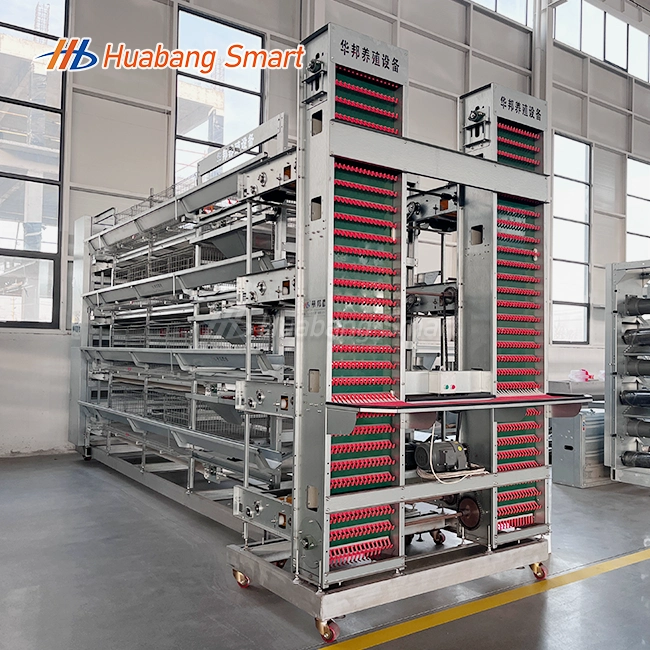

How to Choose a Chicken Coop Water Feeder for Leak Prevention and Easy Cleaning
Look at the type of drinker first to find a Chicken Coop Water Feeder that won't leak and is simple to clean. Next, look at the mounting, valve, and seals it has. On a nipple or cup drinker, food-grade silicone seals and stainless steel valve parts keep water off the litter and away from the waste. Next, look for parts that are fast to get to, have smooth edges, and are simple to take apart. As for the size of the flock and the weather, make sure the capacity fits. Also, ask for proof that pressure and flow tests were done. Try out a small amount on a real farm before you place a big order. These parts will show you how to do each thing.
Start With Your Flock, Layout, and Drinker Type
Define Flock Size, Climate, and Layout First
Before I compare them, I write down how each Chicken Coop Water Feeder works. Daily water needs depend on how many birds there are, how old they are, what kind of food they eat, how warm the house is, and how many birds are on an acre. To keep things simple, I'm not going to build a big tank. This is because biofilm grows in still water as it warms up. After that, choose the type of mounting. If you have a floor-rearing house, hanging lines work best. For small coops, wall-mounted units work best, and for long houses, centralized lines work best. Make a list of your goals in the form of numbers. For example, write down how much water you want per drinking point, how often you want to refill, and how long you think you should clean once a week. There are a lot of numbers that help you compare quotes and help you talk to suppliers quickly.
Know How Nipple, Cup, and Gravity Systems Work
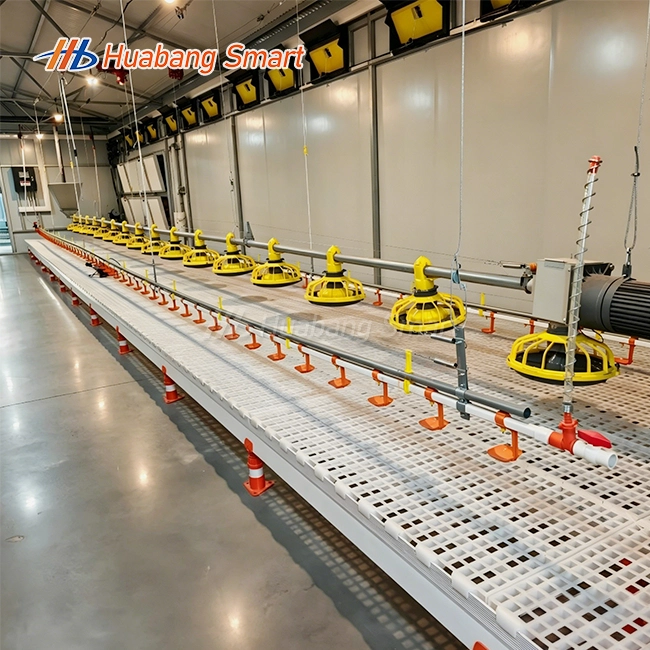
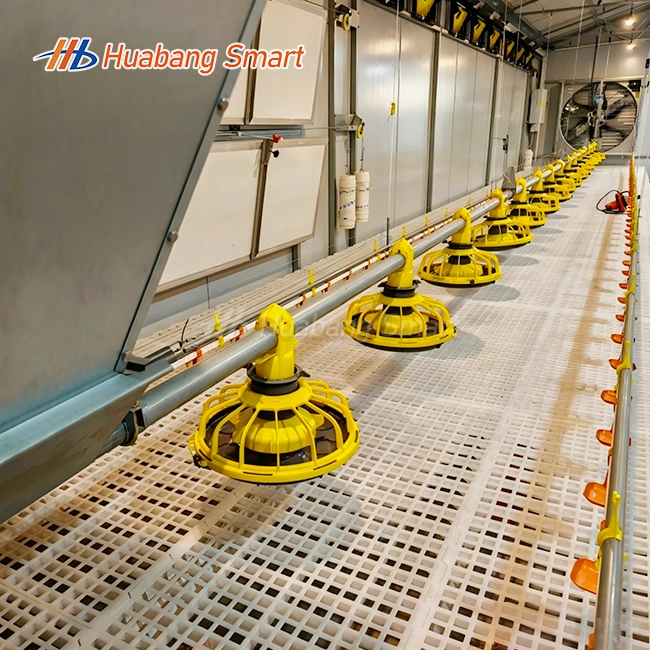
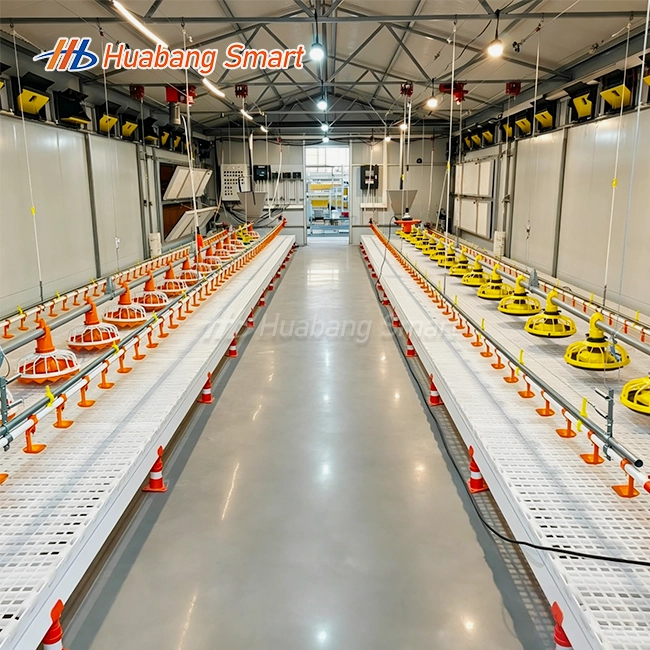
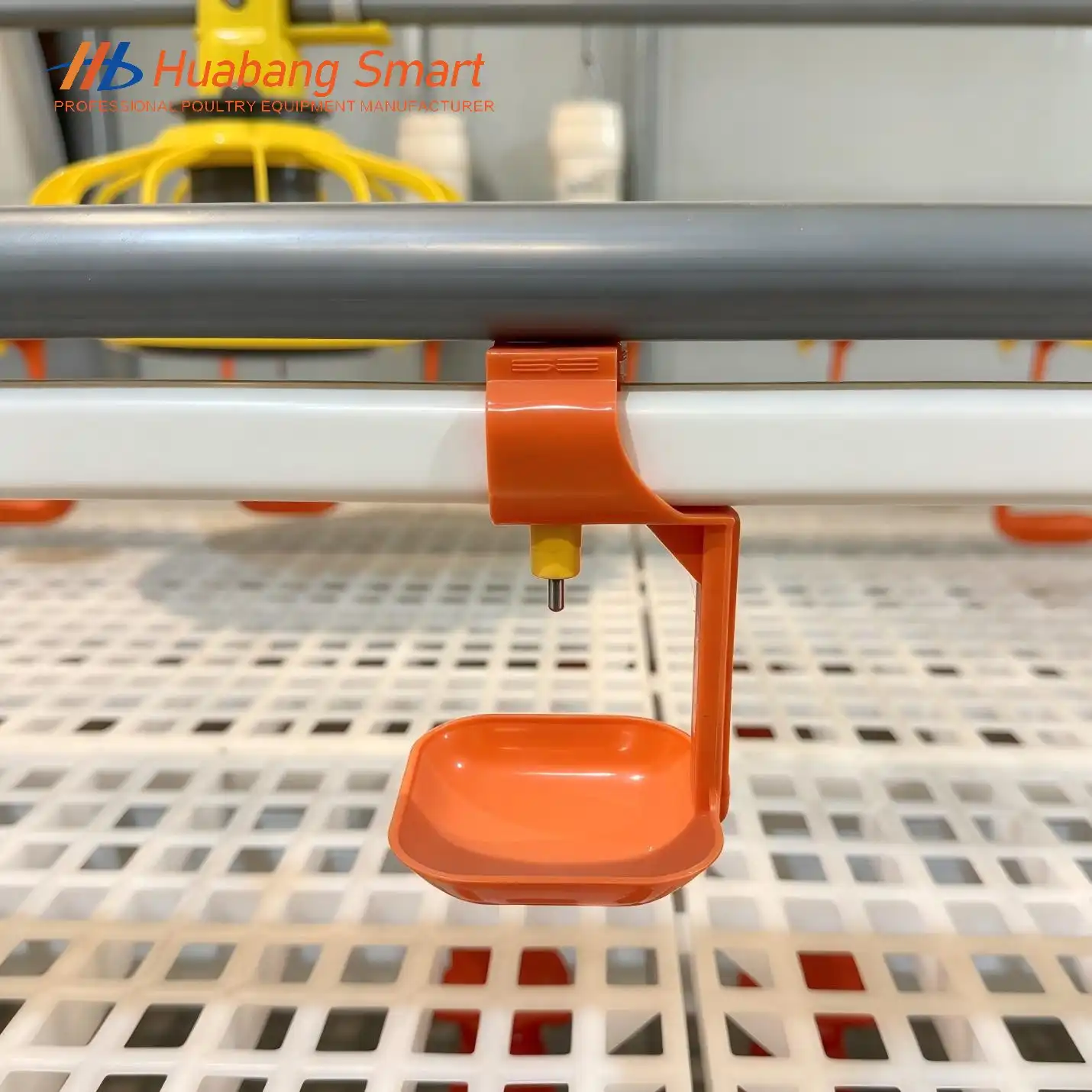
Different styles use water in different ways. Open troughs can be knocked over by birds, letting trash, food dust, and droppings get into the water. Reservoirs that are filled by gravity don't need to be filled up as often, but they can still hold water. Birds have to peck the nipple drinker's valve open in order for water to come out. We can keep the supply clean and closed this way. As a way to help chicks and layers drink, cup drinkers put a small catch cup under the valve. Every design is based on how well the seal, spring, valve seat, tubing, fittings, and pressure all work together to stop leaks. I wonder how each of these parts of a drinker keeps water from moving when I look at it.
Compare Nipple, Automatic, and Traditional Waterers
For a few birds, a temporary pen, or chicks that are only a day old, open drinkers can work. But they need to be cleaned often because they fill up quickly. Most of the time, nipple systems clean things better and waste less water, but it might take a little while to train a flock. It is important that the litter is wet. In 2010, Shepherd and Fairchild wrote an article for the journal "Poultry Science" about footpad dermatitis. They said that clay litter was one of the things that caused it. So, cleaning up spills is also bad for your health. You should also think about the total cost of ownership, which includes the price you paid for the item, the cost of repairs, the cost of water waste, and the cost of new parts. A cheap bowl that needs to be cleaned every day might cost more than a closed system in a year.
Features That Prevent Leaks in a Chicken Coop Water Feeder
Check Valves, Seals, and Connections
What do you think of as a full system? A drinker that doesn't leak. It is important to check the valve body, spring, seal, threaded joints, end caps, and the way the tubing is lined up. 304 or 316 stainless steel is used to make the valve parts of Huabang Smart drinking systems. Food-grade silicone that meets REACH and RoHS standards is used to make the seals. Parts made of stainless steel don't rust when vitamin supplements or treatments make the water more acidic. Also, silicone doesn't change shape when the water pressure changes. Get each supplier to write down what each wet part is made of. Also, clean the threads and make sure the connectors fit all the way down. A fitting that is only partially in place is often to blame for slow drips. When the manufacturer tells you to, put thread sealing tape on joints that have threads.
Set Pressure, Height, and Mounting Correctly
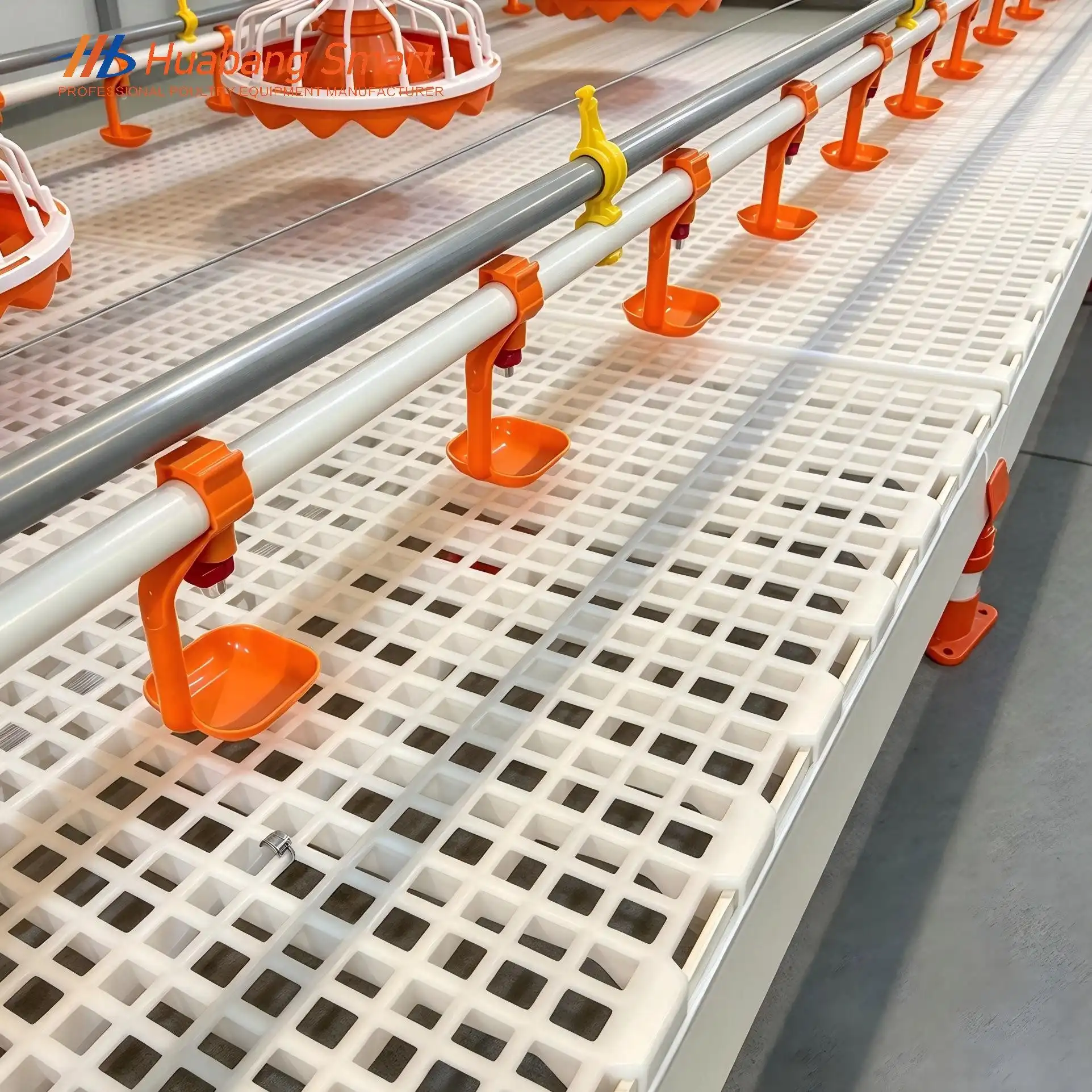
Even a good valve will leak if the pressure is off. We can change the range from 0.2 to 0.5 PSI to meet our needs, and keeping it the same all the way along the line protects the seals. The same goes for height. By moving the line up with the winch, you can make the drinking point at or just above eye level as the birds get bigger. The birds then stretch out a bit, eat normally, and leave less waste on the litter. There are breeder guides for drinkers from Aviagen (Ross), Cobb-Vantress, and Hy-Line. These guides show the fish how to grow at different stages. When lines aren't level, valve seats aren't as strong, so make sure they stay level. Parts stay in place with the help of strong tubes and brackets.
Ask for Test Evidence and Fix Common Leaks
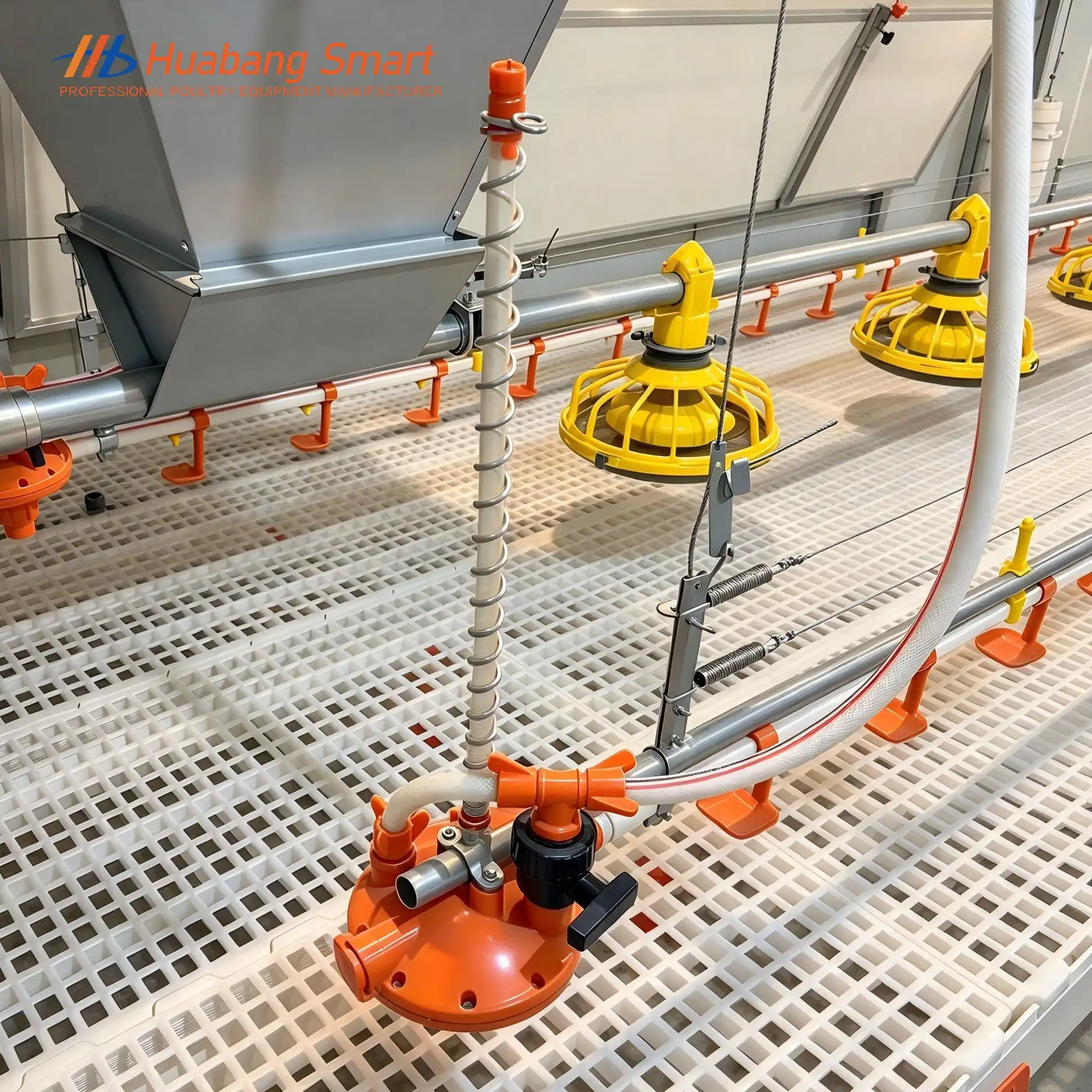
Ask for proof instead of just words for a Chicken Coop Water Feeder. Water pressure of 1.0 PSI is used to check all of our units for leaks, and the flow calibration makes sure that every drinking point stays between 40 and 80 ml per minute. Chemical resistance tests use cleaners like peracetic acid and chlorine dioxide. Accelerated aging tests make the material age as quickly as if it had been exposed to UV light for three to five years. Fittings that are too loose, parts that are cracked, nipples that are blocked, or seals that are worn out cause most leaks. Clean the line, reseat the fitting, and lower the pressure before putting in the new parts. Check the flow rate and height, and see if the flock has learned how to peck the valve if the birds don't pay attention to the nipples.
Easy Cleaning and Climate Fit
Pick Smooth, Food-Safe, Accessible Surfaces
The shape changes how long it takes to clean. Biofilm and algae can't stick to smooth, non-porous surfaces, so they are easy to clean. Food-grade high-density polyethylene is used to make our Chicken Coop Water Feeder. UV stabilizers are added to it so that sunlight doesn't hurt the structure. Look for big holes, loose lids, and valves that you can brush. Deep grooves, extra seams, and holes that you can't see through should be avoided. Also, having light PVC pipes with quick-connect fittings is helpful because the crew can quickly disconnect a section, flush it, and then reconnect it. Time how long it takes to rinse and put back together. That test will teach you a lot.
Build a Simple Cleaning Routine
Water stays safe when you have a clear plan. Every day, as you walk the line, check the water level and look for drips or wet waste. If the water looks cloudy, or every once in a while, give it a deep clean. Also, rinse open cups or reservoirs often. Flush and clean closed lines every four to six months and right after taking medicine or vitamins through them. Peracetic acid and chlorine dioxide are two common cleaners used in business buildings. Our materials have been tested with them. Replace any worn seals, tubing, or nipples based on the season. When homes are hot, dusty, or full of people, check more often. The CDC also says that people should wash their hands after working with tools or chicken.
Match the Design to Heat and Cold
The weather changes how someone who drinks acts. When water freezes, nozzles can get clogged, tubes can break, and reservoirs can crack. They can work from -20°C to 50°C (-4°F to 122°F) if you add heating parts to them. When it's cold outside, the thermostatic heating parts keep the water moving. Those electrical parts have the CE mark on them. Birds drink more, and algae grows faster when it's hot, so make sure there is shade, material that doesn't fade in UV light, and enough room for water to flow. Large farms can use automated environmental controls to track how much water they use and set flushing cycles to happen at certain times. A sudden drop in what you eat can mean that something is wrong with your health.
Buying Checklist and Buyer Profiles
Use a Practical Buying Checklist
Buying teams can use this list to compare quotes side by side.
- Capacity and flow: Confirm the number of drinking points, flow per point, recommended flock size, refill interval, and operating pressure range. Check peak summer demand, because birds drink more in heat, and make sure the stated flow suits every age group in the house, from young chicks to adult breeders.
- Leak and material checks: Review nipples, seals, valves, tubing, and connectors, and ask for written pressure or durability test records. Confirm food-contact materials and resistance to UV, cold, corrosion, impact, and repeated washing, and ask which sanitizers the parts tolerate during your normal cleaning cycle, so nothing swells, cracks, or fades.
- Total cost of ownership: Add freight, installation, labor, water waste, spare parts, seasonal heating, and warranty to the unit price. Our Chicken Coop Water Feeder carries a one-year warranty, so compare that term across quotes and ask what it covers and how replacement parts ship to your farm within the warranty period.
This kind of list can help you compare options that you don't really want.
Match the Feeder to Backyard and Commercial Needs
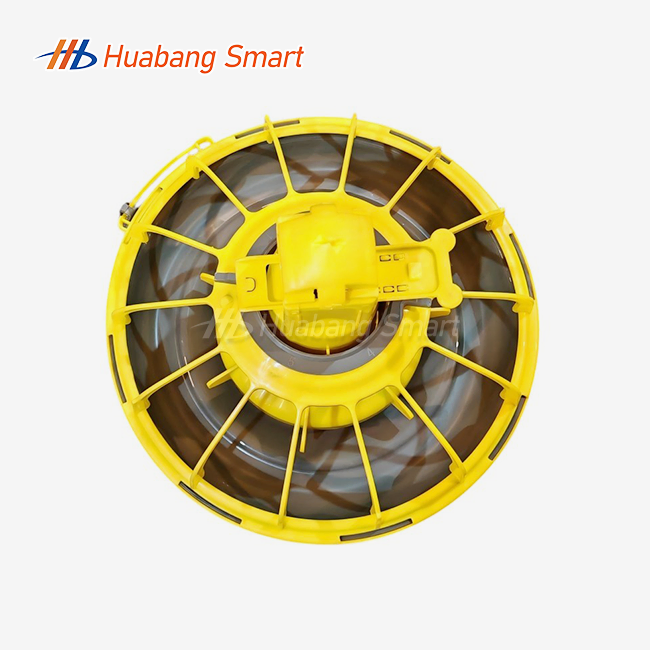
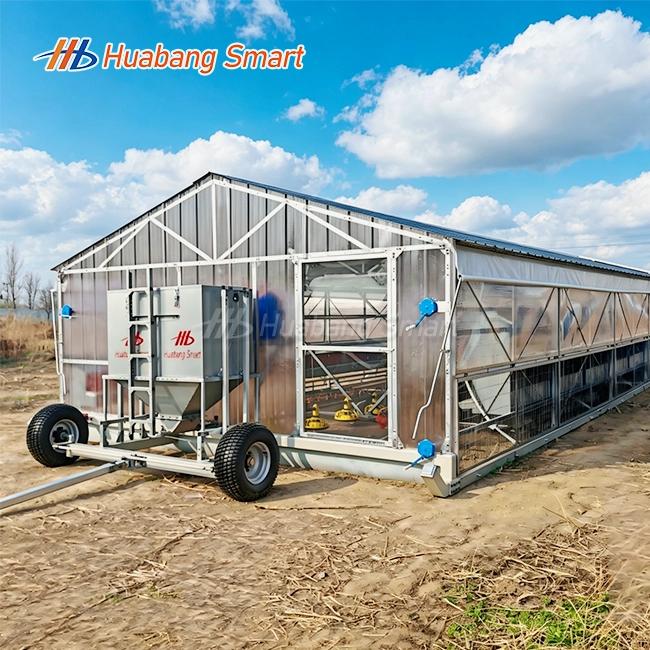
The units for a Chicken Coop Water Feeder in small backyard coops need to be stable, small, and simple to clean and stock with food. A flock of ten hens can be fed by a bucket and cup attachment that doesn't need electricity and works well. Our choice that feeds birds by gravity can handle 10 to 100 birds. Businesses need a main supply, more than one drinker line, the ability to control and monitor pressure, and a planned supply of spare parts. We can work with groups of 500 to 50,000 birds. This type of nipple is good for broilers because more than one bird can use it at the same time. It can be used by breeders, layers, and broilers. Drops of calcium supplements won't get mixed up if people drink from cups. Setting with low pressure can be used in the brooder parts of breeding houses.
Pair Water With Feeding for Whole-House Control
I believe you should think about food and water at the same time. Up to 3,086 lb (1,400 kg) of feed can be moved by our pan feeding system every hour. The pan is 330 mm (13 inches) wide and has 16 feeding slots. The feeding pipe is 75 mm (three inches) long and strong. You can use it on both broilers and layers. The feeding and watering lines should be planned around the same house layout. This cuts down on parts that don't fit and gives your team a list of possible arrangements to choose from. Our team plans the site, designs the products, makes detailed lists of how to set them up, makes video installation guides, and then sets up the products on-site.
How to Evaluate a Manufacturer and Supplier?
Verify Production and Quality Control
First, find out if the company is a factory or a store. Check the parts, check them as they're being made, look for leaks, do one last check, and make sure you can keep track of each batch. As part of our ISO9001-certified process, we check each part and keep track of each batch. You should make a sample and make sure it's okay before making a lot of them, especially if they have valves, tubing, or custom fittings. Projects should be planned around the times when things are made. They last us 30 to 60 days. We get ours straight from the factory, so it doesn't take long for them to draw and ship. If suppliers give you test records, drawings, and lists of materials right away, it's easy to compare them.
Check OEM, ODM, and Customization Support
A lot of the time, distributors and project contractors have to change the brand, the bag, and the size. Check with the supplier to see if they can help with getting new tools, changing the reservoir, logos, and colors. Huabang Smart can do both OEM and ODM work, and they can use your drawings to make designs just for you. We make layouts that work with the farm's current equipment and change them based on the weather, the size of the animals, and the type of animals that live in the area. Talk about the minimum order size, the number of items that can fit in a box, how full the boxes can be, how much freight costs, and what spare parts are available. The port won't be late, and the installation won't be a surprise, if these things are talked about early on. We started our company in 2012 in Qingzhou, Shandong, and now we have 49 patents on core technologies.
Look for Installation, Training, and After-Sales Support
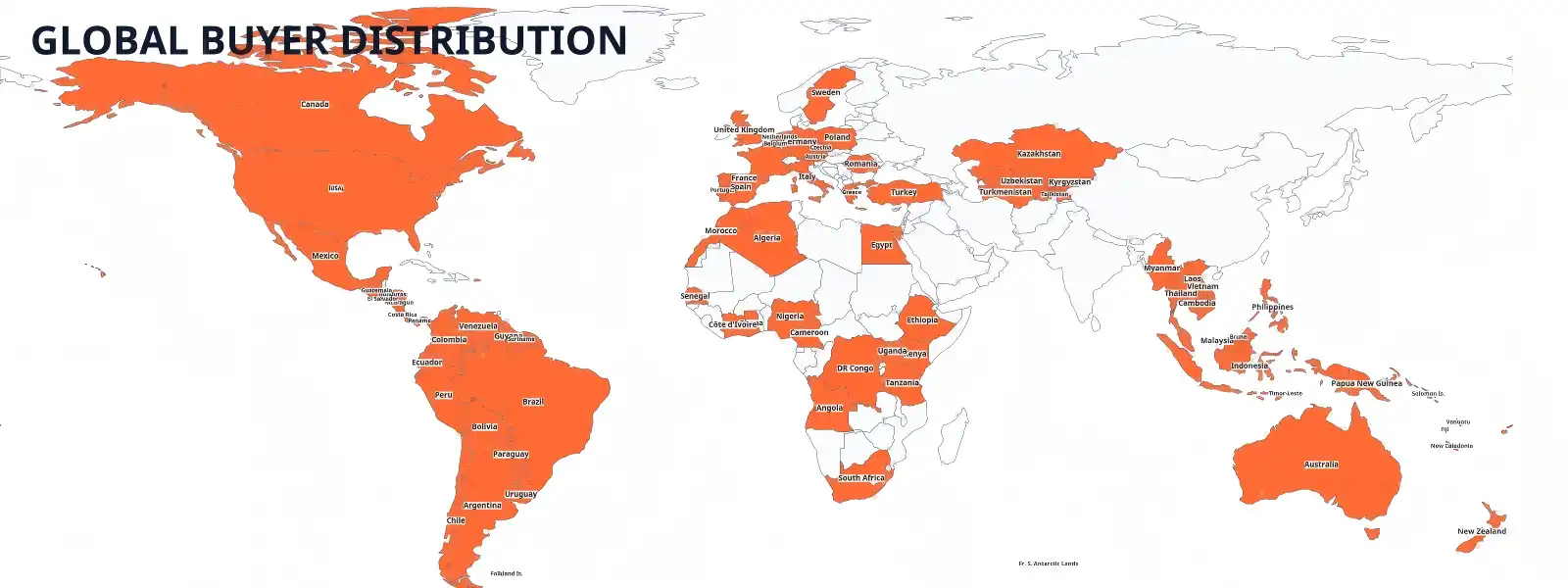
People who put together and take care of a drinker make it what it is. We plan the site, design the products, give detailed configuration lists and video installation guides, install the products on-site, and offer support in other countries after the sale. Customers in more than 100 countries in Europe, Southeast Asia, the Middle East, and other places can get technical help from Huabang Smart at any time, from the design stage to after the system is set up and running. Find a supplier who will help you even after the sale. Find out how crews are trained and how spare parts are sent. Biosecurity programs, like Defend the Flock from the USDA, stress the need for clean tools and limited access. These goals can be reached with parts that are simple to clean and maintenance instructions that are easy to understand.
Conclusion
Before you buy a Chicken Coop Water Feeder that won't leak and is easy to clean, you should know how many chickens you have, where they will be kept, and the weather. Nipple and cup drinkers keep water in and dry out the litter. This is important because litter that is too wet can make your feet hurt. Leaks can't happen unless the whole system is in place. This includes food-grade seals, stainless steel valve parts, the right pressure, the right height, and a firm mounting that can be shown by records of flow and pressure tests. The parts are food-safe, smooth, and easy to reach, which makes cleaning faster. A regular routine keeps the water safe in hot or cold weather. A list of things like capacity, materials, and total ownership cost makes it easy to compare quotes. Quality control by the supplier, OEM support, and installation service all affect how well something works in the long term. You can prove these points by testing a sample in real life before you place a big order.
FAQ
How do I stop a Chicken Coop Water Feeder from leaking?
Check the seals, tighten the fittings, and make sure the pressure stays in the range that was set. If the valve is dirty or the gaskets are worn, drips can happen. To fix this, flush the line first.
How often should I clean the system?
Every day, walk the line and clean the parts that aren't closed off. Closed lines should be flushed and cleaned every four to six months or right after taking medicine or vitamins.
Can nipple drinkers be used for baby chicks?
Yes, as long as the chicks know how to peck the valve and the flow and height are right for them. Setting the pressure low is helpful in the brooder sections.
What is the right installation height?
Place the drinking hole at or just above the level of a bird's eye. As the flock grows, move it up.
Does the system work in freezing weather?
Yes, some of them can heat up. They work from -20°C to 50°C when added to our systems.
CTA: Request a Chicken Coop Water Feeder Quote from Huabang Smart
Want to find a business that can make Chicken Coop Water Feeders and take both OEM and ODM orders? People who raise breeders, layers, and broilers can buy cup and nipple drinker systems from Huabang Smart. Email ginny260831@gmail.com or huabangsmart002@gmail.com with details about the number of birds you want, the size of your flock, and the climate where you live. Then, our team will figure out a configuration and give you a price. Go to poultrycage.com to find out more about the item.
References
1. Ross Broiler Management Handbook, Aviagen, 2018.
2. Cobb Broiler Management Guide, Cobb-Vantress, 2022.
3. Hy-Line W-36 Commercial Layer Management Guide, Hy-Line International, 2020.
4. Footpad Dermatitis in Poultry, Poultry Science, 2010.
5. Healthy Pets, Healthy People: Backyard Poultry, Centers for Disease Control and Prevention, 2024.
6. Defend the Flock Program, USDA Animal and Plant Health Inspection Service, 2023.

USER EVALUATE
Here is the customer's evaluation of us
(1)_1793069021831.webp)