
How to Improve Feeding Access in Multi Tier Broiler Chicken Cage Systems
To make it easier for chickens to get food in a Multi Tier Broiler Chicken Cage, you should first check to see how much food is available on each level and along each line. Then fix the problems you find, like line leveling that isn't even, outlets that are blocked, feeders that are too low, or cages that are too full. Fit the feeding equipment to the layout of the cage, change the settings as the birds get bigger, and make sure there is enough airflow near the feeders. Lastly, compare your results to the starting point you set for feed conversion, weight uniformity, mortality, and labor hours. Before they ask for a quote, farm owners, engineers, and procurement teams can be sure of their choices after reading about each step below.
Measure and Diagnose Feeding Access Problems
Feed is usually the highest cost in raising broilers, so even small problems with getting to it can quickly cut into profits. First comes the diagnosis.
Build a Baseline Before You Change Anything
Before replacing or adding to equipment, write down how it's currently working. Check the feed at the beginning, middle, and end of each line. Also, compare the upper, middle, and lower tiers for delivering at the right time, having enough feed, and not spilling. Weigh the birds by section of their cage, since weight gaps often mean they can't get to certain areas. Keep track of the feed conversion ratio, daily gain, deaths, waste, labor hours, and feed delays for the whole flock cycle. Also, keep an eye on behavior. Numbers can miss problems that are shown by crowding, waiting, or unusually low activity at feeders. That way, your team will have a fair way to judge any later improvements.
Find the Mechanical and Feed-Related Causes
It's rare for one fault to cause bad access. Long or uneven lines can leave cages far away without enough food. Supply can be cut off by blocked outlets, feed bridging in hoppers, and drive units that are too small. A feeder height that works for big birds might not work as well for small ones, and troughs that are too full make more food go to waste. The quality of the food is also important, since wet, dusty, or uneven pellets slow the flow and make it harder to eat. Stress from heat makes animals less hungry, so check the temperature near the feeders. Add data from flocks, readings of the weather, and notes from workers who walk the house every day to the mechanical inspection.
Check Cage Dimensions and Stocking Density
Check the actual number of birds against the plan. More birds means less space at the feeder for each bird and more competition when it's busy. Check the drawings to make sure that the cage size, feeder length, tier height, and service clearance are correct. Our standard Multi Tier Broiler Chicken Cage unit is 1.25 m × 1 m × 0.45 m, which is about 4.1 ft × 3.3 ft × 1.5 ft. It can also be made in 0.48 m and 0.5 m heights. Our data says that there are 50 to 60 birds per square meter. Before you decide on capacity, make sure that this density fits the weight of your market and the rules in your area.
Build Feeding Access Into the Cage Design
The first step to good access is to plan it out. Even if the layout looks good on paper, some birds may still not have enough food.
Calculate Feeder Space From Bird Size and Market Weight
Feeder space is based on the breed, the target weight, the number of animals, and the rules that apply. The Ross and Cobb broiler management guides list the recommended feeder space for each age group and feeding system. This is a good place to start. Add extra space for times when a lot of birds are eating at the same time. Don't just measure the cage floor to find the right size feeder. A project-specific calculation based on usable length per tier is a better way to make sure that everyone has equal access than a general rule. So that buyers can check the capacity before approving an order, our technical team makes detailed layout plans and configuration lists. We offer OEM and ODM services, and we can also make changes based on the drawings you send us.
Plan Aisles, Tier Height, and Service Access
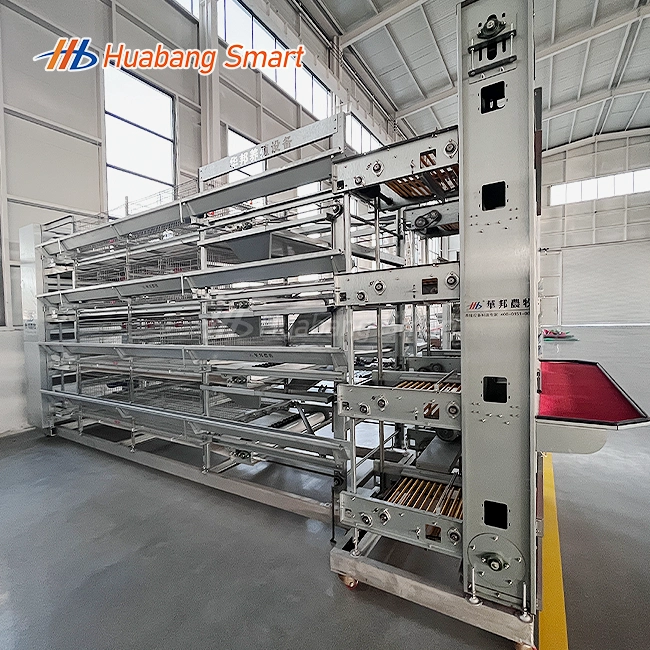
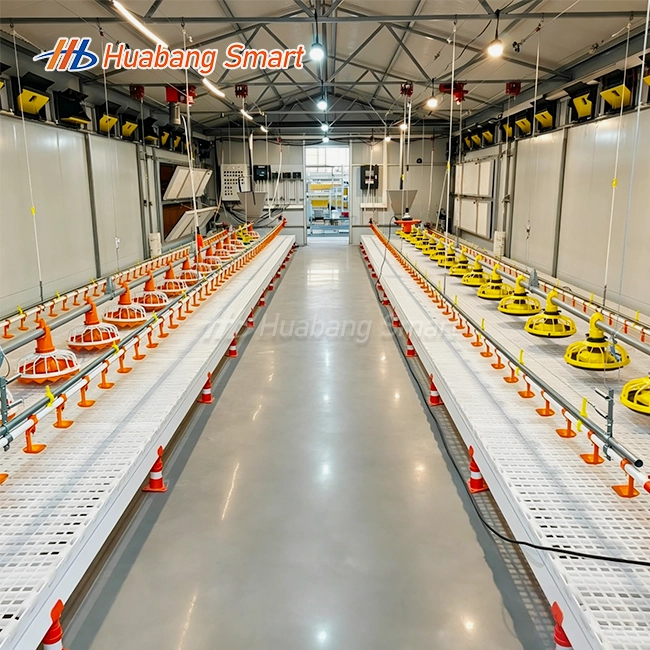
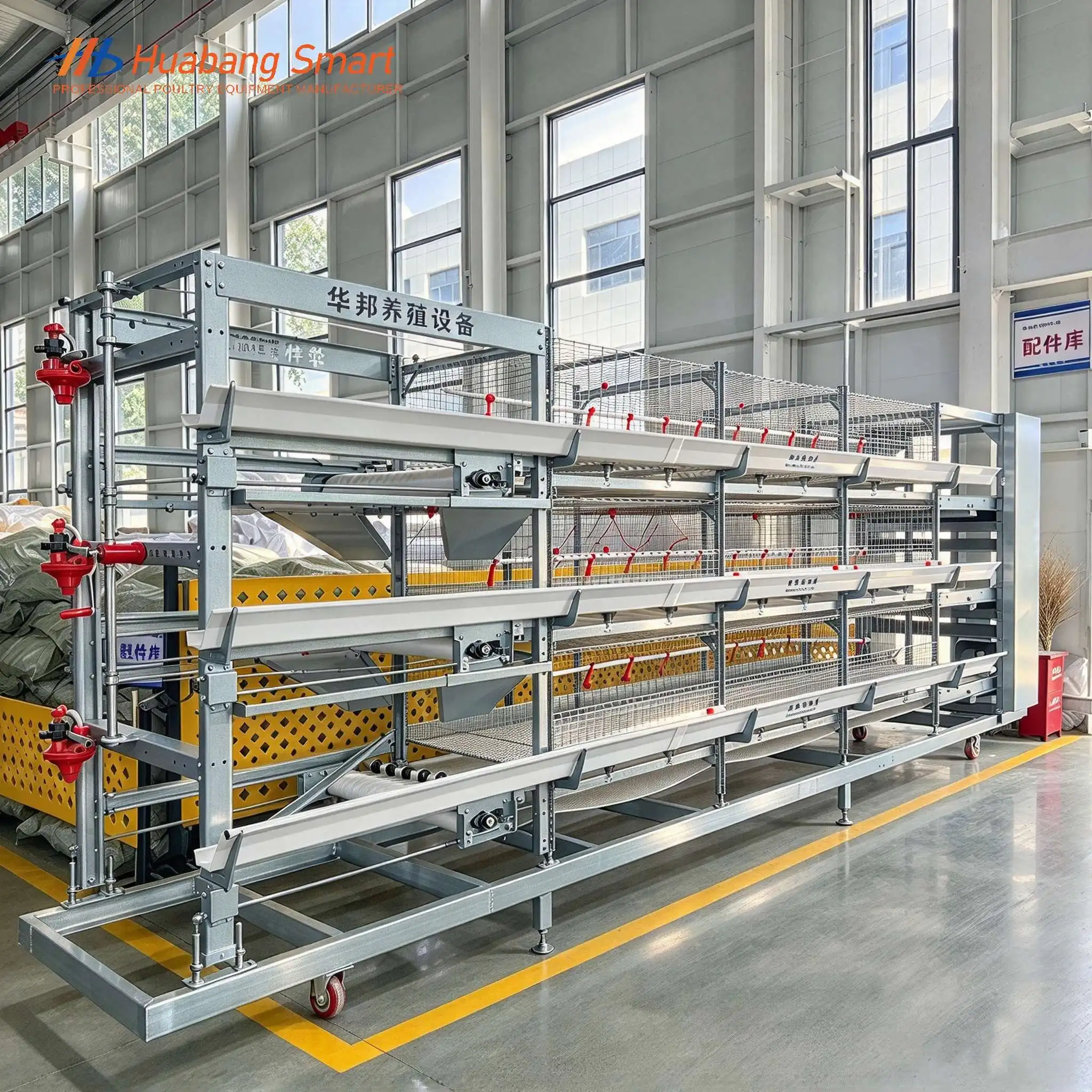
Workers need to be able to see and get to all feeding points in a Multi Tier Broiler Chicken Cage. Our H-type system has anywhere from 3 to 8 levels. The right number of levels depends on the height of the ceiling, the width of the aisles, and how easy it is for staff to check out the higher levels. Adding more levels increases the space available, but it's harder to see what's going on and needs more careful planning for airflow. Leave enough room for the motor and belt service. Check the strength of the floors and the locations of the columns during the building survey. Thickened cage panels and a galvanized mesh enclosure give it the strength it needs for daily use. Problems are fixed faster in a house that staff can quickly check out, which protects flock uniformity.
Balance Ventilation and Lighting With Feeder Positions
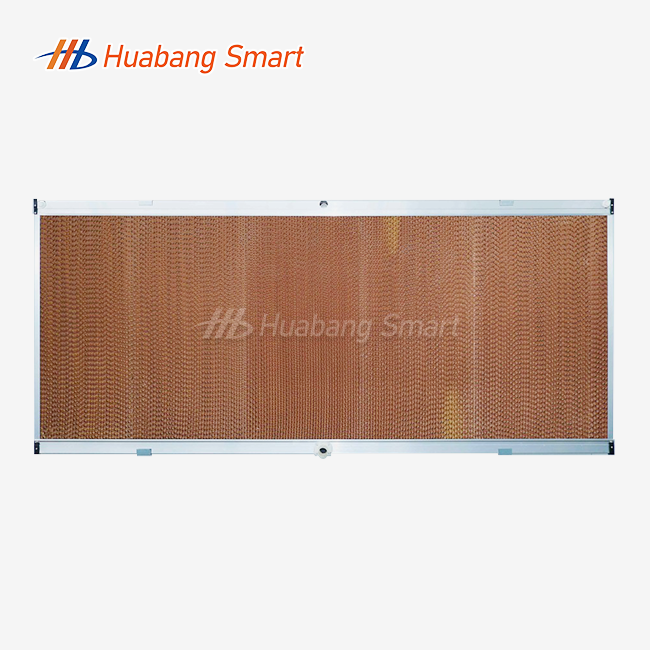
When animals are comfortable, they feed. Drafts, hot spots, and dark areas can keep birds away from feeders and make tiers different from one another. Instead of adding airflow after the cage rows are set up, plan it in from the start. Tunnel ventilation with cooling pads is common in hot places, and because a Multi Tier Broiler Chicken Cage is built vertically, it needs air to move evenly from one level to the next. Place lights so that workers and birds can see where the food is. Put sensors for temperature, humidity, and ammonia at different heights so that the control system can see how things really are on each level.
Upgrade Feeding Equipment and Daily Management
Routine work and tools go together. Even a strong feeding line can fail if it isn't checked often enough.
Match the Automation Level to the Farm
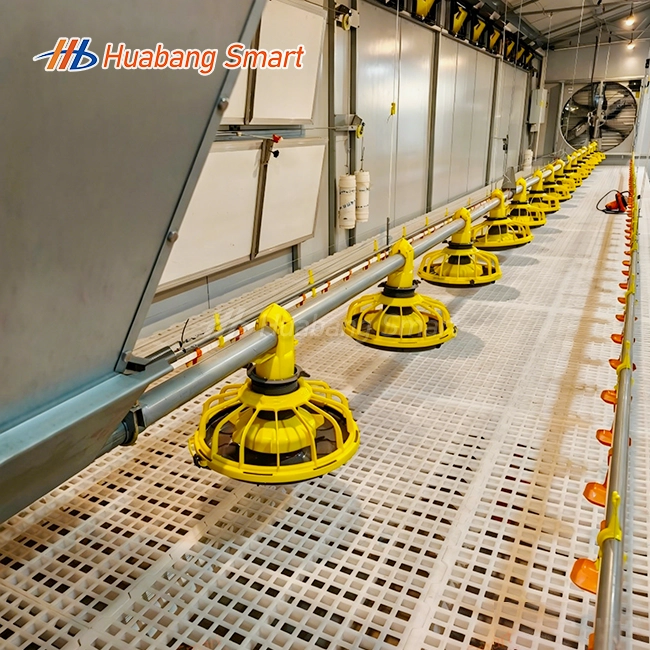
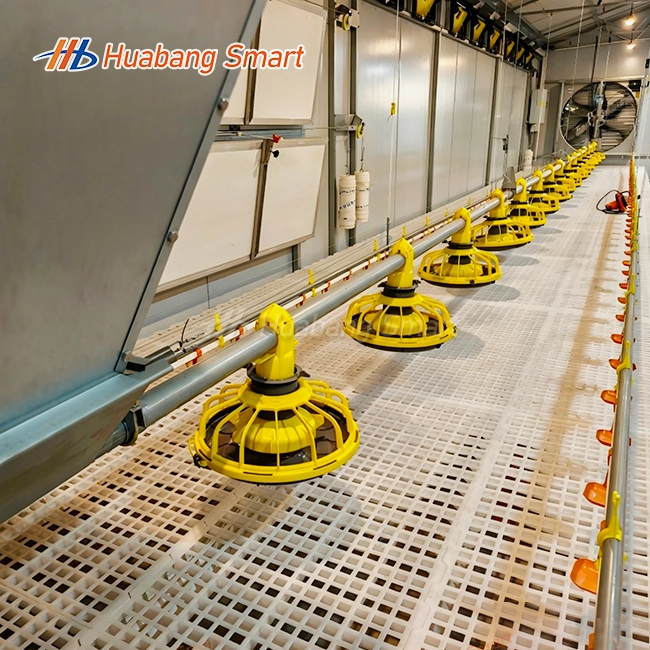
Choose equipment based on the number of chickens, the length of the house, the type of feed, the availability of workers, their technical knowledge, and their plans to grow. Small businesses may be able to get by with manual feeding, and semi-automatic systems are a useful way to cut down on the need for workers. Automatic feeding lines usually help big commercial buildings get more stable timing and distribution. The feeder pans or troughs, sensors, control panels, and emergency stops must all match the way the cage is set up. End-of-line monitoring, programmable schedules, and alarms can be added to bigger projects. With our system, the lines don't have to be added one at a time; they work together to do automatic feeding, nipple drinking, and manure removal.
Set Feeder Height and Feed Depth as Birds Grow
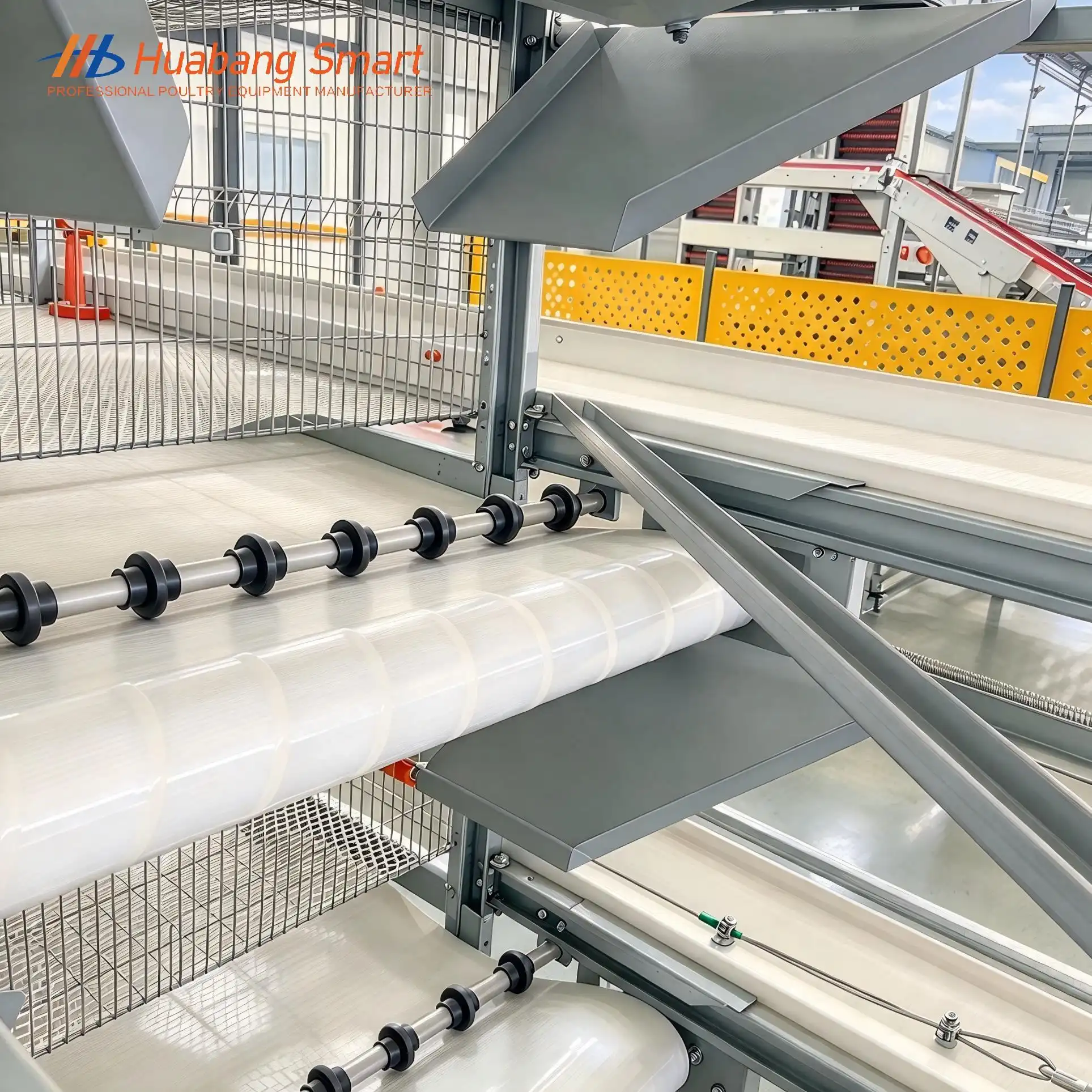
As broilers get bigger, setting them to a fixed size doesn't help. Change the feeders so birds can get to the food without having to push it out of the way. Keep the depth of the feed low enough so that it doesn't spill out, but high enough so that the last cage on the line still gets feed. At each stage of growth, check these settings and write them down. Feeding times should be based on the bird's age, the weather, the lighting, and the availability of workers. Feeding should not go on for long periods of time. Small changes made at the right time can often keep weight even better than big changes made late in the cycle. Notes from each shift help make sure that the settings are right for the flock.
Train Staff With Simple Inspection Checklists
Every shift stays on the same level thanks to written checklists. Teach your staff to recognize empty pans, clogged lines, strange motor noises, uneven bird activity, wet feed, and contaminated feed. Ask them to check every level and section of the line, even the ones that are hard to see from the main aisle. Make it clear who to call and what to do when something goes wrong. We give new employees video installation guides and on-site installation help. These materials make it easy for them to get started. Regular schedules also cut down on unplanned breaks that happen during feeding.
Support Feeding With Air Quality, Cleaning, and Hygiene
Clean air is best for birds to eat in. Everyone should pay attention to both the feeders and the area around them.
Measure Climate at Every Tier
Different levels of cages can have different levels of temperature, humidity, air speed, ammonia, and carbon dioxide, so don't just measure in the aisle. Instead, check several levels of cages. The Ross Broiler Management Handbook says to keep ammonia levels below 10 ppm. Our manure belt system helps us reach that goal by regularly removing waste. You can change the ventilation before heat or gas affects feed intake by monitoring in real time. According to our product data, climate-controlled housing can help increase feed conversion by up to 8%. However, the exact results depend on the breed, the quality of the feed, and the management.
Keep Manure Belts and Transfer Points Running
By leaving manure in place in a Multi Tier Broiler Chicken Cage, ammonia levels rise, and maintenance workers can't get to it. High-density polypropylene belts move trash from each level to transverse conveyors in our system. This keeps the floors of the cages clean without any work from the operators. During production, we check the alignment of the belts to keep the motors from burning out. Track the belt, check the motor load, and check the transfer points on the farm at set times. Write down the results of each check so patterns show up early. Floors with all the slats in place keep birds away from droppings, and smooth galvanized surfaces keep pathogens from sticking to them. When conveyors are working, workers can look at the feeding lines instead of picking up trash.
Clean Feeding Equipment and Protect Biosecurity
Hoppers, pans, troughs, lines, and nearby areas need to be cleaned on a schedule that works with the type of feed, the flock's cycle, and the biosecurity plan. Quickly take away any old or wet food because spoiled food is bad for birds' health and intake. Our building is made of 275 g/m² hot-dip galvanized Q235 steel, which can handle being exposed to ammonia and being washed many times. To stop cross-contamination, keep track of cleaning supplies, spare parts, and safety gear by house. According to our product information, it takes 3 to 5 days between batches to wash and disinfect a whole house, which works with an "all-in, all-out" program.
Compare Systems, Choose a Supplier, and Verify Results
It takes a lot of thought to buy a system, so it's normal to be hesitant at first. Huabang Smart is the brand name of Shandong Huabang Agricultural And Animal Husbandry Machinery Co., Ltd., which was founded in 2012 in Qingzhou, Shandong. The company has 49 core technology patents and does business in more than 100 countries.
Compare Total System Value, Not Cage Price Alone
Check out different full production systems. Multi-tier housing makes the building more useful and makes it easier to feed the animals, but it needs more careful ventilation, installation, and upkeep than floor rearing. In small or low-rise buildings, single-tier cages may be easier to use. On the other hand, multi-tier designs work better in places where land or labor costs are high. Civil work, wiring, ventilation, moving manure, shipping, taxes, spare parts, energy, service, and the expected return should all be added to the total cost. According to our product data, integrated automation cuts the need for workers by 70%. When you figure out the return, compare that number to your own wage rates and house size.
Request the Right Documents From a Multi Tier Broiler Chicken Cage Supplier
Before approving a purchase, I suggest that you ask any Multi Tier Broiler Chicken Cage supplier for these three things:
- Technical documents: drawings, cage dimensions, capacity calculations, feeder-space recommendations, equipment specifications, and compatibility notes for local voltage and climate. A complete bill of materials should list cages, feeding, drinking, ventilation, manure removal, controls, installation, and commissioning. These documents let your engineer check fit with the building before any equipment ships.
- Itemized quotation: equipment, shipping, taxes, civil works, and local labor should appear on separate lines. This structure lets procurement managers compare competing offers accurately and clearly see which costs the supplier covers and which costs the farm must plan locally in advance, such as foundations, power connections, and building work.
- Service terms: warranty length, spare-parts availability, response times, manuals, wiring diagrams, training, and customer references. Huabang Smart offers a one-year warranty, sample availability, video installation guides, on-site installation, and poultry farming support, backed by ISO9001 and CE certifications and a global service network in more than 100 countries.
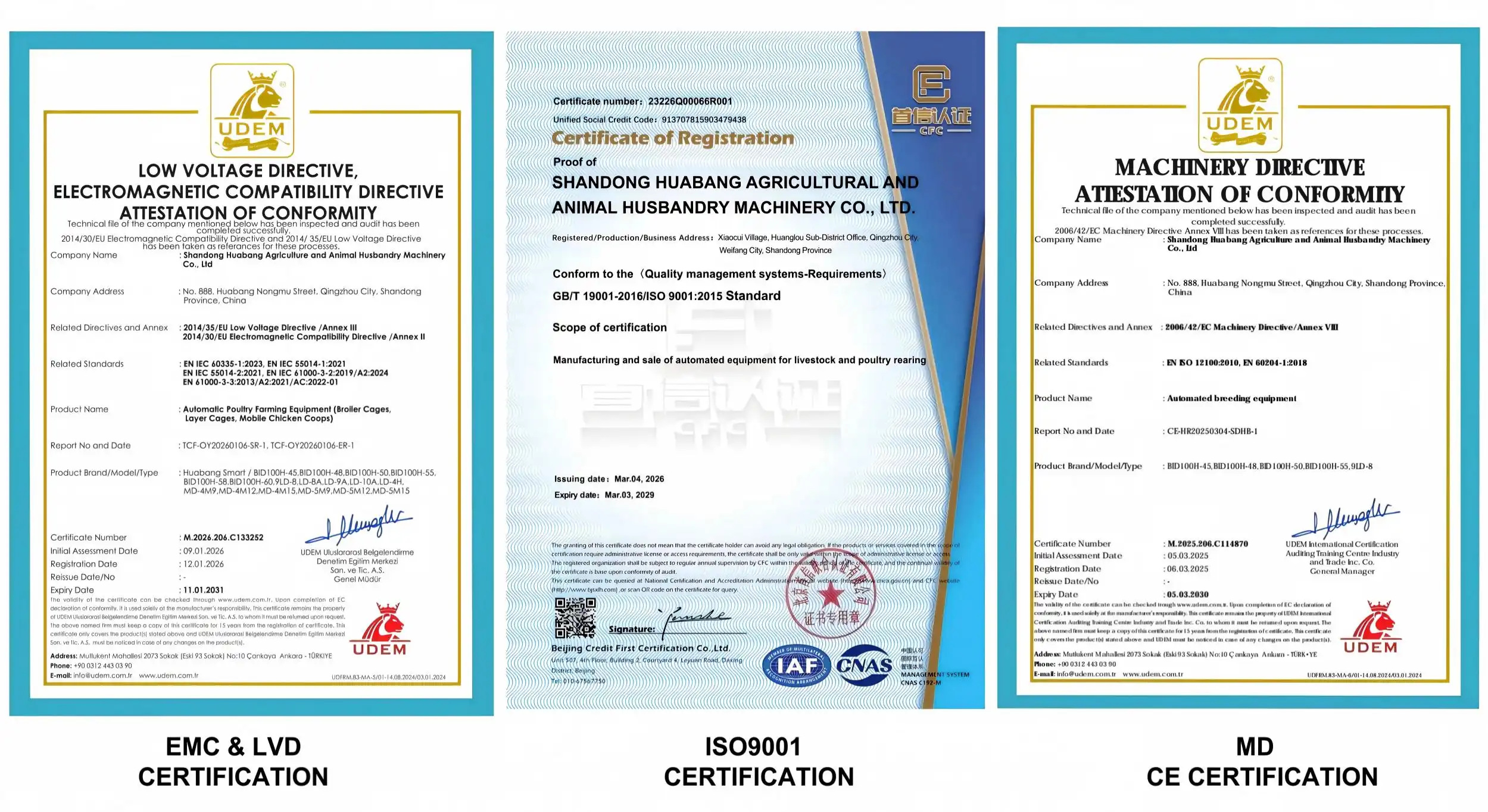
These papers turn comparing prices into an engineering review and keep things from being a surprise when the goods arrive.
Install, Commission, and Verify Against Your Baseline
As a first step, you should make a building survey that includes the building's dimensions, ceiling height, floor strength, columns, aisles, electrical capacity, ventilation openings, and storage for feed. Early on, US buyers should make sure they know what the local voltage, building codes, and processor welfare audit requirements are. Plans for building should be based on our 30 to 60 day production cycle. When installing, make sure to follow the approved plans and line up the cage frames and feeding lines correctly. Check the feeder pans, emergency stops, feed flow, ventilation, and removal of manure before the birds come. Because feeding and airflow are life-critical, it's best to have a backup generator with an automatic transfer switch. Compare the first flock's weight uniformity, feed conversion, waste, mortality, work hours, and downtime to your baseline after the first flock. Then, use flock and seasonal data to change the steps you take.
Conclusion
It takes more than one purchase for a Multi Tier Broiler Chicken Cage system to give birds better access to food. A starting point of food delivery, bird weights, and flock results shows where access isn't working. Most of the time, variations in tier-to-tier climate, mechanical problems, feeder height, feed quality, stocking density, and stocking density are to blame. How evenly birds eat is then affected by design factors like feeder space, tier count, aisles, and airflow. Access stays the same every day thanks to automation, settings that are changed, trained staff, clean air, and equipment that is in good shape. To make sure the changes worked, compare the total cost of the system, make sure there is clear documentation, and compare the results to the baseline after the changes were made. It's more important that birds can always get food than how many birds they can theoretically hold.
FAQ
How do I start improving feeding access?
First, check the weight and amount of food given to each bird on each tier and line position. A baseline tells you if the problem is with the equipment, the number of animals, the quality of the feed, or the weather. Then fix the biggest hole before you improve anything else.
Does a Multi Tier Broiler Chicken Cage need automatic feeding?
Automatic feeding usually gives big commercial buildings more stable hours and less work to do. Small farms or investments that are spread out may be better with semi-automatic equipment. Our system includes automatic feeding, watering, and removal of manure.
What should I send for a quotation?
Send house size (length, width, and height), number of birds you want to house, type of birds, market weight, climate, destination country, and level of automation you'd like to use. Having drawings of the building helps our team make a good layout.
Can the system run during a power outage?
For professional setups, ventilation and feeding must always be running, so a backup generator with an automatic transfer switch is needed.
What support comes with the order?
We offer free samples, video installation guides, on-site installation, support for poultry farms, and a warranty that lasts for one year.
Request a Multi Tier Broiler Chicken Cage Layout and Quotation from Huabang Smart
Ready to look at your choices? Huabang Smart is a Multi Tier Broiler Chicken Cage manufacturer that can help you with your house's size, capacity, and climate. They offer OEM and ODM services, are ISO9001 and CE certified, and offer on-site installation support. You can get samples if you ask for them. Our team will make a layout and quote that are specific to your project. For more information on a product, email ginny260831@gmail.com or huabangsmart002@gmail.com or go to poultrycage.com.
References
1. Ross Broiler Management Handbook, Aviagen, 2018
2. Cobb Broiler Management Guide, Cobb-Vantress, 2018
3. Animal Welfare Guidelines and Audit Checklist for Broilers, National Chicken Council, 2017
4. Commercial Chicken Meat and Egg Production, Bell and Weaver, Springer, 2002
5. Poultry Development Review, Food and Agriculture Organization of the United Nations, 2013
6. Guide for the Care and Use of Agricultural Animals in Research and Teaching, Federation of Animal Science Societies, 2020

USER EVALUATE
Here is the customer's evaluation of us