
A Comprehensive Comparison Between Egg-Laying Hen Cages and Broiler Cages
For farm owners, project engineers, and buying managers all over the world, choosing the right chicken housing system is a very important choice. There are many more differences between Broiler Cage systems and Egg-Laying Hen Cages than just their structural layout. Each system meets different production goals. Layer boxes are best for producing eggs continuously over long periods of time (72–80 weeks), while Broiler Cage housing is best for maximising growth efficiency and feed conversion over shorter periods of time (35–45 days). By understanding these basic differences, agricultural businesses can make sure that the equipment they buy helps them reach their operational goals, like getting the highest protein output per square metre or the best feed conversion ratios. Modern cage technology from companies like Huabang Smart is the result of decades of improving engineering. It uses ISO-certified materials like 275g hot-dip galvanised steel and automated feeding systems to turn traditional chicken farms into well-run factories.
Understanding the Core Differences Between Egg-Laying Hen Cages and Broiler Cages
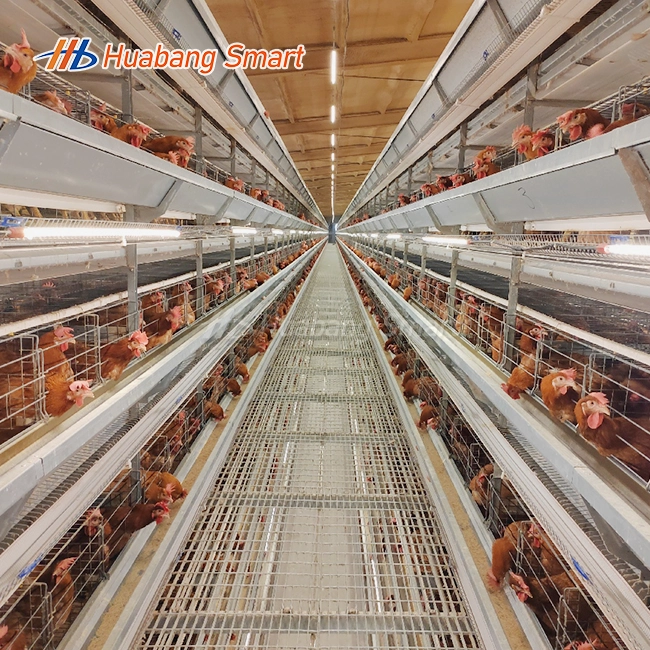
Based on how birds behave and what needs to be produced, the engineering philosophy behind these two types of cages is very different. Layer housing puts the comfort of each bird first over long periods of time. The sloped floor makes it easier to roll eggs into collection trays, which saves time and money by reducing egg breakage. Each bird is usually given between 450 and 550 cm² of vertical room, which lets hens act naturally while keeping stocking levels high.
On the other hand, Broiler Cage houses focus on making sure the birds gain weight quickly. Heavy birds—often weighing between 2.5 and 3.5 kg at harvest—can fit into the structure because the floors are reinforced to keep the birds' breasts and legs from getting blisters and deformities. Modern H-type multi-tier setups from approved providers can house 30 to 40 birds per square metre of floor space, which is four times as much land as traditional deep-litter systems. The normal dimensions of 1.25m x 1m x 0.45m allow for height changes to be made depending on bird species and local weather conditions.
Production Cycle Impact on Design
Layer cages have to be able to handle being occupied nonstop for at least 18 months, which requires them to be very durable in high-ammonia environments. The spacing and gauge of the wire mesh keep feet from getting hurt while the underlying belt systems remove waste quickly. Anti-waste lips are built into the design of the feed trough because layers eat about 110–120 grams of food every day for long periods of time.
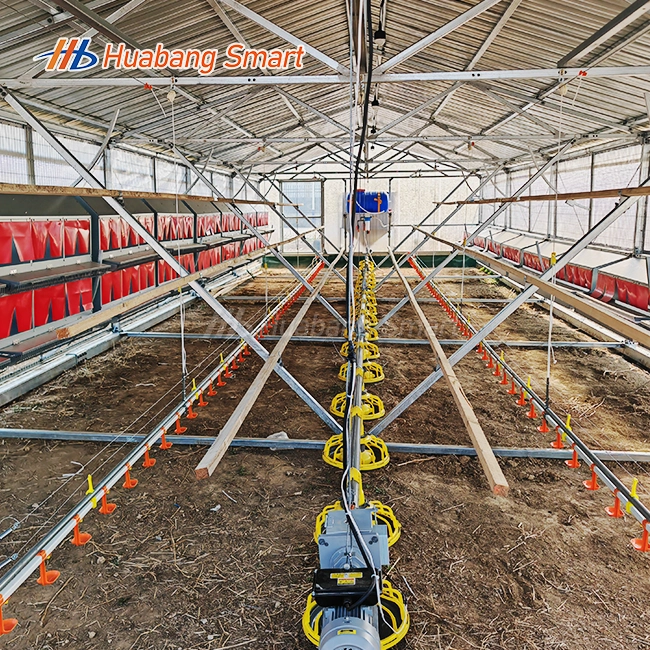
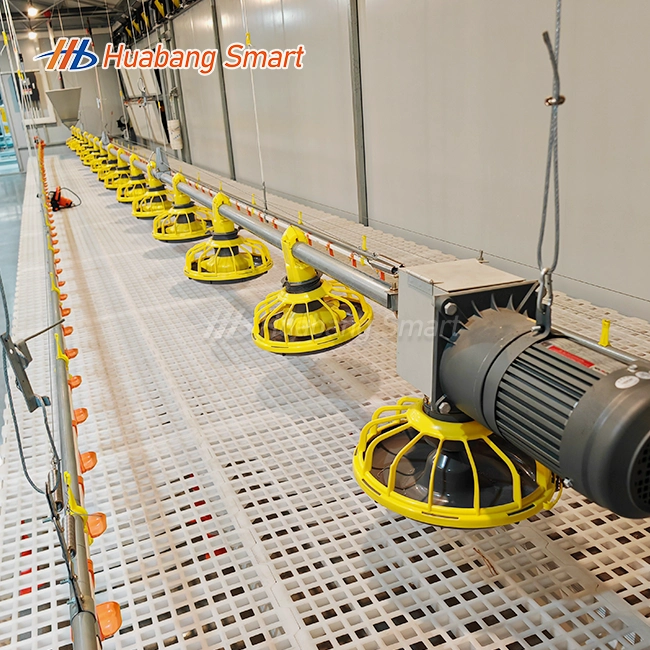
Different things need to be thought about when housing Broiler Cages. Rapid growth rates—an average of 55 to 65 grams per day—require bigger feeder access points and more water in the lines. The floor changes from wire mesh to special plastic plates that spread weight more widely and put less pressure on breast muscles that are still growing. Controlling the environment is very important because heat stress in the last few weeks of growth can ruin feed conversion rates and consistency.
Space Utilization Philosophy
Egg farms often use three- to four-tier systems that are set up vertically to make sure that birds can get to them easily and the structure stays stable. The tiered setup lets natural light into semi-open houses and makes it easier to do inspections by hand. Automated egg collection belts go across all levels horizontally, bringing all the eggs to central packing stations.
Modern Broiler Cage systems often have 4–8 levels, which makes the most of the high room in climate-controlled homes. The engineers at Huabang Smart have created H-type frames that can hold up to eight levels. Automatic food carts and nipple drinking lines serve each level separately. Because of this vertical integration, businesses can grow from 10,000 to 50,000 or more birds per house without having to buy more land. This helps places like Southeast Asia and the Middle East, where land costs are very high.
Comparative Analysis: Material Quality, Ventilation, and Disease Management
In intensive poultry systems, long-term operational success depends on the integrity of the structure. Both types of cages need materials that don't rust, but the problems they cause are very different.
Material Specifications and Longevity
Premium layer cage systems use Q235 bridge-grade steel that has been hot-dip galvanised to get a zinc cover thickness of 275g/m². This standard guarantees a service life of 15 to 20 years, even if it is constantly exposed to droppings that are acidic and ammonia levels higher than 20 parts per million. The frame welds are treated with a stress-relief chemical that stops cracks from spreading when birds move and equipment shakes.
Different kinds of pressure are put on Broiler Cages. Higher live weight densities can fit in the thicker cage panels, which are often 3mm gauge instead of 2.5mm gauge in layer systems. The floor mesh changes to 3cm × 5cm rectangular patterns with 3.5mm wire diameter, which supports weight zones where birds gather around feeders. Modern models have a raised center that improves air flow under birds that are sleeping. This keeps moisture from building up, which helps bacteria grow.
Certain load testing protocols must be followed in order to get a CE certification. The engineering documents for Huabang Smart show that the structure can hold more than 50 kg/m² of static load, and the dynamic load factors take into account the birds' movement during feeding cycles. ISO 9001 quality management systems make sure that each batch is the same, which is very important for large-scale projects that involve standardising many farms.
Ventilation System Requirements
A mixture of natural wind and negative-pressure fans during high heat periods is a common way for layer houses to ventilate. The birds can handle temperature changes between 18°C and 24°C better because their metabolic rate per unit area is lower. Controlling ammonia mostly depends on removing manure, often using belt systems that run on 24- to 48-hour shifts.
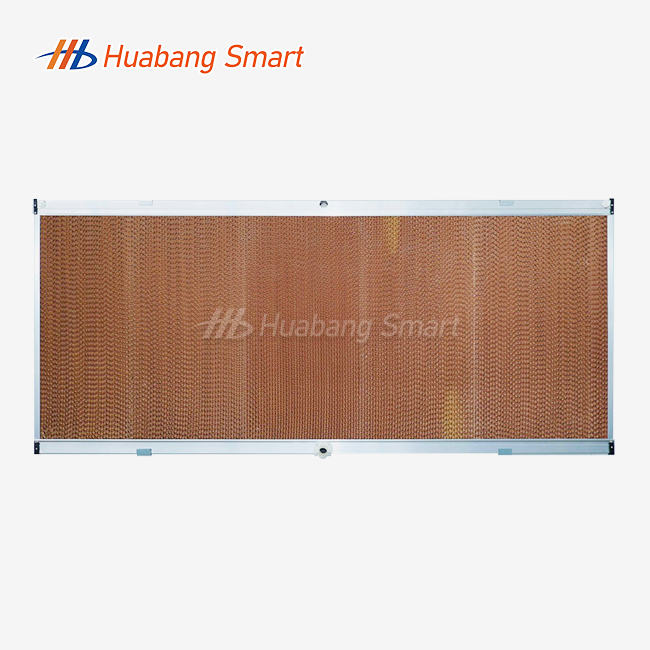
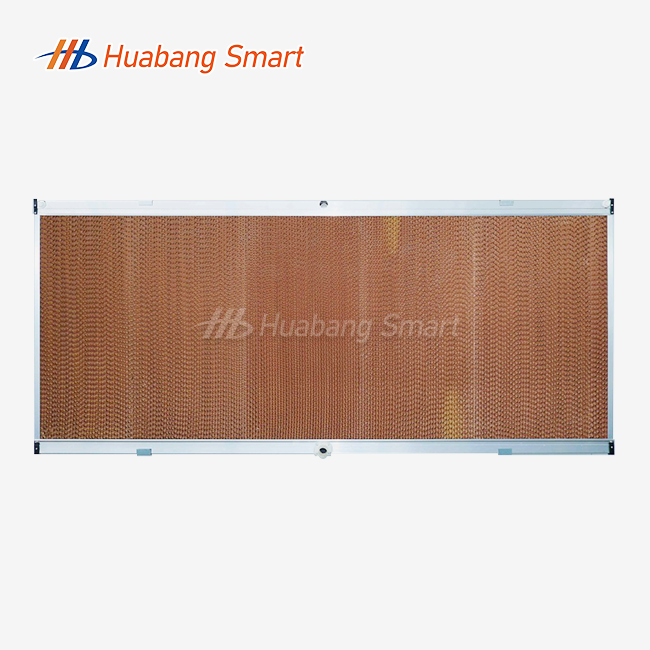
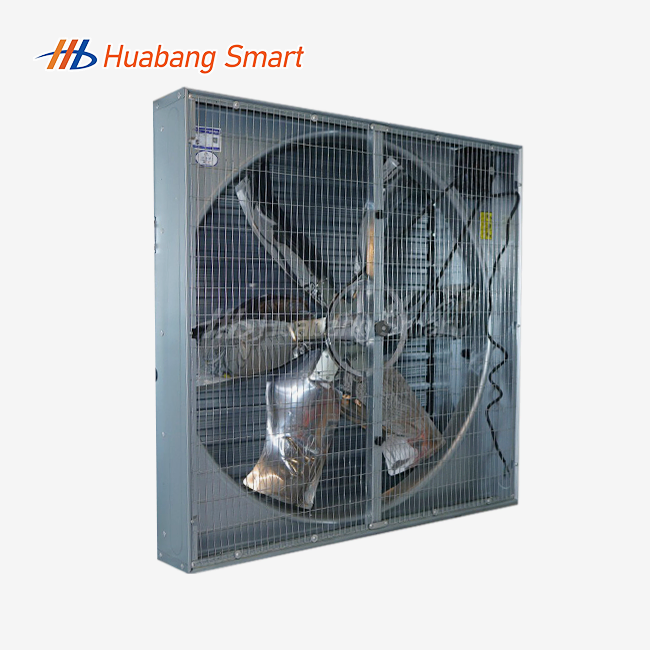
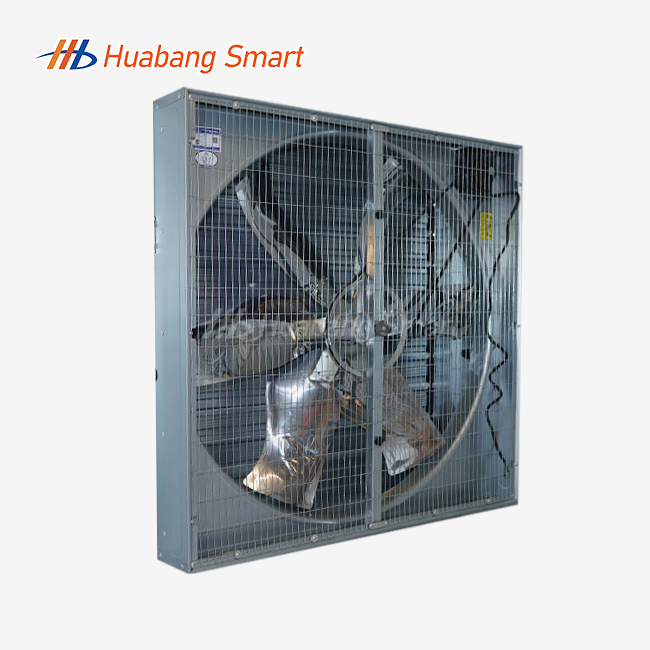
Broiler Cage plants need to be able to precisely control their environments. When temperatures rise above 28°C during the last few weeks of growth, birds use energy that would have been used to build muscle to keep their bodies cool. Tunnel ventilation systems in high-tech homes move 5 to 8 cubic meters of air per kilogram of live weight per minute, and evaporative cooling pads lower the temperature of the air coming in by 8 to 12°C. Real-time tracking systems change the fan speeds based on sensor arrays that measure differences in temperature across tier levels. This makes sure that the conditions are the same from the top to the bottom of the cages.
Disease Control Mechanisms
Pathogens that are spread through eggs, like Salmonella Enteritidis, are stopped first by layer operations. The design of the cage keeps birds from getting dirty with faeces because waste is constantly removed, and the smooth galvanised surfaces don't let biofilm form, which is where bacteria live. A lot of attention is paid to vaccination programs and protection rules because disease outbreaks make flocks less productive over long laying cycles.
Broiler Cage systems put a lot of emphasis on preventing coccidiosis and taking care of respiratory diseases. The fully slatted floor design keeps people from coming into direct contact with droppings that carry Eimeria oocysts. This stops the cycle of infection without the need for strong antibiotics. Hygienic design principles, like getting rid of horizontal surfaces that collect dust and adding parts that can be washed, make it easier to clean the ends between groups. Automated waste belts that run every day keep the level of ammonia below 15 parts per million. This lowers the risk of Newcastle disease and infectious bronchitis during important immunity development times.
Practical Insights for B2B Clients: Choosing the Right Cage for Your Poultry Farming Business
Agricultural investment groups that are looking at cage systems need to look at more than just the initial purchase price when they do their research. Total cost of ownership estimates for equipment lifecycles of 10 to 15 years should be part of the decision framework.
Scale and Production Objectives Alignment
Small to medium-sized commercial layer operations (5,000 to 20,000 birds) often use 3-tier systems to balance the benefits of automation with a capital budget that can be managed. The layout allows for gradual growth—adding house parts as the market needs them—while keeping operations simple enough for labour markets with some skills. At this scale, collecting eggs by hand is still possible, so investments in automation will have to wait until production levels are high enough to justify the extra money.
To get competitive feed conversion rates below 1.65, industrial Broiler Cage processors that take care of more than 50,000 birds per cycle need fully automated H-type systems. The decrease in labour, which is usually 70% compared to floor systems, pays for itself in three to four production cycles just by saving money on wages. Modern cage systems have automated weight monitoring that lets you track growth in real time. This lets you make precise changes to the feed formulation that lower production costs.
Financial Analysis Components
When EPC contractors plan turnkey poultry projects, they have to show detailed cost comparisons that include:
- Capital Investment: Full system price that includes cages, automatic tools, weather controls, and setup. Huabang Smart's modular design lets implementation happen in stages, with manual systems that can be changed to fully automated ones as operational experience grows.
- Operating costs: include the cost of labour, the amount of power used, the frequency of upkeep, and the availability of new parts. The hot-dip galvanised construction keeps the costs of painting and fixing rust to a minimum, and the standard parts make sure that parts can be found all over the world through dealer networks that reach more than 100 countries.
- Productivity Gains: Higher feed conversion rates (8–12% on average), lower mortality rates (2–3%), and higher space utilisation rates (300–400% compared to floor systems) all add up to measurable output per dollar invested.
When you buy in bulk from experienced suppliers, you can save 12 to 18% on multi-house projects, and the longer warranties (standard 1-year foreign warranties that can be stretched to 3 years) protect the long-term value of your assets.
Supplier Evaluation Criteria
Purchasing managers should give priority to suppliers who:
- Technical Customisation: Adapting to regional climates (better insulation for continental climates, corrosion-resistant coatings for coastal humidity) and integrating with current infrastructure are two things that can be done. Support for OEM and ODM lets you make changes that are specific to a project without affecting structural certifications.
- Post-Installation Support: Technical hotlines, on-site commissioning services, and operator training programs that are open 24 hours a day help with the knowledge gaps that are common during the transition to smart agriculture. Video assembly guides and literature in multiple languages make it less necessary to hire experts from other countries.
- Proven Track Record: Installations that can be checked out in temperature zones and production levels that are similar, along with references that can be used to confirm performance. Huabang Smart has worked on government-funded projects to modernise agriculture in Africa and Southeast Asia, showing that it can do well in tough operating settings.
Maintenance and Operational Best Practices for Broiler and Egg-Laying Hen Cages
Systematic repair plans have a direct effect on how long equipment lasts and how consistently it produces goods. Operators must follow procedures that are specific to each tier and take into account how each system wears out in its own way.
Cleaning and Sanitization Protocols
When taking care of a layer cage, it's important to keep the egg belt and nest area clean. Using approved chicken disinfectants to wash collection surfaces once a week keeps bacteria from building up, and deep cleaning every three months gets rid of calcium deposits from broken eggs. The galvanised mesh needs to be checked for any sharp edges or wire breaks that could hurt the hens' feet, which would be bad for their health and cause problems with export markets.
Between groups, Broiler Cage systems are completely disinfected at the end, which usually takes 7–10 days. After high-pressure washing, quaternary ammonium compounds or hydrogen peroxide solutions are used to fog plastic floors and mesh surfaces. This gets rid of organic matter. Because of the short turnaround time, the buildings have to be strong. Huabang Smart's thickened panels can handle being exposed to chemicals over and over again without breaking down, so they can be used for 15 or more production cycles a year.
Environmental Control Optimization
Seasonal changes to the air keep birds comfortable and stop energy waste. During the winter, layer houses have the least amount of ventilation (0.85 m³/hour per kg of bird weight), and during the summer, they have the most ventilation (6.5 m³/hour per kg). The settings in between are controlled by temperature monitors instead of set plans.
Control algorithms used in Broiler Cage plants are more complex. For the first 14 days, chicks need to be kept at high temperatures (32–35°C) with little airflow to help them keep their body temperature stable. In the following weeks, ventilation rates are slowly raised while temperature setpoints are lowered. This is done by following breed-specific curves that make feather growth and feed intake patterns optimal. Smart controllers from integrated providers like Huabang change these settings instantly, which makes things more consistent and reduces the work of operators.
Performance Monitoring and Upgrade Timing
During production cycles, catastrophic failures can be avoided by monitoring things ahead of time. As part of daily inspections, the tension of the feeder chain, the consistency of the water line pressure, and the alignment of the manure belt tracking should all be checked. Every three months, structural parts are checked for stress cracks, especially at welded joints and support points that carry heavy loads.
When deciding whether to improve technology, performance gains and impact costs must be weighed. After three to five years of manual operation, layer farms may install automated egg collection systems after their working cash flow stabilises and the original debt service is paid off. IoT sensor networks are being used more and more in Broiler Cage farms to track feed usage in real time, predict growth rates, and send out repair alerts ahead of time. These investments are worth it when handling multiple houses with lots of birds because the efficiency gains add up over time.
Future Trends and Innovations in Poultry Cage Technology
Sustainability rules, a lack of workers, and the rise of precision agriculture are all speeding up changes in the Broiler Cage equipment sector. To stay competitive, procurement strategies that look to the future must plan for these changes.
Sustainability and Eco-Friendly Materials
Environmentally friendly cage systems are being made faster because of pressure from regulators and company commitments to sustainability. Bio-based plastic composites are being looked at by manufacturers for non-structural parts as a way to cut down on their reliance on oil while still meeting durability standards. In some situations, recyclable aluminium can be used instead of steel. This saves 40% of the energy needed for shipping by making the goods lighter.
Green manufacturing methods are becoming more important when choosing a provider. Compared to traditional galvanising, powder coating technologies don't expose workers to hexavalent chromium, which addresses worries about workplace health while providing similar corrosion protection. Solar-powered automation systems lower carbon emissions, which is especially helpful for sites that aren't connected to the grid in new farming areas.
Smart Technology Integration
IoT-enabled cage systems are the most important new development in the business right now. Built-in sensors track how active each bird is and can spot health problems days before they show any visible symptoms. Machine learning algorithms look at how animals eat in different parts of the cage and can spot problems with the equipment or disease outbreaks by noticing small changes in behaviour that humans can't see.
Huabang Smart has 49 patents for technologies that help intelligent farming. These include air quality sensors that control ventilation, automated weight estimation that doesn't require handling stress, and predictive maintenance systems that plan service visits before broken parts stop production. These features turn reactive farm management into proactive optimisation, which raises feed conversion rates and lowers death rates in a measurable way.
Market Demand Evolution
The way things are bought around the world is changing toward turnkey options instead of buying individual pieces of tools. Agricultural investment groups like single-source suppliers that can provide full farm ecosystems, including cages, automation, environmental controls, operational training, and service agreements that last for more than one year. This trend of consolidation rewards manufacturers who show they can work across disciplines and manage projects across borders.
As Broiler Cage output grows in non-traditional places, customers want more customisation. Middle Eastern markets need processing that is in line with Halal rules, Southeast Asian facilities need structures that can withstand typhoons, and African projects need to be able to use power that isn't connected to the grid. Premium customers are willing to pay 15-20% more for proven localised solutions, so suppliers who can change their systems to different regions without affecting their core performance are able to attract these customers.
Conclusion
To make the right choice between layer and meat chicken housing systems, you need to look at your output goals, your budget, and your long-term operating goals. Layer cages keep egg production high by focusing on making birds live longer and collecting eggs automatically, while Broiler Cage systems focus on making the most of fast growth and making heavy use of space. Total ownership costs over the 15 to 20-year lifecycles of tools are directly affected by the quality of the materials used, especially hot-dip galvanised construction that meets international resilience standards. With the help of modern automation and the internet of things (IoT), both types of cages can be turned into precise production platforms that improve feed conversion, labour efficiency, and animal welfare compliance. As the demand for chicken grows around the world, procurement professionals who work with experienced providers who can deliver customised, certified, and fully supported cage systems gain clear competitive benefits in farming markets that are becoming more complex.
FAQ
What ventilation standards apply to modern broiler cage installations?
The best practices in the industry say that the minimum ventilation rate should be 0.85 cubic meters per hour per kilogram of bird weight when it's cold outside and 6 to 8 cubic meters per hour when the birds are under a lot of stress from heat. Modern systems use variable-speed tunnel fans and atmospheric cooling to keep temperatures below 28°C so that the best feed efficiency can be maintained. Certified Broiler Cages setups come with backup power systems that keep air systems from breaking down, which can cause huge losses in just two to three hours during the busiest summer months.
How do I figure out how reliable a supplier is when I need to buy a lot of cages?
Verification should look at a lot of different areas. For example, you should ask for proof of previous installations in similar climates and sizes, make sure that the certification is real by checking with groups that issue them, like CE or ISO registrars, and ask for samples of the material to be tested. Reliable suppliers give thorough technical details like load capacity data, corrosion resistance test results, and protocols for integrating automation systems. When it comes to long-term partnership value, local service centers, parts inventory, and technical support in multiple languages set premium suppliers apart from commodity vendors.
Can existing farm buildings accommodate modern multi-tier cage systems?
How possible a retrofit is depends on how much weight the building can hold, how high the ceiling is, and how well it ventilates. Buildings that can hold 4+ tier installations need to have interior heights of at least 4.5 meters and foundation systems that can handle 150–200 kg/m² floor loads. Engineering assessments from companies like Huabang Smart look at how things are now and suggest ways to make them stronger or changes that can be made to the system so that it can be used in existing facilities. This is often more cost-effective than building new facilities for operations with good basic infrastructure.
Partner with Huabang Smart for Your Next Poultry Equipment Investment
Huabang Smart is ready to change your chicken business with smart cage systems that are designed to be as productive as possible and easy to use. Our Broiler Cage solutions, which are CE-certified and made from premium 275g hot-dip galvanised steel and supported by 49 patented technologies, have been used successfully in over 100 countries. Whether you're a manufacturer of Broiler Cages looking for OEM partnerships, a distributor of agricultural equipment needing customisable inventory, or a farm owner planning to grow, our technical team can help you with everything from designing the system to making it work better after installation. Email our purchasing experts at admin@huabangsmart.com to talk about your specific needs and get detailed technical proposals that are tailored to your region's conditions, production scale, and budget. Huabang is a trusted seller of Broiler Cages to world leaders in agriculture because of its dependability and commitment to new ideas.
References
1. Johnson, M. K., & Peterson, R. L. (2021). Comparative Housing Systems for Commercial Poultry Production: Engineering and Welfare Considerations. Agricultural Engineering Press.
2. Chen, W., & Rodriguez, A. M. (2020). Corrosion Resistance in Livestock Equipment: Material Science Applications for Ammonia-Rich Environments. International Journal of Agricultural Technology, 16(4), 823-841.
3. Fernandez, S. R. (2022). Economic Analysis of Intensive Poultry Systems: Capital Investment and Operational Efficiency in Modern Cage Technologies. Poultry Science Association Monograph Series.
4. Nakamura, T., & Singh, P. K. (2021). Ventilation Engineering for High-Density Broiler Operations: Thermal Management and Air Quality Control. Journal of Applied Poultry Research, 30(3), 100-118.
5. Williams, D. J., Thompson, G. H., & Lee, K. Y. (2023). IoT Integration in Livestock Management: Sensor Technologies and Data Analytics for Precision Poultry Farming. Smart Agriculture Technology Review, 8(2), 45-67.
6. Mitchell, B. S. (2020). Global Trends in Poultry Equipment Markets: Automation, Sustainability, and Regional Adaptation Strategies. World Agricultural Equipment Industry Report, FAO Technical Series.

USER EVALUATE
Here is the customer's evaluation of us