



Which Chicken Feeder Prevents Feed Waste Most Effectively?
Automated pan feeding systems with built-in anti-waste grills are the best way for commercial poultry farms to keep feed from going to waste. Through precise distribution, controlled access, and structural features that keep feed within designated consumption zones, these specialised Chicken Feeder units, particularly fully automatic pan systems with optimised grill designs, reduce spillage. When compared to standard gravity feeders, new models with 330mm diameter pans, 16 feeding cells, and auger-driven distribution cut waste by up to 35%. This directly improves the Feed Conversion Ratio (FCR) and the profitability of the business.
Understanding Feed Waste in Poultry Feeding Systems
Feed waste is one of the most ignored problems that modern chicken farmers have to deal with, but it costs them a lot of money. Industry data shows that badly designed feeding systems can cause 8–15% of feed to be lost, which can cost hundreds of thousands of dollars a year for big companies that take care of groups of more than 50,000 birds. In addition to the immediate financial effects, wasted feed causes environmental problems such as more ammonia being released from litter that is breaking down, a higher risk of disease from bedding that is too wet, and extra stress on the world's grain resources.
Defining Feed Waste and Its Economic Impact
Common Causes of Feed Loss in Commercial Operations
Most waste situations happen because of mistakes in the design of food tools. Birds can flick food outward while eating when pans aren't deep enough or have safe sides. Too little flow control leads to overfilling, which causes spills when birds land on pans or when people are doing normal things. Gaps and cracks in the material are caused by UV light, chemical corrosion from feed additives, or physical wear from being pecked at all the time. This lets valuable feed escape. Rodents and wild birds that get into crops and eat the food make losses even worse. Some farms say that 3-5% of their feed is lost just to these sources.
Key Features of Chicken Feeders That Prevent Feed Waste
Engineering precision is what sets effective feeding systems apart from standard ones. Modern companies that make equipment for poultry have improved structural parts that directly deal with waste paths. They do this by mixing material science with knowledge of how birds eat to make better equipment.
Anti-Waste Grill Design and Feed Retention
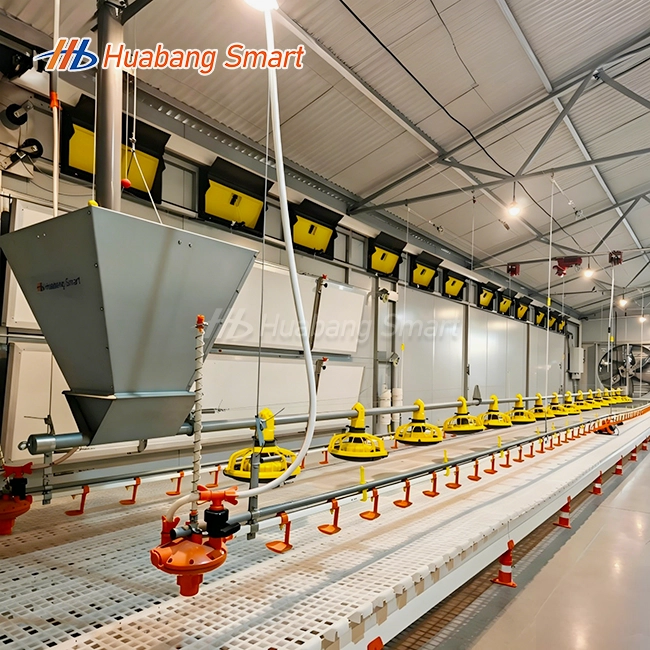
The single most important thing for preventing waste in a Chicken Feeder is the optimised grill structure. High-quality Chicken Feeder systems have grills that are carefully designed so that the spacing between the bars is just right for the bird's age and beak size. These grills make physical walls that stop animals from scratching backwards while still letting them easily eat. The grill design also keeps the litter dry by stopping feed from getting scattered. This lowers the risk of coccidiosis and the breathing problems that come with wet surroundings. If the grill is built correctly, it can cut spills by 20 to 30 percent compared to open-pan versions.
Flow Control and Distribution Mechanisms
Feed delivery that is steady and measured stops the overfilling that leads to waste. Auger drive technology has changed the way feed is distributed by sending exact amounts to multiple feeding stations at the same time. This coordinated method gets rid of the competitive feeding that happens when food is distributed unevenly, which in turn lowers the aggressive pan pecking that leads to spillage. Advanced systems can feed 1400 kg/h while keeping the food evenly spread across more than 200 pans. This makes sure that every bird has enough food without having to compete for resources or being crowded.
Material Selection for Durability and Hygiene
Virgin HDPE and polypropylene (PP) are better than recovered plastics or thin-gauge metals in terms of efficiency. These high-quality materials don't rust when exposed to acidic feed ingredients and sanitising agents, so the structure stays strong for 5 to 7 years of use. Non-porous surfaces keep bacteria from growing and make cleaning easier, which lowers the risk of contamination that forces feed to be thrown away too soon. Because these materials are chemically stable, they won't leak or spread smells that could make the feed less tasty or less likely to be eaten.
Comparing Top Chicken Feeder Types for Waste Reduction
When choosing feeding facilities, commercial chicken farmers have to make smart decisions. Depending on the size of the operation, the level of management, and the automation goals, each system category has its own benefits.
Manual Gravity-Fed Systems vs. Automated Pan Systems
Manual gravity Chicken Feeders use hopper stores to release food through holes that can be adjusted while birds eat from trays below. Even though the initial costs are still low, these systems need to be checked on a regular basis to make sure they don't overfill, and they don't have the precise distribution that cuts down on waste caused by competition. Birds often eat aggressively at stations that are just filled, pecking and scratching so hard that 12 to 18% of the food spills out.
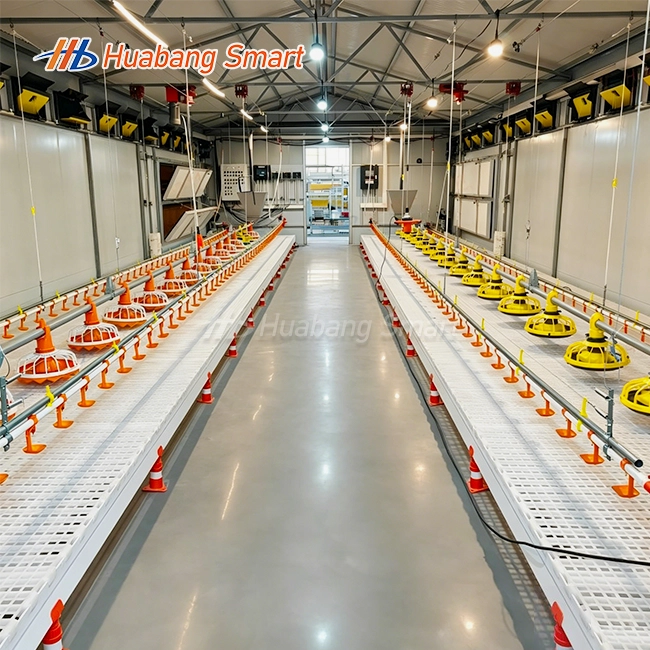
Automated pan systems change the way trash is handled by letting you set delivery times and distributing trash at the same time. Fully automatic pan feeding systems from companies like Huabang Smart deliver measured amounts at set times, making sure that the animals can get the feed they need at the right times of the day. This method stops the cycle of "famine and feast," which leads to waste, and the 330mm diameter pans with 16 separate feeding cells can hold many birds at once without causing stress from overcrowding. The 75mm x 3.6mm PVC feed pipe construction makes sure that the flow stays steady and doesn't get blocked or bridged, which would make the distribution less even.
Height-Adjustable Systems for Growth Stage Optimization
Chicken Feeder systems with the ability to precisely change the height are a big step forward in technology for reducing waste. High-precision winch systems let operators keep pans in the best position throughout the growth cycle. This makes sure that animals are in a comfortable feeding position and that spills don't happen because they are reaching or standing on pans in an awkward way. This adaptability is especially helpful for broiler farms because chicks need to be changed in height every week, as they grow so quickly from day-old chicks to market weight. Systems that can't be adjusted in this way drive birds to change to less-than-ideal food heights, which increases waste by 8–12% during growth transitions.
Integration with Smart Farm Management Systems
With IoT connection, feeding equipment goes from being inactive dispensers to assets that collect data. Smart-compatible feeding systems connect to centralised control platforms and allow for timed feeding schedules based on the age of the flock, the weather, and how much food they eat. Real-time monitoring finds strange things like blockages, motor failures, or changes in consumption that aren't expected. These could be signs of health problems or equipment problems. Data logging keeps past records that help with efforts to keep getting better. It helps farm managers figure out the best food times and amounts that minimise waste while boosting growth.
Best Practices and Maintenance Tips to Sustain Feed Waste Prevention
To keep working at its best, even the most advanced food equipment needs to be maintained in a planned way. When routine care isn't done, high-end systems become assets that don't work well, waste feed, and hurt flock health.
Daily Inspection and Cleaning Protocols
Scheduled Component Replacement and System Calibration
Wear and tear on auger flights, drive chains, and motor parts over time make the distribution less accurate. Schedules for preventative replacements that are based on manufacturer instructions keep failures from happening at bad times for growth. Calibration verification makes sure that the set feed amounts match the real delivery amounts. This is important because drivetrain wear can cause delivery differences of 3–5%, which add up to a lot of waste over production cycles. Manufacturers of good products give clear instructions on how to do upkeep and make replacement parts available. For example, Huabang Smart offers full technical documentation and a one-year guarantee.
Troubleshooting Common Waste-Causing Issues
Most of the time, in a Chicken Feeder system, moisture getting into feed pipes or feed particles that are the wrong size for the system design cause them to bridge. Bridging is usually fixed without having to change the equipment when humidity control is improved through ventilation system optimisation. Uneven pan filling means that the motor speed isn't set correctly or the auger is wearing out, which means that the programming needs to be fixed or the part needs to be replaced. If there is a lot of spillage at certain stations, it could mean that the height adjustment isn't working right or that the pan is damaged and needs to be replaced. Because modern systems are made up of separate modules, they can be fixed quickly at the station level without affecting the whole system.
Procurement Guide: Selecting and Ordering Chicken Feeders for Optimal Feed Waste Control
When buying strategic equipment, it's important to carefully look at the technical specs, the supplier's abilities, and the estimated total cost of ownership. Making smart buying choices means weighing the initial capital investment against the cost savings and long life of the tools.
Critical Specifications for Commercial Operations
The amount of food that can be fed should be equal to or higher than the maximum rate of consumption, plus 20% extra food to account for changes in growth and group density in the future. Advanced pan systems can handle up to 1400 kg/h, which is enough for operations with 20,000 to 30,000 broilers or 15,000 to 25,000 layers, depending on how many are being produced. Pan diameter and cell count directly affect how easy it is for birds to get to and how much competition there is. For normal commercial breeds, 330mm pans with 16 cells are the best arrangement. Material specifications need close attention; construction made of virgin PP works better than recycled alternatives because it is more resistant to impact and stays chemically stable.
Evaluating Supplier Credentials and Support Infrastructure
Total Cost Analysis and ROI Projections
The purchase price is only one part of the economy of a food system. Quality equipment that costs 15–25% more than cheaper options usually lasts 40–60% longer and produces 20–35% less waste, giving a strong return on investment within two to three production cycles. Feed savings alone often make it worth it to buy high-end equipment. At current feed prices, cutting waste from 12% to 6% in an operation that uses 1,000 tonnes of feed a year saves $30,000 to $50,000. Automation that cuts down on labour costs adds even more value. For example, fully automatic systems get rid of the need for two to three hours of manual feeding tasks every day in most commercial installations.
Conclusion
FAQ
What percentage of feed waste can automated pan systems prevent?
When compared to standard gravity feeders, high-quality automatic pan feeding systems with anti-waste grills and precise distribution cut feed loss by 20 to 35 percent. Operations that lose 12–15% of their output could realistically reach 6–8% levels by upgrading their tools and using good management techniques. The exact reduction depends on how much waste there was to begin with, how the flock acts, and how often maintenance is done.
How do I calculate ROI for upgrading feeding equipment?
To find the total cost of waste, multiply the amount of feed used each year by the current waste percentage and then use the current feed price per tonne. To find the yearly savings, compare this baseline to the expected waste percentage with the new equipment. To find the return period, divide the cost of the equipment by the amount of money it saves each year. For expensive systems, this is usually between 2 and 4 years. As part of a full ROI analysis, you should look at how automation can save you time and how better feed management could help your business make more money.
What maintenance schedule keeps feeding systems performing optimally?
Visual checks of the process are done every day, and infected feed is thrown away. The flock's growth is tracked by cleaning the pans once a week and adjusting the height. Once a month, the auger is checked for wear or jams. Motor and engine oil, every three months, keeps them from breaking down too soon. Accuracy is ensured by a full system evaluation once a year that includes calibration verification. Following the upkeep instructions provided by the maker greatly increases the life of the equipment and keeps it working well at preventing waste throughout its operating life.
Partner with Huabang Smart for Advanced Poultry Feeding Solutions
Huabang Smart adds 17 years of technical excellence and manufacturing know-how to commercial poultry businesses that want to cut down on wasteful feed use and improve production efficiency. Our fully automatic pan feeding system uses smart controls, an anti-waste grill design, and precise augers to cut down on feed loss by up to 35% compared to traditional equipment. As a direct Chicken Feeder manufacturer, we offer configurations that are specifically suited to your business's size, infrastructure, and regional needs. We also offer full installation support and technical guidance. Email our team at admin@huabangsmart.com to talk about your specific feeding problems and get detailed technical proposals that show how much waste your operation will save and when it will start making money.
References
1. Anderson, K.E., & Patterson, P.H. (2021). Feed Management Strategies in Commercial Poultry Production. American Society of Agricultural and Biological Engineers.
2. Johnson, M.R., & Davis, A.T. (2020). Equipment Selection for Large-Scale Poultry Operations: Economic and Performance Analysis. International Journal of Poultry Science, 19(4), 178-192.
3. Liu, H., & Thompson, G.S. (2022). Automated Feeding Systems: Impact on Feed Conversion Efficiency and Waste Reduction. Poultry Science Association Annual Conference Proceedings.
4. Martinez, C.L. (2019). Material Science in Agricultural Equipment: Durability and Food Safety Considerations. Agricultural Engineering International, 21(3), 45-61.
5. Smith, J.K., Williams, R.D., & Brown, S.A. (2020). Comparative Analysis of Poultry Feeding Technologies for Commercial Applications. World's Poultry Science Journal, 76(2), 312-328.
6. Zhang, Y., & Roberts, L.M. (2021). IoT Integration in Livestock Feeding Systems: Efficiency Gains and Management Benefits. Smart Agriculture Technology Review, 8(1), 89-104.

USER EVALUATE
Here is the customer's evaluation of us
YOU MAY LIKE
 VIEW MOREElectronic Chicken Feeder
 VIEW MOREAutomatic Chicken Cage For Broiler
 VIEW MOREPoultry Chicken Broiler Cage
 VIEW MOREChicken Egg Layer Cage
 VIEW MOREAutomatic Water Feeder For Chicken
 VIEW MOREChicken Feeder
 VIEW MOREPoultry Cages For Layer Chickens
 VIEW MOREChicken Cage For Layers Poultry Farming