
How to Select an automatic nest system for layers for Large Farms?
If you have a big farm with layers, you should start by figuring out the size of your flock, the size of your house, and how you plan to move eggs around. Then, match them with an automatic nest system for layers that can accommodate your flock size, guide hens into nests, roll eggs gently, feature a rust-resistant structure, and provide a stable conveyor interface. Compare the total installed cost instead of the unit price, look for certifications like ISO9001 and CE, and make sure the supplier provides drawings, installation instructions, and spare parts. You can use our Huabang Smart nest box as an example in this guide as I go over each step. This way, your team can develop a clear specification before requesting quotes.
Why Large Layer Farms Move to Automation and What to Define First
Labor and Egg Handling Pressure
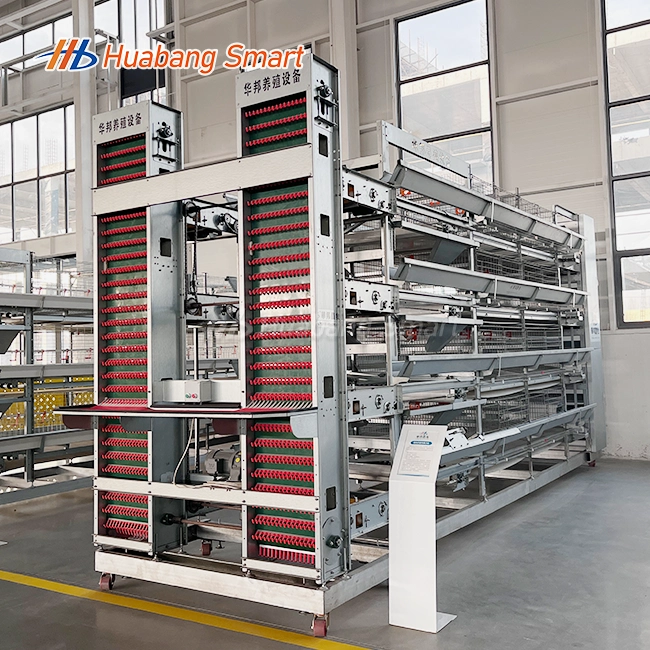
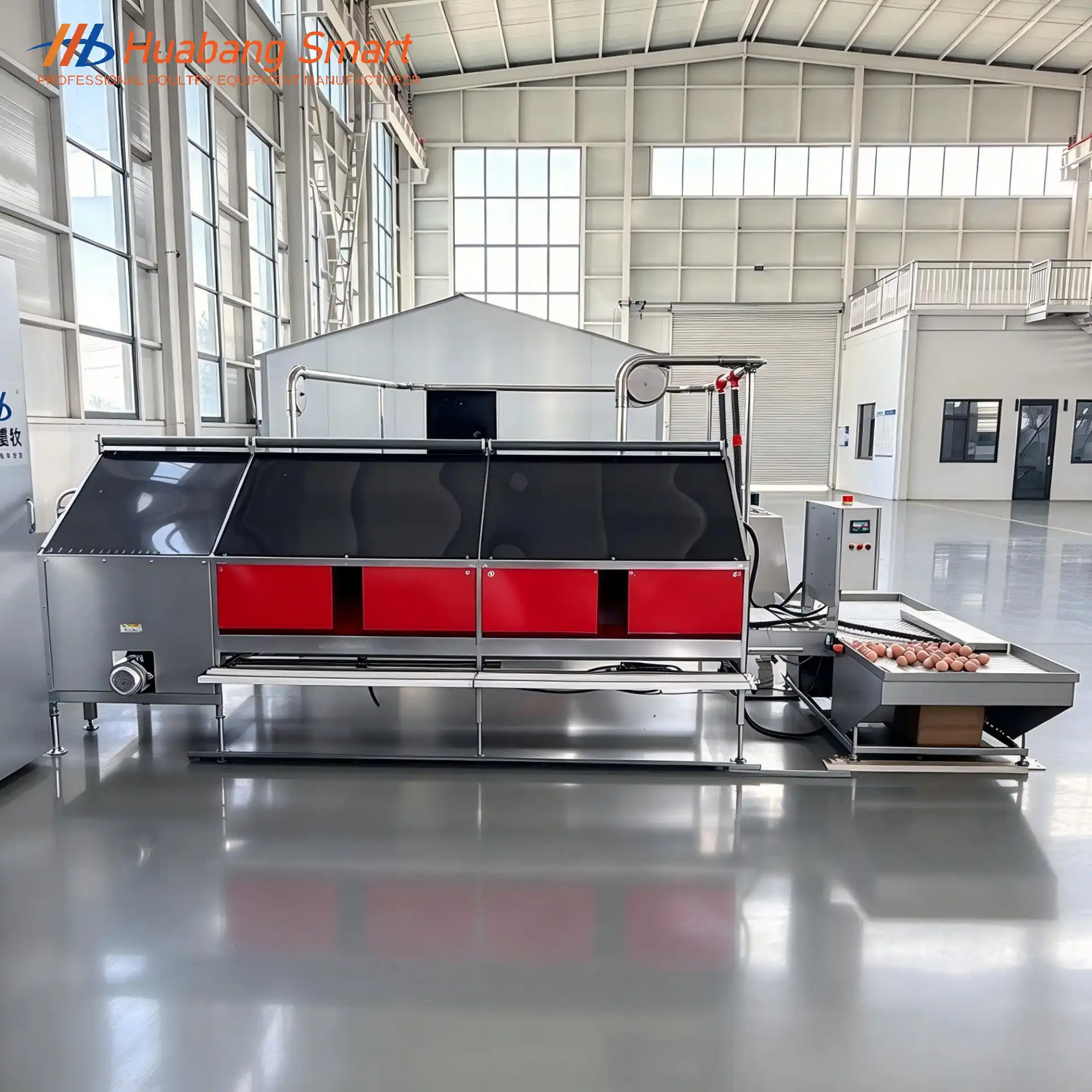
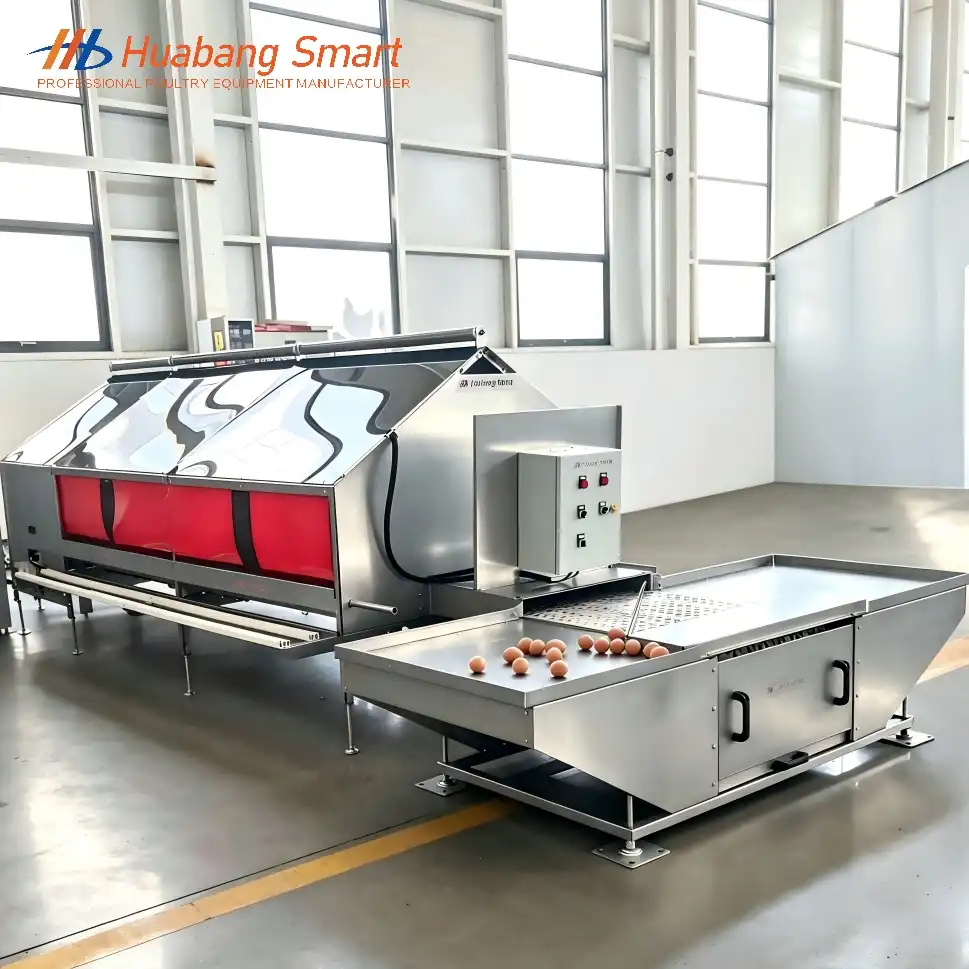
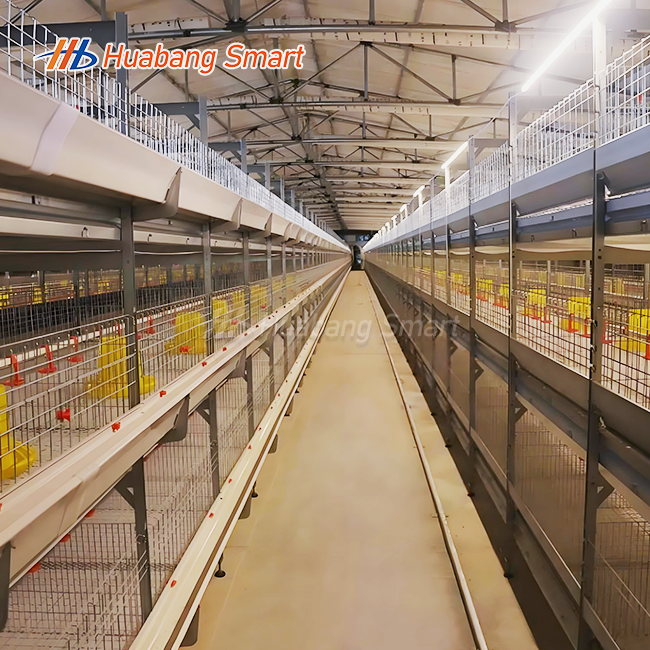
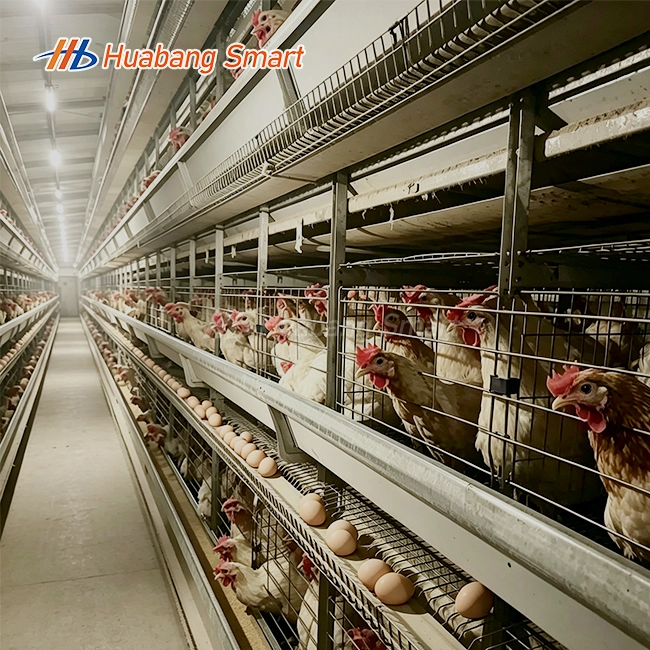
Collecting things by hand takes time that big farms don't have. Pickers go down long aisles and touch each egg several times. They also often come in late, which means eggs stay in nests longer. Eggs are moved from the nest to a belt by an automatic egg collection line, so no one has to handle them. That cuts down on work hours and damage from handling, and it makes daily collection more reliable. Usually, a full system includes nest modules, curtains, dividers, roll-away systems, egg belts, conveyors, structural supports, and more. Our unit comes with an egg-collecting platform, a laying nest, a storage box, and a tail for moving. It also links directly to lines that collect eggs automatically.
When the Investment Makes Sense
The case is stronger when a farm has a lot of flocks, needs to better track eggs, has rising labor costs, or is building new homes. It's also possible to upgrade from manual nests, since picking by hand costs the same amount of time every day. Our nest box works well for commercial layer houses, breeder hen operations, new standardized houses, and farms that no longer pick the eggs by hand every day. Each box can hold about 120 hens, so it can also be used by smaller businesses. Make a list of your current work hours, crack rate, and floor egg count before you make a decision. This way, you can use real numbers to figure out how much you will get back.

Set Targets and Calculate Capacity
Describe the size of your house, the number of chickens you have, your plans for growth, and whether the eggs automatically go to conveyor belts and packing equipment. Then make goals that can be measured, like fewer floor eggs, lower crack rates, labor savings, service life, and time it takes to pay for itself. Use the manufacturer's recommended hen-to-nest ratio, not a theoretical maximum, to figure out the capacity. Our number is about 120 hens per unit, which means that a house for 12,000 hens needs about 100 units, and that's before you take into account flock growth and uneven distribution of hens. Since that example only shows how to do math, you should use your own group numbers when you make the plan.
Compare Nesting Options and Technical Performance
Manual, Roll-Away, and Fully Automated Systems
While manual nest boxes are cheaper up front, they require more work and don't protect eggs as well. Simple roll-away boxes can work for smaller businesses. Large farms that need continuous collection and conveyor integration can use fully automated systems. Tier structure is also important. House height, floor use, worker access, maintenance needs, and plans for growth should all be taken into account when deciding between single- and double-tier layouts. The level of freedom varies between standard, flexible, and customized setups. This means that new buildings, improvements, wholesalers, and OEM projects may all need a different option. Use the same project outline to compare each choice, so that each quote covers the same amount of work.
Egg Protection and Roll-Away Design
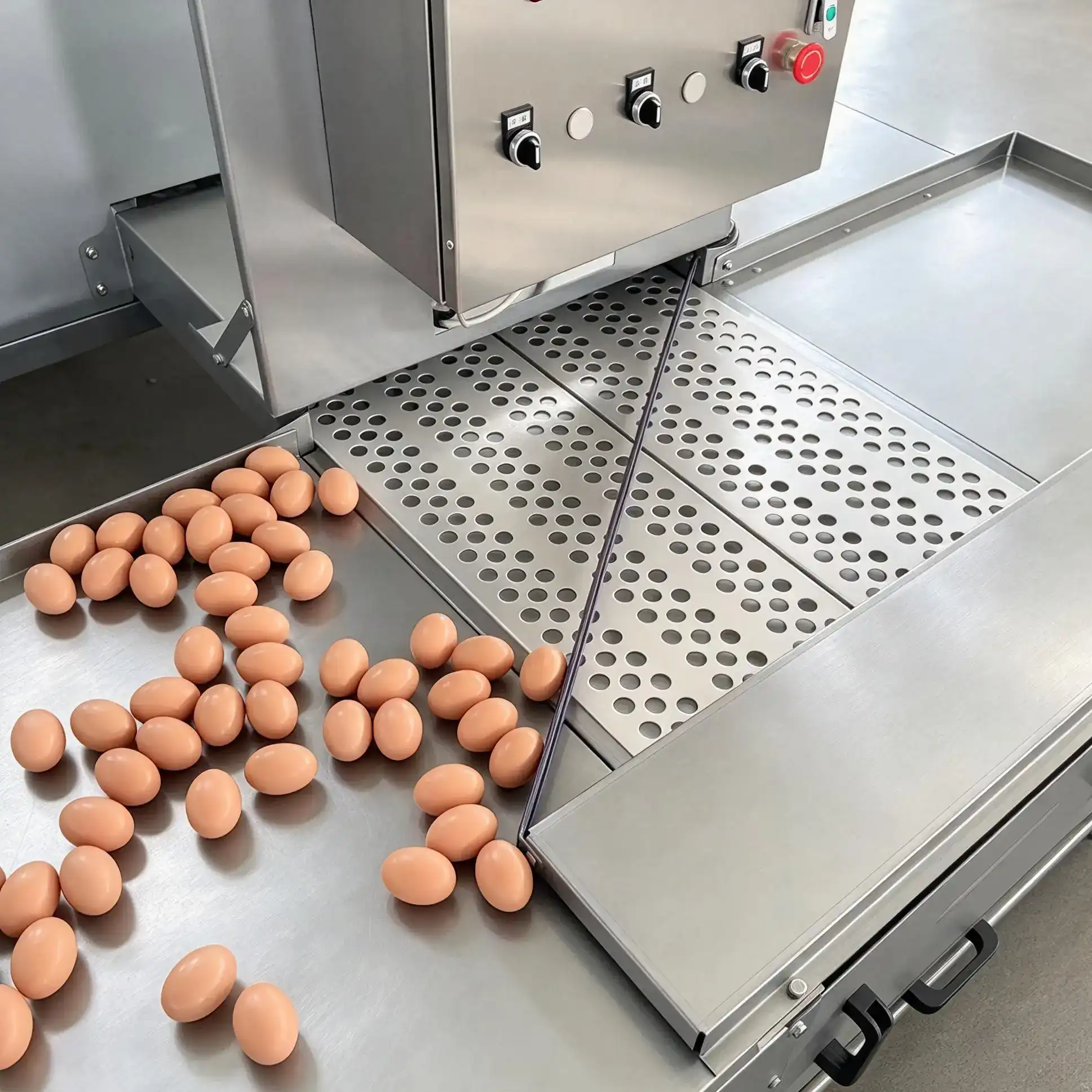
The headline size doesn't tell you much about the quality of the eggs. Check the roll-away angle, the stability of the belt, the design of the transfer, and the impact control at the point where the belt meets the conveyor. Our automatic nest system for layers keeps the tilt at 8° all the time, so the eggs don't stop halfway to the belt but keep going toward it. Each egg is protected by a rolling structure that works like a buffer. With standard installation and good feeding management, breakage stays below 0.3%. As with any supplier, ask them to explain how their breakage number is calculated. The anti-broody lifting mechanism also lifts the nest body at night. This keeps the eggs clean and stops the hens from sleeping inside.
Materials, Airflow, and Hygiene
Every day, manure, humidity, and cleaning chemicals damage chicken equipment. Zinc-aluminum-magnesium plate is used to make our nest shell. This plate is better at resisting manure, water, and cleaning chemicals than regular galvanized sheet. The frame is made of 3 mm hot-dip galvanized steel. The center is 5 cm above the floor, which lets air flow under the nest. This helps keep the ammonia smell in check and makes it easier for staff to clean the floor. To sum up, here are the main details:
| Parameter | Detail |
|---|---|
| Material | Zinc-aluminum-magnesium plate |
| Capacity | About 120 hens |
| Egg breakage rate | Below 0.3% |
| Size (L x W x H) | 1.2m x 1.4m (1.88m with perch) x 2m (with perch height) |
| Nest tilt angle | 8° |
| Weight | 40kg per set |
| Warranty | 1 year |
These figures give your engineer a starting point for layout drawings and capacity checks.
Design Around Layout, Then Plan Installation and Operation
Fit the Nest to Workflow and Conveyors
There is no such thing as a Nest system that works by itself. It's part of the whole house. Column spacing, lighting, ventilation, food and water supplies, worker access, and escape routes are some of the things that affect the layout. Egg belts and cross-conveyors should have few transfer points before they reach the area for sorting or packing. This is because every transfer point is a place where things can get stuck. Our rear egg belt changes tension and fixes deviations automatically, so it can run for a long time without falling or getting stuck, and it needs less human adjustment. Send us the length of your house if it's not the standard length, and we'll match the unit count.
Installation and Commissioning
Before the arrival, make sure you understand the plans, the state of the floor, the support points, the electrical needs, the entry routes, the drains, and who is responsible for each installation job. Standard production takes 30 to 60 days, so make sure that delivery fits in with when you need to build. Check the frames, belts, drives, conveyors, guards, emergency stops, alignment, and belt tracking while the machine is running during commissioning. We plan the site, give you a full configuration list, a video installation guide, and help with installation on-site. Our technicians also walk your team through commissioning to make sure they get things right from the start. Teach your staff how to safely start up, shut down, inspect, clean, and clear faults.
Maintenance and Spare Parts
Uptime is protected by a plan for regular upkeep. For an automatic nest system for layers, plan out when to check the belts, bearings, rollers, drives, and curtains, and make sure you have the important parts on hand before the first egg moves. Find out from suppliers what spare parts they recommend and what steps you should take to fix a problem. Our nest boxes come with a guarantee that lasts for one year, and we have professional techs who can help you with any problems, even after the hens start using the nests. Introducing the flock is also important. You should have staff help the birds get used to their new homes during the first few weeks so that the hens don't lay as many floor eggs.
Assess Suppliers, Total Cost, and Farm Fit
Supplier Capability and Documentation
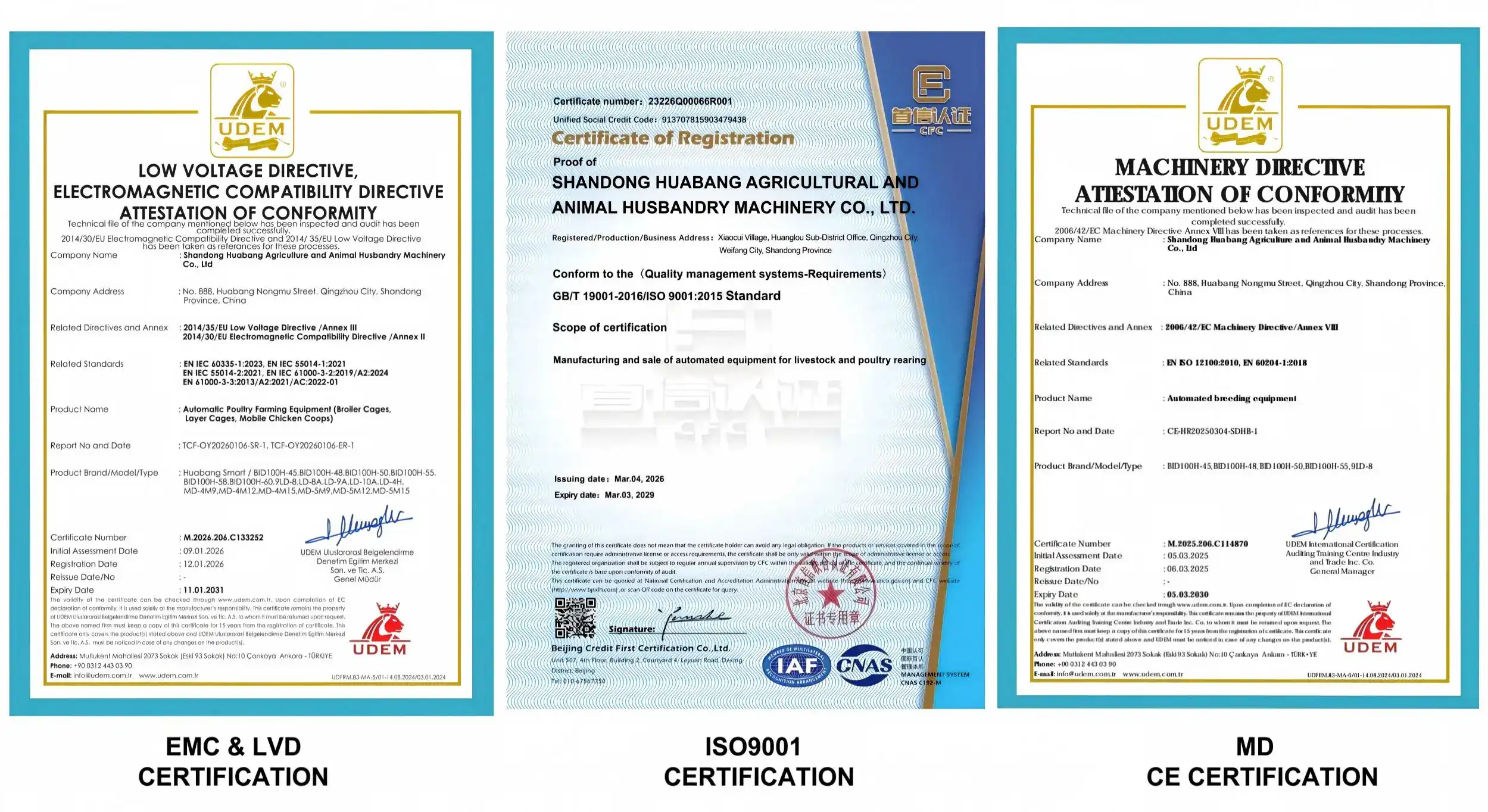
Look at how well they can make things, how much experience they have with commercial layer projects, quality control, export experience, and customer service after the sale. Also, buyers from other countries should ask for accurate drawings, packing lists, manuals, shipping documents, and spare parts. In Qingzhou, Shandong, Shandong Huabang Agricultural And Animal Husbandry Machinery Co., Ltd. has been making equipment for chickens since 2012. We have 49 patents on key technologies, and our units are only shipped after passing quality checks to ISO 9001 and CE. We serve over 100 countries, including farms in Europe, Southeast Asia, and the Middle East. When you buy directly from the plant, you skip the middlemen and can still get in touch with the company after the sale.
Total Cost of Ownership
When you compare prices, you should also compare scope. Make sure that each quote covers everything: setup, shipping, customs, electrical work, conveyors, training, warranty, and integration. Then, make a cost model that includes things like energy use, maintenance, replacement parts, expected payback time, and labor savings based on how you run your business. There is a chance that a cheaper unit with a weaker finish or no conveyor link will cost more in the long run. Our 3mm galvanized frame and zinc-aluminum-magnesium shell don't rust in damp homes, but you should still check every claim against models and written instructions.
Match the System to Your Buyer Type
Large commercial farms need a lot of output, strong construction, centralized collection, and an automatic nest system for layers that can be standardized across multiple poultry houses. Farms that are expanding can start with movable units and later add more space. Specifications that can be repeated, stable lead times, documentation, packaging, and spare parts are all things that distributors and project contractors look for. OEM buyers may need labels, colors, controls, or sizes that aren't standard. We offer OEM and ODM services and can design layouts based on your house measurements and drawings. Describe these needs before you start talking about technical and business issues, as they will determine which supplier can actually meet them
Build a Purchasing Process and Avoid Common Mistakes
Prepare a Project Specification Sheet
A structured process lets you compare quotes. Make one sheet that lists the location, climate, flock size, house drawings, tier preference, collection method, target capacity, welfare needs, delivery date, and help with installation. Ask qualified suppliers to send you technical specs, layout drawings, capacity calculations, lists of what's included and what's not, warranty terms, suggestions for spare parts, and delivery schedules. Use example projects, workplace checks, performance data, and clear approval standards to back up what you're saying. Different prices are easy to explain when all suppliers fill out the same sheet, and your team spends less time on technical issues.
Common Selection Mistakes
When you only look at the initial price of a system, you can cause a lot of problems. Cheap tools might have weaker materials, a smaller range of uses, less assistance, or higher upkeep costs. Other mistakes include relying too much on theoretical capacity, ignoring the limits of the house layout, not estimating how well the electrical and conveyor systems will work together, and not planning for spare parts. Low nest use and more floor eggs are also caused by not introducing the flock well and not giving operators enough training. Before you place an order, make sure you get site-specific designs, full installed-cost quotes, written acceptance criteria, training plans, and clear guarantee and service promises. This will help you avoid these problems.
A Simple Decision Sequence
Let's do it in five steps. First, name the main issue: a lack of workers, eggs on the floor, uneven egg quality, growth, or integrating automation. Second, get rid of any systems that don't fit your home's size, practical capacity, egg-flow needs, cleaning standards, or animal welfare expectations. Third, look at the remaining choices and rate them on total cost, time saved, egg loss avoided, service life, and payback. Fourth, make sure the suppliers are reliable by checking their references, paperwork, warranty terms, technical support, and spare parts. Fifth, give each finalist a score based on a number of factors, and then pick the one that can handle the growth of your group and house in the future.
Conclusion
If you want to buy an automatic nest system for layers, you should start with the farm and not the product. Large businesses benefit most when they figure out their capacity using a realistic hen-to-nest ratio after determining the size of their flock, the dimensions of their poultry house, and the expected egg flow. Checking the roll-away angle, egg cushioning, belt stability, corrosion-resistant materials, airflow, and conveyor compatibility is more important than focusing on production figures alone. Planning the installation, commissioning, operator training, and spare parts supply determines whether the equipment performs reliably after delivery. The decision should also be supported by the supplier's documentation, certifications, and export experience. Total cost of ownership is a more accurate basis for comparison than unit price. By using a specification sheet, avoiding common purchasing mistakes, and evaluating options based on weighted criteria, buyers can select a system that saves labor, protects egg quality, and accommodates future farm expansion.
FAQ
How many hens can one nest unit hold?
About 120 hens live in our unit. Use that useful ratio to figure out how many hens you can have, and remember to account for flock growth and uneven hen distribution.
What are the unit's weight and size?
Each unit is 1.2 meters long, 1.4 meters wide (1.88 meters with the perch), and 2 meters high with the perch. Every set weighs 40 kg, and the nest tilts 8°.
Can the system link to egg lines that are already in place?
The modular design can connect to lines that collect eggs automatically. Send us your house plans and information about the conveyor, and we'll look over the link while we're designing the layout.
What kind of support and warranty does it come with?
The nest boxes come with a one-year warranty, and our technicians are here to help you with any problems. We also do OEM and ODM work, and the normal production time is 30 to 60 days.
Request an Automatic Nest System for Layers Quotation from Huabang Smart
Huabang Smart is a company in Qingzhou, Shandong, that makes automatic nest systems for layers. They offer factory-direct supply, quality checks for ISO9001 and CE, OEM and ODM support, and installation help. Email ginny260831@gmail.com or huabangsmart002@gmail.com with your house plans, group size, and delivery area. You can find out more about our products at poultrycage.com. Our team will also make a plan and quote for your project.
References
1. United Egg Producers, Animal Husbandry Guidelines for U.S. Egg Laying Flocks, 2017
2. Hy-Line International, W-36 Commercial Layers Management Guide, 2020
3. USDA Agricultural Marketing Service, Egg Markets Overview, 2024
4. Federation of Animal Science Societies, Guide for the Care and Use of Agricultural Animals in Research and Teaching, 2020
5. International Organization for Standardization, ISO 9001: Quality Management Systems – Requirements, 2015
6. European Parliament and Council of the European Union, Machinery Directive 2006/42/EC, 2006

USER EVALUATE
Here is the customer's evaluation of us