
What Features Matter When Sourcing Chicken Egg Layer Cages?
The features that matter most when sourcing a Chicken Egg Layer Cage are cage type and usable capacity, automated feeding, egg collection, and manure removal, corrosion-resistant materials, fit with your house climate, total project cost, and supplier support. A low quotation often leaves out belts, controls, or installation, so every comparison must cover the full scope of supply. At Huabang Smart, we design and build layer cage systems for farms in over 100 countries. We wrote this guide for farm owners, engineers, contractors, and distributors who want a clear checklist before they request a quotation.
Each section below covers one group of decisions that affects labor, egg quality, and long-term cost. Each section also lists questions to ask any supplier.
Cage Design and Capacity: Matching the System to Your Farm
H-Type and A-Type Layouts
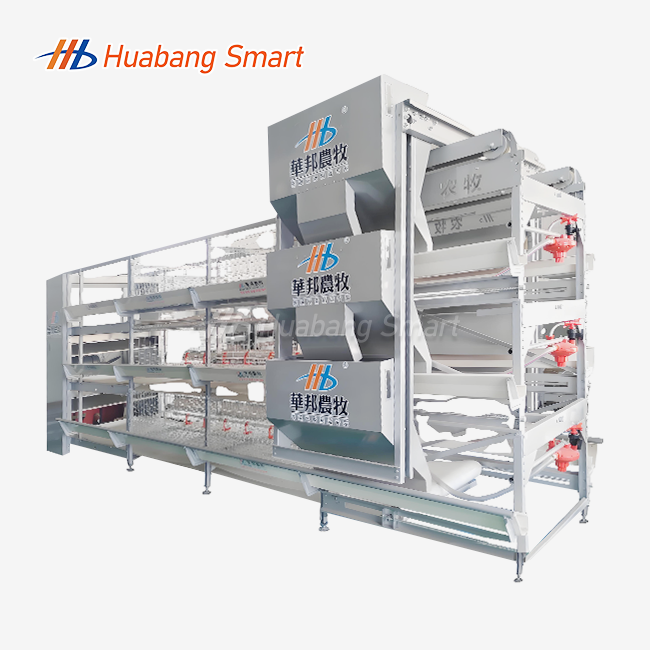
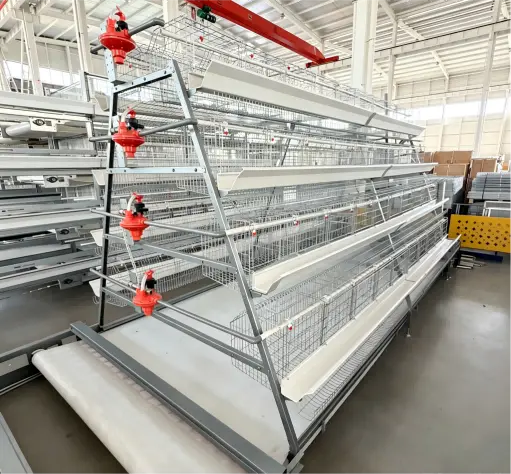
The first choice is the frame layout. It is easier to move A-type Chicken Egg Layer Cages, and they cost less in homes with natural airflow. This makes them better for smaller farms with less automation. There are more birds that can fit on an H-type Chicken Egg Layer Cage floor space, and the automatic poop belts work better with them. Our H-type Chicken Egg Layer Cages have a system that picks up eggs on its own, and we promise that no more than 0.3% of them will break. Also, slope is important. Eggs can slowly roll out when the slope of the bottom mesh is between 7 and 9 degrees. The eggs will break if the slope is too steep. The eggs will stay in the cage and get dirty if it's too flat. Ask each supplier to add the slope angle to the drawing.
Tiers and Usable Capacity
The level of a building affects how tall it is, how much airflow it needs, and how easy it is to get in and out for maintenance. Each level can hold between 90 and 200 chickens. There are 3, 4, 5, 6, and 8. That's how long it is, how wide it is, and how high it is. If you only look at stockability, you shouldn't do anything. Ask for a scaled house plan that shows how wide the aisles are, how high the service doors are, and how many birds live in each square foot. These numbers will let you know how many hens your building can really hold. With our flexible design, you can plan for growth from the very beginning. It can hold anywhere from 500 to more than 100,000 birds. If the plan is clear, you can also make sure that the cage fits the building before the steel is cut.
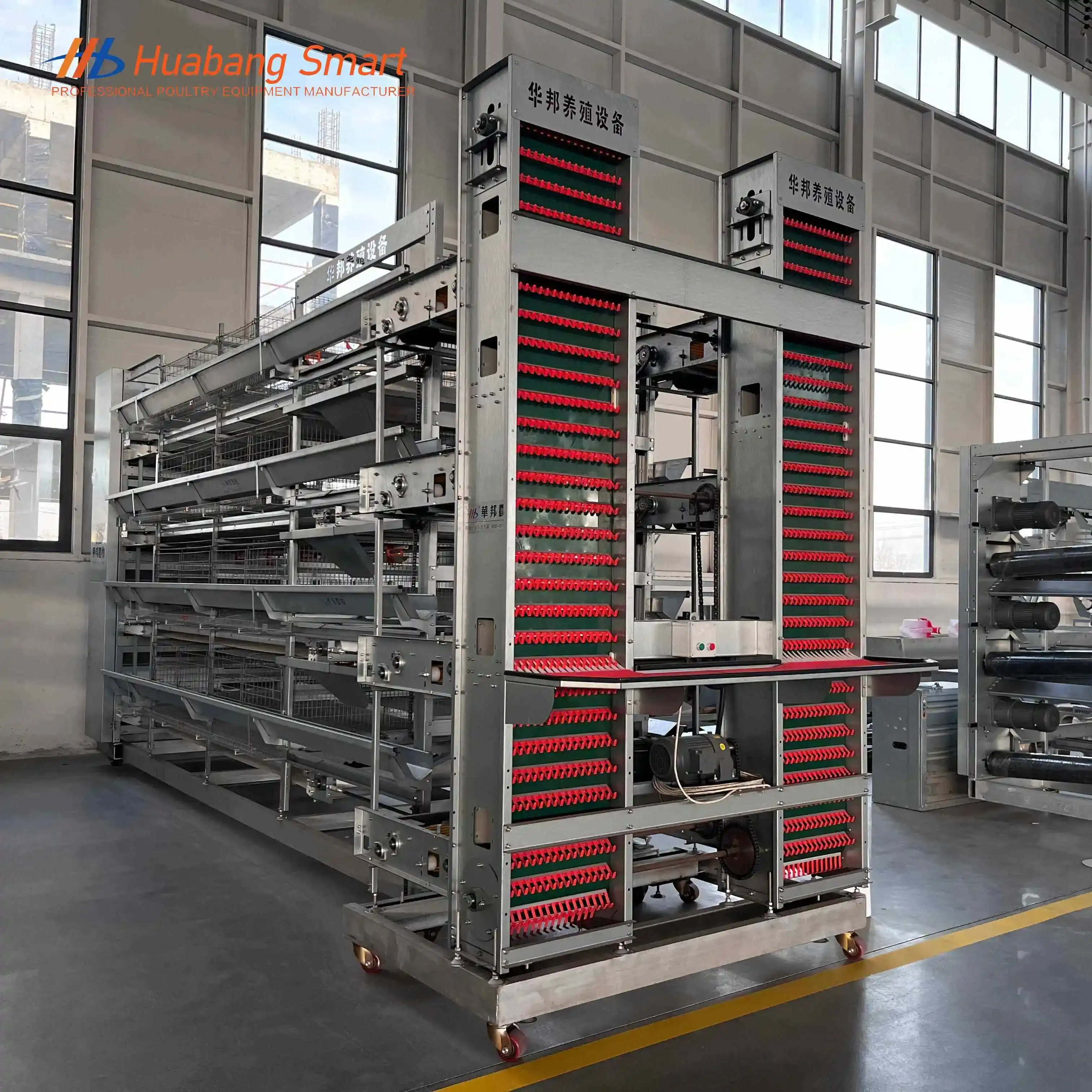
Matching Cages to Farm Scenarios
Based on how you run your business, this is the choice you should make. It might be best for a small farm that wants to switch from raising animals on the ground to easy-to-maintain A-type or semi-automatic equipment. Feeding, collecting eggs, and getting rid of manure need to be done automatically on medium and large commercial farms so that workers don't get too tired. Rules about aid are also important in the U.S. In some states, like California and Massachusetts, you can't sell eggs that came from conventional Chicken Egg Layer Cages. Check the rules for the species you want to buy before you choose between normal, enriched, or cage-free life. Early on, buyers, EPC contractors, and sellers should figure out what they need in terms of design, packaging, and documentation. If you give us your own drawings, we can make OEM and ODM shapes.
Automation Features That Influence Labor and Production Efficiency
Feeding and Drinking Accuracy
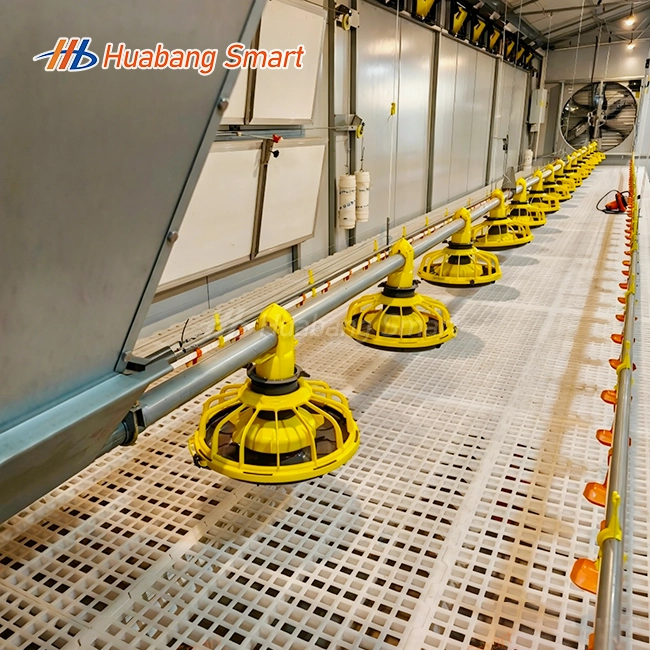
The equipment that feeds should spread the food out evenly on all levels with little spillage. Precision-built bowls keep the hens from picking through the food, which means less waste. Check out the quality of the motor, the number of adjustments it can make, and the parts that are available. Nipple drinkers give off a steady stream of clean water, but they need to be able to check the pressure and filter the water to work properly. Write down what kind of feeder it is, how big the hopper is, and what the drinker needs to come with. The systems we use automatically feed and water animals. Automating everything from feeding and watering to picking up eggs and getting rid of manure can save up to 80% of the work and keep the quality of the eggs the same.
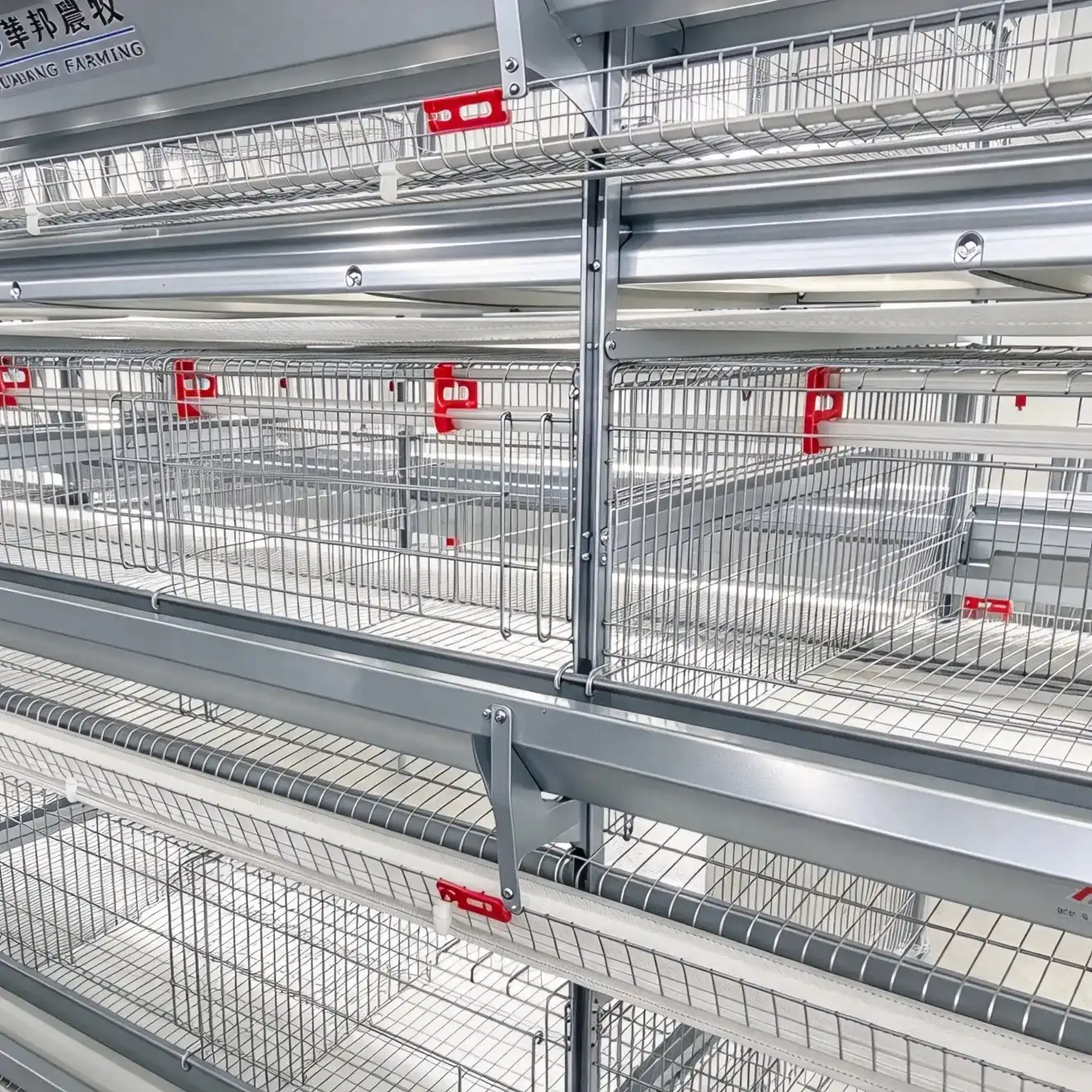
Egg Collection and Manure Removal
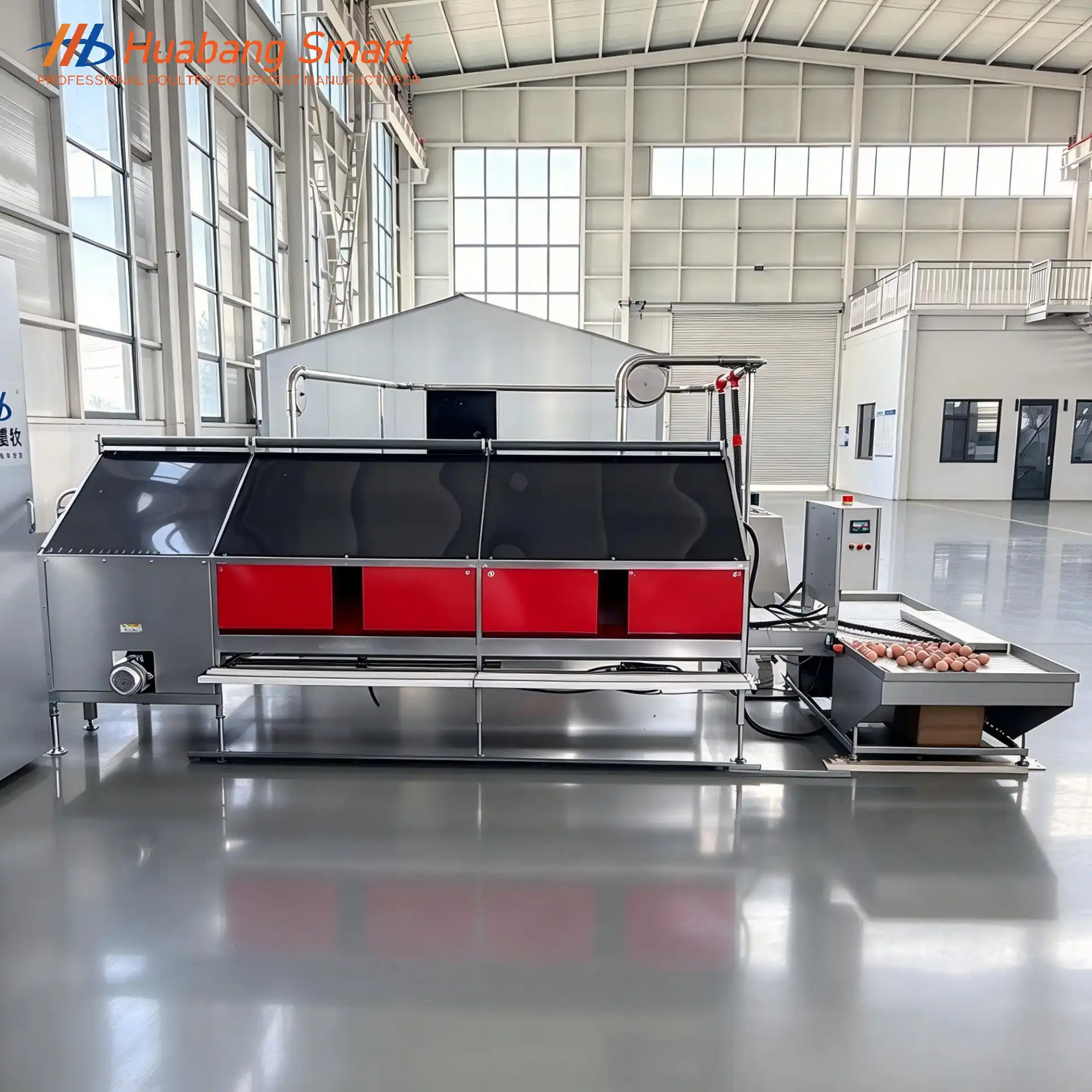
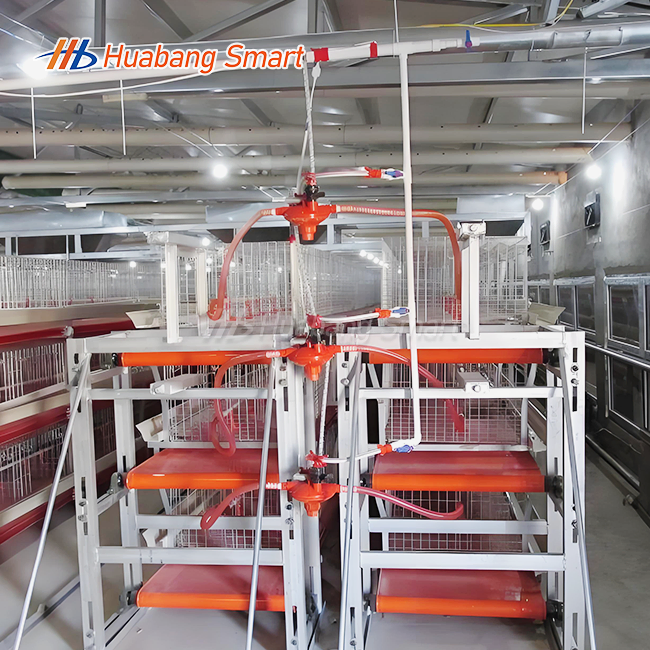
Eggs from every level are brought to the center automatically. This means that the staff carries fewer eggs, and the number of eggs that fail goes down. For this to really work, the belt has to be lined up just right, and the cage has to be steep. Grain belts take trash out of the building every day. The level of ammonia stays below 20 parts per million (ppm), and the smell and wetness are cut down. Find out what the belt is made of and how the scraper is made. Also, find out what happens to the manure after it leaves the house. It takes time and room to store and get rid of things. There are systems in our cages that collect eggs, feed the chickens, and get rid of their waste automatically. All of these parts are set up to work together.
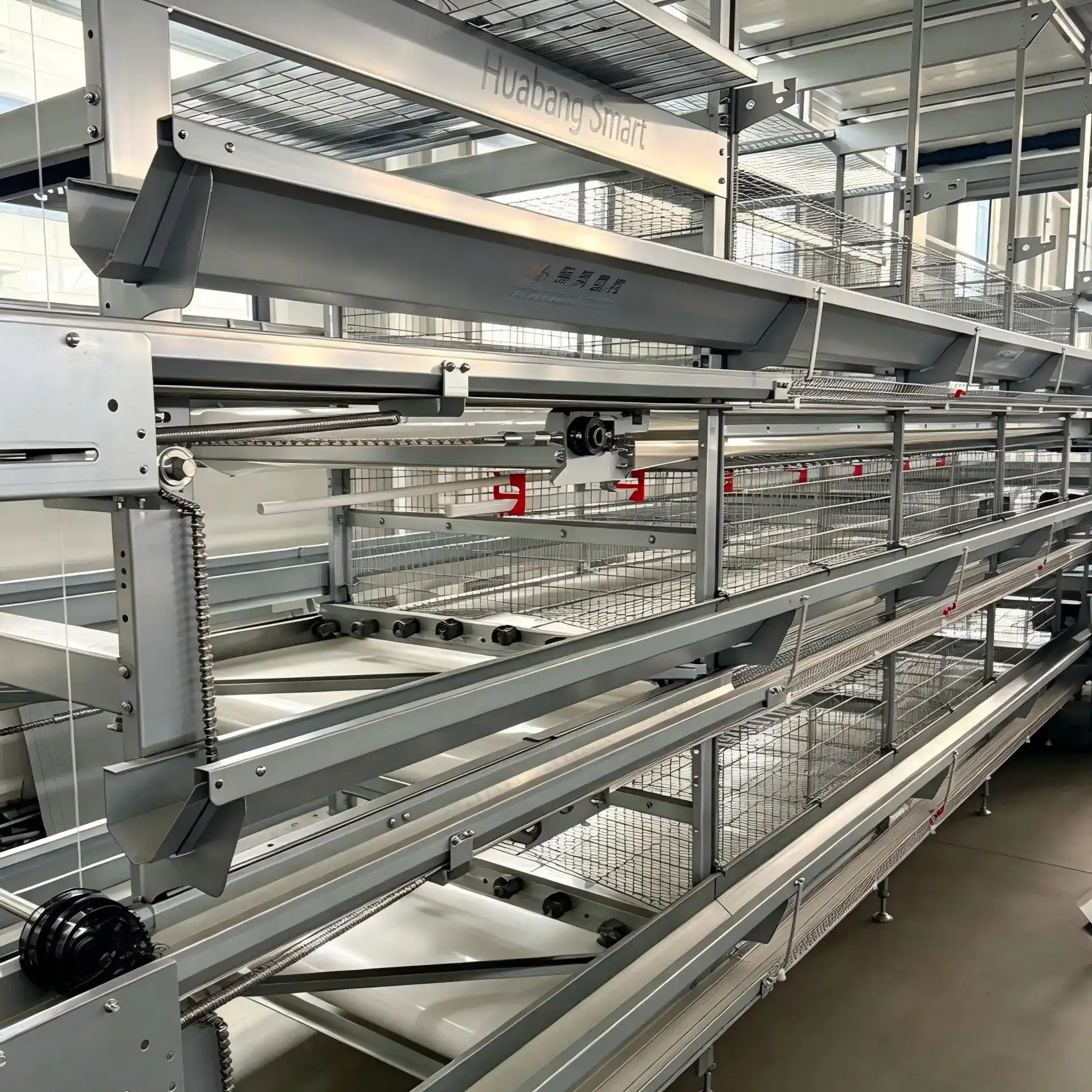
IoT Monitoring and Control
From one screen, you should be able to feed the birds, collect their eggs, clean out their poop, set the lights and alarms, and more. If you choose to, our IoT add-ons can use sensors to keep an eye on temperature, humidity, ammonia levels, feed intake, and egg production, among other things. You can see the info on a PC or an app on your phone. Technical leaders can use these records to find out quickly when the lay rate drops or the ammonia levels rise, so they can fix the problem before it hurts the flock. Make sure that the voltage, plug type, language settings, and compliance with electrical codes are all right for your site before you place your order. In the U.S., where inspection rules are different, this is very important for sites.
Material Quality, Durability, and Climate Fit
Hot-Dip Galvanized Steel and Wire Netting
What the material is made of decides how long it will last. Our frames are made from 3 mm thick hot-dip galvanized steel. There are 275 g/m² of zinc on the frames and walls. Aluminum-zinc is used to cover the wire mesh. Both types of systems can last up to 20 years if they are used the same way. However, cold-galvanized systems may only last 5 to 7 years. Find out how thick the coating is, how wide the wire is, how many times the welds have been inspected, and why the salt spray test results meet ASTM B117. In general, Q235 steel wire with a load-bearing range of 2.5 mm to 4 mm is a good choice. These checks protect you from rust that can be caused by cleaners, water, and dung.
Hygiene and Biosecurity
Smooth, food-grade plastic plates are the best way to keep eggs clean. There is less room for dust and bugs to gather. Look through the cage for any sharp edges or burrs. These things can hurt the birds' feathers and feet. Hens are kept away from their own waste by manure belts and wire floors. So they don't get sick or pick up ammonia from the ground. Plan where the clean and dirty areas are, how to clean, how to get rid of rodents, and how the vet can get to each level of the house. Being clean lowers the risk of getting sick, keeps the eggs fresh, and helps the upkeep team clean faster every day.
Ventilation, Lighting, and Climate
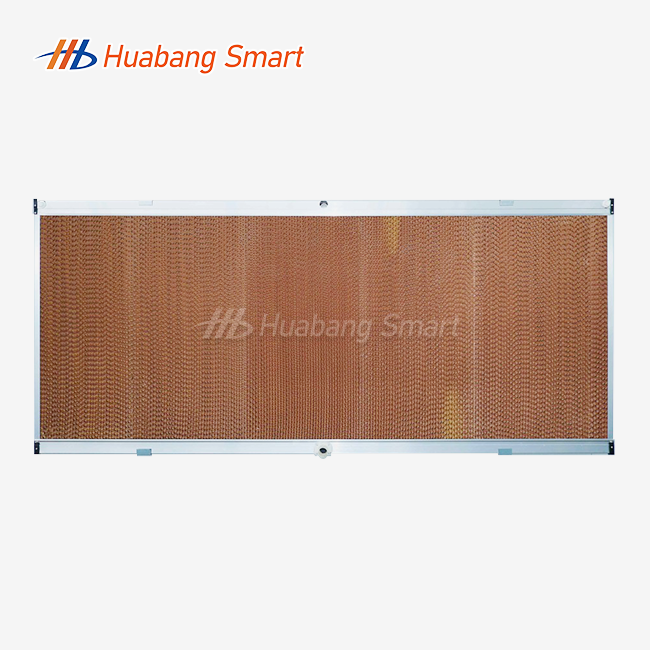
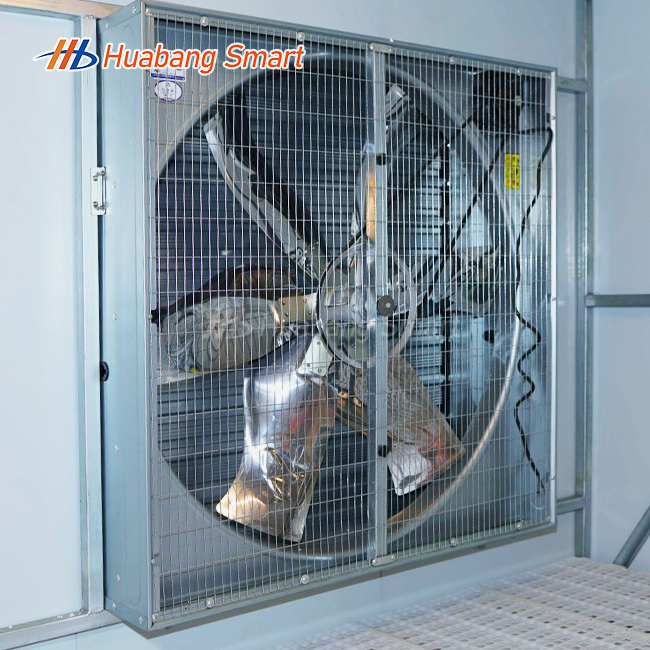
The cage setup will only work well if the house it's in is built right. How fast air moves through a building relies on how many things are in it, the temperature, the humidity, and the amount of ammonia. Check the fans, air intakes, cooling pads, insulation, emergency alarms, and tunnel or cross ventilation before you make the layout official. There should be backup power and alarms on every level, and each level should have the same amount of lighting. No matter the weather or barn size, we can change how our barns are set up to work for you. Also, they are bio-safe. We've also added a 5 cm higher center to help airflow and keep things cool. As soon as possible, share the weather where you are so that the layout is accurate.
Total Cost of Ownership and Project Economics
Compare the Full Scope of Supply
When comparing prices for a Chicken Egg Layer Cage, buyers should look beyond the cage frame and evaluate the cost of the entire poultry farming system. Each quotation should clearly include feeding equipment, drinking systems, egg collection, manure removal, ventilation, electrical controls, installation, packaging, shipping, and civil engineering work. A quotation that appears inexpensive may result in higher long-term costs if essential components such as belts, motors, or control systems are excluded. When evaluating different Chicken Egg Layer Cage suppliers, request an itemized comparison showing the same number of tiers, material specifications, and production capacity for each offer. This makes it easier to identify missing components and unexpected expenses before signing a contract. For buyers importing a Chicken Egg Layer Cage into the United States, freight charges, import duties, and other taxes can also affect the final landed cost. Therefore, confirm that the quotation clearly specifies the shipping terms and destination port. A detailed cost comparison helps buyers select a Chicken Egg Layer Cage solution that meets their requirements without unexpected additional expenses.
Cost Per Bird and Payback
You can only use the cost per bird when you know how many birds are in the flock and the exact specifications. Labor, tools, and building costs are different for a project with 1,000 hens versus a project with 10,000 hens. Add things like food, work, energy, maintenance, death, egg sales, money, and freight to the model. Not just one big ROI number should you believe; you should check a low, middle, and high case. Your model should have different lines for automation that saves time and money, fewer broken eggs, and a service life of 15 years or more. This way, owners and business groups can get a better idea of how much money they will get back.
Common Sourcing Mistakes
Most troubles begin with a short list of mistakes. People look at the top prices instead of the small ones. They say there is more space than there really is because they don't count aisles and service areas. They don't check the quality of the raw water or the power, and they don't wait for added parts to arrive. Some people forget to check the market's welfare rules as well. You can avoid most of these issues if you have written instructions and a layout with measurements. Learn about the guarantee and how to get help before you place your order, not after something goes wrong. Our automatic systems come with a one-year warranty that covers all over the world.
Supplier Qualification and Procurement Checklist
What to Verify in a Supplier
Look at how well they can make things, their tech team, their quality control steps, and how much experience they have selling. You need to get proof from the factory, project references, part lists, material lists, electrical details, drawings, manuals, and proof from the factory. Getting certified is important. ISO 9001 and CE are two of the certifications that Huabang Smart has. We also have 49 key patents that protect our technology. We have been making things and designing them for 17 years. We work with more than 100 countries in Europe, the Middle East, and Southeast Asia. We make things for 30 to 60 days. Get all the suppliers you're considering to give you the same amount of paperwork. Then, put them next to each other and look at how they stack up.
A Step-by-Step Procurement Checklist
Write down how many hens you have, what the future holds, how big the house is, the weather, how you work, your goals for automation, the electrical standards, and where the eggs will be transported. From those facts, make a technical specification that lists the type of cage, its levels, its size, its materials, its controls, and the spot where it will be put in. Look at each offer separately and request a plan drawing, an equipment schedule, a production deadline, and the guarantee's terms. The review goals should be agreed upon and signed off on by everyone before production begins. After setting up, check the alignment, water pressure, feeding, egg collection, manure removal, and learn how to train the user. By following this order, you can cut down on quote gaps and delays in starting the job.
OEM, Installation, and After-Sales Support
There should be clear steps for approval for things like size, controls, branding, packaging, and minimum order amounts for custom projects. Huabang Smart can build OEM and ODM items based on your ideas. We offer a range of services, such as help with samples, site planning, product design, thorough setup lists, video installation guides, on-site installation, running a chicken coop, and in-country support after the sale. Distributors and EPC contractors are less likely to make mistakes during commissioning because of this training and paperwork. Write down the response times and spare parts that are out there before you place your order.
Conclusion
What makes a Chicken Egg Layer Cage the best? It depends on how well it fits, how long it lasts, how much it costs, and how simple it is to set up. Both H-type and A-type plans work best for different types of farms and homes. It's more important to look at actual capacity than catalog numbers. We can make better daily decisions with the help of IoT tracking, and automatic feeding, egg collection, and manure removal cut down on work and damage. Heat-treated steel with a 275 g/m² finish makes up this building. It will last for at least 15 years. The group will stay healthy if the area is clean, has enough light, and has airflow. A fair quote lists all the services that will be done, and a good supplier will help with the paperwork, getting the equipment certified, setting it up, and getting replacement parts. You can get a better idea of the long-term cost by adding these up instead of just looking at the price.
FAQ
What is the difference between a single cage and a fully automated system?
The shell of a cage is made of wire and a frame. The controls, feed, water, egg collection, and manure cleanup are all built into a single line that works as a whole.
Should I choose A-type or H-type?
H-type has a higher density and can be used with automatic waste belts. The A-type is less expensive and works well in homes that naturally vent.
What information do you need for a quotation?
Send how many hens you have, how big the house is, where it is located, how much power it has, the weather, how automated you want it to be, and how you want to get there.
Can smaller farms use automation?
Yes. You can start with 500 birds because our design is modular. This way, a smaller farm can pick the level of automation that works best for its size and number of workers.
Do you provide installation support?
As an added bonus, we offer video installation tips, installation on-site, and help in other countries after the sale. Our units come with a one-year guarantee that covers the whole world.
Request a Chicken Egg Layer Cage Quotation from Huabang Smart
Are you looking for a business that can build and supply a Chicken Egg Layer Cage? You can tell Huabang Smart how many hens you have, how big the house is, the delivery port, the electricity and weather in the area, and the date you need the goods delivered by. Our experts will then make a plan and quote that is just right for your project. When you buy directly from our plant, we can make changes to your order, make sure it meets ISO 9001 and CE standards, and help you set it up. Email ginny260831@gmail.com or huabangsmart002@gmail.com or visit poultrycage.com to learn more.
References
1. United Egg Producers, Animal Husbandry Guidelines for U.S. Egg Laying Flocks, 2017
2. ASTM International, ASTM A123/A123M Standard Specification for Zinc (Hot-Dip Galvanized) Coatings on Iron and Steel Products, 2017
3. ASTM International, ASTM B117 Standard Practice for Operating Salt Spray (Fog) Apparatus, 2019
4. International Organization for Standardization, ISO 9001 Quality Management Systems: Requirements, 2015
5. Council of the European Union, Council Directive 1999/74/EC Laying Down Minimum Standards for the Protection of Laying Hens, 1999
6. State of California, Prevention of Cruelty to Farm Animals Act (Proposition 12), 2018

USER EVALUATE
Here is the customer's evaluation of us