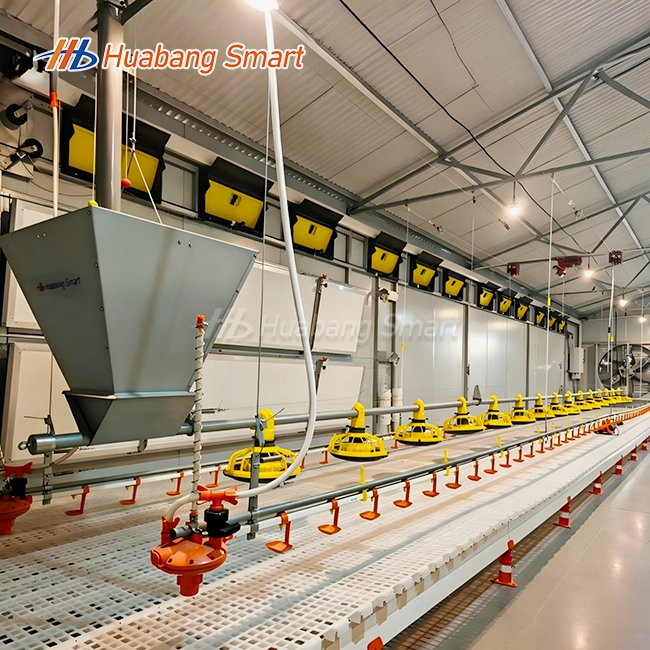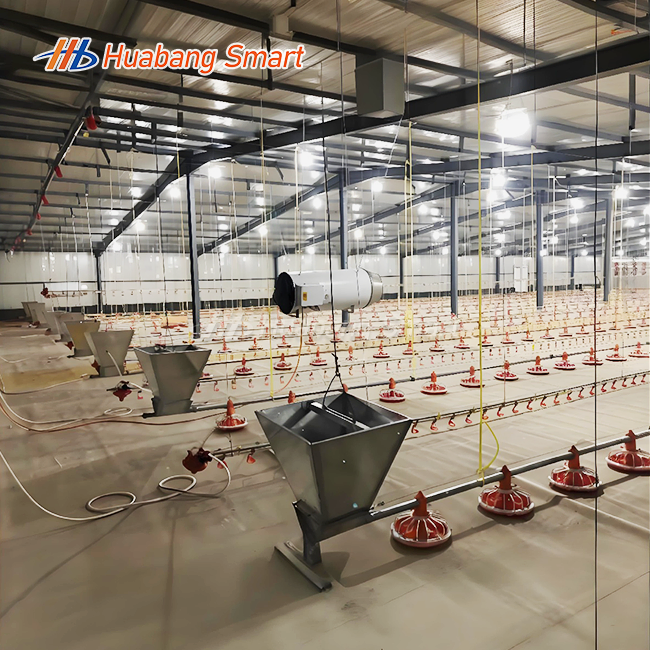

What Should Poultry Integrators Check When Sourcing Layer Nest Systems?
Poultry integrators should check six things when sourcing an automatic nest system for layers:
- how well it fits the house and flock size
- nest design and egg breakage performance
- egg conveying and manure handling compatibility
- material durability
- installation and maintenance support
- the supplier's real manufacturing capability
A low quote means little if the nests later cause floor eggs, dirty shells, or belt stoppages. At Huabang Smart, we have designed poultry equipment since 2012, and we see the same buying mistakes again and again. This guide shows what to verify before you sign.
Labor costs, cage-free rules in several states such as California, and FDA egg safety requirements all raise the stakes for nest hygiene and egg handling. The sections below follow the order in which most procurement teams review a project.
Start With Farm Requirements and Housing Conditions
Define the Housing Model and Flock Size
Before you look at any nest boxes, write down how the house works. To get to the nest, let birds fly around, let light in, and let air flow; different types of projects have different needs. Some of these are aviary, floor-housed, cage-free, free-range, and retrofit or new-build projects. A study published in 2011 in Poultry Science by Lay and his colleagues looked at how happy hens were in normal, enriched, and non-cage systems. It turned out that each method has its own organizational problems. You need to pick a nest that fits the style of your home.
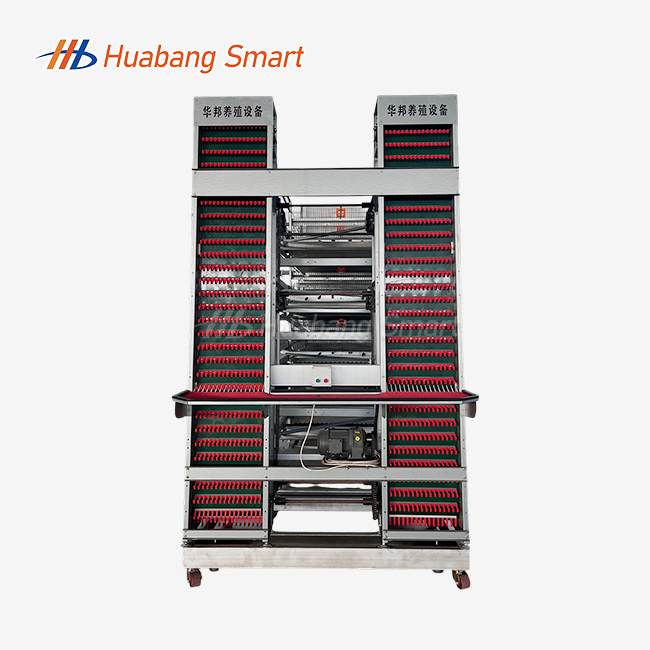
Next, write down how big the flock is, how much it plans to produce, and when it will be at its busiest. You can't learn much about a supplier's nominal grade until you look at the nest room that can be used. A flock of 12,000 hens would need about 100 Huabang Smart units, even if the layout isn't changed. Each unit can hold about 120 hens.
Measure the House and Plan the Layout
Getting the right measurements for your home can save you a lot of money. Write down the clear length, width, and height, as well as the locations of the doors and columns, and the routes of the feed lines, drinkers, manure belts, egg conveyors, and ventilation kit.
It's 1.2 m long, 1.4 m wide (1.88 m with the perch), and 2 m high with the perch. Measure those things against the width of your aisle and the height of your ceiling.
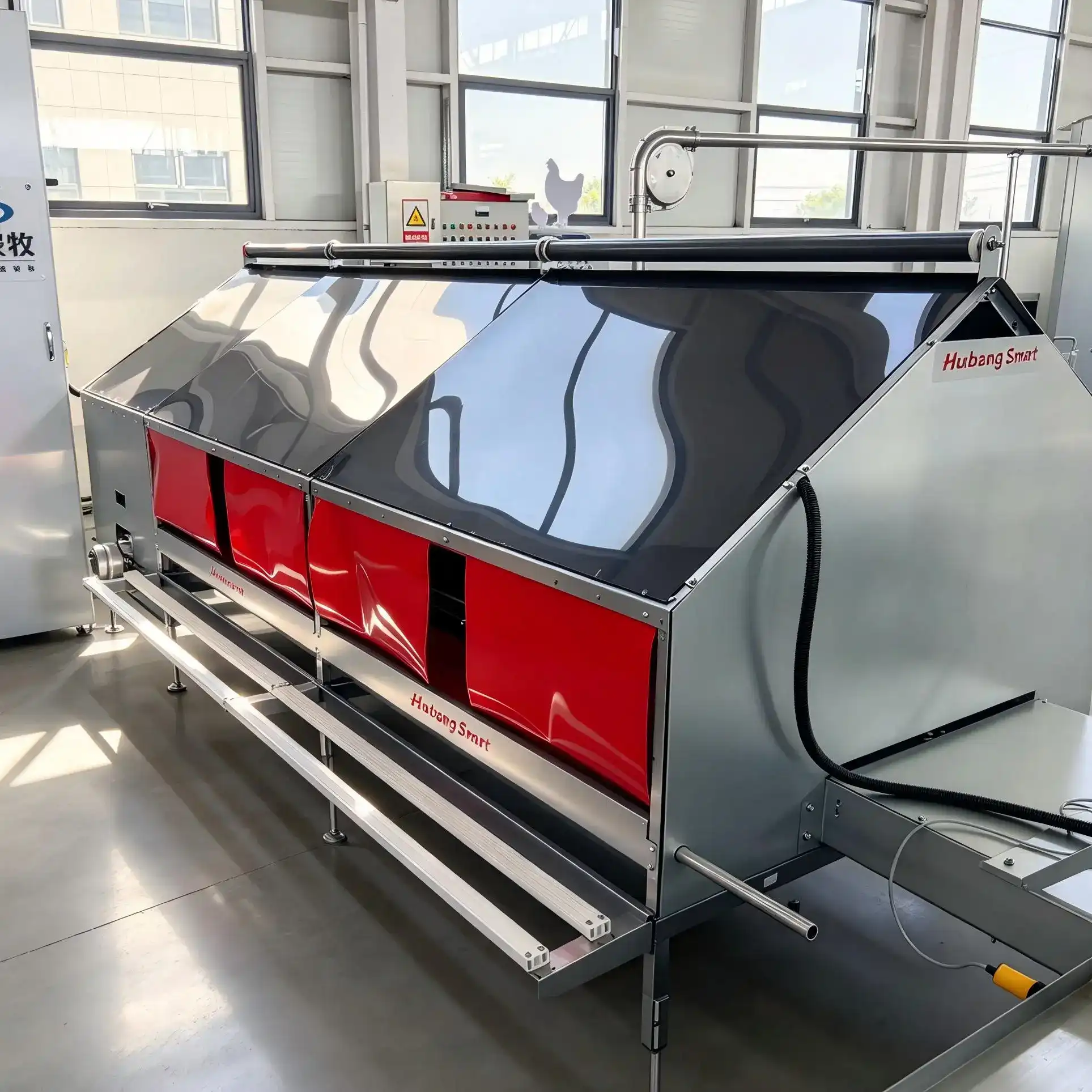
Ask each seller for layout drawings or 3D assembly plans before you place an order. A good drawing should show the number of units, the space between aisles, how to get to service areas, and how to connect to the egg line. We change the number of units and the plan to fit your exact house measurements if they are different from the norm.
Check Power, Climate, and Local Rules
There are a few more checks on US projects. Check the power and frequency of the motors and switches. Ask the service provider if they can match the 60 Hz power that farms in the US use. Also, take a look at the globe. Wet homes, hot summers, and lots of washing have different effects on coatings and electrical parts.
After that, review the applicable regulations before selecting an automatic nest system for layers. The FDA's Egg Safety Rule, introduced in 2009, applies to farms with 3,000 or more laying hens and includes requirements for biosecurity, pest control, and cleaning and sanitizing procedures. Choosing an automatic nest system for layers with easy-to-clean surfaces and a practical nest design can help maintain better hygiene and reduce the risk of eggs coming into contact with manure. Buyers should also check whether state regulations or purchasing programs, such as California's cage-free requirements, will affect their planned poultry housing design. Understanding these requirements in advance helps ensure that an automatic nest system for layers meets the farm's operational needs while supporting food safety and regulatory compliance. A properly selected automatic nest system for layers can also make routine cleaning and egg collection more manageable.
Evaluate Nest Design, Egg Collection, and Automation
Look at Nest Design and Egg Breakage
How birds lay their eggs, how clean the shell is, how often eggs break, and how many eggs are on the ground depend on how the nest is built. Look at the nest's floor, sides, air, light level, cleaning access, and how it rolls away. It is important to be careful when moving eggs out of the laying area so that they don't touch manure, bedding, or feathers. Cracks and stains in the shell are used as a scoring tool in the USDA Egg-scoring Manual. In other words, every egg that breaks costs money.
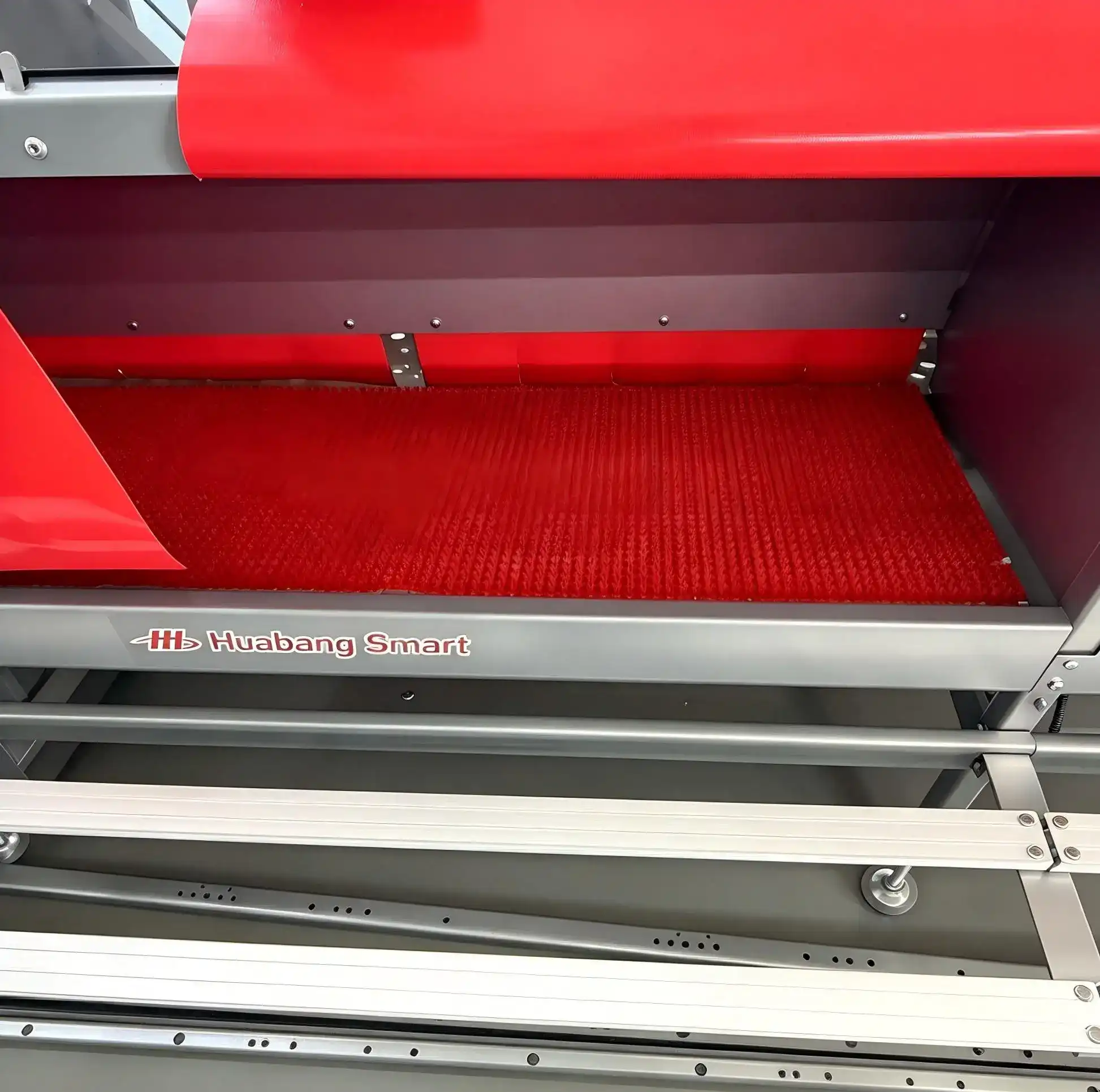
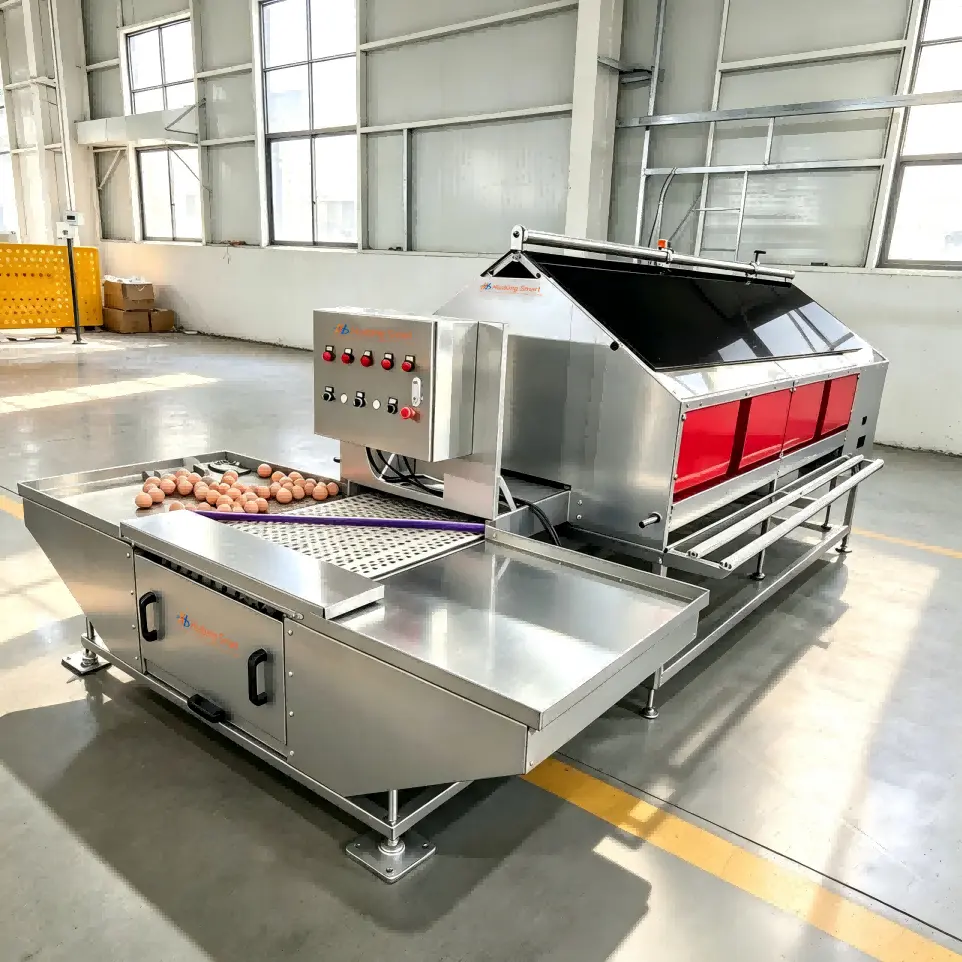
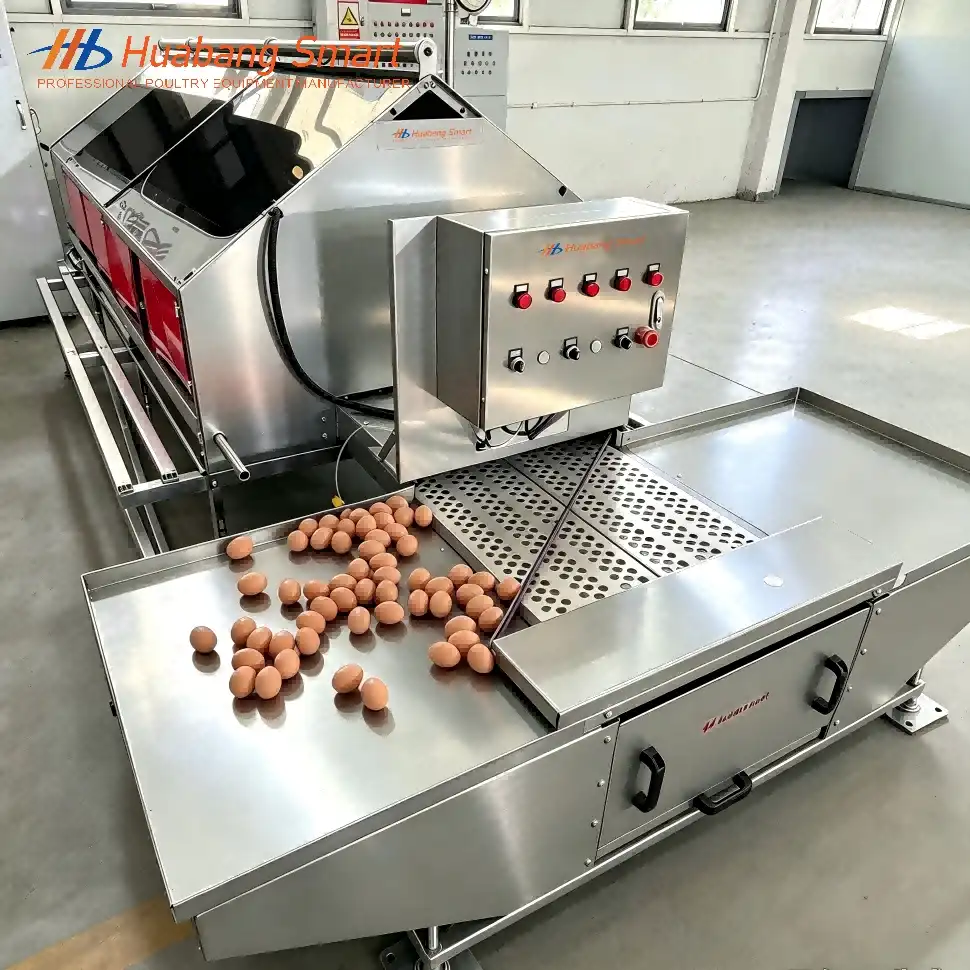
The Huabang Smart nest is tilted 8°, which keeps the eggs going toward the belt instead of stopping in the middle. A rolling mechanism that acts like a cushion keeps each egg from breaking. It stays below 0.3% if the fittings are basic and the food is managed well. Anyone who sells you something should be able to tell you how much of their products break.
Match the Egg Conveyor to Your Manure System
Taking care of trash and collecting eggs should be seen as one system. Check the safety of the motor, the transfer spots, the access to the belt, and the conveyor's length. Check to see if the nest will fit with your waste belts and grading or packing line.
It has a base for collecting eggs, an egg-laying nest, a storage box, and a tail for moving. It is directly linked to lines that automatically collect eggs. The back egg belt changes its stiffness all the time and fixes itself if it goes off track. Long runs are less likely to slip or get stuck because of this design. This means that staff spend less time calibrating by hand. Each quote should explain how the eggs get from the nest to the line. Pay close attention to each one.
Consider Hen Behavior and Labor Savings
Clean eggs depend on how the hens act. Hens make the nest and the eggs dirty when they sleep in them. With our anti-broody lifting function, the nest body is raised at night. This keeps the hens from sleeping inside and keeps the shells clean of poop. Before getting into the nest, hens can rest on a perch. This makes them feel less stressed and helps them lay eggs more regularly.
At the work side, picking eggs by hand has been replaced by a machine that does it for them. That means less work and less fixing of damage. If a seller says their system saves a lot of time for staff in homes like yours, ask for farm references instead of just general claims. The most important thing is to find a past case with similar circumstances, since savings depend on the size and layout of the flock.
Compare Alternatives and Verify Technical Quality
Automatic Nests Versus Manual Nests and Cages
Take a look at the automatic choice next to nest boxes for people, regular layer cages, and other types of nests. Small flocks can use manual nests, but they are harder to keep up with as the flocks get bigger because they need more work. To get more eggs, a floor, cage-free, free-range, or aviary system with an automatic nest system for layers works better. To house and catch birds, on the other hand, cages are better.
In 1991, Appleby and Hughes wrote about how freedom of behavior and order can be at odds with each other in different systems. This is why the way a nest is built is more important in homes without cages. The 2017 version of the United Egg Producers standards talks about both types of rooms as well. First, choose a production model. Next, check out the roll-away features, conveyor plans, how easy they are to clean, how many extra parts they need, and how much work it takes to set up.
Calculate Total Cost of Ownership
You don't really know how much something costs because of the price you pay. Writing down all the costs, like the equipment itself, shipping, setting it up, work, energy, fixes, downtime, and service life, is a good idea. There may be more costs if you buy a cheap nest that breaks more eggs, slows down the belt, or needs to be changed before it's time.
It's also important to know the lead time. It usually takes us 30 to 60 days to make something. It takes longer to ship goods by ocean to the US, so you should include that time in your project schedule. You cut out the middlemen when you buy from a factory. This lets the factory set the price and answer calls for help and parts more quickly. Ask each service provider to price the same scope to be fair.
Verify Materials, Specifications, and Certifications
Cleansers, ammonia, and water can all damage weak coats and fixings, so make sure you ask about all of them. An automatic nest system for layers is better protected against manure, water, and cleaning chemicals by a zinc-aluminum-magnesium plate shell than by a regular galvanizing sheet. A 3 mm hot-dip galvanized steel base is under it. More air can flow through a center that is 5 cm higher. This helps keep the ammonia smell in check and makes the floor easy to clean.
The product is made in line with ISO 9001 quality management standards and has a CE mark.
| Parameter | Detail |
|---|---|
| Type | Automatic chicken nest box |
| Capacity | About 120 hens |
| Size (L x W x H) | 1.2 m x 1.4 m (1.88 m with perch) x 2 m |
| Nest tilt angle | 8° |
| Weight | 40 kg per set |
| Egg breakage rate | Below 0.3% |
| Warranty | 1 year |
Assess Installation, Maintenance, and Supplier Capability
Installation and Commissioning
The way the nest is put together is just as important as how well the eggs are laid and how stable the belt is. Before you buy, make sure you know what the quote includes: supervision on-site, commissioning, training for the operator, and a test run.
Site planning, system design, a full configuration list, a video installation guide, help with installation on-site, and support after the sale are all things that Huabang Smart does in other countries. Technicians help set up and order the nests, and they'll be there to help with any changes that need to be made once the hens start using them.
Ask your supplier to give you a written schedule that shows who unloads, puts together, wires the controls, and signs off on the commissioning. No one is late when the crates come because everyone knows what to do.
Maintenance Plan, Spare Parts, and Warranty
It's easy to keep things running when there is a written maintenance plan. It should check the gates, curtains, conveyors, control boxes, belts, rollers, and bearings every day, every week, every month, and every season. Ask for steps on how to fix issues like broken eggs, a belt that isn't lined up correctly, blockages, too much heat, dirty eggs, and high floor-egg rates.
Our nests come with a one-year warranty, and if there are any problems, we have professional technicians on hand to help. Have spares of important wear parts on hand, and find out how long it takes to get replacements before you place your order. Fixes can take extra days to arrive if they have to be shipped from another country. Ask for instructions on how to clean, how to put the parts together, and a list of spare parts that should be sent with the shipment. Your repair boss will have everything they need to begin this way.
Screen the Supplier Before Ordering
In what kind of business do you work? Does it make things, do engineering work, or act as a middleman in trade? Find out about the places where the products are made, how they are tested and inspected, their experience working with people from other countries, and their OEM options.
Huabang Smart is headquartered in Qingzhou, Shandong. It's been our pleasure to do business with people from over 100 countries. We can do OEM and ODM work based on your needs. Get examples by calling farms with flock numbers, climates, and houses that are similar to yours. You can learn more about the product from these farms than from what the company says.

Quotes should list the types of equipment that will be used, any extras that can be bought, how they will be set up, packed, and delivered, as well as the terms for warranty, spare parts, and Incoterms. When suppliers give quotes, they should give clear technical answers. These answers should also show how they will handle problems after the sale.
Use a Decision Process and Procurement Checklist
Build a Weighted Scorecard
Each provider has the same amount of business and professional knowledge and is rated based on a weight. Rate the size of the nest, how clean the eggs are, how much they break, how long the material lasts, how much help you get with installation, spare parts, the warranty, and the total cost of ownership.
Make the weights work for you. Large farms may value throughput and uptime, while small farms may value ease of use. Retrofit projects must make sure that the measurements are compatible, and OEM buyers require planning and paperwork that can be used over and over again. Show your engineer, operations manager, and buying manager the scores before the bids come in. So, everyone can set goals right away, instead of arguing about them after the quotes are in.
Use This Procurement Checklist
Here is a checklist you can paste into your design review.
- Farm data: Make sure you know the type of housing, the size of the flock, your plans for growth, the house plans, the local rules, and your floor-egg goals. Note down the power supply specs and the weather, then give them to the supplier. This way, the first draft of the layout drawings and capacity calculations will be based on how things really are at the site.
- Equipment: Look at how the nest is built, how easily it rolls away, what the conveyor needs, how well the manure belt works with it, how much power it needs, how easy it is to clean, and how easy it is to fix. Get plans and a list of the things that will be needed. Make sure you agree with them in writing before the work starts.
- Commercial terms: To do business with that maker, you should write down their skills, project references, price scope, installation tasks, spare parts, warranty, shipping terms, technical papers, and how they handle things after the sale. As part of the deal, make sure that everyone knows what is expected of them and what they need to do to be accepted.
Match Your Project to a Huabang Smart Configuration
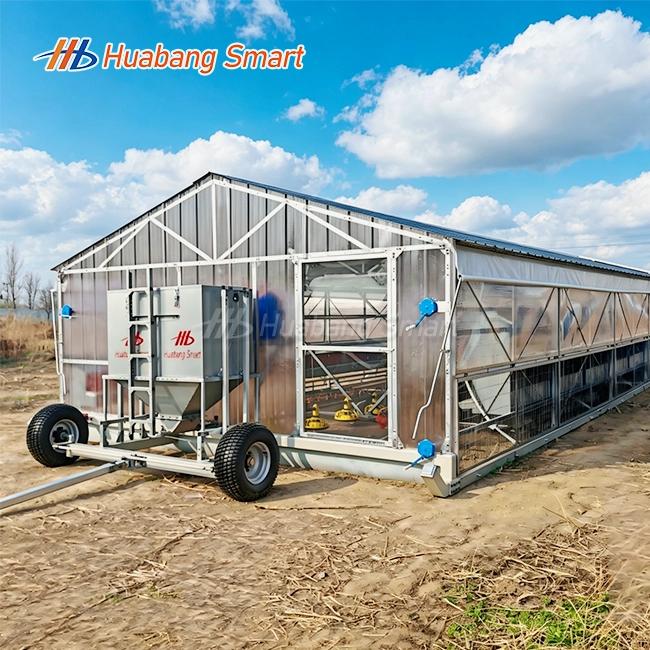
The Huabang Smart nest works well in commercial hen houses that lay eggs and on big chicken farms that use breeder hens. Because it's designed to be flexible, it can connect to full egg collection lines. This means that it can be used in both new standard homes and fields that are moving from hand nests. It's also good for small businesses because each box can hold about 120 hens. This way, you don't have to pick them out by hand every day.
The layout and number of units are changed to fit the length of your house. It takes 30 to 60 days to make. We will make a plan and price based on the size of your flock, the size of your house, and the electrical standards you send us.
Conclusion
The buying team should look at the whole project, not just the price of the nest, in order to find the best automatic nest system for layers. Starting needs are determined by the house plan, the size of the group, and the size of the house. Why is the shell so clean and broken? The anti-broody control, the 8° roll-away slope, and the belt support all play a part. Look at how much automatic nests, human nests, and cages cost over time before you buy something. Also, make sure the materials, specs, and certifications are correct. How long something will be up for is determined by things like installation help, upkeep plans, spare parts, guarantee, and the supplier's skill. Both a written plan and a weighted rating make sure that these factors stay the same from one bid to the next. This lets installers choose equipment that helps them reach their goals for the quality of the flock, house, and eggs.
FAQ How does an automatic nest system for layers work?
The floor of the nest slopes down, and the hens lay their eggs there. There is a belt that moves the eggs slowly toward the line where they will be picked up. To keep each egg safe, the Huabang Smart nest tilts 8° and has a cushion-like piece.
Does an automatic nest reduce floor eggs?
How well a nest works can be changed by the lighting, how the flock is trained, how many birds are in it, and how it is set up. Get references from people who have lived in homes like yours.
What information do I need for a quotation?
Give the project's due date, the number of birds, the type of housing, the house's size, the electricity standard in the area, and the way you've chosen to collect the birds. Thanks for the information. Now we can make layout drawings and a unit count to go with them.
What are the warranty and lead time?
We stand by our nests for a year. These days, it takes 30 to 60 days to make something, and shipping times depend on where you're going.
Request an Automatic Nest System for Layers Proposal From Huabang Smart
Are you building a layer house and looking for an automatic nest system for layers manufacturer with direct factory support? Send Huabang Smart an email at ginny260831@gmail.com or huabangsmart002@gmail.com telling them how many birds you have, how big your house is, and what kind of electricity you use. You can choose between OEM and ODM designs. We offer a 1-year warranty, ISO9001 and CE certification, and technician support from the time of installation until after the sale. Visit poultrycage.com for details.
References
1. United Egg Producers, Animal Husbandry Guidelines for U.S. Egg-Laying Flocks, 2017
2. Lay, D.C. et al., Hen Welfare in Different Housing Systems, Poultry Science, 2011
3. USDA Agricultural Marketing Service, Egg-Grading Manual (Agricultural Handbook 75), 2000
4. U.S. Food and Drug Administration, Prevention of Salmonella Enteritidis in Shell Eggs During Production, Storage, and Transportation, Federal Register, 2009
5. International Organization for Standardization, ISO 9001: Quality Management Systems — Requirements, 2015
6. Appleby, M.C. and Hughes, B.O., Welfare of Laying Hens in Cages and Alternative Systems, World's Poultry Science Journal, 1991

_1793065975341.webp)
(1)_1793069021831.webp)
(1)_1793071559822.webp)