
What to Check Before Buying a Commercial Mobile Chicken Coop
Before you buy a Commercial Mobile Chicken Coop, you should look at six things: the number of birds that can fit comfortably, the mobility system, the flooring and ventilation, the durability of the materials, the total cost of ownership, and the export and after-sales support of the supplier. Fit each item to the type of flock you have, the land, the weather, and your tractor. Ask for drawings, lists of materials, and detailed quotes so that you can compare offers that are all the same. We at Huabang Smart build mobile chicken coops for farms that raise chickens on pasture. We find that getting quotes is faster and more accurate when we have a clear project brief. Each check is broken down into simple steps below.
Confirm Capacity, Intended Use, and the Mobility System
How well a unit fits into your daily life depends on its size and portability. Before you compare anything else, settle these two points.
Match Capacity to Real Operating Needs
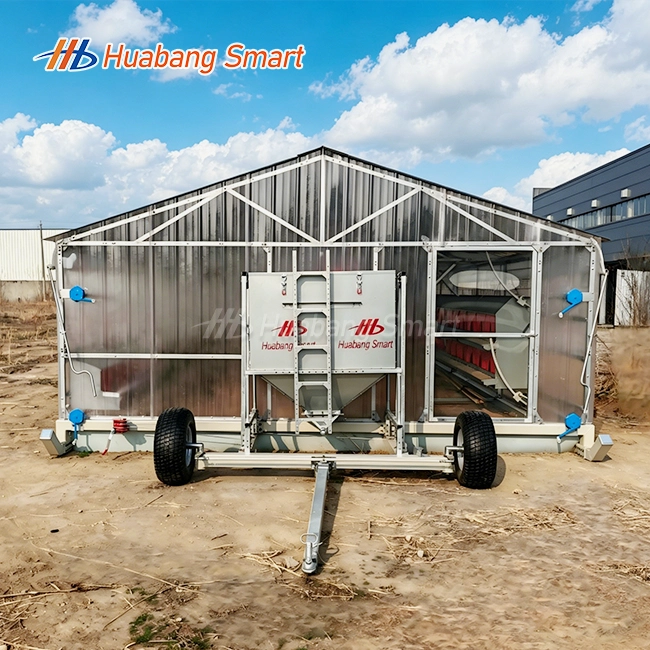
Start with your flock, not the most birds that a supplier will sell. There are different needs for space, nesting, and cleanout for layers, broilers, pullets, and breeders. The standard size of our Commercial Mobile Chicken Coop is 15m x 5m x 2.8m, which is 49 feet by 16 feet by 9 feet. Each unit can house 700 to 900 birds. You can get dimensions that fit your needs. Because rules are different for each program, check the stocking density with the welfare or organic program you want to follow. Make a simple worksheet that lists the number of birds, their weight, how much they need to eat, and their growth plans. Check to see if units can be linked if you plan to grow. Our modular design lets you connect more than one unit as your business grows.
Choose the Right Mobility System
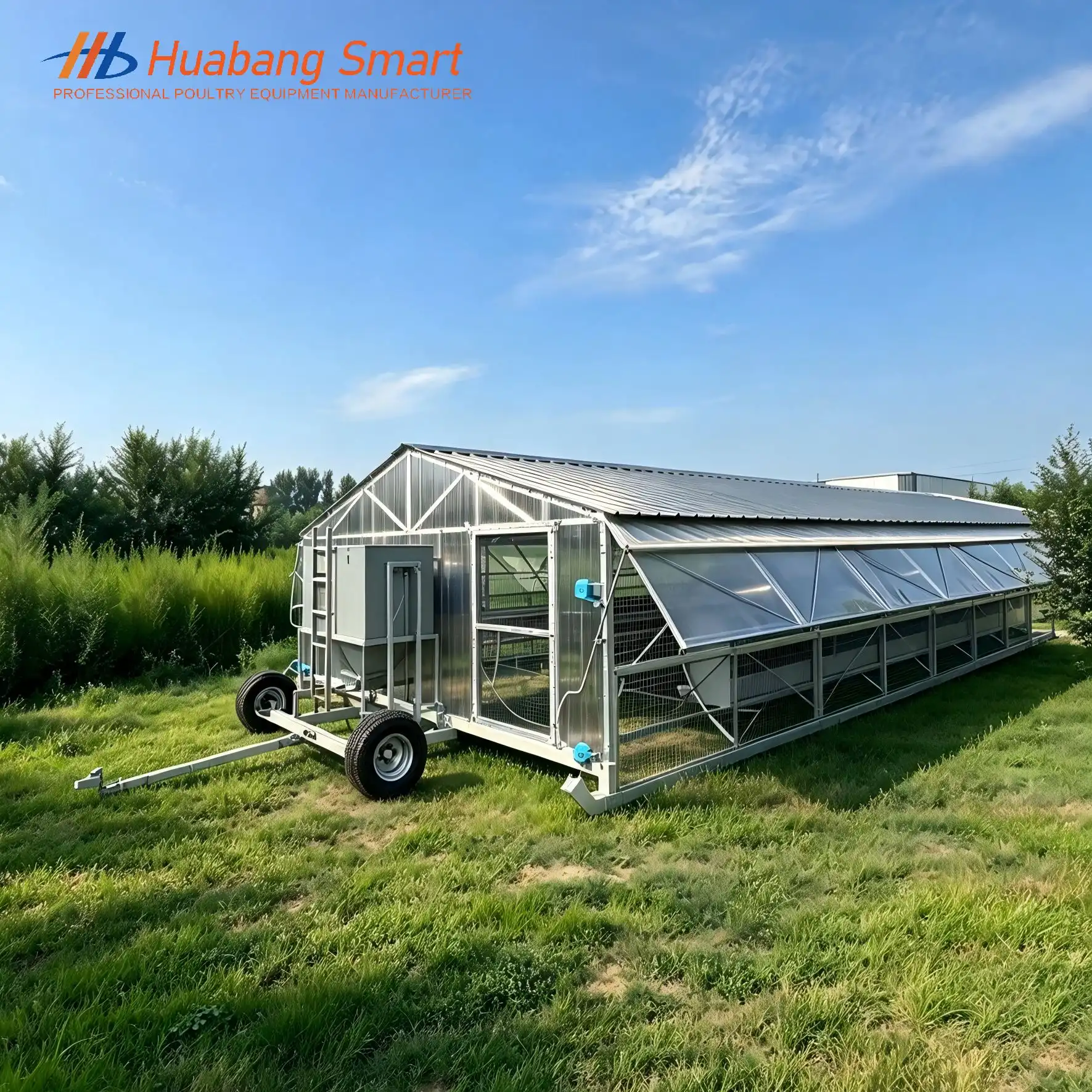
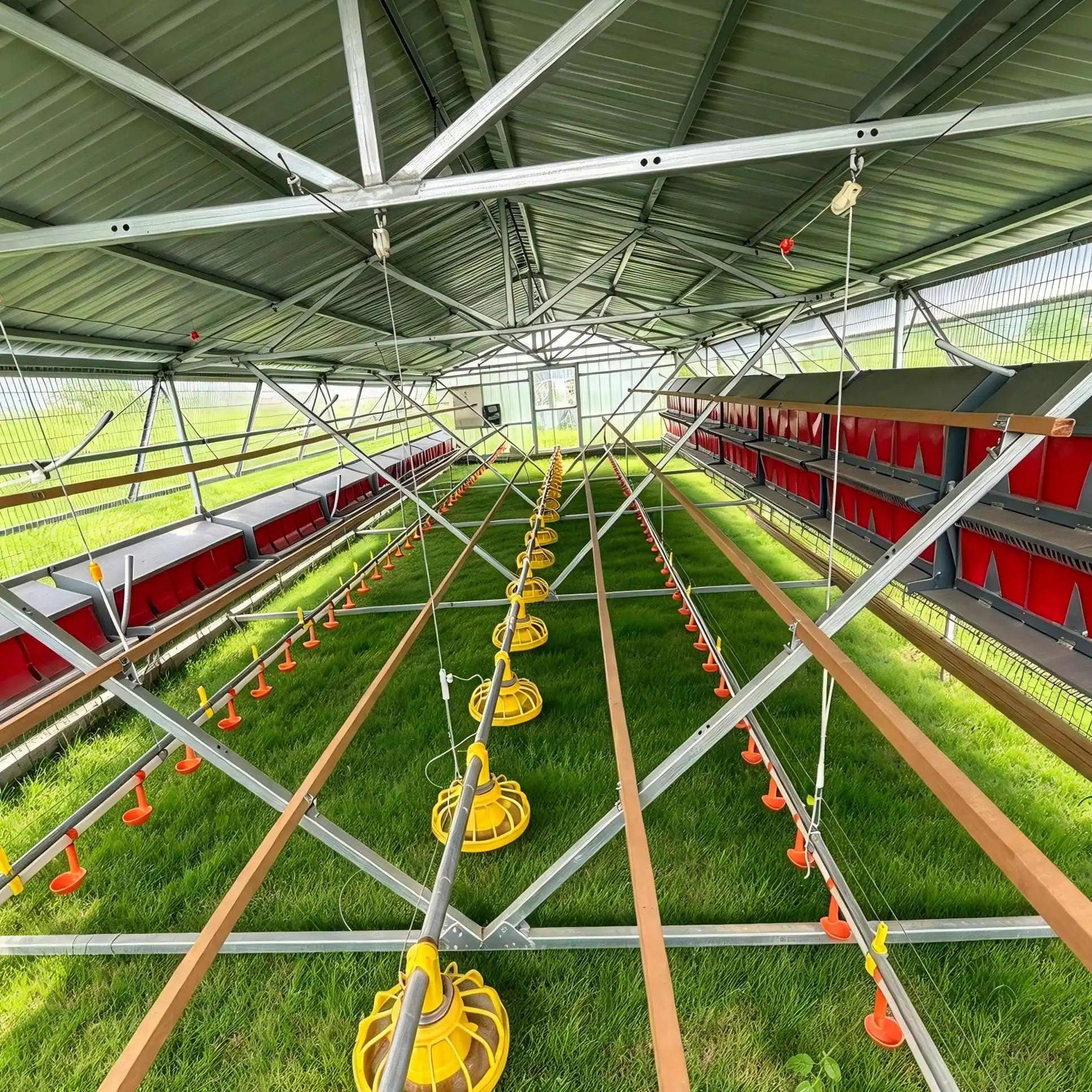
The chicken tractor is a light pen that is made for moving around quickly and often. A commercial mobile chicken coop is bigger and has more controls, feeders, and drinkers, so it needs a stronger frame and a clear plan for how to pull it. Our units are made from hot-dip galvanized steel tubes and have a low center of gravity. They also come with a universal hitch that can be used on standard 40 to 60HP tractors or ATVs. Write down what each supplier says about the chassis's strength, hitch compatibility, ground clearance, and towing needs. Then use your own tractor and fields to see how those numbers compare. Our unit is safe between moves thanks to heavy-duty earth anchors.
Plan Rotation, Terrain, and Road Rules
A lot of the value comes from rotation. Moving pens to fresh grass often became popular after Joel Salatin's 1993 book "Pastured Poultry Profits." Our product guidance says that the housing should be moved every one to three days. Birds eat insect larvae and spread manure across the pasture instead of leaving it in one place because they move around a lot. Before you place your order, walk through your fields. Keep an eye out for gates, slopes, soft ground, and lane widths. As a general rule, U.S. roads are 8.5 feet wide, so a five-meter-wide unit is good for moving on farms. Check the state's permit rules before taking any public transportation.
Check Flooring, Ventilation, Durability, and Climate Fit
Look inside and under the unit once you know how much it can hold and how easily it can be moved. These checks decide how healthy the bird is and how long it will last.
Flooring, Ventilation, and Internal Equipment
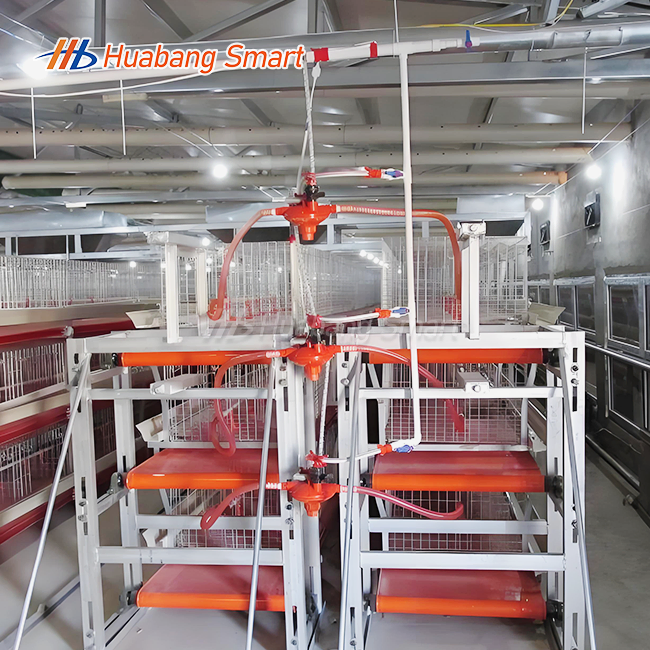
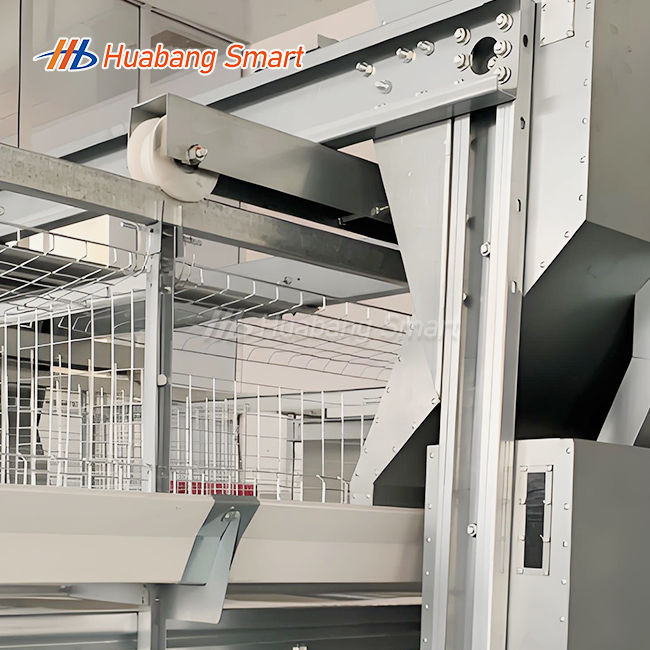
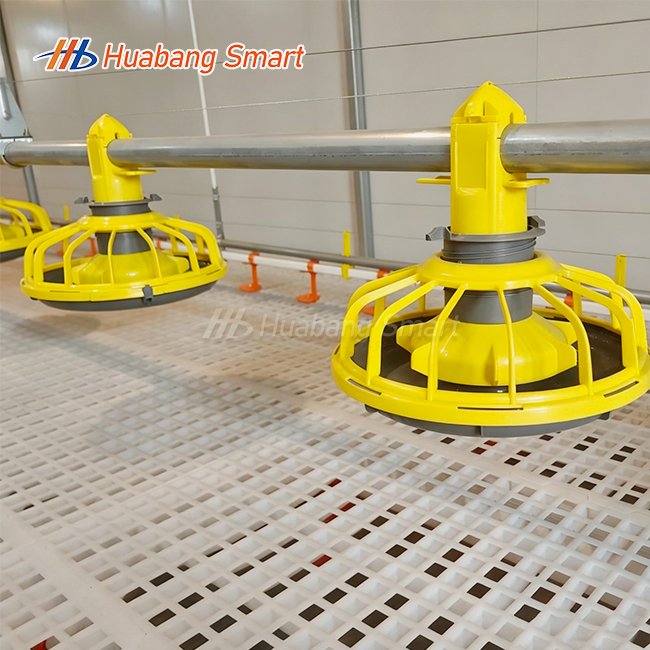
A bird's health and daily work are affected by its internal design. An elevated slatted floor in our unit keeps birds away from direct contact with manure and helps keep antibiotic-free production clean. A 5cm raised center makes it easier for air to flow and keeps things cool. Water, ammonia, and heat should be kept in check by good ventilation, and there shouldn't be any drafts at bird level. Our nipple drinking lines, timed ventilation controls, and automatic feeding are all powered by solar power (12V/24V), so pastures that are far away from the grid don't need to be connected to it. We say that this automation makes things 70% easier than they are in regular homes. Make sure that every feeder, watering hole, and waste area is right for your flock.
Material Strength and Corrosion Resistance
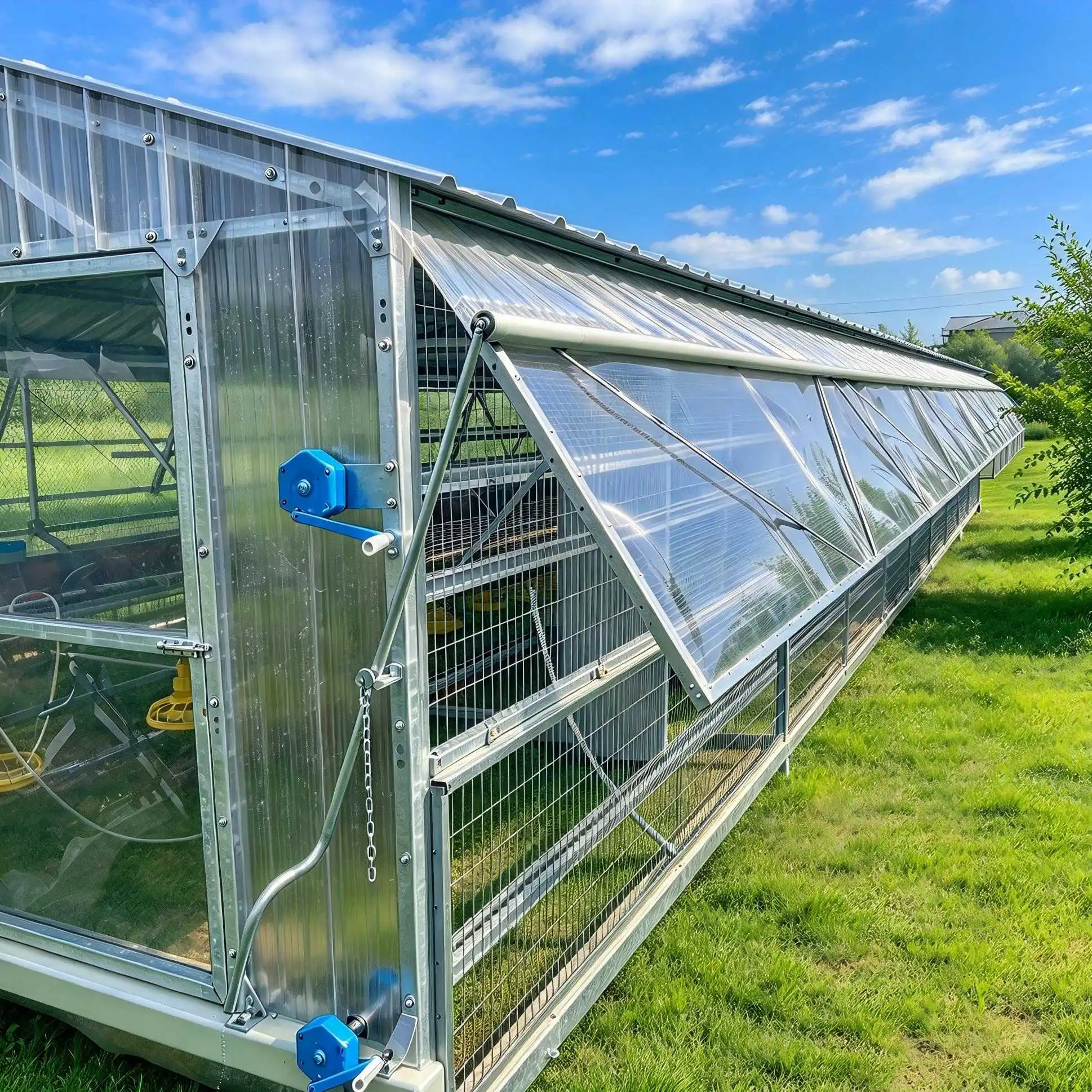
There is ammonia, water, cleaning chemicals, and a lot of moving that goes on in poultry houses, so compare the steel, coatings, and ability to fix things. Our unit has 275g hot-dip galvanized panels, a 3mm extra-thick galvanized frame, and a wire mesh system that is coated in aluminum and zinc. The international standard for hot-dip galvanized coatings on fabricated steel is ISO 1461 (2022). Ask any supplier how they check the coating. A salt spray test is used to see if the zinc coating is between 80 and 120 g/m² thick, and a structural load test is done to see how much towing torque it has. We made the unit so that it can be used for at least 15 years with proper care. Not just claims, but also test records.
Safety, Predator Control, and Climate Fit
Pets, wind, rain, and heat must not be able to open or break the doors, locks, mesh, or anchors of a Commercial Mobile Chicken Coop. You can pair our predator-proof mesh with our optional electric fencing, and the low-profile frame works well in Category 2 to 3 wind zones. The weather is also important. Our automation has been tested more than 10,000 times at temperatures ranging from -20°C to +50°C. IoT controllers in a battery management system keep an eye on charge levels so operators know when maintenance is due early on. People in the U.S. who live in hot or cold places should ask for cooling or extra insulation options, which we can set up. Before you finish the design, make sure you know the local rules for safety, electricity, and trailers.
Compare Standard and Custom Options and Calculate Total Cost
Cost planning and design choices go hand in hand. An easy comparison now keeps changes that cost a lot later from happening.
Standard Versus Custom Designs
Standard models usually mean faster production, tried-and-true layouts, and easier planning for spare parts. Custom designs are useful for flocks of odd sizes, rough terrain, extra automation, special dimensions, or private-label programs. We can do both OEM and ODM work, and we can make things based on your drawings. We offer samples, and our production cycle lasts between 30 and 60 days. By putting units together, the capacity can go from 1,000 to more than 50,000 birds. Ask for a detailed breakdown of the costs of engineering, production, accessories, and customization before you agree to any design. That list shows which extras are useful and which ones are just extras.
Lightweight Versus Heavy-Duty Builds
Less weight means less need for towing, less fuel use, and less work to move. Heavy-duty builds can hold more stuff and do better when they have to be moved over and over again. The right balance depends on how often they move, how big their flock is, and the terrain. A small pasture farm that moves quickly might like a lighter pen. A big farm with 700 to 900 birds per unit that are fed and watered automatically needs a stronger chassis and moves that are helped by a tractor. The heavy-duty approach is used in our 3mm galvanized frame. You can compare equal numbers if you ask each supplier to write down the frame thickness, coating weight, and towing needs in the same way.
Total Cost of Ownership and ROI
One line in the budget is all that it costs to buy something. Include the cost of shipping, taxes, setup, fuel for towing, labor for moving, cleaning, energy, upkeep, and spare parts. When it comes to price, a unit that is hard to move or clean costs more. Our product data shows that solar-powered automation cuts the work of feeding and watering by 70% compared to traditional housing. Precise climate control can also increase feed conversion by as much as 8%. Put in your own wage and feed costs after those numbers to make a model of labor savings, pasture use, and death. Include the one-year warranty that comes with our units in every quote you look at.
Verify the Supplier and Avoid Common Purchasing Mistakes
A good design won't work if the supplier can't make it and help with it. This part talks about the checks that keep your order safe.
Confirm Who Builds the Unit
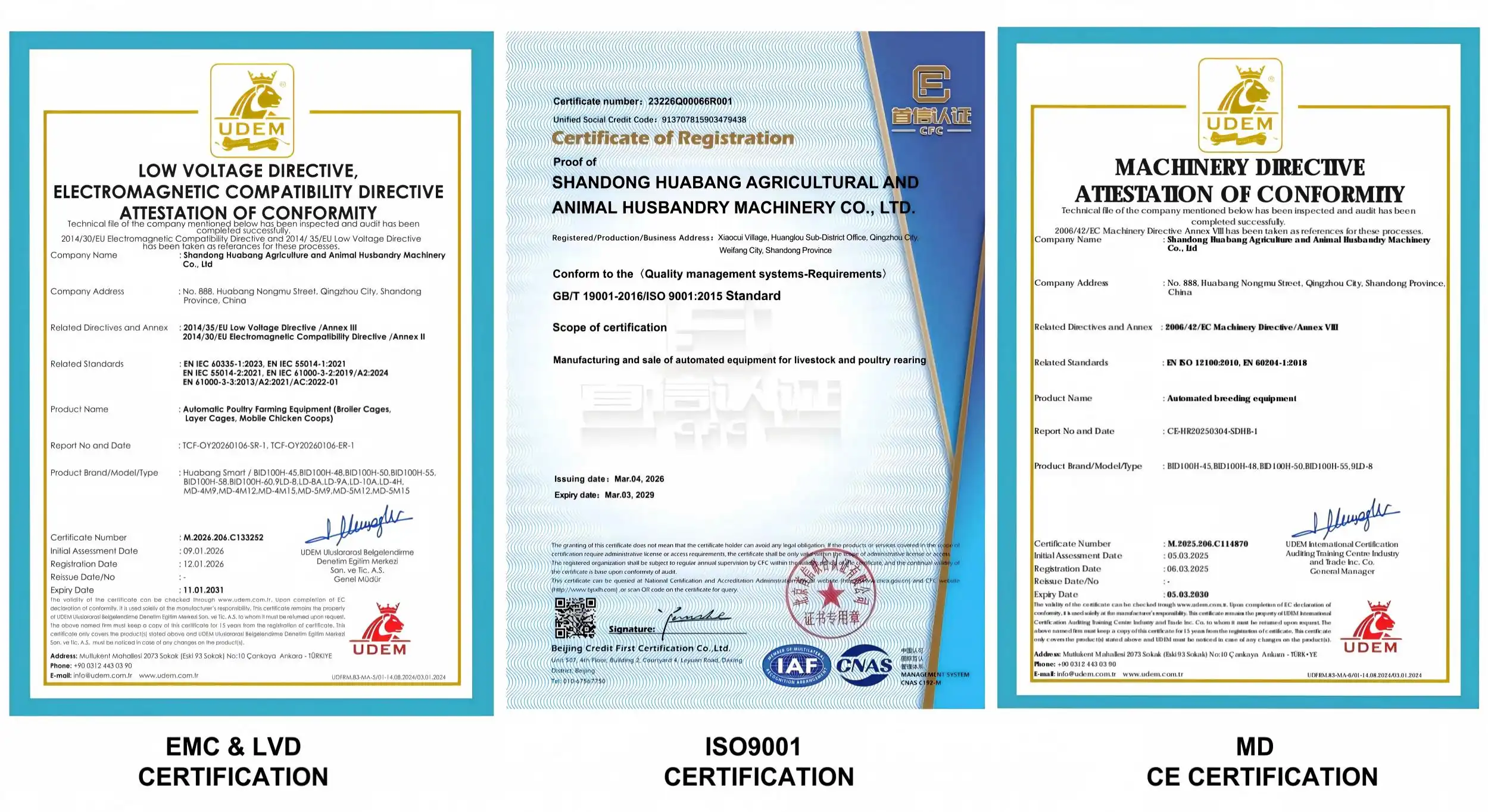
Check to see if the company you are dealing with is a manufacturer, a trading company, a distributor, or an engineering provider. Then ask for drawings, lists of materials, load ratings, maintenance guides, and details about the warranty. Huabang Smart is a high-tech company with its headquarters in Qingzhou, Shandong. It has been designing and making products for 17 years, has 49 core technology patents, and is certified by ISO9001 and CE. We sell straight from the factory. If you are looking for a supplier, make sure you see their ISO 9001 (2015) certificate and know what it covers. A visit to the factory or video call can also confirm the steps for making and putting things together.
Check Export, Installation, and After-Sales Support
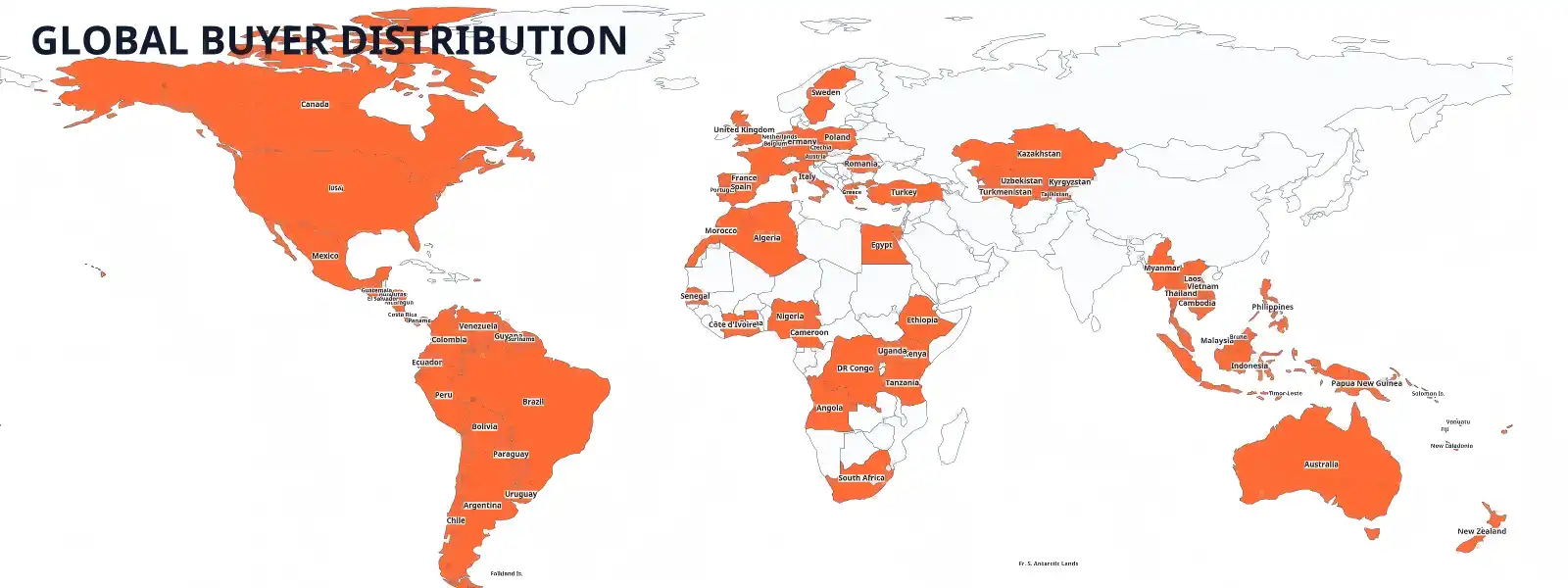
Clear export paperwork, container loading plans, installation help, and access to parts are all things that imported equipment like a Commercial Mobile Chicken Coop needs. We help with planning the site, designing the products, making detailed configuration lists, making video installation guides, installing the products on-site, giving technical advice on poultry farming, and providing local support after the sale overseas. Over 100 countries are connected to our service network. Write down the response times that each supplier gives you and ask them to name the person in your market who handles warranty claims. Find out how long it takes to get mesh, hinges, and electrical parts as replacements. Clear answers before the order cut down on wait times when the unit gets there.
Common Mistakes to Avoid
A lot of the time, procurement files have three mistakes:
- Judging capacity by maximum bird count alone. A large number in a brochure can hide cramped nesting, weak ventilation, or a density that fails your certification program. A review by Lay and colleagues in Poultry Science (2011) found that every hen housing system has trade-offs, so match the design to your management.
- Comparing quotes with different specifications. One supplier may price a 3mm galvanized frame with automation, while another prices a thinner frame without drinkers. Standardize frame, coating, mesh, power, and equipment lists first, so the cheapest quote is not simply the least complete.
- Ignoring logistics and site access. Farm lanes, gate widths, unloading equipment, and installation space affect delivery and setup. A unit 15 meters long needs a planned unloading area and a clear path to the first pasture.
By not making these mistakes, you can keep labor costs, installation delays, and expensive changes in check.
Use a Practical Checklist and Select the Best Fit
Now make the earlier checks into a tool that works, and then compare the result to what you're doing.
Build One Checklist for Every Quote
A shared list makes sure that comparisons are fair. First write down the details, such as the type of bird, its practical capacity, size, flooring, drainage, ventilation, feeding, watering, predator protection, chassis design, and towing needs. Then write down the business terms, such as the base price, any options, the minimum order quantity, the lead time, the packaging, the shipping, the installation, the warranty, the spare parts, and the compliance documents. Lastly, give the supplier a grade based on their manufacturing experience, past projects similar to yours, quality of documentation, OEM support, history of exports, and service after the sale. Everything you send should be on the same sheet. Answers that match up speed up the comparison process and show gaps that a brochure might hide.
Match the Unit to Your Operation Type
There is no one best Commercial Mobile Chicken Coop. The best one for you depends on how you plan to use it. Small and medium-sized pasture farms usually want a moderate amount of space, easy cleaning, and less towing. Large commercial farms need a heavy-duty chassis, more space per unit, feeding and watering all in one, and moves assisted by a tractor. Distributors and OEM buyers should pay attention to standard parts, consistent production, branding options, export packaging, and support for spare parts. For projects in cold climates, insulation and moisture control are important. For projects in hot climates, shade, airflow, and reliable water delivery are needed. Tell us about your category, and we'll suggest a way to set it up.
See How Our Unit Fits Common Uses
There are three common ways to use our mobile chicken coop. In rotational grazing, it follows cattle or other animals, so birds eat the larvae and spread the waste. Birds that are raised for organic meat and eggs stay in touch with fresh ground. This helps farmers meet the USDA Organic Livestock and Poultry Standards for outdoor access (2023). Your certifier still has to review your work before you can get certified. Birds help keep bugs away from orchards and fertilize the soil. The mesh and optional electric fencing keep the flock safe. Importers, EPC contractors, and farms that need a mobile solution can use these.
Conclusion
When someone buys a Commercial Mobile Chicken Coop, they should make sure it fits them before they look at price. The capacity must match the type of flock and the rules for certification. The mobility system must work with the tractor, the terrain, and the rotation schedule. And the humidity, ammonia, and heat levels inside must be controlled. The investment is safe in harsh field conditions thanks to galvanized steel, tested coatings, secure mesh, and climate-specific options. There are standard models, custom models, lightweight models, and heavy-duty models. Each is used for a different task. The total cost includes more than just the price. It also includes freight, installation, labor, energy, and maintenance. Checks with the supplier, like drawings, certificates, help with installation, and warranty terms, lower the risk. This is a fair comparison because everyone has the same list.
FAQ
What Is a Commercial Mobile Chicken Coop?
For pasture-based farms, it's a big, portable chicken coop. It's not like a light chicken tractor because it has equipment for feeding, watering, and airflow, and an ATV or tractor moves it from one pasture section to another.
How Many Birds Does Your Unit Hold?
This 15m x 5m x 2.8m unit can hold 700 to 900 birds. We can also make things to your exact measurements and from your drawings.
What Affects the Price?
The price changes based on things like capacity, materials, automation, customization, freight, and installation. So you can compare offers fairly, ask for detailed quotes based on the same details.
How Long Do Production and Warranty Last?
It takes 30 to 60 days to make. The warranty lasts for a year. We made the unit so that it can last at least 15 years with proper maintenance.
Does the Unit Need Grid Power?
No, the automatic feeding, nipple drinking lines, and timed ventilation controls are all run by a 12V/24V system that is powered by the sun. This works well in remote pastures.
Request a Commercial Mobile Chicken Coop Recommendation
Send Huabang Smart information about the type of birds, the size of the flock, the climate, the terrain, and where the delivery is going. Our team will then come up with a configuration with drawings, prices, and lead times. We are a direct factory that makes Commercial Mobile Chicken Coop. We offer OEM and ODM options, help with installation, and a one-year warranty. For more information, email ginny260831@gmail.com or huabangsmart002@gmail.com or go to poultrycage.com.
References
1. Organic Livestock and Poultry Standards Final Rule, USDA Agricultural Marketing Service, 2023
2. Hen Welfare in Different Housing Systems, Poultry Science, 2011
3. Pastured Poultry Profits, Joel Salatin, 1993
4. Poultry Development Review, Food and Agriculture Organization of the United Nations, 2013
5. ISO 9001: Quality Management Systems – Requirements, International Organization for Standardization, 2015
6. ISO 1461: Hot Dip Galvanized Coatings on Fabricated Iron and Steel Articles, International Organization for Standardization, 2022

USER EVALUATE
Here is the customer's evaluation of us
(1)_1793065123781.webp)