
How to Choose a Chicken Laying Nesting Box for Breeder Flock Management
Before you buy a chicken laying nesting box for breeder farm, you should think about how many chickens you have. Then, check to see if the style, material, collection method, and customer service of the nest are all good for your home. To find out how many hens can fit, I suggest adding up the number of hens and the number of hens the manufacturer says are in each set. Check to see how the eggs get to the belt and that the structure can handle water and ammonia. It's more important to keep breeder eggs clean and break them less often than in a backyard coop where the chicks will grow. You can use the same egg line without having to rebuild if you have a good nest. This saves time and keeps the eggs clean.
People who own farms, work as poultry engineers, buy from distributors, or are OEM buyers will find this book useful. I talk about the designs, sizes, layouts, materials, automation, suppliers, and costs of everything that needs to be done. I also show you how our Huabang Smart Nest system fits into each step, so you can see how it compares to other choices.
Step 1: Define Your Requirements and Compare Nesting Box Designs
You should think about what your farm really needs to run before you buy anything. It's easy to pick between the designs once those are clear.
Estimate Capacity From Flock Size
A simple equation can help you figure out how many breeder hens you need and how many should be in each nesting position. A flock of 12,000 hens and a unit that can hold 120 birds per set are two examples. There are 100 sets in this case. Then look at the breed's care guide and the laws in your area about animal welfare. The answer might be different based on the size of the bird and the way it lays its eggs. When you lay your eggs is also important. There is a short window in the morning when hens only lay their eggs. Floor eggs happen when nests are too crowded, or birds aren't spread out evenly. If you're too small, the eggs get dirty and broken, and if you're too big, you waste money on things you don't need. I think you should only add a space when you want the flock to be bigger.
Match the Collection Method to Your Labor Goals
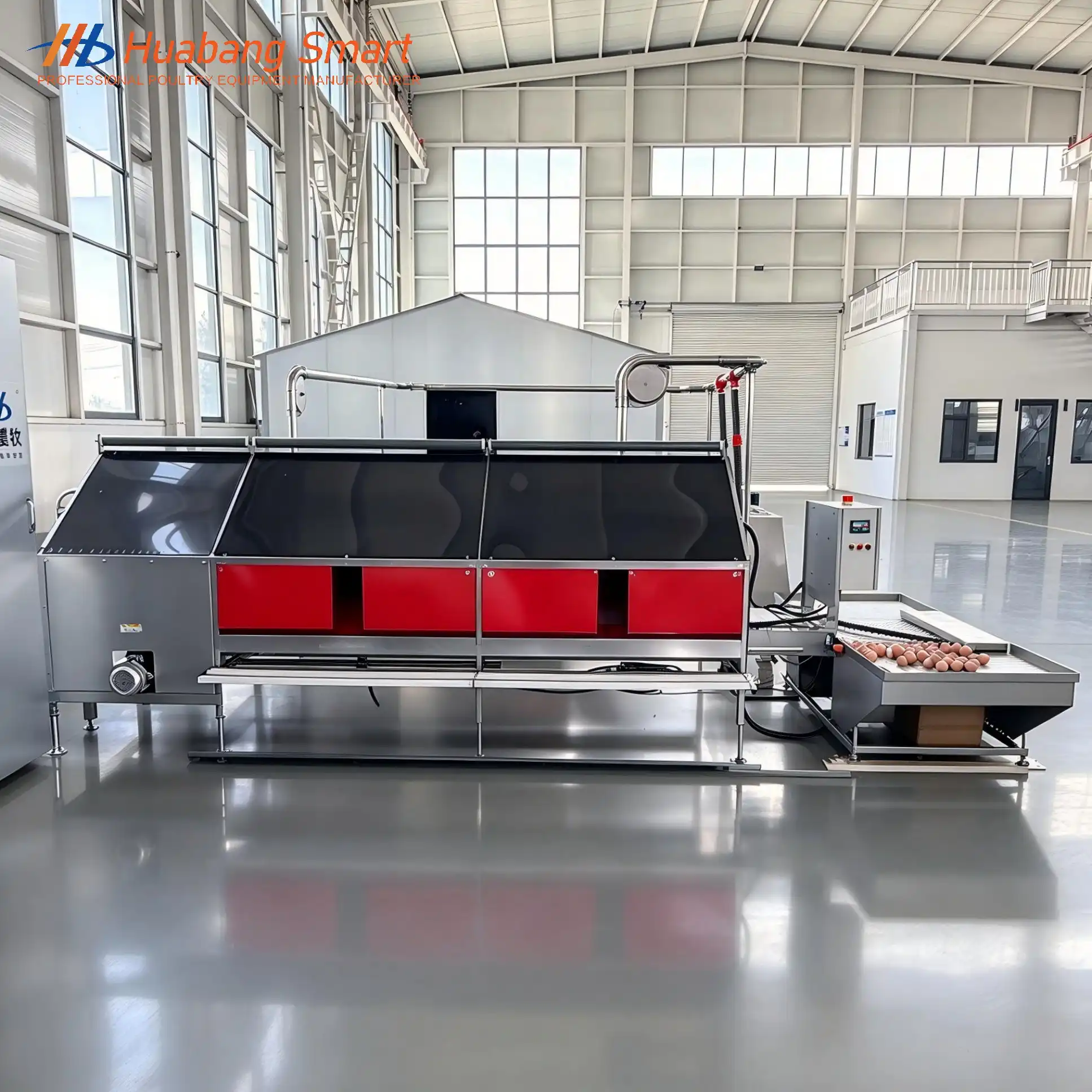
To collect, you can do it by hand, with roll-away nests, or with lines that do everything for you. Hand collection doesn't cost much at first, but workers have to walk every aisle several times a day, and each touch raises the risk of getting an infection or crack. The eggs are moved to a belt when the nest is rolled away. This saves time. Moving the eggs to a central location is done by fully automatic systems. This cuts down on foot traffic and the risk of biosecurity. It takes a lot of work to collect today. Think about how stable your staff is and whether you are in charge of more than one house. Your answers show whether you need full automation or just simple automation.
Compare Tiers, Nest Types, and Roll-Away Designs
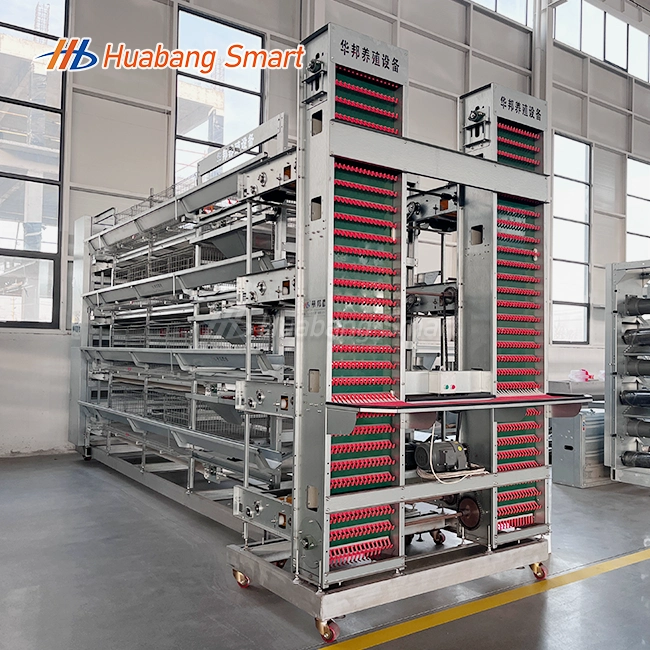
Single-tier nests are easier to access and maintain, while tiered systems save floor space but require stronger building structures and carefully planned access for staff. When selecting a chicken laying nesting box for breeder farm operations, the choice between individual nests and colony-style systems also matters, as smaller groups of hens are generally easier to manage. Traditional nests keep eggs where hens lay them, requiring staff to collect them frequently, whereas roll-away designs allow eggs to be removed quickly, helping keep the shells clean and reducing the risk of damage.
| Factor | Manual Collection | Automatic Collection |
|---|---|---|
| Investment | Low | Higher |
| Labor | High | Low |
| Expansion | Limited by staff | Add units along the line |
| Integration | None needed | Connects to egg line |
| Maintenance | Cleaning | Cleaning plus belt and motor checks |
| Traceability | Depends on records | Eggs follow a set path |
The column that fits your farm should not be the cheapest one.
Step 2: Select Size, Layout, Materials, and Hygiene Features
Watch how well the nest works over time once you know its size, shape, and how it's put together.
Size and Module Count
Not every flock needs the same size of nest. It depends on the breed, body size, design of the entrance, and the way the eggs are collected. Check the space inside, how comfortable the hens are, how easy it is to look inside, and how the eggs move. Researchers who study chicken behavior have found that hens look for safe, dark places to nest. This means that comfort affects use. Divide the number of modules by the size of the flock to get the module count. Then, change when the eggs are laid, how often they are collected, and how much they grow in the future. This type of building is useful because you can add units to the house at any time. To give you an idea, our unit is 1.2 m long and 1.4 m wide, or 1.88 m with the perch. Each set can hold about 120 birds.
House Layout and Climate
Draw a picture of the house before you place your order. Mark where the feeders are, the path the birds take, the width of the aisles, how to get to the conveyor, and where to do maintenance. Techs need to be able to reach motors and belts without having to move other tools around. After that, check the weather. Hens can pick where to lay their eggs based on the temperature, drafts, light, and airflow. Too little airflow also makes the area around the eggs more damp. The middle of our unit is raised 5 cm, which is about 2 inches. This lets air pass through the nest. This keeps things cool in the summer and stops water from getting too high. When you send your supplier a simple top-down sketch, it takes them less time to make layout drawings.
Materials and Hygiene Checks
Vinyl is light and easy to clean, but UV light and some germ killers can damage it. Weak galvanized steel can rust in air that has a lot of ammonia in it. The two are both used in hybrid builds. Make sure the surfaces are smooth and don't have any pores. They should also have few gaps that let dirt in, safe edges, and fasteners that won't rust. In the corrosive, damp air of a chicken coop, the zinc-aluminum-magnesium plate in our nest body lasts longer than a simple steel sheet. Eggs are kept away from poop, litter, and feathers by roll-away channels, but how they are set up and how often they are collected are still important. Every day, I walk the line and look for dirty pads, stuck eggs, and belt drift. Every week, I check the fasteners and drive parts and clean in between flocks.
Step 3: Understand Automatic Nesting Boxes and Match Them to Your Farm
Because automation changes how eggs, work, and maintenance work together, I'll start with the process.
How an Automatic Nest Works
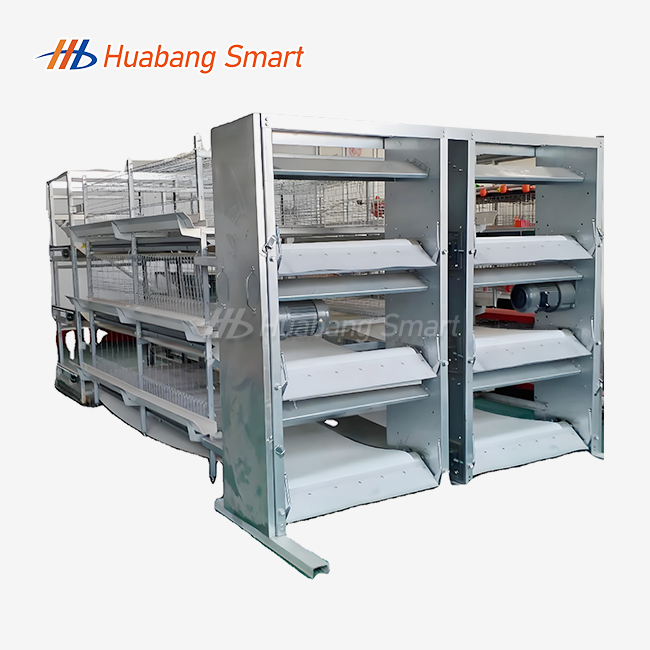
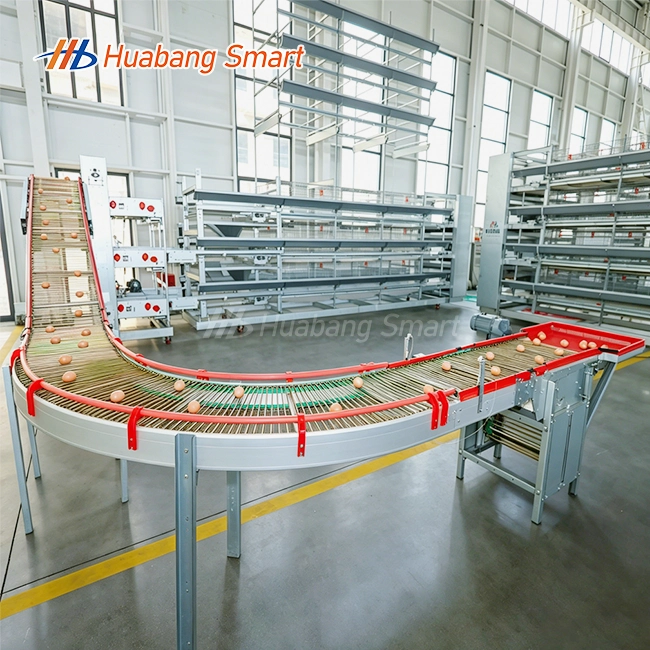
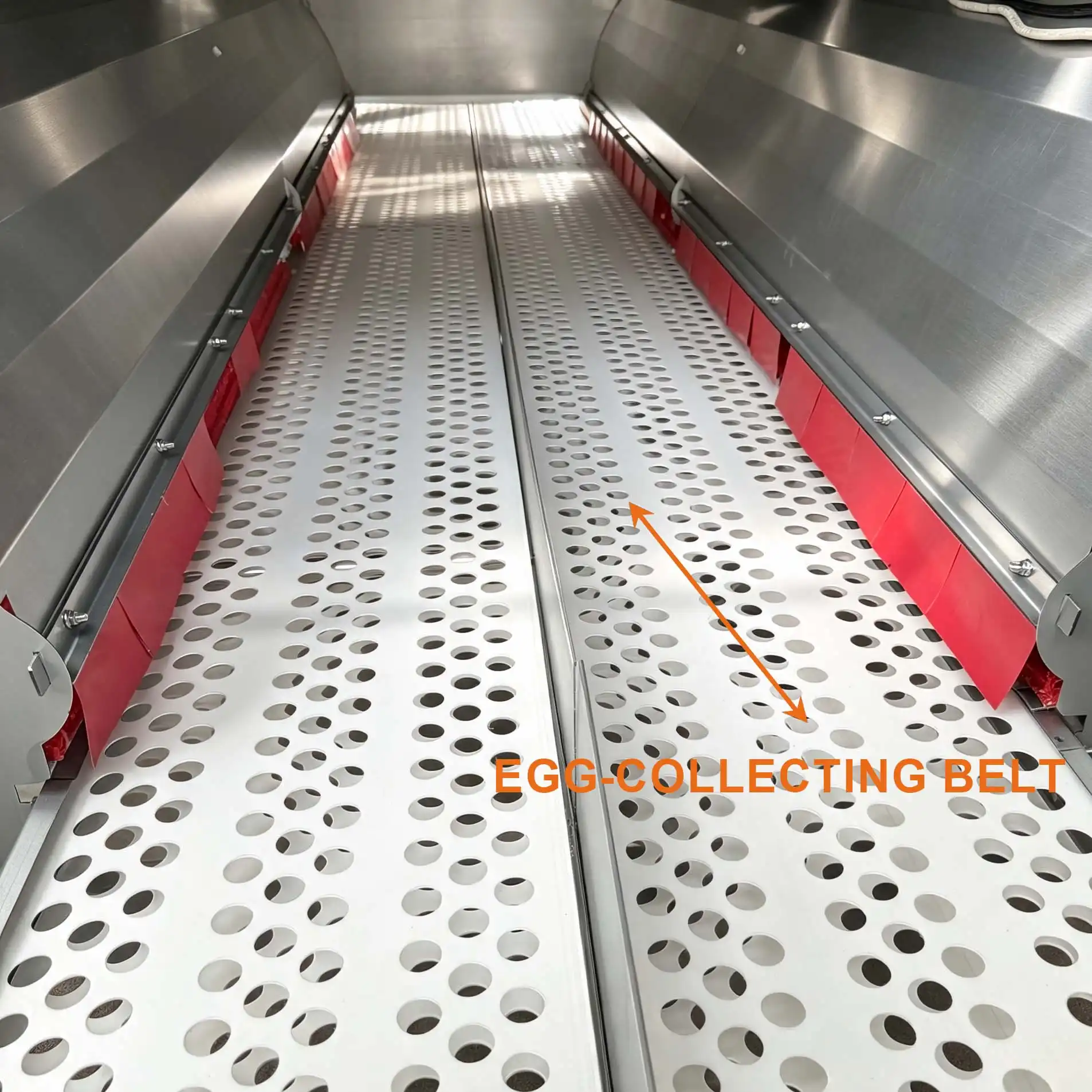
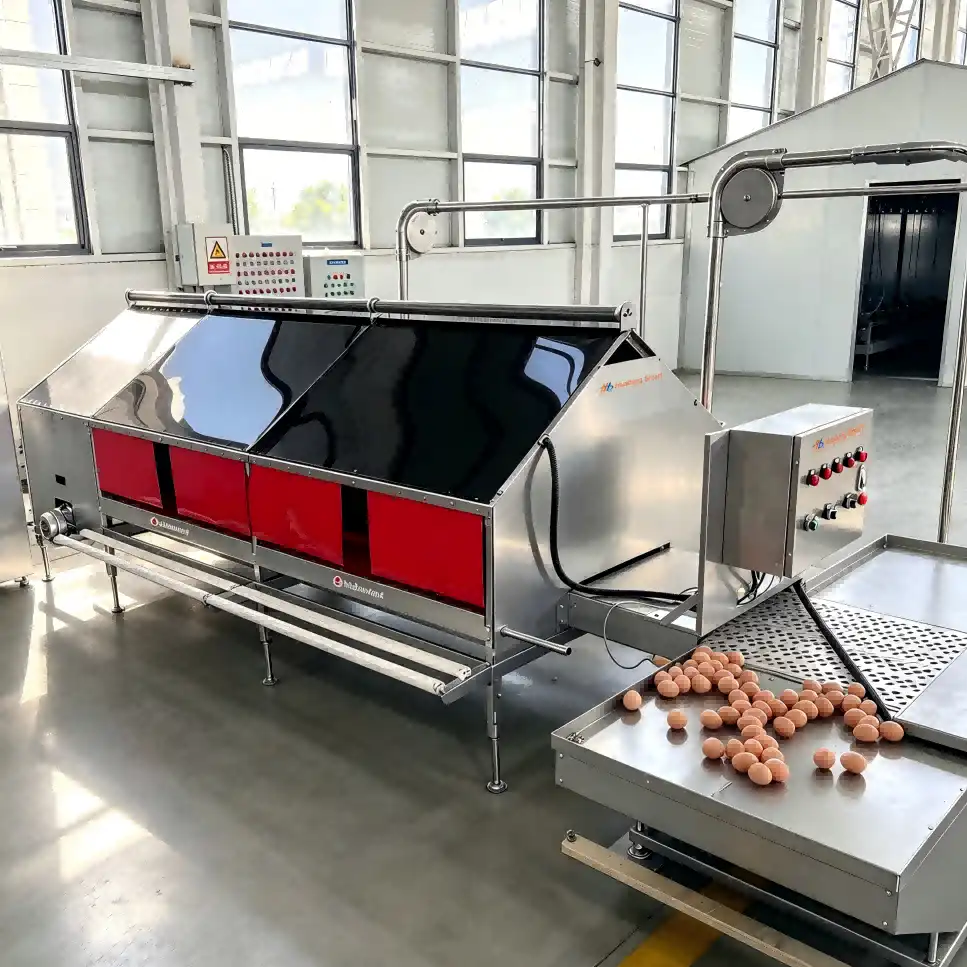
The hen enters the chicken laying nesting box for breeder farm and lays her eggs there. After rolling slowly along a buffer section, each egg moves onto the egg belt and is transported to the egg collection line. Our system integrates egg conveying, collection, laying, and storage components to support an efficient egg-handling process. A 0.4 kW motor at the front drives the belt, while a 0.75 kW motor at the rear helps maintain stable operation over long conveyor lines. The belt automatically adjusts its tension to prevent lateral movement and keep the eggs moving smoothly. Its open design also allows feathers and other dry debris to fall away from the eggshells, helping maintain cleanliness during collection.
When Automation Pays Off, and Where It Has Limits
Farms with a lot of animals, projects with many homes, places with few workers, and jobs that need to be collected regularly can all benefit from automation. You don't have to change how you handle eggs, and it saves time. It can only do so much. It costs more up front, and you need a house that can fit the equipment, a good power supply, and regular maintenance. To run it, you also need trained operators. After-sales service and spare parts are just as important as the machine itself. What kind of electricity does it need? Who will take care of the belts and motors? First, if you can't answer them, work on it.
Match the Nest to Your Farm Scenario
In general, small and medium-sized farms do best with modular systems that are small, simple to set up and clean, and have room for growth. Big farms need modular lines that take up a lot of space, have a collection that can be rolled away, are built to last, and are easy to maintain. If a company doesn't have enough workers, it should first look into automation and quick technical support. It's important for distributors and OEM clients to be able to change the layouts, sizes, branding options, export packaging, and technical documents to meet the needs of different clients. You can add or take away units from our nest to make it fit the length of your house, and we can use your drawings to make OEM/ODM orders.
Step 4: Evaluate Suppliers, Total Cost, and Common Mistakes
It's not just the nest that you can choose from. What happens depends on the supplier and the big picture of costs.
Build a Supplier Checklist
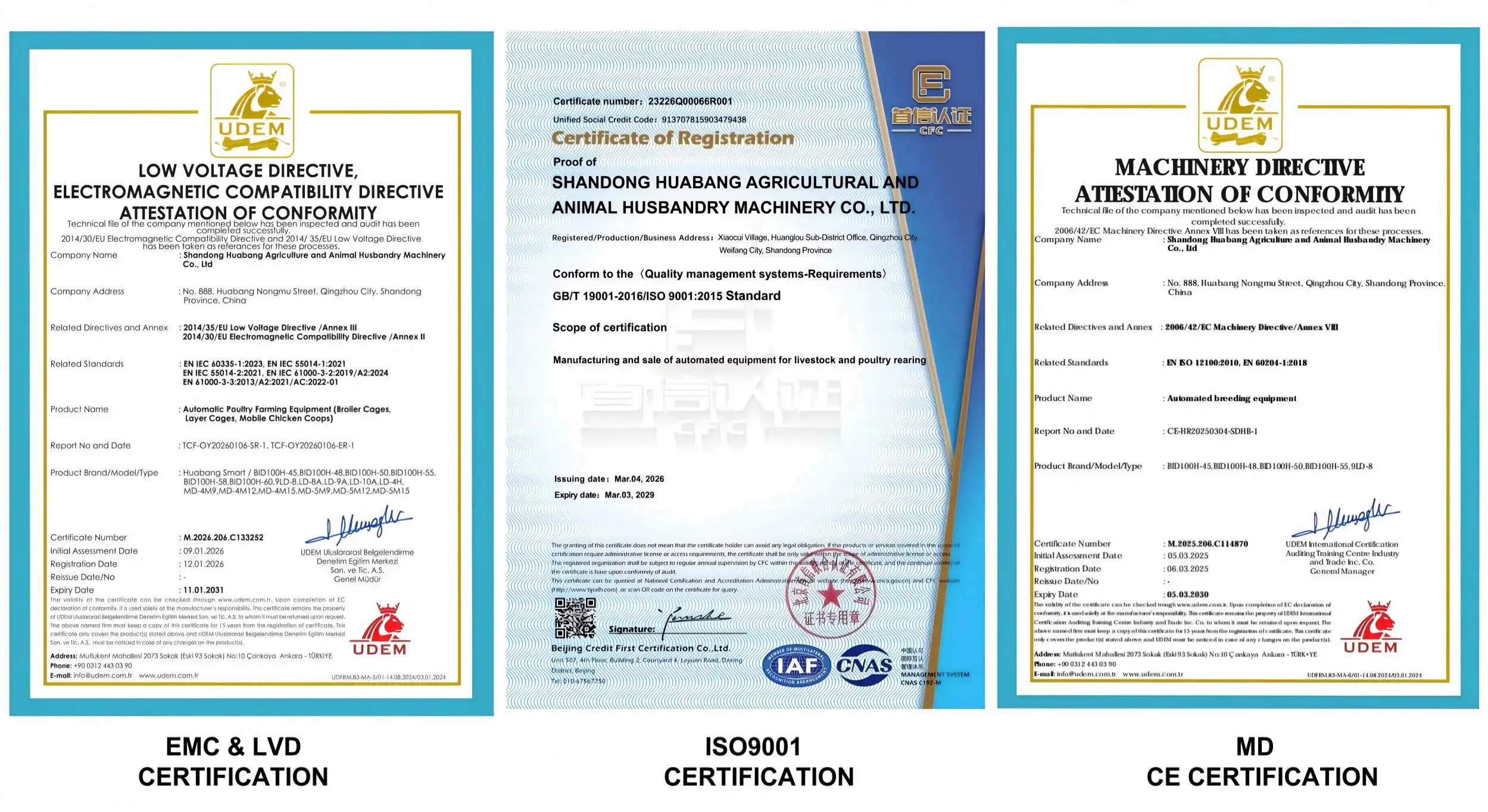
Don't worry about how something looks; give it a price. Find out how long the company has been making things, how good their coatings are, how consistent their production is, and how many times they've been inspected. Make sure that the ISO9001 and CE papers work with your breeder houses by looking at them. They should be able to change the size, capacity, packaging, and the way the conveyors connect to the machine. They can also help with installation and give you layout drawings. During delivery, find out about the lead time, shipping costs, warranty length, spare parts, how to fix problems from afar, and how long it takes for a response. Before you place a big order, ask the maker of the goods four things. The lead time for your company is how long? How does the warranty help? Who's in charge of the installation? What parts do you always have on hand?
Calculate Total Cost and Track Performance
Each set only costs one price. You should add up the costs of shipping, importing, setting up, power work, conveyors, labor, cleaning, spare parts, downtime, and repairs, and then spread them out over the expected service life. After you set up, keep track of how many floor eggs, dirty eggs, cracked eggs, collection hours, nest use, downtime, and costs you pay per egg. With standard feeding control, our unit breaks less than 0.3% of the time. This can help you figure out what to do. Make a weighted matrix that rates suppliers based on their long-term value, cleanliness, size, durability, automation, customization, support, delivery, and help. This will let you look at different suppliers.
Avoid Common Buying Mistakes
That's the same mistake I keep seeing. People only look at price, but they end up paying more for cleaning, repairs, and downtime. They also fail to consider how many eggs their hens or flock can produce at peak performance. When installing a chicken laying nesting box for breeder farm operations, they may overlook the existing house layout, allowing aisles, feeders, ventilation systems, or conveyors to interfere with the new setup. They also underestimate how manure, disinfectants, and humidity can damage equipment over time. Others invest in automation without ensuring they have the power supply, spare parts, or trained staff needed to operate and maintain it properly. The USDA Egg-Grading Manual makes clear that dirty or cracked shells are unacceptable for quality grading. These mistakes ultimately cost money.
Huabang Smart Chicken Laying Nesting Box for Breeder Farm: What You Get
In this way, our nest system meets all of those needs.
Specifications at a Glance
Each set has a zinc-aluminum-magnesium plate that is 1.2 m (3.9 ft) long, 1.4 m (4.6 ft) wide, or 1.88 m (6.2 ft) with the perch, and 2 m (6.6 ft) high with the perch. It weighs 40 kg (88 lb) and can hold about 120 birds. The frame is 3 mm hot-dip galvanized steel, and the motors in the front and back are each 0.4 kW and 0.75 kW. One year is the length of the warranty. It can connect to automated egg lines that are already set up, so farms with floor-rearing houses, multi-level cages, or mixed breeding systems don't have to start from scratch.
Core Advantages
The problems listed above can be fixed by four things. Eggs don't fall off the belt because of a buffer-type egg roller system that moves them slowly onto it. Nite lifts keep the nest body from falling over when it gets dark. So the birds don't stay inside at night, there are fewer dirty eggs and less dirty dishes to wash in the morning. There is less need to recalibrate and clear jams because the belt can adjust itself to the right tension and level of movement. There is no need for extra adapters because the built-in unit can connect to most automated egg collection lines. Collection that happens on its own saves time and work.
Customization, Production, and Support
We change how many nest units and how much power the motor puts out for longer lines based on how long your house is. It usually takes 30 to 60 days to make something, and we've been designing and making things for 17 years. There are ISO9001 and CE marks on our factory, and we ship straight from the factory. We also take OEM/ODM orders based on the plans you give us. Our technicians can help you set up and start up the machine. They can show you how to tighten the belt, set up the lifting mechanism, and wire the motor. Its main office is in Qingzhou, Shandong, and it has clients in more than 100 countries. On its core technology, it has 49 patents.
Conclusion
Before purchasing a chicken laying nesting box for breeder farm, make sure the nesting system is suitable for your farm's specific needs. Calculate the required capacity based on the number of hens and the manufacturer's recommended capacity per set. Then, choose an egg collection method that suits your labor resources and housing setup. Consider the size, layout, and climate of your poultry house, and select durable, rust-resistant materials with smooth surfaces that are easy to clean. Automatic roll-away systems can simplify egg handling, reduce breakage, and improve cleaning efficiency, but they also require a reliable power supply, trained operators, and access to spare parts. When evaluating suppliers, check their certifications, customization options, delivery times, and warranty terms. Beyond the initial purchase price, consider the total cost of ownership and egg quality indicators. Overlooking house layout or underestimating capacity can compromise egg quality and negatively affect your farm's long-term profitability.
FAQ
How many hens does one nesting box hold?
One ratio doesn't work for all farms because capacity depends on breed, how the hens lay their eggs, and how the system is set up. We figure out how many sets you need based on how many birds you have. About 120 birds fit in each set.
Are roll-away nests worth it?
Yes, for most homes that breed dogs. They keep eggs away from litter and poop, and handling them doesn't hurt them as much. You still need to put them in the right place, train them as a flock, and pick them up on time.
When is automation justified?
If there is power, trained operators, and service support, automation can work on big farms, projects with many homes, and places where there isn't much work to be done.
What should I prepare for a quotation?
Tell them what kind of breeders they need, how many of them they want, how they will be collected, if there are any existing conveyors, how much material they need, what country they are going to, when they need it, and what the OEM wants.
Request Your Nesting Box Quote from Huabang Smart
Huabang Smart makes the chicken laying nesting box for breeder farms. They are a direct factory with 17 years of design experience, ISO9001 and CE certification, OEM/ODM support, and a warranty that lasts for one year. To get a quote and ideas on how to set up your nest, email ginny260831@gmail.com or huabangsmart002@gmail.com with the length of your house, the number of birds that live in it, and where you want it to go. Go to poultrycage.com to find out more.
References
1. Ross Parent Stock Management Handbook, Aviagen, 2018
2. Council Directive 1999/74/EC Laying Down Minimum Standards for the Protection of Laying Hens, Council of the European Union, 1999
3. Poultry Behaviour and Welfare, Appleby, Mench, and Hughes, CABI Publishing, 2004
4. Egg-Grading Manual, USDA Agricultural Marketing Service, 2000
5. Machinery Directive 2006/42/EC, European Parliament and Council of the European Union, 2006
6. Commercial Chicken Meat and Egg Production, Bell and Weaver, Springer, 2002

USER EVALUATE
Here is the customer's evaluation of us
(1)_1793071559822.webp)